

P0102 on 2010-2015 Toyota Prius: MAF Circuit Low Causes and Fixes
On a 2010-2015 Prius, code P0102 is most often caused by the Mass Air Flow (MAF) sensor being left unplugged after an air filter change. Before buying parts, check the connector. If it's connected, the next most likely fix is cleaning the sensor with dedicated MAF cleaner for about $15. Be aware that even after fixing the issue, the code may remain as a 'permanent DTC' and require a specific drive cycle to clear.
- First, physically check that the MAF sensor connector is plugged in all the way. This is the most common cause of P0102 on this Prius and costs nothing to fix.
- If the connector is secure, the next step is to clean the MAF sensor with a dedicated cleaner. Do not use other chemicals.
- Inspect the wiring harness near the sensor for any signs of chewing or damage, a known issue for this vehicle.
- If you must replace the sensor, insist on an OEM (Toyota) or Denso part (part no. 197-6160) to avoid performance problems.
What's Unique About the 2010-2015 Toyota Prius
For the third-generation Prius, the P0102 code is very frequently a simple case of user error. The MAF sensor connector is located on the air filter housing and is often forgotten or not seated properly during routine maintenance like an air filter replacement. Additionally, this platform uses soy-based wiring insulation, which has been known to attract rodents, making chewed wires near the MAF sensor a more common cause on this vehicle than on many others. A common point of confusion for owners is that after fixing the issue (e.g., plugging the sensor back in), the P0102 code can persist as a 'permanent' trouble code that can't be cleared with a standard scanner, requiring a specific drive cycle to be completed before it extinguishes.
Symptoms You May Notice
- Check Engine Light is on
- Engine running rough or idling poorly
- Hesitation during acceleration
- Reduced fuel economy
- Engine may stall, especially when coming to a stop
- Black smoke from the exhaust
- Engine fails to start (may be accompanied by codes P3190, P3191, P0A0F)
- Replacing the MAF sensor without first checking if the connector is securely plugged in.
- Replacing the MAF sensor when the only problem is that it needs to be cleaned.
- Assuming the problem is fixed when the 'permanent' P0102 code remains, without performing the required drive cycle to clear it.
Most Likely Causes
- MAF Sensor Connector Unplugged or Loose 🔴 High Probability → Shop Fuel Injection Air Flow Meter The connector is on the air filter box and is commonly disconnected for air filter service and not reconnected properly. This is the most frequent cause reported by owners.
How to confirm: Visually inspect the MAF sensor on the air filter housing. The connector is on the underside and can be hard to see. Ensure it is fully seated and 'clicked' into place. This fault will almost always set a P0113 (IAT Sensor Circuit High) code at the same time.
Typical fix: Securely plug the connector back into the MAF sensor.
Est. part cost: $0 - Dirty or Contaminated MAF Sensor 🔴 High Probability → Shop Fuel Injection Air Flow Meter Over time, oil fumes (especially on engines with oil consumption issues) and fine dust can coat the sensor's delicate wires, insulating them and causing incorrect readings. Over-oiling a reusable K&N-style air filter is a common way to contaminate the sensor.
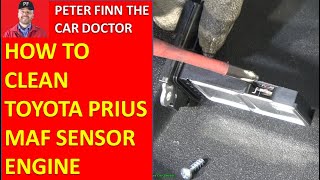
How to confirm: Remove the sensor (held by two Phillips screws) and visually inspect the small wires inside. Even a thin film can cause issues.
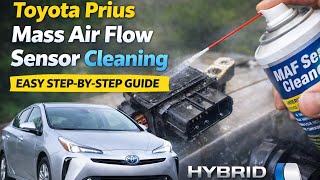
Typical fix: Carefully spray the sensor's wires and bulb with a dedicated Mass Air Flow sensor cleaner. Do not touch the wires or use other chemicals 🎬 See this easy step-by-step guide for cleaning your sensor. like brake or carb cleaner. Allow it to dry completely before reinstalling.
Est. part cost: $10-$20 - Damaged MAF Sensor Wiring 🟡 Medium Probability → Shop Fuel Injection Air Flow Meter The 2ZR-FXE engine bay is a known nesting spot for rodents, who are attracted to the soy-based wire insulation, leading to chewed and broken wires.
How to confirm: Visually inspect the wiring harness leading to the MAF sensor connector for any signs of chewing, fraying, or breaks. A multimeter can be used to check for continuity between the connector and the ECM if no visible damage is found.
Typical fix: Repair the damaged section of wire using butt connectors with heat shrink or by soldering, then wrap with electrical tape. Some owners use rodent-deterrent tape (e.g., Honda's capsaicin-infused tape) for added protection.
Est. part cost: $5-$25
Rare But Worth Checking
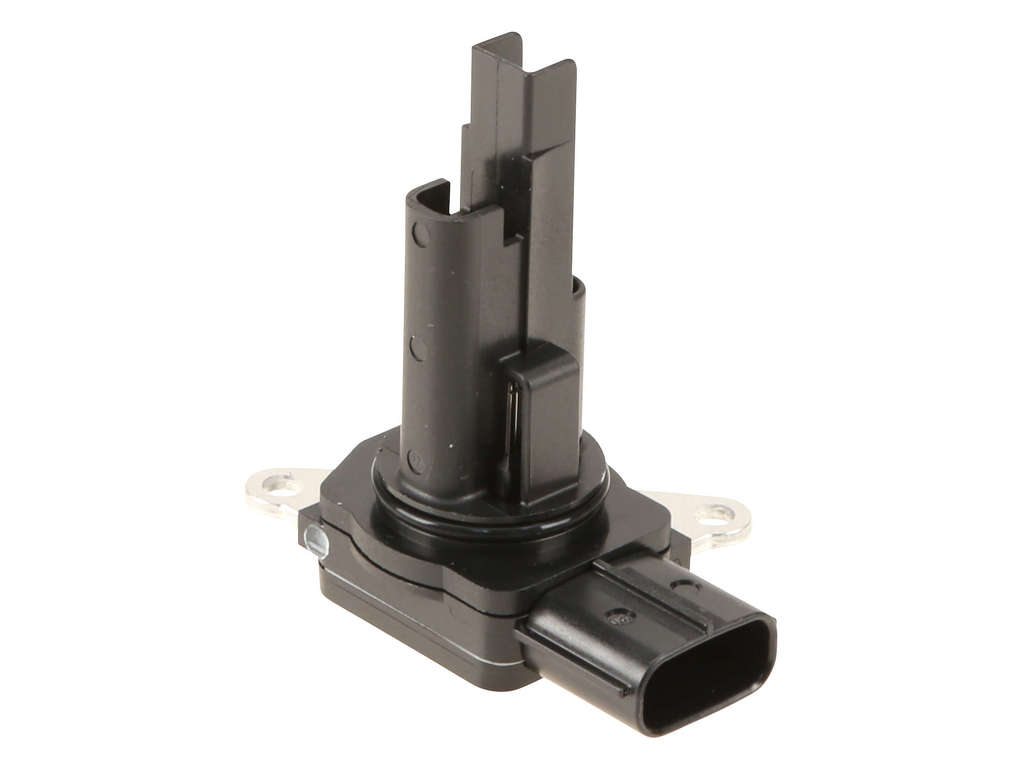
- Failed MAF Sensor: → Shop Fuel Injection Air Flow Meter While less common than a dirty sensor or loose connector, the sensor itself can fail internally. If cleaning and checking the wiring doesn't resolve the code, the sensor is the next likely culprit. It is highly recommended to use an OEM Denso part, as aftermarket sensors are known to cause issues.
- Vacuum Leak: A significant leak in the air intake hose between the MAF sensor and the throttle body can allow unmetered air to enter the engine. This typically also throws a P0171 (System Too Lean) code. Check for cracks or loose clamps on the intake boot.
- Blown EFI #2 Fuse: A user on a forum reported that a blown EFI #2 fuse was the cause of their P0102 code. This fuse provides power to the circuit and is worth checking in the under-hood fuse box.
- Faulty Engine Control Module (ECM): This is extremely rare, but it is theoretically possible for the ECM's internal circuit to fail. This should only be considered after all other possibilities have been exhausted and confirmed with multimeter testing of the harness.
Diagnosis Steps
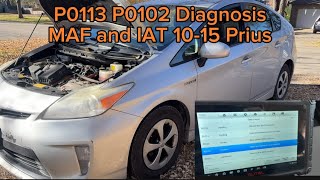
- Read the code with an OBD-II scanner and confirm P0102 is present. Note any other codes, especially P0113, which strongly points 🎬 Watch: How to diagnose P0113 and P0102 codes together. to a connector or wiring issue.
- Visually inspect the MAF sensor connector on the airbox. Confirm it is plugged in securely. This is the most common fix.
- Inspect the wiring harness leading to the sensor for any signs of rodent damage, chafing, or broken wires.
- If the wiring and connector are good, unplug the sensor and remove the two Phillips head screws holding it in place.
- Carefully remove the sensor and clean it using a dedicated MAF sensor cleaner spray. Do not touch the internal wires. Let it dry completely.
- Reinstall the sensor and clear the codes. If the code returns or remains as a 'permanent DTC', a specific drive cycle is needed.
- If the code returns, inspect the entire air intake system for vacuum leaks between the MAF sensor and the engine.
- Using a scan tool with live data, monitor the MAF sensor reading in grams/second. With the engine off (ignition on), it should be 0. At idle, it should be around 1.5-2.5 g/s and increase smoothly to over 10 g/s as the engine RPMs rise. A static or zero reading while running indicates a problem.
- If all else fails, replace the MAF sensor with a new OEM or Denso unit. Aftermarket sensors are strongly discouraged.
- To clear a 'Permanent DTC', a specific confirmation drive pattern must be completed. 🎬 Watch: How to clear a permanent P0102 code for smog tests. This may involve idling the engine for 5 seconds, driving up to 50 mph, and then accelerating to 62-75 mph for at least 5 seconds. Many owners report the code clears on its own after several days of normal driving.
Parts You'll Likely Need
- Mass Air Flow (MAF) Sensor
(OEM #22204-37010)— This is the part that fails or gets dirty. If cleaning doesn't work and the wiring is intact, replacement is the solution. It is highly recommended to use the OEM brand, Denso (part # 197400-5080), as aftermarket sensors are known to cause performance issues on Toyotas.
Trusted brands: Denso
OEM price range: $130-$180
Aftermarket price range: $50-$110 - MAF Sensor Cleaner — This specialized aerosol cleaner is often all that's needed to fix the code by removing contamination from the sensor element.
Trusted brands: CRC, WD-40 Specialist
Aftermarket price range: $10-$20
Related Codes That Often Appear With This One
- P0113 — P0113 is for the Intake Air Temperature (IAT) sensor circuit. On the Prius, the IAT and MAF sensors are integrated into the same physical part. A disconnected plug or damaged wiring will almost always cause both codes to appear together.
- P3190, P3191, P0A0F — These codes relate to the engine failing to start. Without a valid signal from the MAF sensor, the hybrid system may have trouble starting the gasoline engine, which can trigger these additional codes.
- P0171 — This code for 'System Too Lean' can accompany P0102 if the root cause is a vacuum leak, where unmetered air is entering the engine after the MAF sensor.
Platform-Specific Known Issues
- The use of soy-based wiring insulation makes the engine harness a target for rodents, which can lead to chewed wires for the MAF sensor.
- A 'Permanent
Mechanic-Grade Diagnostic Values
- MAF Sensor Live Data (g/s) at Idle — expected: 2 to 7 g/s (typically 1.5-2.5 g/s for the 1.8L engine). Failure: A reading of 0 g/s or a static value that does not change with RPM.
- MAF Sensor Live Data (g/s) at 2500 RPM — expected: 15 to 25 g/s. Failure: Reading does not increase significantly from idle or is erratic.
- MAF Sensor Signal Voltage at Connector — expected: ~0.5V to 1.5V at idle, increasing steadily with RPM.. Failure: Voltage is below 0.2V for 3 seconds or more, which triggers the P0102 code.
- MAF Sensor Power Supply Voltage at Connector (Key On, Engine Off) — expected: 12V (Battery Voltage). Failure: Missing or low voltage indicates a problem with the power supply, likely a blown EFI fuse or wiring issue.
- MAF Sensor Ground Wire Resistance — expected: Less than 0.2 ohms between the ground pin and chassis ground.. Failure: High resistance indicates a poor ground connection, which can cause incorrect sensor readings.
Scan Tool Commands That Help
- Toyota Techstream: Data List > MAF — This is the primary function for diagnosis. It allows a technician to view the live airflow reading in grams per second (g/s) to verify if it's within the expected range at idle and under load.
- Toyota Techstream: Utility > All Readiness — After a repair, if a 'Permanent DTC' P0102 remains, this utility can be used to check the status of the specific readiness monitor. It helps confirm if the confirmation drive cycle has been successfully completed, which is required to clear the permanent code.
Wiring & Ground Locations
- MAF Sensor Connector (E2) — On the air cleaner housing, connecting to the MAF sensor.. This is the primary point of failure due to being disconnected during air filter service. It contains 5 pins: power, ground, and signal wires for both the MAF and IAT sensors.
- Engine Ground Points — There are several key ground wire clusters on the 2ZR-FXE engine harness. One major cluster bolts to the engine block near the coolant reservoir.. A poor ground connection (E2G circuit) for the MAF sensor can cause an open circuit condition, leading to a P0102 or P0103 code. The ECM may interpret a bad ground as an extremely high airflow reading (271.0 g/s or more).
- ECM (Engine Control Module) — Located in the left side of the engine compartment.. This is the termination point for the MAF sensor wiring. Technicians may need to test for continuity and voltage at the ECM connectors if a wiring break is suspected between the sensor and the module.
Real Owner Repair Stories
- PriusChat Forum User (2010 Toyota Prius IV, 184,000 miles) — After cleaning the intake manifold, the car displayed 'Check Hybrid System' and would not run properly. Scan tool showed P0102, P0113, P0403, P3190, and P0A0F.
❌ Tried (didn't work) Re-checking all visible electrical connectors., Cleaning the MAP sensor., Clearing codes with a standard scanner (they would reappear).
✅ What actually fixed it The user retraced their steps and discovered they had forgotten to reconnect the PCV hose to the bottom of the intake manifold. Reconnecting this hose resolved the issue and the Check Engine Light went away. - YouTube video by 'Mr.B's Garage' (2012 Toyota Prius) — Check Engine Light with codes P0102 (MAF Circuit Low) and P0113 (IAT Circuit High). Live data showed IAT at -40°F and MAF g/s at 0, even with the engine running.
❌ Tried (didn't work) The diagnosis immediately pointed to a wiring or sensor issue, so no other parts were tried.
✅ What actually fixed it A visual inspection of the wiring harness near the MAF sensor connector revealed that rodents had chewed through multiple wires. The fix was to repair the broken wires with butt connectors and heat shrink. - NHTSA ODI #11296751 — An owner reported that error codes P0113 and P0102, along with warning messages for the check engine light and ICS malfunction, appeared suddenly when starting their garaged vehicle.
OEM Part Supersession History
22204-37010→22204-28010— Standard part revision by the manufacturer. The parts are generally interchangeable for this application.
Heads up: While 22204-28010 is a valid supersession, other compatible part numbers for the same sensor family include 22204-0V020, 22204-0T020, and 22204-0T040. Always verify fitment with the vehicle's VIN, but be aware that multiple part numbers may apply.
Diagnostic Flowchart
Other Known Issues on This Vehicle
Issues unrelated to this code that are worth knowing about as an owner of this generation:
- Head Gasket Failure 🔴 High — Commonly occurs between 100,000 and 185,000 miles. Often preceded by a clogged EGR system. Symptoms include a violent engine shake/rattle on cold start and coolant loss.
- EGR System Clogging 🟠 Medium — The EGR valve, cooler, and intake manifold passages are prone to clogging with carbon, typically between 100,000 and 150,000 miles. This restricts flow, leading to rough idle, engine knock, and is a primary contributor to head gasket failure. (Ref: T-SB-0027-16 addresses rough idle and P0401 due to carbon buildup.)
- Excessive Oil Consumption 🟠 Medium — Common in 2010-2014 models due to piston ring design. May consume over 1 quart per 1,200 miles. Can lead to low oil pressure warnings and engine damage if not monitored. (Ref: T-SB-0169-16 and T-SB-0168-16 detail the inspection and repair procedure, which involves replacing pistons and rings.)
- Brake Booster / Actuator Failure 🔴 High — Can result in a loss of braking assist, increased pedal effort, and various brake system warning lights. Affects 2010-2015 models. (Ref: Multiple recalls (e.g., for 2010 models) and warranty extension programs (Customer Support Program ZJB) have been issued to address failing brake booster and pump assemblies.)
- Hybrid Inverter Failure 🔴 High — The Intelligent Power Module (IPM) within the inverter can fail from thermal stress, causing the hybrid system to shut down and the vehicle to stall. Affects 2010-2014 models primarily. (Ref: Recalls 14V053000 and 18V684000 were issued to update software or replace the inverter.)
Used vs. New Parts: Buying Guide for This Vehicle
When a used part is the smart pick: A used OEM (Denso) MAF sensor from a reputable salvage yard can be a cost-effective and reliable option, especially given the high cost of a new OEM part. Since this part is not a typical wear item and usually fails due to contamination or electronic failure, a used part from a lower-mileage, accident-damaged vehicle is a reasonable choice.
Donor-vehicle mileage cap: roughly under 100000 miles for the part to have meaningful remaining life.
What to inspect on the donor part:
- Ensure the donor vehicle was not in a front-end collision that could have damaged the sensor or wiring.
- Visually inspect the sensor's internal wires for any signs of physical damage, heavy contamination, or oil coating.
- Ask for the VIN of the donor car to verify its year and mileage.
- Confirm the part is a genuine Denso/Toyota part by looking for the correct markings.
OEM-only on this vehicle (don't cheap out):
- Mass Air Flow (MAF) Sensor
Aftermarket brands forum-validated for this vehicle:
- Denso (This is the Original Equipment Manufacturer)
Brands owners have reported issues with on this vehicle:
- Unnamed/generic eBay brands
- Walker Products (One user reported replacing a P0102 with a P0113 after installing a Walker sensor, indicating potential calibration issues)
Real Owner Stories
Aggregated from forums and TSBs cited above. Mileages and costs reflect what owners reported in those sources.
2012 Toyota Prius 2ZR-FXE
Symptoms: Check engine light on with codes P0102 and P0113.
What fixed it: Repairing wires near the connector that had been chewed through by a rodent; a walnut was found stashed nearby.
Source hint: YouTube video by 'Mr.B'
2010-2015 Toyota Prius 2ZR-FXE
Symptoms: P0102 and P0113 appeared immediately after maintenance.
What fixed it: Finding the loose MAF sensor connection and plugging it back in securely.
Source hint: PriusChat forums
2012 Toyota Prius V 2ZR-FXE
Symptoms: P0102 code appearing after an intake manifold replacement.
What fixed it: Repairing a damaged wire or forgotten ground during re-installation.
Source hint: Reddit (r/prius)
Toyota Prius Owner
Symptoms: Error codes P0113 and P0102 and warning messages for Check Engine and ICS malfunction appeared when starting the vehicle.
What fixed it: Documented in NHTSA ODI #11296751, these codes appeared together upon startup, highlighting the common link between the MAF and IAT circuits.
Source hint: NHTSA ODI #11296751
Related OBD-II Codes
Frequently Asked Questions
Why did my 2010-2015 Prius throw a P0102 code immediately after I changed my air filter?
Can I use brake cleaner to clean the MAF sensor on my 2ZR-FXE engine?
I fixed the sensor, but P0102 is still showing as a 'Permanent DTC'. How do I clear it?
Is there a TSB for the rough idle and P0401 code I'm seeing alongside my MAF issues?
Why are rodents attracted to the wiring in my Prius engine bay?
Should I buy an aftermarket MAF sensor to save money?
Helpful Videos

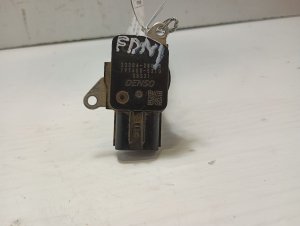
Used OEM Parts in Stock
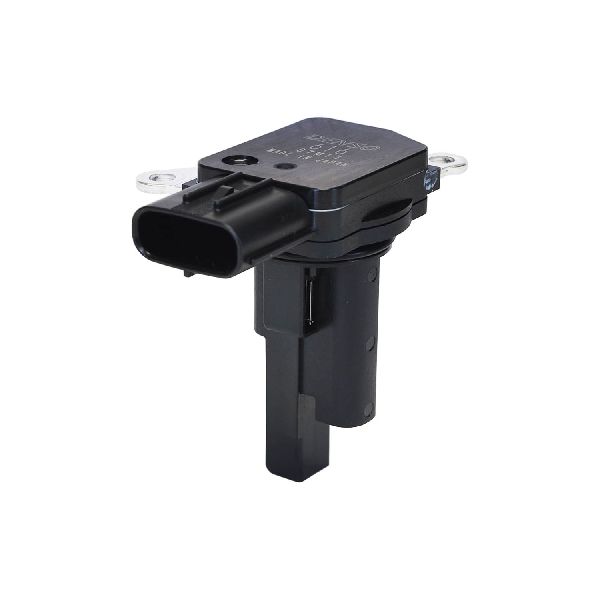
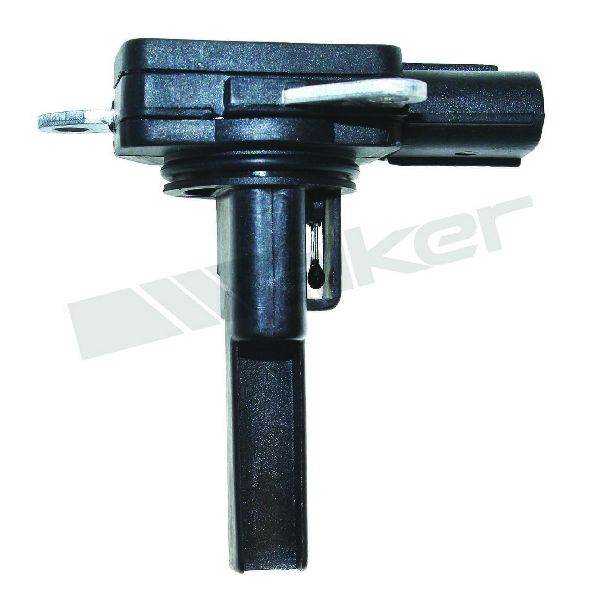
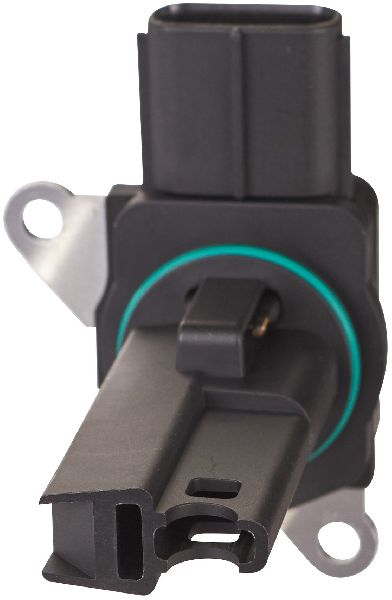
New Aftermarket Parts Available


The information in this article is provided for general reference and educational purposes only. Vehicle specifications, procedures, and part compatibility can vary by production date, trim level, and region. Always consult your vehicle's factory service manual and verify part numbers before purchasing or performing repairs. Safety-critical components such as airbags, seat belts, and braking systems should be installed by a qualified professional.
- Toyota Prius:
- 🧭 Diagnostic Flowchart
- 🎬 Helpful Videos
- 🛍️ Shop This Part
- What's Unique About the 2010-2015 Toyota Prius
- Symptoms You May Notice
- Most Likely Causes
- Rare But Worth Checking
- Diagnosis Steps
- Parts You'll Likely Need
- Related Codes That Often Appear With This One
- Platform-Specific Known Issues
- Mechanic-Grade Diagnostic Values
- Scan Tool Commands That Help
- Wiring & Ground Locations
- Real Owner Repair Stories
- OEM Part Supersession History
- Other Known Issues on This Vehicle
- Used vs. New Parts: Buying Guide for This Vehicle
- Real Owner Stories
- 2012 Toyota Prius 2ZR-FXE
- 2010-2015 Toyota Prius 2ZR-FXE
- 2012 Toyota Prius V 2ZR-FXE
- Toyota Prius Owner
- Related OBD-II Codes
- Frequently Asked Questions
- 🎟️ Get 5% Off