

P0108 on 1998-2002 Isuzu Trooper 3.0L Diesel: MAP Sensor High Input Causes and Fixes
On the Isuzu Trooper with the 3.0L 4JX1 diesel, code P0108 is most often caused by a clogged MAP sensor port in the intake manifold or a cracked rubber hose to the sensor, not the sensor itself. Cleaning the port with a small drill bit and pipe cleaner and replacing the hose is a very common, low-cost fix.
- Before buying any parts, first check the MAP sensor port on the intake manifold for carbon blockage and the rubber hose for cracks. This is the most likely and cheapest fix.
- Symptoms of P0108 on this diesel Trooper are severe, often causing a major loss of power that makes the vehicle feel very sluggish.
- The MAP sensor is a 3-wire sensor that can be tested with a multimeter for 5V power, ground, and signal voltage.
- Replacing the sensor is a simple DIY job, typically requiring only basic hand tools.
What's Unique About the 1998-2002 Isuzu Trooper
The 3.0L 4JX1-TC engine is particularly known for a specific issue that triggers the P0108 code. Due to the design of the intake and EGR system, the small pipe or port in the intake manifold that the MAP sensor reads from is highly prone to getting clogged with hard carbon and soot. This blockage prevents the sensor from reading the true manifold pressure. Because the ECU does not see the expected boost pressure build, it assumes a fault and cuts fuel, causing the characteristic sluggish performance long before the sensor itself actually fails. Owners frequently resolve this code not by replacing the sensor, but by meticulously cleaning this port.
Symptoms You May Notice
- Significant lack of acceleration or sluggish performance, feeling like the vehicle won't go faster or has a 'hole' in the throttle response.
- Check Engine Light is on.
- Some black smoke from the exhaust, though the primary symptom is a lack of power as the ECU cuts fuel.
- Rough or unstable idle, sometimes 'hunting' between 500-1200 RPM when cold.
- Engine hesitation or stumbling, especially when trying to accelerate from a stop.
- Reduced fuel economy.
- Difficulty starting the engine.
- Replacing the MAP sensor without first checking for a clogged port or cracked hose. The new sensor will not fix the problem if it cannot get an accurate pressure reading from the manifold. This is the most common mistake on the 4JX1 engine.
Most Likely Causes
- Clogged MAP Sensor Port in Intake Manifold 🔴 High Probability → Shop Manifold Absolute Pressure Sensor The EGR (Exhaust Gas Recirculation) system on the 4JX1 engine introduces soot into the intake, which accumulates and completely blocks the small passage leading to the MAP sensor hose. This is the most common cause of P0108 on this engine.
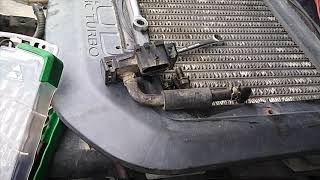
How to confirm: Disconnect the rubber hose from the intake manifold port, which is located under the EGR valve. Use a small pick, wire, or pipe cleaner to probe the port on the manifold. If it is full of hard, black carbon buildup, it is clogged.
Typical fix: Carefully clean the carbon out of the port. A common and effective method is to use a 2.5mm drill bit, turned by hand, to break up the hard carbon, followed by a pipe cleaner to ensure the passage is completely clear. 🎬 Watch: How to clear a blocked 4JX1 MAP sensor port
Est. part cost: $0-$5 (for cleaning tools) - Cracked, Split, or Disconnected MAP Sensor Hose 🟡 Medium Probability → Shop Manifold Absolute Pressure Sensor The rubber hose connecting the sensor to the manifold is exposed to heat and oil vapor, causing it to become brittle, hard, and crack over time, creating a vacuum/boost leak.
How to confirm: Visually inspect the entire length of the rubber hose for any cracks, splits, or loose connections. The hose may feel hard and inflexible instead of pliable.
Typical fix: Replace the hose with a new piece of appropriately sized (approx. 4-5mm ID) vacuum or fuel-grade hose. CRITICAL TIP: To avoid breaking the plastic nipple on the MAP sensor, carefully slice the old, hard hose lengthwise with a knife to remove it, rather than trying to pull it off.
Est. part cost: $5-$15 - Faulty MAP Sensor 🟡 Medium Probability → Shop Manifold Absolute Pressure Sensor Like any electronic component, the sensor can fail from age, heat, and contamination. An internal short can cause it to send a constant high voltage signal.
How to confirm: After confirming the port and hose are clear and intact, test the sensor. With the key on and engine off, back-probe the signal wire. It should read a voltage corresponding to atmospheric pressure. If the voltage is stuck high (e.g., ~5V), the sensor is likely bad.
Typical fix: Replace the MAP sensor. It is typically held on by one or two small bolts.
Est. part cost: $40-$120 - Wiring Harness or Connector Issue ⚪ Low Probability Vibrations and heat can cause wires to fray or the connector pins to become loose or corroded over time.
How to confirm: Inspect the electrical connector and wiring going to the MAP sensor for any signs of damage, corrosion, or loose pins. Check for 5V reference and good ground at the connector with a multimeter.
Typical fix: Repair the damaged section of wiring or clean/replace the connector pigtail.
Est. part cost: $10-$40
Rare But Worth Checking
- Faulty Engine Control Module (ECM): → Shop Engine Control Module (ECM) This is very rare. The ECM's internal circuit for interpreting the MAP sensor signal can fail. This should only be considered after all other possibilities (sensor, wiring, clogs) have been definitively ruled out.
Diagnosis Steps
- Read the code with an OBD-II scanner to confirm P0108 is present.
- Locate the MAP sensor and its vacuum hose, which runs to a port on the intake manifold, often under the EGR valve area.
- Disconnect the hose from the intake manifold and check the manifold port for carbon blockage. This is the #1 most common failure point on the 4JX1 engine.
- If blocked, clean the port thoroughly. A 2.5mm drill bit turned by hand and a pipe cleaner are effective tools.
- While the hose is off, carefully inspect its entire length for cracks, splits, or hardness. Squeeze it to check for pliability.
- If the hose is suspect, replace it. When removing from the sensor, carefully slice the old hose to avoid breaking the sensor's plastic nipple.
- If the port and hose are confirmed good, inspect the sensor's electrical connector for damage or corrosion.
- Test the sensor's electrical circuit. With the key on, engine off, use a multimeter to verify a 5-volt reference and a good ground at the connector.
- If power and ground are good, back-probe the signal wire. A voltage reading stuck at or near 5 volts indicates a faulty sensor or a short to power in the signal wire.
- If all other steps check out, the MAP sensor itself is the likely culprit and should be replaced.
Parts You'll Likely Need
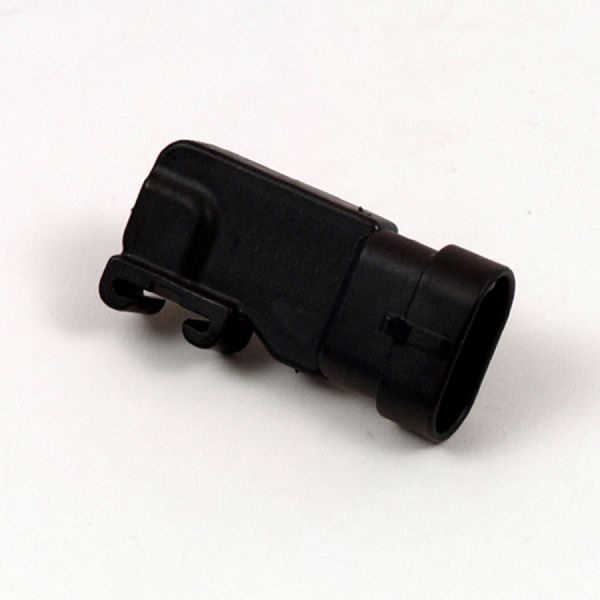
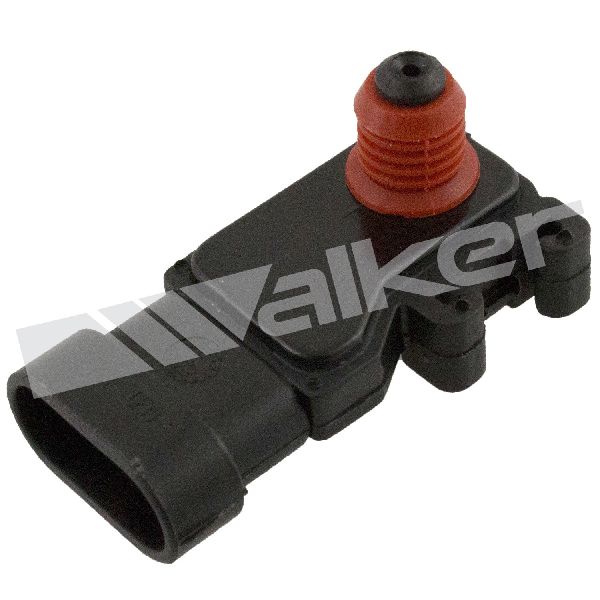
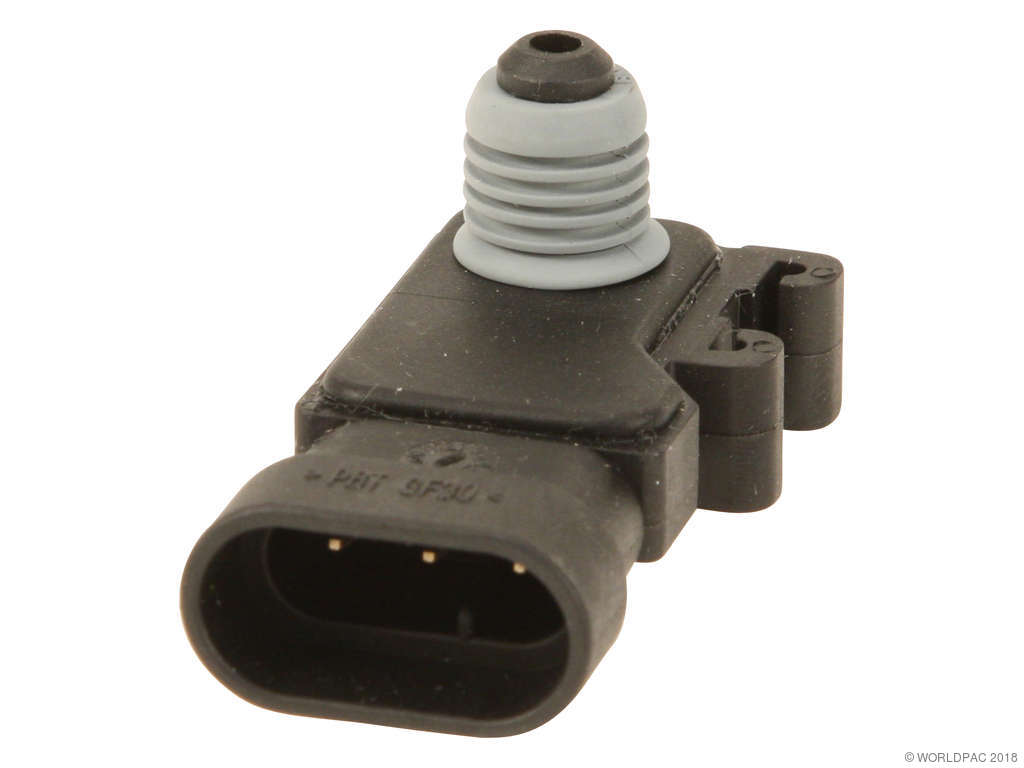
- Manifold Absolute Pressure (MAP) Sensor
(OEM #Bosch: 0 281 002 205 (verify fitment))— If the port and hose are clear, the sensor itself is the next most likely component to have failed, causing a high voltage signal.
Trusted brands: Bosch, Denso, ERA, Febi Bilstein, Blue Print
OEM price range: $80-$150
Aftermarket price range: $40-$120 - Vacuum Hose — The original rubber hose becomes brittle and cracks, which is a common point of failure leading to incorrect pressure readings.
OEM price range: $15-$30
Aftermarket price range: $5-$15
Related Codes That Often Appear With This One
- P0107 — This code is for 'MAP Sensor Circuit Low Input'. It can appear intermittently with P0108 if the sensor or wiring is failing erratically, causing the signal to swing between extremes.
Platform-Specific Known Issues
- The primary vehicle-specific issue is the high likelihood of the MAP sensor's intake manifold port becoming blocked with soot. This is a more common cause for P0108 than actual sensor failure.
- A unique symptom is that the ECU's response to the blocked port is to cut fuel, leading to extremely sluggish performance rather than just heavy black smoke.
Mechanic-Grade Diagnostic Values
- MAP Sensor Signal Wire Voltage (Key On, Engine Off) — expected: ~4.7V DC (at atmospheric pressure). Failure: A reading stuck at or near 5.0V, or a reading that does not correspond to atmospheric pressure, indicates a fault. A reading of 0V could indicate an open circuit or bad ground.
- MAP Sensor Signal Wire Voltage (Engine Idling) — expected: 1.0V - 2.0V DC. Failure: A voltage that remains high (above 2.5V) at idle suggests a blockage (clogged port), a vacuum leak, or a faulty sensor.
- MAP Sensor 5V Reference Wire — expected: 4.8V - 5.2V DC. Failure: Voltage below 4.8V or above 5.2V indicates a problem with the ECM or the wiring.
- MAP Sensor Ground Wire — expected: Good continuity to chassis ground (less than 1 ohm).. Failure: High resistance or an open circuit indicates a bad ground connection, which can cause incorrect sensor readings.
Scan Tool Commands That Help
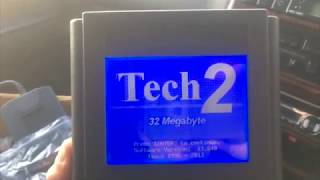
- GM Tech 2: Injector Test, EGR Valve Test, Rail Pressure Control Valve Test, Injector Balance Test — The Isuzu 4JX1 engine control system is accessible with a GM Tech 2 scanner. While there isn't a direct 'MAP Sensor Test,' a technician can use related bidirectional controls to diagnose underlying issues. For example, commanding the EGR valve open and closed while monitoring MAP data can help determine if the sensor is responding to pressure changes. These tests are useful after confirming the sensor port and hose are clear.
Wiring & Ground Locations
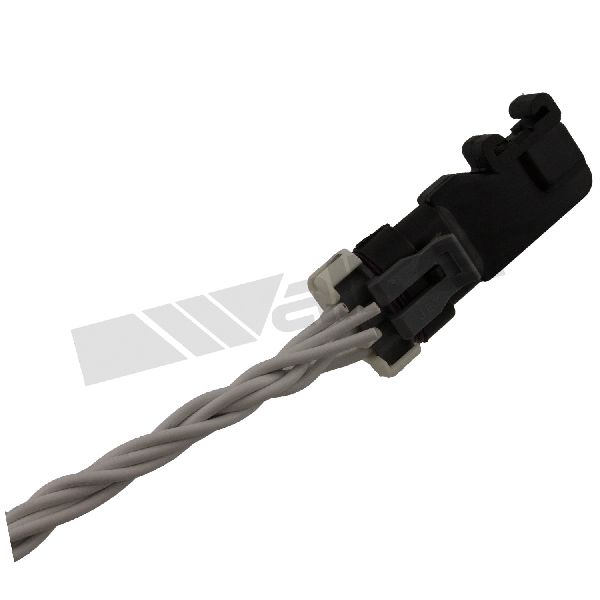
- MAP Sensor Connector — On the intake manifold, often near or under the EGR valve assembly. The connector plugs directly into the MAP sensor.. This 4-pin connector provides power, ground, and signal return for the MAP sensor. A loose connection, corrosion on the pins, or damage to the connector lock can cause intermittent or constant high signal readings. The connector part number is sometimes listed as 16235939.
- Engine Block to Chassis Ground — Typically a heavy braided strap connecting the engine block to the vehicle's frame or firewall.. A poor engine ground can create electrical noise and unstable reference voltages for all engine sensors, including the MAP sensor. This can lead to erratic readings and trigger a P0108 code, even if the sensor and its dedicated circuit are good.
Real Owner Repair Stories
- YouTube Channel 'Isuzu Trooper' (Isuzu Trooper with 3.0L 4JX1 engine) — Severe lack of power, sluggish acceleration, unable to rev properly.
❌ Tried (didn't work) The owner did not report trying other fixes first, directly addressing the most common issue.
✅ What actually fixed it The owner located the MAP sensor, disconnected the rubber hose from the intake manifold, and found the port completely blocked with hard carbon. The fix was to meticulously clean the port using a 2.5mm drill bit (turned by hand) and a pipe cleaner. The hardened, cracked rubber hose was also replaced. After cleaning the port and replacing the hose, the engine's power was fully restored.
OEM Part Supersession History
Isuzu 8-97160162-0→Bosch 0 281 002 205— The Bosch part is the original equipment manufacturer (OEM) component and is widely cross-referenced for this application. Isuzu part numbers can be difficult to track, but the Bosch number is a reliable replacement.
Heads up: The Bosch 0 281 002 205 is also used on various Fiat, Iveco, and Land Rover models of the same era. Ensure the purchased sensor is from a reputable source, as counterfeits are common and may not perform correctly. This sensor integrates a temperature sensor (4-pin design).
Model Year Variations Within This Range
- 1998-2004: The 3.0L 4JX1 engine itself was known to be problematic, particularly in early years, due to the then-new HEUI fuel system. While the P0108 fault is consistent across the model years, owners of earlier models (1998-1999) may face more concurrent issues related to the fuel system (e.g., injector sleeve seals) that can complicate diagnosis.
Diagnostic Flowchart
Real Owner Stories
Aggregated from forums and TSBs cited above. Mileages and costs reflect what owners reported in those sources.
1998-2002 Isuzu Trooper 3.0L 4JX1-TC
Symptoms: Significant lack of acceleration, feeling like a 'hole' in the throttle response, and a rough, hunting idle between 500-1200 RPM when cold.
What fixed it: Diagnosing a faulty intake pressure reading caused by the common 4JX1 MAP sensor issues.
Source hint: ClubIsuzu.com - '4JX1 Slow & Cold Running Issues'
1998-2002 Isuzu Trooper 3.0L 4JX1-TC
Symptoms: Sluggish performance triggered by a blocked MAP sensor port.
What fixed it: Cleaning the soot out of the MAP sensor port on the intake manifold and carefully slicing off the hardened hose to avoid breaking the sensor.
Source hint: YouTube - '4JX1 Isuzu Blocked MAP sensor' by Isuzu Trooper
Related OBD-II Codes
Frequently Asked Questions
Why does my 4JX1 engine feel like it has a 'hole' in the throttle response when P0108 is set?
Where is the MAP sensor port located on the 1998-2002 Isuzu Trooper 3.0L Diesel?
What is the best way to clean a clogged MAP sensor port on the 4JX1?
How should I remove the old MAP sensor hose without breaking the sensor?
Is a faulty MAP sensor the most common cause of P0108 on the Trooper 3.0L Diesel?
What voltage should I see on the MAP sensor signal wire if the sensor has failed?
Helpful Videos

We Have This Part in Stock


The information in this article is provided for general reference and educational purposes only. Vehicle specifications, procedures, and part compatibility can vary by production date, trim level, and region. Always consult your vehicle's factory service manual and verify part numbers before purchasing or performing repairs. Safety-critical components such as airbags, seat belts, and braking systems should be installed by a qualified professional.
- Isuzu Trooper:
- 🧭 Diagnostic Flowchart
- 🎬 Helpful Videos
- 🛍️ Shop This Part
- What's Unique About the 1998-2002 Isuzu Trooper
- Symptoms You May Notice
- Most Likely Causes
- Rare But Worth Checking
- Diagnosis Steps
- Parts You'll Likely Need
- Related Codes That Often Appear With This One
- Platform-Specific Known Issues
- Mechanic-Grade Diagnostic Values
- Scan Tool Commands That Help
- Wiring & Ground Locations
- Real Owner Repair Stories
- OEM Part Supersession History
- Model Year Variations Within This Range
- Real Owner Stories
- 1998-2002 Isuzu Trooper 3.0L 4JX1-TC
- 1998-2002 Isuzu Trooper 3.0L 4JX1-TC
- Related OBD-II Codes
- Frequently Asked Questions
- 🎟️ Get 5% Off