

P0138 on 2017-2023 GMC Acadia: O2 Sensor High Voltage Causes and Fixes
P0138 on a 2017-2023 GMC Acadia most often means the rear (Bank 1) downstream oxygen sensor has failed. This sensor is located on the exhaust pipe against the firewall, making it difficult to access and increasing labor costs. Expect to pay $40-$100 for an aftermarket sensor and $80-$180 for an OEM part, with labor costs potentially adding $150-$300 due to the location.
- P0138 points to a high voltage signal from the downstream O2 sensor on the rear (firewall side) of the engine.
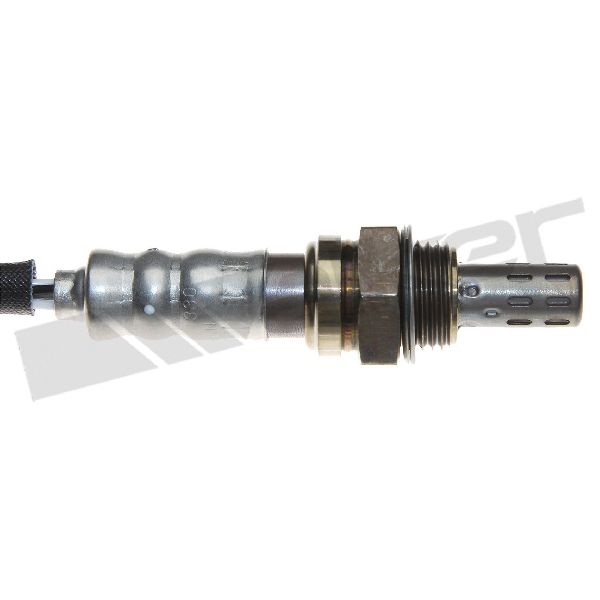
- The most likely cause is a failed oxygen sensor, which is a common wear-and-tear item. The OEM part number is 12676736 (ACDelco 213-4768).
- Before replacing the sensor, always inspect its wiring and connector for melting or damage, as this is another common cause.
- The repair is more difficult on this vehicle than on many others because the sensor is in a hard-to-reach location, which increases labor time. A 22mm O2 sensor socket is recommended.
- If a new sensor doesn't fix the code, check for small exhaust leaks or a rich running condition before suspecting a major computer issue.
What's Unique About the 2017-2023 GMC Acadia
On the 2017-2023 GMC Acadia, particularly models with the 3.6L V6 engine, the key challenge with a P0138 code is the physical location of the Bank 1 Sensor 2. Bank 1 is positioned at the rear of the engine against the firewall, making access to the sensor and its wiring significantly more difficult than for the Bank 2 sensors on the radiator side. This can turn a simple part replacement into a more time-consuming job, increasing labor costs. While some DIY videos show it is accessible from underneath the vehicle, it is still in a tight spot near the Y-pipe collector.
Symptoms You May Notice
- Check Engine Light is on
- Reduced fuel economy
- Rough or unstable idle
- Failure to pass an emissions test
- Strong exhaust odor due to a rich fuel mixture
- Replacing the wrong oxygen sensor (e.g., replacing the easily accessible Bank 2 sensor on the radiator side instead of the correct Bank 1 sensor on the firewall side).
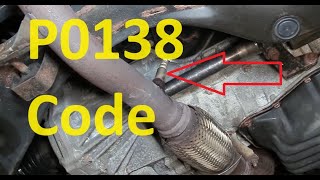
- Replacing the catalytic converter when the actual issue is a simple sensor or wiring fault. 🎬 See this breakdown of common causes for the P0138 code.
- Replacing the sensor without first checking the wiring harness for melting or physical damage, which is a common point of failure.
Most Likely Causes
- Failed Downstream Oxygen Sensor (Bank 1, Sensor 2) 🔴 High Probability → Shop Oxygen Sensor Oxygen sensors are wear items that degrade over time from constant exposure to high-temperature exhaust gases and contaminants. Failure is common and can happen after 90,000 miles.
How to confirm: Use an OBD-II scanner to monitor the live voltage data for the B1S2 sensor. If the voltage is stuck high (e.g., >0.9V) and does not fluctuate even when the engine is warm, the sensor has likely failed. A healthy downstream sensor should show a relatively stable, lazy voltage.
Typical fix: Replace the Bank 1, Sensor 2 oxygen sensor. Due to its location on the firewall side, this can be difficult. Access is from underneath the vehicle. A 22mm offset or crow's foot O2 sensor socket is highly recommended.
Est. part cost: $40-$180 - Damaged Wiring or Connector 🟡 Medium Probability The sensor wiring is routed near hot exhaust components and can be susceptible to melting, chafing, or corrosion over time, leading to a short circuit to voltage. Always inspect the harness before replacing the sensor.
How to confirm: Visually inspect the entire wiring harness for the B1S2 sensor, from the sensor connector back to the main harness. Look for melted plastic, frayed wires, or corrosion in the connector pins. Check for a blown fuse related to the heater circuit. Manufacturer Bulletin #PIT5336 notes that technicians may find the Emission 1 Fuse is open in conjunction with P0138 and other O2 sensor codes.
Typical fix: Repair the damaged section of wire or replace the connector pigtail. Ensure the repaired harness is properly secured away from heat sources.
Est. part cost: $10-$50 - Exhaust System Leak ⚪ Low Probability Gaskets and welds in the exhaust system can develop small leaks over time. A GM technical service bulletin (PIP5706E) mentions that hard-to-find leaks can cause various O2 sensor codes. Leaks before the sensor can introduce oxygen and cause incorrect readings.
How to confirm: Perform a smoke test on the exhaust system to identify leaks between the engine and the downstream O2 sensor. Pay close attention to the manifold gasket and catalytic converter flanges.
Typical fix: Replace the leaking gasket or repair the cracked exhaust component.
Est. part cost: $20-$100
Rare But Worth Checking
- Engine Running Rich: A rich fuel condition (caused by issues like leaking fuel injectors or a faulty fuel pressure regulator) can foul the O2 sensor and cause it to send a high voltage signal. This is less a direct cause of a circuit fault and more of a trigger that should be investigated if new sensors don't solve the problem.
- Faulty Powertrain Control Module (PCM): This is very rare, but the PCM's internal driver for the O2 sensor circuit can fail. This should only be considered after all other possibilities, including wiring and other sensors, have been exhaustively ruled out.
Diagnosis Steps
- Connect an OBD-II scanner and confirm that P0138 is the active code. Note any other codes present, such as P0420 or P2271.
- Access the live data stream on the scanner. Observe the voltage for 'O2S B1S2' (Bank 1, Sensor 2).
- Verify the fault: If the voltage is stuck high, consistently reading above 0.9V, the fault is confirmed. A healthy downstream sensor should have a relatively stable, lazy voltage that fluctuates slowly.
- Turn off the engine and allow the exhaust to cool completely.
- Locate the Bank 1, Sensor 2. It is on the rear exhaust pipe (firewall side), after the catalytic converter, accessible from under the vehicle.
- Thoroughly inspect the sensor's electrical connector and wiring harness for any signs of melting, chafing, corrosion, or loose connections. This is a critical step.
- If wiring looks good, the O2 sensor itself is the most likely culprit. Proceed with replacement using a 22mm O2 sensor socket.
- If a new sensor does not resolve the issue, a more advanced diagnosis is needed. This includes checking for a short-to-voltage in the harness with a multimeter or investigating potential exhaust leaks via a smoke test as suggested by GM TSB PIP5706E.
- As a final step if all else fails, the PCM's functionality would need to be tested by a professional.
Parts You'll Likely Need
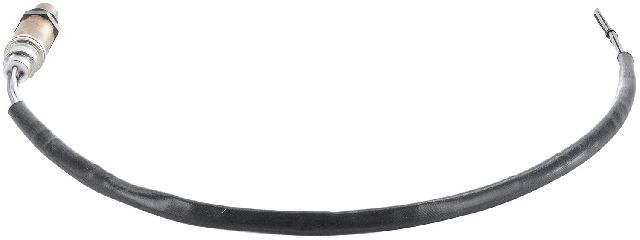
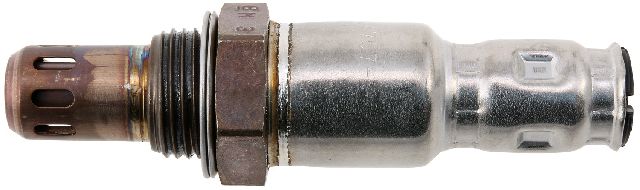
- Downstream Oxygen Sensor (Bank 1, Sensor 2)
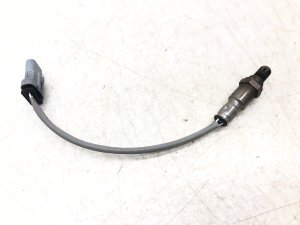
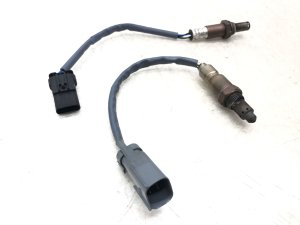
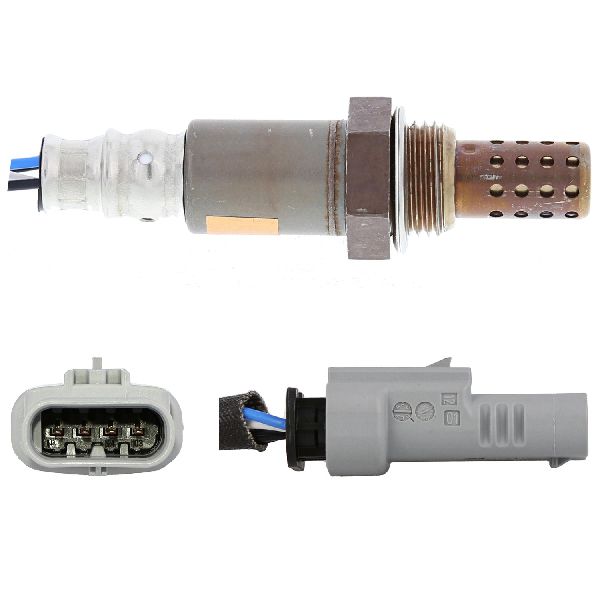
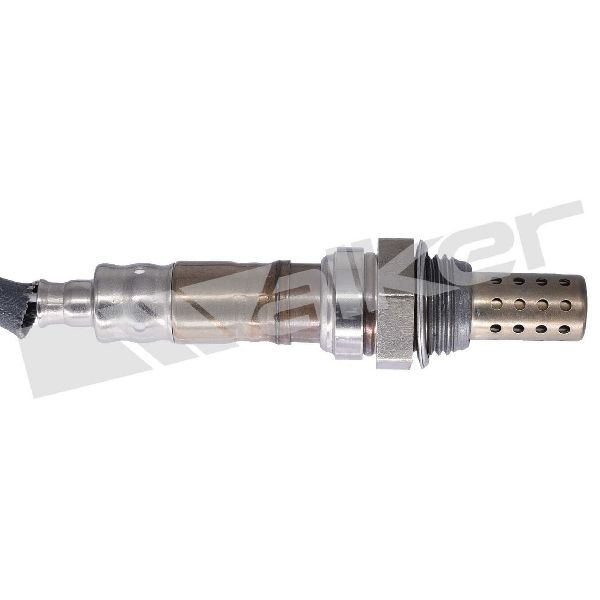
(OEM #12676736)— This is the most common component to fail and directly trigger the P0138 code. The GM Genuine part number is often cross-referenced to ACDelco part number 213-4768.
Trusted brands: ACDelco (GM Genuine), Denso, Bosch, NGK/NTK
OEM price range: $80-$180
Aftermarket price range: $40-$100
Related Codes That Often Appear With This One
- P0174 — If an intake or exhaust leak is the root cause, you may also see a fuel trim code like P0174 (System Too Lean Bank 2), as the unmetered air affects both engine banks.
- P0420 — A failing O2 sensor can sometimes lead to an incorrect reading of catalytic converter efficiency, potentially triggering a P0420 (Catalyst System Efficiency Below Threshold Bank 1) code, though P0138 points more directly to the sensor circuit itself.
- P2271 — This code for 'O2 Sensor Signal Stuck Rich (Bank 1 Sensor 2)' is a very closely related code that can appear alongside P0138, as both point to a sensor signal indicating a rich condition.
Technical Service Bulletins (TSBs) & Recalls
- MC-10219266-0001 / PIP5706E: This bulletin lists P0138 among many other codes that can be caused by hard-to-find intake or exhaust leaks, recommending a smoke test for diagnosis if standard procedures don't find the cause.
- Bulletin #PIT5336: This manufacturer bulletin notes that P0138 may be found alongside an open Emission 1 Fuse, requiring a technician to inspect the electrical system for faults.
Platform-Specific Known Issues
- A YouTube video by user 'BirdyFab' specifically covering P0138 on a GMC Acadia confirms that while Bank 1 is on the firewall side, the Sensor 2 is accessible from underneath the car without too much difficulty, though a special O2 sensor socket is very helpful. The video is titled 'GMC Acadia P0138 - B1S2 O2 Sensor'.
Mechanic-Grade Diagnostic Values
- Downstream O2 Sensor (B1S2) Voltage — expected: A healthy downstream sensor should show a relatively stable or 'lazy' voltage, typically around 0.5V to 0.7V, when the engine is warm and in closed loop.. Failure: The PCM will set code P0138 if the voltage remains consistently high, typically above 0.9V or 1.2V for an extended period.
- PCM Reference Voltage — expected: The PCM provides a reference voltage of approximately 0.45V to the O2 sensor circuit.. Failure: If the reference voltage itself is incorrect due to an internal PCM fault, it can cause a false high voltage reading from the sensor. This is a rare condition.
Scan Tool Commands That Help
- GDS2 (or equivalent professional scan tool): Live Data Monitoring for HO2S Bank 1 Sensor 2 — This is the primary method to diagnose P0138. It allows a technician to observe the sensor's voltage in real-time to confirm if it is stuck high, as the code suggests.
- GDS2 (or equivalent professional scan tool): Clear DTCs / Reset Codes — After a repair (like replacing the sensor or fixing wiring), this function is used to clear the P0138 code. A drive cycle must then be completed to verify the fix and ensure the code does not return.
Wiring & Ground Locations
- B1S2 O2 Sensor Connector — On the exhaust pipe after the rear catalytic converter (firewall side). The connector is typically a 4-pin, triangular or oblong shape, attached to the wiring harness a short distance from the sensor body.. This connector and its pigtail are common failure points due to proximity to high heat, road debris, and moisture. A short in the signal wire to the heater circuit voltage wire within this harness can cause a constant high voltage reading.
- F46 (Underhood Fuse Block) — In the underhood fuse block, located on the driver's side of the engine compartment.. This fuse, typically labeled 'OXY SEN' or similar, provides power to the heater circuits for the oxygen sensors. While a blown fuse usually causes a heater circuit code (e.g., P0141), a short in the wiring related to this circuit can sometimes manifest as a high voltage signal code like P0138.
- G110 / G114 (Engine/Body Grounds) — On the inner fender panels in the engine compartment. A GM service bulletin (PIE0548) highlights these specific grounds on related truck platforms for being susceptible to looseness.. A poor ground connection for the engine or PCM can cause floating voltages and erratic sensor readings throughout the electrical system. While not a direct cause, checking major ground points is a crucial step when a new sensor and good wiring do not resolve the issue.
OEM Part Supersession History
12639692→12676736— Standard part evolution, likely for improved durability or material changes.
Heads up: The ACDelco service part number is 213-4768, which corresponds to GM part 12676736. Some parts catalogs may still reference the older 12639692 number.
Diagnostic Flowchart
Other Known Issues on This Vehicle
Issues unrelated to this code that are worth knowing about as an owner of this generation:
- Shift to Park Message 🟠 Medium — Common on 2017-2018 models. The vehicle fails to detect it is in Park, preventing it from shutting off and draining the battery. (Ref: Multiple TSBs issued, including PIT5616A and another in June 2021. The fix often involves replacing a switch or wiring harness in the shifter assembly.)
- Thermostat Failure / Cooling Fans Always On 🟠 Medium — A common issue where the thermostat fails, often in the open position. This can cause the engine to run cool, trigger a check engine light (P0128), and cause the cooling fans to run constantly.
- Transmission Problems (Hard Shifting/Shudder) 🔴 High — Some owners of 2017-2019 models report harsh shifting, hesitation, or shuddering, particularly at low speeds. In some cases, this has led to torque converter or full transmission replacement.
- Carbon Buildup on Intake Valves 🟠 Medium — As a direct-injection (GDI) engine, the 3.6L V6 is prone to carbon buildup on the back of the intake valves over time, which can cause misfires, rough idle, and reduced power.
- HVAC Blend Door Actuator Failure 🟡 Low — Failure of one or more blend door actuators is common, leading to incorrect air temperature from vents (e.g., hot air on one side, cold on the other). Repair can be labor-intensive as it may require dashboard removal.
- Electrical Glitches / Battery Drain 🟡 Low — Owners report various electrical issues, including infotainment screen freezing, and parasitic battery drains from modules that fail to shut down properly.
Used vs. New Parts: Buying Guide for This Vehicle
When a used part is the smart pick: For this repair, a used part is generally not recommended for the oxygen sensor itself, as it is a wear-and-tear item with a finite lifespan. However, sourcing a used connector pigtail or a section of the engine wiring harness from a junkyard is a viable and cost-effective option if the original wiring is damaged.
Donor-vehicle mileage cap: roughly under 80000 miles for the part to have meaningful remaining life.
What to inspect on the donor part:
- For a wiring harness/pigtail, inspect for any signs of melting, brittleness, or cracking in the plastic conduit.
- Check the connector for corrosion on the pins or a damaged locking tab.
- Ensure the wires have not been previously cut or poorly repaired.
- Select a donor vehicle from a dry climate if possible to minimize corrosion risk.
OEM-only on this vehicle (don't cheap out):
- While not strictly OEM-only, using a GM Genuine or ACDelco oxygen sensor is highly recommended for guaranteed compatibility and to avoid potential issues with aftermarket sensor calibration.
Aftermarket brands forum-validated for this vehicle:
- Denso
- NGK/NTK
- Bosch
Brands owners have reported issues with on this vehicle:
- Avoid unbranded, 'white-box' sensors from online marketplaces, as their calibration and heater circuit resistance may not match OEM specifications, leading to persistent or new codes.
Real Owner Stories
Aggregated from forums and TSBs cited above. Mileages and costs reflect what owners reported in those sources.
2017 GMC Acadia 3.6L V6
Symptoms: The Check Engine Light came on with code P0138. The sensor is located on the firewall side, but I was able to get to it from under the car.
What fixed it: Replaced the Bank 1, Sensor 2 O2 sensor using a special O2 sensor socket.
Source hint: YouTube video by user 'BirdyFab' titled 'GMC Acadia P0138 - B1S2 O2 Sensor'
2015 GMC Acadia 3.6L V6
Symptoms: Multiple O2 sensor codes including P0138.
What fixed it: The expert advice suggested checking the wiring harness for shorts or damage, with a PCM replacement as a final resort if the circuit tests failed.
Source hint: 2carpros.com forum post regarding multiple O2 sensor codes
Related OBD-II Codes
Frequently Asked Questions
I'm seeing P0138 on my GMC Acadia; could this be related to the exhaust leak issues mentioned in GM TSB PIP5706E?
Where is the Bank 1 Sensor 2 located on the 2017-2023 Acadia, and is it DIY-friendly?
My Acadia has a P0138 code and the cooling fans are running constantly. Are these related?
Could a 'Shift to Park' message be causing my O2 sensor code?
What voltage should I see for a healthy downstream O2 sensor on my Acadia?
Helpful Videos
Used OEM Parts in Stock
New Aftermarket Parts Available

The information in this article is provided for general reference and educational purposes only. Vehicle specifications, procedures, and part compatibility can vary by production date, trim level, and region. Always consult your vehicle's factory service manual and verify part numbers before purchasing or performing repairs. Safety-critical components such as airbags, seat belts, and braking systems should be installed by a qualified professional.
- GMC Acadia:
- 🧭 Diagnostic Flowchart
- 🎬 Helpful Videos
- 🛍️ Shop This Part
- What's Unique About the 2017-2023 GMC Acadia
- Symptoms You May Notice
- Most Likely Causes
- Rare But Worth Checking
- Diagnosis Steps
- Parts You'll Likely Need
- Related Codes That Often Appear With This One
- Technical Service Bulletins (TSBs) & Recalls
- Platform-Specific Known Issues
- Mechanic-Grade Diagnostic Values
- Scan Tool Commands That Help
- Wiring & Ground Locations
- OEM Part Supersession History
- Other Known Issues on This Vehicle
- Used vs. New Parts: Buying Guide for This Vehicle
- Real Owner Stories
- 2017 GMC Acadia 3.6L V6
- 2015 GMC Acadia 3.6L V6
- Related OBD-II Codes
- Frequently Asked Questions
- 🎟️ Get 5% Off