

P0140 on 2013-2016 Dodge Dart 1.4L Turbo: Causes and Fixes for O2 Sensor Inactivity
This code almost always means the downstream oxygen sensor (Bank 1, Sensor 2) has failed. Replacing the sensor is the most common fix. Expect to pay $40-$80 for an aftermarket sensor or $100-$150 for an OEM Mopar part. It's a straightforward DIY job for many.
- P0140 on your Dart almost certainly means the downstream O2 sensor (after the catalytic converter) needs to be replaced.
- Before buying a new sensor, it's wise to quickly check the 10A fuse in slot F87 in the under-hood fuse box and visually inspect the under-car wiring for obvious damage.
- This is a DIY-friendly repair; the sensor is accessible under the car and can usually be removed with a standard 22mm (or 7/8") wrench or a special O2 sensor socket.
- Use the OEM part number 68142340AA or a reputable aftermarket brand like Denso (234-4748) or NTK (22530) for the best results.
What's Unique About the 2013-2016 Dodge Dart
The Dodge Dart with the 1.4L MultiAir Turbo engine uses a conventional emissions system, and this code does not point to a unique platform-specific flaw. The causes are typical for most modern vehicles: the sensor simply wears out over time. The 1.4L engine is shared with other Fiat-Chrysler (FCA) vehicles, so parts are widely available and cross-compatible. No specific Technical Service Bulletins (TSBs) for the 1.4L engine are commonly associated with this code, suggesting it's a standard component failure rather than a design or software defect. A P0140 is far less complex to diagnose than the more common MultiAir-specific codes (like P1066 or P1524) that plague this engine.
Symptoms You May Notice
- Check Engine Light is on
- Failing a state emissions or smog test
- No noticeable difference in drivability in most cases
- Slight decrease in fuel economy (in some cases)
- Replacing the catalytic converter. A P0140 code points specifically to a fault in the sensor's *circuit* or its lack of activity, not the performance of the converter itself. A bad converter typically triggers a P0420 code.
- Replacing the wrong oxygen sensor. This code is for Bank 1, Sensor 2, which is the *downstream* sensor located *after* the catalytic converter. The upstream sensor (Sensor 1) is a different part with a different function.
Most Likely Causes
- Failed Downstream Oxygen Sensor (Bank 1, Sensor 2) 🔴 High Probability → Shop Oxygen Sensor Oxygen sensors are consumable parts that degrade from heat and exhaust contaminants over their 60,000-100,000 mile lifespan. They are a common failure item on most vehicles, including the Dart.
How to confirm: Using a scan tool, observe the live data for 'O2S B1S2'. If the voltage is stuck (e.g., at 0.45V) and does not fluctuate with engine RPM changes, the sensor has failed. You can also test the internal heater circuit's resistance with a multimeter; an open circuit (infinite resistance) indicates failure.
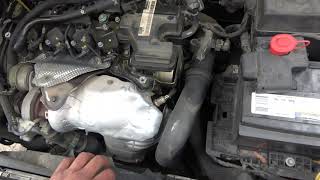
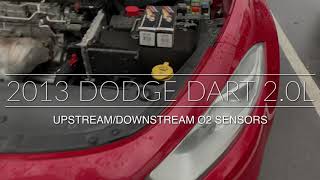
Typical fix: Replace the downstream oxygen sensor. The sensor is located under the car, screwed into the exhaust pipe after the catalytic converter. 🎬 Watch: Step-by-step guide to replacing the downstream O2 sensor.
Est. part cost: $40 - $150 - Damaged Wiring or Connector 🟡 Medium Probability The sensor wiring runs under the vehicle and is exposed to road debris, water, and extreme heat from the exhaust, which can cause wires to break, melt, or corrode. This is a common issue on many low-slung cars.
How to confirm: Visually inspect the entire wiring harness from the O2 sensor to where it enters the main loom. Look for melted plastic near the exhaust pipe, frayed or broken wires, and check for green or white corrosion inside the connector pins.
Typical fix: Repair the damaged section of the harness or clean/replace the connector. If a wire is melted, re-route the new repair away from the heat source or add protective shielding.
Est. part cost: $5 - $50 - Blown Fuse for O2 Sensor Heater ⚪ Low Probability → Shop Oxygen Sensor A short in the sensor's heater element or its wiring can blow the corresponding fuse, which will prevent the sensor from warming up and becoming active. This is not specific to the Dart but a general automotive possibility.
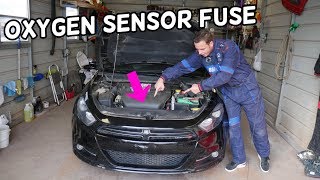
How to confirm: Check the under-hood fuse box (Power Distribution Center). While some configurations vary, a common location for the O2 sensor heater fuse on the Dart is position F87, 🎬 See this video to quickly find and replace the fuse. which is a 10A red mini fuse.
Typical fix: Replace the blown fuse. If the new fuse blows immediately, there is a short circuit in the wiring or the sensor that must be found and fixed.
Est. part cost: $1 - $5
Rare But Worth Checking
- Faulty Powertrain Control Module (PCM): → Shop Engine Control Module (ECM) This is extremely rare. Before condemning the PCM, all other possibilities (sensor, wiring, fuses) must be exhaustively ruled out. A faulty PCM might also present other unrelated trouble codes.
- Exhaust Leaks: An exhaust leak before the sensor can sometimes introduce extra oxygen into the exhaust stream, causing erratic readings, though it more commonly causes other codes like P0139 (slow response). A major leak could potentially prevent the sensor from seeing any valid signal, but this is less common for P0140.
Diagnosis Steps
- Connect an OBD-II scanner and confirm that P0140 is the active code. Check for any other codes like P0141 or P0139.
- Visually inspect the downstream O2 sensor, its connector, and the wiring harness. Look for any signs of melting, corrosion, or physical damage from road debris.
- With the scanner, monitor the live data stream for 'O2 Sensor B1S2'. The voltage should fluctuate slowly. If it is stuck at a fixed value (e.g., 0.0V, 0.45V, or 1.0V) and does not respond to a 'throttle snap' (revving the engine to 2500-3000 RPM and letting it drop), this confirms the 'no activity' condition.
- Check the fuse for the oxygen sensor heater circuit. In the under-hood fuse box, this is often the 10A fuse in position F87.
- If the fuse is good, disconnect the sensor. Use a multimeter to check for 12V power and a good ground at the heater circuit pins on the harness side of the connector (engine running).
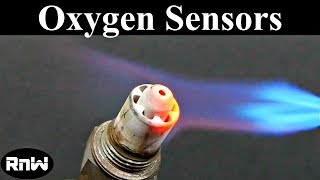
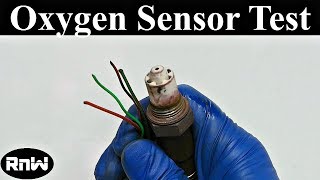
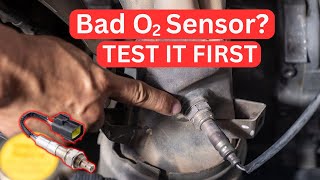
- With the sensor still disconnected, measure the resistance across the two heater pins on the sensor itself. A healthy sensor will have a low resistance (typically 4-20 ohms). An infinite resistance reading (OL) means the internal heater is broken and the sensor must be replaced. 🎬 Watch: A mechanic's step-by-step guide to testing O2 sensors.
- If the heater circuit tests good but the signal is still flat, the oxygen sensor's sensing element has failed. Replace the sensor.
- If a new sensor does not resolve the code, perform a continuity test on the signal and ground wires from the sensor connector back to the PCM to rule out a hidden wire break.
Parts You'll Likely Need
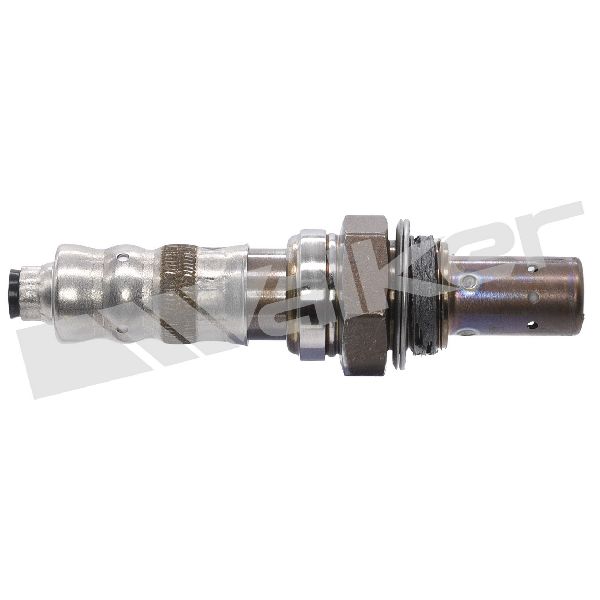
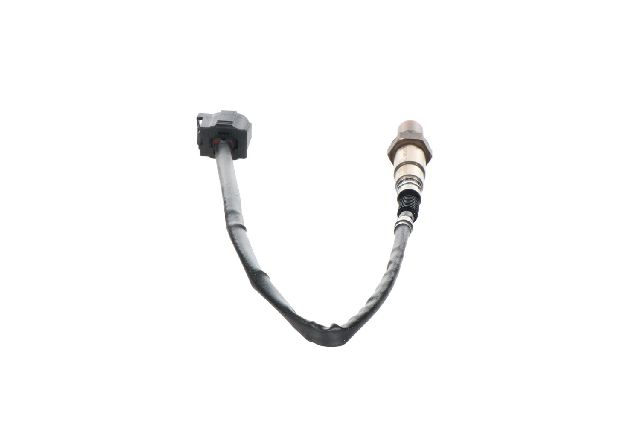
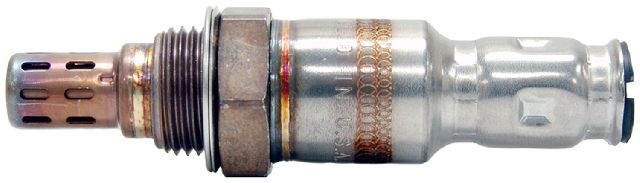
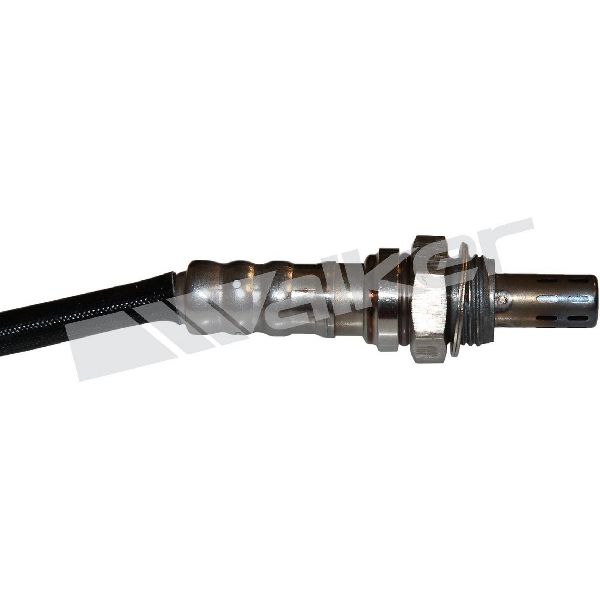
- Downstream Oxygen Sensor (Bank 1, Sensor 2)
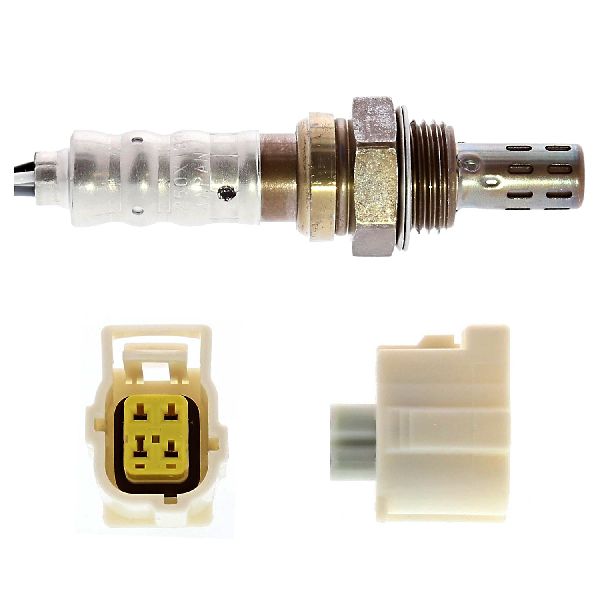
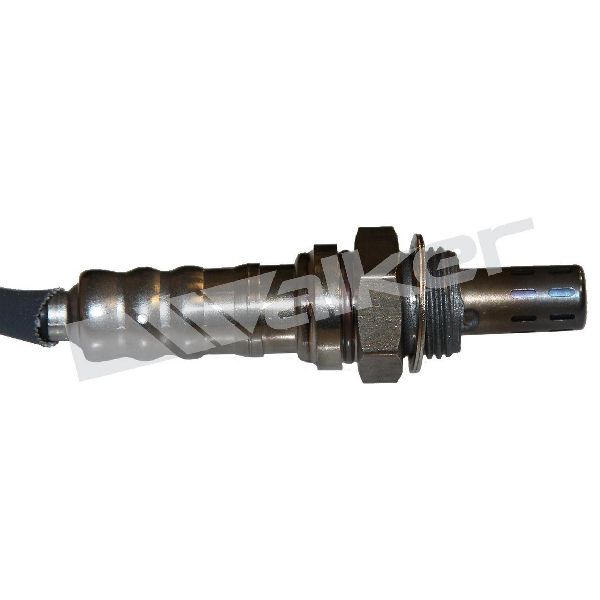
(OEM #68142340AA)— This is the component that fails in the vast majority of P0140 cases due to age and exposure to harsh exhaust conditions.
Trusted brands: Mopar (OEM), Denso (P/N: 234-4748), NTK (P/N: 22530), Bosch
OEM price range: $100-$150
Aftermarket price range: $40-$80
Related Codes That Often Appear With This One
- P0141 — P0141 indicates a malfunction in the sensor's internal heater circuit. A failed heater will prevent the sensor from reaching its required operating temperature, which will then cause it to show no activity, logging a P0140. These two codes together almost certainly mean the sensor itself has failed.
- P0139 — P0139 means the sensor is responding slowly. This is often a sign that the sensor is aging and failing. Eventually, a slow sensor can stop responding altogether, leading to a P0140 code. Some owners may see a P0139 first, which later turns into a P0140 if not addressed.
Platform-Specific Known Issues
- Owner Experience: Standard Failure, Easy Fix: A user on dodge-dart.org with a 2013 Dart 1.4T reported getting code P0140 at 95,000 miles. They replaced the downstream O2 sensor with a Denso part and cleared the code, which resolved the issue. This is a typical repair story for this code on this platform.
- Fuse Location Confirmation: Multiple YouTube videos confirm the O2 sensor heater fuse is located in the under-hood fuse box, often at position F87. While a blown fuse is a low-probability cause, it is a crucial and easy check before ordering parts.
Mechanic-Grade Diagnostic Values
- Downstream O2 Sensor (B1S2) Heater Resistance — expected: 4.5 to 14.5 ohms (when cold). Failure: An open circuit (OL/infinite resistance) or a reading significantly outside the expected range.
- Downstream O2 Sensor (B1S2) Live Data Voltage — expected: Slowly fluctuating between 0.1V and 0.9V after warm-up at steady RPM.. Failure: Voltage is stuck at a fixed value, typically around 0.45V, or shows 0V. This indicates no activity.
Wiring & Ground Locations
- Downstream O2 Sensor Connector (C106) — On the exhaust pipe, after the catalytic converter, under the vehicle.. This is the primary connection point for all voltage and ground tests. Pin integrity is critical. The 4 pins are: Pin 1 (Heater Power - 12V), Pin 2 (Heater Ground), Pin 3 (Signal), Pin 4 (Sensor Ground/Return).
- PCM Connector C4, Pin 13 — The Powertrain Control Module (PCM) is located in the right rear corner of the engine compartment. Pin 13 of the C4 connector is the signal wire from the downstream O2 sensor.. If a new sensor and good wiring at the sensor connector don't fix the issue, a continuity test from the sensor connector (Pin 3) to this PCM pin is the final step to find a hidden wire break.
- G109 Ground Point — Located on the left side of the engine compartment on the wheel well.. This is a major chassis ground point for multiple engine sensors. While not exclusively for the O2 sensor, a corroded or loose G109 can cause various intermittent sensor faults and is a known issue on Darts leading to weird electrical problems.
Real Owner Repair Stories
- Reddit r/MechanicAdvice user (2001 GMC Yukon (Illustrates a universal P0140 issue, not Dart-specific)) — P0141 (heater fault) appeared first. Replaced the O2 sensor. A week later, P0140 (no activity) appeared.
❌ Tried (didn't work) Clearing the original P0141 code.
✅ What actually fixed it The user was advised that the new code on a new sensor pointed to either a defective replacement part or a wiring connection issue that was disturbed during the repair. The final fix was not posted, but the scenario highlights the risk of faulty new parts.
Diagnostic Flowchart
Other Known Issues on This Vehicle
Issues unrelated to this code that are worth knowing about as an owner of this generation:
- MultiAir Actuator ('Brick') Failure 🔴 High — Common failure, often after 60,000 miles. Can be accelerated by incorrect or low engine oil. Causes misfires and codes like P1066. (Ref: TSB 18-009-15 REV G addresses related software issues, but not direct hardware failure.)
- Manual Transmission Clutch Failure 🔴 High — Affects cars with the C635 manual transmission. The clutch master/slave cylinder system can fail, causing the pedal to stick to the floor. (Ref: A class-action lawsuit was settled for California owners, extending the warranty for these components.)
- Engine Stalling in Cold Weather (DDCT) 🟠 Medium — Reported on early 2013 models with the Dual Dry Clutch Transmission (DDCT) in temperatures below 20°F. (Ref: Recall N32 / NHTSA 13V-239)
- Shifter Cable Detachment 🔴 High — The shifter cable bushing can degrade, causing the cable to detach from the transmission, preventing gear selection and creating a rollaway risk. (Ref: Recall A0C / NHTSA 24V-297)
- Sensitivity to Oil Type and Level 🟠 Medium — The MultiAir system is extremely sensitive. Using oil other than full synthetic 5W-40 meeting MS-12991 spec, or running the engine low on oil, can quickly lead to actuator problems and codes like P1524.
- Electrical and Uconnect Glitches 🟡 Low — Owners report various electrical issues, including battery drain and infotainment system freezes that may require software updates or a hard reset. (Ref: Multiple software updates were released by FCA for the Uconnect system.)
Used vs. New Parts: Buying Guide for This Vehicle
When a used part is the smart pick: Never. Oxygen sensors are consumable parts with a finite lifespan determined by heat cycles and exposure to exhaust contaminants. Installing a used sensor is installing a part that is already partially worn out, with no way to know its remaining life. The labor to install it is the same, making it a poor value proposition.
What to inspect on the donor part:
- Not applicable, as used sensors are not recommended.
OEM-only on this vehicle (don't cheap out):
- While not strictly 'OEM-only', sticking to the OEM supplier (Mopar/NTK) or a proven equivalent like Denso is highly recommended. Some cheaper aftermarket brands have been reported to have incorrect heater resistance values, which can cause the code to return immediately.
Aftermarket brands forum-validated for this vehicle:
- Denso
- NTK (often the OEM supplier for Mopar)
Brands owners have reported issues with on this vehicle:
- Unnamed 'universal' sensors or house brands from discount retailers are higher risk. While they may work, they are more likely to have compatibility issues or a shorter lifespan.
Real Owner Stories
Aggregated from forums and TSBs cited above. Mileages and costs reflect what owners reported in those sources.
2013 Dodge Dart 1.4T — 95000 miles
Symptoms: Check engine light with code P0140.
What fixed it: Replaced the downstream O2 sensor with a Denso part and cleared the code.
Source hint: dodge-dart.org: Multiple threads discuss P0140
Dodge Dart 1.4L Turbo
Symptoms: P0140 code appeared immediately after replacing a sensor to fix a P0139.
What fixed it: The user suggested the previous replacement part was faulty or incompatible, highlighting the need for quality brands like Denso or NTK.
Source hint: Reddit r/autorepair
Related OBD-II Codes
Frequently Asked Questions
Where is the oxygen sensor heater fuse located on a Dodge Dart 1.4L Turbo?
Which replacement oxygen sensor brand is recommended for the Dart to avoid compatibility issues?
Does the 1.4L MultiAir engine have any specific maintenance requirements that could affect sensor performance?
Are there any recalls for the 2013 Dodge Dart that I should check while fixing P0140?
Can I use the oxygen sensor from a Fiat 500L on my Dodge Dart 1.4T?
Is there a TSB for the MultiAir actuator issues on the Dart?
Helpful Videos

We Have This Part in Stock

The information in this article is provided for general reference and educational purposes only. Vehicle specifications, procedures, and part compatibility can vary by production date, trim level, and region. Always consult your vehicle's factory service manual and verify part numbers before purchasing or performing repairs. Safety-critical components such as airbags, seat belts, and braking systems should be installed by a qualified professional.
- Dodge Dart:
- 🧭 Diagnostic Flowchart
- 🎬 Helpful Videos
- 🛍️ Shop This Part
- What's Unique About the 2013-2016 Dodge Dart
- Symptoms You May Notice
- Most Likely Causes
- Rare But Worth Checking
- Diagnosis Steps
- Parts You'll Likely Need
- Related Codes That Often Appear With This One
- Platform-Specific Known Issues
- Mechanic-Grade Diagnostic Values
- Wiring & Ground Locations
- Real Owner Repair Stories
- Other Known Issues on This Vehicle
- Used vs. New Parts: Buying Guide for This Vehicle
- Real Owner Stories
- 2013 Dodge Dart 1.4T — 95000 miles
- Dodge Dart 1.4L Turbo
- Related OBD-II Codes
- Frequently Asked Questions
- 🎟️ Get 5% Off