

P0140 on 2008-2010 Saturn Vue: O2 Sensor Inactivity Causes and Fixes
On a 2008-2010 Saturn Vue, code P0140 almost always means the downstream (post-catalytic converter) oxygen sensor has failed. Replacing the Bank 1, Sensor 2 O2 sensor is the most common fix. Expect to pay $40-$80 for an aftermarket sensor and $100-$180 for an OEM part. Before replacing, always check for damaged wiring under the car and verify the O2 sensor fuse isn't blown.
- P0140 on your Saturn Vue means the downstream O2 sensor on Bank 1 is not working.
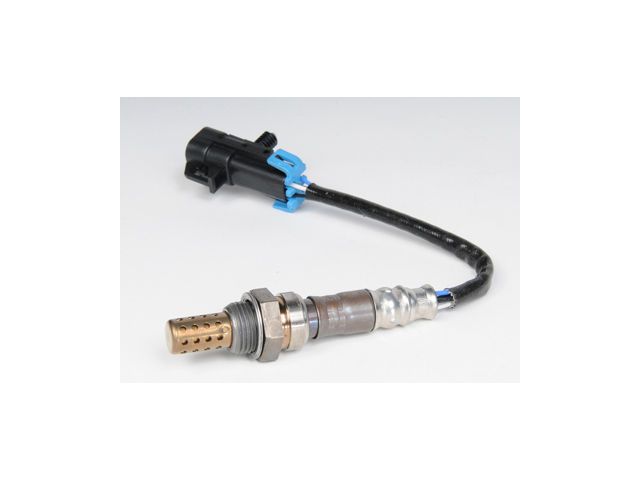
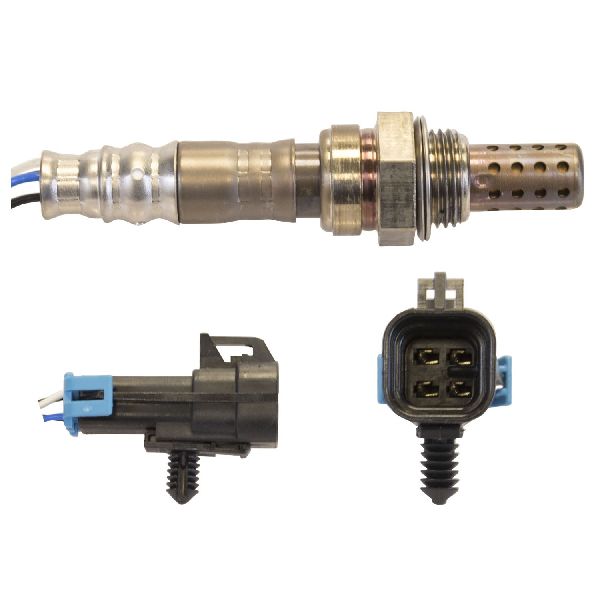
- The most likely solution is to replace the Bank 1, Sensor 2 oxygen sensor.
- Before buying parts, visually inspect the sensor's wiring for damage and check the O2 sensor fuse.
What's Unique About the 2008-2010 Saturn Vue
The 2008-2010 Saturn Vue was available with three primary engines: the 2.4L 4-cylinder (LE5), the 3.5L V6 (Honda J35-based LZ4), and the 3.6L V6 (GM LY7). The location of 'Bank 1' is critical for the V6 models. On the 3.6L V6, 'Bank 1' is the cylinder bank located closer to the firewall (rear of the engine bay). On the 2.4L 4-cylinder, there is only one bank, so 'Bank 1' is the only one. The 3.5L V6 is a Honda-sourced engine, so using an OEM-equivalent sensor brand like Denso or NTK is highly recommended for best performance. For the GM-based 2.4L and 3.6L engines, ACDelco is the OEM parts supplier.
Symptoms You May Notice
- Check Engine Light is illuminated
- Vehicle will fail an emissions/smog test
- Slight potential decrease in fuel economy
- Increased NOx emissions, though not noticeable to the driver
- Replacing the catalytic converter. P0140 is an electrical circuit fault code, not a catalyst efficiency code (like P0420). Do not replace the catalytic converter to fix a P0140.
- Replacing the wrong O2 sensor. On V6 models, ensure you are working on Bank 1 (the rear bank, near the firewall) and not Bank 2. A user on SaturnFans forum noted being corrected by an auto parts store employee after initially looking at the upstream sensor.
Most Likely Causes
- Failed Downstream Oxygen Sensor (Bank 1, Sensor 2) 🔴 High Probability → Shop Oxygen Sensor Oxygen sensors are wear-and-tear items with a finite lifespan. Contamination from engine oil, coolant, or silicone can coat the sensing element and render it inactive. High mileage and heat cycles are the most common reasons for failure.
How to confirm: Using a scan tool, monitor the live voltage data for 'O2S B1S2'. If the voltage is stuck at a steady reading (typically around 0.45V) and does not fluctuate after the engine is warm, the sensor is inactive. A good downstream sensor should show slow, lazy fluctuations.
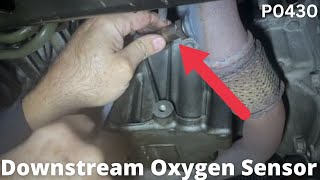
Typical fix: Replace the Bank 1, Sensor 2 oxygen sensor. 🎬 Watch: How to fix a P0140 circuit inactivity code. An O2 sensor socket is highly recommended for this job. Penetrating oil may be needed to remove the old sensor from the exhaust pipe.
Est. part cost: $40-$180 - Damaged Wiring or Connector 🟡 Medium Probability The sensor wiring is routed under the vehicle and is exposed to road debris, water, and exhaust heat. This can cause wires to break, melt, or chafe against the chassis or heat shields. Sometimes the connector is simply forgotten to be plugged back in after other service.
How to confirm: Visually inspect the entire wiring harness from the O2 sensor to its main connection point. Check for broken wires, melted insulation, and corrosion or damage inside the connector. Use a multimeter to test for continuity and check for 12V power at the heater circuit wires in the connector with the key on.
Typical fix: Repair the damaged section of wiring or replace the connector pigtail. Ensure the repair is sealed against moisture.
Est. part cost: $10-$30 - Blown O2 Sensor Heater Fuse ⚪ Low Probability → Shop Oxygen Sensor
How to confirm: Locate the fuse box (check both underhood and interior panels) and identify the fuse related to the O2 sensors (often labeled 'O2 HTR' or similar). Visually inspect the fuse to see if it is blown. A short in the heater circuit of any O2 sensor can cause this fuse to blow, disabling the heater for this sensor as well.
Typical fix: Replace the blown fuse. If the fuse blows again, you must find the short circuit in the O2 sensor wiring or in the heater element of one of the O2 sensors.
Est. part cost: $1-$5 - Exhaust Leak ⚪ Low Probability
How to confirm: Listen for hissing or ticking sounds from the exhaust system, especially when the engine is cold. A mechanic can use a smoke machine to pressurize the exhaust and visually identify the source of any leaks. The leak must be located before the downstream O2 sensor to introduce enough outside oxygen to affect the reading and potentially cause an inactivity code.
Typical fix: Repair the leak by replacing the faulty gasket or welding the cracked pipe.
Est. part cost: $20-$200
Rare But Worth Checking
- Faulty Powertrain Control Module (PCM): → Shop Engine Control Module (ECM) This is extremely rare. The PCM should only be considered after all other possibilities, including the sensor, wiring, and fuses, have been thoroughly tested and ruled out. A faulty PCM driver for the sensor circuit is a possible but highly unlikely cause.
Diagnosis Steps
- Connect an OBD-II scanner and confirm that P0140 is the only code present. Note any other codes, especially P0141 or P0137.
- Use the scanner's live data function to observe the voltage for 'Bank 1 Sensor 2'. With the engine fully warmed up, the voltage should fluctuate slowly. If it is stuck at a fixed value (e.g., 450mV), this confirms the 'no activity' condition.
- Turn the vehicle off and locate the correct sensor. For 2.4L engines, it's the only downstream sensor. For V6 engines, it's the downstream sensor on the firewall side of the engine. 🎬 See this walkthrough for replacing the Bank 1 sensor.
- Thoroughly inspect the sensor's wiring harness and connector for any signs of melting, chafing, corrosion, or physical damage. Pay close attention to where the harness may rub against the chassis or exhaust components.
- Check the fuse for the O2 sensor heater circuit in the vehicle's fuse box(es). Replace if blown.
- If the wiring and fuse are okay, disconnect the sensor. Use a multimeter to check for 12V power on the heater circuit pins of the vehicle-side connector with the ignition on.
- If power and ground to the sensor are good and the wiring is intact, the oxygen sensor itself has almost certainly failed and should be replaced.
- After replacement, clear the codes and perform a drive cycle to confirm the fix.
Parts You'll Likely Need
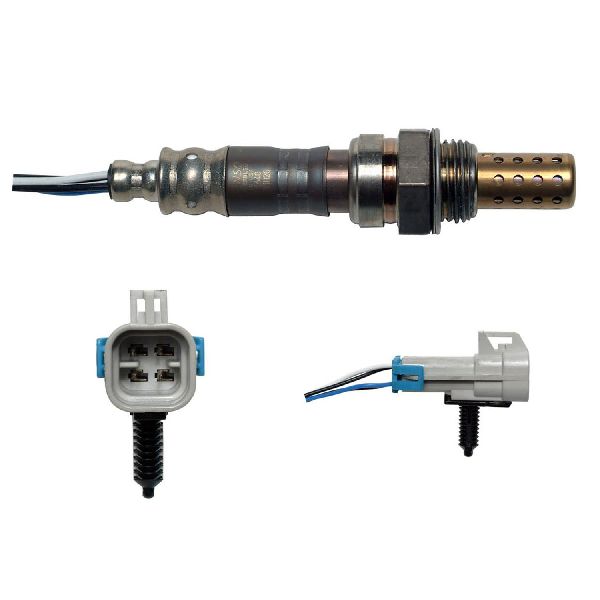
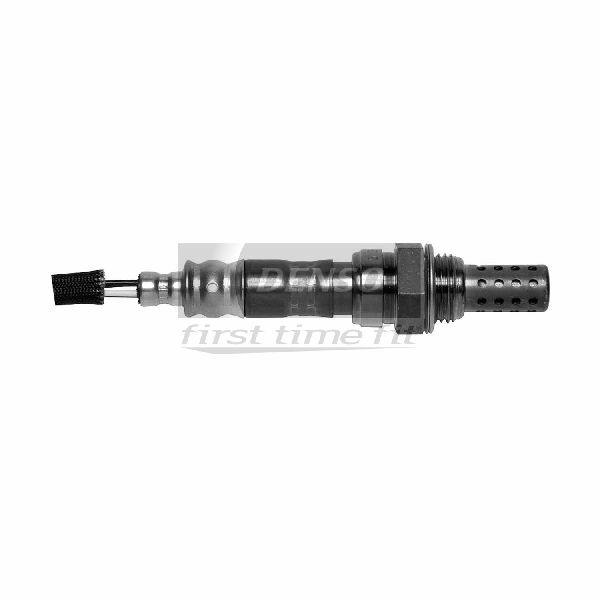
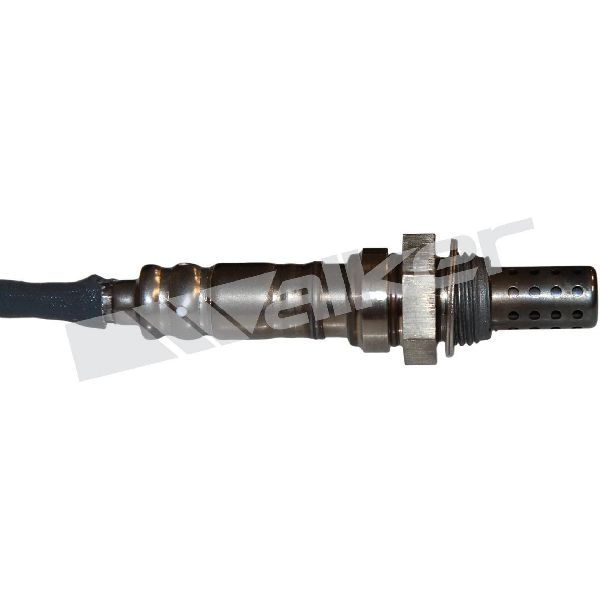
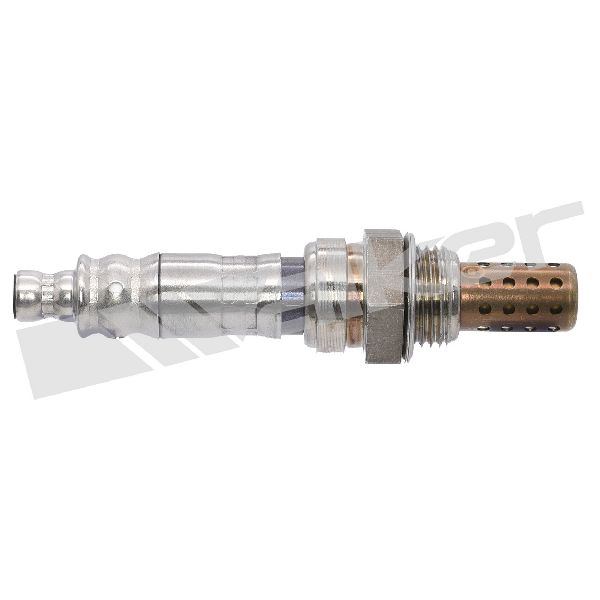
- Oxygen Sensor (Bank 1, Sensor 2)
(OEM #ACDelco 213-4274 (for 3.6L LY7), Denso 234-4292 (for 3.5L LZ4))— This is the component that has failed in the vast majority of P0140 cases 🎬 Watch: Step-by-step downstream oxygen sensor replacement guide. due to normal wear and tear.
Trusted brands: ACDelco, Denso, NTK, Bosch
OEM price range: $100-$180
Aftermarket price range: $40-$80
Related Codes That Often Appear With This One
- P0141 — P0141 indicates a malfunction in the heater circuit for the same sensor (Bank 1, Sensor 2). A failed heater will prevent the sensor from reaching operating temperature and activating properly, which can directly lead to a P0140 code being set as well.
- P0137 — This code indicates low voltage from the same sensor. A wiring short to ground or a failing sensor can sometimes trigger both a low voltage code and an inactivity code as the sensor dies.
Technical Service Bulletins (TSBs) & Recalls
- 20-NA-065: A general GM bulletin that lists P0140 among many other codes. It recommends using a smoke machine to find difficult-to-locate intake or exhaust leaks if standard diagnostics fail.
Mechanic-Grade Diagnostic Values
- Downstream O2 Sensor Voltage (Live Data) — expected: Slowly fluctuating between ~0.1V and ~0.9V on a warm engine.. Failure: Voltage is stuck in a narrow range, specifically between 391-491 mV for over 90 seconds on some GM platforms.
- O2 Sensor Heater Element Resistance — expected: Typically between 3 and 25 ohms when measured at ambient temperature. Some GM sensors may be around 5-6 ohms, while older ones could be closer to 12 ohms.. Failure: A reading of 0 ohms indicates a short circuit, while an infinite or 'OL' reading indicates an open circuit. Either requires sensor replacement.
- PCM Bias Voltage (Key On, Engine Off) — expected: Approximately 450 mV (0.45V) on the sensor's signal wire.. Failure: Voltage significantly different from 450mV or absent suggests a wiring or PCM issue, not a sensor failure.
- Heater Circuit Voltage (Key On, Engine Off) — expected: Battery voltage (approx. 12V) at the heater power supply pin in the vehicle-side connector.. Failure: No voltage indicates a blown fuse or a break in the power supply wire.
Wiring & Ground Locations
- G107 — At the rear of the engine.. This is a primary engine ground. A loose or corroded connection at G107 can introduce electrical noise or a poor ground reference for multiple sensors, including the oxygen sensors, potentially causing inactivity or false readings.
- HO2S Bank 1 Sensor 2 Connector — On the V6 models, this is connected to the oxygen sensor located in the exhaust pipe after the catalytic converter on the firewall side of the engine.. This is the primary point of inspection for corrosion, melted plastic, or damaged pins. All power, ground, and signal for the sensor pass through this connector.
- G106 — On the engine, at the left front top corner (for 3.5L V6).. Another critical engine ground point that provides a reference for the ECM and various sensors. A fault here could cause widespread, difficult-to-diagnose electrical issues.
Real Owner Repair Stories
- SaturnFans.com Forum User (2004 Saturn Ion (shares similar GM powertrain logic)) — Check Engine Light with code P0140 on a low-mileage (19k miles) vehicle.
❌ Tried (didn't work) Visual inspection of wiring (looked perfect), Checking and cleaning the sensor connector (was 'hospital clean'), Checking all related fuses
✅ What actually fixed it The user did not post a final fix, but the diagnostic process confirmed the wiring and connector were not the issue, pointing towards an internal sensor failure despite the car's low mileage and excellent condition. The user also initially was looking at the wrong (upstream) sensor before being corrected by a parts store employee. - Reddit r/Saturn_Cars User (2008 Saturn Vue 3.6L V6) — Misfires on cylinders 1,3,5 (Bank 1) and open circuit codes after replacing valve cover gaskets.
❌ Tried (didn't work) Testing for ground at the coil connectors (showed ground, which was misleading)
✅ What actually fixed it The user found the ground wire for the Bank 1 ignition coils had become brittle and broken. The ground point was located near the power steering pump reservoir. While not a P0140 code, this story is highly relevant as it shows a specific, real-world example of a brittle ground wire on this exact engine (LY7) causing an entire bank of components to fail, a pattern that could easily cause a P0140 if the O2 sensor's ground or power was compromised in the same harness.
OEM Part Supersession History
ACDelco 213-4274→N/A— Part number correction
Heads up: Pass 2 data incorrectly listed ACDelco 213-4274 as an O2 sensor. This part number is for a GM Engine Camshaft Position Sensor and is not compatible. The correct OEM-equivalent part for the 3.5L V6 is Denso 234-4292.
Diagnostic Flowchart
Other Known Issues on This Vehicle
Issues unrelated to this code that are worth knowing about as an owner of this generation:
- 3.6L (LY7) V6 Premature Timing Chain Stretch 🔴 High — Very common, often occurs between 70,000 and 120,000 miles. Exacerbated by extended oil change intervals recommended by the original Oil Life Monitor (OLM) calibration. (Ref: GM TSB #12-06-01-009F; Special Coverage #11340C (now expired).)
- 6T70/6T75 Transmission Broken 3-5-R Wave Plate 🔴 High — Common failure in V6 models, leading to loss of 3rd, 5th, and Reverse gears, often with no warning. Can occur under 100,000 miles. (Ref: GM Special Coverage Adjustment #14404B (now expired).)
- Excessive Oil Consumption (All Engines) 🟠 Medium — Reported across all engine options, but particularly noted on the V6 models. Can be caused by stuck piston rings (AFM engines) or faulty PCV system design in valve covers. (Ref: GM TSB #10-06-01-008F addresses oil consumption on some GM engines, including fixes like an AFM oil deflector and updated valve covers.)
- Faulty Gas Cap Causing Check Engine Light 🟡 Low — A very common and simple issue where the OEM gas cap fails to seal properly, triggering an EVAP-related check engine light. Often occurs around 100,000 miles.
- Power Steering Problems 🟠 Medium — Complaints include whining noises, fluid leaks from lines or the pump, and intermittent loss of power assist. (Ref: Recall 08V470000 for potential loss of power steering assist.)
Used vs. New Parts: Buying Guide for This Vehicle
When a used part is the smart pick: For a P0140 repair, using a used part is almost never recommended for the sensor itself. However, obtaining a used wiring harness pigtail from a junkyard is a viable option if your original connector is melted or damaged and a new pigtail is unavailable.
Donor-vehicle mileage cap: roughly under 100000 miles for the part to have meaningful remaining life.
What to inspect on the donor part:
- For a wiring pigtail, ensure the connector is not cracked, melted, or brittle.
- Check that the locking tab on the connector is intact.
- Inspect the wires for at least 6 inches of flexible, uncorroded wire to allow for a proper splice.
OEM-only on this vehicle (don't cheap out):
- Powertrain Control Module (PCM) - While rarely the cause, if the PCM is faulty, a new or professionally remanufactured unit programmed to your vehicle's VIN is essential.
Aftermarket brands forum-validated for this vehicle:
- Denso (especially for the 3.5L Honda engine)
- NTK
- ACDelco (for GM 2.4L and 3.6L engines)
- Bosch
Brands owners have reported issues with on this vehicle:
- Unbranded, no-name sensors from online marketplaces often have high failure rates and may not meet the precise specifications required by the PCM, causing the code to return.
Real Owner Stories
Aggregated from forums and TSBs cited above. Mileages and costs reflect what owners reported in those sources.
2009 Saturn Vue — 147978 miles
Symptoms: Check engine light was on; scanner pulled multiple codes including P0140 and P0141.
What fixed it: Replacing the O2 sensors and changing fluids and oil filter.
Source hint: owner_reports - Paradise Chevron
2008 Saturn Ion (Shared Electronics) — ~45000 miles
Symptoms: Check engine light with code P0140 on a low-mileage, garage-kept vehicle; user initially struggled to identify the correct sensor location.
What fixed it: Correctly identifying and replacing the downstream oxygen sensor after confirming wiring and connectors were clean.
Source hint: SaturnFans.com - 'Code P0140 ? help' (Dec 31, 2008)
Related OBD-II Codes
Frequently Asked Questions
Where is the Bank 1 Sensor 2 oxygen sensor located on my Saturn Vue V6?
Does GM TSB 20-NA-065 apply to my P0140 code?
Could a blown fuse be causing the P0140 'no activity' code on my 2008 Vue?
Is the P0140 code related to the common timing chain issues on the 3.6L Vue?
Can I use parts from a Chevrolet Captiva Sport to fix my Saturn Vue's P0140 code?
Will a faulty gas cap cause a P0140 code on my Saturn?
Helpful Videos
We Have This Part in Stock

The information in this article is provided for general reference and educational purposes only. Vehicle specifications, procedures, and part compatibility can vary by production date, trim level, and region. Always consult your vehicle's factory service manual and verify part numbers before purchasing or performing repairs. Safety-critical components such as airbags, seat belts, and braking systems should be installed by a qualified professional.
- Saturn Vue:
- 🧭 Diagnostic Flowchart
- 🎬 Helpful Videos
- 🛍️ Shop This Part
- What's Unique About the 2008-2010 Saturn Vue
- Symptoms You May Notice
- Most Likely Causes
- Rare But Worth Checking
- Diagnosis Steps
- Parts You'll Likely Need
- Related Codes That Often Appear With This One
- Technical Service Bulletins (TSBs) & Recalls
- Mechanic-Grade Diagnostic Values
- Wiring & Ground Locations
- Real Owner Repair Stories
- OEM Part Supersession History
- Other Known Issues on This Vehicle
- Used vs. New Parts: Buying Guide for This Vehicle
- Real Owner Stories
- 2009 Saturn Vue — 147978 miles
- 2008 Saturn Ion (Shared Electronics) — ~45000 miles
- Related OBD-II Codes
- Frequently Asked Questions
- 🎟️ Get 5% Off