

P0141 on 2015-2018 Ford Edge: O2 Heater Circuit Causes and Fixes
This code points to a failure in the heater circuit of the downstream oxygen sensor on Bank 1. The most common fix is to replace the Bank 1, Sensor 2 oxygen sensor. Expect to pay between $40-$80 for an aftermarket sensor and $90-$190 for an OEM Motorcraft part. It's a straightforward DIY job for many owners, requiring an O2 sensor socket.
- P0141 on a 2015-2018 Edge almost always means you need a new downstream oxygen sensor for Bank 1.
- For V6 models (3.5L, 2.7L), Bank 1 is the rear bank near the firewall, which is harder to reach than the front.
- This is a DIY-friendly repair if you have basic tools, jack stands, and a special O2 sensor socket.
- Always check the wiring and fuse before spending money on a new sensor, but expect the sensor itself to be the problem.
What's Unique About the 2015-2018 Ford Edge
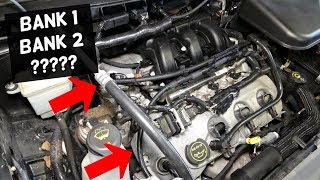
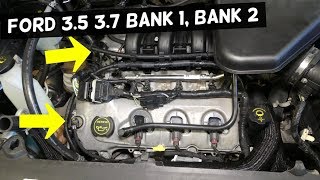
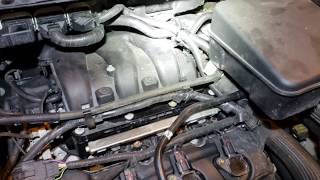
The 2015-2018 Ford Edge was offered with three main engines: the 2.0L EcoBoost I4, the 3.5L V6, and the 2.7L EcoBoost V6 (in the Sport model). The location of 'Bank 1' differs between them. For the 2.0L 4-cylinder, there is only one bank, so the sensor is simply the downstream O2 sensor (Sensor 2). For both the 3.5L and 2.7L V6 engines, which are mounted transversely, Bank 1 is the cylinder bank located towards the firewall (the rear of the engine bay), which can be confirmed by checking the firing order. 🎬 Watch: How to identify Bank 1 on your Ford Edge. This can make accessing the Bank 1 sensors slightly more challenging than the front bank (Bank 2).
Symptoms You May Notice
- Check Engine Light is on
- Failing a vehicle emissions test
- Slightly reduced fuel economy (may not be noticeable)
- Replacing the wrong oxygen sensor (e.g., replacing the upstream Sensor 1 or a sensor on Bank 2).
- Replacing the catalytic converter. A P0141 code specifically points to the sensor's heater circuit, not the efficiency of the converter. A bad converter would typically set a P0420 or P0430 code.
Most Likely Causes
- Failed Bank 1, Sensor 2 Oxygen Sensor 🔴 High Probability → Shop Oxygen Sensor The internal heater element within the oxygen sensor is a common failure point over time due to constant, rapid heat cycles. The ceramic element can crack or the filament can burn out, creating an open circuit.
How to confirm: After confirming power and ground at the sensor connector, test the resistance of the heater circuit within the sensor using a multimeter. The two same-colored wires are for the heater. A reading that is out of spec, typically between 4 and 20 Ohms, or a reading of 'OL' (open circuit) confirms the sensor is bad.
Typical fix: Replace the Bank 1, Sensor 2 oxygen sensor. 🎬 See this video for common causes and fixes for P0141.
Est. part cost: $40-$190 - Damaged Wiring or Connector 🟡 Medium Probability The wiring harness leading to the downstream O2 sensor is exposed to road debris, water, and extreme heat from the exhaust. This can cause wires to break, melt against the exhaust, or cause the connector pins to corrode.
How to confirm: Visually inspect the entire wiring harness from the sensor to where it connects to the main harness. Look for any signs of melting, chafing, or broken wires. Unplug the connector and check for corrosion, moisture, or pushed-out pins. Water intrusion into connectors is a known issue on some Ford vehicles.
Typical fix: Repair the damaged section of the wiring harness or replace the connector pigtail.
Est. part cost: $15-$40 - Blown Fuse ⚪ Low Probability
How to confirm: Check the fuses related to the powertrain control module (PCM) and O2 sensor heaters in the engine compartment fuse box. A fuse labeled 'O2 HTR' or similar may be present. Consult the owner's manual for the specific fuse location for your model year and engine.
Typical fix: Replace the blown fuse. If the fuse blows again immediately, it indicates a short circuit in the wiring that must be found and repaired.
Est. part cost: $1-$5
Rare But Worth Checking
- Faulty Powertrain Control Module (PCM): → Shop Engine Control Module (ECM) This is extremely rare. The PCM is the last item to suspect. The PCM's internal driver for the heater circuit can fail, but this should only be considered after all other diagnostic steps for the sensor, wiring, and fuses have been exhaustively completed.
Diagnosis Steps
- Use an OBD-II scanner to confirm P0141 is the primary code. If other O2 heater codes (like P0135, P0155, P0161) are present, check for a common cause like a blown fuse.
- Identify the correct engine (2.0L, 3.5L, or 2.7L) to locate Bank 1. For V6 engines, Bank 1 is the rear bank against the firewall.
- Safely raise and support the vehicle to access the downstream oxygen sensor (Sensor 2) on Bank 1. It will be located on the exhaust pipe after the catalytic converter. 🎬 Watch: Step-by-step guide to replacing the downstream O2 sensor.
- Visually inspect the sensor's wiring harness and connector for any obvious damage, such as melting, fraying, or corrosion.
- Check the O2 sensor heater fuse in the engine compartment fuse box.
- If wiring and fuse are okay, disconnect the sensor. With the key in the 'On' position (engine off), use a multimeter to check for 12-volt battery power at the heater power pin on the harness-side connector.
- With the sensor still disconnected, switch the multimeter to Ohms and measure the resistance across the two heater circuit pins on the sensor itself. A normal reading is typically between 4 and 20 Ohms. A reading of 'OL' (over-limit/open circuit) or zero indicates a failed heater inside the sensor.
- If the sensor's resistance is good but there is no power at the connector, the wiring issue is further up the harness or, in rare cases, a fault with the PCM or relay.
Parts You'll Likely Need
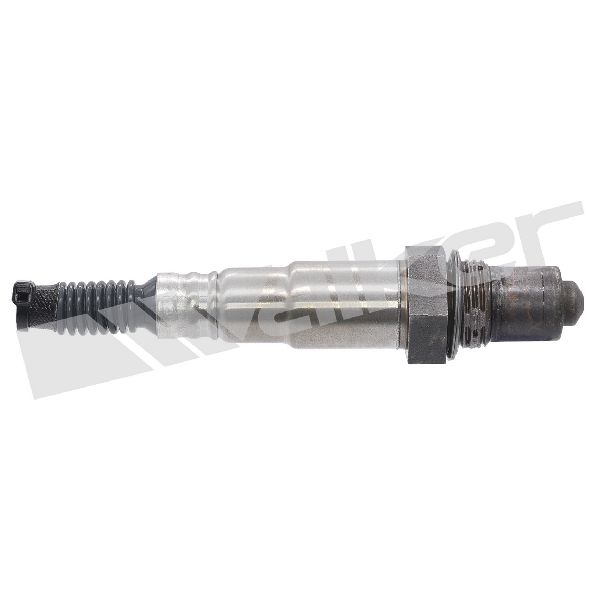
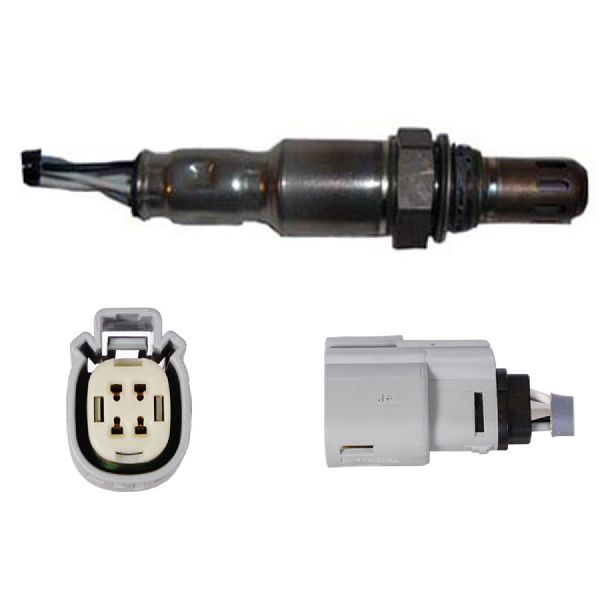
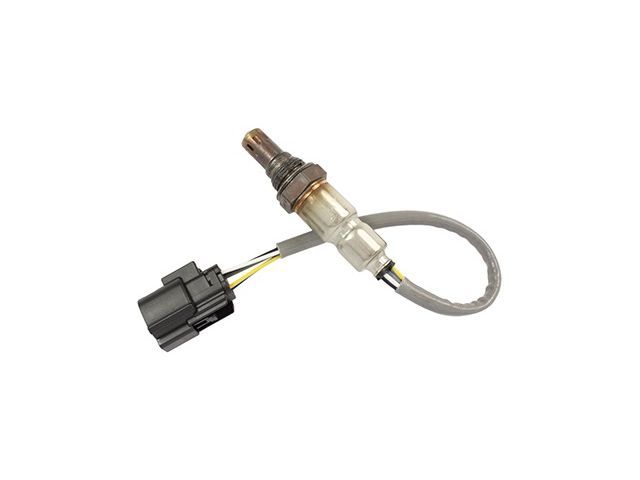
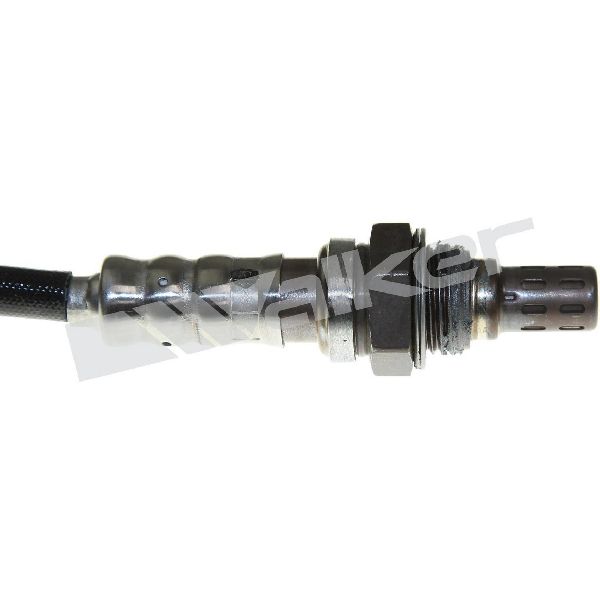
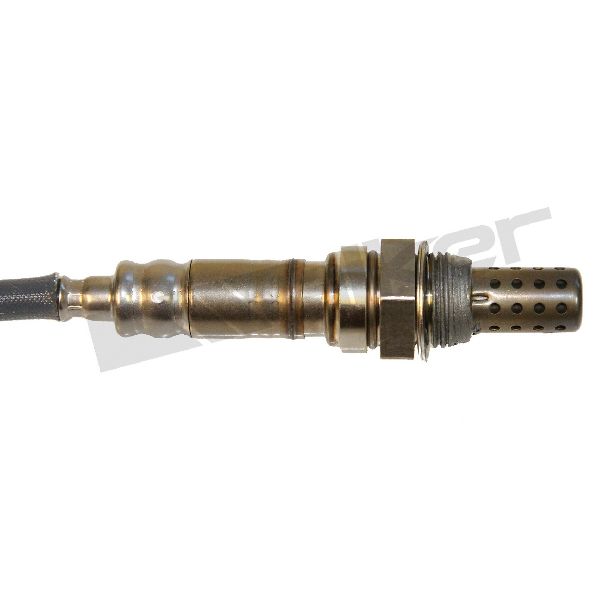
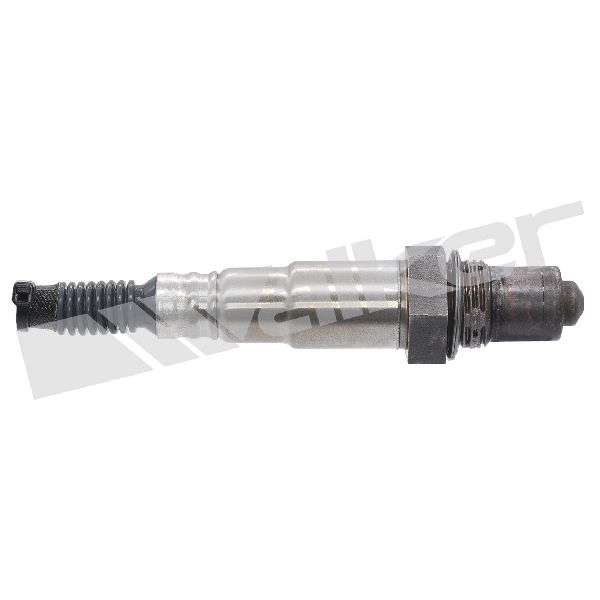
- Bank 1, Sensor 2 Oxygen Sensor (Downstream)
(OEM #2.0L: Motorcraft DY-1330; 3.5L: Motorcraft DY-1290; 2.7L: Motorcraft DY-1503)— This is the most common failure for code P0141, as the internal heater element burns out.
Trusted brands: Motorcraft, Bosch, Denso, NGK/NTK
OEM price range: $90-$190
Aftermarket price range: $40-$80
Technical Service Bulletins (TSBs) & Recalls
- TSB 20-2307: While for F-150 and Expedition, this TSB addresses water intrusion into HO2S (Heated Oxygen Sensor) connectors. This highlights a known potential failure mode within the broader Ford lineup that could cause a P0141 code due to corrosion or shorting, making a thorough connector inspection important.
Mechanic-Grade Diagnostic Values
- O2 Sensor Heater Element Resistance — expected: Generally 4-10 Ohms, with some sources specifying 3.3-4.1 Ohms at room temperature for this platform.. Failure: A reading of 'OL' (infinite resistance) indicates an open circuit, while a reading near 0 Ohms indicates a short. Both confirm a failed sensor.
- O2 Sensor Heater Circuit Current Draw — expected: 0.5 A to 1.1 A when the heater is commanded on by the PCM.. Failure: No current draw suggests an open in the wiring or sensor. Excessively high current suggests a short to ground.
- Heater Circuit Power Supply (KOEO) — expected: Battery Voltage (~12V) at the harness-side connector pin for the heater power supply.. Failure: Voltage below 9V points to a problem with the fuse, relay, or wiring harness, not the sensor itself.
- Heater Circuit Ground Side (PCM Control) — expected: When testing with a lab scope, this wire should show a square wave as the PCM duty-cycles the ground to control heater temperature.. Failure: A steady 12V indicates the PCM is not providing a ground path. A steady 0V could indicate a short to ground on the control wire.
Hidden / Shadow Codes Worth Checking
- P1000: This is not a fault code, but an informational code indicating that the OBD-II system checks are not yet complete since the last time codes were cleared. It will often appear alongside P0141 after a repair and will clear itself once the vehicle completes a full drive cycle. (see via Standard OBD-II scanner.)
Scan Tool Commands That Help
- Ford IDS / FORScan / High-End Scanners: HO2S Heater Monitor Status (Live Data PID) — Use this to monitor the status of the heater circuit in real-time. A professional scanner can show PIDs for 'Heater Fault' or 'Heater Status' which can confirm if the PCM is detecting the fault actively.
- Ford IDS / FORScan / High-End Scanners: Clear KAM (Keep Alive Memory) — After replacing the sensor, clearing the KAM resets the powertrain control module's learned adaptations. While not strictly required for a P0141 fix, it forces the PCM to immediately re-learn with the new, functioning sensor rather than relying on old data.
Wiring & Ground Locations
- C175B — The main (and largest) electrical connector on the Powertrain Control Module (PCM), located in the engine bay.. The wires for the O2 sensor heater control (ground side) originate from pins at this connector. Advanced diagnostics, like checking for a command signal directly from the PCM, requires probing the correct pin at C175B.
- G103 — On the cowl in the left rear of the engine compartment, often near the brake booster.. This is a major ground point for the Body Control Module (BCM) and other critical modules that communicate with the PCM. While not a direct ground for the O2 sensor heater (which is typically grounded through the PCM), a poor G103 connection can cause a host of bizarre electronic issues, and checking major grounds is a good practice when chasing intermittent electrical faults.
- O2 Sensor Heater Wires — Within the 4-wire O2 sensor connector.. On Ford sensors, the two wires of the same color are for the heater circuit. This is critical for performing a resistance test on the correct pins of the sensor itself.
Real Owner Repair Stories
- Ford Edge Forum (2016 Ford Edge SEL, 5,000 miles) — Check Engine Light on.
❌ Tried (didn't work) Multiple dealer visits where the fix was attempted but the CEL returned immediately.
✅ What actually fixed it The user's post is a report of a recurring problem without a final solution posted, highlighting that for some owners, the issue can be complex and not a simple sensor swap. The presence of multiple heater codes (P0036, P0054, P0141) pointed towards a potential common wiring or power supply issue rather than four simultaneously failed sensors.
OEM Part Supersession History
E1GZ-9F472-C→Motorcraft DY-1330— Standard part number update and packaging for service replacement.
Heads up: DY-1330 is listed for the 2.0L engine. While it may be physically similar to sensors for the V6 engines, using the wrong sensor can cause incorrect readings. Always verify the part number for your specific engine.
Model Year Variations Within This Range
- 2015-2018: The 2015 model year introduced the new twin-scroll 2.0L EcoBoost engine, replacing the previous 2.0L. The 3.5L V6 was carried over but discontinued after 2018. The 2.7L EcoBoost V6 was specific to the Sport trim. While the P0141 code applies to all, the specific part number and location of the sensor vary significantly between these three engines.
Diagnostic Flowchart
Other Known Issues on This Vehicle
Issues unrelated to this code that are worth knowing about as an owner of this generation:
- 2.0L EcoBoost Coolant Intrusion 🔴 High — A well-documented issue for 2015-2018 models. A defect in the engine block design allows coolant to leak into cylinders #2 and/or #3, often leading to misfires and requiring a complete long block replacement. (Ref: TSB 19-2346)
- Power Transfer Unit (PTU) Failure 🟠 Medium — Common on All-Wheel Drive (AWD) models. The PTU fluid can overheat and degrade, leading to seal failure, fluid leaks, and eventual gear failure. The unit lacks a drain plug, making preventative maintenance difficult.
- Brake Booster Failure 🔴 High — Affects some 2015-2018 models. The internal diaphragm of the brake booster can tear, causing a vacuum leak that results in a hard brake pedal and significant loss of power braking assistance. (Ref: Ford Safety Recall 20S31)
Used vs. New Parts: Buying Guide for This Vehicle
When a used part is the smart pick: A used part is a reasonable choice for a replacement wiring harness connector (pigtail) if the original is melted or corroded. Sourcing a short section of harness from a junkyard vehicle is far more cost-effective than replacing a larger harness section.
Donor-vehicle mileage cap: roughly under 100000 miles for the part to have meaningful remaining life.
What to inspect on the donor part:
- For a connector/pigtail, inspect for any signs of melting, cracked plastic, or corrosion on the pins.
- Ensure the locking tab is intact and clicks securely.
- Check that the wires are flexible and the insulation is not brittle or cracked.
OEM-only on this vehicle (don't cheap out):
- While not strictly 'OEM-only', using a Motorcraft oxygen sensor is highly recommended. Some aftermarket sensors can have slightly different heater resistances or response times, which can cause persistent issues on sensitive Ford systems.
Aftermarket brands forum-validated for this vehicle:
- NTK/NGK
- Denso
- Bosch
Brands owners have reported issues with on this vehicle:
- No-name, unbranded sensors from online marketplaces should be avoided as their quality control, materials, and adherence to OEM specifications are often questionable.
Real Owner Stories
Aggregated from forums and TSBs cited above. Mileages and costs reflect what owners reported in those sources.
2016 Ford Edge SEL — 5000 miles
Symptoms: The vehicle runs fine, but the Check Engine Light is on with codes P013, P0054, P0141, and P0036.
What fixed it: The initial dealer fix failed immediately; the owner was left waiting for technical support after the light returned while driving around the building.
Source hint: fordedgeforum.com - '3 visits for O2 sensor -bank 1, sensor 2'
2016 Ford Edge SEL 2.0L EcoBoost — 38000 miles
Symptoms: Check engine light came on twice with code P0036 (functionally identical to P0141).
What fixed it: The repair was performed by a Ford dealer by reprogramming the PCM as recommended in TSB 18-2212.
Source hint: Ford Edge Forum user 'pmbb68'
Related OBD-II Codes
Frequently Asked Questions
Will the 80,000-mile federal emissions warranty cover a P0141 or P0036 code on my 2016 Ford Edge?
Is there a TSB for the P0141 code on the 2015-2018 Ford Edge?
Where is the Bank 1, Sensor 2 oxygen sensor located on the Ford Edge V6 engines?
Could a blown fuse cause the P0141 code in my Edge?
What is the typical resistance for the O2 sensor heater on this vehicle?
Are there other common mechanical issues on the 2015-2018 Ford Edge I should be aware of while fixing this?
Helpful Videos

We Have This Part in Stock

The information in this article is provided for general reference and educational purposes only. Vehicle specifications, procedures, and part compatibility can vary by production date, trim level, and region. Always consult your vehicle's factory service manual and verify part numbers before purchasing or performing repairs. Safety-critical components such as airbags, seat belts, and braking systems should be installed by a qualified professional.
- Ford Edge:
- 🧭 Diagnostic Flowchart
- 🎬 Helpful Videos
- 🛍️ Shop This Part
- What's Unique About the 2015-2018 Ford Edge
- Symptoms You May Notice
- Most Likely Causes
- Rare But Worth Checking
- Diagnosis Steps
- Parts You'll Likely Need
- Technical Service Bulletins (TSBs) & Recalls
- Mechanic-Grade Diagnostic Values
- Hidden / Shadow Codes Worth Checking
- Scan Tool Commands That Help
- Wiring & Ground Locations
- Real Owner Repair Stories
- OEM Part Supersession History
- Model Year Variations Within This Range
- Other Known Issues on This Vehicle
- Used vs. New Parts: Buying Guide for This Vehicle
- Real Owner Stories
- 2016 Ford Edge SEL — 5000 miles
- 2016 Ford Edge SEL 2.0L EcoBoost — 38000 miles
- Related OBD-II Codes
- Frequently Asked Questions
- 🎟️ Get 5% Off