

P0149 on 2012-2014 Volkswagen Beetle: Fuel Timing Error Causes and Fixes
On a 2012-2014 VW Beetle, code P0149 (Fuel Timing Error) is almost always caused by a failing High-Pressure Fuel Pump (HPFP) or its worn 'bucket' style cam follower, and will be accompanied by code P0087 (Fuel Pressure Too Low). The most likely fix is replacing both the HPFP and the cam follower, costing around $300-$600 for parts.
- P0149 on your Beetle is not a timing problem; it's a fuel pressure problem. You must diagnose it as such.
- This code is almost always accompanied by P0087. If you only see P0149, check for P0087 with a more advanced scan tool.
- The most likely cause is a combination of a failing High-Pressure Fuel Pump (HPFP) and a worn cam follower.
- Always replace the inexpensive cam follower when you replace the HPFP. Skipping this step will lead to a repeat failure of the new pump.
- This is a serious issue that can leave you stranded and potentially cause severe engine damage if ignored. Do not delay diagnosis and repair.
What's Unique About the 2012-2014 Volkswagen Beetle
The 2012-2014 Beetle with the 2.0T TSI engine (engine codes CCTA/CBFA) uses a direct-injection system where the High-Pressure Fuel Pump (HPFP) is a known weak point. The pump is driven by a lobe on the intake camshaft via a flat tappet-style cam follower, which is a notorious wear item. As this follower wears and thins, it reduces the HPFP's stroke, causing low pressure (P0087) and the resulting timing deviation (P0149). Volkswagen's own Technical Service Bulletins (TSBs) repeatedly group P0149 with low fuel pressure codes P0087 and P053F, confirming this is a recognized fault pattern. If the follower wears completely through, it can destroy both the HPFP and the intake camshaft, a severe failure.
Symptoms You May Notice
- Engine hesitation or stumbling on acceleration
- Significant loss of power, especially under load
- Engine cranks but is hard to start or won't start at all
- Rough or unstable idle
- Engine stalling, sometimes while driving
- Check Engine Light is on (and may be flashing if misfires are severe)
- Decreased fuel economy
- Audible ticking or clattering sound from the HPFP area on the engine
- Replacing the fuel injectors. While injectors can cause issues, they are not the primary cause for the specific P0149/P0087 code combination on this engine.
- Replacing only the fuel filter. A clogged filter is less likely to be the sole cause of this fault pattern compared to the common HPFP system failures.
Most Likely Causes
- Worn High-Pressure Fuel Pump (HPFP) Cam Follower 🔴 High Probability → Shop Engine Valve Tappet The flat tappet ('bucket') cam follower is a sacrificial component designed to wear out. On VW's EA888 Gen1/2 engines, it is a well-documented high-failure part. Its surface coating wears away, and the metal thins until a hole appears.
How to confirm: Remove the HPFP and visually inspect the cam follower. 🎬 Watch: How to inspect your cam follower for wear Look for a worn-through center, a concave surface, deep scoring, or a hole. Any visible wear on the black surface means it needs immediate replacement.
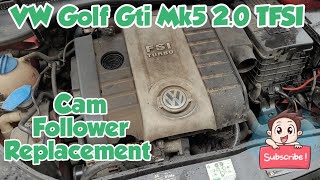
Typical fix: Replace the cam follower. It is strongly recommended to replace this part as preventative maintenance every 30,000-40,000 miles, or whenever the HPFP is serviced. 🎬 See this walkthrough on how to replace the cam follower
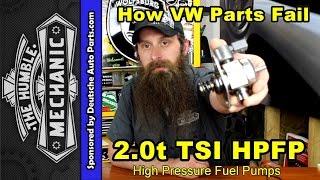
Est. part cost: $25-$50 - Failing High-Pressure Fuel Pump (HPFP) 🔴 High Probability → Shop Fuel Pump The HPFP is a widely documented weak point 🎬 Watch: See how these high pressure fuel pumps fail on VW's EA888 engines. Its failure is often accelerated by a worn cam follower, which allows the pump's plunger to be damaged or over-extend.
How to confirm: Use a VW-specific scan tool (like VCDS) to monitor 'Fuel high pressure; specified value' and 'Fuel high pressure; actual value'. If the actual value drops significantly below the specified value during acceleration, the pump is failing. Also inspect the plunger tip for scoring or damage when the pump is removed.
Typical fix: Replacement of the High-Pressure Fuel Pump. This should always be done in conjunction with replacing the cam follower.
Est. part cost: $250-$550
Rare But Worth Checking
- Faulty Fuel Rail Pressure Sensor (G247): → Shop Fuel Pressure Sensor While less common, this sensor can fail and send incorrect data to the ECM, mimicking a low-pressure condition. This should be considered if a new HPFP and follower do not resolve the issue. In some cases, the connector pins can become loose, causing intermittent readings under load.
- Failing In-Tank Low-Pressure Fuel Pump (LPFP): → Shop Fuel Pump The HPFP can be starved of fuel if the low-pressure pump in the tank is weak. This can be tested with a fuel pressure gauge on the low-pressure side (should be ~4.5-6.5 bar) to rule it out before replacing the more expensive HPFP.
- Worn Intake Camshaft Lobe: In severe cases, especially if the vehicle was driven for a long time with a completely failed cam follower, the camshaft lobe that drives the HPFP can be worn down or scored. This is a major repair and should be inspected with a finger or borescope if the cam follower is found to be destroyed upon removal.
Diagnosis Steps
- Scan the ECM for all stored trouble codes. Confirm that P0149 is present with P0087.
- Using a capable scan tool (like VCDS), access the engine controller and select advanced measuring blocks for 'Fuel high pressure; specified value' and 'Fuel high pressure; actual value'.
- At idle, the values should be close (around 40-50 bar or 580-725 PSI).
- If possible and safe, perform a data log during a short drive with wide-open throttle in a suitable gear. Observe if the 'actual value' significantly lags or drops far below the 'specified value' (e.g., requested 150 bar, actual drops to 15 bar). This confirms a high-pressure fuel delivery problem.
- Before ordering parts, relieve fuel system pressure following the manufacturer's procedure. This is a critical safety step.
- Disconnect the battery. Remove the High-Pressure Fuel Pump (HPFP) from the cylinder head.
- Remove and carefully inspect the 'bucket' cam follower for any signs of wear, scoring, or holes. If it is worn through, the repair just became more involved.
- If the follower is destroyed, carefully inspect the plunger on the HPFP for damage and, most importantly, inspect the intake camshaft lobe for scoring, gouges, or a worn-down profile. A damaged camshaft requires replacement.
- Check engine oil for fuel smell and metal shavings, which indicate a leaking pump seal or catastrophic follower failure.
- Based on findings, replace the cam follower, the HPFP, or both. It is best practice to always replace the follower when replacing the pump.
Parts You'll Likely Need
- High-Pressure Fuel Pump (HPFP)
(OEM #06H127025Q (and other revisions like E, G, K, M, N, P))— This is the primary component responsible for generating high fuel pressure and is a known high-failure item for this code combination, often damaged by the follower.
Trusted brands: Bosch, Hitachi, Genuine Volkswagen
OEM price range: $350-$550
Aftermarket price range: $250-$400 - HPFP Cam Follower (Flat Tappet/Bucket)
(OEM #06D109309C)— This is the critical, sacrificial wear item that directly causes HPFP failure. It MUST be inspected and is almost always replaced when servicing the HPFP to prevent repeat failure. This is the corrected part for this engine.
Trusted brands: INA, Febi, Genuine Volkswagen
OEM price range: $40-$60
Aftermarket price range: $25-$40
Related Codes That Often Appear With This One
- P0087 — This code for 'Fuel Rail/System Pressure - Too Low' is the root cause. The low pressure from a failing pump or follower prevents the system from achieving correct injection timing, which then triggers P0149. They almost always appear together.
- P053F — This code for 'Cold Start Fuel Pressure Performance' is also directly related to the fuel system's inability to build or hold pressure, especially during a cold start, and is cited in the same TSBs as P0149 and P0087.
- P0300-P0304 — These are random or specific cylinder misfires. Incorrect fuel pressure and timing lead to a lean fuel mixture and poor combustion, resulting in engine misfires. A manufacturer service bulletin, TSB Bulletin #VIN4APIN20211026, notes that P0149 and P0087 can appear in combination with these misfire codes.
- P2293 — Stands for 'Fuel Pressure Regulator 2 Performance'. This code is very commonly seen with P0087 and points directly to a mechanical issue with the HPFP or cam follower system.
Technical Service Bulletins (TSBs) & Recalls
- VIN4APIN20211013 / VIN4APIN20211026: Confirms customer complaints of MIL-on with codes P0087, P0149, and P053F stored in the ECM. These are internal repair database identifiers.
- VW TSB 2015153: Addresses diagnosis for P0087, P1093, or P2293 caused by excessive wear of the intake camshaft lobe that drives the HPFP, which is the most severe outcome of a failed cam follower.
- TSB Bulletin #VIN4APIN20210913: Notes that a MIL-on with P0087, P0149, and P053F may be accompanied by a no-crank or no-start condition where the vehicle must be towed in.
- TSB Bulletin #VIN4APIN20210819: Describes instances where P0149, P0087, and P053F are stored in the ECM alongside other electrical or mechanical symptoms, such as noise during clutch pedal operation.
Platform-Specific Known Issues
- The 2.0T TSI engine in this Beetle can be engine code CCTA (49-state emissions) or CBFA (California SULEV emissions with an added secondary air injection system). The core HPFP and follower issue is identical between them.
- Volkswagen has issued multiple Technical Service Bulletins (e.g., VIN4APIN20211013, TB-20-13-02) that group P0149 with P0087 and P053F, acknowledging this specific pattern of fuel system faults for dealer technicians.
- The flat tappet cam follower design is a carryover from the earlier FSI engine and remains the Achilles' heel of the EA888 Gen1/2 fuel system.
Mechanic-Grade Diagnostic Values
- Low-Pressure Fuel System Pressure — expected: 4.0 to 6.5 bar (58 to 95 PSI) when measured with a mechanical gauge at the HPFP test port.. Failure: Pressure below 4.0 bar indicates a problem with the in-tank fuel pump (LPFP), its controller (J538), or the fuel filter.
- High-Pressure Fuel Rail (Actual) at Idle — expected: Approximately 40 to 50 bar (580 to 725 PSI) on a warm engine.. Failure: Significantly lower pressure, such as 6 to 10 bar, indicates a failed HPFP or worn cam follower.
- High-Pressure Fuel Rail (Actual vs. Specified) at Wide-Open Throttle — expected: Actual pressure should closely track specified pressure, which can be 110-150 bar or higher.. Failure: A severe drop where the actual value falls far below the specified value (e.g., requested 150 bar, actual drops to 15 bar) confirms the high-pressure system cannot keep up.
Scan Tool Commands That Help
- VCDS (VAG-COM): Engine -> Measuring Blocks -> Groups 106, 140, 141, 230 — These are the primary measuring blocks for monitoring and logging 'Fuel Rail Pressure (specified)' vs. 'Fuel Rail Pressure (actual)'. This is essential for diagnosing if the HPFP can meet the ECM's demand at idle and under load.
- VCDS (VAG-COM): Engine -> Output Tests -> Fuel Pump Electronics — This test manually activates the in-tank low-pressure fuel pump (LPFP). It is used to verify the pump runs, to check for voltage at the pump, and to diagnose a dead LPFP or a faulty control module (J538). It's also used to prime the system after a repair.
- VCDS (VAG-COM): Engine -> Output Tests -> Fuel Pressure Regulator Valve (N276) — This test cycles the solenoid on the HPFP. A clicking sound indicates the solenoid is receiving the command and is likely functional electrically. A lack of clicking points to a wiring issue or a failed solenoid on the pump itself.
Wiring & Ground Locations
- J538 - Fuel Pump Control Module — Under the rear seat bench, typically on the passenger's side, often mounted to the access cover for the in-tank fuel pump assembly.. This module controls the in-tank low-pressure pump. It is known to fail from overheating (sometimes melting the plastic housing), which starves the HPFP of fuel and can cause P0149/P0087 and stalling.
- G247 - High Pressure Fuel Sensor Connector — On the end of the high-pressure fuel rail, which is located under the intake manifold.. The pins within this connector can loosen over time, causing an intermittent poor connection that sends an erroneous low-pressure signal to the ECU, triggering P0087/P0149 even if the pump and sensor are good.
- Main Engine Ground Strap — In the engine compartment on the driver's side, connecting the engine block or transmission case to the chassis frame rail, often near or below the battery tray.. A corroded or loose main ground can cause a variety of difficult-to-diagnose electrical issues, including erratic sensor readings and improper function of fuel pump control modules.
Real Owner Repair Stories
- GolfMKV.com forum user (VW GTI (with same BPY engine family principles)) — P0087 code with fuel cut under load, especially with A/C on at highway speeds.
❌ Tried (didn't work) Replacing the cam follower, Installing a catch can
✅ What actually fixed it The user replaced the piston inside the HPFP with an Autotech rebuild kit, which resolved the fuel cut issue. - GolfMK7.com forum user report (MK7 Golf/GTI (with similar fuel system architecture)) — P0087 code, limp mode at full throttle.
❌ Tried (didn't work) Initial diagnosis pointed towards replacing the fuel pumps or the sensor itself.
✅ What actually fixed it A technician identified that the internal clamping of the pins in the rail pressure sensor plug (G247 connector) was loose. Replacing the five pins within the connector resolved the issue without replacing the sensor or pumps.
"I Checked Everything" — The Actual Cause
- While a smoke test is not standard for this code, a similar pattern exists where diagnostics at idle appear normal. A known issue is that the pins inside the G247 high-pressure fuel sensor connector can become loose. At idle, the connection may be sufficient, showing normal pressure. However, under load and engine vibration, the pins can lose contact, causing the sensor to send an incorrect low-pressure reading to the ECU. This triggers P0087 and P0149, leading a technician to suspect the pump or sensor itself, when the actual fault is in the connector wiring.
When the Usual Fixes Don't Work
- In some documented cases, particularly on tuned vehicles or those where the issue is intermittent, replacing the HPFP and cam follower does not resolve the P0149/P0087 codes. One such case, found on a Golf MK7 forum, identified the root cause as loose pins within the G247 high-pressure rail sensor's electrical connector. The pump was mechanically sound, but the faulty connection sent erratic low-pressure signals to the ECU under load. The fix was to replace the connector pins, not the multi-hundred dollar pump or sensor. This highlights the need to verify wiring and connections before condemning expensive mechanical components, even when symptoms strongly point to them.
OEM Part Supersession History
06H127025E, 06H127025G, 06H127025K, 06H127025M, 06H127025N, 06H127025P→06H127025Q (and potentially later revisions)— Ongoing revisions by the manufacturer to improve reliability and address failure modes of the high-pressure fuel pump.
Heads up: All listed part numbers are generally interchangeable for the CCTA/CBFA engine, but it is always recommended to install the latest available revision (e.g., 'Q' or newer) to benefit from the most recent design improvements.Unknown (Black plastic housing)→Unknown (Orange plastic housing)— A user on a forum noted that the original G247 fuel rail pressure sensor was black, and the superseding part was orange. This is a visual cue that the sensor may have been updated.
Model Year Variations Within This Range
- 2013-2014: For the 2.0TSI engine, the horsepower rating was increased from 147 kW (200 PS) in 2012-2013 models to 155 kW (210 PS) in 2013-2014 models. This was a software and potentially minor engine component change, but the fundamental EA888 Gen1/2 architecture and the failure-prone HPFP/cam follower system remained the same. The diagnosis for P0149 is identical across this year range.
Diagnostic Flowchart
Used vs. New Parts: Buying Guide for This Vehicle
When a used part is the smart pick: A used intake camshaft from a verified low-mileage donor vehicle is a reasonable choice if the original camshaft lobe was destroyed by a failed cam follower. A used Fuel Pump Control Module (J538) can also be a cost-effective replacement, provided it shows no signs of overheating.
Donor-vehicle mileage cap: roughly under 60000 miles for the part to have meaningful remaining life.
What to inspect on the donor part:
- For a camshaft: Inspect the HPFP lobe meticulously. It must be perfectly smooth with no scoring, pitting, or visible wear pattern. Use a fingernail to check for any grooves.
- For a Fuel Pump Control Module (J538): Inspect the plastic housing for any signs of melting, discoloration, or warping, which indicates a history of overheating and imminent failure.
- For a HPFP: Strongly discouraged. There is no reliable way to know the condition of the internal seals or the history of the cam follower used with it. A used pump could fail quickly or cause a repeat failure.
OEM-only on this vehicle (don't cheap out):
- HPFP Cam Follower (06D109309C): This is a sacrificial wear item. It MUST be purchased new. Installing a used one is asking for catastrophic engine failure.
- High-Pressure Fuel Pump (HPFP): While not strictly 'OEM-only', using a pump from an OEM supplier is critical for longevity.
Aftermarket brands forum-validated for this vehicle:
- HPFP: Bosch and Hitachi are the primary OEM suppliers. Buying a part from these brands is equivalent to getting a genuine part without the dealer markup.
- Cam Follower: INA and Febi are reputable OEM-quality suppliers.
Brands owners have reported issues with on this vehicle:
- Unbranded, 'white-box' High-Pressure Fuel Pumps from online marketplaces. The high-stress nature of this part in a GDI system means that manufacturing precision and material quality are critical. A cheap, low-quality pump is a significant risk.
Real Owner Stories
Aggregated from forums and TSBs cited above. Mileages and costs reflect what owners reported in those sources.
Volkswagen 2.0T TSI
Symptoms: Owner had code P0087 and was asking about replacing the High-Pressure Fuel Pump.
What fixed it: The community advised the owner to also replace the cam follower and carefully inspect the cam lobe for damage during the HPFP replacement.
Source hint: VWVortex thread 'p0087-and-hpfp-replacement-question.9476907/'
Volkswagen 2.0T TSI
Symptoms: The vehicle had codes P0087 and P053F. Scan tool data showed the 'actual' fuel pressure was failing to meet the 'specified' fuel pressure under load.
What fixed it: The diagnosis confirmed a high-pressure fuel delivery problem, which the article context indicates is fixed by replacing the failing High-Pressure Fuel Pump and its cam follower.
Source hint: YouTube video from 'Shop Life' diagnosing P0087 and P053F
Volkswagen 2.0T TSI
Symptoms: The vehicle stored trouble codes P0087, P1093, or P2293, which was caused by the most severe outcome of a failed cam follower.
What fixed it: The diagnosis pointed to excessive wear of the intake camshaft lobe that drives the HPFP, which requires replacement of the intake camshaft.
Source hint: VW TSB 2015153
Related OBD-II Codes
Frequently Asked Questions
My 2013 Beetle has codes P0149, P0087, and P053F. Is this a known issue?
What is the most common cause for a P0149 code on my 2.0T TSI Beetle?
How often should I replace the HPFP cam follower to prevent this issue?
If my cam follower has failed, what other parts must I inspect for damage?
Can I replace just the High-Pressure Fuel Pump (HPFP) without changing the cam follower?
Is it safe to buy a used HPFP or cam follower for my Beetle?
My Beetle has the CBFA engine for California emissions. Is it still prone to this P0149 issue?
Helpful Videos
Used OEM Parts in Stock
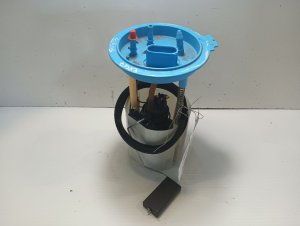
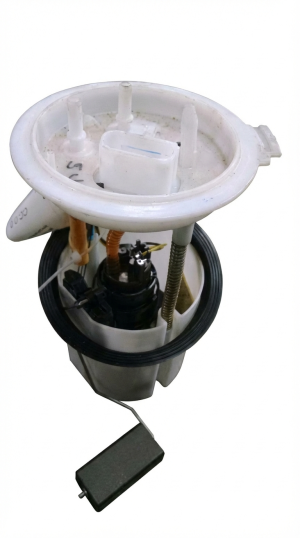
New Aftermarket Parts Available

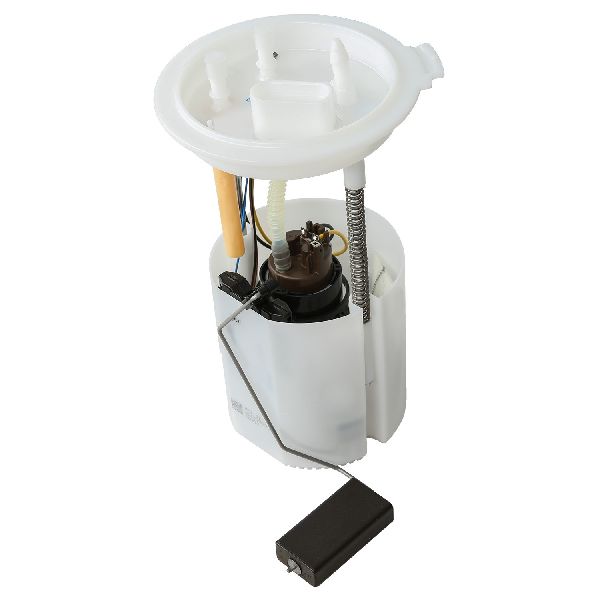
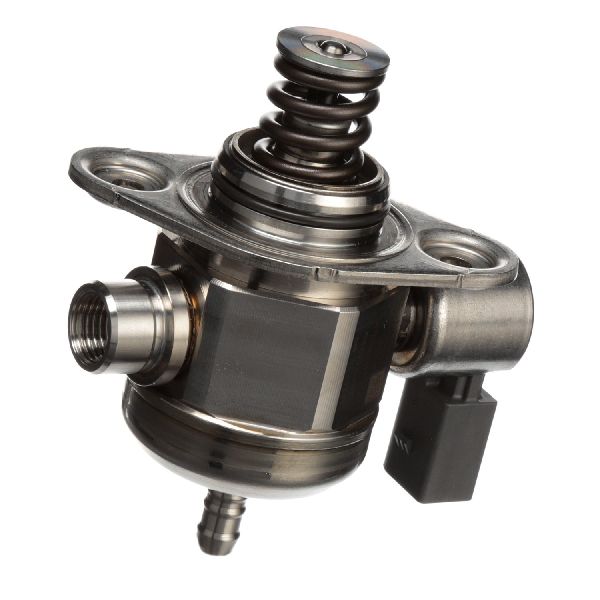

The information in this article is provided for general reference and educational purposes only. Vehicle specifications, procedures, and part compatibility can vary by production date, trim level, and region. Always consult your vehicle's factory service manual and verify part numbers before purchasing or performing repairs. Safety-critical components such as airbags, seat belts, and braking systems should be installed by a qualified professional.
- Volkswagen Beetle:
- 🧭 Diagnostic Flowchart
- 🎬 Helpful Videos
- 🛍️ Shop This Part
- What's Unique About the 2012-2014 Volkswagen Beetle
- Symptoms You May Notice
- Most Likely Causes
- Rare But Worth Checking
- Diagnosis Steps
- Parts You'll Likely Need
- Related Codes That Often Appear With This One
- Technical Service Bulletins (TSBs) & Recalls
- Platform-Specific Known Issues
- Mechanic-Grade Diagnostic Values
- Scan Tool Commands That Help
- Wiring & Ground Locations
- Real Owner Repair Stories
- "I Checked Everything" — The Actual Cause
- When the Usual Fixes Don't Work
- OEM Part Supersession History
- Model Year Variations Within This Range
- Used vs. New Parts: Buying Guide for This Vehicle
- Real Owner Stories
- Volkswagen 2.0T TSI
- Volkswagen 2.0T TSI
- Volkswagen 2.0T TSI
- Related OBD-II Codes
- Frequently Asked Questions
- 🎟️ Get 5% Off