

P0175 on 2017-2022 Chevrolet Colorado 3.6L V6: Causes and Fixes for Rich Fuel Mixture
The P0175 code on a 2017-2022 Colorado with the 3.6L V6 indicates the engine is running too rich on Bank 2. The most common causes are a leaking fuel injector or a faulty upstream oxygen sensor. A dirty Mass Air Flow (MAF) sensor is also a frequent culprit, though it typically affects both banks (P0172 and P0175).
- P0175 means your Colorado's engine is running with too much fuel on Bank 2 (the front/radiator side).
- The most likely causes are a leaking fuel injector, a bad upstream O2 sensor, or a dirty MAF sensor.
- Start your diagnosis by checking fuel trims with a scan tool. Highly negative numbers on Bank 2 confirm the issue.
- Do not drive for long with this code, as it can damage your expensive catalytic converter over time.
- Before replacing parts, consider cleaning the MAF sensor, as it's a cheap and easy first step.
What's Unique About the 2017-2022 Chevrolet Colorado
For the 3.6L LGZ direct-injection engine in the Colorado, rich conditions are often linked to fuel delivery components. While oxygen sensors can fail, GM has noted in service bulletins for similar platforms that fuel injectors are a primary area of concern. Unlike some older GM engines, these trucks do not have an external fuel pressure regulator that commonly fails, nor do they typically suffer from skewed fuel alcohol content readings that can cause false rich codes on Flex Fuel vehicles, as the Colorado with the LGZ engine is not a flex-fuel vehicle. However, a manufacturer service bulletin, TSB Bulletin #PIP4792D, notes that on some GM platforms, technicians should still verify the Fuel Alcohol Content parameter in the scan tool data list when diagnosing P0172 or P0175, as incorrect ethanol readings can lead to a rich exhaust color and cold start issues. A failing high-pressure fuel pump is a possibility, but this would usually set codes for both banks (P0172 & P0175).
Symptoms You May Notice
- Check Engine Light is on
- Reduced fuel economy
- Strong smell of gasoline or rotten eggs from the exhaust
- Rough idle or engine stalling
- Hesitation or lack of power during acceleration
- Black smoke from the exhaust in severe cases
- Engine running on or 'dieseling' for a moment after ignition is turned off.
- Replacing the downstream (post-catalyst) O2 sensor. This sensor's primary role is to monitor catalytic converter efficiency and it has minimal impact on fuel trim adjustments.
- Replacing parts without checking fuel trims. If both banks are rich (P0172 and P0175), the cause is likely a component common to the whole engine (MAF, fuel pressure), not a Bank 2-specific part like an O2 sensor or injector.
Most Likely Causes
- Leaking Fuel Injector(s) 🔴 High Probability → Shop Fuel Injector Direct injection systems operate under very high pressure, which can lead to injector seals failing or injectors sticking open over time. GM TSB PIP4964F specifically points to faulty fuel injectors as a primary cause for rich codes like P2099, which is often seen with P0175.
How to confirm: Use a scan tool to monitor fuel trims; if only Bank 2 is rich, it points to a localized issue like an injector. Another method is to remove the spark plugs on Bank 2 (cylinders 2, 4, 6) and inspect them. A plug that is black and sooty indicates a rich condition in that specific cylinder. A fuel pressure leak-down test can also be performed; if pressure drops after the engine is off, it may indicate a leaking injector.
Typical fix: Replace the faulty fuel injector(s). It is often recommended to replace all three injectors on the affected bank at the same time.
Est. part cost: $50-$150 per injector - Faulty Upstream Oxygen (O2) Sensor 🟡 Medium Probability → Shop Oxygen Sensor The O2 sensor is a wear-and-tear item. It can become contaminated by fuel or carbon, or simply fail with age, sending incorrect signals to the ECM that cause it to enrich the fuel mixture unnecessarily.
How to confirm: Use a scan tool to graph the voltage of the Bank 2, Sensor 1 O2 sensor. A healthy sensor will show rapidly fluctuating voltage between approximately 0.1V and 0.9V. A sensor that is stuck on a low voltage reading (e.g., < 0.45V) is telling the computer the mixture is lean, causing the computer to add fuel and create a rich condition.
Typical fix: Replace the Bank 2, Sensor 1 (upstream) oxygen sensor.
Est. part cost: $40-$120 - Dirty or Faulty Mass Air Flow (MAF) Sensor 🟡 Medium Probability → Shop Fuel Injection Air Flow Meter The MAF sensor's sensing wire can become contaminated with dirt and oil, causing it to under-report the amount of air entering the engine. The ECM then injects what it thinks is the right amount of fuel, but it's too much for the actual airflow, resulting in a rich mixture. This typically causes codes on both banks (P0172 & P0175). Manufacturer TSB Bulletin #PIP5446A notes that a sputter when applying throttle and codes like P0175 can be caused by cast flashing near the MAF sensor. Additionally, TSB Bulletin #PIP4813C suggests inspecting the hydrocarbon absorber pad inside the air cleaner lid to ensure it is secured, as a loose pad can interfere with airflow readings.
How to confirm: First, try cleaning the MAF sensor with a dedicated MAF sensor cleaner spray. Do not touch the delicate wires. If cleaning doesn't work, monitor the MAF reading on a scan tool at idle and while driving to see if it corresponds correctly with engine RPM and throttle position.
Typical fix: Clean the MAF sensor. If the problem persists, replace the MAF sensor.
Est. part cost: $15-$25 (cleaner), $70-$180 (new sensor) - Stuck Open EVAP Purge Valve ⚪ Low Probability → Shop Vapor Canister The EVAP purge valve can stick open, allowing un-metered fuel vapors from the charcoal canister to be drawn into the intake manifold at the wrong time (like at idle), creating a rich condition that can affect one or both banks.
How to confirm: With the engine running at idle, disconnect the vapor line from the purge valve and feel for suction. There should be no vacuum at idle. You can also command the valve open and closed with a capable scan tool to check its function. A faulty valve may also set EVAP-specific codes like P0496 or P0442.
Typical fix: Replace the EVAP purge valve solenoid.
Est. part cost: $25-$60
Rare But Worth Checking
- High Fuel Pressure: While less common on this platform due to its returnless fuel system, a failing high-pressure fuel pump (HPFP) could theoretically cause excessive pressure. More critically, the HPFP can leak fuel internally into the crankcase, which then gets recirculated via the PCV system, causing a rich condition. A strong smell of fuel on the oil dipstick is a key indicator. This would usually set both P0172 and P0175.
- Stuck Thermostat / Faulty Coolant Temp Sensor: If the thermostat is stuck open, the engine may not reach its proper operating temperature. The ECM may then command a richer fuel mixture, assuming the engine is still in its warm-up phase. This would typically affect both banks and may be accompanied by a P0128 code.
Diagnosis Steps
- Use an OBD-II scanner to confirm P0175 and check for any other codes. Note if P0172 is also present, as this points to a systemic issue.
- View live data on the scanner. Pay close attention to Long-Term Fuel Trim (LTFT) and Short-Term Fuel Trim (STFT) for Bank 2. For P0175, you will see significant negative numbers (e.g., -15% to -30%) as the ECM tries to remove fuel.
- Check for obvious issues: Inspect the air intake system for blockages or a severely clogged air filter. Pull the engine oil dipstick and smell for a strong gasoline odor, which would indicate a leaking high-pressure fuel pump.
- If both banks are rich (P0172 & P0175 present), inspect and clean the Mass Air Flow (MAF) sensor using a dedicated cleaner. Then, test the EVAP purge valve to ensure it is not stuck open and drawing in fuel vapors at idle.
- If only Bank 2 is rich (only P0175 present), focus on Bank 2 components. Graph the Bank 2, Sensor 1 (upstream) oxygen sensor voltage. It should fluctuate rapidly. If it's stuck low or sluggish, it's likely faulty.
- If the O2 sensor appears to be reacting correctly (i.e., reading high voltage, confirming a rich condition), suspect a leaking fuel injector on Bank 2. Pull the spark plugs from cylinders 2, 4, and 6. A plug that is wet with fuel or covered in black soot points to the leaking injector's cylinder.
- If available, perform a fuel injector balance test using a professional scan tool, as recommended by GM TSBs for rich conditions.
Parts You'll Likely Need
- Fuel Injector
(OEM #12669384)— A common failure point on direct injection engines that leads to a rich condition on a single bank. Cited in GM TSBs as a likely cause.
Trusted brands: ACDelco, Bosch
OEM price range: $80-$150
Aftermarket price range: $50-$100 - Upstream Oxygen Sensor (Bank 2, Sensor 1)
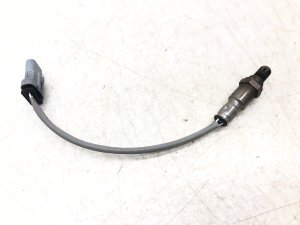
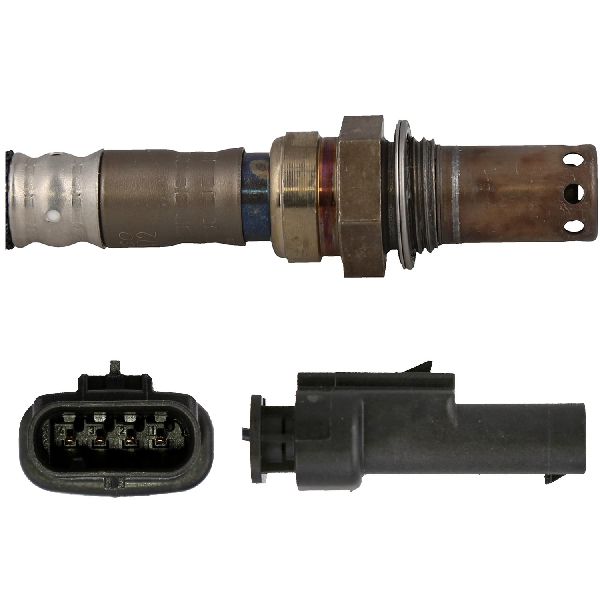
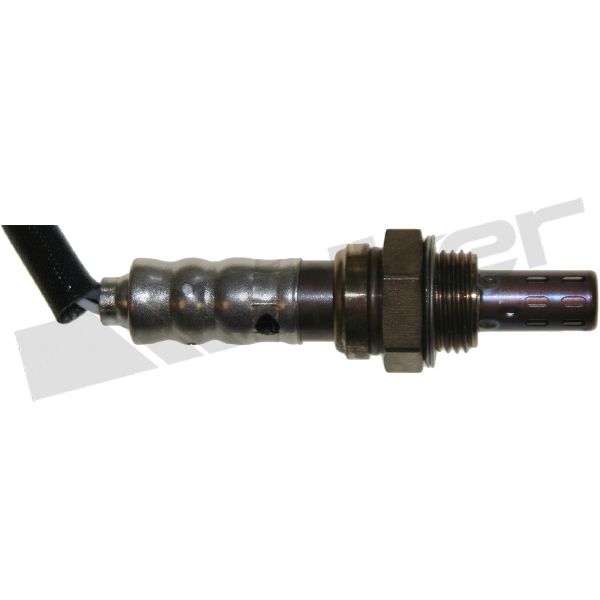
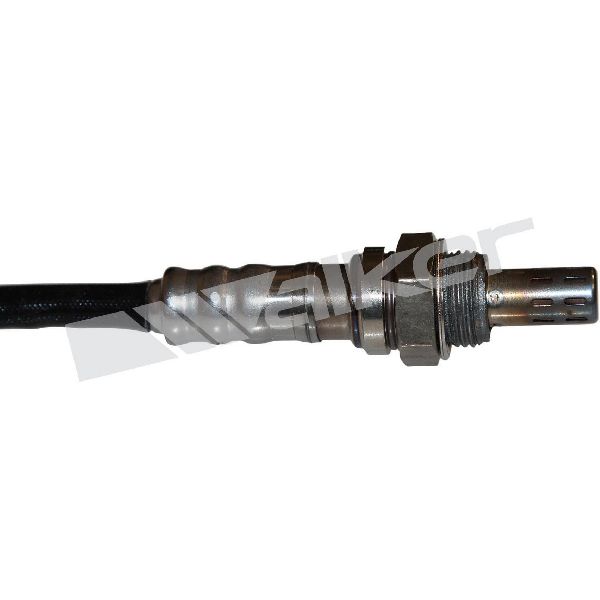
(OEM #12678209)— A failed O2 sensor can send incorrect signals, tricking the computer into adding too much fuel. It is a common wear item.
Trusted brands: ACDelco, Denso, NTK
OEM price range: $60-$120
Aftermarket price range: $40-$90
Related Codes That Often Appear With This One
- P0172 — This is the 'System Too Rich' code for Bank 1. If both P0172 and P0175 are present, it points to a problem affecting the entire engine, such as a faulty MAF sensor, EVAP purge valve, or a high-pressure fuel pump issue.
- P2099 — This code means 'Post Catalyst Fuel Trim System Too Rich Bank 2'. It is set by the downstream O2 sensor and often appears with P0175, confirming the rich condition exists both before and after the catalytic converter. TSB PIP4964F directly links this code to leaking fuel injectors.
- P0302, P0304, P0306 — These are misfire codes for the cylinders on Bank 2. A severely leaking fuel injector can foul the spark plug in its cylinder, causing misfires alongside the rich condition code.
- P0496 — This code indicates 'EVAP Flow During a Non-Purge Condition' and is often caused by a stuck-open EVAP purge valve solenoid, which can also be a root cause for the P0175 rich condition.
Technical Service Bulletins (TSBs) & Recalls
- N232430470: Special Coverage for Bank 2 Exhaust Camshaft Position Actuator Valve Solenoid on some 2020 models.
- PIP4964F: While for a different code (P2099), this TSB is highly relevant as it advises that the most common cause for rich conditions on the 3.6L engine is a faulty fuel injector and recommends an injector balance test.
- 18-NA-355: Addresses the well-known transmission shudder issue in 2017-2019 models equipped with the 8-speed automatic. The fix is a fluid exchange with an upgraded type of transmission fluid.
- TSB Bulletin #PIP5446A: Notes that technicians should inspect for cast flashing near the Mass Air Flow sensor if codes like P0175 are found alongside a rough idle or sputter.
- TSB Bulletin #PIP4813C: Advises inspecting the hydrocarbon absorber pad inside the air cleaner lid to ensure it is properly secured, which can prevent lack of power and rich codes.
- TSB Bulletin #PIP4792D: Recommends checking the Fuel Alcohol Content parameter on a scan tool when diagnosing P0175, as incorrect readings can cause black exhaust and rich conditions.
Platform-Specific Known Issues
- A special coverage program (N232430470) was issued for some 2020 models for a failing Bank 2 exhaust camshaft position actuator valve solenoid. While this typically causes timing-related codes (like P0018/P0019), a severe valve timing issue could potentially contribute to running condition problems.
- The 8-speed automatic transmission (8L45) in 2017-2019 models is known for a pronounced shudder or shake. This is unrelated to P0175 but is a major platform issue. TSB 18-NA-355 addresses this by requiring a specific transmission fluid flush with Mobil 1 Synthetic LV ATF HP fluid.
Mechanic-Grade Diagnostic Values
- Low-Pressure Fuel System (Key-On, Engine-Off) — expected: 55-60 PSI. Failure: Pressure is significantly below 55 PSI or fails to hold pressure during a leak-down test.
- High-Pressure Fuel System (at idle, fully warm) — expected: 500-600 PSI. Failure: Pressure is erratic, does not meet the desired pressure value on a scan tool, or is excessively high.
- High-Pressure Fuel System (under load) — expected: Can range from 2,000 to over 2,800 PSI. Failure: Actual pressure on a scan tool fails to meet desired pressure during acceleration.
- Long Term Fuel Trim (Bank 2) — expected: Within +/- 5% of 0%. Failure: A consistent negative value beyond -10% (e.g., -25%) indicates the ECM is removing fuel to compensate for a rich condition.
Scan Tool Commands That Help
- GM GDS2 (or equivalent professional scan tool): Active Fuel Injector Test (AFIT) / Injector Balance Test — This is a critical diagnostic step recommended by GM TSBs (like PIP4964F) when a single bank is rich. It commands each injector to fire and measures the corresponding pressure drop in the fuel rail, allowing a technician to identify a leaking or over-fueling injector without removing it from the engine. A significant deviation in pressure drop for one cylinder points to a faulty injector.
- GM GDS2 (or equivalent professional scan tool): Fuel Trim Reset — After replacing a component like a fuel injector, O2 sensor, or MAF sensor, this function should be used to clear the learned long-term fuel trim values. This forces the ECM to start learning from a zero baseline immediately, which helps confirm if the repair was successful by observing if the new fuel trims stay near 0%.
- GM GDS2 (or equivalent professional scan tool): Cylinder Power Balance — This test deactivates one injector at a time to determine if a specific cylinder is contributing less power than the others. If disabling an injector on Bank 2 causes no change in engine RPM or smoothness, it can indicate that cylinder was already running poorly due to a fouled plug from the rich condition.
Wiring & Ground Locations
- G103 / G104 — Primary engine grounds, typically located on the cylinder heads (e.g., G103 on the front of the passenger side head, G104 on the rear of the driver's side head).. The ECM, fuel injectors, and all engine sensors rely on a clean ground path through the engine block to the chassis. A loose or corroded ground at G103 or G104 can introduce electrical noise or voltage offsets, causing erratic signals from the O2 sensors or incorrect operation of the fuel injectors, leading to false rich codes.
- Bank 2 O2 Sensor Connector — Follow the wiring harness up from the upstream O2 sensor located on the exhaust manifold on the front side (radiator side) of the engine. The connector is typically mounted to the vehicle body or another harness to keep it away from hot exhaust components.. This is the primary connection point for testing the O2 sensor's signal and heater circuit integrity. Damage or corrosion here can cause the sensor to send a false 'lean' signal (low voltage) to the ECM, which in turn commands more fuel and creates a real rich condition.
"I Checked Everything" — The Actual Cause
- A pattern seen on similar GM direct injection engines involves a rich condition (P0172/P0175) with no vacuum leaks found via a smoke test. The cause is often a failing high-pressure fuel pump (HPFP) that leaks fuel internally into the crankcase. This fuel contaminates the engine oil, and the fuel vapors are then drawn into the intake manifold through the PCV system, creating an un-metered rich condition. GM TSB 17-NA-323 outlines a diagnostic procedure for this: disconnect the 'dirty air side' of the PCV system from the intake and plug the port. If the fuel trims rapidly improve towards zero, it confirms fuel vapor is entering from the crankcase, pointing to a leaking HPFP. A strong smell of gasoline on the oil dipstick is the most common physical clue.
OEM Part Supersession History
12611545, 12632255, 12638530→12669384— Standard part evolution and design improvement for the direct fuel injector.
Heads up: Part 12669384 is listed for the LGZ engine, but also for earlier GM 3.6L engines. Always verify fitment by VIN, but this is the correct service part for the 2017-2022 Colorado.
Model Year Variations Within This Range
- 2017-2022: Within the 2017-2022 model years, all Colorados used the same LGZ 3.6L V6 and 8-speed automatic transmission. No significant P0175-relevant hardware changes have been noted in the search results, making diagnosis consistent across this year range.
Diagnostic Flowchart
Other Known Issues on This Vehicle
Issues unrelated to this code that are worth knowing about as an owner of this generation:
- 8-Speed Transmission Shudder (Chevy Shake) 🔴 High — Very common on 2017-2019 models. Feels like driving over rumble strips during light acceleration. (Ref: TSB 18-NA-355)
- VVT Solenoid / Camshaft Actuator Failure 🟠 Medium — One of the more common engine failures on the LGZ, often presenting with timing-related codes (e.g., P0017) and slight idle stumble before the check engine light appears. (Ref: N232430470 (Special Coverage for some 2020 models))
- Thermostat and Coolant Temp Sensor Failure 🟠 Medium — Fairly common failure item. The thermostat can stick open, leading to low engine operating temperatures and code P0128. Often replaced at the same time due to location.
- Timing Chain Wear (on pre-LGZ engines) 🔴 High — A notorious issue on the predecessor LFX (2015-2016) and earlier GM 3.6L engines. The LGZ (2017+) has a significantly improved design, making this a low-frequency issue on the target vehicle but important historical context.
- High-Pressure Fuel Pump (HPFP) Failure 🟠 Medium → Shop Fuel Pump — Not extremely common, but a known failure mode on GM direct injection engines. Can cause rich codes (P0172/P0175) if it leaks fuel into the crankcase.
Used vs. New Parts: Buying Guide for This Vehicle
When a used part is the smart pick: For this specific trouble code, using used parts is generally not recommended. The primary causes are wear-and-tear items or high-precision components. A used part may have limited remaining life or the same fault as the part being replaced.
Donor-vehicle mileage cap: roughly under 50000 miles for the part to have meaningful remaining life.
What to inspect on the donor part:
- For any used part, verify the donor vehicle had low mileage and no signs of collision damage near the component.
- Avoid parts from vehicles that show signs of poor maintenance (e.g., sludged oil cap).
- Never buy used electronic sensors (O2, MAF) or fuel system components (injectors, pumps) as their calibration and condition are impossible to verify visually.
OEM-only on this vehicle (don't cheap out):
- High-Pressure Fuel Pump (HPFP)
- Fuel Injectors
- Mass Air Flow (MAF) Sensor
Aftermarket brands forum-validated for this vehicle:
- Denso or NTK for Oxygen Sensors (often the OEM supplier)
Brands owners have reported issues with on this vehicle:
- Unknown, no-name brand sensors and fuel injectors from online marketplaces. These often have high failure rates and incorrect calibrations, which can make diagnosis even more difficult.
Real Owner Stories
Aggregated from forums and TSBs cited above. Mileages and costs reflect what owners reported in those sources.
2015 Chevrolet Silverado (Similar Engine Family)
Symptoms: Check engine light with codes P0172 and P0175 appearing after the vehicle was left idling for an extended period.
What fixed it: Diagnostic discussion suggested checking the air filter and potential high-pressure fuel pump issues.
Source hint: Chevrolet Forum thread titled 'P0172 and P0175 - Chevrolet Forum'
2017-2022 Chevrolet Colorado 3.6L V6
Symptoms: Rich condition codes (like P2099 or P0175) on the 3.6L engine.
What fixed it: Performing a fuel injector balance test and replacing faulty fuel injectors as they are the most common cause for rich conditions on this platform.
Source hint: GM TSB PIP4964F
Related OBD-II Codes
Frequently Asked Questions
My 2017 Colorado has a rich code and a strange vibration; are they related?
Is there a specific TSB for rich conditions on the LGZ 3.6L V6 engine?
I have a 2020 Colorado with P0175; could a camshaft issue be the cause?
How can I tell if my High-Pressure Fuel Pump (HPFP) is causing the P0175 code?
Should I replace all injectors if only one is leaking on Bank 2?
Helpful Videos

Used OEM Parts in Stock
New Aftermarket Parts Available


The information in this article is provided for general reference and educational purposes only. Vehicle specifications, procedures, and part compatibility can vary by production date, trim level, and region. Always consult your vehicle's factory service manual and verify part numbers before purchasing or performing repairs. Safety-critical components such as airbags, seat belts, and braking systems should be installed by a qualified professional.
- Chevrolet Colorado:
- 🧭 Diagnostic Flowchart
- 🎬 Helpful Videos
- 🛍️ Shop This Part
- What's Unique About the 2017-2022 Chevrolet Colorado
- Symptoms You May Notice
- Most Likely Causes
- Rare But Worth Checking
- Diagnosis Steps
- Parts You'll Likely Need
- Related Codes That Often Appear With This One
- Technical Service Bulletins (TSBs) & Recalls
- Platform-Specific Known Issues
- Mechanic-Grade Diagnostic Values
- Scan Tool Commands That Help
- Wiring & Ground Locations
- "I Checked Everything" — The Actual Cause
- OEM Part Supersession History
- Model Year Variations Within This Range
- Other Known Issues on This Vehicle
- Used vs. New Parts: Buying Guide for This Vehicle
- Real Owner Stories
- 2015 Chevrolet Silverado (Similar Engine Family)
- 2017-2022 Chevrolet Colorado 3.6L V6
- Related OBD-II Codes
- Frequently Asked Questions
- 🎟️ Get 5% Off