

P0202 on 2007-2013 Chevrolet Silverado 1500 5.3L: Injector Circuit Malfunction Causes and Fixes
On a 2007-2013 Silverado with the 5.3L V8, code P0202 is most often caused by a failed fuel injector on cylinder #2. A wiring issue is the second most likely cause. Expect to pay around $50-$120 for a new ACDelco injector and about one to two hours for labor.
- P0202 on your Silverado almost always means there's an electrical issue with the fuel injector or its wiring for cylinder #2.
- The most common cause is a failed fuel injector itself, which can be confirmed by measuring its resistance (should be 11-14 ohms) or swapping it with another cylinder.
- Before replacing parts, always inspect the wiring harness and connector for visible damage like melting or chafing.
- This code will cause a noticeable misfire and rough running; if the check engine light is flashing, avoid driving to prevent catalytic converter damage.
- This is a DIY-friendly diagnosis and repair for those comfortable working in an engine bay.
What's Unique About the 2007-2013 Chevrolet Silverado 1500
For the GMT900 generation Silverado (2007-2013), the P0202 code most frequently points directly to a failed fuel injector due to age and the internal coil failing. While wiring harness issues are common on many vehicles, on this specific platform, the injector itself is the more probable culprit. However, it's still worth inspecting the wiring harness, particularly where it runs near the back of the engine by the firewall or under the cam shaft housing cover insulator, as chafing can still occur. GM issued a Preliminary Information bulletin (PIE0802) specifically to investigate harness chafing in this area as a potential cause for P0202.
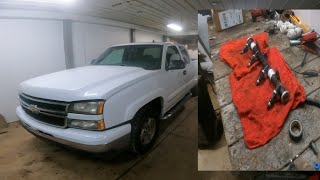
🎬 Watch: How to fix injector circuit codes on GM trucksSymptoms You May Notice
- Check Engine Light is on (may be solid or flashing)
- Rough or shaking idle
- Engine misfire, hesitation, or stumbling during acceleration
- Noticeable loss of engine power
- Reduced fuel economy
- Strong smell of gasoline from the engine bay
- Replacing the spark plug or ignition coil for cylinder 2. While these parts can cause a misfire (P0302), the P0202 code specifically points to an electrical fault in the fuel injector circuit, not the ignition system.
Most Likely Causes
- Faulty Cylinder 2 Fuel Injector 🔴 High Probability → Shop Fuel Injector On this specific generation, the injector itself is the most common failure point, often due to the internal electronic coil burning out or developing high resistance from age and heat cycles.
How to confirm: Measure the resistance across the injector's two pins with a multimeter; it should be between 11-14 ohms when the engine is cool. A reading of infinity (O.L.) or zero indicates a bad injector. The most definitive test is to swap the cylinder 2 injector with one from another cylinder (e.g., cylinder 4) and see if the code follows (e.g., changes to P0204).
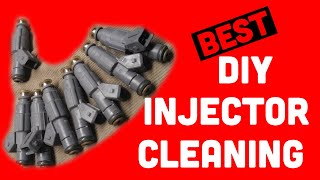
Typical fix: Replace the faulty fuel injector. It is often recommended to replace all eight injectors if they are original and have high mileage, as others may fail soon.
Est. part cost: $50 - $150 - Damaged Wiring Harness or Connector 🟡 Medium Probability Engine heat and vibration can cause wires in the harness to fray, break, or rub through their insulation, especially where the harness might contact the engine or firewall. The plastic connector or its terminal pins can also become brittle, corroded, or lose tension. GM issued a Preliminary Information bulletin (PIE0802) to investigate harness chafing under the Cam Shaft Housing Cover Insulator as a potential cause for P0202.
How to confirm: Visually inspect the wiring going to the cylinder 2 injector. Check for melted plastic, chafed insulation, or corrosion on the connector pins. Use a noid light in the injector connector; if it doesn't flash while cranking the engine, there is a problem in the wiring or ECM.
Typical fix: Repair the broken or shorted section of wire. If the connector is damaged, replace the pigtail. In severe cases, a portion of the engine harness may need to be replaced.
Est. part cost: $15 - $100
Rare But Worth Checking
- Faulty Engine Control Module (ECM): → Shop Engine Control Module (ECM) This is the least likely cause. The internal driver circuit in the ECM that grounds the injector can fail. Before condemning the ECM, all other possibilities (injector, wiring) must be exhaustively ruled out. A forum user on GM-Trucks.com replaced both the injector and ECM before realizing the issue was in the wiring, highlighting the importance of thorough circuit testing.
Diagnosis Steps
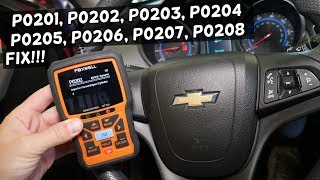
- Scan the vehicle for all DTCs. Note that P0202 will almost always be present with P0302. Prioritize diagnosis of P0202.
- Locate cylinder #2. On the 5.3L V8, this is the front-most cylinder on the passenger side of the engine. The firing order is 1-8-7-2-6-5-4-3, but cylinder numbering is sequential: 1-3-5-7 on the driver's side (front to back) and 2-4-6-8 on the passenger side (front to back).
- Visually inspect the wiring harness and electrical connector for the cylinder 2 injector. Look for any signs of melting, chafing, loose connections, or corrosion. Pay attention to the area under the cam shaft housing cover insulator.
- Test the injector signal with a noid light. Disconnect the injector and plug the noid light into the harness connector. Crank the engine. The light should flash consistently. If it flashes, the wiring and ECM are likely good, and the injector is the prime suspect. If it does not flash or stays on continuously, there is a fault in the wiring or the ECM.
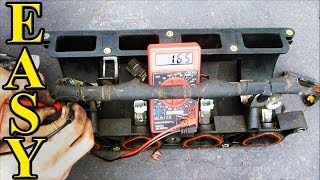
- Test the fuel injector's resistance. Disconnect the injector and use a multimeter set to Ohms to measure the resistance between the two pins on the injector itself. A good injector will read between 11 and 14 ohms. A reading of O.L. (Open Loop/infinity) or 0 ohms means the injector is internally faulty and must be replaced.
- (Definitive Test) Swap the injector. Swap the cylinder 2 injector with an adjacent one (like cylinder 4). Clear the codes and run the engine. If the code changes to P0204, you have confirmed the injector is bad. If P0202 returns, the problem is in the wiring or ECM.
- If wiring is suspected, check for continuity and shorts. Disconnect the battery, the injector connector, and the ECM connector. Use a multimeter to check for continuity on both wires (ignition power and ECM control circuit) between the injector connector and the ECM. Also check each wire for a short to ground.
Parts You'll Likely Need
- Fuel Injector (Flex Fuel LC9)
(OEM #12594512)— This is the most common failure part for a P0202 code on this vehicle, typically due to an internal coil failure. This part number is for 5.3L V8 engines with the 'Flex Fuel' (LC9) option, common from 2007-2009.
Trusted brands: ACDelco, Bosch, Standard Motor Products
OEM price range: $80-$150
Aftermarket price range: $40-$90 - Fuel Injector (Non-Flex Fuel LY5/LMG)
(OEM #12613412)— For models with the standard gasoline (non-Flex Fuel) 5.3L V8 engines (RPO codes LY5, LMG). Always verify your engine type before ordering.
Trusted brands: ACDelco, Bosch
OEM price range: $70-$130
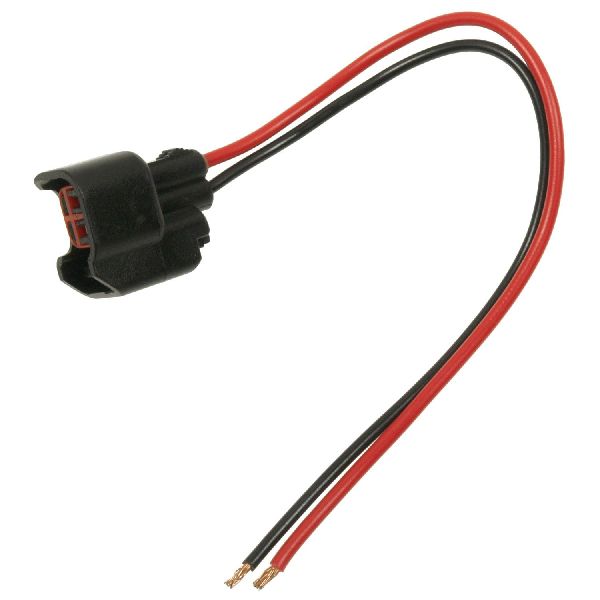
Aftermarket price range: $35-$80 - Fuel Injector Connector Pigtail
(OEM #ACDelco PT2135 or PT113)— Needed if the original connector is cracked, melted, or the terminals are corroded and cannot be cleaned. The connector shape is a common USCAR type.
Trusted brands: ACDelco, Dorman
OEM price range: $25-$40
Aftermarket price range: $15-$25
Related Codes That Often Appear With This One
- P0302 — P0302 means 'Cylinder 2 Misfire Detected.' Since the P0202 code indicates a fuel delivery problem to cylinder 2, a misfire in that cylinder is a direct and almost guaranteed consequence.
- P0300 — This code for 'Random/Multiple Cylinder Misfire' can appear if a wiring harness issue is affecting more than one injector circuit or if the single-cylinder misfire is severe enough to disrupt overall engine balance.
Technical Service Bulletins (TSBs) & Recalls
- PIE0802: Preliminary Information bulletin from GM requesting technicians to inspect for wire harness chafing under the Cam Shaft Housing Cover Insulator on vehicles setting a P0202 DTC.
Mechanic-Grade Diagnostic Values
- Fuel Injector Resistance — expected: 11-14 ohms (when cool). Failure: A reading of O.L. (infinity) or near zero ohms indicates an internal failure.
- Injector Connector Voltage (Key On, Engine Off) — expected: ~12V (Battery Voltage) on the power supply wire (typically Pink). Failure: Low or no voltage indicates a problem with the power feed from the underhood fuse block.
- Injector Pulse Width (Live Scan Tool Data at Idle) — expected: 2-4 milliseconds (ms). Failure: A value of 0 ms for cylinder 2 while other cylinders show normal readings suggests the ECM has shut down the driver for that circuit due to a detected fault.
- Injector Circuit Voltage Drop (During Operation) — expected: The voltage on the control wire should drop to near-ground (0.2V - 1.0V) when the injector is commanded ON.. Failure: An elevated voltage drop (e.g., 1.8V or higher) when the injector is active points to high resistance in the ground circuit or a failing ECM driver.
- Injector Inductive Kick (Voltage Spike) — expected: 60V - 80V spike on the control circuit immediately after the ECM turns the injector OFF.. Failure: Absence of this spike is what the ECM primarily uses to detect an open circuit and set the P0202 code.
Scan Tool Commands That Help
- Tech2 / GDS2 (or equivalent high-end scanner): Fuel Injector Balance Test / Cylinder Power Balance Test — This bidirectional test allows a technician to individually disable each fuel injector while the engine is running. If disabling cylinder 2 causes no change in engine RPM or smoothness, while disabling other cylinders does, it confirms cylinder 2 is not contributing power. This helps isolate the fault to a specific cylinder before swapping parts.
- Tech2 / GDS2: Injector Test — This function allows you to command the injector ON and OFF with the engine off. While monitoring with a test light or noid light, this confirms if the ECM driver and wiring are capable of controlling the circuit, bypassing the need for the engine to be running.
Wiring & Ground Locations
- Injector #2 Control Wire — Pin 37 in the J2/X2 ECM connector. The wire color is typically Light Green with a Black stripe (L-GN/BK).. This is the specific wire that the ECM uses to ground-pulse the cylinder 2 injector. Testing for continuity and shorts to ground/voltage on this wire between the ECM and the injector connector is critical for diagnosing a wiring fault.
- Injector Power Supply — The power for the Bank 2 injectors (cylinders 2, 4, 6, 8) comes from the 'INJ 2' fuse (typically a 15A fuse, #54 in some years) in the underhood fuse block. The wire is typically Pink.. While a blown fuse would likely cause codes for all four cylinders on that bank (P0202, P0204, P0206, P0208), a break or high resistance in the pink wire after it splits off to feed only cylinder 2 could cause an isolated P0202.
- G103 — On the front of the right (passenger side) cylinder head.. This is a primary ground for the ECM. A loose or corroded G103 can cause a host of erratic engine management issues, including injector driver faults. While not a direct cause of a single injector code, it should be checked if multiple strange electrical issues are present.
- G104 — On the rear of the passenger side cylinder head, near the firewall.. This ground point is shared by multiple components, including the fuel pump relay trigger side and the vehicle control module on some models. A fault here can cause intermittent fuel delivery issues that could be misdiagnosed.
OEM Part Supersession History
12594512→This part number appears to be current for the specified application (2007-2009 5.3L Flex Fuel LC9). No direct supersession was found, but it is often cross-referenced with ACDelco part number 217-2436.— N/A
Heads up: This injector is for Flex Fuel (E85 compatible) LC9 engines only. It has a different flow rate (approx. 36 lbs/hr) than the non-flex fuel injectors and should not be interchanged.12613411→12613412— Likely a minor revision or change in manufacturer.
Heads up: This part is for non-Flex Fuel engines (LY5, LMG). While it may physically fit, using it in a Flex Fuel engine (or vice-versa) will cause fuel trim imbalances and potential engine performance issues.
Model Year Variations Within This Range
- 2007-2009: These years most commonly used the 5.3L Flex Fuel LC9 engine, which requires injector part number 12594512.
- 2010-2013: These later years more commonly used the 5.3L LMG (Flex Fuel capable) or LY5 (non-Flex) engines. The non-flex injectors are typically part number 12613412. It is critical to verify the engine's RPO code or VIN to get the correct injector, as they are not interchangeable.
Diagnostic Flowchart
Other Known Issues on This Vehicle
Issues unrelated to this code that are worth knowing about as an owner of this generation:
- Active Fuel Management (AFM) Lifter Failure 🔴 High — Common, especially over 80,000 miles. Can cause misfires, a ticking noise, and eventually catastrophic engine damage if not addressed. (Ref: TSB 10-06-01-008H)
- Excessive Oil Consumption 🟠 Medium — Widespread issue often linked to the AFM system and PCV valve design. Owners report consuming over 1 quart per 2,000 miles. (Ref: TSB 10-06-01-008H)
- Cracked Dashboard 🟡 Low — Extremely common across all GMT900 trucks and SUVs. A large crack typically develops on the driver's side above the instrument cluster and/or around the passenger airbag. (Ref: null (A class-action lawsuit was filed but ultimately dismissed))
- Steering Shaft Clunking Noise 🟡 Low — A common complaint is a clunking or popping noise from the steering column when turning. Often temporarily fixed by lubricating the intermediate steering shaft. (Ref: null)
- Fuel Level Sensor Failure 🟠 Medium — The fuel level sensor inside the gas tank is known to fail, causing an inaccurate or erratic fuel gauge reading. This typically occurs after 100,000 miles.
Used vs. New Parts: Buying Guide for This Vehicle
When a used part is the smart pick: For this repair, using a used fuel injector is generally not recommended. The primary failure mode is an internal coil burnout due to age and heat cycles. A used injector from a donor vehicle will have similar wear and an unknown remaining lifespan, making the labor of installation a poor investment. A used wiring harness or ECM could be a cost-effective option if a rare wiring or module fault is confirmed.
Donor-vehicle mileage cap: roughly under 80000 miles for the part to have meaningful remaining life.
What to inspect on the donor part:
- For a wiring harness: Check for any signs of brittleness, melting, or previous repairs (e.g., splices, electrical tape). Ensure all connector locking tabs are intact.
- For an ECM: Verify the part number exactly matches the original. Check for any signs of water intrusion or physical damage to the case or connectors.
OEM-only on this vehicle (don't cheap out):
- Engine Control Module (ECM) - Aftermarket or improperly programmed used ECMs can cause a host of compatibility issues. An OEM module programmed to the vehicle's VIN is the most reliable choice.
Aftermarket brands forum-validated for this vehicle:
- ACDelco (OEM)
- Bosch (Often the original equipment manufacturer)
- Standard Motor Products (SMP)
Brands owners have reported issues with on this vehicle:
- Unbranded, no-name injectors from online marketplaces are frequently reported on forums to have high failure rates, incorrect flow rates, or short lifespans, despite being inexpensive.
Real Owner Stories
Aggregated from forums and TSBs cited above. Mileages and costs reflect what owners reported in those sources.
2014 Chevrolet Silverado 1500
Symptoms: Check engine light with code P0202. Owner replaced the injector and the ECM, but the problem persisted.
What fixed it: The issue required checking the wiring for breaks or loose terminals, as wiring is a critical and often overlooked step.
Source hint: GM-Trucks.com - 'P0202 - Troubleshooting & Recalls'
2014 Chevrolet Silverado 1500
Symptoms: Vehicle experienced misfires and was diagnosed with multiple bad injectors.
What fixed it: The dealer diagnosed and replaced three bad injectors.
Source hint: GM-Trucks.com - 'Bad injectors'
Related OBD-II Codes
Frequently Asked Questions
Where is cylinder 2 located on my 5.3L V8 Silverado?
Is there a specific TSB for wiring issues causing P0202 on my truck?
Can I just buy a used injector from a salvage yard to save money?
What should the resistance reading be for a healthy fuel injector on this engine?
Could my Silverado's Active Fuel Management (AFM) system be related to this misfire?
How can I tell if the problem is the injector itself or the wiring harness?
Helpful Videos
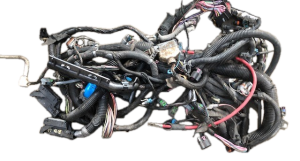
Used OEM Parts in Stock
New Aftermarket Parts Available


The information in this article is provided for general reference and educational purposes only. Vehicle specifications, procedures, and part compatibility can vary by production date, trim level, and region. Always consult your vehicle's factory service manual and verify part numbers before purchasing or performing repairs. Safety-critical components such as airbags, seat belts, and braking systems should be installed by a qualified professional.
- Chevrolet Silverado 1500:
- 🧭 Diagnostic Flowchart
- 🎬 Helpful Videos
- 🛍️ Shop This Part
- What's Unique About the 2007-2013 Chevrolet Silverado 1500
- Symptoms You May Notice
- Most Likely Causes
- Rare But Worth Checking
- Diagnosis Steps
- Parts You'll Likely Need
- Related Codes That Often Appear With This One
- Technical Service Bulletins (TSBs) & Recalls
- Mechanic-Grade Diagnostic Values
- Scan Tool Commands That Help
- Wiring & Ground Locations
- OEM Part Supersession History
- Model Year Variations Within This Range
- Other Known Issues on This Vehicle
- Used vs. New Parts: Buying Guide for This Vehicle
- Real Owner Stories
- 2014 Chevrolet Silverado 1500
- 2014 Chevrolet Silverado 1500
- Related OBD-II Codes
- Frequently Asked Questions
- 🎟️ Get 5% Off