

P0203 on 2009-2014 Buick Enclave 3.6L: Cylinder 3 Injector Circuit Causes and Fixes
P0203 on a 2009-2014 Enclave indicates an electrical fault with the cylinder 3 fuel injector. The most common causes are a damaged wiring harness chafing against the engine (per a GM TSB) or a failed fuel injector. Access requires removing the intake manifold, making the repair moderately difficult and costing between $400 and $800 at a shop, though some estimates are higher.
- P0203 on a 2009-2014 Enclave points to an electrical fault in the cylinder 3 injector circuit, not a clogged injector.
- Before buying any parts, be aware of GM Technical Service Bulletin #PIP4924D, which identifies a common problem with the wiring harness rubbing through against the engine. A thorough inspection is mandatory.
- The #3 injector is on the rear bank against the firewall, requiring removal of the intake manifold for any physical inspection or replacement. This makes the job a 4/5 difficulty for DIY.
- A flashing Check Engine Light indicates a severe misfire that can quickly destroy the catalytic converter. Do not continue driving if the light is flashing.
- Always replace the single-use intake manifold gaskets when performing this repair to prevent future vacuum leaks.
What's Unique About the 2009-2014 Buick Enclave
On the 2009-2014 Buick Enclave with the 3.6L V6 (LLT or LFX engine), this code is frequently tied to a specific known issue. General Motors issued Technical Service Bulletin (TSB) #PIP4924D, which warns about the fuel injector wiring harness rubbing against engine components like the intake plenum, valve cover bolts, or the side of the cylinder head. This chafing can damage the wires, causing a short or open circuit that triggers P0203. Therefore, a thorough wiring inspection is a critical first step before assuming the injector itself has failed. Additionally, cylinder 3 is located on the rear bank against the firewall, meaning the entire upper intake manifold must be removed for access, which significantly increases the labor involved in the diagnosis and repair.
Symptoms You May Notice
- Check Engine Light is on (may be flashing if misfire is severe)
- Rough, unstable idle
- Engine misfire, felt as a jerking or popping during acceleration
- Noticeable loss of power and poor acceleration
- Reduced fuel economy
- Engine may stall
- Strong smell of gasoline from the exhaust
- Replacing the cylinder 3 spark plug or ignition coil. While these parts can cause a misfire code (P0303), they will not cause the P0203 injector circuit code. The P0203 code specifically points to an electrical problem in the fuel injector's control circuit.
Most Likely Causes
- Damaged Fuel Injector Wiring Harness 🔴 High Probability → Shop Engine Wiring Harness A known issue documented in GM Technical Service Bulletin #PIP4924D describes the harness chafing against the intake plenum, valve cover bolts, or cylinder head, causing a short or open circuit. Forum users on platform-mate vehicles (like the GMC Acadia) confirm finding the harness rubbed through in these exact locations.
How to confirm: After removing the intake manifold, carefully inspect the entire length of the injector harness for signs of rubbing, exposed wires, or heat damage. Pay close attention to where the harness makes contact with metal engine components. A 'wiggle test' on the harness with the engine running can sometimes induce the fault.
Typical fix: Repair the damaged section of wire. This may involve soldering, heat-shrinking the affected wire, or splicing in a new injector connector pigtail if the connector itself is damaged.
Est. part cost: $15-$50 - Failed Cylinder 3 Fuel Injector 🔴 High Probability → Shop Fuel Injector The direct injectors used on the 3.6L SIDI engine are a common failure item. The internal coil windings can develop a short or break over time, leading to an electrical fault. These injectors operate under very high pressure, which contributes to wear.
How to confirm: Swap the cylinder 3 injector with another cylinder (e.g., cylinder 1). Clear the codes and run the engine. If the code changes to P0201, the injector is definitively bad. Alternatively, use a multimeter to check the injector's resistance. For the 2009-2011 LLT engine, expect ~11-14 Ohms; for the 2012-2014 LFX engine, expect ~1.2-1.8 Ohms. A reading of infinity (OL) or zero indicates failure.
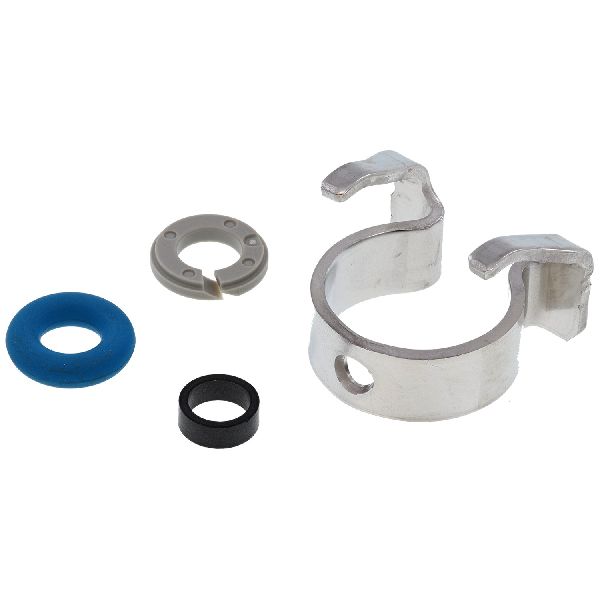
Typical fix: Replace the faulty fuel injector. It is also mandatory to replace the single-use Teflon seal on the injector tip and the intake manifold gaskets. Many technicians recommend replacing all three injectors on the rear bank at the same time to avoid repeat labor.
Est. part cost: $80-$180 - Poor Connection at Injector Connector ⚪ Low Probability Engine heat and vibration can make the plastic connector brittle or cause the internal pins to lose tension, resulting in an intermittent connection. TSB #22-NA-087 for a later model GM truck with a similar issue points specifically to broken terminal pins inside the connector as a root cause.
How to confirm: Visually inspect the connector for cracks, melted plastic, or corroded pins. Ensure it clicks securely into place on the injector. Wiggle the connector with the engine running to see if it induces a misfire.
Typical fix: Clean the connector terminals with electrical contact cleaner. If the connector is broken or won't stay secure, replace it with a new pigtail connector.
Est. part cost: $15-$50
Rare But Worth Checking
- Faulty Engine Control Module (ECM): → Shop Engine Control Module (ECM) This is rare. The internal driver circuit for the injector can fail. This should only be considered after all other possibilities (wiring, injector) have been exhaustively ruled out.
Diagnosis Steps
- Connect an OBD-II scanner to confirm P0203 is the primary code and check for other codes like P0303.
- Due to the difficulty of accessing cylinder 3, a thorough visual inspection of the visible portions of the engine wiring harness is a good first step. Look for any obvious signs of damage.
- Relieve fuel system pressure and disconnect the battery.
- Remove the upper intake manifold to gain access to the rear bank of cylinders. Remember to have new intake gaskets ready for reassembly.
- Carefully inspect the injector wiring harness for any signs of chafing, melting, or broken wires, paying special attention to contact points with the engine block, cylinder head, and intake plenum as noted in TSB PIP4924D.
- Disconnect the electrical connector at the cylinder 3 injector. Check for corrosion or damage.
- Use a 'noid' light to test the connector. Reconnect the battery, crank the engine, and watch the light. If the noid light flashes, the ECM and wiring are sending a signal, and the fuel injector is the most likely culprit.
- If the noid light does not flash, there is a problem in the wiring between the ECM and the injector, or a faulty ECM driver.
- To confirm a bad injector, you can measure its resistance with a multimeter. For the LLT engine (2009-2011), it should be around 11-14 Ohms. For the LFX engine (2012-2014), it should be around 1.2-1.8 Ohms. The most definitive test is to swap it with an injector from another cylinder (e.g., cylinder 1). If the code follows the injector (e.g., P0201 appears), the injector is bad.
- If the injector and wiring are confirmed to be good, the final possibility is a fault within the Engine Control Module (ECM).
Parts You'll Likely Need
- Fuel Injector
(OEM #12638530 (superseded by 12669384))— This is the most common component to fail if the wiring harness is intact. The internal electronics of these direct injectors are a known failure point. Part number 12638530 has been superseded by 12669384.
Trusted brands: ACDelco, Bosch, Standard Motor Products
OEM price range: $90-$150
Aftermarket price range: $40-$90 - Upper and Lower Intake Manifold Gasket Set
(OEM #ACDelco 12673300 (or similar kit))— These gaskets are single-use and MUST be replaced any time the intake manifold is removed to access the fuel injectors. Reusing them will cause performance-robbing vacuum leaks.
Trusted brands: ACDelco, Fel-Pro
OEM price range: $50-$80
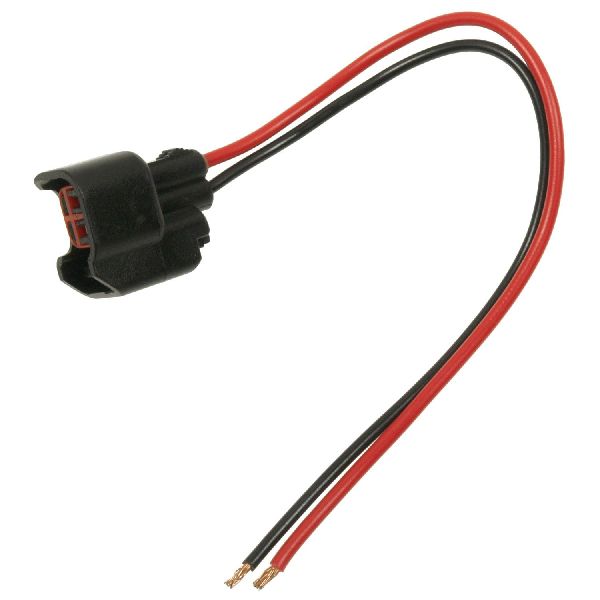
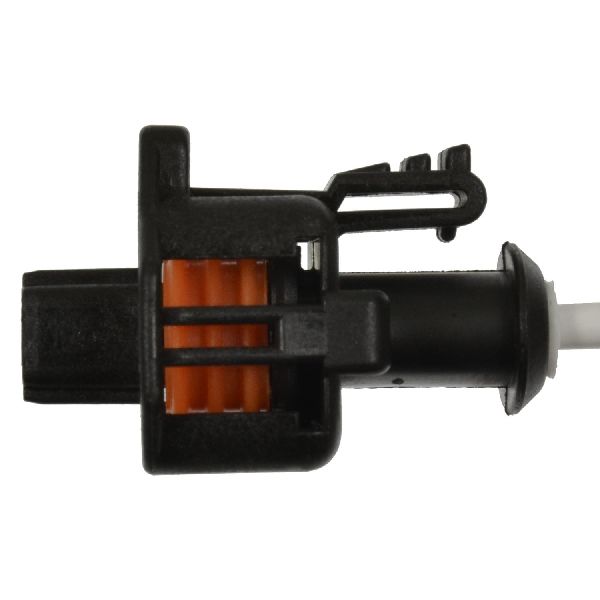
Aftermarket price range: $30-$60 - Fuel Injector Connector Pigtail — If the wiring harness is damaged right at the connector, or the connector itself is broken, this part is needed to be spliced into the harness for a solid repair.
Trusted brands: ACDelco, Dorman
OEM price range: $25-$40
Aftermarket price range: $15-$30
Related Codes That Often Appear With This One
- P0303 — This means 'Cylinder 3 Misfire Detected.' It is a direct result of the P0203 fault, as the injector circuit problem prevents fuel from being delivered to cylinder 3, causing it to misfire.
- P0300 — This code for 'Random/Multiple Cylinder Misfire' can appear if a wiring harness issue is intermittently affecting more than one injector circuit or if the initial misfire is severe enough to disrupt overall engine balance.
Technical Service Bulletins (TSBs) & Recalls
- PIP4924D: This TSB addresses multiple vehicles that have the Service Engine Soon Malfunction Indicator Lamp on and a misfire. A technician may find Diagnostic Trouble Codes P0201, P0202, P0203, P0204, P0205, or P0206 among others, often caused by the injector wiring harness chafing against engine components.
Platform-Specific Known Issues
- GM Technical Service Bulletin #PIP4924D was issued for a range of injector codes on the 3.6L V6, specifically citing the fuel injector wiring harness chafing against engine components. This makes a wiring fault a very high probability cause for P0203 on this vehicle.
- The 3.6L V6 engine came in two versions for this vehicle generation: the LLT (2009-2011) and the LFX (2012-2014). They use different fuel injectors with different internal resistance, which is critical for diagnosis. LLT injectors are ~11-14 Ohms, while LFX injectors are ~1.2-1.8 Ohms.
Mechanic-Grade Diagnostic Values
- Fuel Injector Coil Resistance (2009-2011 3.6L LLT Engine) — expected: 11 - 14 Ohms. Failure: A reading of 0 ohms (short), infinity/OL (open), or significant deviation from this range.
- Fuel Injector Coil Resistance (2012-2014 3.6L LFX Engine) — expected: 1.2 - 1.8 Ohms. Failure: A reading outside this narrow range.
- High-Pressure Fuel System Pressure (at idle) — expected: 3.5 - 5.5 MPa (508 - 798 psi). Failure: Pressure that fails to meet the desired value on a scan tool, which could point to broader system issues rather than an isolated injector circuit fault.
- Low-Side Fuel Pressure (Key On, Engine Off) — expected: 345-690 kPa (50-100 psi). Failure: Pressure outside this range indicates an issue with the in-tank fuel pump module or its control circuit.
- Injector Control Circuit Wiring Resistance (ECM to Injector Connector) — expected: Less than 10 Ohms. Failure: Resistance higher than 10 Ohms indicates an open or high-resistance in the engine harness.
Scan Tool Commands That Help
- GM GDS2 / Professional Bidirectional Scanner: Fuel Injector Balance Test — This automated test fires each injector individually and measures the corresponding drop in fuel rail pressure. While P0203 is an electrical code, this test can help rule out a simultaneous mechanical issue (clogging/sticking) with the injector, confirming if the problem is purely electrical or if the injector is failing in multiple ways.
Wiring & Ground Locations
- Cylinder 3 Injector Circuit — The circuit runs from the Engine Control Module (ECM) to the fuel injector on cylinder 3. Cylinder 3 is on the rear bank (against the firewall), the middle cylinder.. The entire circuit, including the ECM's internal driver, the wiring harness, and the injector's coil, is monitored. A fault anywhere in this path triggers P0203. The harness is known to chafe on the intake plenum, valve cover bolts, or cylinder head per TSB #PIP4924D.
- ECM Harness Connectors — The Engine Control Module (ECM) is typically located in the engine bay. The specific connectors and pinouts for the injector circuits can be found in the factory service manual.. For advanced diagnosis, a technician can back-probe the ECM connector to test for a signal from the injector driver. This definitively isolates the fault to the ECM itself or the wiring/injector, bypassing the need to remove the intake manifold for initial testing.
Real Owner Repair Stories
- acadiaforum.net user (GMC Acadia 3.6L (platform mate to Enclave)) — Check Engine Light with P0203 and P0303, rough running.
❌ Tried (didn't work) Initial diagnosis pointed towards a bad injector.
✅ What actually fixed it Upon removing the intake manifold, the owner found the injector wiring harness had rubbed through on the engine block. The damaged wire was repaired, and the harness was re-secured, which resolved the code.
OEM Part Supersession History
12638530 (also 12632255, 12611545)→12669384— Standard part update and consolidation by GM.
Heads up: This injector (and its predecessors) are for the LLT engine ONLY. They have a resistance of ~11-14 Ohms and are not compatible with the LFX engine (2012-2014), which uses a low-resistance (~1.2-1.8 Ohm) injector.ACDelco 12633330→ACDelco 12663380— Standard part update by GM.
Heads up: This injector is for the LFX engine ONLY. It has a low resistance (~1.2-1.8 Ohms) and is not compatible with the earlier LLT engine. Using the wrong injector will cause immediate running issues and likely trigger new fault codes.
Model Year Variations Within This Range
- 2009-2011: These models use the 3.6L LLT V6 engine, which features higher resistance fuel injectors (~11-14 ohms) and an aluminum intake manifold.
- 2012-2014: These models use the updated 3.6L LFX V6 engine. This version has different cylinder heads with integrated exhaust manifolds, a composite (plastic) intake manifold, and critically, low-resistance fuel injectors (~1.2-1.8 ohms). Using the wrong resistance specification for testing will lead to a misdiagnosis.
Diagnostic Flowchart
Real Owner Stories
Aggregated from forums and TSBs cited above. Mileages and costs reflect what owners reported in those sources.
2011 GM 3.6L V6
Symptoms: Vehicle presented with both P0203 and P0303 codes simultaneously.
What fixed it: Identified the wiring harness as the likely cause of the fault and repaired the connection.
Source hint: Automotiveforums.com thread discussing P0203 & P0303 (2011)
2009-2014 GMC Acadia 3.6L V6
Symptoms: Experienced P020x series codes due to wiring harness issues.
What fixed it: Repaired the fuel injector wiring harness where it had rubbed through and chafed against engine components.
Source hint: Acadiaforum.net owner reports and TSB PIP4924D
Related OBD-II Codes
Frequently Asked Questions
Does TSB PIP4924D apply to my 2009-2014 Buick Enclave for code P0203?
How do I test the cylinder 3 fuel injector on my 3.6L V6?
If I need to replace the cylinder 3 injector, what else should I replace?
Why is the check engine light flashing with code P0203?
Is the P0203 code on my Enclave related to the same issue found on the GMC Acadia or Chevy Traverse?
Can a bad connection cause P0203 on my Enclave?
We Have This Part in Stock


The information in this article is provided for general reference and educational purposes only. Vehicle specifications, procedures, and part compatibility can vary by production date, trim level, and region. Always consult your vehicle's factory service manual and verify part numbers before purchasing or performing repairs. Safety-critical components such as airbags, seat belts, and braking systems should be installed by a qualified professional.
- Buick Enclave:
- 🧭 Diagnostic Flowchart
- 🛍️ Shop This Part
- What's Unique About the 2009-2014 Buick Enclave
- Symptoms You May Notice
- Most Likely Causes
- Rare But Worth Checking
- Diagnosis Steps
- Parts You'll Likely Need
- Related Codes That Often Appear With This One
- Technical Service Bulletins (TSBs) & Recalls
- Platform-Specific Known Issues
- Mechanic-Grade Diagnostic Values
- Scan Tool Commands That Help
- Wiring & Ground Locations
- Real Owner Repair Stories
- OEM Part Supersession History
- Model Year Variations Within This Range
- Real Owner Stories
- 2011 GM 3.6L V6
- 2009-2014 GMC Acadia 3.6L V6
- Related OBD-II Codes
- Frequently Asked Questions
- 🎟️ Get 5% Off