

P0203 on 2009-2011 Cadillac STS 3.6L: Injector Circuit Malfunction Causes and Fixes
On a 2009-2011 Cadillac STS with the 3.6L V6, code P0203 is most often caused by a chafed fuel injector wiring harness, a known issue covered by GM service bulletin PIP4924D. Before replacing the injector, inspect the harness for damage where it rubs against the intake plenum, valve cover bolts, or fuel lines. A new injector costs $90-$400, but the fix could be a simple wiring repair.
- Before buying any parts, thoroughly inspect the fuel injector wiring harness for cylinder #3 for signs of rubbing or damage, as this is a known issue (TSB PIP4924D).
- P0203 is an electrical code. Do not replace ignition parts like spark plugs or coils to fix it.
- The easiest way to confirm a bad injector is to swap it with an adjacent one and see if the trouble code 'follows' the injector to the new cylinder.
- Due to the direct injection system, replacing a fuel injector on this 3.6L V6 is more complex than on older engines and may require removing the intake manifold.
What's Unique About the 2009-2011 Cadillac STS
For the Cadillac STS with the 3.6L LLT V6, this code is frequently linked to a specific, documented issue. General Motors issued Technical Service Bulletin (TSB) #PIP4924D, which points to the fuel injector wiring harness chafing against engine components. Common chafe points include rubbing against the intake plenum, valve cover bolts, fuel lines, and the side of the cylinder head under the plenum. This known vulnerability means a damaged wire is a very high-probability cause, potentially more likely than the fuel injector itself failing.
Symptoms You May Notice
- Check Engine Light illuminated
- Engine running rough or shaking, especially at idle
- Noticeable engine misfire (felt as a pop or jerk)
- Reduced engine power and sluggish acceleration
- Increased fuel consumption
- Engine may be difficult to start
- Service Stabilitrak message may appear on the dash
- Replacing the spark plug or ignition coil for cylinder 3. This code specifically indicates an electrical fault in the fuel injector circuit, not an ignition system problem.
Most Likely Causes
- Chafed or Damaged Fuel Injector Wiring Harness 🔴 High Probability → Shop Engine Wiring Harness A known issue documented in GM Technical Service Bulletin #PIP4924D points to the harness rubbing against the intake plenum, fuel lines, or valve cover bolts, causing an open or short in the circuit. The harness routing puts it in close contact with these sharp or vibrating parts.
How to confirm: Visually inspect the entire length of the wiring harness leading to the cylinder 3 injector (middle cylinder, passenger side). Look for areas where the plastic loom is worn through, especially where it passes the rear of the intake manifold and near the valve cover. Perform a 'wiggle test' on the harness with the engine running to see if it affects the idle. A user on cadillacforums.com with a similar 3.6L engine noted, '...found the injector harness for bank 1 had rubbed through on the back of the head...repaired the wires and all is good.' This is a common owner experience.
Typical fix: Repair the damaged section of wire using a weatherproof butt connector or solder and heat shrink. If the damage is extensive or near the connector, replace the connector pigtail. Reroute the harness slightly or add protective conduit to prevent future rubbing.
Est. part cost: $5-$25 - Faulty Cylinder 3 Fuel Injector 🟡 Medium Probability → Shop Fuel Injector Direct injection injectors operate under high heat and pressure, leading to eventual electronic failure of the internal coil.
How to confirm: Swap the cylinder 3 fuel injector with an adjacent one (e.g., cylinder 1 or 5). Clear the codes and drive the vehicle. If the code changes to P0201 or P0205, the injector is faulty. Alternatively, use a multimeter to check the injector's resistance. For the 3.6L LLT engine, the resistance should be between 1.25 and 1.75 Ohms. An infinite reading (open) or near-zero reading (short) indicates failure.
Typical fix: Replace the faulty fuel injector. Since this is a direct injection (DI) engine, this is more involved than on older port-injected cars and may require removing the intake manifold. It is also recommended to replace the Teflon seal on the injector.
Est. part cost: $90-$400 - Poor Connection at Injector or ECM ⚪ Low Probability
How to confirm: Disconnect and inspect the electrical connector at the fuel injector and at the ECM. Look for corrosion, bent pins, or backed-out terminals. Apply a small amount of dielectric grease and ensure a secure connection.
Typical fix: Clean the connector terminals or replace the connector pigtail if damaged.
Est. part cost: $10-$25
Rare But Worth Checking
- Faulty Engine Control Module (ECM): → Shop Engine Control Module (ECM) This is rare. The internal driver circuit for the #3 injector can fail. This should only be considered after the wiring and injector have been definitively ruled out as the cause.
Diagnosis Steps
- Read the codes with an OBD-II scanner to confirm P0203 and check for any other codes like P0303 or P2146.
- Locate cylinder 3 on the 3.6L V6 engine. It is the middle cylinder on the passenger's side (Bank 1).
- Inspect the Wiring Harness: This is the most critical first step. Carefully inspect the wiring harness leading to the Bank 1 injectors. Pay close attention to areas where it might rub against the intake plenum, valve cover bolts, fuel lines, and the side of the cylinder head, as noted in TSB PIP4924D. Flex the harness to reveal hidden breaks.
- Check the Connector: Disconnect the electrical connector from the injector. Check for corrosion, damage, or loose pins. Ensure it clicks securely back into place.
- Test Injector Resistance: Use a multimeter set to Ohms. Disconnect the injector and measure the resistance across its two pins. A good injector for the 3.6L LLT should read between 1.25 and 1.75 Ohms. A reading of OL (infinity) or near 0 indicates a failed injector.
- Perform an Injector Swap: If resistance is good, this is the most definitive test. Swap the cylinder 3 injector with another one (e.g., cylinder 1). Clear the codes. If the code returns as P0201, the injector is bad. If P0203 returns, the problem is in the wiring or ECM.
- Test the Circuit (Optional): Use a 'noid light' to test the injector connector. The light should flash when the engine is cranked, indicating the ECM is sending a signal. If it doesn't flash, the problem is in the wiring or the ECM.
- If the wiring and injector are confirmed to be good, the fault may lie with the Engine Control Module (ECM), but this is very uncommon.
Parts You'll Likely Need
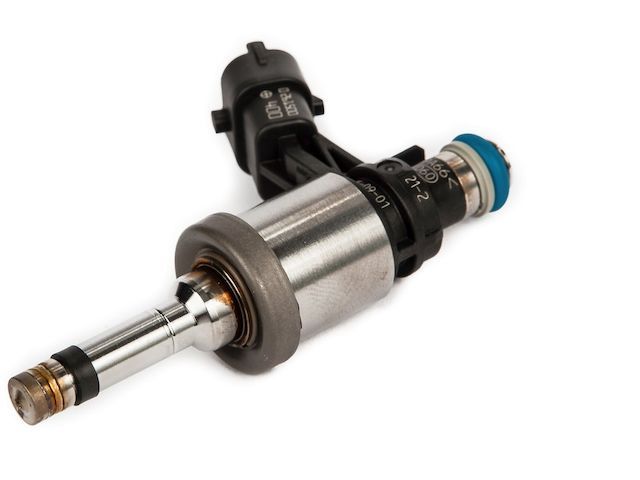
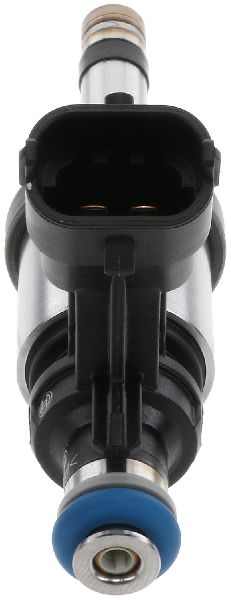
- Fuel Injector
(OEM #12638530)— This is the second most common cause after a wiring issue. The internal coil of the injector can fail, creating an open or short in the circuit. Part number 12638530 may be superseded by 12669384 or listed as ACDelco part 217-3445.
Trusted brands: ACDelco, Bosch, Standard Motor Products
OEM price range: $150-$250
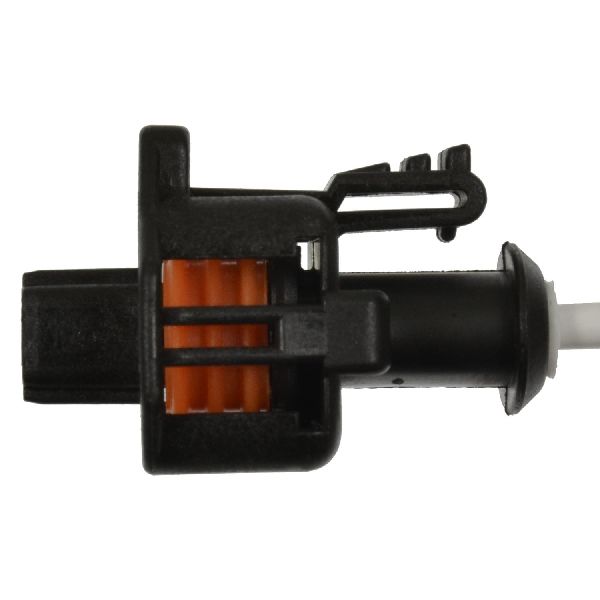
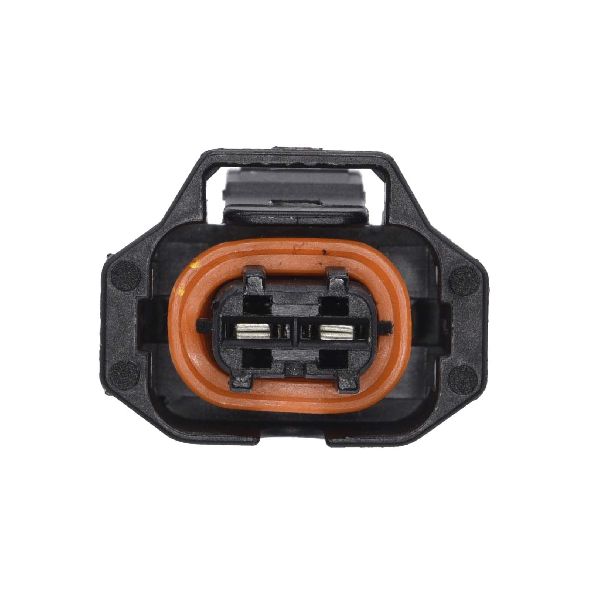
Aftermarket price range: $90-$180 - Fuel Injector Wiring Harness Connector (Pigtail)
(OEM #ACDelco PT2160)— If the wiring is damaged right at the connector, or the connector itself is broken, replacing the pigtail is the standard repair.
Trusted brands: ACDelco, Dorman, Standard Motor Products
OEM price range: $25-$40
Aftermarket price range: $10-$20
Related Codes That Often Appear With This One
- P0303 — This means 'Cylinder 3 Misfire Detected'. Since P0203 indicates the injector isn't firing due to an electrical fault, a misfire on that cylinder is the direct and expected result.
- P0300 — This means 'Random/Multiple Cylinder Misfire'. The instability from one cylinder being completely inactive can sometimes cause the ECM to detect misfires on other cylinders as well.
- P2146 — This means 'Fuel Injector Group 'A' Supply Voltage Circuit/Open'. Group A (Bank 1) includes cylinder 3. A wiring fault that affects the power supply to the entire bank can trigger this code alongside P0203.
Technical Service Bulletins (TSBs) & Recalls
- PIP4924D: Diagnostic Tip for SES light and misfire with various fuel injector DTCs. Advises checking for a chafed fuel injector harness against the intake plenum, valve cover bolts, fuel line, and the side of the head under the plenum.
Platform-Specific Known Issues
- GM Technical Service Bulletin #PIP4924D identifies a common issue where the fuel injector wiring harness chafes against engine components, leading to various injector circuit codes, including P0203. This applies to a wide range of GM vehicles from 2009-2014 with 3.0L and 3.6L engines.
Mechanic-Grade Diagnostic Values
- Fuel Injector Coil Resistance (3.6L LLT) — expected: 1.5 - 1.6 Ohms. Failure: A reading near 0 Ohms (short), OL/infinity (open), or significantly outside the specified range.
- Injector Circuit Initial Pulse Voltage (at injector) — expected: ~65 Volts (peak). Failure: Absence of this high-voltage opening pulse indicates a problem with the ECM's internal step-up converter or the high-side driver circuit.
- Injector Circuit Hold Phase Voltage (at injector) — expected: Pulse-Width Modulated (PWM) ~12V. Failure: An incorrect or missing 12V PWM signal after the initial opening pulse points to a fault in the ECM driver circuit.
- Low-Pressure Fuel System Pressure (at idle) — expected: 55-60 psi (380-410 kPa). Failure: This will not set a P0203 code but is crucial for overall engine health. Low pressure indicates a supply issue (pump/filter), not an electrical fault.
- Scan Tool Injector Control Circuit Status — expected: OK or Not Run. Failure: A status other than 'OK' while the engine is running indicates the ECM has detected a fault and disabled that injector's driver.
Scan Tool Commands That Help
- GM GDS2 / Tech2: Injector Balance Test — This bidirectional test commands each injector to fire for a set duration while the scan tool measures the corresponding drop in fuel rail pressure. A weak or failed injector will show a significantly different pressure drop compared to the others, helping to confirm a faulty injector when resistance tests are inconclusive.
- GM GDS2 / Tech2: Injector Test (AFIT - Active Fuel Injector Tester) — This is a more advanced function that performs a precise flow characteristics test, going beyond a simple balance test to analyze injector performance more deeply.
Wiring & Ground Locations
- G100 / G106 — On the rear side of the right (passenger side) cylinder head.. This is a primary engine ground point. A loose or corroded connection here can cause numerous electrical issues, including erratic behavior and incorrect voltage readings for engine actuators like the fuel injectors on Bank 1 (which includes cylinder 3).
- ECM Connector X1 — The main 96-pin engine harness connector at the Engine Control Module (ECM).. This is the primary location for testing the injector circuit without removing the intake manifold. For cylinder 3, the high voltage control wire is typically Pink/Black at pin 73 and the low voltage control wire is Brown at pin 51. Testing for continuity and shorts from these pins to the injector connector can definitively isolate a harness fault.
- Harness Chafe Point (per TSB PIP4924D) — The engine wiring harness section that routes near the intake plenum, over valve cover bolts, and past fuel lines, particularly at the rear of the engine.. This is the most common failure location for the wiring that controls the Bank 1 injectors (1, 3, 5). Vibration and heat cause the harness to rub through, creating an open or short on the cylinder 3 injector circuit.
Real Owner Repair Stories
- cadillacforums.com user 'ewill3rd' (2010 Cadillac CTS 3.6L DI (LLT Engine)) — Check Engine Light with codes P0201, P0203, P0205 (all of Bank 1) and P2146 (Injector Group 'A' fault).
❌ Tried (didn't work) Initial diagnosis pointed towards multiple failed injectors or a bad ECM.
✅ What actually fixed it The user found the injector harness for Bank 1 had rubbed through on the back of the cylinder head, causing a short. The user stated, "...found the injector harness for bank 1 had rubbed through on the back of the head...repaired the wires and all is good." This directly confirms the issue described in TSB PIP4924D.
OEM Part Supersession History
12632255 / 12611545→12638530— Standard part revision and consolidation by GM.12638530→12669384— Standard part update by manufacturer. Often sold as ACDelco 217-3445.
Heads up: This injector is for the LLT engine (2008-2011). It is not compatible with the later LFX V6 engine (2012+) which uses a different injector design and resistance.
Diagnostic Flowchart
Real Owner Stories
Aggregated from forums and TSBs cited above. Mileages and costs reflect what owners reported in those sources.
2010 Cadillac CTS 3.6L DI
Symptoms: Vehicle threw multiple injector circuit codes simultaneously, specifically P0201, P0203, P0205, and P2146.
What fixed it: Found the Bank 1 injector harness had rubbed through on the back of the cylinder head. Repaired the damaged wires to resolve the codes.
Source hint: cadillacforums.com thread titled '2010 CTS 3.6 DI P0201, P0203, P0205, P2146' (User 'ewill3rd')
Related OBD-II Codes
Frequently Asked Questions
Does TSB PIP4924D apply to my 2009-2011 Cadillac STS 3.6L?
Where is cylinder 3 located on the 3.6L LLT V6 engine?
Why did the 'Service Stabilitrak' message appear when my check engine light came on for P0203?
How can I test the cylinder 3 fuel injector on my STS without removing it?
Is it expensive to fix the P0203 code on this 3.6L engine?
Can I just swap the injector to see if it's bad?
We Have This Part in Stock


The information in this article is provided for general reference and educational purposes only. Vehicle specifications, procedures, and part compatibility can vary by production date, trim level, and region. Always consult your vehicle's factory service manual and verify part numbers before purchasing or performing repairs. Safety-critical components such as airbags, seat belts, and braking systems should be installed by a qualified professional.
- Cadillac STS:
- 🧭 Diagnostic Flowchart
- 🛍️ Shop This Part
- What's Unique About the 2009-2011 Cadillac STS
- Symptoms You May Notice
- Most Likely Causes
- Rare But Worth Checking
- Diagnosis Steps
- Parts You'll Likely Need
- Related Codes That Often Appear With This One
- Technical Service Bulletins (TSBs) & Recalls
- Platform-Specific Known Issues
- Mechanic-Grade Diagnostic Values
- Scan Tool Commands That Help
- Wiring & Ground Locations
- Real Owner Repair Stories
- OEM Part Supersession History
- Real Owner Stories
- 2010 Cadillac CTS 3.6L DI
- Related OBD-II Codes
- Frequently Asked Questions
- 🎟️ Get 5% Off