

P0204 on 2008-2013 Audi A3 2.0L TDI: Cylinder 4 Injector Circuit Causes and Fixes
On a 2008-2013 Audi A3 TDI, code P0204 is most often caused by a failed fuel injector for cylinder 4. A faulty injector wiring harness is the second most likely culprit. Diagnosis involves swapping the injector to another cylinder to see if the fault follows.
- P0204 on your A3 TDI almost always points to an electrical problem with the cylinder 4 fuel injector or its wiring.
- The most likely culprit is the fuel injector itself, which is a known failure point on this engine.
- The easiest way to be certain is to swap the #4 injector with one from another cylinder and see if the fault code moves with it.
- If you replace an injector, it must be electronically coded to the car's computer with a proper scan tool.
- Before buying any parts, always inspect the wiring and connector at the injector for obvious damage.
What's Unique About the 2008-2013 Audi A3
For the Audi A3 with the 2.0L TDI Common Rail engine (CBEA/CJAA), the P0204 code points to a well-documented pattern of component failure. Unlike many vehicles where wiring is the primary suspect, the Bosch-made piezo fuel injectors on these TDIs are a very common failure point, often developing internal short circuits. The injector wiring harness is also a known weak spot due to constant heat and vibration. Owners on forums frequently discuss injector failures on this engine platform, sometimes leading to out-of-warranty "goodwill" assistance from dealers due to the prevalence of the issue.
Symptoms You May Notice
- Check Engine Light is on
- Flashing glow plug light on the dashboard
- Rough idle and engine vibration
- Noticeable loss of power and poor acceleration
- Engine misfire, which may feel like a stumble or hesitation
- Increased fuel consumption
- Vehicle may enter "limp mode" with severely restricted power
- Replacing the spark plug or ignition coil. This is a diesel engine and does not have spark plugs or ignition coils.
- Replacing the fuel filter. A clogged fuel filter would typically cause low fuel pressure issues and affect all cylinders, not trigger a specific circuit fault for one injector.
- Replacing the high-pressure fuel pump (HPFP). A failing HPFP would cause a low rail pressure code (like P0087) and affect all cylinders, not just cylinder 4.
Most Likely Causes
- Failed Cylinder 4 Fuel Injector 🔴 High Probability → Shop Fuel Injector The Bosch piezo common rail injectors used in this engine are a widely known failure item. They can develop internal short circuits over time, causing their electrical resistance to drop far below specification.
How to confirm: Swap the cylinder 4 injector with an injector from another cylinder (e.g., cylinder 3). Clear the codes and run the engine. If the fault code changes to P0203, the injector is bad. Alternatively, disconnect the injector and measure the resistance between its two pins with a multimeter. A healthy injector should be around 180-200 kΩ; a failed one will often read much lower or show as an open circuit.
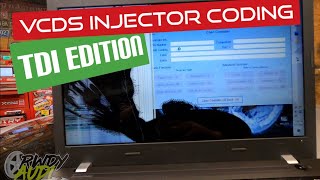
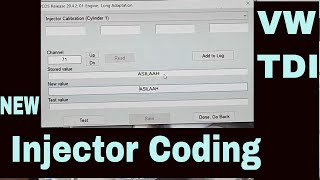
Typical fix: Replace the faulty fuel injector. After installation, the new injector must be coded to the ECM using a compatible diagnostic tool like VCDS. 🎬 Watch: How to program and code new TDI injectors
Est. part cost: $150-$450 - Faulty Fuel Injector Wiring Harness 🟡 Medium Probability → Shop Engine Wiring Harness The wiring harness that connects to the fuel injectors is subjected to constant engine heat and vibration. Over time, the wires can become brittle and break internally, or the plastic connectors can degrade, leading to a poor connection.
How to confirm: Visually inspect the wiring and connector for cylinder 4 for any signs of damage, melting, or corrosion. With the engine running, carefully wiggle the wiring harness near the injector to see if it causes the misfire to change, which would indicate a bad connection. Perform a continuity test on the wires from the injector connector back to the ECM.
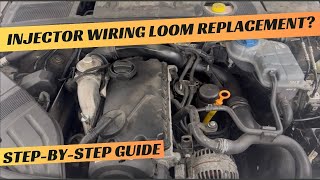
Typical fix: Replace the fuel injector wiring harness. If the damage is localized 🎬 See this step-by-step TDI injector harness replacement guide to a single connector, a connector pigtail repair may be possible.
Est. part cost: $70-$150 - Loose or Corroded Injector Connector ⚪ Low Probability
How to confirm: Visually inspect the electrical connector at the #4 fuel injector. Ensure it is fully seated and that the locking tab is engaged. Unplug it and check the pins for any signs of corrosion or damage.
Typical fix: Clean the connector pins with electrical contact cleaner and ensure a secure connection. If the connector housing or pins are damaged, the connector will need to be replaced.
Est. part cost: $5-$25
Rare But Worth Checking
- Faulty Engine Control Module (ECM): → Shop Engine Control Module (ECM) This is rare. The injector and wiring should always be thoroughly tested and ruled out before considering the ECM. An ECM failure typically requires verification with advanced diagnostic tools.
Diagnosis Steps
- Read the fault codes with an OBD-II scanner and confirm P0204 is present. Note any other codes, especially P0304.
- Visually inspect the electrical connector and wiring going to the fuel injector on cylinder 4 (the cylinder closest to the transmission). Look for any obvious damage, melting, or loose connections.
- Perform a 'wiggle test': With the engine idling, carefully wiggle the injector connector and nearby harness. If the engine stumbles or the idle changes, it indicates a wiring issue.
- The most definitive test: Swap the fuel injector from cylinder 4 with the one from cylinder 3. Clear the codes and drive the vehicle. If the code returns as P0203, the fuel injector is faulty and needs to be replaced.
- If the code remains P0204 after the swap, the problem is in the wiring harness or the ECM.
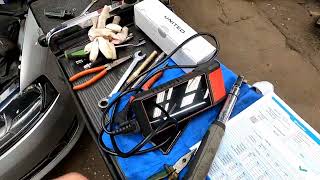
- To test the wiring, use a noid light. Disconnect the injector and plug in the noid light. Crank the engine; the light should flash, indicating the ECM is sending a signal. If it doesn't flash, there is a problem with the wiring or the ECM driver.
- Check the resistance of the injector itself using a multimeter. A good injector should read approximately 180-200 kΩ. An open circuit (infinite resistance) or a short (very low resistance) confirms a bad injector.
Parts You'll Likely Need
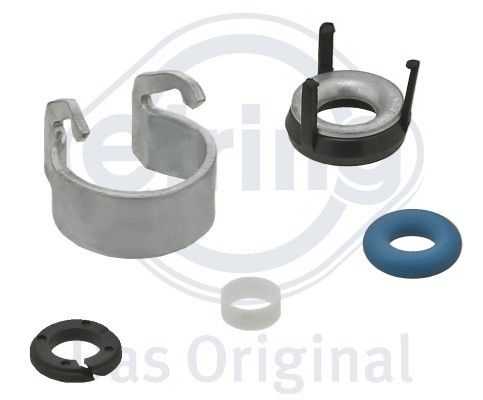
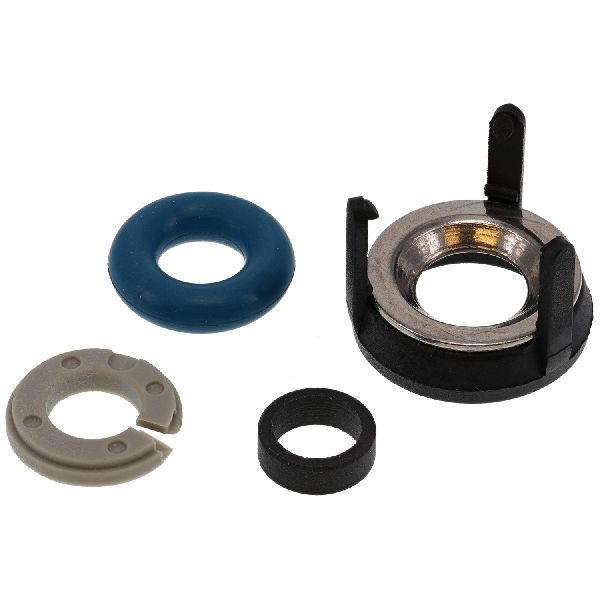
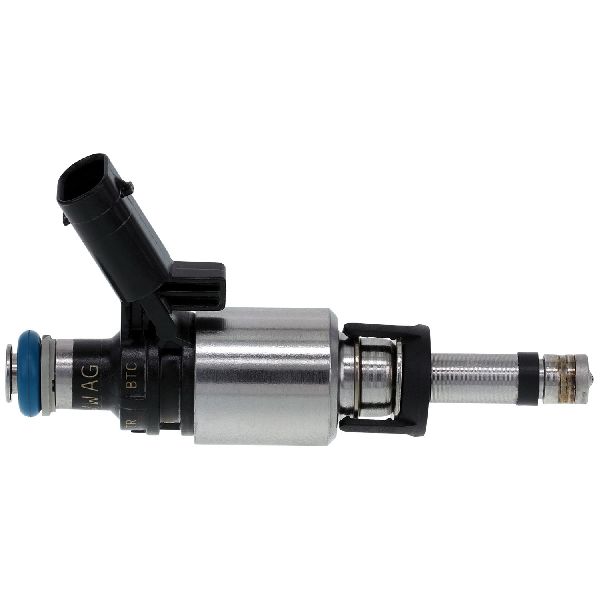
- Fuel Injector
(OEM #03L130277A)— This is the most common cause of a P0204 code on this engine due to a high rate of internal electrical failure.
Trusted brands: Bosch, Genuine VW/Audi
OEM price range: $350-$500
Aftermarket price range: $150-$300 - Fuel Injector Wiring Harness — The second most common cause, this harness fails from heat and vibration, causing an open or short in the circuit to the injector. The exact part number is difficult to verify, so it's best to confirm with a dealer's part department using your VIN.
Trusted brands: Genuine VW/Audi
OEM price range: $70-$150
Aftermarket price range: $50-$100
Related Codes That Often Appear With This One
- P0304 — P0304 means 'Cylinder 4 Misfire Detected.' Since P0204 indicates an electrical problem stopping the injector from firing, a misfire on that cylinder is a direct symptom and consequence.
Platform-Specific Known Issues
- The 2.0L TDI engines of this era are known for premature piezo fuel injector failures. The issue was so common that VAG (Volkswagen Auto Group) reportedly offered goodwill repairs or extended warranties in some cases, though no formal recall was issued in North America.
Mechanic-Grade Diagnostic Values
- Piezo Fuel Injector Resistance — expected: 180-200 kΩ (kilo-ohms). Failure: A reading significantly lower than 180 kΩ (e.g., in the low ohms range) or an open circuit (infinite resistance) indicates a failed injector.
- Injector Hold-Down Clamp Bolt Torque — expected: 8 Nm + 180 degrees turn. Failure: Improper torque can lead to combustion leaks or damage to the injector. The bolt is a single-use stretch bolt and must be replaced.
- VCDS - Injector Quantity Deviation (at idle, warm engine) — expected: Ideally close to 0.00 mg/stroke. A range within +/- 1.5 mg/stroke is generally acceptable.. Failure: A consistent value above +2.0 mg/stroke or below -2.0 mg/stroke suggests a problematic injector or cylinder compression issue.
- Injector Return Flow Test (Leak-off Test) — expected: All injectors should return a similar, small amount of fuel back to the tank. The exact volume is less important than the consistency between cylinders.. Failure: An injector that returns a significantly higher or lower amount of fuel compared to the others is likely faulty. High return can indicate internal wear causing pressure loss.
Hidden / Shadow Codes Worth Checking
- P020400: This is the VAG-specific format of the generic P0204 code, often displayed by more advanced scanners like VCDS or ODIS. The '00' suffix indicates the primary fault type, but doesn't add significant diagnostic information over the base code in this case. (see via VCDS, ODIS, or other professional-grade VAG-compatible scan tools.)
Scan Tool Commands That Help
- VCDS (VAG-COM): Engine -> Adaptation -> Channels for Injector Coding (e.g., IDE00263-IDE00266) — This is mandatory after replacing a fuel injector. The 7-digit IMA/IIC code printed on the new injector must be entered for the corresponding cylinder to ensure the ECM can make precise fueling corrections.
- VCDS (VAG-COM): Engine -> Measuring Blocks -> Groups 013, 014 or IDE00149-IDE00152 (Injector Quantity Deviation) — Used to monitor the performance of each injector in real-time at idle. It helps identify injectors that are over-fueling or under-fueling to maintain a smooth idle, which can point to a developing mechanical issue even without a circuit code.
- VCDS (VAG-COM): Engine -> Basic Settings -> IDE06141 (Adapting injector minimum deviation quantity) — This is a reset procedure to be run after replacing injectors and coding them. It allows the ECM to relearn the baseline values for the new set of injectors. It requires following a specific pedal sequence (clutch/brake) to initiate and runs for several minutes.
Wiring & Ground Locations
- Injector Connector Pins — On the top of each fuel injector, under the plastic engine cover.. These two pins are where the resistance test is performed. A test for short-to-ground can also be done by checking for continuity from either pin to the injector body or engine block; there should be none.
- Engine Block Ground Strap — Typically located on the driver's side of the engine bay, connecting the engine block to the chassis frame rail near the battery or airbox.. While not a direct cause of a single injector code, a corroded or loose main engine ground can cause a host of intermittent and strange electrical issues, including problems with sensor and actuator circuits controlled by the ECM. It should be inspected for any electrical diagnosis.
Real Owner Repair Stories
- YouTube video by 'baz meredith' (2012 Audi A3 1.6 TDI (CAYC engine, similar common rail system)) — Check Engine Light with code P020400 'Cylinder 4 Injector Circuit'.
❌ Tried (didn't work) The technician went straight to testing, no parts were replaced unnecessarily.
✅ What actually fixed it The technician tested the resistance of the cylinder 4 injector and found it was ~298 ohms, while a known-good injector on cylinder 3 measured ~200 kΩ. The massive difference confirmed the injector had failed internally. Replacing the cylinder 4 injector and coding the new injector's calibration code with a scan tool resolved the fault. - YouTube video by 'Auto Repair Guys' (Land Rover Discovery (demonstrating a generic P0204)) — Engine misfire and Check Engine Light with code P0204 'Injector Circuit Open'.
✅ What actually fixed it After an engine replacement, the code appeared. A visual inspection revealed the electrical connector for the cylinder 4 injector had not been fully seated. The retaining clip was missing or not engaged, causing a loose connection. Securing the connector properly fixed the open circuit and cleared the code.
OEM Part Supersession History
03L130277A→03L130277S (and others, like Bosch remanufactured 0986435367)— The original 'A' injectors were known for a high failure rate. The 'S' revision is considered more reliable.
Heads up: The 'A' and 'S' injectors are physically and functionally interchangeable, but it is highly recommended to replace with the newer 'S' revision or a quality remanufactured unit from Bosch. Always perform injector coding after replacement.
Model Year Variations Within This Range
- 2009-2014 (CBEA/CJAA engines): While not a P0204-specific issue, some TDI models in this range received a software update (TSB 2035464 / Emissions Action 23O6) to fix overly sensitive monitoring that could trigger phantom contribution/balance fault codes (like P0266). While P0204 is an electrical circuit code and less likely to be a software bug, it's worth ensuring the ECM software is up-to-date as a best practice.
Diagnostic Flowchart
Used vs. New Parts: Buying Guide for This Vehicle
When a used part is the smart pick: For the injector wiring harness, a used part from a low-mileage, rear-ended donor car can be a cost-effective solution if the harness is in excellent visual condition with no brittleness or damage. For the fuel injectors themselves, buying used is NOT recommended due to their high failure rate and unknown history.
Donor-vehicle mileage cap: roughly under 60000 miles for the part to have meaningful remaining life.
What to inspect on the donor part:
- For a wiring harness, check for flexible, clean wires with no signs of cracking, melting, or previous repairs.
- Ensure all connector locking tabs are intact and the plastic is not crumbling.
- Avoid parts from vehicles with signs of engine fire, flood, or major front-end collision.
OEM-only on this vehicle (don't cheap out):
- Fuel Injector: Due to the precision required and the known failure patterns, a new or professionally remanufactured injector from Bosch is the only reliable choice. Cheap, unbranded aftermarket injectors are a significant gamble.
Aftermarket brands forum-validated for this vehicle:
- Bosch (New or Remanufactured): Bosch is the Original Equipment Manufacturer (OEM) for these injectors. Their remanufactured units are rebuilt to factory specifications and are a reliable alternative to brand new.
Brands owners have reported issues with on this vehicle:
- Unbranded injectors from online marketplaces. These often have high defect rates, may not have correct calibration codes, and can fail prematurely, causing you to do the job twice.
Real Owner Stories
Aggregated from forums and TSBs cited above. Mileages and costs reflect what owners reported in those sources.
2010 Audi A3 2.0L TDI
Symptoms: The engine experienced a sudden failure where one injector failing caused the entire engine to shut down as a safety precaution.
What fixed it: Replacement of the faulty fuel injector.
Source hint: honestjohn.co.uk - Discussions highlight the widespread nature of the 2.0 TDI injector issue, noting that failure of one injector can shut down the engine as a safety measure.
2011 Audi A3 2.0L TDI (CJAA)
Symptoms: Check engine light with P0204, rough idle, and the vehicle entering 'limp mode' with severely restricted power.
What fixed it: Replacing the fuel injector and coding it to the ECM using VCDS.
Source hint: tdiclub.com - This is a primary resource for TDI owners, with extensive discussions on CBEA/CJAA injector diagnostics and failures.
2009 Audi A3 2.0L TDI
Symptoms: Flashing glow plug light, engine vibration, and a fault code indicating an electrical circuit issue with the injector.
What fixed it: Replacing the fuel injector wiring loom (harness).
Source hint: audi-sport.net - Multiple threads corroborate injector and wiring loom failures as common causes for P020x codes on 2.0 TDI engines.
Related OBD-II Codes
Frequently Asked Questions
Is there a recall for the fuel injectors on my 2008-2013 Audi A3 2.0L TDI?
Can I use any aftermarket injector to fix the P0204 code on my CBEA/CJAA engine?
Do I need to do anything special after replacing the Cylinder 4 injector?
Why did my Audi A3 engine completely shut down when the P0204 code appeared?
How can I tell if the problem is the injector itself or the wiring loom?
What should the electrical resistance be for a healthy injector on this engine?
Helpful Videos
We Have This Part in Stock


The information in this article is provided for general reference and educational purposes only. Vehicle specifications, procedures, and part compatibility can vary by production date, trim level, and region. Always consult your vehicle's factory service manual and verify part numbers before purchasing or performing repairs. Safety-critical components such as airbags, seat belts, and braking systems should be installed by a qualified professional.
- Audi A3:
- 🧭 Diagnostic Flowchart
- 🎬 Helpful Videos
- 🛍️ Shop This Part
- What's Unique About the 2008-2013 Audi A3
- Symptoms You May Notice
- Most Likely Causes
- Rare But Worth Checking
- Diagnosis Steps
- Parts You'll Likely Need
- Related Codes That Often Appear With This One
- Platform-Specific Known Issues
- Mechanic-Grade Diagnostic Values
- Hidden / Shadow Codes Worth Checking
- Scan Tool Commands That Help
- Wiring & Ground Locations
- Real Owner Repair Stories
- OEM Part Supersession History
- Model Year Variations Within This Range
- Used vs. New Parts: Buying Guide for This Vehicle
- Real Owner Stories
- 2010 Audi A3 2.0L TDI
- 2011 Audi A3 2.0L TDI (CJAA)
- 2009 Audi A3 2.0L TDI
- Related OBD-II Codes
- Frequently Asked Questions
- 🎟️ Get 5% Off