

P0204 on 2012-2016 Subaru Impreza 2.0L: Injector Circuit Malfunction Causes and Fixes
P0204 on a 2012-2016 Subaru Impreza means a problem with the cylinder 4 fuel injector circuit. The most likely causes are a failed fuel injector or a damaged wire/connector. Expect to pay $100-$200 for a replacement injector, with DIY difficulty at 3/5 due to tight access on the driver's side. Before replacing parts, check wiring and swap the injector with cylinder #2 to confirm the failure.
- P0204 specifically points to an electrical problem in the cylinder 4 fuel injector circuit, not a mechanical clog.
- The most likely cause is a failed fuel injector, followed by a wiring issue. A bad ECM is rare.
- Cylinder 4 is on the driver's side, near the firewall. Access is tight and requires removing the battery.
- Always check for the P0304 misfire code, as it almost always accompanies P0204.
- Be aware of major platform issues like the oil consumption problem and valve spring recall, which can also cause engine performance problems.
What's Unique About the 2012-2016 Subaru Impreza
On the FB20B boxer engine, the cylinders are laid flat. Cylinder 4 is located on the driver's side, closest to the firewall, making it the most difficult to access. Access is tight due to the proximity of the frame rail, battery, and brake master cylinder, making diagnosis and replacement more challenging than on an inline engine. To reach the cylinder 4 injector and its connector, the battery and its tray must be removed to create enough clearance to work. While there are no major recalls for this specific issue on the 2012-2016 models, owners should be aware that accessing this injector requires patience and careful maneuvering of components.
Symptoms You May Notice
- Check Engine Light is illuminated
- Rough, unstable idle
- Engine shaking or vibrating, especially at idle
- Noticeable loss of power and poor acceleration
- Engine misfiring (may be felt as stumbling or hesitation)
- Decreased fuel mileage
- Vehicle may stall or be difficult to start
- Strong fuel smell if the injector is stuck open
- Replacing the spark plug or ignition coil for cylinder 4. While these can cause a misfire (P0304), they will not cause an injector circuit code (P0204). If you only have P0204, the problem is electrical and related to the fuel injector circuit. If you have both P0204 and P0304, the injector circuit fault is the root cause of the misfire.
Most Likely Causes
- Failed Cylinder 4 Fuel Injector 🔴 High Probability → Shop Fuel Injector Fuel injectors are wear-and-tear components. The internal coil windings can fail, creating an open or short circuit. This is an electrical failure, distinct from being clogged.
How to confirm: Measure the resistance of the injector with a multimeter; it should be within manufacturer specs, typically between 11 and 14 ohms for this engine. An infinite reading (OL) means an open circuit, while a zero reading means a short. The most definitive test is to swap the injector with another cylinder (like #2 on the same side) and see if the fault code follows (e.g., changes to P0202).
Typical fix: Replace the faulty fuel injector. It is often recommended to replace the set or at least the pair on the same bank to ensure balanced fuel delivery and because they have similar wear.
Est. part cost: $80-$180 - Damaged Wiring or Connector 🟡 Medium Probability The engine bay environment involves heat and vibration. Wires can become brittle and crack, or the connector lock can break, leading to a poor connection at the injector. Rodents are also known to chew on the soy-based wiring insulation used in many modern cars.
How to confirm: Visually inspect the wiring harness leading to the cylinder 4 injector for any signs of chafing, melting, or breaks. Check the connector for corrosion, bent pins, or a loose fit. Use a noid light to confirm if an electrical pulse is reaching the connector when the engine is cranked. Wiggle the harness while the engine is running to see if it causes the misfire to change, indicating an intermittent connection.
Typical fix: Repair the broken section of wire or replace the pigtail connector. Ensure the connection is secure and protected from heat.
Est. part cost: $15-$40
Rare But Worth Checking
- Faulty Powertrain Control Module (PCM/ECM): → Shop Engine Control Module (ECM) This is the least likely cause. The internal driver circuit for cylinder 4 in the ECM can fail. Before condemning the ECM, all other possibilities (injector, wiring) must be exhaustively ruled out. If a noid light shows no pulse at the connector and the wiring has been tested and confirmed to be good from the injector plug to the ECM pin, the ECM becomes the primary suspect.
Diagnosis Steps
- Verify the code with an OBD-II scanner. Note any other codes present, especially P0304.
- Identify Cylinder 4: On the FB20B engine, this is the rear cylinder on the driver's side (left side of the vehicle, Bank 2).
- Visually inspect the wiring harness and connector for the cylinder 4 fuel injector. Look for any obvious damage, corrosion, rodent chew marks, or loose connections.
- Disconnect the injector and plug in a 'noid light'. Crank the engine. A rhythmic flashing light indicates the ECM and wiring are sending a signal. No light or a steady light points to a wiring or ECM problem.
- If the noid light flashes correctly, the injector is the primary suspect. Turn off the vehicle.
- Use a multimeter set to Ohms to measure the electrical resistance across the two pins of the fuel injector. Compare the reading to the manufacturer's specification (typically 11-14 Ohms). 🎬 See this quick guide on checking injector resistance with a multimeter. A reading of 'OL' (Over Limit) indicates an open circuit and a bad injector.
- For a definitive test, swap the cylinder 4 injector with the cylinder 2 injector (front cylinder, same driver's side). This is labor-intensive but conclusive. Clear the codes and run the engine. If the code changes to P0202, the injector is confirmed to be faulty. If P0204 returns, the problem is in the wiring or ECM.
- If the noid light test failed, check for continuity on the signal wire between the ECM connector and the injector connector. Also check for shorts to power or ground.
Parts You'll Likely Need
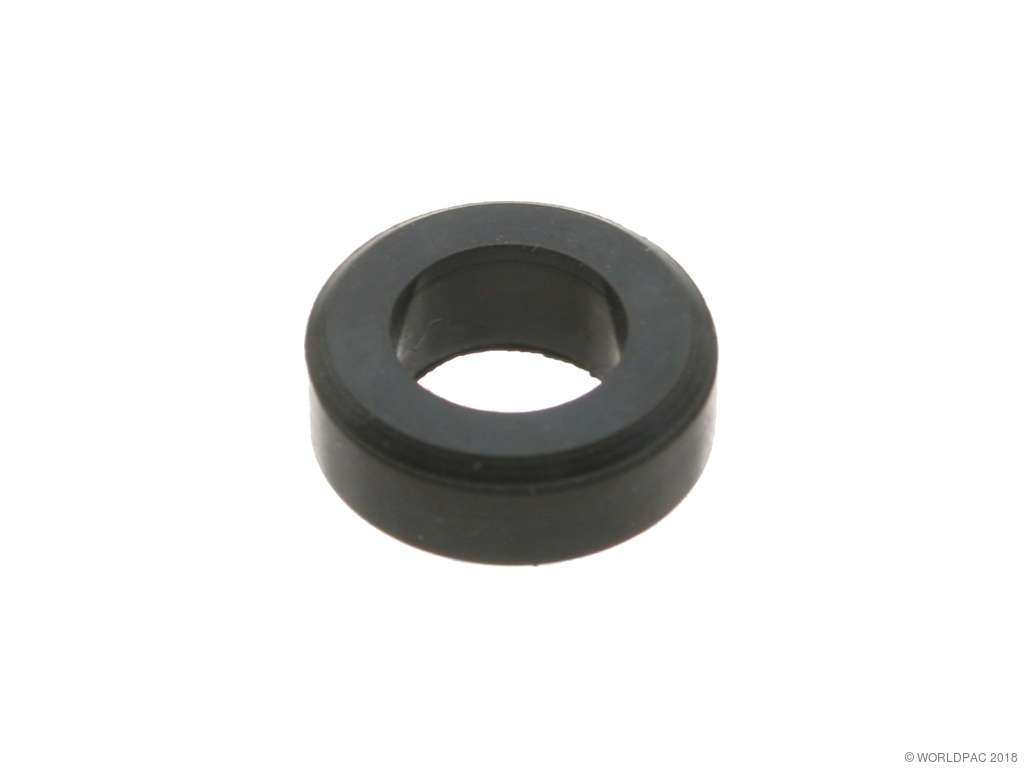
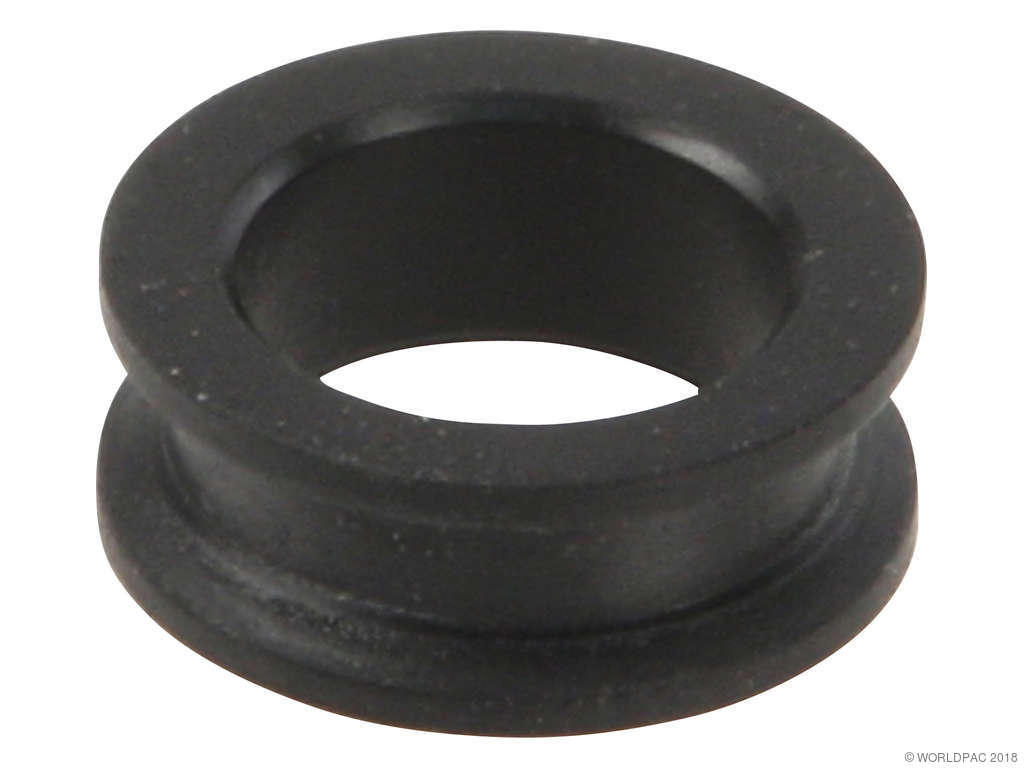
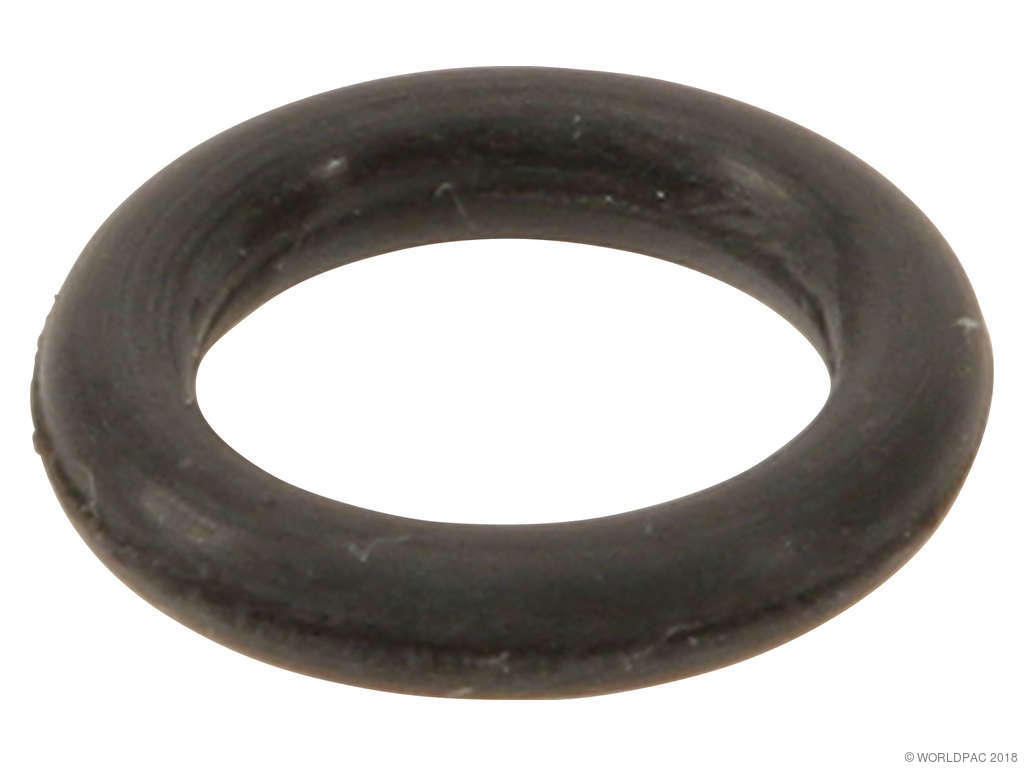
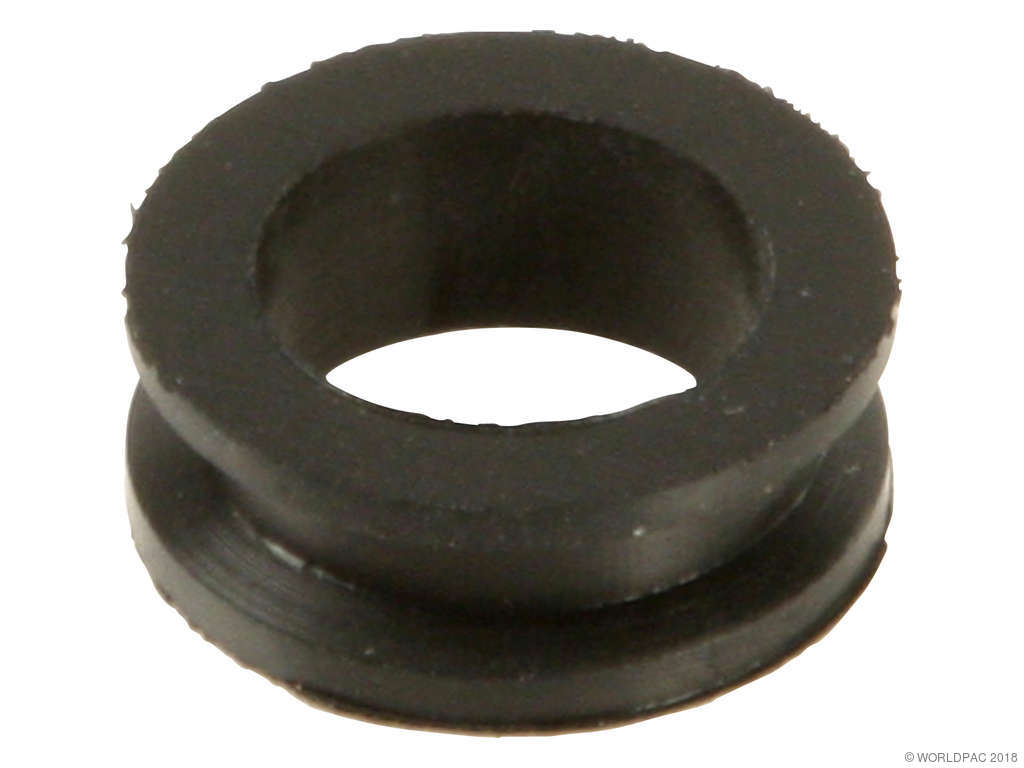
- Fuel Injector
(OEM #16611-AA800)— This is the most common point of failure for a P0204 code, where the injector's internal electrical coil has failed.
Trusted brands: Denso (OEM), Hitachi, Standard Motor Products (FJ1197)
OEM price range: $150-$200
Aftermarket price range: $80-$150 - Fuel Injector Connector Pigtail — If the wiring or plastic connector at the injector is damaged, replacing the pigtail is the standard repair. Subaru does not sell the pigtail alone, but many aftermarket options are available.
Trusted brands: Dorman (85850), Wells (1P4050), iWire Wiring Solutions (Top Feed B)
OEM price range: N/A
Aftermarket price range: $15-$40
Related Codes That Often Appear With This One
- P0304 — This code means 'Cylinder 4 Misfire Detected'. Since a faulty injector circuit prevents fuel from being delivered to cylinder 4, that cylinder will not fire, directly causing a misfire. It is extremely common to see P0204 and P0304 together. 🎬 Watch: DIY fix for Subaru misfire codes P0301 through P0304.
- P0300 — This indicates 'Random/Multiple Cylinder Misfire'. While less common, a severe electrical issue or intermittent fault in the injector circuit could potentially be misinterpreted by the ECM or cause instability that affects other cylinders.
Platform-Specific Known Issues
- Rodent Damage: The soy-based insulation on the wiring harness can attract rodents, who may chew through the injector wires, causing an open circuit. This is a known issue across many modern vehicle brands and should be considered during visual inspection.
Mechanic-Grade Diagnostic Values
- Fuel Injector Coil Resistance — expected: 5 - 20 Ohms. A common reading for a healthy injector is around 12.5 Ohms.. Failure: A reading of OL (over-limit/infinite) indicates an open circuit. A reading near 0 Ohms indicates a short circuit. Either requires injector replacement.
- Injector Connector Voltage (Key On, Engine Off) — expected: Approximately 12V (Battery Voltage) on the power supply wire.. Failure: No voltage indicates a break in the power supply wire or a blown fuse.
- Injector Control Circuit Voltage (Engine Cranking/Running) — expected: A pulsing 0-12V signal when tested with a noid light or oscilloscope. The ECM grounds this wire to activate the injector, pulling the voltage from ~12V down to near 0V.. Failure: No pulse indicates a wiring issue or a failed ECM driver. A constantly lit noid light indicates a short to ground on the control wire.
- Live Data - Short/Long Term Fuel Trims (at idle with misfire) — expected: Healthy trims are typically within +/- 5%.. Failure: A user with a dead cylinder (similar to a P0204 condition) reported seeing Short Term Fuel Trim at +18% and Long Term Fuel Trim at +10% as the ECM tried to compensate for the unmetered oxygen from the non-firing cylinder.
Hidden / Shadow Codes Worth Checking
- Mode $06 Data: While not a hidden code, Mode $06 provides access to on-board monitoring test results for non-continuous monitors. For Subaru, this can include 'Roughness Monitor' counts for each cylinder, which is the raw data the ECM uses to determine if a misfire (like P0304) is occurring alongside the P0204 circuit fault. (see via Requires a scan tool capable of accessing OBD-II Mode $06 test results.)
Scan Tool Commands That Help
- Subaru Select Monitor (SSM) or equivalent professional scanner: Active Test: Injection Stop Mode (or Injector Cut) — This bidirectional command allows a technician to individually disable the cylinder 4 fuel injector. If disabling the injector causes no change in engine RPM or smoothness, it confirms that cylinder was not contributing power, validating the fault location. If disabling another injector (e.g., cylinder 2) causes a noticeable drop in RPM, it provides a good baseline.
- Professional Scan Tool: Injector Balance Test — This function pulses each injector and measures the corresponding drop in fuel rail pressure. It's used to identify a clogged or weak injector, but for a P0204 circuit code, it can help confirm if the injector is completely unresponsive to electrical commands.
Wiring & Ground Locations
- Main Engine Ground — The main engine-to-chassis ground strap bolts onto the top starter bolt, located on the transmission bell housing.. A loose or corroded main engine ground can cause a floating ground reference for the entire engine management system. This can lead to erratic sensor readings and insufficient voltage for actuators, potentially triggering a false injector circuit code when the real issue is a poor ground connection for the ECM and its components.
- ECM Location — Located behind the dashboard on the passenger's side (right side of dash).. This is the termination point for the injector control wire. If wiring tests good from the injector to the firewall, the next step is to test continuity to the pins at the ECM connector itself.
Real Owner Repair Stories
- Subaru Impreza Club forum user 'Rikkib87' (2008 Subaru WRX (hatchback), 91k miles. Diagnosis path is directly applicable.) — P0304 (Cylinder 4 Misfire), big loss of performance below 3k RPM, backfiring from exhaust at idle.
❌ Tried (didn't work) Replaced spark plug in cylinder 4., Swapped ignition coil from cylinder 4 to cylinder 2., Swapped fuel injector from cylinder 4 to cylinder 2.
✅ What actually fixed it The fault code (misfire) remained on cylinder 4 after swapping both the coil and the injector. This definitively ruled out the injector as the cause and pointed to a problem specific to that cylinder's circuit or mechanicals. The user suspected a wiring issue or, more likely, a failing exhaust valve, which is a known but more complex failure. This story is valuable for showing that if an injector swap doesn't move the code, the problem lies elsewhere.
Model Year Variations Within This Range
- 2012-2014 vs 2015-2016: Some parts suppliers and owner experiences suggest a minor refresh occurred for the 2015 or 2016 model year. While all use the FB20B engine, replacement engine assemblies and gasket kits are sometimes listed separately for 2012-2014 and 2015-2016 models. This implies potential differences in sensors, wiring, or accessory mounting that a mechanic should be aware of when sourcing major parts.
Diagnostic Flowchart
Other Known Issues on This Vehicle
Issues unrelated to this code that are worth knowing about as an owner of this generation:
- Excessive Oil Consumption 🔴 High — Common in early FB engines (2012-2014 models). Caused by defective piston rings. Led to a class-action lawsuit (Yaeger v. Subaru of America). (Ref: Subaru extended the powertrain warranty to 8 years/100,000 miles for affected vehicles and offered oil consumption tests.)
- Engine Valve Spring Fracture 🔴 High — Affects 2012-2014 models. The valve springs can fracture, causing unusual engine noise, stalling, and potential engine failure. (Ref: Subaru issued a recall (NHTSA Campaign: 18V-772, Subaru Recall: WTY-84) to replace the valve springs free of charge.)
- CVT Transmission Issues 🟠 Medium — Some owners experience issues like shuddering, hesitation, or outright failure of the Continuously Variable Transmission (CVT). (Ref: Subaru extended the CVT warranty to 10 years/100,000 miles for many models, including the 2016-2017 Impreza, under TSB 16-115-18.)
- Brake Light Switch Malfunction 🟠 Medium — A faulty brake light switch can prevent brake lights from illuminating, cause the push-start ignition to fail, and prevent shifting out of Park. (Ref: Part of a recall (NHTSA 19V149000) affecting a wide range of Subaru models, including the 2012-2016 Impreza.)
Used vs. New Parts: Buying Guide for This Vehicle
When a used part is the smart pick: A used wiring harness pigtail or a complete engine harness from a low-mileage donor car is a smart choice if the issue is confirmed to be wiring damage. For injectors, used OEM (Denso) parts that have been professionally cleaned, tested, and flow-matched can be a reliable and cost-effective alternative to expensive new OEM parts.
Donor-vehicle mileage cap: roughly under 80000 miles for the part to have meaningful remaining life.
What to inspect on the donor part:
- For wiring: Check for any signs of brittleness, cracking, previous repairs, or rodent damage.
- For injectors: Buy from a reputable service that provides a flow chart showing before and after performance. Avoid buying 'as-is' used injectors from a private seller.
- Check the donor vehicle's history for accidents or flood damage.
OEM-only on this vehicle (don't cheap out):
- While not strictly 'OEM-only', sticking with the OEM supplier (Denso) for fuel injectors is highly recommended. Cheap, unbranded aftermarket injectors are a common source of new problems.
Aftermarket brands forum-validated for this vehicle:
- Denso (OEM supplier)
- Hitachi
Brands owners have reported issues with on this vehicle:
- Unbranded, low-cost injectors sold on sites like eBay or Amazon should be avoided, as they often have poor quality control and can fail quickly or provide incorrect fuel flow.
Real Owner Stories
Aggregated from forums and TSBs cited above. Mileages and costs reflect what owners reported in those sources.
2021 Subaru WRX (Diagnostic logic applied to FB20B)
Symptoms: Cylinder 4 misfire. Owner attempted to swap the coil pack, but the issue persisted.
What fixed it: The owner performed a diagnostic swap of injectors between cylinders 2 and 4 to isolate the fault. When the misfire stayed on cylinder 4, it ruled out the injector and pointed toward a wiring or other issue.
Source hint: subaruimpreza.org / Rikkib87 (2021-01-11)
Jeep Grand Cherokee (General P0204 Example)
Symptoms: Rough idle and a flashing check engine light.
What fixed it: The P0204 (injector circuit open) was identified as the root cause of the accompanying P0304 misfire code.
Source hint: r/mechanic / Jeep Grand Cherokee Owner (2022-05-03)
Related OBD-II Codes
Frequently Asked Questions
Where is the Cylinder 4 fuel injector located on my FB20B engine?
Is there a recall for the wiring issues causing P0204 on my 2012 Impreza?
What is the correct electrical resistance for a replacement injector on a 2.0L Impreza?
Can I use a used fuel injector from a donor car to fix this?
My 2013 Impreza is consuming a lot of oil; could this be related to the P0204 code?
Which aftermarket injector brands are recommended for the FB20B?
Helpful Videos
We Have This Part in Stock


The information in this article is provided for general reference and educational purposes only. Vehicle specifications, procedures, and part compatibility can vary by production date, trim level, and region. Always consult your vehicle's factory service manual and verify part numbers before purchasing or performing repairs. Safety-critical components such as airbags, seat belts, and braking systems should be installed by a qualified professional.
- Subaru Impreza:
- 🧭 Diagnostic Flowchart
- 🎬 Helpful Videos
- 🛍️ Shop This Part
- What's Unique About the 2012-2016 Subaru Impreza
- Symptoms You May Notice
- Most Likely Causes
- Rare But Worth Checking
- Diagnosis Steps
- Parts You'll Likely Need
- Related Codes That Often Appear With This One
- Platform-Specific Known Issues
- Mechanic-Grade Diagnostic Values
- Hidden / Shadow Codes Worth Checking
- Scan Tool Commands That Help
- Wiring & Ground Locations
- Real Owner Repair Stories
- Model Year Variations Within This Range
- Other Known Issues on This Vehicle
- Used vs. New Parts: Buying Guide for This Vehicle
- Real Owner Stories
- 2021 Subaru WRX (Diagnostic logic applied to FB20B)
- Jeep Grand Cherokee (General P0204 Example)
- Related OBD-II Codes
- Frequently Asked Questions
- 🎟️ Get 5% Off