

P0204 on 2001-2003 Toyota Prius: Cylinder 4 Injector Circuit Fixes
On a 2001-2003 Prius, code P0204 almost always points to a faulty fuel injector for cylinder #4 or a problem in its wiring. The ECM has detected an out-of-spec voltage or resistance in the injector's electrical circuit. Swapping the injector with another cylinder is the fastest way to confirm if the injector itself is the problem.
- P0204 specifically points to an electrical fault in the cylinder 4 injector circuit, not other ignition or mechanical issues.
- The most likely cause on a high-mileage Prius is a failed fuel injector.
- A simple and effective diagnostic step is to swap the cylinder 4 injector with another one and see if the trouble code follows the injector.
- Driving with this code can lead to more expensive repairs, such as damage to the catalytic converter.
What's Unique About the 2001-2003 Toyota Prius
The first-generation Prius (NHW11) uses a reliable 1NZ-FXE engine, which is an Atkinson cycle variant of the 1NZ-FE engine found in other Toyota models like the Echo and Yaris. For this code, there are no major platform-specific oddities. The diagnostic process is standard for any port-injected engine. The most common failure point is simply an aged fuel injector or a problem in the engine wiring harness, which is typical for vehicles of this age. The firing order for the 1NZ-FXE is 1-3-4-2, so cylinder 4 is the second cylinder in the firing sequence.
Symptoms You May Notice
- Check Engine Light is on
- Rough or uneven idle
- Engine misfire (may also trigger a P0304 code)
- Hesitation or stumbling during acceleration
- Reduced engine power and poor performance
- Decreased fuel economy
- Replacing the spark plug or ignition coil for cylinder 4. While these parts can cause a misfire (P0304), they will not cause an injector circuit code (P0204).
Most Likely Causes
- Faulty Cylinder 4 Fuel Injector 🔴 High Probability → Shop Fuel Injector After many years and miles, the internal electrical coil of the injector can fail, creating an open or short circuit. This is a common failure part on high-mileage Toyotas of this era.
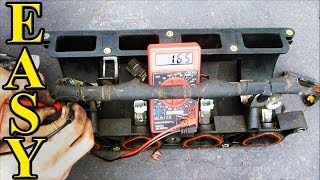
How to confirm: Swap the cylinder 4 fuel injector with one from another cylinder (e.g., cylinder 2). Clear the codes and drive. If the code changes to P0202, the injector is confirmed bad. If P0204 returns, the problem is in the wiring or ECM. You can also test the injector's resistance with a multimeter. 🎬 See how to test fuel injector resistance with a multimeter The standard resistance should be between 13.45 and 14.15 Ω at 68°F (21°C). A reading far outside this range, like near zero (short) or infinite (open), indicates a bad injector.
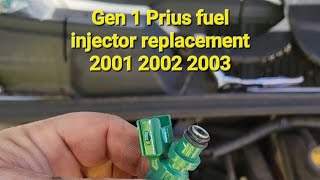
Typical fix: Replace the faulty fuel injector. It is often recommended to replace all four injectors 🎬 Watch: Step-by-step Gen 1 Prius fuel injector replacement guide at the same time on a high-mileage vehicle for balanced performance.
Est. part cost: $40-$150 - Wiring Harness or Connector Issue 🟡 Medium Probability Engine bay heat and vibration over 20+ years can cause wires to become brittle, chafe, or break. The connector pins can also corrode or become loose, causing an intermittent connection.
How to confirm: Visually inspect the wiring harness and connector for cylinder 4's injector. Check for breaks, corrosion, or loose pins. Perform a 'wiggle test' on the harness while the engine is running to see if it affects the idle. Use a multimeter to check for continuity on the ground wire and for battery voltage at the power wire in the connector (with key on, engine off).
Typical fix: Repair the damaged section of wire or clean/replace the electrical connector.
Est. part cost: $5-$50
Rare But Worth Checking
- Faulty Engine Control Module (ECM): → Shop Engine Control Module (ECM) This is the least likely cause. The internal driver circuit for the injector can fail. This should only be considered after definitively ruling out the injector and wiring as the cause. An ECM repair service may be able to fix the driver circuit for a lower cost than a full replacement.
Diagnosis Steps
- Read the trouble codes with an OBD-II scanner. Note any other codes present, especially P0304.
- Clear the codes and test drive the vehicle to see if the P0204 code returns immediately. If it does, the fault is currently active.
- The quickest diagnostic test is to swap the fuel injector from cylinder 4 with one from another cylinder (e.g., cylinder 2). The firing order is 1-3-4-2.
- Clear the codes again and run the engine. If the code returns as P0202 ('Injector Circuit Malfunction - Cylinder 2'), the fuel injector you moved is faulty and needs to be replaced.
- If the P0204 code returns after the swap, the injector is likely good. The problem is in the wiring or the ECM.
- Inspect the wiring harness and connector for cylinder 4's injector. Look for any signs of damage, corrosion, or loose connections.
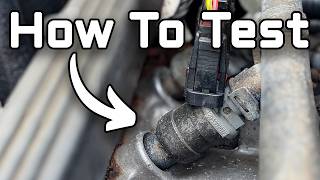
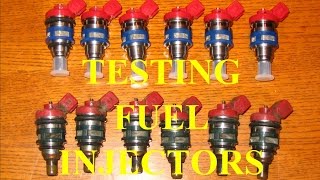
- Use a 'noid light' to test the injector connector. Unplug the injector and plug in the noid light. 🎬 Watch: How to test if your fuel injectors are working Start the engine. The light should flash steadily, indicating the ECM is sending a pulse signal. If it flashes, the wiring and ECM are likely okay. If it does not flash or stays on continuously, there is a problem in the wiring or the ECM driver.
- If you do not have a noid light, use a multimeter. Check the injector's resistance. It should be approximately 13.45-14.15 ohms. Then, check for battery voltage at one pin of the injector connector (with key on, engine off). Check the continuity of the other wire (the control wire) back to the ECM.
- If wiring and connectors are good, and the noid light test fails, the final possibility is a faulty injector driver in the ECM. This is rare and should be the last conclusion.
Parts You'll Likely Need
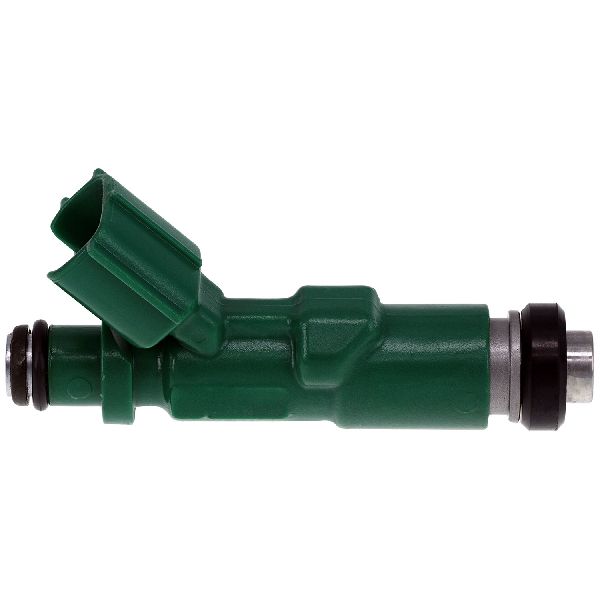
- Fuel Injector
(OEM #23250-21020)— This is the most common failure point for a P0204 code. The internal coil windings of the injector fail over time. This part number is also listed as 23209-21020.
Trusted brands: Denso (OEM), Aisan, GB Remanufacturing, Motor Man
OEM price range: $150-$200
Aftermarket price range: $40-$90
Related Codes That Often Appear With This One
- P0304 — P0304 means 'Cylinder 4 Misfire Detected'. Since P0204 indicates the injector circuit for cylinder 4 isn't working, that cylinder isn't getting the correct amount of fuel, which directly causes a misfire.
Mechanic-Grade Diagnostic Values
- Fuel Injector Resistance — expected: 13.45 to 14.15 Ω at 68°F (21°C). Failure: A reading of infinity (OL) indicates an open coil. A reading near zero indicates a shorted coil. Any reading significantly outside the expected range points to a faulty injector.
- Fuel Injector Connector Voltage (Power Wire) — expected: Battery voltage (~12V) with Key On, Engine Off.. Failure: No voltage indicates a break in the power supply circuit, likely a blown EFI fuse or a wiring issue between the relay block and the injector.
- Fuel Injector Pulse Width (Scan Tool) — expected: Typically 2.0 - 4.0 ms at idle. This value should be consistent across all four cylinders.. Failure: A value of 0 ms for cylinder 4 while others show a normal reading would confirm the ECM is not commanding the injector to fire, pointing towards an ECM or wiring issue.
Scan Tool Commands That Help
- Toyota Techstream: Active Test: Control the Injection Volume for Injector — This bidirectional command allows a technician to manually command a specific injector to fire. If you can command injector #4 to fire using Techstream and hear it click, but it doesn't work during normal operation, it strongly suggests a problem with the ECM's driver circuit or the wiring signal, rather than the injector itself. Conversely, if all other injectors click during the test but #4 does not, it confirms the injector or its direct wiring is at fault.
Wiring & Ground Locations
- Injector #4 ECM Pin (Negative Control) — On the Engine Control Module (ECM), this is typically pin #20 on one of the main connectors. The wire is often Green-Black.. This is the specific pin where the ECM grounds the injector circuit to make it fire. A continuity test from this pin to the injector connector's control wire can definitively rule out a broken wire.
- Injector Power Source — Power is supplied to all injectors from the 'EFI' fuse, located in the Engine Room No. 1 Relay Block.. While a blown EFI fuse would cause all injectors to fail (not just #4), a corroded or loose connection at the fuse block could theoretically cause an intermittent voltage drop affecting the circuit.
- Injector Connector (Cylinder 4) — The electrical connector on top of the fuel injector for the second cylinder from the passenger side of the engine (firing order 1-3-4-2).. This is the most common point for wiring faults. The plastic locking tab can become brittle and break, leading to a loose connection that causes an intermittent P0204 code.
Real Owner Repair Stories
- YouTube Channel 'World Mechanics' (Vehicle in video was not a Prius, but demonstrated a universal fix for P0204.) — Check Engine Light with code P0204, rough idle, engine misfire.
❌ Tried (didn't work) Initial diagnosis pointed to a bad injector.
✅ What actually fixed it The retaining clip on the injector's electrical connector was missing or broken, causing the connector to back off slightly from vibration. After taking the intake apart, the mechanic discovered the loose connector, secured it properly with a new clip, and the code was resolved.
OEM Part Supersession History
23250-21020→23209-21020 (and vice-versa)— These part numbers are often used interchangeably by Toyota for internal tracking or regional distribution. They are identical in fit, flow rate, and electrical characteristics for the 1NZ-FXE engine.
Diagnostic Flowchart
Other Known Issues on This Vehicle
Issues unrelated to this code that are worth knowing about as an owner of this generation:
- High Voltage (HV) Battery Failure 🔴 High — Common as the vehicle ages, typically after 8-10 years or over 100,000 miles. Individual cells or modules fail, leading to reduced power and the 'red triangle of death'.
- Multi-Function Display (MFD) Failure 🟠 Medium — Widespread issue where the central touchscreen becomes unresponsive, goes blank, or displays distorted images, affecting climate and audio controls. (Ref: While more common in Gen 2, Gen 1 models also suffer. TSB EL002-05 was issued for later models but describes the same failure.)
- Loose Steering Linkage / Power Steering Failure 🔴 High — Common enough to warrant a recall. The nuts on the electric power steering pinion shaft can loosen, causing rattling or a loss of power steering assist, particularly during left turns. (Ref: NHTSA Recall #11V304000)
- Crankshaft Position Sensor Oil Leak 🟠 Medium — A recall was issued for improper molding of the sensor, allowing engine oil to seep into the sensor's wiring connector, which could lead to stalling. (Ref: NHTSA Recall #06V266000)
Used vs. New Parts: Buying Guide for This Vehicle
When a used part is the smart pick: For this specific repair, buying a used fuel injector is NOT recommended. Fuel injectors are a common failure item due to age and heat cycles. A used injector from a donor vehicle of similar age is likely to have a limited remaining lifespan and may fail soon after installation.
Donor-vehicle mileage cap: roughly under 150000 miles for the part to have meaningful remaining life.
What to inspect on the donor part:
- If buying used is unavoidable, source from a vehicle with the lowest possible mileage.
- Visually inspect the injector for cracks in the plastic body or heavy corrosion on the electrical pins.
- Ask the seller if they can provide resistance (Ohm) readings before purchase.
Aftermarket brands forum-validated for this vehicle:
- Denso (This is the Original Equipment Manufacturer)
- Aisan (Also a Toyota OEM supplier)
Brands owners have reported issues with on this vehicle:
- Unbranded, no-name injectors from online marketplaces are a significant risk. They often have inconsistent flow rates and poor build quality, which can lead to performance issues or even engine damage.
Real Owner Stories
Aggregated from forums and TSBs cited above. Mileages and costs reflect what owners reported in those sources.
2001-2003 Toyota Prius 1.5L I4
Symptoms: The owner experienced a rough idle and engine misfire. They used a forum-provided specification to test the fuel injector resistance.
What fixed it: Tested the injector resistance against the 13.45 to 14.15 Ω spec. Confirmed the injector was a common failure item on older Toyotas and performed an injector swap to diagnose.
Source hint: PriusChat Fuel Injector Resistance Thread: https://priuschat.com/threads/fuel-injector.138628/
Related OBD-II Codes
Frequently Asked Questions
What is the correct resistance specification for the fuel injectors on my 2001-2003 Prius 1NZ-FXE?
Is there a recall for the stalling and oil leaks I'm seeing near the sensors on my Gen 1 Prius?
My steering feels loose and rattles during left turns; is this related to the P0204 code?
Can I use a used fuel injector from a high-mileage donor Prius to fix my P0204 code?
Which aftermarket brands are recommended for replacing the cylinder 4 injector?
Does the Multi-Function Display (MFD) failure in my 2001 Prius have a TSB?
Helpful Videos

We Have This Part in Stock


The information in this article is provided for general reference and educational purposes only. Vehicle specifications, procedures, and part compatibility can vary by production date, trim level, and region. Always consult your vehicle's factory service manual and verify part numbers before purchasing or performing repairs. Safety-critical components such as airbags, seat belts, and braking systems should be installed by a qualified professional.
- Toyota Prius:
- 🧭 Diagnostic Flowchart
- 🎬 Helpful Videos
- 🛍️ Shop This Part
- What's Unique About the 2001-2003 Toyota Prius
- Symptoms You May Notice
- Most Likely Causes
- Rare But Worth Checking
- Diagnosis Steps
- Parts You'll Likely Need
- Related Codes That Often Appear With This One
- Mechanic-Grade Diagnostic Values
- Scan Tool Commands That Help
- Wiring & Ground Locations
- Real Owner Repair Stories
- OEM Part Supersession History
- Other Known Issues on This Vehicle
- Used vs. New Parts: Buying Guide for This Vehicle
- Real Owner Stories
- 2001-2003 Toyota Prius 1.5L I4
- Related OBD-II Codes
- Frequently Asked Questions
- 🎟️ Get 5% Off