

P0299 on 2018-2020 Genesis G80 3.3T: Turbo Underboost Causes and Fixes
Code P0299 on a Genesis G80 3.3T most often means the electronic wastegate actuator on the passenger-side turbo has failed. It can also be caused by a boost leak (e.g., cracked charge pipe), or a complete turbo failure, sometimes linked to a faulty oil feed line. Expect a professional repair, as accessing these parts is difficult.
- P0299 on the G80 3.3T is a serious code indicating the passenger-side turbo is not making enough boost.
- The most likely causes are a faulty electronic wastegate actuator (EWGA), a boost leak in the intake piping, or a failed turbocharger.
- Diagnosis should start with a smoke test to rule out leaks, followed by electronic testing of the wastegate actuator.
- This is not a DIY-friendly repair; accessing the turbos is very difficult and labor-intensive.
- All owners must verify that the critical safety recall (NHTSA 24V-191) for the driver-side turbo oil line has been completed to prevent a fire risk.
What's Unique About the 2018-2020 Genesis G80
The Lambda II 3.3L V6 uses two small, fast-spooling turbochargers, each with its own electronic wastegate actuator (EWGA). While boost leaks can happen on any turbocharged car, this specific platform is known for failures of these electronic actuators. A faulty actuator is a very common cause for P0299 and may not require replacing the entire turbocharger. Additionally, there is a major safety recall (NHTSA ID: 24V199000, Recall No. 256) for a deteriorating left-side turbo oil feed pipe on this engine, which can leak oil onto hot exhaust components and cause a fire risk. This highlights the high-heat, high-stress environment the turbo system operates in and the importance of proper oil lubrication.
Symptoms You May Notice
- Drastic loss of engine power and sluggish acceleration.
- Check Engine Light is illuminated.
- Vehicle may enter 'limp mode' with severely restricted RPM and speed.
- A high-pitched whining, whistling, or siren-like sound from the engine bay that changes with RPM, indicating a boost leak or failing turbo.
- Squeaking or rattling noise when shutting the engine off or during low-RPM acceleration, a classic sign of a failing wastegate actuator.
- Hesitation or jerky acceleration.
- In case of turbo seal failure, blue or gray smoke from the exhaust.
- Worse than normal fuel economy.
- Replacing the entire turbocharger when only the electronic wastegate actuator was faulty.
- Replacing sensors without first performing a smoke test to check for physical boost leaks.
- Assuming the turbo is bad when the issue is a simple clogged air filter or a cracked vacuum line.
Most Likely Causes
- Faulty Electronic Wastegate Actuator (EWGA) 🔴 High Probability → Shop Turbocharger These electronic actuators are a known failure point on the 3.3T engine platform, as reported by owners of both Genesis and the mechanically identical Kia Stinger. The internal electronics or motor can fail due to heat and vibration, causing the wastegate to not close properly, leading to a loss of boost.
How to confirm: A technician can use a scan tool to monitor desired vs. actual wastegate position. A squeaking or rattling noise on shutdown or at low RPMs is a very common owner-reported symptom. A visual inspection may show the actuator rod is not moving smoothly. Aftermarket actuators are available, but replacement may require calibration.
Typical fix: Replace the faulty electronic wastegate actuator. Genesis dealers often replace the entire turbocharger assembly as the actuator is considered an integrated part. However, specialized shops or DIYers may replace only the actuator.
Est. part cost: $150-$300 for an aftermarket actuator, $1200+ for a full turbo assembly. - Boost/Intake Air Leak 🟡 Medium Probability The complex plumbing of a twin-turbo engine has many connection points (hoses, clamps, intercooler) where pressurized air can leak. The factory plastic charge pipes and rubber couplers can become brittle and crack over time in the high-heat engine bay, especially under higher-than-stock boost levels.
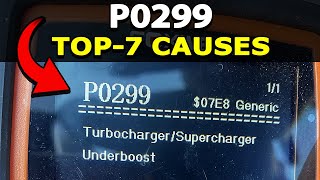
How to confirm: Visually inspect all intake piping from the air filters to the throttle body for cracks, loose clamps, or damage. A smoke test is the most effective method, where a machine fills the intake system with visible smoke to reveal the exact location of any leaks. 🎬 See this breakdown of the top 7 underboost causes. Hissing sounds under acceleration are a key symptom.
Typical fix: Tighten loose clamps or replace the cracked hose, coupler, or damaged component. Upgraded aluminum charge pipes are a popular preventative fix in the Kia Stinger community.
Est. part cost: $20-$500 depending on the leaking part and whether OEM or aftermarket upgrades are used. - Turbocharger Failure 🟡 Medium Probability → Shop Turbocharger Turbochargers operate under extreme heat and speed. Failure is often caused by oil lubrication problems (low oil level, contamination, or clogged feed lines), which can destroy the internal bearings. The recall for the left-side turbo oil feed line underscores the risk of oiling issues on this platform.
How to confirm: After ruling out leaks and actuator issues, the turbo itself is the likely cause. Symptoms include a loud grinding or siren-like noise, excessive shaft play (wobble in the turbine wheels), and potentially blue smoke from the exhaust. An inspection with the intake pipe removed can confirm shaft play by checking for side-to-side or in-and-out movement of the turbine blades.
Typical fix: Replace the turbocharger assembly. Due to the high labor cost, many shops recommend replacing both turbos at the same time. Ensure the oil feed and return lines are also replaced or at least inspected thoroughly.
Est. part cost: $1200-$2200 per OEM turbocharger. - Faulty Boost Pressure Sensor (MAP Sensor) ⚪ Low Probability
How to confirm: Use a scan tool to monitor the boost pressure reading with the key on and engine off. It should read atmospheric pressure (around 14.7 PSI at sea level). If the reading is illogical (e.g., stuck at a low value), the sensor is likely bad. Comparing its reading to a known good sensor is definitive.
Typical fix: Replace the faulty boost pressure sensor.
Est. part cost: $50-$150
Rare But Worth Checking
- Clogged Catalytic Converter: → Shop Catalytic Converter A severe exhaust restriction can prevent the turbo from spooling up effectively. This would typically be accompanied by other symptoms like a rotten egg smell from the exhaust and a more profound, continuous loss of power at all RPMs, not just during boost.
- Restricted Air Filter: → Shop Air Cleaner Assembly A severely clogged engine air filter can starve the turbocharger of air, preventing it from building boost. This is a simple and cheap item to check first.
- Faulty Recirculation/Blow-Off Valve (BOV): The factory electronic recirculation valves can fail or leak, especially the plastic components, causing a loss of boost pressure when it should be held. This is more common on modified vehicles.
Diagnosis Steps
- Connect an OBD-II scanner to confirm the P0299 code and check for any other related codes (e.g., P0234, P2563, P2562). Note the freeze frame data to see engine conditions when the code was set.
- Check the engine oil level and condition. Low or contaminated oil can cause turbo failure. Ensure there are no active oil leaks, paying attention to the turbo oil feed lines.
- Visually inspect the engine air filters to ensure they are not clogged.
- Thoroughly inspect all intake and charge pipes between the turbos, intercooler, and throttle body for cracks, damage, or loose connections. The plastic factory pipes are a known weak point.
- Perform a smoke test on the entire intake and boost system to definitively identify any leaks that are not visually obvious.
- Using a capable scan tool, monitor live data for 'Desired Boost' vs. 'Actual Boost' while driving to confirm the underboost condition. Also monitor the wastegate actuator position and duty cycle.
- Listen for a characteristic squeak or rattle from the passenger side turbo area when shutting the engine off, which strongly indicates a failing wastegate actuator.
- If a wastegate actuator is suspected, a technician can command it with a scan tool to check for range of motion. Replacement requires a calibration or 'relearn' procedure.
- If all else fails, remove the intake pipe to the passenger-side turbo and physically inspect the turbine wheel for damage and check for excessive shaft play (in-and-out or side-to-side movement).
Parts You'll Likely Need
- Turbocharger Assembly (Bank 1 / Passenger Side)
(OEM #28231-3L110)— This is the complete assembly for the Bank 1 (right-hand/passenger side) turbo, which is the most common source of the P0299 code. It includes the turbocharger, exhaust manifold, and the electronic wastegate actuator, which is a primary failure point. - Electronic Wastegate Actuator (Bank 1) — This is the most common individual component to fail and cause P0299. While dealers often replace the whole turbo, the actuator can be replaced separately. It controls the wastegate to regulate boost.
- Charge Pipe / Coupler — The factory plastic charge pipes can crack under heat and pressure, causing a boost leak that triggers the P0299 code.
- Turbocharger Oil Feed Pipe (Left Side) — This part is subject to a safety recall as it can deteriorate and leak oil, posing a fire risk. While a failure here doesn't directly cause P0299, its replacement is critical for safety and indicates the high-stress environment of the turbo system.
Related Codes That Often Appear With This One
- P0234 — This code is for 'Turbocharger Overboost'. Seeing P0299 and P0234 together or intermittently suggests a wastegate that is sticking or an actuator that is behaving erratically—sometimes staying open (underboost) and other times staying closed (overboost).
- P2563 — This code relates to the 'Turbocharger Boost Control Position Sensor'. It directly points to a problem with the wastegate's position sensor, which is part of the electronic actuator assembly, making an actuator fault highly likely.
- P2562 — This code is for 'Turbocharger Boost Control Position Sensor 'A' Circuit'. Similar to P2563, this points directly to an electrical fault with the wastegate position sensor, often requiring actuator replacement.
Technical Service Bulletins (TSBs) & Recalls
- NHTSA ID: 24V199000 / Recall 256 / TSB 24-01-032G (April 2024): Addresses the recall for the left-side turbocharger oil feed pipe, which can deteriorate and leak oil, creating a fire risk. The fix involves replacing the original pipe with an improved full stainless steel version.
Platform-Specific Known Issues
- Safety Recall 24V-191: This recall is for the left-side (driver-side) turbocharger oil feed pipe, which can crack from heat exposure, leak oil onto the hot exhaust manifold, and cause an engine fire. While it doesn't directly cause P0299 on the passenger-side turbo, it is a critical safety issue for this engine and all owners should ensure this recall has been performed on their vehicle.
Mechanic-Grade Diagnostic Values
- Electronic Wastegate Actuator (EWGA) Position Sensor Voltage — expected: 4.0V +/- 0.1V with the wastegate fully closed (Key On, Engine Off). Some sources indicate a slightly wider acceptable tolerance of 3.9V to 4.1V.. Failure: A voltage reading significantly outside the 3.9V-4.1V range when the actuator should be closed indicates a binding wastegate rod or a failing position sensor. For example, a reading of 4.6V suggests the actuator is not closing properly.
- Turbocharger Boost Control Position Sensor 'A' Circuit Voltage — expected: Typically ranges from 0.5V (closed) to 4.5V (fully open) when viewed on a scan tool.. Failure: A voltage reading that is stuck, intermittent, or outside the 0.5V-4.5V operational range points to a faulty sensor or a wiring issue.
Scan Tool Commands That Help
- Hyundai/Genesis GDS (Global Diagnostic System) or capable bidirectional scanner: Wastegate Actuator Control / EWGA Test — This function allows a technician to command the electronic wastegate actuator to open and close. It is used to verify if the actuator motor is working and if the wastegate arm has a full, smooth range of motion without binding or sticking.
- Hyundai/Genesis GDS or capable bidirectional scanner: Wastegate Actuator Adaptation / Relearn — After replacing the electronic wastegate actuator, this procedure is required. The ECU needs to learn the new actuator's fully open and fully closed positions to ensure accurate boost control. Failure to perform this can result in persistent boost-related codes.
Wiring & Ground Locations
- Engine Control Module Connector (ECM/ECU) — Located in the engine bay, typically near the driver's side firewall and strut tower.. Specific pins on the ECM connector control the Bank 1 (passenger side) Electronic Wastegate Actuator (EWGA). Pin 39 (Green wire) is for the EWGA Motor (+) and Pin 1 (Black wire) serves as a ground. Testing for voltage and continuity at these pins can diagnose electrical faults between the ECU and the actuator.
Real Owner Repair Stories
- YouTube video from a technician working on a Hyundai/Kia with electronic wastegate (Hyundai/Kia with electronic wastegate (demonstrates a common platform issue)) — Check engine light with code P2563 (Turbocharger Boost Control Position Sensor Range/Performance), which is directly related to P0299.
❌ Tried (didn't work) Initial diagnosis showed the wastegate position sensor voltage was out of spec (e.g., 4.6V instead of the target 3.9-4.1V).
✅ What actually fixed it The technician manually adjusted the length of the wastegate actuator rod to correct the position sensor's reading at the closed position. By shortening the rod, the voltage was brought back into the specified 3.9V-4.1V range, resolving the code without replacing the actuator or turbo.
OEM Part Supersession History
28231-3L100→28231-3L110— Part revision or supplier change. The 28231-3L100 is the original part number for the Bank 1 turbocharger assembly. The -3L110 is the updated replacement part.
Diagnostic Flowchart
Used vs. New Parts: Buying Guide for This Vehicle
When a used part is the smart pick: Used parts can be a cost-effective option for static components like charge pipes, intake manifolds, or intercoolers, provided they are not cracked or damaged. Buying a used electronic wastegate actuator is a moderate risk but can be viable if it comes from a low-mileage donor and is tested for correct voltage readings before installation.
Donor-vehicle mileage cap: roughly under 50000 miles for the part to have meaningful remaining life.
What to inspect on the donor part:
- For Turbochargers: Ask for video showing turbine shaft play. There should be almost no in-and-out (axial) play and minimal side-to-side (radial) play. Avoid any turbos with visible damage to the compressor or turbine fins.
- For Wastegate Actuators: If possible, request the seller to provide a voltage reading from the position sensor with the actuator arm closed. It should be near 4.0V. Check the actuator rod for smooth movement.
- For Hoses/Pipes: Inspect carefully for hairline cracks, especially near mounting points and bends. Ensure all plastic is free from brittleness and rubber is still pliable.
OEM-only on this vehicle (don't cheap out):
- Turbocharger Assembly: While aftermarket upgrades exist for performance, for a stock replacement, a new or remanufactured OEM Garrett unit is the most reliable choice to avoid compatibility and tuning issues.
- Boost Pressure (MAP) Sensor: Aftermarket sensors can have different voltage scaling, leading to incorrect readings and persistent codes. Stick with OEM or a trusted OE supplier.
Aftermarket brands forum-validated for this vehicle:
- Upgraded Turbochargers: Pure Turbos (e.g., Pure700) is a well-regarded brand in the Kia/Genesis community for performance upgrades, though this requires custom tuning.
- Charge Pipes / Intakes: Injen is a known brand offering upgraded aluminum charge pipes and cold air intakes which can be a durable replacement for the failure-prone plastic factory parts.
Brands owners have reported issues with on this vehicle:
- Unbranded/generic electronic wastegate actuators from online marketplaces. These often have high failure rates, incorrect calibration, and can cause more diagnostic headaches than they solve.
Real Owner Stories
Aggregated from forums and TSBs cited above. Mileages and costs reflect what owners reported in those sources.
Kia Stinger GT (3.3T)
Symptoms: A complete loss of boost pressure.
What fixed it: After ruling out boost leaks, the community suggested the electronic wastegate actuator (EWGA) was the likely culprit.
Source hint: stingerforum.org - 'No boost'
2022 Genesis G70 (3.3T)
Symptoms: A recurring wastegate actuator noise issue.
What fixed it: The owner had a full turbo replacement, but the problem recurred, highlighting the persistent nature of the wastegate actuator issue on this platform.
Source hint: reddit.com/r/GenesisG70 - 'Wastegate actuator issue : is there a permanent fix for this ?'
Kia Stinger GT (3.3T)
Symptoms: Vehicle presented with a P0299 code.
What fixed it: This was a case of misdiagnosis. A dealer replaced the turbocharger, but the actual cause was a split intercooler. The correct fix was repairing the boost leak at the intercooler, which was found with a proper smoke test.
Source hint: reddit.com/r/Justrolledintotheshop - 'Kia dealer threw a turbo at this for a P0299...'
Related OBD-II Codes
Frequently Asked Questions
What is the most common cause of a P0299 code on my 2018-2020 Genesis G80 3.3T?
I hear a squeaking or rattling noise from the engine when I shut my car off. Is this related to the P0299 code?
My dealer says the entire turbocharger needs to be replaced for the P0299 code. Is this correct?
Does the turbo oil feed line recall (24V-191) cause the P0299 underboost code?
Are the plastic engine pipes a known weak point that could cause a boost leak and a P0299 code?
What's the best way to confirm if I have a boost leak or a bad wastegate actuator?
Helpful Videos

Used OEM Parts in Stock
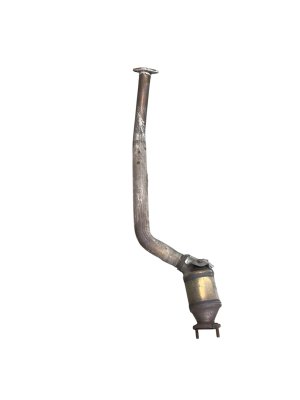
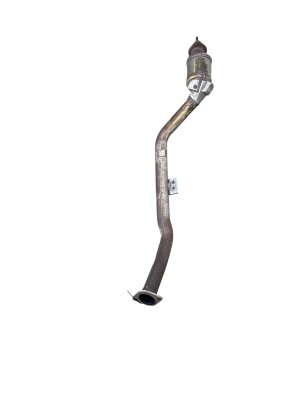
New Aftermarket Parts Available
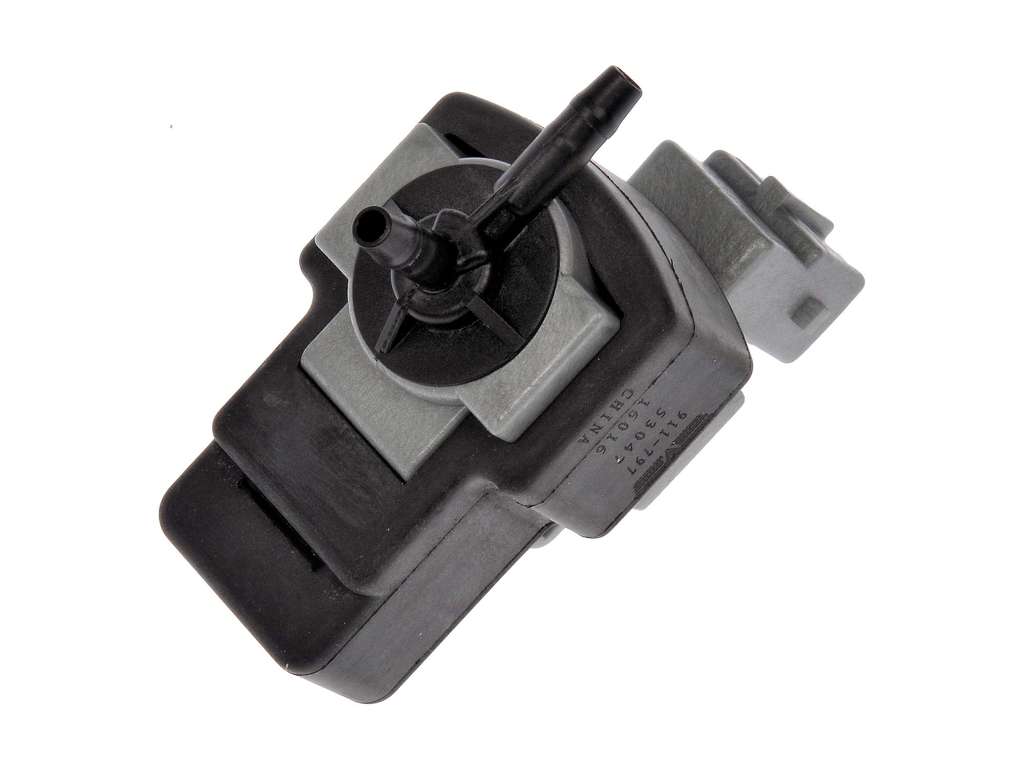

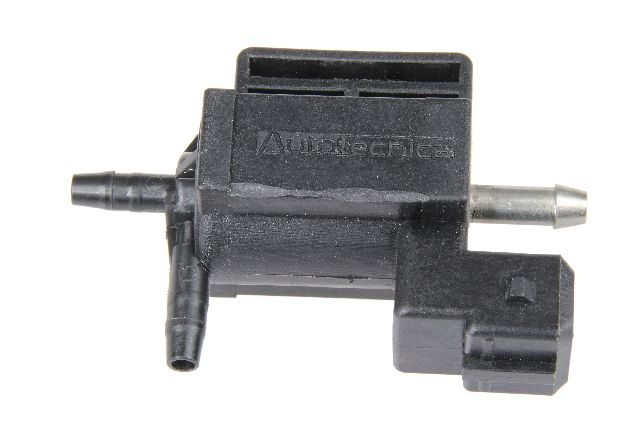

The information in this article is provided for general reference and educational purposes only. Vehicle specifications, procedures, and part compatibility can vary by production date, trim level, and region. Always consult your vehicle's factory service manual and verify part numbers before purchasing or performing repairs. Safety-critical components such as airbags, seat belts, and braking systems should be installed by a qualified professional.
- Genesis G80:
- 🧭 Diagnostic Flowchart
- 🎬 Helpful Videos
- 🛍️ Shop This Part
- What's Unique About the 2018-2020 Genesis G80
- Symptoms You May Notice
- Most Likely Causes
- Rare But Worth Checking
- Diagnosis Steps
- Parts You'll Likely Need
- Related Codes That Often Appear With This One
- Technical Service Bulletins (TSBs) & Recalls
- Platform-Specific Known Issues
- Mechanic-Grade Diagnostic Values
- Scan Tool Commands That Help
- Wiring & Ground Locations
- Real Owner Repair Stories
- OEM Part Supersession History
- Used vs. New Parts: Buying Guide for This Vehicle
- Real Owner Stories
- Kia Stinger GT (3.3T)
- 2022 Genesis G70 (3.3T)
- Kia Stinger GT (3.3T)
- Related OBD-II Codes
- Frequently Asked Questions
- 🎟️ Get 5% Off