

P0300 on 2008-2015 Chevrolet Tahoe: Random Misfire Causes and Fixes
P0300 on a 2008-2015 Tahoe indicates random engine misfires. While often caused by simple issues like worn spark plugs or bad ignition coils, it is frequently a symptom of failing Active Fuel Management (AFM) lifters, a more serious and expensive repair common to these GM V8 engines. Oil consumption and a ticking noise are common precursors to this failure.
- P0300 signifies a random misfire that the computer can't pin to a single cylinder.
- Always start diagnosis with the basics: inspect spark plugs, ignition coils, and wires for wear or damage.
- On 2008-2015 Tahoes with V8 engines, be highly suspicious of the Active Fuel Management (AFM) system. A failing AFM lifter is a very common, though expensive, cause of this code.
- A flashing check engine light is a critical warning. Stop driving to prevent catastrophic damage to your catalytic converters.
- The "Service StabiliTrak" message is a common side effect of an engine misfire and does not usually indicate a fault with the traction control system itself.
What's Unique About the 2008-2015 Chevrolet TAHOE

The V8 engines in this generation of Tahoe, particularly the common 5.3L and 6.2L, are equipped with Active Fuel Management (AFM), also known as Displacement on Demand (DOD). This system deactivates cylinders 1, 4, 6, and 7 under light loads to save fuel but is a well-documented source of problems. The special hydraulic AFM lifters can stick, collapse, or break due to issues with oil pressure, aeration, or internal pin damage. This failure is a primary cause of P0300 misfires on these trucks, a problem confirmed by numerous owner complaints and forum discussions. An owner complaint filed with the NHTSA directly links P0300 to "MULTIPLE CYLINDER MISFIRE FROM ACTIVE FUEL MANAGEMENT SYSTEM." [ODI #11058394] Another key component is the Valve Lifter Oil Manifold (VLOM), which directs oil to the lifters; its solenoids or filter screen can also fail, contributing to the problem.
Diagnostic Flowchart

Tap your situation to follow the diagnostic path that matches what you're seeing on this vehicle.
Generation note: This range covers the end of the 3rd generation (GMT900, 2008-2014) and the first year of the 4th generation (K2XX, 2015). Both generations feature V8 engines with Active Fuel Management (AFM), and the common causes for P0300 are largely the same, especially issues related to AFM lifters, spark plugs, and coils. The AFM system is the most critical and shared point of failure leading to P0300 across these years. The 2015 model year introduced the new EcoTec3 engine family, which included direct injection and revised AFM, but the underlying lifter issues could still occur.
Symptoms You May Notice

- Rough or shaky idle
- Hesitation or stumbling during acceleration
- Flashing Check Engine Light (CEL)
- Solid Check Engine Light
- "Service StabiliTrak" or "Service Traction Control" message on the dash
- Noticeable loss of engine power
- Reduced fuel economy
- Engine ticking or tapping noise that may change with RPM
- Replacing only one spark plug or coil when others are near the end of their service life.
- Replacing oxygen sensors or the mass airflow sensor without confirming they are faulty; these parts are more likely to be affected by the misfire, not the cause of it.
- Assuming the "Service StabiliTrak" message means there is a problem with the stability control system itself; this warning is often triggered as a secondary effect of a significant engine misfire that the ECM cannot resolve.
Most Likely Causes

- Failed Active Fuel Management (AFM/DOD) Lifters 🔴 High Probability → Shop Engine Valve Lifter The AFM system in the 5.3L and 6.2L V8s uses special lifters that can collapse or get stuck, causing misfires, especially on cylinders 1, 4, 6, and 7. This is a widely known issue for this platform, often preceded by increased oil consumption and a distinct ticking noise. The failure can be caused by low oil pressure, dirty oil, or inherent design flaws in the lifters' locking pins. An NHTSA owner complaint explicitly cites this as the cause. [ODI #11058394]
How to confirm: Diagnosis is complex. A ticking or chirping noise from the top of the engine is a common symptom. A mechanic will remove the valve covers and run the engine to visually inspect for rocker arms that are not moving, which indicates a collapsed lifter. A compression test may also show low compression on the affected cylinder. In some cases, the misfire only occurs when the AFM system activates. A professional scan tool like a Tech 2 or GDS2 can be used to monitor misfire data and command the AFM system on and off to isolate the fault.
Typical fix: Requires replacing the faulty lifters, lifter guides, and often the camshaft if it has been damaged by the failed lifter. The Valve Lifter Oil Manifold (VLOM) is also frequently replaced. Many owners opt to install an AFM-delete kit at this time to prevent future failures, which involves replacing the AFM lifters with standard lifters, a new camshaft, and reprogramming the ECM. This is a labor-intensive and expensive repair. 🎬 See this walkthrough on how to replace failed AFM lifters.
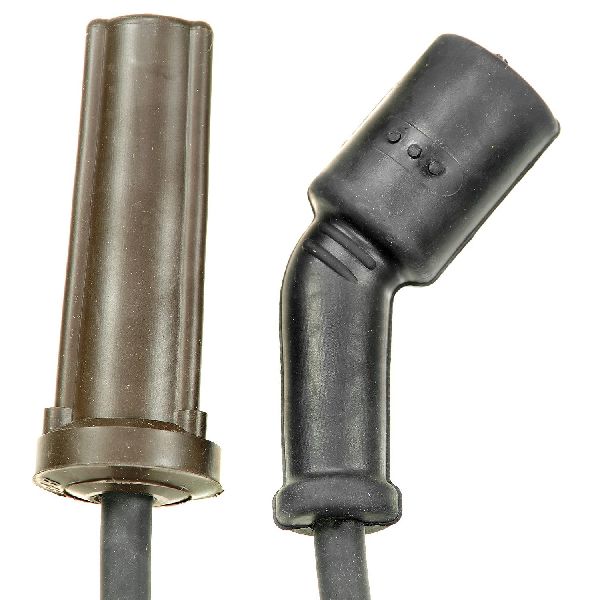
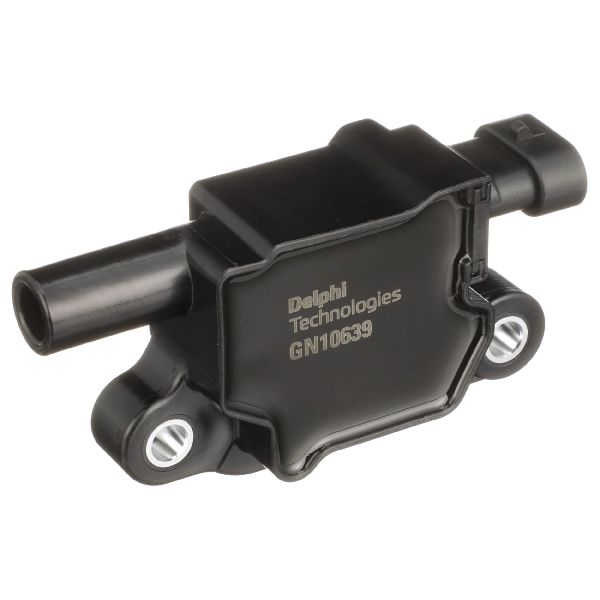
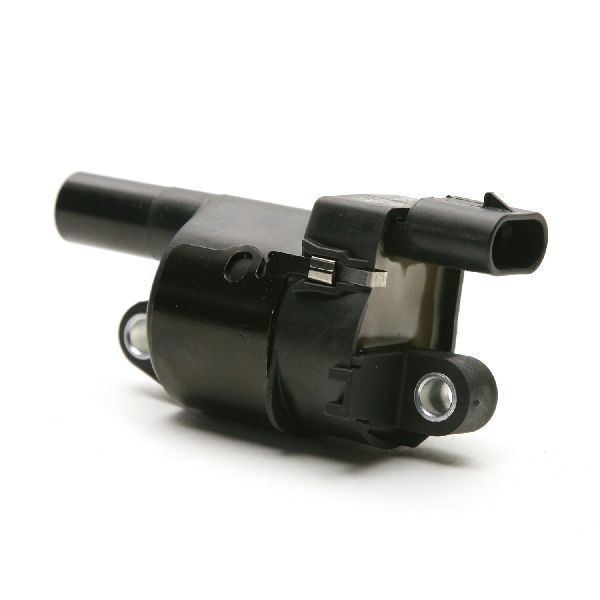
Est. part cost: $500-$2000 (Higher end includes AFM delete kit and camshaft) - Worn Spark Plugs or Defective Ignition Coils/Wires 🔴 High Probability → Shop Ignition Coil These are standard maintenance items. Oil consumption caused by the AFM system can foul spark plugs, particularly on cylinder #7, shortening their life. Using quality OEM-spec parts (like ACDelco) is crucial, as these engines can be sensitive to aftermarket components.
How to confirm: Inspect spark plugs for wear, fouling (especially black and sooty from oil), or incorrect gap. A scan tool can monitor misfire data; swap a suspected bad coil with a coil from a non-misfiring cylinder to see if the misfire code follows the coil. A simple test for a bad coil is to unplug it while the engine is running; if the engine's idle doesn't change, the coil is likely bad. Resistance can be tested with a multimeter: primary resistance should be 0.4-2 ohms, and secondary resistance should be 6,000-10,000 ohms.
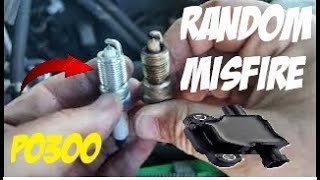
Typical fix: Replace all spark plugs and/or the faulty ignition coil(s) and wires. It is best practice to replace plugs as a set. 🎬 Watch: How to change your spark plugs like a pro. Using the correct OEM plugs is recommended.
Est. part cost: $80-$350 - Vacuum Leak 🟡 Medium Probability The PCV system is a common culprit. The driver-side valve cover has an integrated, non-serviceable PCV valve that can fail, allowing oil into the intake and fouling plugs. Cracked intake manifold gaskets and other PCV hoses can also become brittle and crack over time, allowing unmetered air to enter the engine.
How to confirm: A mechanic will use a smoke machine to pressurize the intake system and visually identify where smoke is escaping. Listening for a hissing sound around the engine bay at idle can also sometimes reveal a leak. A dislodged PCV hose is a simple but common cause.
Typical fix: Replace the leaking gasket, hose, or the entire driver-side valve cover if the integrated PCV has failed.
Est. part cost: $20-$200 - Clogged or Dirty Fuel Injectors 🟡 Medium Probability → Shop Fuel Injector
How to confirm: A fuel injector balance test can be performed with a professional scan tool to see if all injectors are flowing at the same rate. Swapping an injector to another cylinder can also help see if the misfire follows.
Typical fix: Professional fuel system cleaning or replacement of the faulty injector(s).
Est. part cost: $50-$150 per injector
Rare But Worth Checking
- Internal Coolant Leak into Cylinder: A GM Technical Service Bulletin (TSB #PIP5498M) notes that P0300 can appear with code P050D on a cold start, accompanied by white smoke or a coolant smell from the exhaust. This can be caused by a porous cylinder head casting or a leak at the cylinder liner, allowing coolant into a cylinder. Diagnosis involves adding dye to the coolant, pressure testing the system overnight, and using a borescope to inspect the cylinder for coolant.
- Low Fuel Pressure: A weak fuel pump or clogged fuel filter can starve the engine for fuel, causing random misfires under load. A fuel pressure test is required to diagnose this. The Fuel Pump Driver Module (FPDM) can also be a point of failure.
- Bad Engine Ground: A poor ground connection for the engine block or cylinder head can cause erratic behavior and phantom misfires that are difficult to diagnose. One owner reported that a bad ground on the passenger bank caused the entire bank of cylinders to drop out intermittently. Key grounds to inspect on GMT900 trucks are G103 and G104.
Diagnosis Steps
- Read all stored trouble codes with an OBD-II scanner. Note any codes 🎬 Watch: Step-by-step guide to diagnosing and repairing a P0300 misfire. besides P0300, especially cylinder-specific (P0301-P0308) or P050D codes.
- Check engine oil level and condition. Low or dirty oil is a major contributor to AFM lifter failure.
- Use a scan tool with live data to view misfire counts for each cylinder. This can help narrow the issue down even if a specific P030x code isn't present. Pay close attention to AFM cylinders (1, 4, 6, 7).
- Perform a thorough visual inspection of the engine bay. Look for disconnected vacuum hoses (especially the PCV line), loose electrical connectors, or damaged ignition wires.
- Inspect the spark plugs. Check for wear, heavy carbon fouling (dry and black), or oil/coolant contamination. An oil-fouled plug on an AFM cylinder is a strong indicator of either a PCV issue or piston ring/lifter problems.
- Test the ignition system. Swap the ignition coil from a misfiring cylinder with one from a cylinder that is firing correctly. If the misfire follows the coil, the coil is bad.
- Check for vacuum leaks. Use a smoke machine to find leaks from the intake manifold gasket, PCV system, or brake booster hose.
- Test fuel pressure to ensure the fuel pump and regulator are functioning correctly.
- If AFM/DOD lifter failure is suspected (common on 5.3L/6.2L), listen for a distinct ticking sound from the valve covers. Advanced diagnosis requires removing the valve covers to check for loose rocker arms or arms that don't move while the engine is running, indicating a collapsed lifter.
- If symptoms point to an internal coolant leak (per TSB #PIP5498M), a cooling system pressure test and borescope inspection are needed.
Parts You'll Likely Need
- Spark Plugs
(OEM #ACDelco 41-162 (replaces 41-110))— These are a primary wear item. The original 41-110 was superseded by the 41-162 for Gen IV engines. Fouling from oil consumption related to AFM can shorten their life.
Trusted brands: ACDelco, NGK
OEM price range: $8-$15 per plug
Aftermarket price range: $5-$12 per plug - Ignition Coil
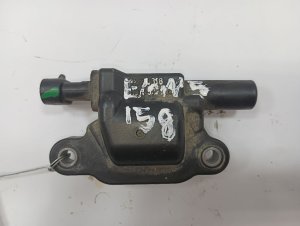
(OEM #ACDelco D510C (Superseded by 12611424, 12739916))— Ignition coils provide the high voltage spark. While durable, they can fail over time, causing misfires on their respective cylinders.
Trusted brands: ACDelco, DENSO, MSD
OEM price range: $75-$90 per coil
Aftermarket price range: $30-$60 per coil - AFM Lifters & Camshaft Kit — The root cause for many P0300 codes on this platform. A failed lifter often damages the camshaft, requiring both to be replaced. Many owners choose an AFM Delete kit instead of replacing with OEM AFM parts.
Trusted brands: General Motors (OEM), Melling, Texas Speed & Performance (Delete Kits)
OEM price range: $800-$1500 for lifters, guides, and cam
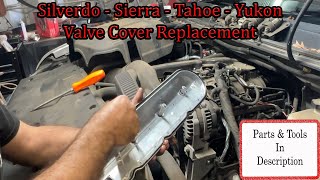
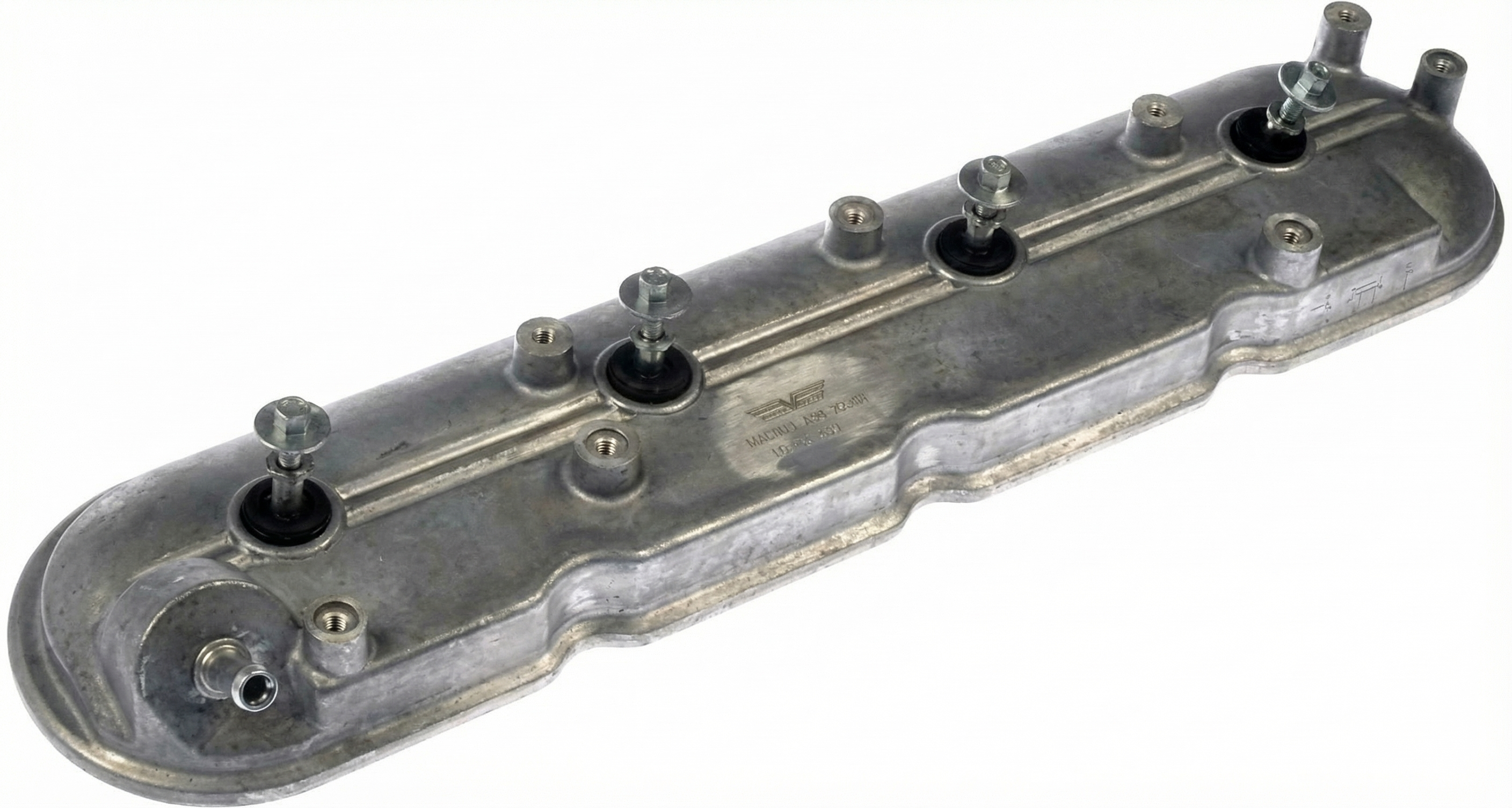
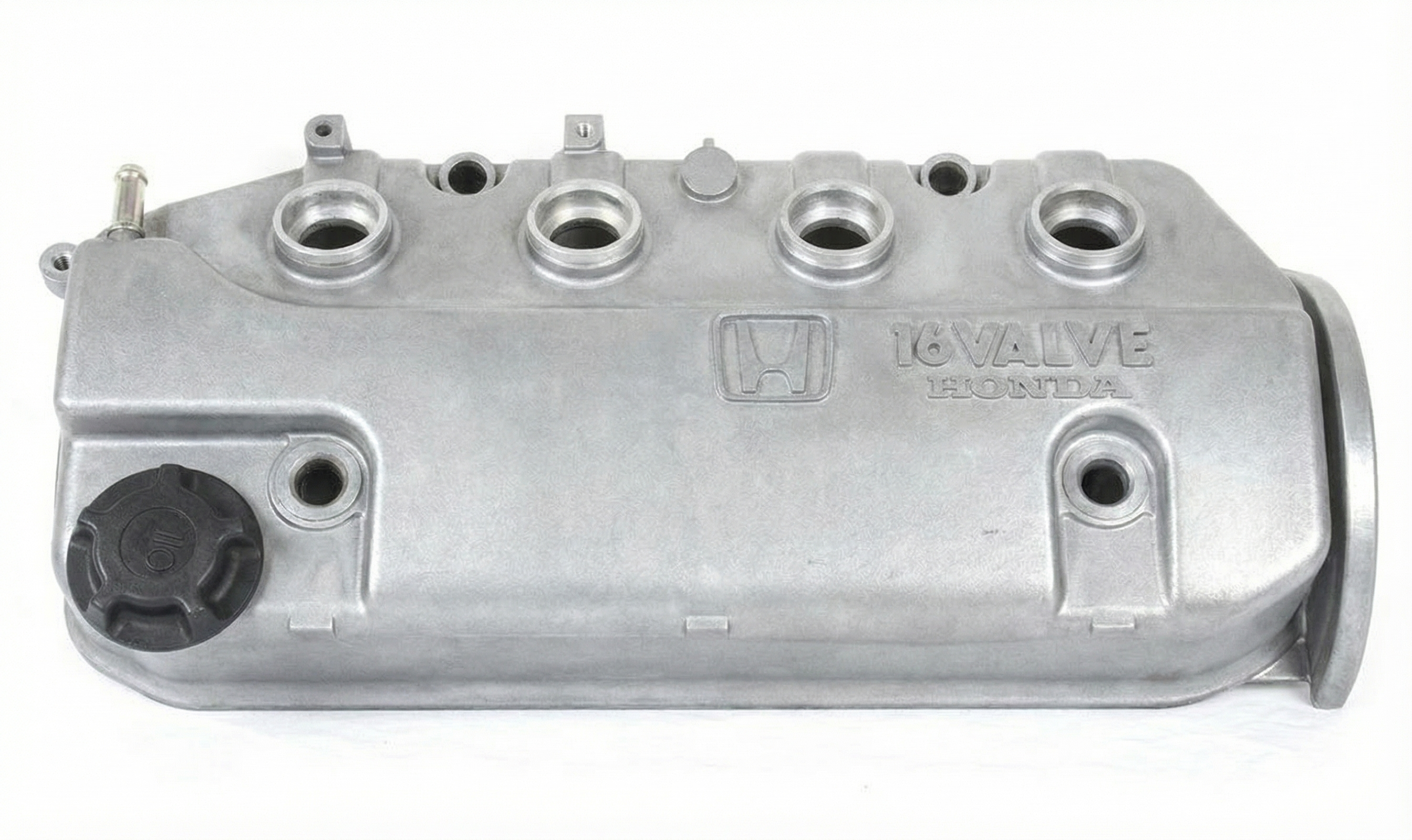
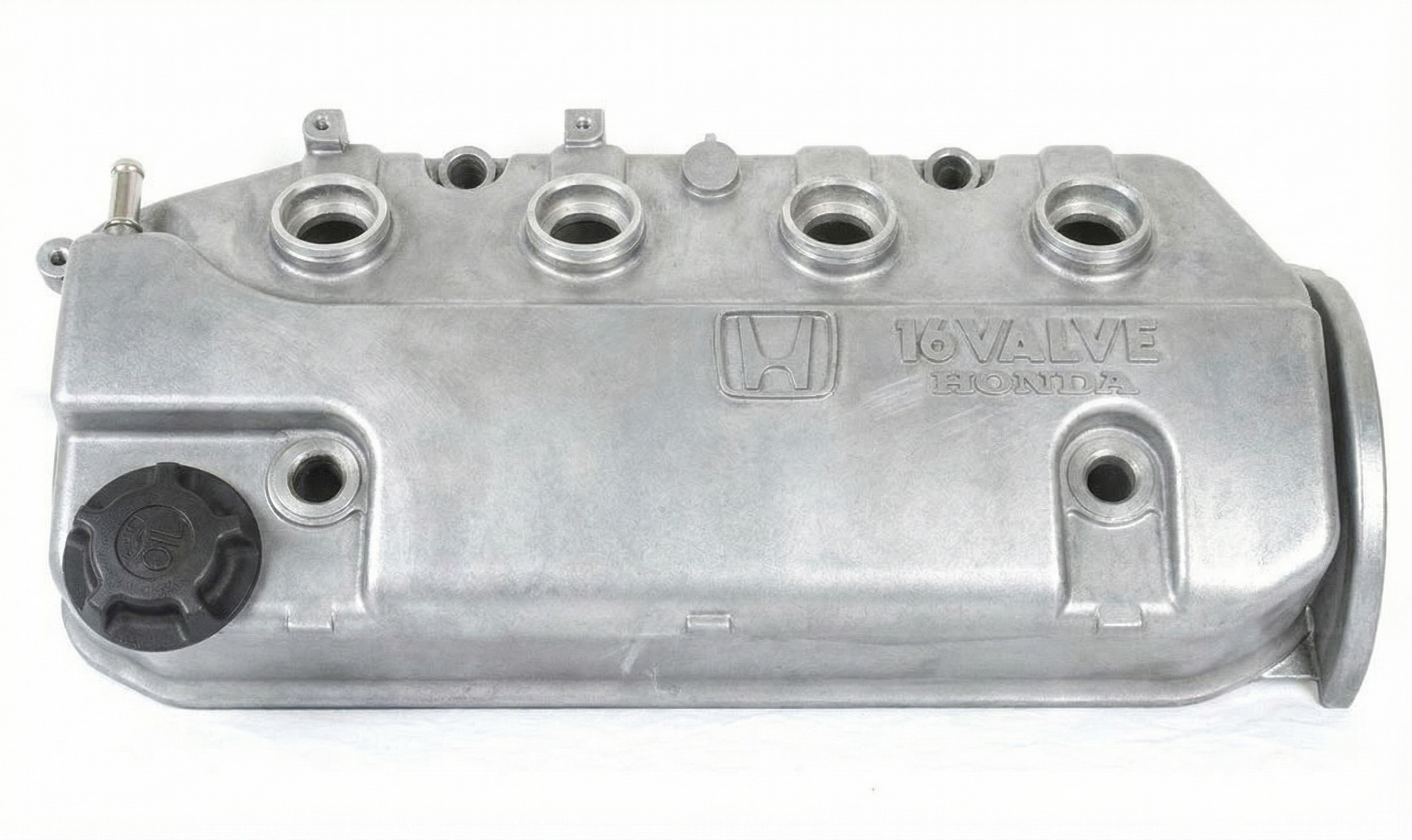
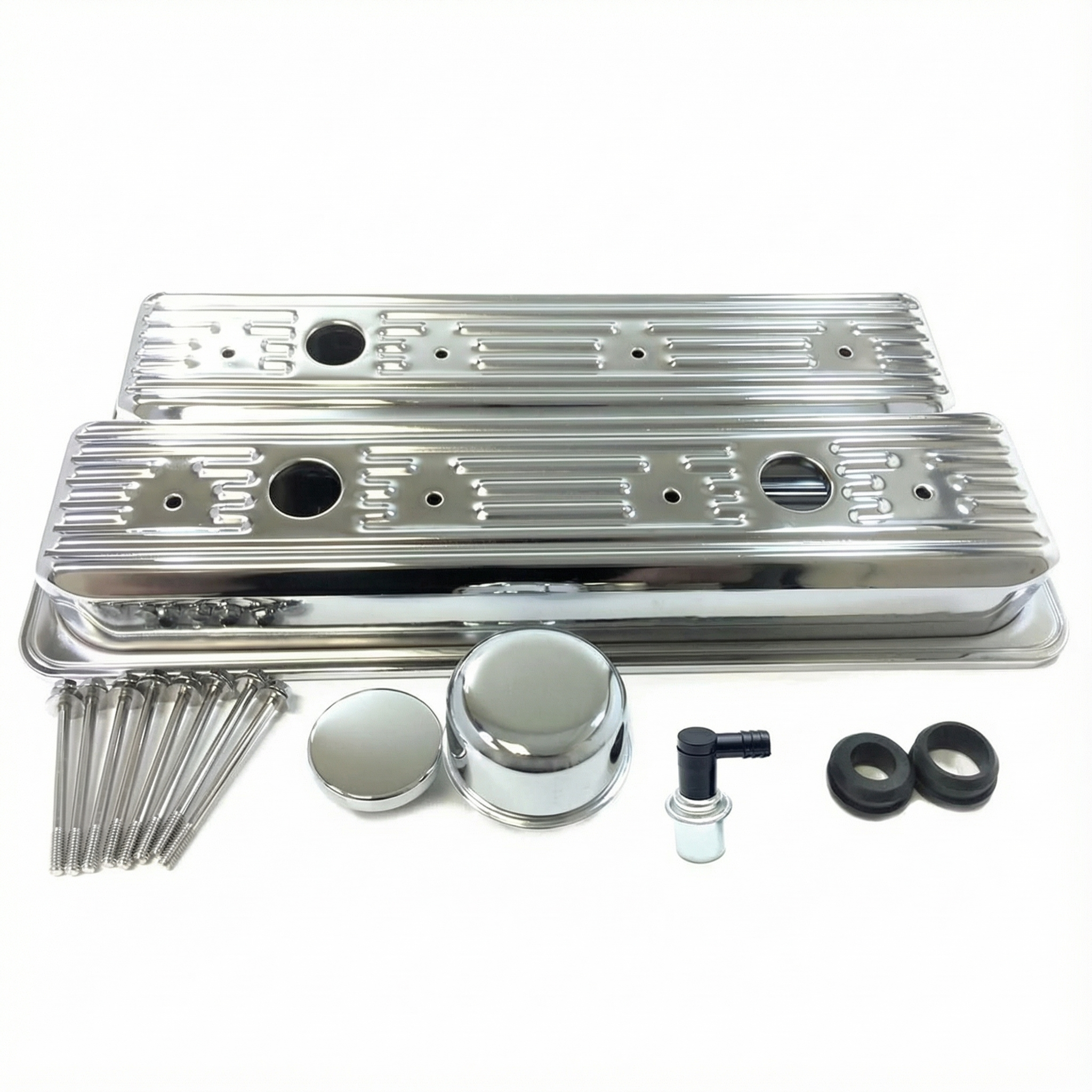
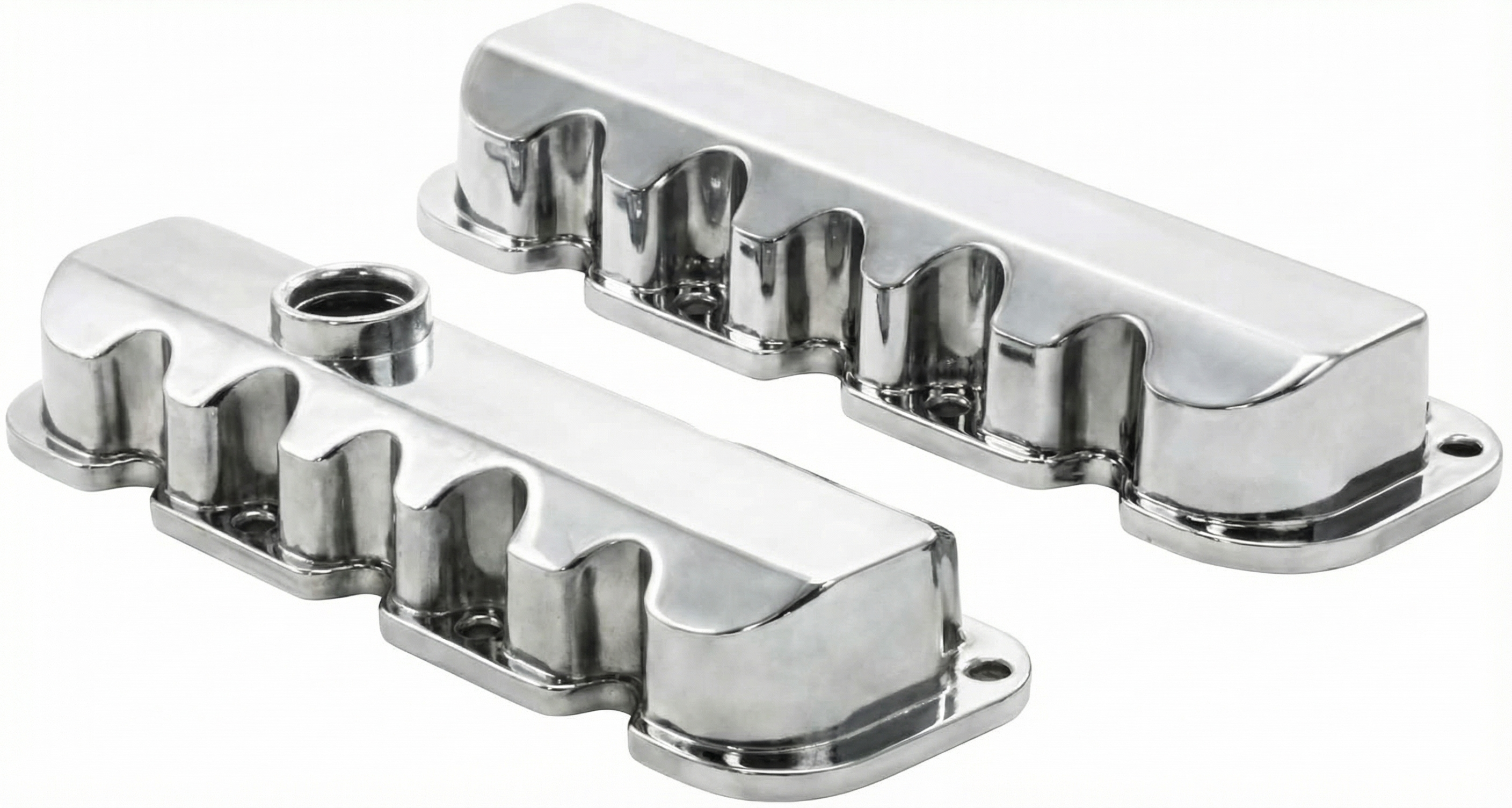
Aftermarket price range: $600-$2000 for a full delete kit - Driver Side Valve Cover — The PCV orifice is integrated into the driver-side valve cover and is not serviceable. If it clogs or fails, it can cause excessive oil consumption, fouling the #7 spark plug and leading to misfires. The entire cover must be replaced.
Trusted brands: General Motors (OEM), Dorman
OEM price range: $100-$150
Aftermarket price range: $60-$100
Related Codes That Often Appear With This One
- P0301-P0308 — If the random misfire becomes consistent on one or more specific cylinders, the ECM will set a code for each one (e.g., P0307 for cylinder 7, a common AFM cylinder).
- P050D — This code for 'Cold Start Rough Idle' often appears with P0300 when there is an internal coolant leak into a cylinder, as described in TSB #PIP5498M.
Technical Service Bulletins (TSBs) & Recalls
- PIP5498M: Addresses DTC P050D and P0300 on cold start, possibly with white smoke/coolant odor, due to coolant entering cylinders.
- PIP5628G: Provides diagnostic guidance for technicians when encountering misfire codes P0300-P0308 and/or P050D.
- PIP5298B: Discusses diagnosis for a Service Engine Soon light with a P0300 code and a rough running engine.
Platform-Specific Known Issues
- AFM System Oil Consumption: Before a lifter completely fails, the AFM system can contribute to significant oil consumption. This is partly due to the PCV system design and oil pressure changes during V4/V8 switching. This oil burning can foul spark plugs (especially cylinder 7) and lead to a P0300 code even before a mechanical tick is audible.
- VLOM (Valve Lifter Oil Manifold) Failure: This manifold sits under the intake and directs pressurized oil to the AFM lifters. It contains solenoids and a small filter screen. If the solenoids malfunction or the screen gets clogged with sludge, it can starve the lifters of oil, causing them to fail and triggering a P0300.
Mechanic-Grade Diagnostic Values
- Ignition Coil Primary Resistance — expected: 0.4 - 2.0 Ohms. Failure: A reading outside this range indicates a faulty coil.
- Ignition Coil Secondary Resistance — expected: 5,000 - 7,200 Ohms (Corvette specific, but a good baseline for LS-family). Failure: A reading outside this range suggests a faulty coil winding.
- Running Compression Test (for suspected collapsed lifter) — expected: 60 - 90 PSI at idle on a healthy cylinder. Failure: A significantly lower reading on a suspect cylinder compared to a known good cylinder points to a valve sealing or lifter issue.
Scan Tool Commands That Help
- GDS2 / Tech 2: Misfire Graphic / Misfire Data — To view live and historical misfire counts for each individual cylinder, which is essential for diagnosis when only a general P0300 code is present.
- GDS2 / Tech 2: Cylinder Deactivation (AFM) System Test — To manually command the engine into and out of V4 mode to see if the misfire only occurs when AFM is active. This is a key step in confirming an AFM-related component (lifter, VLOM solenoid) is the cause.
Wiring & Ground Locations
- G102 — Located at the left rear of the engine.. This is the ground for all 8 ignition coils. A poor connection here can cause weak spark or intermittent misfires across multiple cylinders.
- G103 — Located at the left rear of the engine compartment on the cowl, above the brake booster.. This grounds the Engine Control Module (ECM), Body Control Module (BCM), and other critical electronics. A bad ground here can cause a wide range of erratic issues, including phantom misfires and communication codes.
- G104 — On a stud at the rear of the passenger's side cylinder head (firewall side).. This grounds several components including the Vehicle Control Module and fuel pump relay trigger. A failure here can lead to various running issues.
- Engine Harness Chafe Point — Behind the driver's side wheelhouse liner, where the harness can rub against the ECM/TCM bracket, upper control arm, and shock tower bolt.. A GM TSB identifies this area as a common point for wires to chafe and short out, which can directly cause misfire codes (P0300) and other electrical faults by interrupting signals to coils or injectors.
Real Owner Repair Stories
- Tahoe Yukon Forum user 'iamdub' (2007-2014 era GM SUV with AFM) — P0300 code, erratic oil pressure gauge, random misfire on cylinder #5.
❌ Tried (didn't work) Replaced oil pressure sensor, Replaced spark plugs and wires, Used fuel system cleaner (Techron), Checked battery, alternator, and all grounds, Replaced #5 ignition coil, Replaced crankshaft position sensor
✅ What actually fixed it The owner discovered the misfire only occurred when the vehicle went into AFM (V4) mode. A specialist suggested a faulty solenoid in the VLOM. The owner had the ECM reprogrammed for $50 to permanently disable the AFM system, which completely solved the P0300 code. - Chevrolet Forum user (2011 Chevrolet Suburban 5.3L with 198,800 miles) — P0300 and P0305 codes, shudder around 50 mph when easing into the gas.
❌ Tried (didn't work) Replaced oil pressure sending unit and intake manifold gasket, Swapped ignition coil from cylinder 5 to 2 (code remained P0305), Swapped fuel injector from cylinder 5 to 8 (code returned as P0305), Replaced spark plugs and wires, Replaced cracked EGR tubes
✅ What actually fixed it The issue was an intermittently collapsing lifter on cylinder 7. The owner pulled the cylinder heads and replaced all of the lifters, which resolved the misfire codes and shuddering. - Reddit r/ChevyTrucks user (Unknown year Tahoe/Suburban with AFM) — P0300, rough idle, Service Traction Control & StabiliTrak warnings. Spark plug on cylinder #7 was black and fouled.
❌ Tried (didn't work) Replacing only the fouled #7 spark plug and wire provided a temporary fix for 12 months before the issue returned.
✅ What actually fixed it The consensus from other users was that the oil-fouled plug on an AFM cylinder (#7) is a classic symptom of a failing AFM lifter or related oil consumption issue. The recommended permanent fix was to either perform a full AFM delete (new lifters, camshaft, and tune) or, as a less expensive first step, install an AFM disabler device or tune to see if preventing the switch to V4 mode resolves the plug fouling.
OEM Part Supersession History
12571595 (and others)→12645725, 12689035 (and others for DFM)— GM has released several updated designs of the AFM/DOD lifter to improve reliability.
Heads up: Newer Dynamic Fuel Management (DFM) lifters (like HL-7025 from Elgin) are generally backward-compatible with older AFM systems, but original AFM lifters (like HL-7011) cannot be used in newer DFM engines.
Model Year Variations Within This Range
- 2015: The 2015 model year marked the switch to the K2XX platform and the new EcoTec3 engine family (L83 5.3L V8). This engine introduced direct injection, continuously variable valve timing, and a revised AFM system. While the fundamental cause of P0300 (lifter failure, coils, plugs) remains similar, the specific part numbers for components like injectors and the VLOM (now called a harness assembly) are different from the 2008-2014 GMT900 platform.
Helpful Videos
Used OEM Parts in Stock
New Aftermarket Parts Available


The information in this article is provided for general reference and educational purposes only. Vehicle specifications, procedures, and part compatibility can vary by production date, trim level, and region. Always consult your vehicle's factory service manual and verify part numbers before purchasing or performing repairs. Safety-critical components such as airbags, seat belts, and braking systems should be installed by a qualified professional.
- Chevrolet TAHOE:
- 🧭 Diagnostic Flowchart
- 🎬 Helpful Videos
- 🛍️ Shop This Part
- What's Unique About the 2008-2015 Chevrolet TAHOE
- Symptoms You May Notice
- Most Likely Causes
- Rare But Worth Checking
- Diagnosis Steps
- Parts You'll Likely Need
- Related Codes That Often Appear With This One
- Technical Service Bulletins (TSBs) & Recalls
- Platform-Specific Known Issues
- Mechanic-Grade Diagnostic Values
- Scan Tool Commands That Help
- Wiring & Ground Locations
- Real Owner Repair Stories
- OEM Part Supersession History
- Model Year Variations Within This Range
- 🎟️ Get 5% Off