

P0300 on 2011-2018 Chrysler 300: Random Misfire Causes and Fixes
On the 2011-2018 Chrysler 300, a P0300 code often points to more than just bad spark plugs or coils. While those are possible, a primary cause is often a severe mechanical failure in the valvetrain—specifically, failed rocker arms on the 3.6L V6 or failed lifters on the 5.7L HEMI. This is a costly repair, so listen carefully for an engine ticking noise, as this is a key symptom.
- A P0300 code on a 2011-2018 Chrysler 300 requires immediate and careful diagnosis.
- Listen for an engine ticking noise. This is the key symptom that separates a simple tune-up issue from a major, expensive mechanical failure.
- Do not simply replace spark plugs and coils if a ticking noise is present. You are likely ignoring a failing camshaft, lifter, or rocker arm.
- The specific mechanical failure differs by engine: rocker arms on the 3.6L V6 and lifters on the 5.7L V8.
- Due to the severity of potential engine damage, address a flashing check engine light by pulling over and shutting off the engine as soon as it is safe to do so.
What's Unique About the 2011-2018 Chrysler 300
For the 2011-2018 Chrysler 300, P0300 is a code that must be taken very seriously. While it can be caused by simple tune-up items, both the 3.6L Pentastar and 5.7L HEMI engines are known for specific valvetrain failures that lead to this code. On the 3.6L, the rocker arm bearings can fail, and on the 5.7L HEMI, the lifters (often related to the MDS system) can collapse. In both cases, the failed component stops rotating and grinds away the corresponding camshaft lobe, causing a persistent misfire and ticking noise. An owner complaint to the NHTSA (ODI #11255465) highlights this exact scenario, where a P0300 code was present despite the spark plugs and coils being fine, with the root cause being premature camshaft wear. For early 3.6L engines (2011-2013), Chrysler issued an extended warranty (X56) for the left cylinder head due to valvetrain issues that could cause misfires, including P0300.
Diagnostic Flowchart
Tap your situation to follow the diagnostic path that matches what you're seeing on this vehicle.
Symptoms You May Notice
- Flashing or solid Check Engine Light
- Rough, unstable, or shaking idle
- Engine hesitation or stumbling during acceleration
- Audible engine ticking or knocking noise, especially at idle
- Reduced engine power
- Noticeable smell of gasoline from the exhaust
- Engine stalling
- Loud rattle on startup that fades as oil pressure builds
- Replacing only spark plugs and ignition coils when a ticking noise is present. This ignores the very common and serious underlying mechanical camshaft/lifter/rocker arm failure, as described in NHTSA complaint ODI #11255465.
- Mistaking a faulty crankshaft position sensor for a fuel or ignition problem. A failing CKP sensor can cause stalling when hot and a P0300 code, which can be misdiagnosed as a fuel pump or other issue.
Most Likely Causes
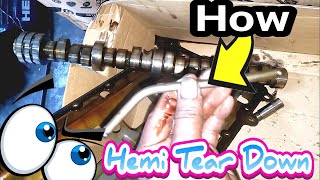
- Failed Camshafts, Lifters (5.7L HEMI), or Rocker Arms (3.6L Pentastar) 🔴 High Probability → Shop Engine Rocker Arm A well-documented issue on both engines. On the 5.7L HEMI, the needle bearings in the lifters fail, causing the roller to seize and grind the camshaft lobe. This is often linked to the MDS (Multi-Displacement System). 🎬 Watch: 5.7L Hemi engine teardown showing failed lifters and camshaft. On the 3.6L Pentastar, the rocker arm bearings fail, leading to the same type of camshaft damage. An NHTSA complaint (ODI #11255465) directly links P0300 to premature camshaft wear. Chrysler also issued an extended warranty (X56 / TSB 09-002-14) for the left cylinder head on 2011-2013 3.6L models for this type of failure.
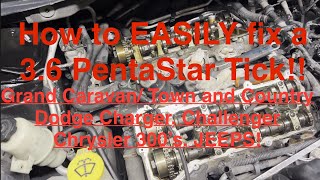
How to confirm: Listen for a distinct ticking or knocking sound from the top of the engine. A physical inspection, which requires removing the valve covers and intake manifold, is needed to see the damaged camshaft lobes and failed components. Check for excessive play in the rocker arm rollers. 🎬 Watch: Complete 3.6L Pentastar rocker arm and camshaft replacement guide. Before teardown, check for metal shavings in the engine oil and filter.
Typical fix: This is a major repair requiring replacement of the camshaft(s), all lifters or rocker arms on the affected bank(s), and often the head gaskets and other related seals. Metal shavings from the failure can contaminate the engine, sometimes requiring a full engine replacement. It is highly recommended to replace all lifters and rockers, not just the failed one, to prevent a repeat failure.
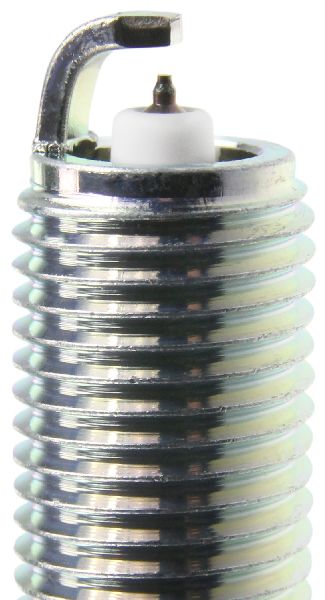
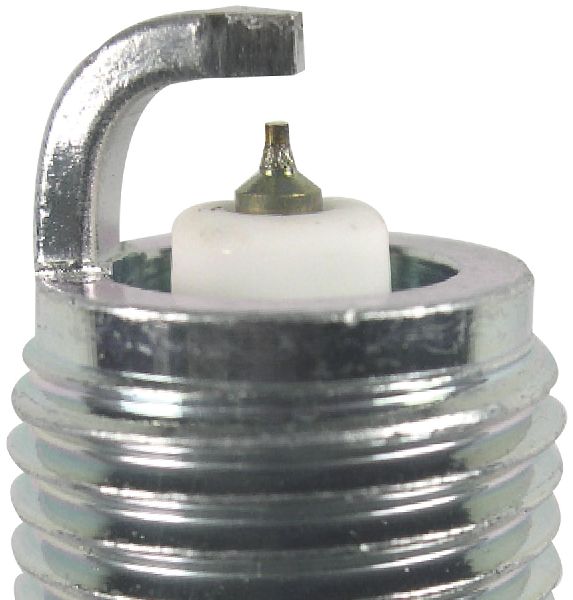
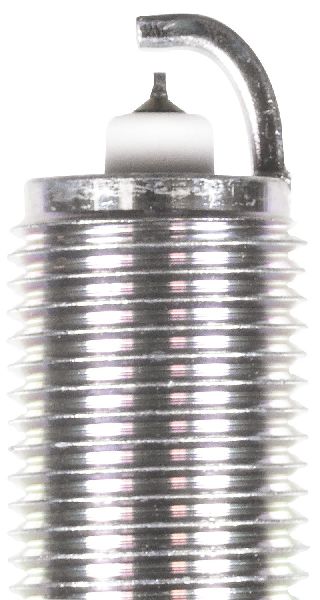
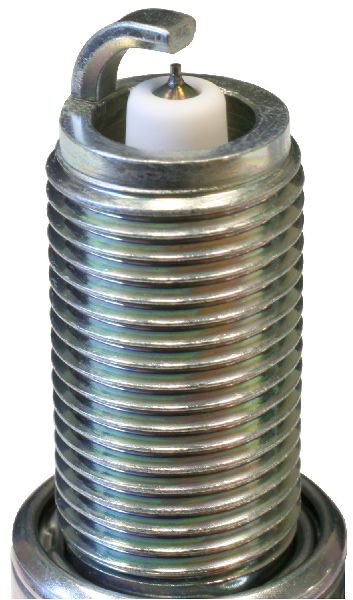
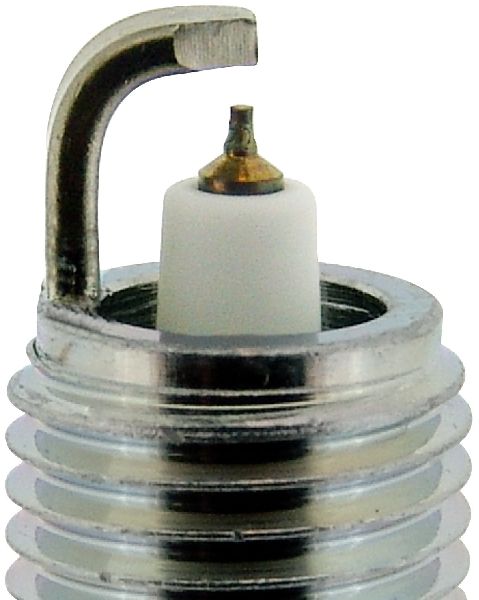
Est. part cost: $800-$2000+ - Worn or Incorrect Spark Plugs 🟡 Medium Probability → Shop Spark Plug Standard maintenance item. The 5.7L HEMI uses 16 plugs, increasing the chance of a failure and making replacement more costly.
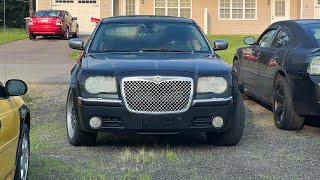
How to confirm: Inspect the spark plugs for wear, fouling, or damage. Check that they are the correct type for the engine (especially the 16-plug HEMI). A destroyed electrode is a clear sign of a problem. A YouTube repair video on a 3.5L 300 showed extremely worn plugs as the direct cause of a P0300. 🎬 See how worn spark plugs can cause stalling and misfires.
Typical fix: Replace all spark plugs. The 5.7L HEMI has 16 spark plugs (two per cylinder). Ensure the correct gap is set.
Est. part cost: $50-$150 - Faulty Ignition Coils 🟡 Medium Probability → Shop Ignition Coil
How to confirm: Use a scan tool with live data to see misfire counts per cylinder. Swap the suspected faulty coil with a coil from a known good cylinder. If the misfire code follows the coil (e.g., P0302 becomes P0304), the coil is bad.
Typical fix: Replace the faulty ignition coil.
Est. part cost: $40-$80 per coil - Clogged or Faulty Fuel Injectors ⚪ Low Probability → Shop Fuel Injector
How to confirm: Use a scan tool to perform a fuel injector balance test. You can also listen for the injector's clicking sound with a mechanic's stethoscope. A Reddit user with a P0300 on a 300C found the injectors to be the culprit after replacing plugs.
Typical fix: Clean or replace the faulty fuel injector(s).
Est. part cost: $50-$150 per injector - Vacuum Leak ⚪ Low Probability The PCV valve and its associated hose are common sources for vacuum leaks on these engines.
How to confirm: Visually inspect all vacuum hoses for cracks or disconnection, paying close attention to the PCV valve hose. A smoke test is the most effective way to find a leak in the intake manifold gasket or other hard-to-see areas.
Typical fix: Replace the leaking hose or gasket.
Est. part cost: $10-$100
Rare But Worth Checking
- Low Fuel Pressure: A weak fuel pump or clogged filter can affect all cylinders, leading to a random misfire condition.
- Faulty Crankshaft Position Sensor: → Shop Engine Crankshaft Position Sensor The sensor that detects misfires can itself be faulty, sending erratic signals to the PCM and causing a P0300 code without an actual mechanical misfire. This can be heat-sensitive, causing stalling after the car warms up. On the 5.7L HEMI, the sensor is located behind the starter, requiring its removal for replacement.
- Internal PCM Fault: Extremely rare, but TSB #1807320 mentions P0606 (Internal Control Processor) alongside P0300, indicating it's a possibility the PCM itself is the issue. Several TSBs also involve flashing the PCM with updated software to resolve false misfire detection.
- Cylinder Head Valve Seat/Guide Issues (3.6L): → Shop Engine Cylinder Head Primarily on 2011-2013 models, an issue with valve guides and seats on the left-side cylinder head led to poor sealing, compression loss, and misfires. This prompted Chrysler to issue TSB 09-002-14 and an extended warranty (X56) for the left cylinder head. Diagnosis requires a cylinder leak-down test; leakage over 25% warrants head replacement.
Diagnosis Steps
- Check for other diagnostic trouble codes (DTCs) with an OBD-II scanner. Note any cylinder-specific (P0301-P0308) or system codes like those for fuel/air imbalance or sensors.
- Listen carefully to the engine at idle. A distinct ticking or knocking noise from the top of the engine is a strong indicator of camshaft/lifter/rocker arm failure.
- If no noise is present, begin with basic ignition system checks. Inspect all spark plugs for wear, damage, or fouling. For the 5.7L HEMI, remember there are 16 plugs.
- Test the ignition coils. The easiest method is to swap a coil from a misfiring cylinder (if identified via scan tool live data) with one from a good cylinder and see if the misfire follows the coil.
- Check the fuel system. Verify fuel pressure is within specification. Listen to each fuel injector with a stethoscope to ensure it is clicking.
- Check for vacuum leaks. Visually inspect all hoses connected to the intake manifold, especially the PCV system. For a thorough check, perform a smoke test.
- If a ticking noise is present, the next step is a mechanical inspection. Check the engine oil and filter for metallic debris. If metal is found, it strongly suggests valvetrain failure. Proceed with removing the valve cover(s) to visually inspect the camshaft lobes and rocker arms (3.6L) or lifters (5.7L). Look for scored/worn lobes and broken rocker arm bearings or collapsed lifters.
- If no obvious mechanical fault is found, consider less common causes. Test the crankshaft position sensor; its signal can be monitored with an adva
Parts You'll Likely Need
- Camshaft(s) — Required if the lobes are damaged by failed lifters or rocker arms, a common cause of P0300 on these engines.
Trusted brands: Mopar
OEM price range: $250-$500 per camshaft
Aftermarket price range: $150-$350 per camshaft - Hydraulic Roller Lifters (5.7L HEMI)
(OEM #5038784AD (Non-MDS Hellcat lifter, often used as an upgrade))— The needle bearings in the original lifters are a known failure point. They should be replaced as a set if a camshaft is replaced. Many owners perform an 'MDS delete' using non-MDS lifters for improved durability.
Trusted brands: Mopar, Sealed Power, COMP Cams
OEM price range: $200-$400 for a set
Aftermarket price range: $150-$300 for a set - Rocker Arms (3.6L Pentastar)
(OEM #5184296AH (Supersedes multiple previous versions))— The roller bearings in the original rocker arms are a common failure point, causing ticking and camshaft wear. It is recommended to replace all 24 when performing the repair.
Trusted brands: Mopar, Melling
OEM price range: $15-$25 per rocker
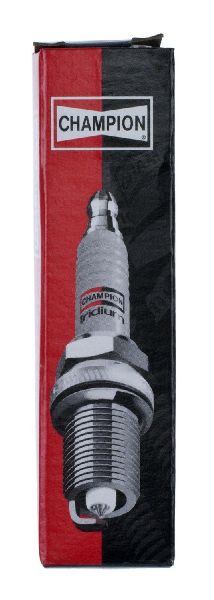
Aftermarket price range: $10-$20 per rocker - Spark Plugs — A basic tune-up item and a common cause of misfires. The 5.7L HEMI requires 16 plugs.
Trusted brands: NGK, Champion
OEM price range: $8-$15 per plug
Aftermarket price range: $4-$10 per plug
Related Codes That Often Appear With This One
- P0301-P0308 — These are cylinder-specific misfire codes. P0300 may appear first, and as the problem worsens on a specific cylinder, a code like P0302 (Cylinder 2 Misfire) will set.
- P219A / P219B — Bank 1 or Bank 2 Air-Fuel Ratio Imbalance. A whole bank of cylinders running lean or rich due to a vacuum leak or fuel issue can cause random misfires. This is cited in TSB #1807320.
- P0456 — EVAP System Small Leak. While not directly related to the engine's combustion, Chrysler TSBs #1809416 and #18-094-16 list this code alongside P0300 as part of a software update for the PCM to correct false DTCs.
- P0520 — Engine Oil Pressure Sensor Circuit. Failing lifters are often attributed to oil pressure issues, and a faulty sensor can either be a contributing cause or a related symptom.
Technical Service Bulletins (TSBs) & Recalls
- 09-002-14: Details the diagnosis for P0300, P0302, P0304, P0306 on 2011-2013 3.6L engines, instructing technicians to perform a cylinder leak-down test and replace the left cylinder head if leakage exceeds 25%. This is related to the X56 extended warranty.
- D-14-12 (X56 Warranty Extension): Announces the extended warranty for the 3.6L left cylinder head to 10 years/150,000 miles for multiple 2011-2013 vehicles, including the Chrysler 300, due to quality issues causing misfires.
- 18-094-16: A PCM software update to address several falsely set DTCs, including P0300 (Multiple Misfire) and P0456 (EVAP Small Leak).
- 18-070-16: Another PCM software update for various issues, including P0300, indicating that some misfire codes can be software-related.
- 1807320: Mentions P0300 alongside P0606 (Internal Control Processor) and P219A/B (Air-Fuel Imbalance), suggesting the PCM may flag multiple issues at once.
Platform-Specific Known Issues
- NHTSA Complaint ODI #11255465: An owner of a 2011 model reported a P0300 code, engine shaking, knocking, and a smell of gasoline. They noted that the spark plugs and coils were fine, and the root cause was premature camshaft/lifter wear.
- 5.7L HEMI Lifter Failure: The Multi-Displacement System (MDS) lifters are a known point of failure. The internal needle bearings can disintegrate, causing the lifter's roller to stop spinning and grind a flat spot on the camshaft lobe, leading to a misfire and ticking noise.
- 3.6L Pentastar Rocker Arm Failure: The bearings on the rocker arms (cam followers) are known to fail, especially on the earlier Pentastar engines. This causes the rocker to collapse, leading to a ticking noise and subsequent damage to the camshaft lobe.
Mechanic-Grade Diagnostic Values
- Fuel Injector Resistance (3.6L Pentastar) — expected: Approximately 12.0 - 12.5 Ohms. Failure: A reading significantly higher (e.g., over 20 Ohms) or lower (open/short) indicates a bad injector. One real-world example showed a failed injector reading 63.2 Ohms.
- Ignition Coil Primary Resistance — expected: 0.4 - 2.0 Ohms. Failure: A reading outside this range suggests a faulty primary winding in the coil.
- Ignition Coil Secondary Resistance — expected: 6,000 - 10,000 Ohms (6kΩ - 10kΩ). Failure: A reading outside this range indicates a problem with the secondary winding.
- Fuel Pressure (Both 3.6L & 5.7L) — expected: 55 - 60 PSI at the fuel rail. Failure: Pressure that drops significantly under load (e.g., below 45 PSI) points to a weak fuel pump or clogged filter.
Hidden / Shadow Codes Worth Checking
- Mode $06, Test IDs $A2-$AB: This is not a DTC, but a function within a professional scan tool. It allows viewing of non-continuous monitor test results, including the raw misfire count for each cylinder (Cylinder 1 is $A2, Cylinder 2 is $A3, etc.). A high count on multiple cylinders can point to the source of a P0300 before a cylinder-specific code is set. (see via A professional-grade OBD-II scanner with Mode $06 functionality is required.)
Scan Tool Commands That Help
- WiTECH, Appcar DiagFCA, or other professional scanner: Cam/Crank Relearn — This procedure is required after replacing the crankshaft position sensor, camshaft position sensor, or performing any timing chain service. It synchronizes the sensors with the PCM. Failure to perform this can cause rough running or a no-start condition. The engine must be warmed up to over 158°F (70°C) for the routine to execute.
- Professional scanner with bidirectional controls: Cylinder Contribution Test / Injector Kill — This function allows the technician to disable one fuel injector at a time. If disabling an injector causes no change in engine RPM, that cylinder was not contributing (misfiring) in the first place. This helps isolate a misfire that isn't setting a specific P030x code.
Wiring & Ground Locations
- G300 — Below the driver's side (left) 'B' pillar trim.. This is a major interior body ground. While not a direct engine ground, poor grounding here can cause electrical interference or issues with modules inside the cabin that communicate with the PCM.
- G304 — Mentioned in wiring diagrams for the chassis, often near the B-pillars or under the center console area.. Serves as a grounding point for various interior modules and sensors; a fault could potentially introduce electrical noise affecting PCM operation.
- Passenger-side shock tower ground — A ground stud located on the passenger side shock tower in the engine bay.. This is a critical engine bay ground point. A loose or corroded connection here can directly impact PCM and sensor performance, potentially causing erratic behavior and misfire codes.
Real Owner Repair Stories
- Reddit user on r/Chrysler300 (Chrysler 300C (model year not specified)) — P0300 random misfire, flashing check engine light.
❌ Tried (didn't work) Replacing spark plugs
✅ What actually fixed it The problem was caused by faulty fuel injectors. Replacing all of them resolved the P0300 code. - YouTube video on a Jeep Wrangler (same engine) (2015 Jeep Wrangler 3.6L Pentastar) — P0303 (Cylinder 3 misfire) that could present as a random misfire.
❌ Tried (didn't work) Swapping ignition coil with another cylinder, Swapping spark plug with another cylinder
✅ What actually fixed it An Ohm test revealed the cylinder 3 fuel injector had a resistance of 63.2 Ohms, while a good injector measured 12.2 Ohms. Replacing the faulty injector fixed the issue. - NHTSA Owner Complaint ODI #11255465 (2011 Chrysler 300) — P0300 and P0303 codes, engine shaking and knocking, smell of gasoline.
❌ Tried (didn't work) The owner states that spark plugs and coils were checked and found to be fine.
✅ What actually fixed it The root cause was identified as premature camshaft and lifter wear ('wiped' camshaft). This is a direct confirmation of the common mechanical failure on these engines.
"I Checked Everything" — The Actual Cause
- A common scenario is a P0300 code accompanied by lean codes (P219A/P219B) where a smoke test reveals no vacuum leaks. In this case, the unmetered air is not the cause. The actual cause is often on the fuel delivery side, such as a weak fuel pump unable to provide adequate pressure (e.g., dropping below 55 PSI under load) or multiple clogged fuel injectors. Another cause that a smoke test would miss is carbon buildup on the back of the intake valves, which can absorb fuel spray and disrupt the air/fuel mixture, causing misfires.
When the Usual Fixes Don't Work
- While worn spark plugs and bad coils are a common cause for P0300 on many vehicles, on the 2011-2018 Chrysler 300 they should not be the default diagnosis, especially if a ticking noise is present. NHTSA complaint ODI #11255465 details a case where P0300 was present, but the plugs and coils were fine; the root cause was a destroyed camshaft. Similarly, a Reddit user confirmed their P0300 was only resolved after replacing all fuel injectors, a step taken after a spark plug replacement failed to fix the issue. These cases highlight the necessity of looking beyond basic tune-up parts for this specific platform.
OEM Part Supersession History
5184296AD, 5184296AE, 5184296AF, 5184296AG→5184296AH— This is the valve rocker arm for the 3.6L Pentastar engine. The multiple revisions suggest ongoing design improvements to address the common issue of bearing failure which leads to ticking and misfires.
Model Year Variations Within This Range
- 2011-2013: These early 3.6L Pentastar engines were known for a specific valve seat/guide issue on the left-side cylinder head, which could cause compression loss and lead to P0300 and other misfire codes. Chrysler issued TSB 09-002-14 and an extended warranty (X56) to address this, often requiring cylinder head replacement.
- 2014-2016: During this period, which includes the 2015 model year refresh, Chrysler issued several software updates for the Powertrain Control Module (PCM). TSBs like #18-094-16 specifically address reprogramming the PCM to prevent false or intermittent P0300 codes, indicating a focus on refining diagnostic sensitivity. [TSB #1809416]
Helpful Videos
We Have This Part in Stock

The information in this article is provided for general reference and educational purposes only. Vehicle specifications, procedures, and part compatibility can vary by production date, trim level, and region. Always consult your vehicle's factory service manual and verify part numbers before purchasing or performing repairs. Safety-critical components such as airbags, seat belts, and braking systems should be installed by a qualified professional.
- Chrysler 300:
- 🧭 Diagnostic Flowchart
- 🎬 Helpful Videos
- 🛍️ Shop This Part
- What's Unique About the 2011-2018 Chrysler 300
- Symptoms You May Notice
- Most Likely Causes
- Rare But Worth Checking
- Diagnosis Steps
- Parts You'll Likely Need
- Related Codes That Often Appear With This One
- Technical Service Bulletins (TSBs) & Recalls
- Platform-Specific Known Issues
- Mechanic-Grade Diagnostic Values
- Hidden / Shadow Codes Worth Checking
- Scan Tool Commands That Help
- Wiring & Ground Locations
- Real Owner Repair Stories
- "I Checked Everything" — The Actual Cause
- When the Usual Fixes Don't Work
- OEM Part Supersession History
- Model Year Variations Within This Range
- 🎟️ Get 5% Off