

P0300 on 2019-2023 Chrysler 300: Random Misfire Causes and Fixes
P0300 on a Chrysler 300 indicates a random misfire. While common causes like spark plugs or ignition coils should be checked first, be aware of engine-specific issues. On the 3.6L V6, this code can point to failing rocker arms/lifters. On the 5.7L/6.4L V8 HEMI, it's a classic symptom of camshaft and lifter failure.
- P0300 means your engine is misfiring on multiple cylinders, which requires immediate attention.
- Always check the basics first: spark plugs and ignition coils are the most likely culprits and the easiest to fix.
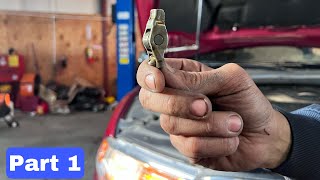
- For the 3.6L V6, listen for a ticking noise. It could be failing rocker arms, a known issue.
- For the 5.7L/6.4L V8, a ticking noise is a serious warning sign of potential camshaft and lifter failure, a common and expensive repair.
- Don't ignore other codes. If you see a P00C6, focus your diagnosis on the fuel delivery system, as recommended by a factory TSB.
What's Unique About the 2019-2023 Chrysler 300
While any car can get a P0300 from bad spark plugs, the Chrysler 300's primary engines have well-documented mechanical weaknesses that directly cause this code. For the 3.6L Pentastar V6, P0300 is often a symptom of failing valvetrain components, specifically the rocker arms and lifters, which can seize or wear prematurely, causing a ticking noise and misfires. For the 5.7L and 6.4L HEMI V8s, P0300 is the notorious warning sign for camshaft and lifter failure, often called the 'Hemi Tick,' where the lifter's roller bearing fails, seizes, and destroys the camshaft lobe. Additionally, a manufacturer TSB specifically links P0300 to low fuel rail pressure (P00C6), pointing towards a potential fuel delivery issue. [⭐ MANUFACTURER TSB — highest authority]
Diagnostic Flowchart
Tap your situation to follow the diagnostic path that matches what you're seeing on this vehicle.
Symptoms You May Notice
- Rough or shaking idle
- Hesitation or stumbling during acceleration
- Noticeable loss of engine power
- Flashing or steady Check Engine Light
- Poor fuel economy
- Engine may be difficult to start
- Audible ticking or tapping noise from the engine bay
- Replacing only oxygen sensors without checking fuel delivery or mechanical engine health.
- Replacing only one spark plug or coil when a full set is due, leading to recurring misfires on other cylinders.
- On HEMI engines, mistaking the 'Hemi Tick' of lifter failure for a broken exhaust manifold bolt. A broken bolt tick is loud on cold start but typically disappears as the engine warms up and the metal expands, whereas a lifter tick persists or worsens.
Most Likely Causes
- Worn Spark Plugs or Faulty Ignition Coils 🔴 High Probability → Shop Ignition Coil These are standard maintenance items. The 5.7L HEMI uses 16 spark plugs (two per cylinder), increasing the chance of a failure. Incorrect or poor quality plugs can also cause misfires.
How to confirm: Inspect spark plugs for wear, fouling, or damage. A video shows a case where incorrect and completely destroyed spark plugs were the cause of a P0300. 🎬 Watch: How a simple spark plug fix resolved a rough idle. Swap an ignition coil from a known good cylinder to a misfiring one (if a specific cylinder code like P030X is also present) and see if the misfire follows the coil.
Typical fix: Replace all spark plugs as a set. Replace the faulty ignition coil(s).
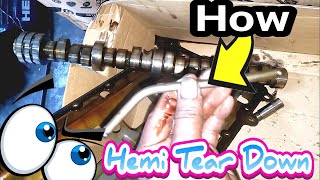
Est. part cost: $50-$200 for spark plugs; $40-$80 per ignition coil. - Engine Mechanical Failure (Varies by Engine) 🟡 Medium Probability The 3.6L Pentastar is known for rocker arm and lifter failure, often presenting as a ticking noise that leads to P0300. The 5.7L/6.4L HEMI is infamous for lifter roller bearings failing, which then destroys the camshaft ('Hemi Tick'). This is a widely discussed issue in owner forums.
How to confirm: Listen for a distinct ticking or tapping noise from the upper engine. A compression test may show low compression on affected cylinders. The ultimate confirmation is a physical inspection of the valvetrain by removing the valve covers and potentially the cylinder heads, where you may find a failed lifter roller or a scored camshaft lobe.
Typical fix: For the 3.6L, this requires replacing the affected rocker arms and lifters. For the HEMI, it requires replacing the camshaft, all lifters, head gaskets, and related components. This is a labor-intensive and expensive repair, with forum members reporting quotes from $5,000 to over $7,000.
Est. part cost: $200-$500 for 3.6L parts; $800-$2000+ for HEMI parts. - Low Fuel Pressure 🟡 Medium Probability TSB #18-044-26 directly links P0300 to P00C6 (Fuel Rail Pressure Too Low). This suggests a higher-than-average likelihood of fuel delivery issues on this platform. [⭐ MANUFACTURER TSB — highest authority] This could be caused by a weak fuel pump, clogged filter, or faulty regulator.
How to confirm: Check for code P00C6. Perform a fuel pressure test using a mechanical gauge or a capable scan tool to compare desired vs. actual fuel rail pressure. The TSB also mentions a high oil level warning, which could indicate the high-pressure fuel pump is leaking into the crankcase.
Typical fix: Replace the weak fuel pump, clogged fuel filter, or faulty fuel pressure sensor. If the high-pressure pump is leaking, it must be replaced.
Est. part cost: $200-$600 for a fuel pump assembly. - Vacuum Leak ⚪ Low Probability
How to confirm: Listen for a hissing sound at idle. Use a smoke machine to introduce smoke into the intake system and watch for leaks from gaskets, hoses, or the PCV system. A lean condition code like P0171 may also be present.
Typical fix: Replace the leaking hose or gasket (e.g., intake manifold gasket).
Est. part cost: $10-$150
Rare But Worth Checking
- Clogged Fuel Injectors: → Shop Fuel Injector A random misfire can occur if multiple injectors are dirty or failing. One owner on Reddit reported that after trying other fixes, replacing all injectors finally resolved their P0300 code.
- Restricted Catalytic Converter: → Shop Catalytic Converter If the catalytic converter is clogged, it creates excessive backpressure that can cause a random misfire, usually accompanied by a significant loss of power.
- Faulty Crankshaft Position Sensor: → Shop Engine Crankshaft Position Sensor While it usually throws its own specific code, a failing crankshaft position sensor can send erratic signals to the PCM, leading to misfire detection.
Diagnosis Steps
- Read all fault codes with an OBD-II scanner. Note any codes accompanying P0300, especially P030X, P00C6, or lean codes (P0171/P0174).
- Check freeze frame data to see the engine conditions (RPM, load, temperature) when the misfire occurred.
- Perform a visual inspection of the engine bay. Look for obvious issues like disconnected vacuum hoses, damaged wiring, or signs of leaks.
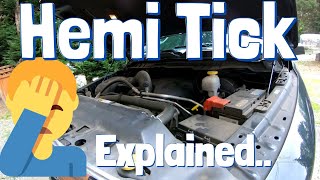
- Listen for engine noises. A distinct, persistent ticking sound from the top of the engine is a strong indicator of valvetrain failure (rocker arms on 3.6L, lifters/cam on 5.7L/6.4L). Differentiate this from an exhaust leak tick that may go away when warm. 🎬 Watch: Learn how to diagnose and identify the Hemi Tick.
- Inspect the ignition system. Remove and check the spark plugs for wear or fouling. If a specific cylinder is misfiring, swap the ignition coil with a known good cylinder to see if the fault code changes.
- Test fuel pressure. This is a critical step given TSB #18-044-26. Use a scan tool to monitor fuel rail pressure or connect a mechanical gauge.
- Check for vacuum leaks using a smoke machine, especially if lean codes are present.
- If mechanical failure is suspected, perform a cylinder compression test. A low reading on one or more cylinders points to an internal engine problem.
- If a valvetrain issue is strongly suspected, remove the valve cover(s) for a direct visual inspection of rocker arms, lifters, and camshaft lobes for wear or damage.
- If all else fails, a professional may need to inspect the PCM and its software, as PCM updates have been issued to address misfire detection.
Parts You'll Likely Need
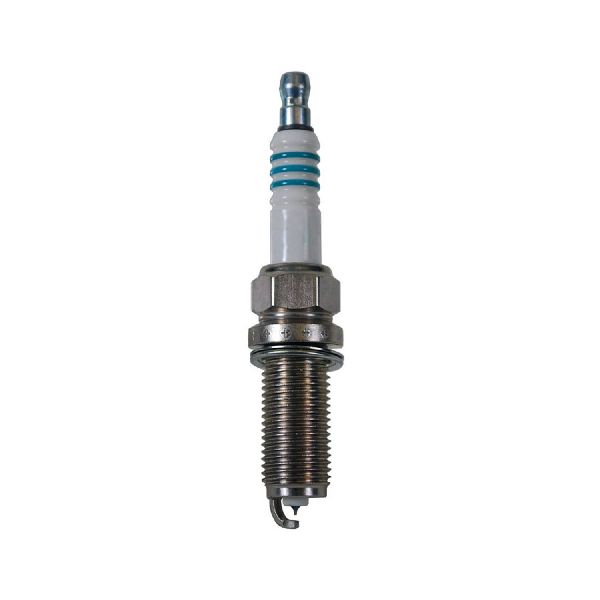
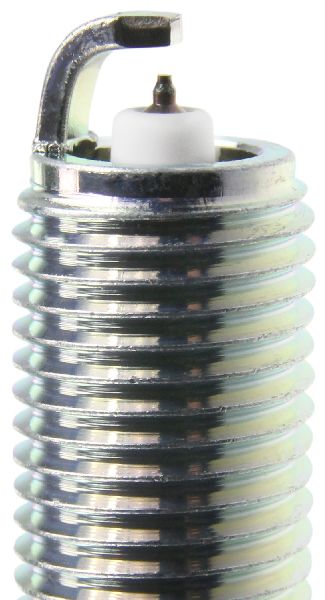
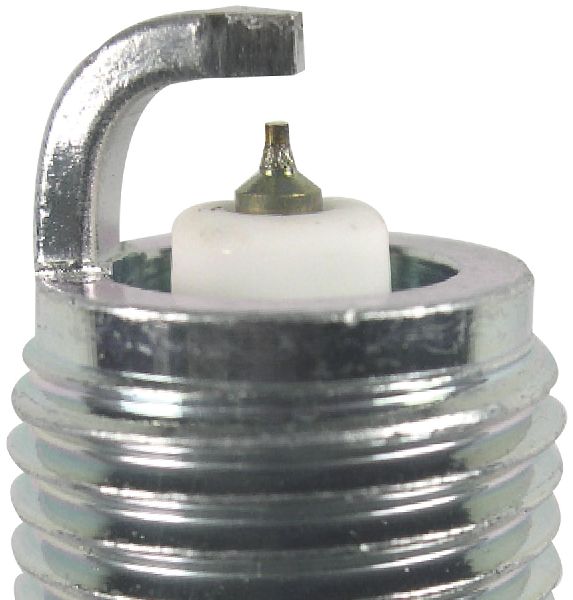
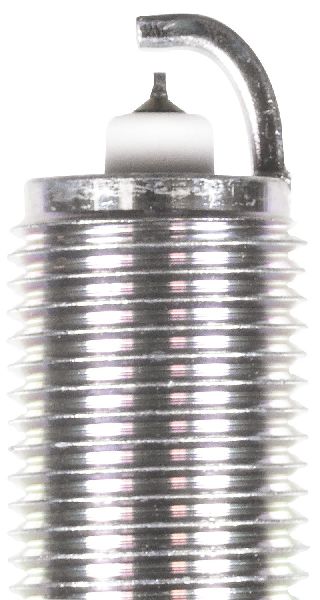
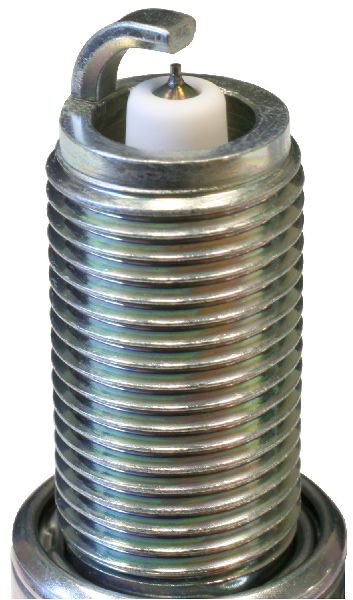
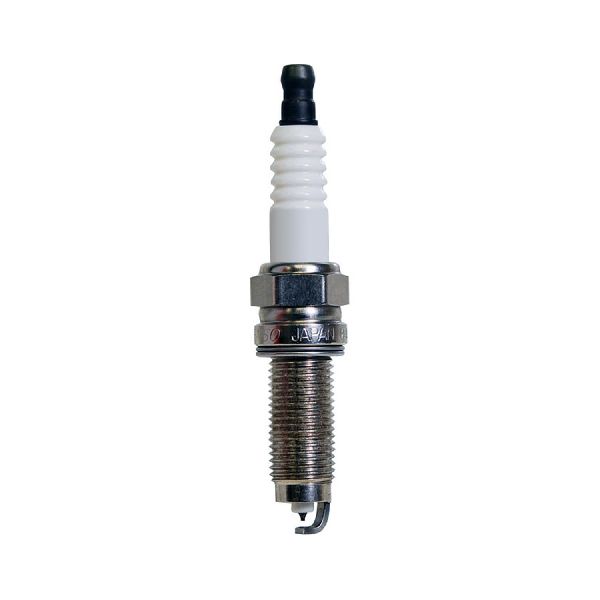
- Spark Plugs — This is the most common and basic tune-up item that causes misfires. The HEMI engines require 16 plugs.
Trusted brands: NGK, Champion
OEM price range: $10-$20 per plug
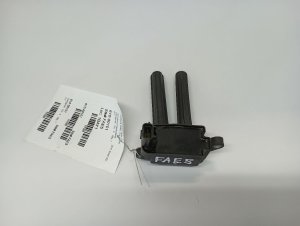
Aftermarket price range: $5-$15 per plug - Ignition Coil — Ignition coils deliver the high voltage spark. A weak or failing coil is a primary cause of misfires.
Trusted brands: Mopar, Denso
OEM price range: $60-$100
Aftermarket price range: $40-$80 - Camshaft and Lifter Kit (5.7L/6.4L HEMI)
(OEM #53022263AF (Camshaft example))— This is the definitive fix for the common 'Hemi Tick' camshaft/lifter failure, which is a leading cause of P0300 on V8 models. Kits often include the camshaft, non-MDS lifters, gaskets, and bolts.
Trusted brands: Mopar, AMS Racing, Cam Motion
OEM price range: $1000-$2000
Aftermarket price range: $700-$1500 - Rocker Arm and Lifter Kit (3.6L Pentastar)
(OEM #5184296AH)— This is the fix for the common rocker arm failure on the 3.6L V6. It is critical to use the correct, updated part number as some aftermarket versions have an incorrect profile. The OEM part number 5184296AH supersedes several previous versions.
Trusted brands: Mopar
OEM price range: $20-$30 per rocker arm
Aftermarket price range: $10-$20 per rocker arm
Related Codes That Often Appear With This One
- P0301, P0302, P0303, etc. — These codes specify which cylinder is misfiring, helping to narrow down the diagnosis from a random misfire to a specific component.
- P00C6 — As per TSB #18-044-26, this code for 'Fuel Rail Pressure Too Low' can appear with P0300, pointing directly to a fuel delivery problem. [⭐ MANUFACTURER TSB — highest authority]
- P0171 / P0174 — These 'System Too Lean' codes can indicate a vacuum leak that is introducing unmetered air, causing a random misfire across multiple cylinders.
Technical Service Bulletins (TSBs) & Recalls
- 18-044-26: Links P0300, P00C6, and a high oil level warning to potential fuel delivery problems, specifically a high-pressure fuel pump leaking into the crankcase.
Platform-Specific Known Issues
- 3.6L Pentastar V6: These engines are widely known for a ticking noise that develops due to failed rocker arm bearings and worn lifters. This leads to improper valve lift and causes misfires, often starting as a single cylinder misfire (e.g., P0302, P0304) and potentially escalating to a P0300.
- 5.7L & 6.4L HEMI V8: These engines suffer from a well-documented design issue where the roller bearings on the valve lifters can fail. This causes the lifter to stop rolling and instead grind against the camshaft lobe, destroying both parts. This failure is a very common cause of P0300 and other misfire codes on HEMI-equipped vehicles.
- Fuel System TSB: Technical Service Bulletin #18-044-26 explicitly connects P0300 to code P00C6 (Fuel Rail Pressure Too Low) and a potential high oil level warning, indicating a possible failure of the high-pressure fuel pump. [⭐ MANUFACTURER TSB — highest authority]
Mechanic-Grade Diagnostic Values
- Fuel Injector Resistance (Port Injected Engines) — expected: ~12.0 - 13.0 Ohms. Failure: Significantly higher resistance (e.g., 30 Ohms) or an open circuit indicates a failed injector coil.
Scan Tool Commands That Help
- wiTECH or advanced generic scanner: Live Data Misfire Counter (Per Cylinder) — This is a critical first step when only a P0300 is present. Even without a specific P030X code, the dealer-level scan tool can often show a counter for how many misfire events have occurred on each individual cylinder. This allows the technician to identify the problematic cylinder(s) and focus the diagnosis, effectively turning a random P0300 into a more specific problem.
Wiring & Ground Locations
- Passenger Side Cylinder Head Ground — Under the airbox, there is a factory grounding point on the passenger side of the engine bay.. A poor ground at this location can cause erratic behavior in sensors and ignition components mounted to the engine, potentially leading to random misfires.
- Driver Side Cylinder Head Ground — A stud that holds a bracket for the intake manifold is threaded into the driver-side cylinder head, serving as a ground point.. The ignition system relies on a solid ground through the cylinder heads to complete the circuit for the spark plugs. A compromised ground here can lead to weak or inconsistent spark.
- Main Chassis Ground (Interior) — Underneath the carpet at the front passenger seat, there is a factory ground post with multiple wires attached.. This point ties various vehicle electronic systems to the chassis. Corrosion or looseness here can cause widespread electrical issues that may manifest as a misfire code.
- Engine Block to Chassis Ground — A factory 4-gauge ground strap runs from the engine block to the chassis.. This is the primary ground path for the entire engine assembly. If this strap is broken, corroded, or loose, the starter, alternator, and ignition system can all malfunction, causing starting issues and misfires.
Real Owner Repair Stories
- BobIsTheOilGuy forum user (2015 Grand Caravan (3.6L Pentastar)) — After replacing rocker arms, engine was shaky, hard to start, and threw P0300 with a strong smell of gas.
❌ Tried (didn't work) Disassembling and re-checking engine timing.
✅ What actually fixed it The user discovered the aftermarket rocker arms they installed had the wrong profile (more lift), which prevented the valves from closing fully. Replacing them with correct OEM Mopar rocker arms (P/N 5184296AH) resolved all issues. - RamForum.com user (Ram 1500 (5.7L HEMI)) — P0300 code and rough running immediately after a camshaft and lifter replacement.
✅ What actually fixed it Upon inspection, the user found an exhaust rocker arm on cylinder #4 was misaligned during reassembly, with the edge of the rocker caught under the rocker shaft bolt's washer. Loosening the shaft, realigning the rocker arm, and re-torquing the bolts fixed the misfire completely. - Reddit user in r/Chrysler300 (Chrysler 300 (engine not specified)) — Infamous P0300 random misfire with a flashing check engine light.
❌ Tried (didn't work) Replacing spark plugs.
✅ What actually fixed it The owner reported that replacing all of the fuel injectors was the final fix that resolved the P0300 code.
"I Checked Everything" — The Actual Cause
- A cracked flexplate (the plate between the engine and torque converter) can cause a P0300, sometimes with a P0016 (Crank/Cam Correlation). A smoke test for vacuum leaks would find nothing. The crack causes the crankshaft position sensor reluctor wheel to shift slightly, disrupting timing signals to the PCM. It often makes no noise but may leave a trail of fine, rusty metal powder in the transmission bell housing inspection area.
OEM Part Supersession History
5184296AD, 5184296AE, 5184296AF, 5184296AG→5184296AH— Updated design for the 3.6L Pentastar V6 rocker arm to improve durability and address premature failure.
Heads up: Using incorrect aftermarket rocker arms, even if listed as compatible, can cause a P0300. Some have the wrong cam profile, which prevents valves from fully closing, leading to a hard start, rough idle, and misfires.
Model Year Variations Within This Range
- 2019-2023: The 300S trim with the 3.6L V6 has a slightly higher power rating (300 hp) compared to the Touring and Limited trims (292 hp) due to tuning differences. The 6.4L HEMI V8 was only available in the limited-production 300C model for the final 2023 model year. These variations do not fundamentally change the common causes of P0300 for a given engine.
Helpful Videos
Used OEM Parts in Stock
New Aftermarket Parts Available

The information in this article is provided for general reference and educational purposes only. Vehicle specifications, procedures, and part compatibility can vary by production date, trim level, and region. Always consult your vehicle's factory service manual and verify part numbers before purchasing or performing repairs. Safety-critical components such as airbags, seat belts, and braking systems should be installed by a qualified professional.
- Chrysler 300:
- 🧭 Diagnostic Flowchart
- 🎬 Helpful Videos
- 🛍️ Shop This Part
- What's Unique About the 2019-2023 Chrysler 300
- Symptoms You May Notice
- Most Likely Causes
- Rare But Worth Checking
- Diagnosis Steps
- Parts You'll Likely Need
- Related Codes That Often Appear With This One
- Technical Service Bulletins (TSBs) & Recalls
- Platform-Specific Known Issues
- Mechanic-Grade Diagnostic Values
- Scan Tool Commands That Help
- Wiring & Ground Locations
- Real Owner Repair Stories
- "I Checked Everything" — The Actual Cause
- OEM Part Supersession History
- Model Year Variations Within This Range
- 🎟️ Get 5% Off