

P0300 on 2019-2023 Dodge Charger: Random Misfire Causes and Fixes
P0300 on a 2019-2023 Dodge Charger means the engine is randomly misfiring. The most common causes are worn spark plugs and faulty ignition coils. For Hemi V8 engines, this code can also be an early sign of the infamous 'Hemi tick' caused by lifter and camshaft failure, a well-documented issue in the owner community.
- P0300 indicates a random misfire in two or more cylinders.
- Start your diagnosis with the cheapest and most common fixes: spark plugs and ignition coils.
- If your Charger has a Hemi V8, be alert for a ticking sound, as P0300 can be a symptom of serious and expensive camshaft/lifter failure.
- A flashing check engine light is a critical warning to stop driving to avoid damaging the catalytic converters.
- For 2023 models, check for relevant TSBs, as the issue could be a simple software fix.
What's Unique About the 2019-2023 Dodge CHARGER

For the 2019-2023 Dodge Charger, the cause of a P0300 code often depends on the engine. While standard ignition and fuel system issues are common across all engines, the 5.7L, 6.4L, and 6.2L Hemi V8s are known for a specific mechanical issue. A P0300 code on these engines can be a serious symptom of valvetrain problems, specifically the failure of the hydraulic lifters and subsequent damage to the camshaft lobes, a problem often called the 'Hemi tick'. This failure is due to a design flaw in the lifter's roller bearings. Additionally, some 2023 models may have a software glitch causing false misfire codes, which can be resolved with a PCM update from the dealer.
Diagnostic Flowchart

Tap your situation to follow the diagnostic path that matches what you're seeing on this vehicle.
Symptoms You May Notice

- Rough or shaky idle
- Hesitation or stumbling during acceleration
- Reduced engine power
- Poor fuel economy
- Flashing Check Engine Light (during severe misfires)
- Solid Check Engine Light
- Noticeable smell of unburnt fuel from the exhaust
- Audible ticking or knocking sound from the engine, especially on Hemi V8s
- Replacing oxygen sensors. While a faulty O2 sensor can contribute to an incorrect air/fuel mixture, it's less commonly the direct cause of a P0300 compared to ignition system or mechanical failures. However, a misfire can cause O2 sensor codes to appear.
- Replacing the catalytic converter. A misfire can destroy a catalytic converter, but the converter itself is rarely the root cause of the misfire. The misfire must be fixed first, or the new converter will also be damaged.
Most Likely Causes

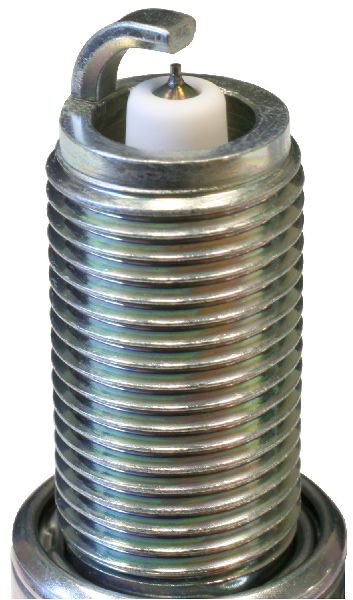
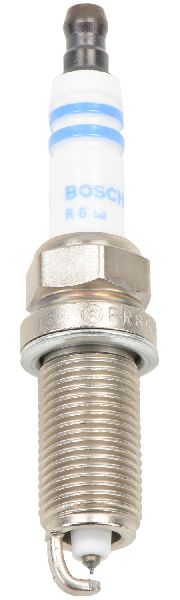
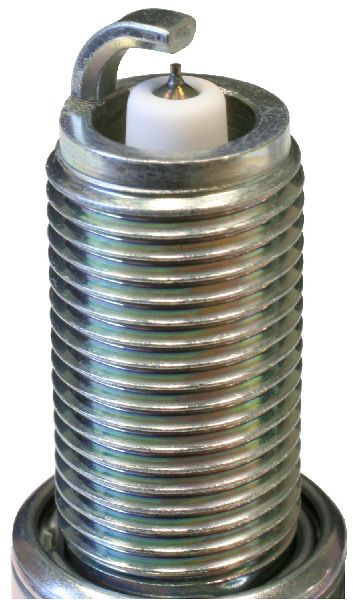
- Worn or Fouled Spark Plugs 🔴 High Probability → Shop Spark Plug Spark plugs are a regular maintenance item. Hemi engines use 16 spark plugs (two per cylinder), doubling the chances of a failure compared to a single-plug-per-cylinder engine. Incorrectly gapped or poor quality plugs can also cause misfires.
How to confirm: Visually inspect the spark plugs for wear, oil fouling, carbon tracking, or damage to the electrodes. Check the spark plug gap against manufacturer specifications; for many Hemi engines, this is around 0.043 inches, but always verify for your specific engine.
Typical fix: Replace all spark plugs. It's recommended to replace them as a full set using OEM-spec plugs (e.g., NGK or Champion).
Est. part cost: $150-$250 - Faulty Ignition Coils 🔴 High Probability → Shop Ignition Coil
How to confirm: Use a scan tool with live data to identify which cylinders are misfiring. 🎬 Watch: A step-by-step guide to diagnosing common Hemi misfires. Swap the ignition coil from a misfiring cylinder with one from a cylinder that is firing correctly. If the misfire code follows the coil (e.g., P0301 becomes P0304 after swapping coils from cylinders 1 and 4), the coil is bad. Coils can also be tested with a multimeter.
Typical fix: Replace the faulty ignition coil. It's often wise to replace the corresponding spark plug at the same time.
Est. part cost: $50-$90 per coil - Camshaft and Lifter Failure (Hemi V8 Engines) 🟡 Medium Probability → Shop Engine Camshaft The 5.7L, 6.4L, and 6.2L Hemi engines from 2009 onwards are known for a design issue where the needle bearings in the roller lifters (particularly on MDS cylinders) fail. This causes the lifter to stop rolling, which grinds down the camshaft lobe, leading to a misfire that worsens at higher RPMs.
How to confirm: Listen for a distinct 'ticking' noise from the engine that increases with RPM. A compression test may show low compression on the affected cylinder. The definitive diagnosis requires removing the valve covers and cylinder heads to inspect the camshaft and lifters for visible wear, scoring, and damage. Cutting open the oil filter to check for metal shavings is a common preliminary check.
Typical fix: This is a major repair that involves replacing the camshaft, all lifters, head gaskets, and related components like pushrods and timing components. Many owners opt to install upgraded, non-MDS lifters (from companies like Comp Cams or Melling) to prevent recurrence.
Est. part cost: $800-$2500 - Faulty Fuel Injectors ⚪ Low Probability → Shop Fuel Injector
How to confirm: Listen to the injectors with a mechanic's stethoscope; they should all have a consistent clicking sound. You can also perform a fuel injector balance test or swap injectors between cylinders to see if the misfire follows. A noid light can be used to confirm the electrical signal is reaching the injector.
Typical fix: Replace the clogged or failed fuel injector. It's often recommended to replace all injectors if they are original and high-mileage.
Est. part cost: $70-$150 per injector - Vacuum Leak ⚪ Low Probability
How to confirm: Perform a smoke test by introducing smoke into the intake system. Smoke will escape from any cracked hoses, leaking gaskets (like the intake manifold gasket), or faulty components like the PCV valve.
Typical fix: Replace the leaking hose or gasket. Intake manifold gaskets are a common failure point.
Est. part cost: $10-$200
Rare But Worth Checking
- PCM Software Update Needed: Specifically for some 2023 models, a Technical Service Bulletin (TSB 18-051-23) was issued for overly sensitive misfire detection logic. The fix is a simple software flash at the dealership. 🎬 Watch: How a software update fixes rough idle on 2023 models. Another TSB, 18-079-23, applies to the related Dodge Hornet and points to cracked spark plugs from the factory, also causing P0300.
- Low Fuel Pressure: A weak fuel pump or clogged fuel filter can starve the engine of fuel under load, causing random misfires. TSB #18-044-26 mentions P0300 in conjunction with a low fuel rail pressure code (P00C6-00), pointing to a fuel delivery problem.
- Clogged Catalytic Converter: → Shop Catalytic Converter A clogged catalytic converter can create excessive backpressure, leading to misfires, especially at higher RPMs. This is often a result of long-term misfires, not the cause, and is typically accompanied by codes like P0420 or P0430.
- Faulty Crankshaft or Camshaft Position Sensor: → Shop Engine Crankshaft A failing crankshaft or camshaft position sensor can send erratic signals to the PCM, leading to incorrect timing and random misfires. This is less common than other causes but can trigger a P0300 without specific cylinder codes.
Diagnosis Steps
- Read all diagnostic trouble codes with an OBD-II scanner. Note any codes besides P0300, especially cylinder-specific misfire codes (P0301-P0308) and check freeze frame data.
- Use a scanner with live data to monitor misfire counts per cylinder to identify the problematic cylinders.
- If you have a Hemi V8, listen carefully for a metallic ticking sound ('Hemi Tick') that increases with engine RPM, which strongly suggests lifter/camshaft failure.
- Inspect all spark plugs for wear, damage, or fouling. On Hemi V8s, this means checking all 16 plugs. Note if one bank appears significantly different (e.g., blacker) than the other.
- Inspect ignition coils and their wiring for any signs of damage. If specific cylinders are misfiring, swap their coils with known good ones and see if the misfire follows the coil.
- Perform a fuel pressure test to ensure it's within manufacturer's specifications.
- Perform a smoke test to check for vacuum leaks from hoses or intake gaskets.
- If ignition and fuel systems seem okay, perform an engine compression test and a cylinder leak-down test to check for mechanical issues like bad valves, head gasket failure, or a wiped camshaft lobe.
- For Hemi engines with a persistent misfire and ticking noise, the next step is often removing the valve covers to inspect the valvetrain and pushrods, followed by head removal to inspect the lifters and camshaft.
Parts You'll Likely Need
- Spark Plugs (Set of 8 or 16)
(OEM #Mopar SLZFR5C11G (for 5.7L Hemi, verify for specific year))— This is the most common cause of misfires and a standard maintenance item. - Ignition Coil — Another very common failure item leading to misfires.
- Camshaft and Lifter Kit (Hemi V8)
(OEM #Mopar 5038785AD (MDS Lifters))— Required for the common 'Hemi tick' repair. Many owners opt for non-MDS aftermarket kits.
Related Codes That Often Appear With This One
- P0301-P0308 — These codes specify which cylinder is misfiring (e.g., P0301 for Cylinder 1). P0300 often appears with one or more of these codes, which is crucial for diagnosis.
- P00C6 — As noted in TSB #18-044-26, 'Fuel Rail Pressure Too Low - Engine Cranking' can occur with P0300, indicating a fuel delivery problem is causing the misfire.
- P0420 / P0430 — These codes indicate 'Catalyst System Efficiency Below Threshold'. A persistent misfire dumps unburnt fuel into the exhaust, which can overheat and damage the catalytic converter, triggering these codes.
- P0522 — Indicates 'Engine Oil Pressure Sensor/Switch Circuit Low'. Low oil pressure can affect the hydraulic lifters and VVT system, potentially leading to misfires, especially on Hemi engines.
Technical Service Bulletins (TSBs) & Recalls
- TSB 18-051-23: Addresses overly sensitive misfire detection on some 2023 models, fixable with a PCM software update.
- TSB 18-044-26: Links P0300 with P00C6 (Fuel Rail Pressure Too Low), indicating a fuel delivery issue as the root cause.
- TSB 18-079-23: Released for the 2023 Dodge Hornet, but relevant in principle, identifying cracks in spark plugs during installation as a cause for P0300.
Platform-Specific Known Issues
- Hemi Lifter/Camshaft Failure ('Hemi Tick'): → Shop Engine Camshaft The most significant vehicle-specific issue for Hemi V8 models. Failure of the roller lifter bearings leads to a damaged camshaft, causing a persistent ticking noise and misfire codes like P0300. This is a major engine repair.
- 16 Spark Plugs: → Shop Spark Plug The use of two spark plugs per cylinder in Hemi engines increases maintenance costs and doubles the potential points of failure for ignition-related misfires.
- PCM Misfire Sensitivity: As noted in TSB 18-051-23, some 2023 models have overly sensitive misfire detection logic from the factory, which can set a P0300 code without a true mechanical fault. A dealer software update is the fix.
Mechanic-Grade Diagnostic Values
- Ignition Coil Primary Resistance — expected: 0.4 to 2.0 ohms. Failure: A reading outside this range indicates a faulty primary winding.
- Ignition Coil Secondary Resistance — expected: 6,000 to 10,000 ohms (6k-10k Ω). Failure: A reading outside this range indicates a faulty secondary winding.
- Fuel Injector Resistance (Hemi V8) — expected: Approximately 11.5 ohms. Failure: A significantly higher or lower reading (e.g., 0.5 ohms or open circuit) indicates a failed injector.
- Fuel Pressure (Low-Pressure System) — expected: 35 to 65 PSI, depending on specific engine. Failure: Pressure that is low at idle or drops significantly under load indicates a weak fuel pump or clogged filter.
- Ignition-On Voltage at Coil Connector — expected: Greater than 10.5 V. Failure: Low or no voltage indicates a problem in the wiring or power supply to the coil.
Hidden / Shadow Codes Worth Checking
- Mode $06, Test ID $A2-$A9: Provides raw misfire count data for each individual cylinder (A2 for Cyl 1, A3 for Cyl 2, etc.). This allows a technician to see which cylinder is misfiring, even if the count is not high enough to trigger a specific P030x code. (see via A professional scan tool or an OBD2 adapter with an advanced app (like Torque Pro) that can access Mode $06 test results.)
Scan Tool Commands That Help
- wiTECH: Misfire Counters (Live Data) — To monitor real-time misfire events on each cylinder while the engine is running. This is the primary first step in diagnosing which cylinders are affected by a P0300.
- wiTECH: Cylinder Power Balance Test — This bidirectional test deactivates one cylinder at a time (by cutting fuel or spark) and measures the corresponding drop in RPM. A cylinder that causes little or no RPM drop when deactivated is not contributing power, confirming a misfire or compression issue.
- wiTECH: PCM Reprogram/Flash — Used to apply software updates from FCA/Stellantis. This is the specific fix for TSBs related to overly sensitive misfire detection logic.
Wiring & Ground Locations
- Engine Block to Chassis Ground — There is a factory 4-gauge ground strap going from the engine block to the chassis/unibody.. A poor or corroded engine ground can cause a host of electrical issues, including weak spark or erratic sensor readings, which can lead to random misfires.
- Motor Mount to K-Member Ground — Some models have a ground strap from the top of the motor mount down to the front K-member (subframe).. This ground path is crucial for ensuring all accessories and sensors mounted to the block have a solid ground reference. A failure here could cause intermittent sensor dropouts.
- G100 — At the left front of the engine compartment.. This is a primary grounding point for components in the engine bay. While diagrams are for older models, the location principle is similar for newer generations.
Real Owner Repair Stories
- RamForum.com user 'stc315' (2012 Ram 1500 5.7L Hemi (similar engine and valvetrain to Charger)) — P0300 code, rough running, and loud lifter knock immediately after a camshaft and lifter replacement.
❌ Tried (didn't work) Initially suspected a failed new lifter or incorrect timing.
✅ What actually fixed it The user discovered that an exhaust rocker arm on cylinder #4 was misaligned during reassembly, with the edge of the rocker caught under the rocker shaft bolt's washer. Loosening the rocker shaft, realigning the rocker arm correctly, and re-torquing the bolts completely resolved the misfire and noise.
OEM Part Supersession History
5038785AC, 5038785AB, 5038785AA→5038785AD— Part revision for the MDS (Multi-Displacement System) hydraulic lifters used in 5.7L and 6.4L Hemi engines.
Heads up: These are the lifters known to fail. When replacing, it is critical to replace all lifters, not just the failed one. Many owners choose to replace them with non-MDS lifters to prevent future failure.5038784AC, 5038784AB→5038784AD— Part revision for the non-MDS hydraulic lifters. These are used in Hellcat engines and are a common upgrade for 5.7L/6.4L owners doing a 'MDS delete'.
Heads up: If converting a 5.7L or 6.4L engine to use these non-MDS lifters, the MDS system must be deactivated in the PCM via a custom tune, otherwise it will continue to set trouble codes.
Helpful Videos
Used OEM Parts in Stock
New Aftermarket Parts Available

The information in this article is provided for general reference and educational purposes only. Vehicle specifications, procedures, and part compatibility can vary by production date, trim level, and region. Always consult your vehicle's factory service manual and verify part numbers before purchasing or performing repairs. Safety-critical components such as airbags, seat belts, and braking systems should be installed by a qualified professional.
- Dodge CHARGER:
- 🧭 Diagnostic Flowchart
- 🎬 Helpful Videos
- 🛍️ Shop This Part
- What's Unique About the 2019-2023 Dodge CHARGER
- Symptoms You May Notice
- Most Likely Causes
- Rare But Worth Checking
- Diagnosis Steps
- Parts You'll Likely Need
- Related Codes That Often Appear With This One
- Technical Service Bulletins (TSBs) & Recalls
- Platform-Specific Known Issues
- Mechanic-Grade Diagnostic Values
- Hidden / Shadow Codes Worth Checking
- Scan Tool Commands That Help
- Wiring & Ground Locations
- Real Owner Repair Stories
- OEM Part Supersession History
- 🎟️ Get 5% Off