

P0300 on 2015-2016 Dodge Dart: Random Misfire Causes and Fixes
On a 2015-2016 Dodge Dart, especially with the 2.4L Tigershark engine, a P0300 code is most often caused by oil leaking into the spark plug tubes from a bad valve cover gasket or by faulty ignition coil boots. Replacing the valve cover gasket set and ignition coil boots along with the spark plugs is the most common and effective fix.
- For a 2015-2016 Dodge Dart with a 2.4L engine, a P0300 code is very likely caused by a leaking valve cover gasket or bad ignition coil boots.
- The first diagnostic step should be to pull the ignition coils and check for oil in the spark plug wells.
- Replacing spark plugs, ignition coil boots, and the valve cover gasket set at the same time is an effective strategy to resolve the issue permanently.
- Do not ignore a flashing check engine light, as it can lead to expensive catalytic converter damage.
- The repair is DIY-friendly for those with basic tools and can save significant labor costs.
What's Unique About the 2015-2016 Dodge DART
The Dodge Dart, particularly models with the 2.4L Tigershark MultiAir2 engine, is known for two specific issues that frequently cause a P0300 code. A very common problem is the valve cover gasket failing, specifically the integrated spark plug tube seals. This allows engine oil to leak directly into the spark plug wells, soaking the ignition coils and spark plugs, which leads to misfires. Additionally, Chrysler issued a Technical Service Bulletin (TSB 08-027-20) specifically for misfire codes on the 2.4L engine, identifying faulty ignition coil insulating boots as a primary culprit that can be fixed without replacing the entire coil.
Diagnostic Flowchart
Tap your situation to follow the diagnostic path that matches what you're seeing on this vehicle.
Symptoms You May Notice
- Check engine light is on or flashing
- Rough, shaking, or vibrating idle
- Engine hesitates or stumbles during acceleration
- Noticeable loss of engine power
- Reduced fuel economy
- Difficulty starting the engine
- Smell of unburnt fuel from the exhaust
- Replacing only the spark plugs without checking for oil in the wells. If the valve cover gasket is leaking, the new plugs will quickly become fouled with oil and the misfire will return.
- Replacing the entire ignition coil when only the inexpensive boot is faulty, as identified in TSB 08-027-20.
- Guessing at the cause without performing systematic diagnosis, such as swapping coils to isolate the fault.
Most Likely Causes
- Leaking Valve Cover Gasket (Spark Plug Tube Seals) 🔴 High Probability → Shop Engine Valve Cover The seals for the spark plug tubes, which are an integral part of the valve cover gasket assembly on the 2.4L Tigershark engine, are known to harden and fail. This allows oil to pool in the spark plug wells, directly causing misfires. This is a widely documented issue across all vehicles with this engine.
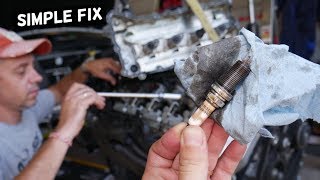
How to confirm: Remove the ignition coils and look for liquid engine oil in the spark plug tubes. 🎬 Watch: Identifying oil in spark plug wells and misfire codes. The base of the ignition coil boot will be wet with oil.
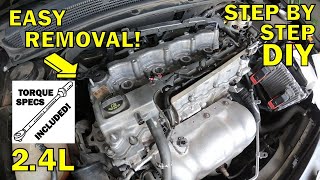
Typical fix: Replace the entire valve cover gasket set, which includes the main gasket and the four spark plug tube seals. Thoroughly clean all oil from the wells and off the ignition coils before reassembly. Apply RTV sealant at the corners where the timing cover meets the head. 🎬 See this step-by-step valve cover gasket replacement walkthrough.
Est. part cost: $30-$80 - Faulty Ignition Coil Boots 🔴 High Probability → Shop Ignition Coil TSB 08-027-20 was issued for the 2.4L engine to address this specific problem, where the insulating boots degrade and cause misfires. This allows a fix without replacing the more expensive coil assembly.
How to confirm: Visually inspect the boots for cracks, brittleness, carbon tracking, or swelling. Given the low cost and official TSB, they are often replaced preventatively during a tune-up.
Typical fix: Replace all four ignition coil boots (Part No. 68420587AA). The TSB specifically calls for using Molykote G-5008 lubricant on the new boots. 🎬 Watch: How to properly change spark plugs and ignition boots. Applying dielectric grease inside the spark plug end is also recommended.
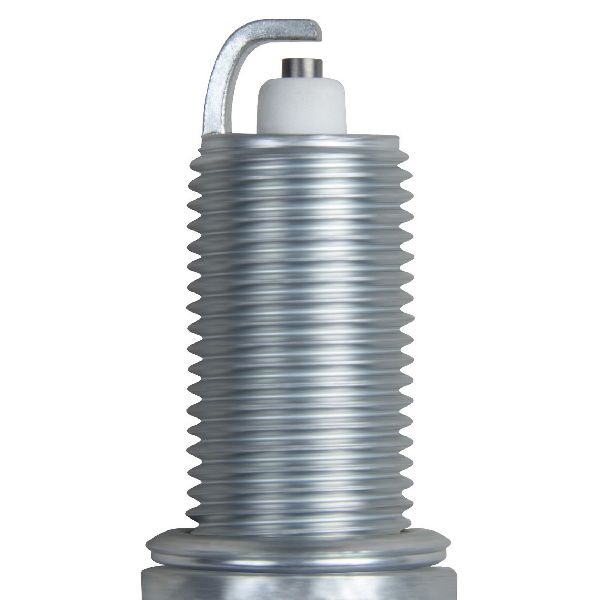
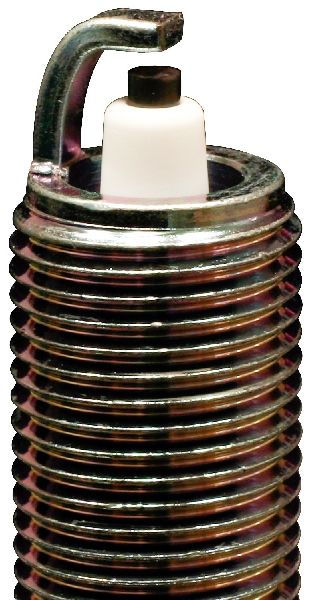
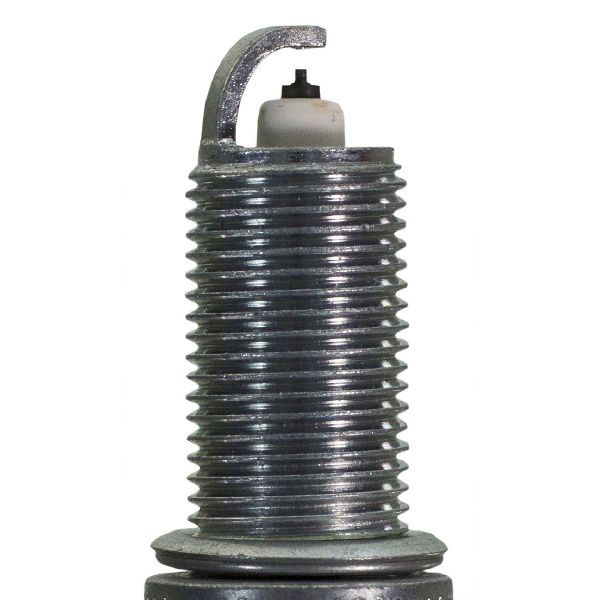
Est. part cost: $20-$40 - Worn or Incorrect Spark Plugs 🔴 High Probability → Shop Spark Plug Spark plugs are a standard maintenance item. The 2.4L engine is sensitive to plug type and condition. Worn electrodes, an incorrect gap, or oil fouling from a leaking valve cover gasket will prevent a strong spark.
How to confirm: Remove and inspect the spark plugs for wear, oil fouling, or carbon buildup. Check the electrode gap; it should be approximately 0.047 inches for the 2.4L engine.
Typical fix: Replace all four spark plugs. NGK Iridium plugs are a highly recommended upgrade for this engine. Ensure they are gapped correctly before installation.
Est. part cost: $25-$60 - Faulty Ignition Coils 🟡 Medium Probability → Shop Ignition Coil While the boots are a more common failure point, the ignition coils themselves can fail, especially if they have been saturated in oil from a leaking valve cover gasket.
How to confirm: With a scan tool, identify if the misfire moves to a different cylinder when you swap two ignition coils. For example, if you have a P0301 and swap the coils from cylinder 1 and 2, a resulting P0302 code points to a bad coil.
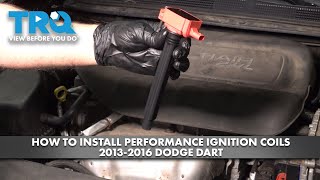
Typical fix: Replace the faulty ignition coil. Many owners choose to replace all four at once for reliability, often as a set with new spark plugs.
Est. part cost: $40-$80 per coil - Vacuum Leak ⚪ Low Probability Hoses can crack over time, and gaskets can fail, introducing unmetered air that throws off the air-fuel ratio. On the 2.4L Tigershark, the PCV valve is integrated into the valve cover and can fail, creating a significant vacuum leak that requires replacing the entire valve cover.
How to confirm: Perform a smoke test to find the source of the leak. Listen for hissing sounds around the engine bay. Check all vacuum lines connected to the intake manifold.
Typical fix: Replace the cracked hose or failed gasket. If the PCV valve is the cause, the entire valve cover must be replaced.
Est. part cost: $10-$150
Rare But Worth Checking
- Loose or Corroded ECU Connector: A YouTube video from an owner suggests that simply disconnecting, cleaning, and reconnecting the main Engine Control Unit (ECU) connectors can sometimes resolve unexplained misfires due to a poor connection. A Reddit user also reported that zip-tying the ignition coil connectors tighter solved their misfire issue, as the plugs themselves can go bad. This is free and easy to try.
- Low Fuel Pressure: A weak fuel pump or clogged fuel filter can starve the engine of fuel, causing random misfires across all cylinders, especially under load.
- Mechanical Engine Failure: In rare cases, low compression in multiple cylinders due to issues like a jumped timing chain, a failed head gasket, or problems with the MultiAir valvetrain can cause a P0300 code. Excessive oil consumption is a known issue with the 2.4L Tigershark and can lead to valvetrain problems if the oil level gets too low.
- Clogged or Faulty Fuel Injectors: → Shop Fuel Injector An injector that is dirty or failing can cause a lean condition in one or more cylinders, leading to a random misfire.
Diagnosis Steps
- Read the codes with an OBD-II scanner. Note any other codes present, especially specific cylinder misfire codes (P0301-P0304) or MultiAir codes (P106x).
- Open the hood and remove the plastic engine cover.
- Disconnect and remove the ignition coils. As you remove each one, inspect the spark plug well for any signs of liquid engine oil. This is a critical first step for the 2.4L engine.
- If oil is present, the valve cover gasket and tube seals must be replaced. Clean the oil off the ignition coils and out of the wells thoroughly before reassembly.
- If no oil is present, inspect the ignition coil boots for cracks, swelling, or white/burnt marks. Per TSB 08-027-20, these are a common failure point.
- If a specific cylinder code is present (e.g., P0301), swap that ignition coil with one from a known good cylinder (e.g., cylinder 2). Clear the codes and drive the vehicle. If the code changes to P0302, the ignition coil is bad.
- If the code does not move, inspect the spark plug from the misfiring cylinder. Look for wear, damage, or heavy oil/carbon fouling. Replace all plugs if they are old or fouled.
- If ignition components appear to be in good condition, check for vacuum leaks. Listen for hissing noises and inspect all vacuum hoses connected to the intake manifold for cracks. A smoke test is the most effective way to find a leak.
- Check fuel pressure using a fuel pressure gauge to rule out a weak fuel pump or clogged filter.
- As a simple, low-effort check, consider disconnecting, inspecting, and reconnecting the main ECU connectors near the battery. Also check that the ignition coil electrical connectors are securely fastened.
- If all else fails, perform a compression test to check for mechanical engine problems like worn piston rings or valvetrain issues.
Parts You'll Likely Need
- Ignition Coil Boot Kit
(OEM #68420587AA)— A known failure point on the 2.4L engine, as documented in TSB 08-027-20, causing misfires.
Trusted brands: Mopar, NGK, Standard Motor Products
OEM price range: $30-$50
Aftermarket price range: $20-$40 - Valve Cover Gasket Set
(OEM #5047892AC)— The integrated spark plug tube seals are a very common failure point, allowing oil to leak into the spark plug wells and cause misfires.
Trusted brands: Mopar, Fel-Pro, Mahle
OEM price range: $60-$90
Aftermarket price range: $30-$50 - Spark Plugs (Set of 4) — Standard maintenance item. Will be fouled if oil has leaked into the wells. Worn plugs are a primary cause of misfires.
Trusted brands: NGK, Champion, Denso
OEM price range: $40-$70
Aftermarket price range: $25-$60 - Ignition Coil
(OEM #68242286AA)— Can fail due to age or saturation from leaking oil. Usually diagnosed by swapping coils between cylinders.
Trusted brands: Mopar, Denso, Duralast
OEM price range: $50-$80
Aftermarket price range: $30-$60
Related Codes That Often Appear With This One
- P0301, P0302, P0303, P0304 — These codes specify which cylinder is misfiring (Cylinder 1, 2, 3, or 4). P0300 often appears alongside one or more of these codes as the PCM attempts to isolate the fault.
- P1064, P106B — These codes point to a failure in the MultiAir actuator ('brick') oil supply solenoid. If seen with a P0300, it strongly suggests the issue is with the valvetrain, not a simple spark or fuel problem.
Technical Service Bulletins (TSBs) & Recalls
- TSB 08-027-20: Addresses replacing ignition coil insulating boots on the 2.4L engine to fix rough running and misfire codes P0300-P0304.
Platform-Specific Known Issues
- Integrated PCV Valve: → Shop PCV Valve On the 2.4L Tigershark engine, the PCV valve is part of the valve cover assembly and is not separately replaceable. If the PCV valve fails and causes a vacuum leak, the entire valve cover must be replaced.
- Excessive Oil Consumption: The 2.4L Tigershark engine is known for consuming oil. If the oil level becomes too low, it can cause the MultiAir valvetrain system to malfunction, leading to misfires that may not be related to the ignition system.
Mechanic-Grade Diagnostic Values
- Ignition Coil Primary Resistance — expected: 0.56 - 0.68 ohms. Failure: A reading outside this range, or an open circuit (OL), indicates a faulty coil winding.
- Ignition Coil Secondary Resistance — expected: 7.8 - 9.6 Kilo-ohms (kΩ). Failure: A reading significantly outside this range suggests a failure in the secondary windings.
- Fuel Injector Resistance — expected: ~12 ohms. Failure: A reading significantly different from other injectors, or an open/shorted circuit, indicates a faulty injector.
- Low-Side Fuel Pressure — expected: 58 - 64 PSI. Failure: Pressure below 58 PSI can indicate a weak fuel pump, causing lean conditions and random misfires.
- MAP Sensor Voltage (Key On, Engine Off) — expected: 4.5V - 4.7V DC. Failure: Voltage is significantly different, or does not match the BARO sensor reading on a scan tool.
- MAP Sensor Voltage (Engine Idling) — expected: 1.0V - 1.8V DC. Failure: Voltage is stuck high (near KOEO reading) or does not respond smoothly as the throttle is pressed.
- MAP Sensor Ground Circuit Voltage — expected: Less than 0.1 Volts (100 millivolts). Failure: Voltage significantly higher than 0.1V indicates a poor ground connection, which can skew sensor readings.
Wiring & Ground Locations
- Engine Ground Strap — On the passenger side of the engine, a ribbon-style cable connects from the engine head/block to the passenger side strut tower.. This is a primary engine ground. Corrosion or a loose connection at this point can cause a wide range of electrical issues, including erratic sensor readings and weak spark, leading to misfires.
- Battery to Chassis Ground — A wire from the negative battery terminal goes down the driver's side and bolts to the chassis behind the wheel fender.. A poor ground connection here can cause system-wide voltage drops and electrical noise, affecting PCM operation and ignition system performance.
- PCM Location — Located in the left front (driver's side) of the engine compartment.. This is the termination point for all ignition coil and sensor wiring. Checking for corrosion or loose connections at the PCM connectors is a valid diagnostic step if other causes are ruled out.
Real Owner Repair Stories
- Reddit user on r/dodgedart (Dodge Dart, year/engine not specified) — Engine idle issues and radio problems, which are common symptoms of a bad ground.
❌ Tried (didn't work) Initial research pointed to a ground problem.
✅ What actually fixed it Adding a supplementary ground wire. Specifically, doubling up the wire from the negative battery post to the chassis ground point in the fender, and also addressing the engine-to-strut-tower ground, was the recommended fix by other users.
Helpful Videos
Used OEM Parts in Stock
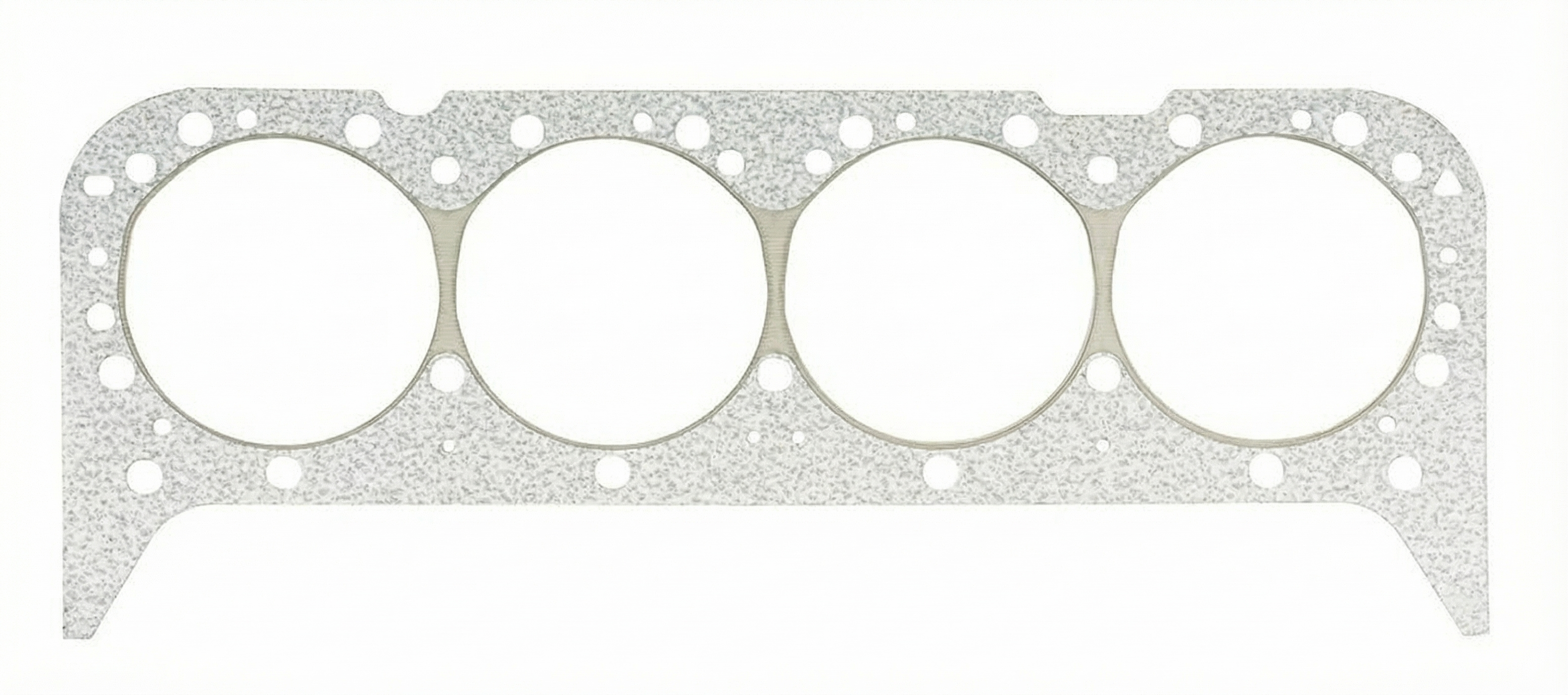
New Aftermarket Parts Available
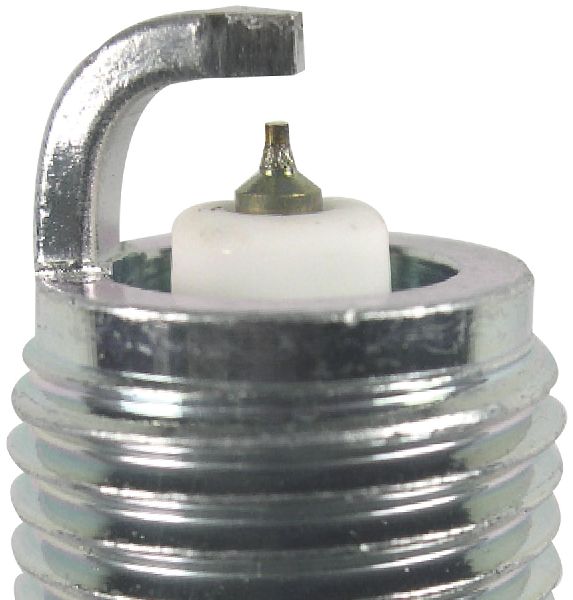
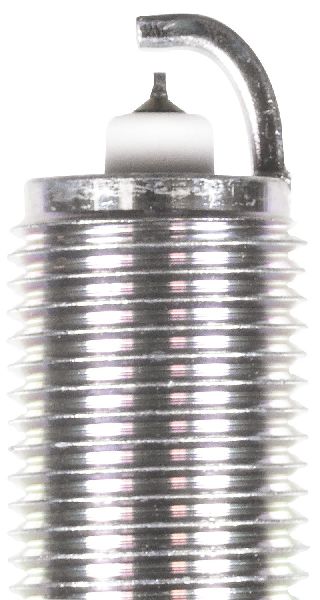
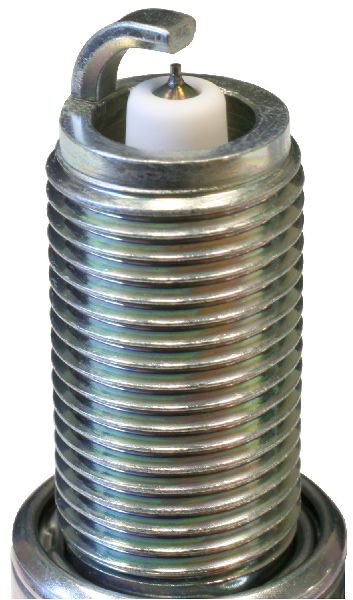

The information in this article is provided for general reference and educational purposes only. Vehicle specifications, procedures, and part compatibility can vary by production date, trim level, and region. Always consult your vehicle's factory service manual and verify part numbers before purchasing or performing repairs. Safety-critical components such as airbags, seat belts, and braking systems should be installed by a qualified professional.
- Dodge DART:
- 🧭 Diagnostic Flowchart
- 🎬 Helpful Videos
- 🛍️ Shop This Part
- What's Unique About the 2015-2016 Dodge DART
- Symptoms You May Notice
- Most Likely Causes
- Rare But Worth Checking
- Diagnosis Steps
- Parts You'll Likely Need
- Related Codes That Often Appear With This One
- Technical Service Bulletins (TSBs) & Recalls
- Platform-Specific Known Issues
- Mechanic-Grade Diagnostic Values
- Wiring & Ground Locations
- Real Owner Repair Stories
- 🎟️ Get 5% Off