

P0300 on 2004-2009 Dodge Durango 4.7L V8: Random Misfire Causes and Fixes
P0300 on a 4.7L Durango most often means it's time for a full tune-up. The most common causes are worn spark plugs and failing ignition coils. Oil leaking from the valve cover gaskets into the spark plug tubes is a frequent root cause that must be addressed. Expect to pay $100-$250 for a full set of quality plugs and coils.
- P0300 on the 4.7L Durango is most often an ignition system problem. Start by inspecting the spark plugs and ignition coils.
- Before replacing coils, ALWAYS check for oil in the spark plug tubes. If oil is present, you MUST replace the valve cover gaskets to solve the problem permanently.
- Use the OEM-recommended Champion copper spark plugs for best results, as this engine can be sensitive to other types.
- Do not ignore a flashing check engine light, as this signals a severe misfire that can quickly damage your catalytic converters, a much more expensive repair.
What's Unique About the 2004-2009 Dodge Durango
The 4.7L PowerTech V8 in the second-generation Durango is known for a few specific issues that lead to a P0300 code. A very common problem is the valve cover gaskets leaking oil directly into the spark plug tubes, which ruins the ignition coils and boots, causing misfires. Additionally, these engines can be sensitive to the type of spark plugs used, with many owners reporting that they run best on the original equipment style copper plugs from Champion or NGK. The 2008 model year introduced a revised 4.7L engine with dual spark plugs per cylinder and other improvements, but the fundamental causes of misfires remain similar. While generally reliable, overheating this engine can lead to more severe issues like dropped valve seats or head gasket failure, which can also cause persistent misfires.
Symptoms You May Notice
- Rough or shaking idle.
- Hesitation or stumbling during acceleration.
- Noticeable loss of engine power.
- Flashing Check Engine Light (indicates a severe misfire).
- Reduced fuel economy.
- Engine may stall when coming to a stop.
- Replacing only the spark plugs without checking for oil in the spark plug tubes. If the valve cover gasket is leaking, the new plugs and coils will soon be damaged by the oil.
- Replacing oxygen (O2) sensors. While a faulty O2 sensor can affect the air-fuel mixture, it is not a primary cause of a P0300 code on this vehicle and is more likely to set its own specific codes. A misfire will often cause an O2 sensor code, making the O2 sensor a symptom, not the cause.
Most Likely Causes
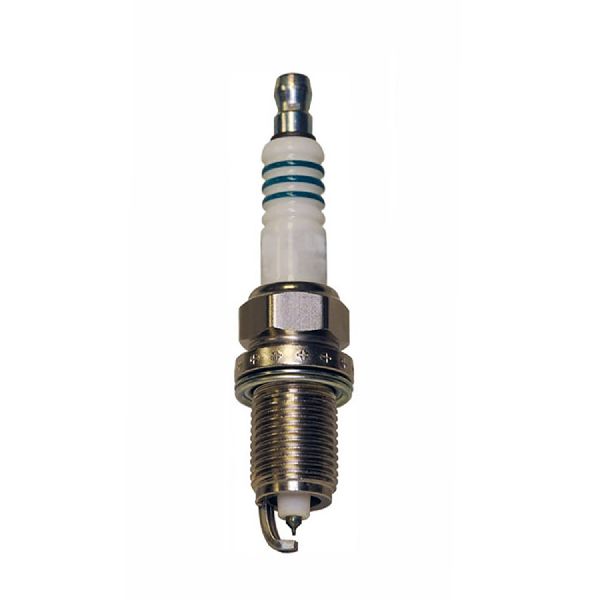
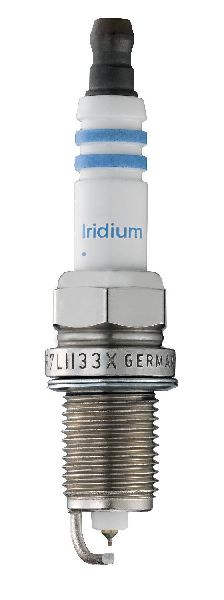
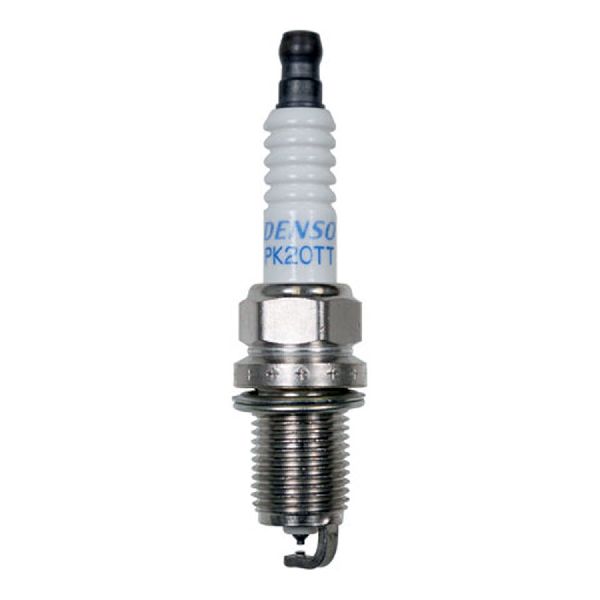
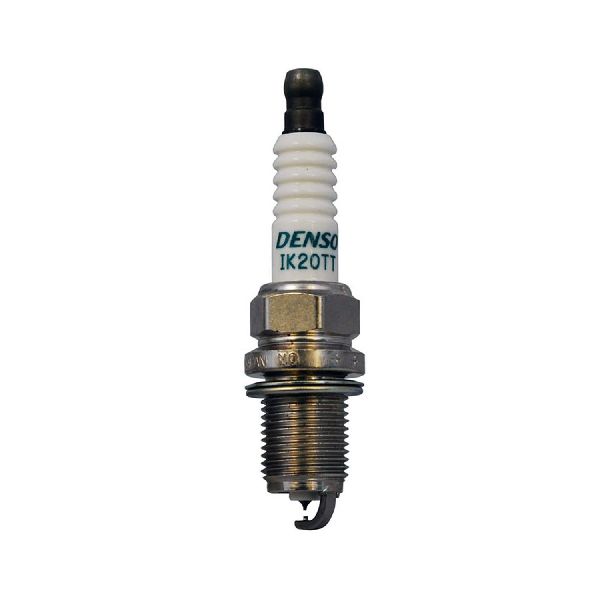
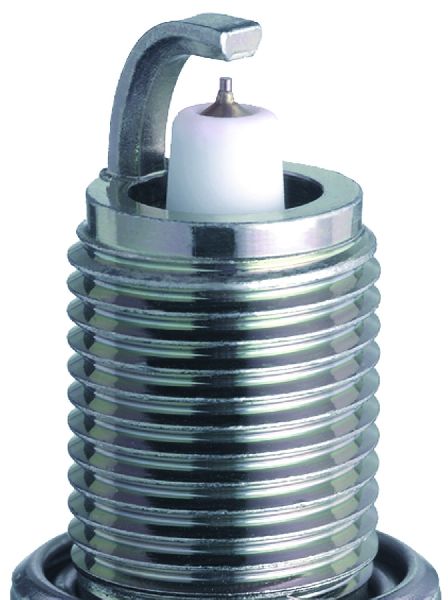
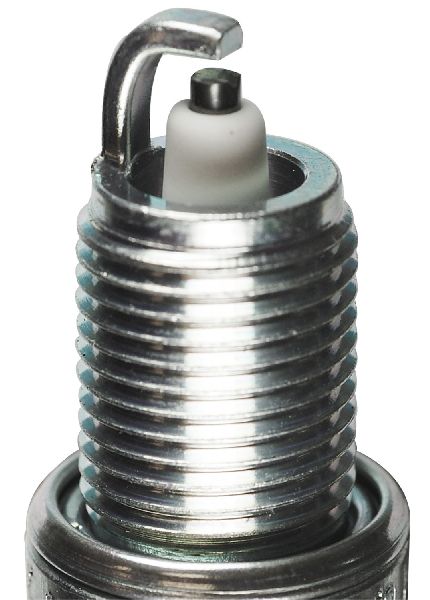
- Worn or Incorrect Spark Plugs 🔴 High Probability → Shop Spark Plug The 4.7L engine has a recommended service interval of around 30,000 miles for standard copper spark plugs. Many owners in forums report these engines are sensitive and run best on OEM-style Champion or NGK V-Power (copper) plugs rather than premium iridium or platinum types, which can sometimes cause issues.
How to confirm: Inspect the spark plugs for wear, damage, oil fouling, or heavy carbon buildup. Check the center electrode; if it's rounded, it's worn. Ensure the correct type of plug is installed.
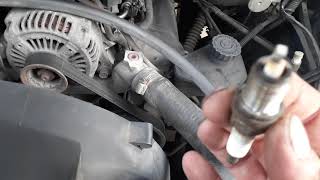
Typical fix: Replace all 8 spark plugs 🎬 Watch: Step-by-step guide to replacing spark plugs on the 4.7L V8. (or 16 on 2008+ models). It is highly recommended to use the OEM-specified plugs gapped correctly.
Est. part cost: $20-$60 - Failed Ignition Coils or Boots due to Oil Contamination 🔴 High Probability → Shop Ignition Coil Oil leaks from the valve cover gaskets are extremely common on the 4.7L V8. The spark plug tube seals are integrated into the gasket, and when they fail, oil drips directly into the spark plug wells. This oil soaks the ignition coil boots, causing them to swell, degrade, and fail, which leads to misfires.
How to confirm: When removing the ignition coils, inspect them and the spark plug tubes for any signs of motor oil. If oil is present, this is almost certainly the cause. You can also swap a coil from a misfiring cylinder (if identified with a P030x code) to a known good cylinder and see if the misfire code follows the coil.
Typical fix: Replace any failed ignition coils and their boots. Crucially, if oil contamination is found, the valve cover gaskets (OEM P/N: Right 53021842AA, Left 53021843AA) and spark plug tube seals must be replaced to prevent the new coils from failing.
Est. part cost: $25-$60 per coil - Vacuum Leak 🟡 Medium Probability The intake manifold gaskets can become brittle and fail over time, allowing unmetered air to enter the engine. Additionally, various vacuum hoses can crack, and the EGR valve can stick open, creating a significant vacuum leak that causes random misfires.
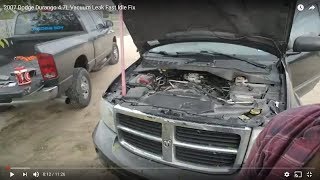
How to confirm: Perform a smoke test on the intake system. 🎬 See how to find and fix a common vacuum leak. Smoke will be visibly escaping from the location of the leak. Another method is to carefully spray carb cleaner around the intake manifold gasket area with the engine running; a change in engine idle indicates a leak. A stuck EGR can be diagnosed by monitoring manifold pressure on a scan tool at idle; it should be low (e.g., ~30 kPa), not high (e.g., ~90 kPa).
Typical fix: Replace the intake manifold gaskets or the specific leaking hose. If the EGR valve is stuck, it should be replaced.
Est. part cost: $40-$150 - Clogged or Failing Fuel Injectors ⚪ Low Probability → Shop Fuel Injector Over time, varnish and deposits can build up in the fuel injectors, causing them to stick or deliver an improper spray pattern. This can lead to a lean condition and misfires, though it's less common than ignition or vacuum issues.
How to confirm: Listen to the injectors with a mechanic's stethoscope; they should all have a consistent clicking sound. A more advanced test involves checking fuel trims with a scan tool or performing a fuel injector balance test.
Typical fix: Clean or replace the faulty fuel injectors. It is often recommended to replace them as a set if the vehicle has high mileage.
Est. part cost: $50-$100 per injector
Rare But Worth Checking
- Low Fuel Pressure: A weak fuel pump or clogged fuel filter can starve the entire engine for fuel, causing all cylinders to misfire randomly under load. Check fuel pressure at the fuel rail to confirm; it should be around 59 PSI +/- 5 PSI and hold steady.
- Stuck Open EGR Valve: → Shop Exhaust Gas Recirculation (EGR) Valve An EGR valve that is stuck open will create a large vacuum leak, introducing exhaust gas into the intake manifold 🎬 Watch: How to locate and remove the EGR valve. at idle when it should be closed. This disrupts the air-fuel ratio and can cause a rough idle and a P0300 code.
- Internal Engine Mechanical Failure (Dropped Valve Seat): While less common, issues like a dropped valve seat (often from an overheating event), weak valve springs, or a failed head gasket can cause a loss of compression and persistent misfires. The 4.7L is known for the intake valve seats to fail, which can lead to catastrophic engine damage if the seat drops into the cylinder. A compression test is needed to diagnose this.
- Water Intrusion into Spark Plug Wells: → Shop Spark Plug A degraded windshield cowl seal can allow rainwater to drip directly onto the engine and into the spark plug wells, particularly for cylinders near the back of the engine. This shorts out the ignition coils. If misfires appear after rain or a car wash, inspect the wells for water.
- Camshaft Response Issues: → Shop Engine Camshaft Manufacturer service bulletin #09-012-16 notes that a P0300 code may be set in conjunction with P000A or P000C, indicating a camshaft that is slow to respond.
- Intake Camshaft Hardware: → Shop Engine Camshaft TSB Bulletin #9100143 suggests that for certain engine configurations, a P0300 code may require the replacement of the right intake camshaft (specifically PN 05047913AA or AB).
Diagnosis Steps
- Read all fault codes with an OBD-II scanner. Note any cylinder-specific (P0301-P0308) or lean/rich (P0171/P0174) codes to help narrow the search.
- If the check engine light is flashing, avoid heavy acceleration to protect the catalytic converters.
- Visually inspect the engine bay for obvious issues like disconnected vacuum hoses, damaged wiring, or cracks in the air intake tube.
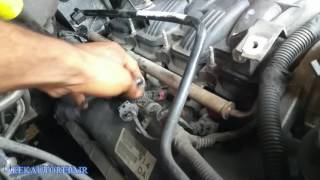
- Remove the ignition coils. Inspect the spark plug tubes for any signs of oil. If oil is present, the valve cover gaskets are leaking and must be replaced along with any oil-fouled coils and plugs.
- Remove and inspect all spark plugs. Look for signs of extreme wear, oil fouling, or white deposits (indicating a lean condition). Replace with OEM-spec copper plugs (e.g., Champion or NGK V-Power) if they are worn or incorrect.
- If plugs and coils are good, check for vacuum leaks. A smoke test is the most reliable method. Pay close attention to the intake manifold gasket area, PCV hoses, and the EGR valve.
- Test fuel pressure. Connect a fuel pressure gauge to the service port on the fuel rail. The pressure should be within the manufacturer's specification (typically 59 PSI +/- 5 PSI) and not bleed off quickly after the engine is shut off.
- Check for a stuck EGR valve. With a scan tool, monitor Manifold Absolute Pressure (MAP) at idle. A high reading (approaching atmospheric pressure, e.g., 90 kPa) indicates a large leak, possibly from the EGR.
- If all previous steps fail to find the issue, perform a cylinder compression test to check for internal engine problems like a worn piston ring, bad head gasket, or a failing valve seat.
- For 2009 models, if the misfire only occurs on a cold start immediately after shifting into gear, consult a dealer about TSB #18-093-15 for a potential PCM update.
Parts You'll Likely Need
- Spark Plugs
(OEM #Mopar SP0RC12MCC4)— These are a primary wear item and a frequent cause of misfires. The 4.7L engine often performs best with the original equipment copper type.
Related Codes That Often Appear With This One
- P0301-P0308 — These codes specify which cylinder is misfiring (e.g., P0306 for cylinder 6). They often appear alongside P0300 to help narrow down the problem area. Bulletin #1400322REVA notes that P0300 is frequently found in conjunction with individual cylinder codes P0301 through P0305.
- P0171/P0174 — These codes indicate a 'System Too Lean' condition on Bank 1 and Bank 2. They frequently accompany a P0300 caused by a large vacuum leak or a fuel delivery issue.
- P0420/P0430 — These codes indicate 'Catalyst System Efficiency Below Threshold'. They often appear after a long-term misfire condition has damaged the catalytic converters by sending unburned fuel into the exhaust.
Technical Service Bulletins (TSBs) & Recalls
- TSB #18-093-15: For some 2009 models, a P0300-P0308 code can be set during a cold start if the driver immediately shifts into gear and applies heavy throttle. This specific condition can be resolved with a PCM software update from a dealer.
- TSB Bulletin #18-039-26: A manufacturer bulletin notes that P0300 and P0301 may set in active or stored status specifically during the engine warm-up period.
- TSB Bulletin #18-034-26: This bulletin describes a condition where P0300 and P0301 are set during the cold start catalyst heating phase.
Platform-Specific Known Issues
- Leaking valve cover gaskets that allow oil to pool in the spark plug tubes are a very common cause of P0300 on this engine.
- A deteriorated windshield cowl seal can cause rainwater to leak onto the engine, specifically into the spark plug wells of cylinders #4, #6, and #7, causing misfires after wet weather.
- Overheating this engine can lead to dropped valve seats, which will cause a loss of compression and a persistent misfire that cannot be fixed with ignition or fuel system parts.
Mechanic-Grade Diagnostic Values
- Fuel Pressure (Key On, Engine Off) — expected: 407 kPa ± 34 kPa (59 psi ± 5 psi). Failure: Pressure below or above this range indicates a problem with the fuel pump, filter, or regulator.
- Fuel Injector Resistance — expected: 12 ohms +/- 1.2 ohms (approx. 10.8 - 13.2 Ohms). Failure: A reading of infinity (OL) indicates an open coil; a reading near zero indicates a shorted coil.
- MAP Sensor Voltage (Key On, Engine Off) — expected: 4.5 to 5.0 Volts DC on the signal wire. Failure: No voltage or significantly lower voltage suggests a wiring or PCM issue.
- MAP Sensor Reading at Idle (Scan Tool) — expected: Low, around 30 kPa. Failure: A high reading, such as 90 kPa, at idle strongly suggests a major vacuum leak, often a stuck-open EGR valve.
Hidden / Shadow Codes Worth Checking
- Mode $06, Test ID $53: This is not a DTC, but a test result within the OBD-II system that tracks misfire counts per cylinder. Even if a misfire isn't bad enough to set a P030x code, high counts for specific cylinders in Mode $06 can reveal which ones are problematic. (see via Requires a scan tool capable of viewing Mode $06 data. The data will show misfire counts for each cylinder over the last 10 driving cycles.)
Scan Tool Commands That Help
- DRB III or WiTech (Dealer Tools): Injector Kill / Cylinder Balance Test — This function allows a technician to individually disable fuel injectors one by one. If disabling an injector causes no change in engine RPM, that cylinder was not contributing (misfiring) in the first place. This helps isolate a problem to a specific cylinder when only a P0300 is present.
- DRB III or WiTech (Dealer Tools): ASD Fuel System Test — This command actuates the fuel pump via the Auto Shutdown (ASD) relay, allowing for a fuel pressure test without needing to crank the engine. It's the proper procedure for checking fuel pressure specifications.
Wiring & Ground Locations
- Ignition Coil Connector — On top of each ignition coil, connected to the engine wiring harness.. The plastic locking tabs on these connectors frequently become brittle and break, leading to a poor connection that can cause intermittent misfires on that cylinder. If the connector can be pulled off without depressing the tab, it should be replaced.
- PCM Power Wire — In the main harness near the Integrated Power Module (fuse box) and PCM.. There are documented cases where the main B+ (battery positive) wire to the PCM chafes through its insulation, causing intermittent shorts or opens. This can lead to a no-start condition or random, multiple codes including P0300, as the PCM loses power erratically.
- Engine Block Grounds — Multiple locations, but a key one is often found on the rear of the engine block, sometimes a braided strap to the firewall.. A broken or corroded main engine ground can cause widespread electrical issues. The ignition system requires a solid ground path to function; a poor ground can result in a weak spark across all cylinders, leading to random misfires.
Real Owner Repair Stories
- Reddit user in /r/MechanicAdvice (2009 Ram 4.7L (similar engine and systems) with 249k miles) — Stalled when stopping, then ran rough with P0300 and P0172 (Rich). Would only run if kept above 1200 RPM.
❌ Tried (didn't work) Swapped ignition coils, Replaced spark plugs (switched from iridium back to copper), Replaced catalytic converters and O2 sensors, Replaced cam, crank, and MAP sensors, Checked for leaking injectors (none found), Repaired a broken ground wire
✅ What actually fixed it The EGR valve was stuck open. This was confirmed by observing a manifold pressure of 90 kPa at idle on a scan tool. Replacing the EGR valve resolved all issues. - YouTube user Matthew Eriks (2005 Dodge with 4.7L engine, 300,000 miles) — Persistent P0300 random misfire for two years. Ran rough for the first few minutes after startup.
❌ Tried (didn't work) Replacing fuel injectors, Replacing fuel pump, Replacing spark plugs (though they were worn again by the end), Using starting fluid to find a vacuum leak (unsuccessful)
✅ What actually fixed it The actual cause was multiple missing gaskets from a previous repair job done by someone else. Gaskets were missing from the EGR valve tube connections and where the EGR mounts to the block, creating a massive, hard-to-find vacuum leak. Replacing the EGR valve (which had seized) and all associated gaskets finally fixed the P0300 code. - YouTube user Gilbert Galvan (2005 Dodge Ram 1500 4.7L) — Engine misfire.
❌ Tried (didn't work) Initial diagnosis was unclear.
✅ What actually fixed it Upon removing the valve cover, a rocker arm for an intake valve on cylinder #8 had completely fallen out of place and was lying in the cylinder head. This caused a complete loss of valve function for that cylinder, leading to a misfire. The fix required re-installing the rocker arm and replacing the valve cover gasket set.
"I Checked Everything" — The Actual Cause
- A user on a Dodge forum chased a P0300 for two years. Despite trying to find a vacuum leak with starting fluid and other methods, the issue was finally resolved when they discovered multiple missing gaskets on the EGR valve and its tubing from a previous repair, which was the source of the leak.
- A stuck-open EGR valve can mimic the symptoms of a vacuum leak but may not show up on a smoke test depending on how the test is performed. The definitive diagnosis was made using a scan tool to observe abnormally high manifold pressure at idle (90 kPa), which confirmed the internal leak from the exhaust into the intake.
Model Year Variations Within This Range
- 2008-2009: The 4.7L engine was significantly revised. Key changes include dual spark plugs per cylinder (16 total), improved cylinder heads, and a higher compression ratio. While the root causes of P0300 are similar, the tune-up process is more involved due to having 16 spark plugs to inspect and replace.
- 2004-2009: Throughout this period, Chrysler used different Powertrain Control Modules (PCM). Earlier models may use the 3-plug JTEC or JTEC+ controller, while later models use the 4-plug Next Generation Controller (NGC). This is critical when diagnosing wiring issues, as pinouts are completely different, and when replacing a PCM.
Diagnostic Flowchart
Real Owner Stories
Aggregated from forums and TSBs cited above. Mileages and costs reflect what owners reported in those sources.
Dodge Ram 1500 4.7L V8
Symptoms: Persistent P0300 random misfire after replacing plugs, coils, sensors, and cats.
What fixed it: Replaced a stuck-open EGR valve, confirmed by checking manifold pressure at idle.
Source hint: Reddit r/MechanicAdvice - Ram 1500 4.7 P0300 - Solved: Stuck EGR Valve
Dodge 4.7L V8 — 300000 miles
Symptoms: Two-year battle with P0300 random misfire, replaced many parts without success.
What fixed it: Installed multiple missing gaskets (including for the EGR system) that were left out during a previous repair, which had caused numerous vacuum leaks.
Source hint: YouTube - Dodge 4.7 p0300 randommisfire FINALLY FIXED! 300k and running like a dream!
Dodge 4.7L V8
Symptoms: Misfiring on the entire driver's side bank (cylinders 1, 3, 5, 7).
What fixed it: Traced to shared grounds or wiring harness issues affecting the entire bank.
Source hint: RamForum.com - Misfiring and can't seem to find the problem on 4.7
Related OBD-II Codes
Frequently Asked Questions
What spark plugs should I use in my 4.7L Durango to fix a P0300?
I found oil in the spark plug tubes of my 4.7L V8. Is this causing my misfire?
Does TSB #18-093-15 apply to my Durango?
Can rain cause a P0300 code on this vehicle?
My Durango overheated recently and now has a persistent P0300. What happened?
How can I tell if a stuck EGR valve is causing my random misfire?
Helpful Videos
We Have This Part in Stock

The information in this article is provided for general reference and educational purposes only. Vehicle specifications, procedures, and part compatibility can vary by production date, trim level, and region. Always consult your vehicle's factory service manual and verify part numbers before purchasing or performing repairs. Safety-critical components such as airbags, seat belts, and braking systems should be installed by a qualified professional.
- Dodge Durango:
- 🧭 Diagnostic Flowchart
- 🎬 Helpful Videos
- 🛍️ Shop This Part
- What's Unique About the 2004-2009 Dodge Durango
- Symptoms You May Notice
- Most Likely Causes
- Rare But Worth Checking
- Diagnosis Steps
- Parts You'll Likely Need
- Related Codes That Often Appear With This One
- Technical Service Bulletins (TSBs) & Recalls
- Platform-Specific Known Issues
- Mechanic-Grade Diagnostic Values
- Hidden / Shadow Codes Worth Checking
- Scan Tool Commands That Help
- Wiring & Ground Locations
- Real Owner Repair Stories
- "I Checked Everything" — The Actual Cause
- Model Year Variations Within This Range
- Real Owner Stories
- Dodge Ram 1500 4.7L V8
- Dodge 4.7L V8 — 300000 miles
- Dodge 4.7L V8
- Related OBD-II Codes
- Frequently Asked Questions
- 🎟️ Get 5% Off