

P0300 on 2011-2018 Dodge Durango: Random Misfire Causes and Fixes
P0300 on a 2011-2018 Dodge Durango indicates random cylinder misfires. For the 3.6L V6, this is often caused by a faulty cylinder head (2011-2013 models) or failing rocker arms/lifters, both known issues. For the 5.7L Hemi V8, failed MDS lifters are a primary suspect. In all cases, basic checks of spark plugs and ignition coils are the first step.
- P0300 means multiple cylinders are misfiring randomly, and it should be addressed promptly to avoid engine or catalytic converter damage.
- For the 3.6L V6, the most serious potential cause is a known defect with the left cylinder head, especially on 2011-2013 models.
- Always start diagnosis with the simplest and most common causes: worn spark plugs and faulty ignition coils.
- Pay close attention to other codes that appear with P0300, as they will help narrow down the source of the problem (e.g., fuel system, camshaft timing).
- A flashing check engine light is a critical warning. Do not continue to drive the vehicle.
What's Unique About the 2011-2018 Dodge DURANGO

The 2011-2018 Durango has engine-specific vulnerabilities that commonly cause P0300. Early 3.6L Pentastar V6 models (2011-2013) are notorious for a left cylinder head defect due to premature valve seat and guide wear, which was addressed by a warranty extension (X56) and TSB #09-002-14 REV. B. Later 3.6L models are prone to rocker arm bearing failure, which creates a distinct ticking noise before progressing to a misfire. The 5.7L Hemi V8 has a well-documented issue with the Multi-Displacement System (MDS) lifters, where the lifter's roller bearing fails, destroying the camshaft lobe and causing misfires.
Diagnostic Flowchart

Tap your situation to follow the diagnostic path that matches what you're seeing on this vehicle.
Generation note: The 2011-2018 model years all belong to the third generation (WD) of the Dodge Durango. However, there are distinct engine-specific issues. The 3.6L Pentastar V6 has a known cylinder head issue, particularly in the 2011-2013 model years. Later 3.6L V6s are more prone to rocker arm/lifter failure. The 5.7L Hemi V8 has its own set of potential causes, primarily issues with the Multi-Displacement System (MDS) lifters that can lead to camshaft failure.
Symptoms You May Notice

- Flashing or solid Check Engine Light
- Rough or shaking idle
- Engine hesitation or sputtering during acceleration
- Noticeable loss of power
- Poor fuel economy
- Engine stalling
- Audible engine ticking or tapping noise, which may precede the misfire code
- Unburnt fuel smell from the exhaust
- Replacing only spark plugs when the underlying issue is a faulty ignition coil or a vacuum leak.
- Replacing fuel injectors when the problem is low fuel pressure from a weak fuel pump.
- On 3.6L V6 models, replacing coils and plugs repeatedly when the root cause is the known cylinder head failure (2011-2013) or a failing rocker arm/camshaft (all years).
- On 5.7L Hemi models, replacing ignition components when the true cause is a failed MDS lifter and damaged camshaft.
Most Likely Causes

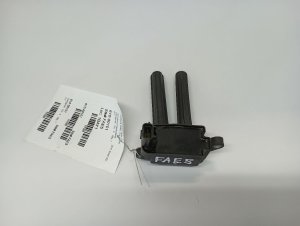
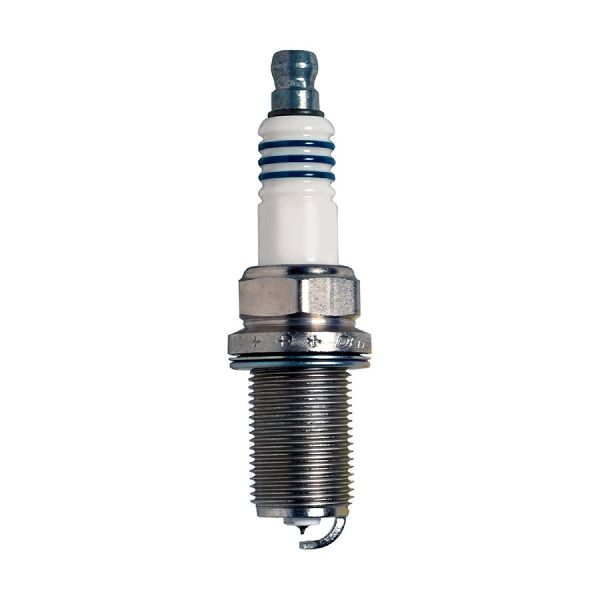
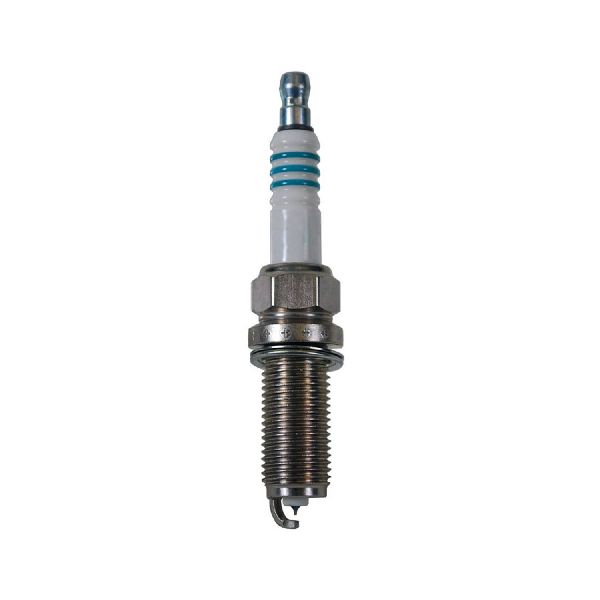
- Worn Spark Plugs or Faulty Ignition Coils 🔴 High Probability → Shop Ignition Coil Spark plugs and coils are standard wear-and-tear items and the most common starting point for any misfire diagnosis. Given the age of this vehicle range, they are often the original cause of misfires if never replaced. Letting spark plugs go for too long with a large gap can overwork and damage the ignition coils.
How to confirm: Inspect spark plugs for wear, fouling, or incorrect gap. Swap an ignition coil from a known misfiring cylinder (if a P030x code is also present) with a non-misfiring cylinder to see if the misfire follows the coil.
Typical fix: Replace all spark plugs as a set. Replace the faulty ignition coil(s).
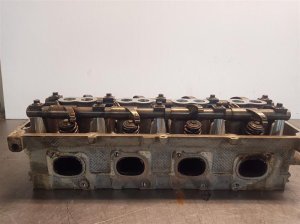
Est. part cost: $50-$200 for a full set of spark plugs and $25-$75 per ignition coil. - Defective Left Cylinder Head (2011-2013 3.6L V6) 🔴 High Probability → Shop Engine Cylinder Head A known manufacturing defect in early 3.6L Pentastar engines caused premature valve seat and guide wear on the left cylinder head, leading to compression loss and misfires. This typically triggers P0300 along with codes for the left bank cylinders: P0302, P0304, and P0306.
How to confirm: Perform a cylinder leak-down test on the left bank cylinders (2, 4, 6). Leakage of 25% or more confirms the issue as per TSB 09-002-14 REV. B.
Typical fix: Replacement of the left cylinder head with an updated part (P/N RL141353AC or newer). 🎬 Watch: A complete walkthrough of the left cylinder head replacement. This was covered under Chrysler's extended warranty X56 (10 years/150,000 miles).
Est. part cost: $500-$1200 for a remanufactured cylinder head assembly. - Failed Rocker Arms / Lifters (3.6L V6) 🔴 High Probability → Shop Engine Rocker Arm The needle bearings in the rocker arms are a common failure point, especially on engines with extended oil change intervals. The failure begins as a light ticking sound and progresses to a seized roller, which then grinds down the camshaft lobe, causing a misfire.
How to confirm: Listen for a distinct ticking/tapping sound from the upper engine. Remove the valve covers to visually inspect the rocker arms and camshaft lobes for wear or damage. A failed rocker arm will often be loose or have a seized roller.
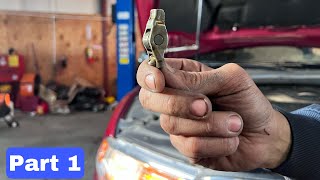
Typical fix: Replace all rocker arms on the affected bank(s) with the updated Mopar part (P/N 05184296AH is a commonly cited part). If the camshaft is damaged, it must also be replaced. This is a labor-intensive job. 🎬 See how to replace 3.6L Pentastar rocker arms and lifters.
Est. part cost: $150-$300 for a set of rocker arms, $200-$400 for a camshaft. - Failed MDS Lifters / Camshaft (5.7L Hemi V8) 🟡 Medium Probability → Shop Engine Valve Lifter The lifters for the Multi-Displacement System (MDS) are a known weak point. The roller bearing on the lifter can fail, causing the lifter to seize and grind away the camshaft lobe, leading to a P0300 code. This issue is often preceded by an engine tick.
How to confirm: Listen for an engine tick at idle. Use an advanced scan tool to check misfire counters for specific cylinders. The definitive diagnosis requires removing the cylinder heads to inspect the lifters and camshaft for damage.
Typical fix: Replacement of the camshaft, all lifters (often with non-MDS lifters as part of an MDS-delete kit), head gaskets, and other related components. This is a major and expensive engine repair. 🎬 Watch this guide on fixing 5.7L Hemi MDS lifter misfires.
Est. part cost: $800-$2000 for a full camshaft and lifter kit. - Faulty Camshaft Position Sensors or VVT System 🟡 Medium Probability → Shop Engine Camshaft TSB #09-012-16 directly links P0300 to slow camshaft response codes (P000A/P000C). The Pentastar engine relies heavily on its Variable Valve Timing (VVT) system, and sensor or solenoid failures are a known issue.
How to confirm: Use a scan tool to check for camshaft-related codes. Monitor live data for camshaft position sensor readings to check for erratic signals. VVT solenoids can be tested for resistance with a multimeter.
Typical fix: Replace the faulty camshaft position sensor(s) or VVT solenoids.
Est. part cost: $30-$80 per sensor. - Fuel Delivery Issues ⚪ Low Probability TSB #18-044-26 links P0300 to a low fuel pressure code (P00C6-00), suggesting issues with the fuel pump or pressure regulation can cause random misfires. A recall was issued for the fuel pump relay, which is integrated into the TIPM (fuse box) and can fail, causing a no-start or stalling.
How to confirm: Connect a fuel pressure gauge to the fuel rail to verify pressure is within specification (typically 59 psi +/- 5 psi). Listen for a humming fuel pump when the key is turned to the 'on' position.
Typical fix: Replace the failing fuel pump module or clogged fuel injectors. If the fuel pump relay is faulty, an external relay kit can be installed as per the recall.
Est. part cost: $200-$500 for a fuel pump, $40-$100 per injector. - Vacuum Leak ⚪ Low Probability The plastic intake plenum and associated gaskets can develop cracks or leaks over time, introducing unmetered air and causing a lean condition that leads to misfires. An owner complaint also mentioned a cracked intake manifold as a cause for P0300.
How to confirm: Perform a smoke test on the intake system to visually identify the source of any leaks. Listen for hissing sounds around the engine bay at idle.
Typical fix: Replace the cracked hose or failed gasket (e.g., intake manifold gasket).
Est. part cost: $10-$150 depending on the gasket or hose.
Rare But Worth Checking
- Worn Camshaft Lobes / Lifters: → Shop Engine Camshaft More common on the 5.7L Hemi, but also seen on the 3.6L V6. TSB #S1709000010 Rev A mentions this issue causing misfires, rough idle, and lack of power due to excessive camshaft lobe/lifter wear. This is a significant mechanical repair.
- Clogged Catalytic Converter: → Shop Catalytic Converter A severely clogged catalytic converter can create excessive exhaust backpressure, leading to random misfires and a significant loss of power.
Diagnosis Steps
- Read all codes from the PCM using an OBD-II scanner. Note any codes that accompany P0300, as they provide critical clues. Use a scanner with Mode $06 to view misfire counts per cylinder.
- Listen for an audible ticking or tapping noise from the engine, which is a strong indicator of valvetrain issues like rocker arms (3.6L) or lifters (5.7L).
- If the check engine light is flashing, stop the engine immediately to prevent catalytic converter damage.
- Start with the basics: Inspect the ignition system. Check the condition and gap of all spark plugs. If they are old or fouled, replace them.
- Test the ignition coils. You can swap a coil with another cylinder to see if a specific misfire code (e.g., P0302) moves to the new cylinder.
- For 2011-2013 3.6L V6 engines, a cylinder leak-down test is highly recommended to rule out the common cylinder head issue, especially if misfires are concentrated on cylinders 2, 4, and 6.
- For 5.7L Hemi engines, if a ticking noise is present, suspect MDS lifter failure. Diagnosis requires engine teardown for visual inspection of lifters and the camshaft.
- Check fuel pressure using a gauge connected to the fuel rail to rule out a weak fuel pump.
- Perform a smoke test to check for vacuum leaks from the intake manifold or related hoses.
Parts You'll Likely Need
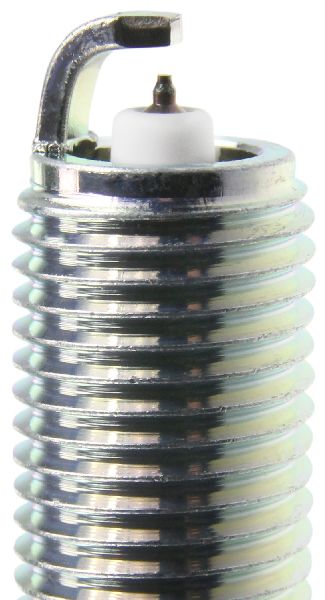
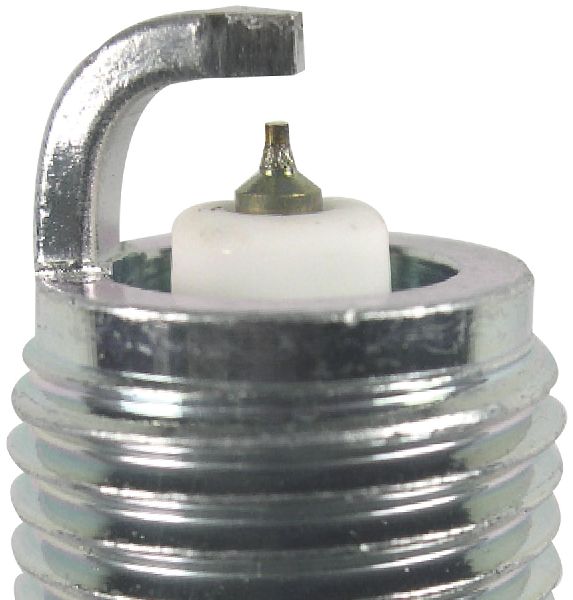
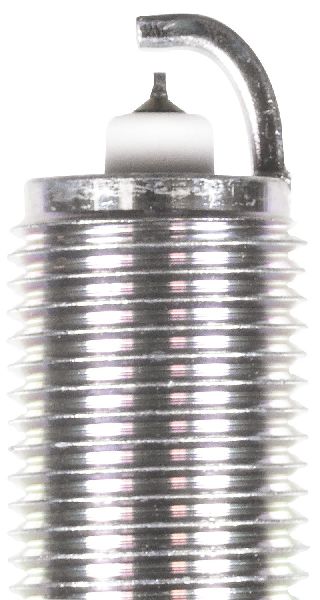
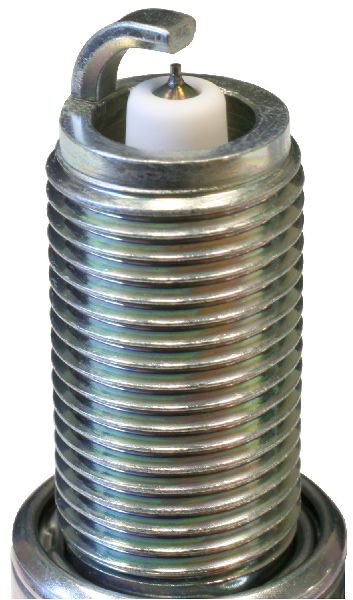
- Spark Plugs — These are a primary wear item and the most common cause of misfires. They are relatively inexpensive and should be the first part replaced during a tune-up.
Trusted brands: NGK, Champion
OEM price range: $15-$25 per plug
Aftermarket price range: $8-$15 per plug - Ignition Coil
(OEM #5149168AH)— Coils provide the high voltage for the spark plugs. They can fail with age and heat, leading to misfires. Mopar P/N 5149168AH is a common replacement.
Trusted brands: Mopar, Denso, Duralast
OEM price range: $50-$75 per coil
Aftermarket price range: $25-$50 per coil - Left Cylinder Head (3.6L V6, 2011-2013)
(OEM #RL141353AC)— Required to fix the inherent manufacturing defect in early Pentastar engines that causes compression loss and misfires on the left bank.
Trusted brands: Mopar
OEM price range: $800-$1200 (Remanufactured)
Aftermarket price range: $500-$900 (Remanufactured) - Rocker Arm (3.6L V6)
(OEM #05184296AH)— The bearings in the original rocker arms are prone to failure, leading to ticking and eventual camshaft damage. The updated parts are necessary for a lasting repair.
Trusted brands: Mopar
OEM price range: $10-$20 per arm
Aftermarket price range: $8-$15 per arm
Related Codes That Often Appear With This One
- P0301-P0306 — These codes specify which cylinder is misfiring (e.g., P0301 for cylinder 1). They often appear with P0300 to help pinpoint the problem area. For the 3.6L head issue, P0302, P0304, and P0306 are common companions.
- P000A / P000C — As per TSB #09-012-16, these codes indicate a 'Camshaft Slow To Respond,' pointing to a VVT system issue that is causing the misfires.
- P00C6-00 — TSB #18-044-26 links this 'Fuel Rail Pressure Too Low' code with P0300, indicating a fuel delivery problem is the likely cause of the misfire.
- P2097 — This code for 'Post Catalyst Fuel Trim Too Rich' can appear alongside P0300, as seen in a forum thread where a user was diagnosing multiple issues including misfires and O2 sensor problems.
- U0140 — TSB #18-096-15 links P0300 on 5.7L engines with U0140 'Lost Communication With Body Control Module'. This often indicates a software issue requiring a PCM flash update at the dealer.
Technical Service Bulletins (TSBs) & Recalls
- 09-002-14 REV. B
- X56 Warranty Extension
- 09-012-16
- 18-044-26
- S1709000010 Rev. A
- 18-055-16
- 9100143
Platform-Specific Known Issues
- High probability of left cylinder head failure due to defective valve guides/seats. Covered by extended warranty X56. Look for codes P0302, P0304, P0306 alongside P0300.
- High probability of rocker arm failure, identified by a ticking noise from the top of the engine. Failure to address the ticking can lead to camshaft damage and a P0300 code.
- Medium-to-high probability of MDS lifter failure. This also presents as an engine tick ('Hemi Tick') that, if ignored, results in a destroyed camshaft lobe and a P0300 misfire code. This is a major engine repair.
Mechanic-Grade Diagnostic Values
- Fuel Pressure (Key On, Engine Off) — expected: 407 kPa +/- 34 kPa (59 psi +/- 5 psi). Failure: Pressure below specification indicates a weak fuel pump or restricted filter. Pressure above specification can indicate a faulty fuel filter/pressure regulator assembly.
- MDS Solenoid Resistance (5.7L Hemi) — expected: 10.3 Ohms ± .25 ohms at 68° F (20° C). Resistance will vary with temperature.. Failure: A reading significantly outside the expected range for a given temperature indicates a faulty solenoid.
- Mode $06 Misfire Data — expected: Zero or very low misfire counts per cylinder during a drive cycle.. Failure: High and accumulating counts on specific cylinders (or all cylinders) points to the location of the misfire, even before a specific P030x code is set.
- Fuel Pump Relay Output Circuit Resistance — expected: Below 5.0 Ohms. Failure: Resistance above 5.0 Ohms indicates an open or high resistance in the circuit between the relay and the fuel pump module.
Hidden / Shadow Codes Worth Checking
- Mode $06 Data: This is not a specific code, but a diagnostic mode on advanced scanners that provides access to non-continuous monitor test results. For P0300, it is invaluable as it shows current and historical misfire counts for each individual cylinder, allowing a technician to see which cylinders are misfiring before a specific P0301-P0308 code is logged. (see via An OBD-II scanner that supports Mode $06 functionality.)
Scan Tool Commands That Help
- wiTECH or equivalent professional scanner: ASD Fuel System Test — This bidirectional command actuates the fuel pump relay, allowing a technician to run the fuel pump on demand to test for operation and check fuel pressure without starting the engine.
- wiTECH or equivalent professional scanner: Cylinder Contribution Test — This test deactivates one cylinder at a time and measures the corresponding drop in engine RPM. A cylinder that shows little to no RPM drop when deactivated is not contributing power, confirming a misfire on that specific cylinder.
- wiTECH: PCM Reprogramming/Flash — Used to update the Powertrain Control Module software. This is the specific fix for TSB #18-096-15, which links P0300 with U0140, and other bulletins that address drivability issues caused by software logic.
Wiring & Ground Locations
- G903 / G909a — Wiring diagrams indicate these are key ground points for the engine control system. While exact locations can vary slightly by year and engine, they are typically found in the engine bay, bolted to the chassis frame rail or engine block.. A poor ground at these locations can cause erratic behavior from the PCM, sensors, and ignition system, leading to random misfires and other difficult-to-diagnose electrical issues.
- Fuel Pump Relay Wiring (External Recall Relay) — For vehicles with the fuel pump relay recall performed, an external relay and wiring harness are added near the main fuse box (TIPM). The fuel pump power wire is typically blue with an orange stripe.. A failure in this added relay or its wiring can cut power to the fuel pump, causing stalling and misfires under load. Diagnosis involves checking for voltage at the blue/orange wire when the relay is commanded on.
- Engine to Body Ground Strap — A braided metal strap connecting the engine block to the vehicle's body/frame. Part number 68070029AA is listed for this purpose.. A corroded or broken main ground strap can create a host of electrical problems, including weak spark and incorrect sensor readings, which can manifest as a P0300 code.
Real Owner Repair Stories
- ScannerDanner Forum (2012 Dodge Durango 3.6L with 224,000 miles) — Consistent P0300, with misfire counts primarily on cylinders 1, 3, and 5. Also had P2097 (Post Catalyst Fuel Trim Too Rich Bank 1) and P0171 (System Too Lean Bank 1).
❌ Tried (didn't work) Replaced battery., Replaced spark plugs on Bank 1.
✅ What actually fixed it The owner replaced the Bank 1 Sensor 1 (upstream) O2 sensor. It was discovered that the Bank 1 valve cover was leaking oil directly onto the O2 sensor and its wiring harness, causing the sensor to fail and send incorrect data, which led to the fuel trim issues and misfires. Replacing the sensor resolved the codes, with the next step being to replace the leaking valve cover gasket. - RamForum.com (relevant 5.7L Hemi issue) (2014 Ram 1500 5.7L Hemi with 135k miles) — P0300 multiple misfire code, very rough running, and engine stalling at idle immediately after a major repair.
❌ Tried (didn't work) The user had just completed a camshaft and lifter replacement, along with new spark plugs, to fix a lifter knock.
✅ What actually fixed it The diagnosis from other forum members pointed to incorrectly installed pushrods or rocker arm assembly. The final advice, confirmed by others, was that after a cam/lifter job, it is critical to turn the engine over by hand at least two full rotations to ensure all valvetrain components are seated correctly and no pushrods are bent or misaligned before starting the engine. The rough running was caused by incorrect valve actuation due to this installation error.
"I Checked Everything" — The Actual Cause
- In a case documented on the ScannerDanner forum, a P0300 code accompanied by lean and rich codes (P0171, P2097) was not caused by a vacuum leak. A smoke test would have come back clean. The actual cause was a valve cover gasket leaking oil onto the upstream O2 sensor, causing it to malfunction and create severe fuel trim imbalances that resulted in misfires.
When the Usual Fixes Don't Work
- While ignition components are a common cause, owners should be wary of replacing only spark plugs and coils if the vehicle is a 2011-2013 3.6L V6 or a 5.7L Hemi with an audible ticking noise. In these specific cases, the root cause is very likely the known cylinder head defect or a failed lifter/camshaft, respectively. A forum user with a high-mileage 2012 3.6L found that even after replacing plugs, the P0300 persisted along with fuel trim codes. The ultimate fix was an O2 sensor that had been contaminated by a leaking valve cover gasket, demonstrating that the misfire can be a symptom of a failed sensor creating an improper air/fuel mixture.
OEM Part Supersession History
05184296AE, 05184296AF, 05184296AG→05184296AH— Updated design to improve the durability of the needle bearings in the rocker arm roller, which was a common failure point causing ticking and camshaft damage on the 3.6L Pentastar engine.Various early 3.6L left cylinder heads (2011-2013)→RL141353AC (reman) or newer revisions.— Original heads had defective valve guides and seats that caused premature wear and loss of compression. The updated heads resolved this manufacturing defect.
Model Year Variations Within This Range
- 2011-2013: These model years used a 5-speed automatic transmission. The 3.6L V6 in these years is also most susceptible to the left cylinder head defect covered by an extended warranty.
- 2014-2018: The 2014 model year introduced a significant refresh, including revised styling and a new, more efficient 8-speed ZF automatic transmission for all engines. The base 3.6L V6 engine horsepower increased slightly from 290 to 295 hp in some trims.
Helpful Videos
Used OEM Parts in Stock
New Aftermarket Parts Available

The information in this article is provided for general reference and educational purposes only. Vehicle specifications, procedures, and part compatibility can vary by production date, trim level, and region. Always consult your vehicle's factory service manual and verify part numbers before purchasing or performing repairs. Safety-critical components such as airbags, seat belts, and braking systems should be installed by a qualified professional.
- Dodge DURANGO:
- 🧭 Diagnostic Flowchart
- 🎬 Helpful Videos
- 🛍️ Shop This Part
- What's Unique About the 2011-2018 Dodge DURANGO
- Symptoms You May Notice
- Most Likely Causes
- Rare But Worth Checking
- Diagnosis Steps
- Parts You'll Likely Need
- Related Codes That Often Appear With This One
- Technical Service Bulletins (TSBs) & Recalls
- Platform-Specific Known Issues
- Mechanic-Grade Diagnostic Values
- Hidden / Shadow Codes Worth Checking
- Scan Tool Commands That Help
- Wiring & Ground Locations
- Real Owner Repair Stories
- "I Checked Everything" — The Actual Cause
- When the Usual Fixes Don't Work
- OEM Part Supersession History
- Model Year Variations Within This Range
- 🎟️ Get 5% Off