

P0300 on 2022-2023 Jeep Cherokee: Causes and Fixes for Random Misfires
P0300 on a 2022-2023 Jeep Cherokee most often indicates worn spark plugs or faulty ignition coils. However, a critical TSB for 2022 models links this code to low fuel pressure (P00C6) and a high oil level, pointing to a possible fuel system issue. Start with ignition, but be aware of this specific fuel-related problem. On 3.2L V6 engines, a failed rocker arm is also a common culprit.
- P0300 means multiple cylinders are misfiring, which requires prompt attention to avoid catalytic converter damage.
- Start your diagnosis with the most common and affordable fixes: inspect spark plugs and ignition coils.
- For 2022 models, be highly aware of TSB #18-044-26. Check your oil for a high level and gasoline smell, as it could indicate a more serious fuel system problem.
- If you have a 3.2L V6 engine and hear a ticking noise, the misfire could be related to a known rocker arm issue.
- Do not continue driving if the check engine light is flashing.
What's Unique About the 2022-2023 Jeep CHEROKEE
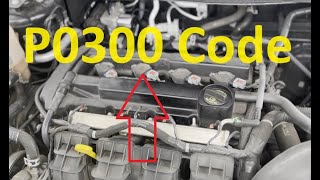
For the 2022-2023 Jeep Cherokee (KL generation), the key issue with P0300 is a specific problem identified by Jeep. A Technical Service Bulletin (TSB #18-044-26) for 2022 models directly connects P0300 with a fuel rail pressure code (P00C6) and a high oil level warning. This strongly suggests that a fuel system fault, specifically a leaking high-pressure fuel injector on the GDI engines (2.0T, 3.2L), could be causing fuel to wash down the cylinder walls and dilute the engine oil, leading to misfires and lubrication issues. This is a critical diagnostic clue that goes beyond the usual spark plug and coil issues. 🎬 Watch: Understanding the common causes of a P0300 misfire code. Additionally, the 3.2L V6 is known for rocker arm failures, and the 2.4L for oil consumption issues, both of which are frequent causes of P0300 on this platform.
Diagnostic Flowchart
Tap your situation to follow the diagnostic path that matches what you're seeing on this vehicle.
Symptoms You May Notice
- Check engine light is on or flashing
- Rough or shaky idle
- Engine hesitation or stumbling during acceleration
- Noticeable loss of engine power
- Increased fuel consumption
- Sputtering or popping noises from the engine or exhaust
- Ticking or tapping noise from the top of the engine (especially with 3.2L V6 rocker arm failure)
- Replacing only spark plugs when the ignition coils are bad or when oil has fouled the plug tubes from a leaking valve cover gasket.
- Replacing oxygen sensors. While a bad O2 sensor can cause fuel mixture issues, it's less likely to be the root cause of a random misfire than ignition or fuel delivery problems.
- On the 3.2L V6, repeatedly replacing plugs and coils when the underlying issue is a mechanical rocker arm failure.
Most Likely Causes
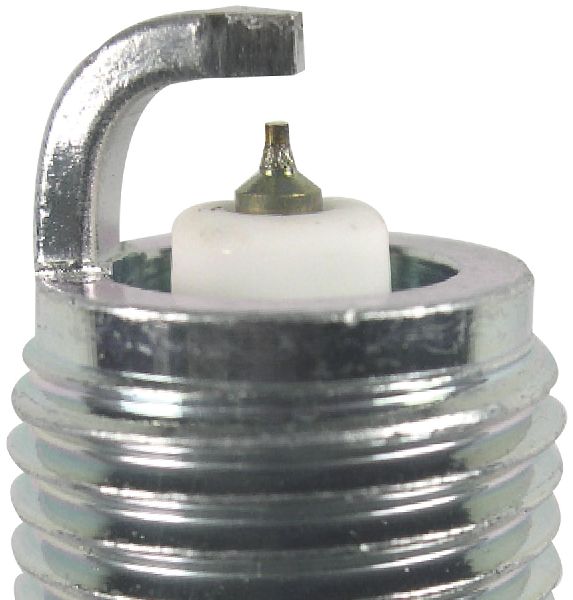
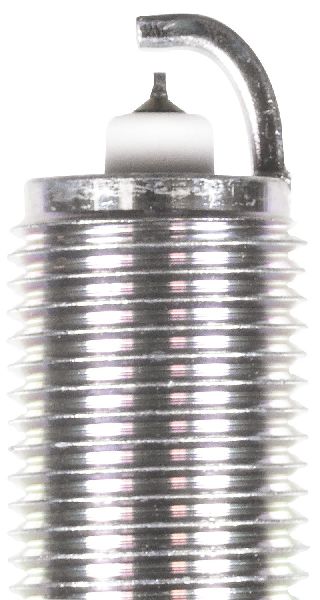
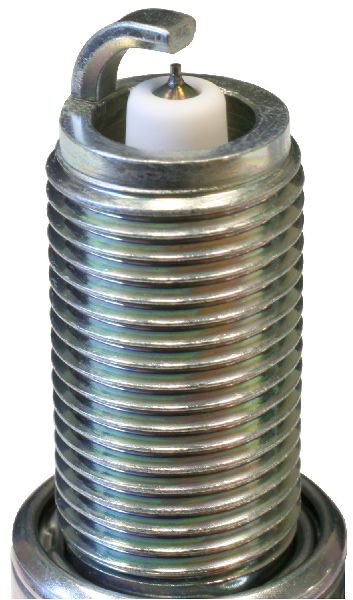
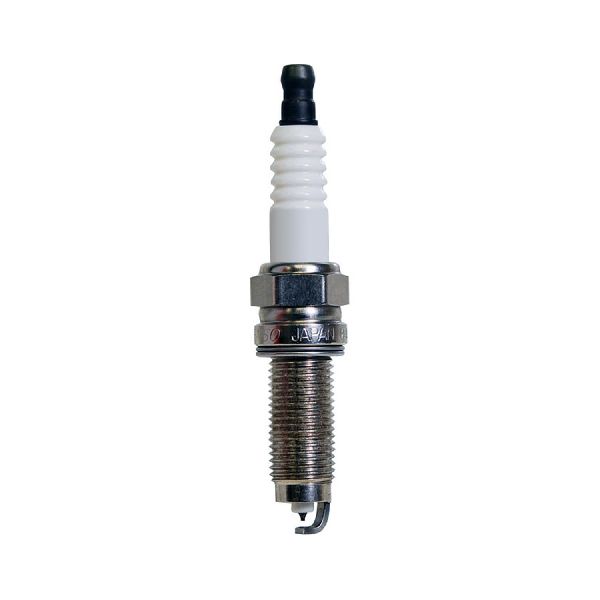
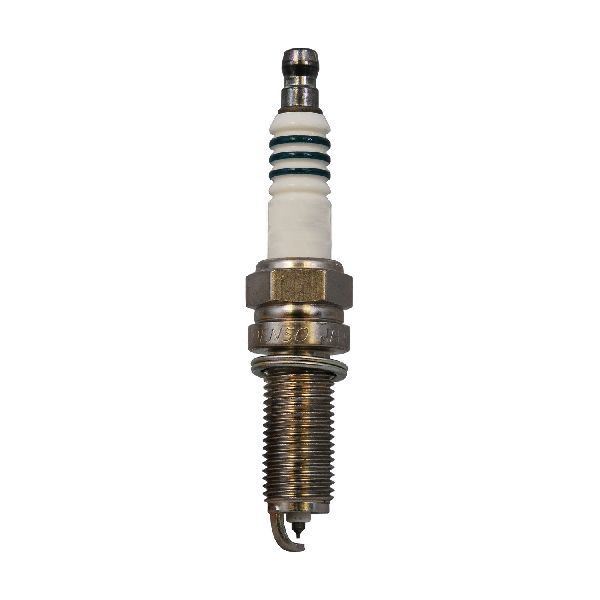
- Worn or Fouled Spark Plugs 🔴 High Probability → Shop Spark Plug Spark plugs are a standard maintenance item and the most common cause of misfires on any gasoline engine. On the 2.4L engine, known oil consumption issues can foul plugs prematurely, causing P0300.
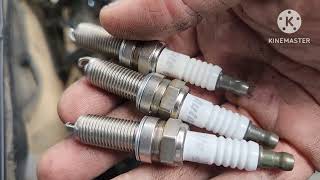
How to confirm: Remove and inspect the spark plugs. Look for worn electrodes, heavy carbon buildup, oil fouling, or cracks in the porcelain. The gap should also be checked against manufacturer specifications (e.g., 0.043 inches for the 3.2L V6).
Typical fix: Replace all spark plugs as a set. It is recommended to use OEM-specification Iridium plugs for best performance and longevity.
Est. part cost: $40-$100 - Faulty Ignition Coil(s) 🔴 High Probability → Shop Ignition Coil Ignition coils are subjected to intense heat and vibration, causing them to fail over time. A very common issue on the 2.4L engine is a leaking valve cover gasket, which allows oil to seep into the spark plug tubes and damage the ignition coils and their boots.
How to confirm: Use a scan tool with live data to see if misfire counts are higher on specific cylinders. Swap the ignition coil from a suspected bad cylinder with one from a known good cylinder. If the misfire code follows the coil (e.g., a P0302 becomes a P0304 after swapping coils from cylinders 2 and 4), the coil is faulty.
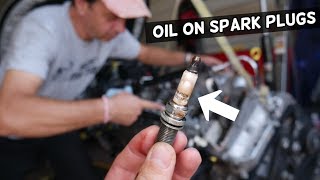
Typical fix: Replace the faulty ignition coil. If the coils are original and the vehicle has high mileage, it is often wise to replace them as a set. If oil was found in the spark plug tube, the valve cover gasket and tube seals must be replaced first to prevent repeat failure. 🎬 See how oil leaks into spark plug tubes on the 2.4L.
Est. part cost: $40-$80 per coil - Fuel System Fault (Injectors, Fuel Pump, Pressure Sensor) 🟡 Medium Probability TSB #18-044-26 specifically identifies an issue on 2022 models where P0300 occurs with P00C6 (Fuel Rail Pressure Too Low) and a high oil level warning. This points to a problem with the high-pressure fuel system, such as a leaking injector or failing high-pressure fuel pump, causing fuel to enter the crankcase.
How to confirm: Scan for additional codes, specifically P00C6. Check the engine oil level; if it is high and smells strongly of gasoline, this is a strong indicator of fuel dilution. A technician can perform a fuel pressure test to confirm low pressure.
Typical fix: Diagnosis is key. The fix could be replacing one or more faulty fuel injectors, the high-pressure fuel pump, or a fuel pressure sensor. An oil change is mandatory after the repair. This repair is often best left to a professional.
Est. part cost: $100-$1000+ - Vacuum Leak ⚪ Low Probability Plastic and rubber vacuum hoses can become brittle and crack over time due to heat cycles, allowing unmetered air into the engine and disrupting the air-fuel ratio. Common leak points include the PCV valve hose and intake manifold gaskets.
How to confirm: With the engine running, listen for hissing sounds around the intake manifold and vacuum lines. A more effective method is to use a smoke machine to feed smoke into the intake system and watch for where it escapes. Alternatively, one can carefully spray short bursts of brake cleaner near suspected leak areas; if the engine RPM changes, a leak is present.
Typical fix: Locate and replace the cracked hose, leaking gasket, or faulty component causing the leak.
Est. part cost: $5-$100
Rare But Worth Checking
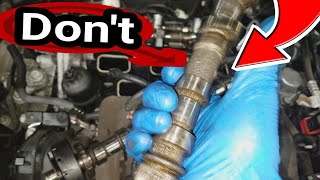
- Rocker Arm / Lifter Failure (3.2L V6): → Shop Engine Rocker Arm The 3.2L Pentastar V6 engine, available in the 2022 model, has a known history of rocker arm bearing failure. This can lead to a collapsed lifter and cause a persistent misfire, often accompanied by a ticking or tapping noise from the top of the engine. This is a mechanical issue that will not be solved by ignition or fuel system repairs. 🎬 Watch: Identifying the 3.2L Pentastar V6 rocker arm ticking noise.
- PCM Software Update Needed: Several TSBs for the Cherokee KL platform have involved updating the Powertrain Control Module (PCM) software to correct issues where misfires were being falsely detected or to adjust engine parameters. It's worth checking with a dealer if any software updates are available for your vehicle's VIN before proceeding with hardware replacement.
Diagnosis Steps
- Read all fault codes with an OBD-II scanner. Pay close attention to any other codes present, especially fuel-related codes like P00C6 or cylinder-specific codes (P0301-P0306).
- Check the engine oil dipstick. Note if the oil level is excessively high and if it smells strongly of raw gasoline, which indicates fuel dilution as described in TSB #18-044-26.
- For 3.2L V6 models, listen carefully for a rhythmic ticking or tapping sound from the valve covers, which is a classic symptom of rocker arm failure.
- Inspect the ignition system. Remove the ignition coils and check the spark plug tubes for any signs of engine oil. A leak from the valve cover gasket can ruin the coils.
- Remove and inspect all spark plugs. Look for signs of wear, damage, or fouling (carbon or oil). Replace if they are worn or if their condition is questionable.
- Test the ignition coils. If your scanner can show live misfire data, identify a misfiring cylinder and swap its coil with a known good one. If the misfire follows the coil, the coil is bad.
- Check for vacuum leaks. A professional method is to use a smoke machine to introduce smoke into the intake tract and observe where it leaks out. A DIY method is to listen for hissing noises and inspect all vacuum hoses connected to the intake manifold for cracks or disconnections.
- If the above steps do not reveal the cause, further professional diagnosis is recommended. This may include testing fuel pressure, testing fuel injectors, and performing an engine compression test to check for mechanical issues like the V6 rocker arm failure.
Parts You'll Likely Need
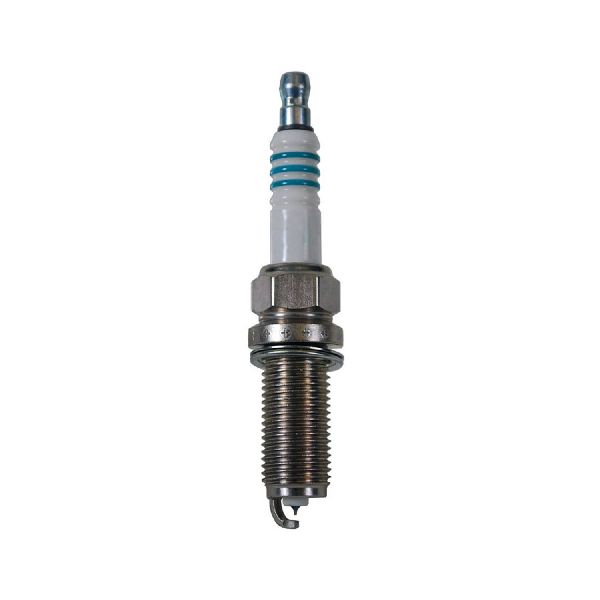
- Spark Plugs
(OEM #3.2L: SP149125AF; 2.4L: SP148183AD; 2.0L: 68292346AA)— This is the most common cause of misfires and a routine maintenance item.
Trusted brands: Mopar, NGK, Champion
OEM price range: $80-$150
Aftermarket price range: $40-$100 - Ignition Coil
(OEM #3.2L: 5158562AC; 2.4L: 68242286AB; 2.0L: 68211953AA)— A very common failure item that directly causes misfires, often damaged by oil leaks on the 2.4L engine.
Trusted brands: Mopar, Delphi, Bosch
OEM price range: $70-$120
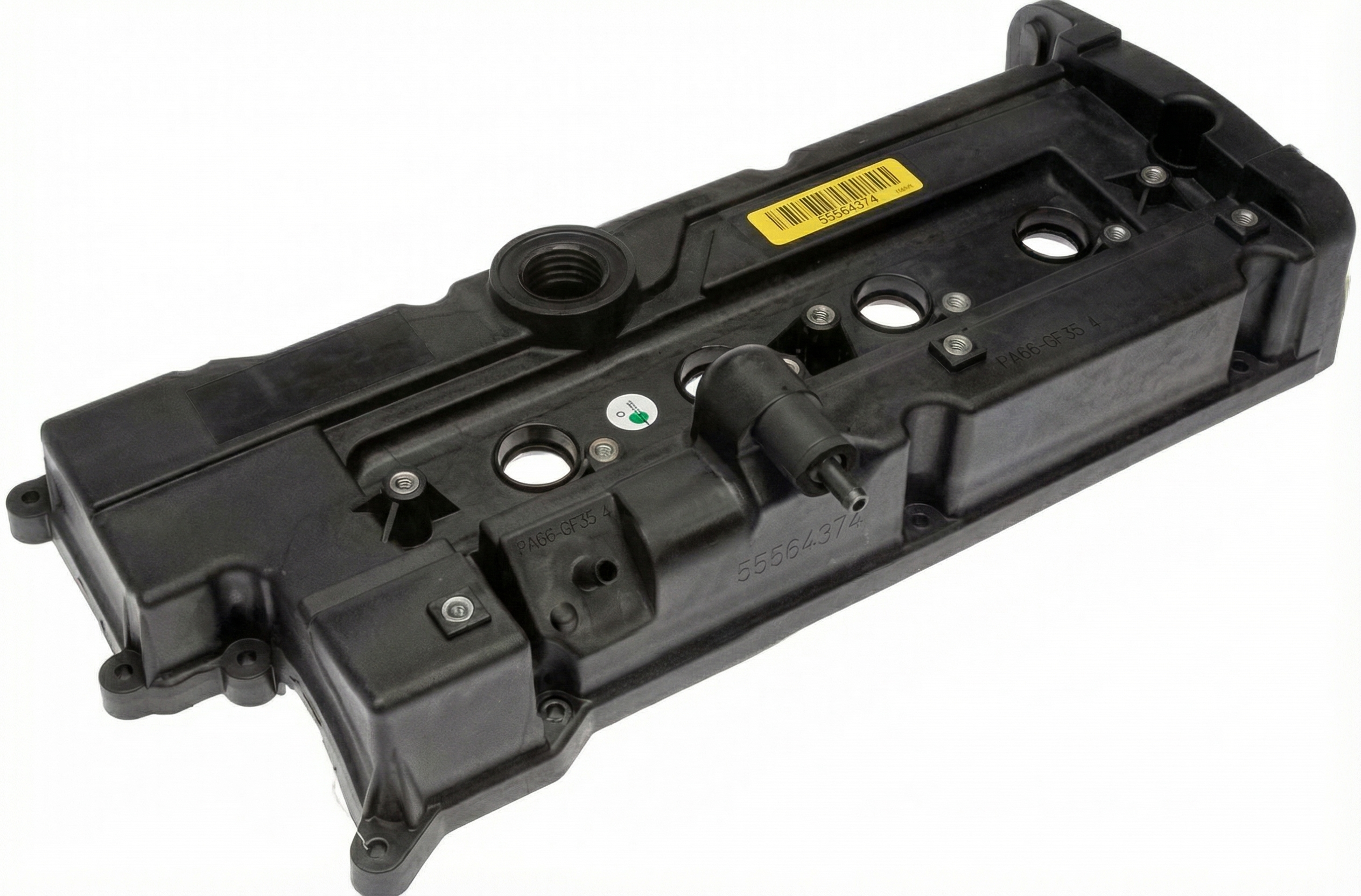
Aftermarket price range: $30-$70 - Valve Cover Gasket — On the 2.4L engine, the valve cover gasket is prone to leaking oil into the spark plug tubes, which damages the ignition coils and causes misfires.
Trusted brands: Mopar, Fel-Pro, Mahle
OEM price range: $50-$90
Aftermarket price range: $25-$50
Related Codes That Often Appear With This One
- P00C6 — As per TSB #18-044-26, this 'Fuel Rail Pressure Too Low' code is directly linked to P0300 on 2022 models and points to a significant fuel system issue causing fuel to dilute the engine oil.
- P0301, P0302, P0303, P0304, etc. — These codes indicate a misfire on a specific cylinder. They often accompany P0300 as the PCM tries to narrow down the problem or as the random misfire begins to settle on specific cylinders.
Technical Service Bulletins (TSBs) & Recalls
- 18-044-26: For 2022 models, links P0300 to P00C6 (Fuel Rail Pressure Too Low) and a high oil level warning, indicating a potential fuel system issue causing oil dilution.
Platform-Specific Known Issues
- PCM Software Updates: Multiple TSBs exist for the KL Cherokee platform that involve reprogramming the Powertrain Control Module (PCM) to fix falsely detected misfires. Before expensive part replacements, it's crucial to check with a dealer for any available software updates for your vehicle's VIN.
- Excessive Oil Consumption: This engine is widely known for consuming oil, which can lead to P0300 in two ways: 1) The oil level dropping too low can starve the MultiAir valve actuation system, causing misfires. 2) Oil burning can quickly foul the spark plugs, leading to ignition-based misfires.
- Rocker Arm Bearing Failure: → Shop Engine Rocker Arm A well-documented issue on the Pentastar engine family is the failure of needle bearings in the rocker arms. This leads to a loss of valve lift, causing a persistent misfire often accompanied by a distinct ticking or tapping sound from the upper engine.
- Fuel Dilution of Oil (TSB #18-044-26): A critical TSB for 2022 models links P0300 with P00C6 (Fuel Rail Pressure Too Low) and a high oil level. This indicates a high-pressure fuel injector may be leaking fuel directly into the cylinder, which then seeps past the piston rings and contaminates the engine oil, causing misfires and potential engine damage.
Mechanic-Grade Diagnostic Values
- Ignition Coil Primary Resistance — expected: 0.4 - 2.0 Ohms. Failure: A reading outside this range indicates a faulty coil winding.
- Ignition Coil Secondary Resistance — expected: 6,000 - 15,300 Ohms. Failure: A reading outside this range suggests the coil is bad, though it may not identify a coil that fails only under high voltage/heat.
- Fuel Pressure (Low-Pressure Side) — expected: 44-54 psi. Failure: Pressure below 44 psi can cause a lean condition and random misfires.
- Spark Plug Gap (3.2L V6) — expected: 0.043 inches (1.1 mm). Failure: An incorrect gap can lead to weak or inconsistent spark.
Scan Tool Commands That Help
- wiTECH: OBDII Monitors -> Which cylinder is misfiring — To view live misfire counts for each cylinder when only a P0300 random misfire code is present. This helps isolate the problematic cylinder(s) without a specific P030x code.
- wiTECH: Misc. Functions Tab -> Clear Mis-fire TLC — This function is used to clear the 'Tooth Learn Correction' (TLC) data after certain repairs or PCM reprogramming to ensure the misfire monitor runs correctly.
Wiring & Ground Locations
- G103 — On the passenger side of the engine block, a main battery ground.. This is a primary ground for the PCM. A poor connection here can cause erratic PCM behavior, including false misfire detection or poor ignition/injector control.
- G104 — A ground strap from the firewall to the side of the engine block, behind the dipstick tubes.. This ground is for the oxygen sensors and A/C clutch. A bad O2 sensor ground can corrupt fuel trim data, leading the PCM to create a fuel mixture that causes misfires.
- G106 / G107 — Located on the driver's side inner fender, behind the airbox.. These ground various accessories. While not directly tied to the ignition system, poor grounds in the engine bay can create electrical noise that may interfere with sensor readings.
- PCM Grounds — Two small ground straps on the mounting bolts of the PCM itself.. These are critical for the proper operation of the engine computer. Corrosion or looseness can directly lead to a host of engine management issues, including P0300.
Real Owner Repair Stories
- RamForum.com user (4th Gen Ram (similar Pentastar architecture)) — P0300, rough running, lifter knock noise after cam/lifter replacement.
❌ Tried (didn't work) Initially suspected bad new parts or incorrect timing.
✅ What actually fixed it The user found an exhaust rocker arm on one cylinder was misaligned during reassembly. Loosening the rocker shaft, realigning the rocker arm correctly, and re-torquing the bolts completely solved the misfire and noise. - Jeep Cherokee Forum user (2004 Jeep Grand Cherokee 4.0L) — Flashing check engine light with P0300 and multiple specific cylinder misfire codes (P0301-P0306) under load, with intermittent loss of power.
❌ Tried (didn't work) Replaced spark plugs, ignition coils, fuel pump, camshaft position sensor.
✅ What actually fixed it Another user suggested the Powertrain Control Module (PCM) itself could be faulty, even without a specific PCM error code. The original poster later confirmed that replacing the PCM resolved the persistent misfire issue.
OEM Part Supersession History
5184296AD, 5184296AE, 5184296AF, 5184296AG→5184296AH— This is the valve rocker arm for the 3.2L and 3.6L Pentastar engines. The part has been revised multiple times, likely to improve the durability of the needle bearings which are a known failure point leading to ticking and misfires.
Model Year Variations Within This Range
- 2022 vs 2023: The engine lineup was significantly simplified for the 2023 model year. For 2022, the standard engine was the 3.2L V6, with a 2.0L Turbo I4 optional. For 2023, the Cherokee was reduced to only two trims: the Altitude Lux with a 2.4L I4 and the Trailhawk with the 2.0L Turbo I4. The 3.2L V6 was discontinued. This is critical for diagnosis, as the V6-specific rocker arm issue does not apply to 2023 models.
Helpful Videos
Used OEM Parts in Stock
New Aftermarket Parts Available

The information in this article is provided for general reference and educational purposes only. Vehicle specifications, procedures, and part compatibility can vary by production date, trim level, and region. Always consult your vehicle's factory service manual and verify part numbers before purchasing or performing repairs. Safety-critical components such as airbags, seat belts, and braking systems should be installed by a qualified professional.
- Jeep CHEROKEE:
- 🧭 Diagnostic Flowchart
- 🎬 Helpful Videos
- 🛍️ Shop This Part
- What's Unique About the 2022-2023 Jeep CHEROKEE
- Symptoms You May Notice
- Most Likely Causes
- Rare But Worth Checking
- Diagnosis Steps
- Parts You'll Likely Need
- Related Codes That Often Appear With This One
- Technical Service Bulletins (TSBs) & Recalls
- Platform-Specific Known Issues
- Mechanic-Grade Diagnostic Values
- Scan Tool Commands That Help
- Wiring & Ground Locations
- Real Owner Repair Stories
- OEM Part Supersession History
- Model Year Variations Within This Range
- 🎟️ Get 5% Off