

P0300 on 2011-2018 Jeep Grand Cherokee: Random Misfire Causes and Fixes
P0300 on a 2011-2018 Grand Cherokee is often caused by simple issues like worn spark plugs or bad ignition coils. However, if you hear a ticking noise, it likely points to a more serious, known valvetrain problem in the 3.6L V6 (rocker arms/camshafts) or 5.7L V8 (MDS lifters), which is a more expensive repair.
- P0300 means multiple cylinders are misfiring, but the cause could be a single component affecting the whole engine.
- Always start with the basics: check for other codes and inspect spark plugs and ignition coils.
- On a 3.6L V6 or 5.7L V8, an engine ticking noise accompanying a P0300 code is a strong indicator of a serious internal engine problem (cam/lifters/rockers).
- Do not ignore a flashing check engine light. Pull over safely to prevent catastrophic damage to your catalytic converters.
- For early 3.6L models (2011-2013), be aware of the potential for a defective left cylinder head, which was covered by an extended warranty.
What's Unique About the 2011-2018 Jeep GRAND CHEROKEE

For the WK2 Grand Cherokee, a P0300 code is not just a simple tune-up alert; it's often a symptom of well-documented mechanical engine issues. On the popular 3.6L Pentastar V6, this code is frequently linked to a premature failure of the rocker arms and camshafts, often preceded by a 'sewing machine' like tick. On the 5.7L Hemi V8, it can be caused by failed lifters related to the Multi-Displacement System (MDS), which also produces a distinct 'Hemi tick'. While standard ignition and fuel system faults are possible, these specific valvetrain problems are a significant concern for owners of this generation.
Diagnostic Flowchart

Tap your situation to follow the diagnostic path that matches what you're seeing on this vehicle.
Symptoms You May Notice
- Rough or shaky idle
- Engine hesitation or stumbling during acceleration
- Noticeable loss of power
- Flashing Check Engine Light
- Reduced fuel economy
- Engine running rough
- Audible ticking or tapping noise from the engine, sometimes described as a 'sewing machine' sound
- Replacing oxygen sensors when the root cause is a vacuum leak or mechanical misfire that is causing the O2 sensor to report a lean/rich condition.
- Replacing only spark plugs when the underlying cause is a failing ignition coil or a deeper mechanical issue like a worn camshaft.
Most Likely Causes

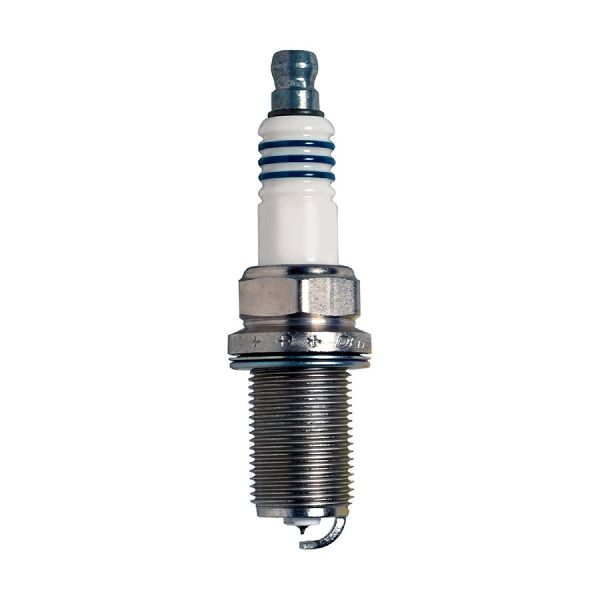
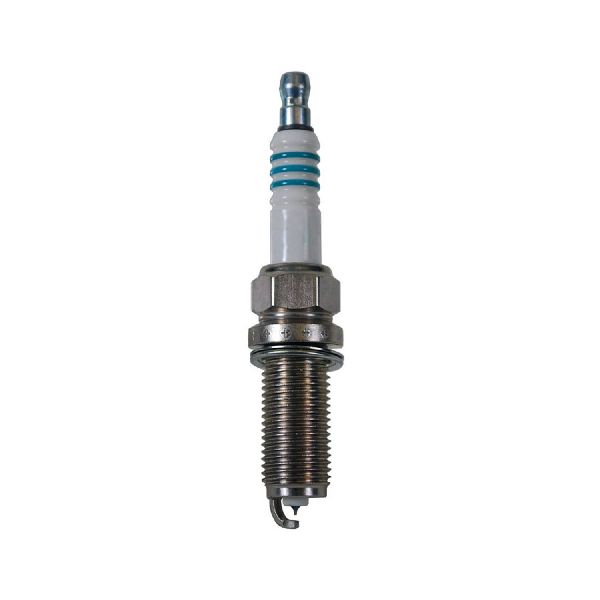
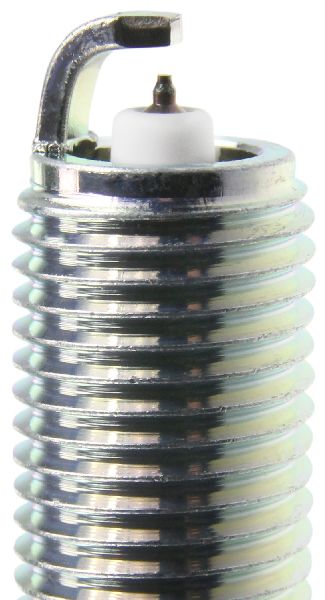
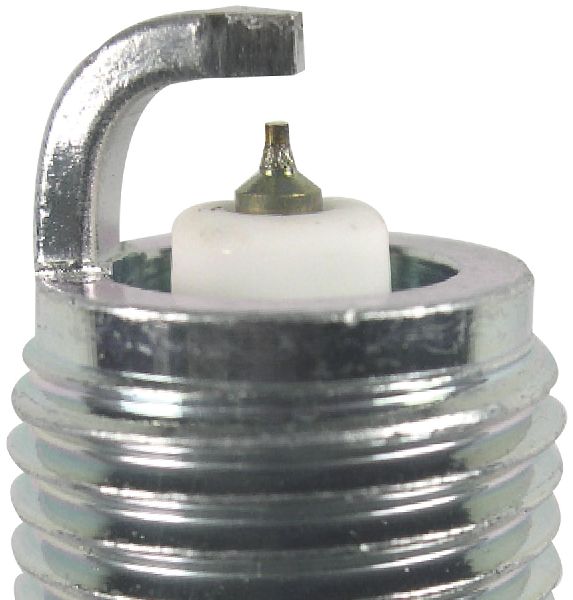
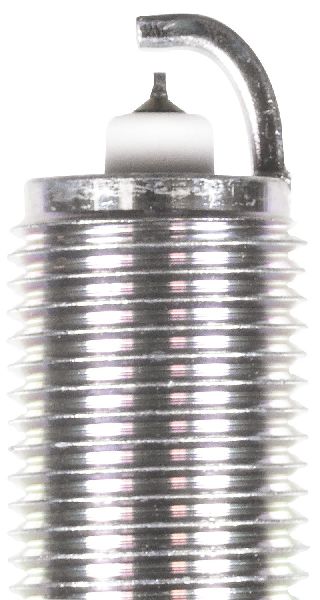
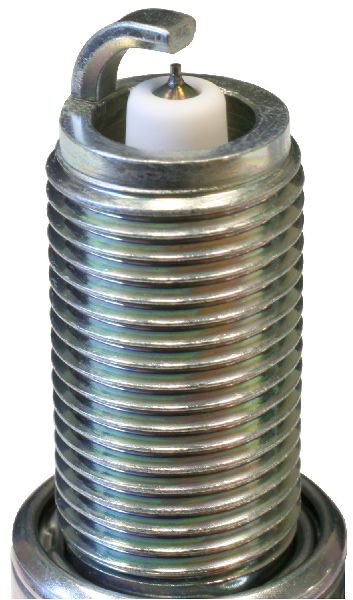
- Worn or Incorrect Spark Plugs 🔴 High Probability → Shop Spark Plug Spark plugs are a standard maintenance item with a finite lifespan. Using plugs with an incorrect heat range or gap can also cause misfires on these engines. The 5.7L Hemi engine uses 16 spark plugs (two per cylinder), increasing the chance of a failure.
How to confirm: Visually inspect the spark plugs for wear, fouling, or damage. Verify the part number and gap are correct for your specific engine.
Typical fix: Replace all spark plugs with new OEM-spec plugs. For the 3.6L, common plugs are from NGK or Champion. For the 5.7L, Mopar plugs are recommended. Ensure they are torqued to specification.
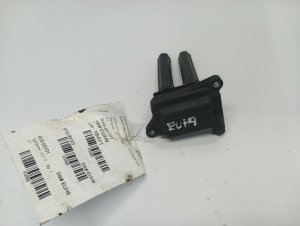
Est. part cost: $40-$150 - Failing Ignition Coils 🔴 High Probability → Shop Ignition Coil Ignition coils are a common failure point on many modern engines as they age and are exposed to heat cycles.
How to confirm: Use a scan tool to check for any specific cylinder misfire codes (P0301-P0308). You can swap the ignition coil from a misfiring cylinder with a known good one to see if the misfire code follows the coil.
Typical fix: Replace the faulty ignition coil(s). It's often recommended to replace them as a set if they are original and high-mileage. The Mopar part number is 5149168AJ (or its predecessors).
Est. part cost: $30-$70 per coil - Failed Rocker Arms, Lifters, and/or Camshaft (3.6L Pentastar V6) 🟡 Medium Probability → Shop Engine Rocker Arm Early 3.6L Pentastar engines are known for valvetrain issues where the roller bearing on a rocker arm seizes, leading to rapid wear of the camshaft lobe. This often starts with a ticking noise. TSB #09-012-16 links P0300 to camshaft issues. The updated Mopar rocker arm part number is 5184296AH.
How to confirm: Listen for a distinct ticking sound from the top of the engine, often from one specific side. A physical inspection requires removing the valve cover(s) to check for worn camshaft lobes and rocker arms with excessive play.
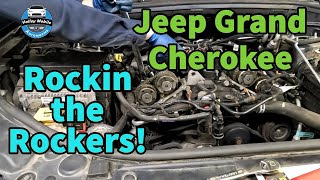
Typical fix: This is an extensive repair that involves replacing the affected camshaft(s), all rocker arms, and all lifters on the affected cylinder head. Many owners replace all 24 rocker arms and all lifters 🎬 Watch: Step-by-step 3.6L rocker arm and camshaft replacement guide. as a preventative measure.
Est. part cost: $400-$900 for parts - Failed MDS Lifters (5.7L Hemi V8) 🟡 Medium Probability → Shop Engine Valve Lifter The Multi-Displacement System (MDS) lifters, which deactivate cylinders to save fuel, are a known failure point. When a lifter's roller bearing fails, it can seize and grind down the camshaft lobe, sending metal through the engine.
How to confirm: Listen for the 'Hemi tick'. Diagnosis requires removing the valve covers and cylinder heads to inspect the lifters and camshaft for wear, scoring, or damage.
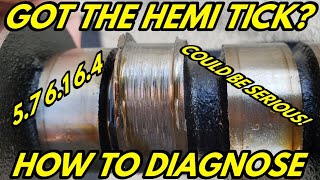
Typical fix: Replace all 16 lifters and the camshaft if it is damaged. Many owners opt to install non-MDS lifters (like those from the 6.4L Hellcat) and disable the MDS system with a tuner to prevent future failures. Common Mopar lifter part numbers include 5038785AC and 5038786AD. 🎬 See how to replace 5.7L Hemi lifters and perform an MDS delete.
Est. part cost: $500-$1200 for parts - Vacuum Leak ⚪ Low Probability Plastic and rubber components in the intake system, like the PCV valve and intake manifold gaskets, can degrade over time, allowing unmetered air to enter the engine and disrupt the air-fuel ratio. TSB #18-098-16 links P0300 with a vacuum leak code (P2172).
How to confirm: Perform a smoke test on the intake system to visually identify the source of the leak. You can also listen for hissing sounds around the engine bay at idle.
Typical fix: Replace the leaking gasket, hose, or component (e.g., PCV valve).
Est. part cost: $10-$150
Rare But Worth Checking
- Clogged or Faulty Fuel Injectors: → Shop Fuel Injector While less common than ignition or mechanical issues, a dirty or failing fuel injector can cause a lean misfire. TSB #14-006-21 for the 6.2L engine points to incorrect fuel injectors causing P0300, highlighting the importance of fuel delivery.
- Faulty Crankshaft Position Sensor: → Shop Engine Crankshaft Position Sensor A failing crankshaft position sensor can send erratic signals to the PCM, leading to incorrect timing and random misfires. Owners have reported that replacing the sensor can sometimes resolve a persistent P0300 code when other causes have been ruled out. It often presents with other codes like P0335 but can sometimes fail intermittently without a specific sensor code.
- Left Cylinder Head Failure (2011-2013 3.6L V6): → Shop Engine Cylinder Head Early 3.6L engines (built on or before July 25, 2012) had a manufacturing defect with the left cylinder head that could cause misfires on cylinders 2, 4, and 6, triggering P0300. This was the subject of Chrysler's extended warranty X56 (10 years/150,000 miles) and detailed in TSB 09-002-14. The fix involves a cylinder leakage test and, if leakage is over 25%, replacement of the left cylinder head.
Diagnosis Steps
- Read all stored fault codes with an OBD-II scanner. Note any codes that accompany P0300, especially specific cylinder codes (P0301-P0308).
- If specific cylinder misfire codes are present, focus on that cylinder's ignition and fuel components first.
- Listen carefully to the engine for any ticking or tapping noises. A 'sewing machine' or 'lifter tick' sound strongly suggests a mechanical valvetrain problem (rockers/lifters/camshaft).
- Inspect the spark plugs for wear, damage, or heavy fouling. Ensure they are the correct type and gapped properly.
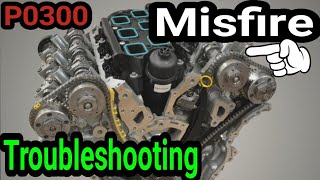
- Test the ignition coils. A common method is to swap the coil from a misfiring cylinder with one from a non-misfiring cylinder and see if the specific misfire code moves. 🎬 Watch: Professional misfire troubleshooting steps for the 3.6L Pentastar V6.
- Perform a smoke test to check for vacuum leaks at the intake manifold gaskets, PCV valve, and vacuum hoses.
- Check fuel pressure to rule out a weak fuel pump or clogged filter.
- If a ticking noise is present on a 3.6L or 5.7L engine, remove the valve covers to perform a visual inspection of the camshaft lobes and rocker arms/lifters for wear and damage.
- If all else fails, consider testing the crankshaft position sensor, as it can fail intermittently and cause random misfires without a specific sensor code.
Parts You'll Likely Need

- Spark Plugs
(OEM #3.6L: SP149125AF (replaces 5149125AD/AE); 5.7L: SP143877AB (replaces 68143877AB).)— This is the most common and simple maintenance item that causes misfires. They are a primary suspect for any P0300 code.
Trusted brands: Mopar, NGK, Champion
OEM price range: $60-$150
Aftermarket price range: $40-$100 - Ignition Coil
(OEM #5149168AJ (replaces 5149168AH/AI).)— Ignition coils provide the spark and are another high-probability failure item for random misfires.
Trusted brands: Mopar, Denso, NGK
OEM price range: $50-$90
Aftermarket price range: $30-$70 - Rocker Arms (3.6L V6)
(OEM #5184296AH (updated design).)— A known failure point on the 3.6L Pentastar engine, causing a ticking noise and eventually misfires. The updated part has an improved bearing.
Trusted brands: Mopar
OEM price range: $15-$25 per arm
Aftermarket price range: $10-$20 per arm - MDS Lifters (5.7L V8)
(OEM #5038785AC, 5038786AD.)— A common cause of the 'Hemi tick' and P0300. When the roller bearing fails, it damages the camshaft, requiring replacement of both.
Related Codes That Often Appear With This One
- P0301-P0308 — These are specific cylinder misfire codes. P0300 often appears with one or more of these, indicating which cylinders are most affected.
- P2096 / P2098 — These codes indicate a lean fuel trim condition, which can be caused by a vacuum leak that is also causing the random misfire.
- P000A / P000C — These codes for slow camshaft response are directly linked to P0300 in TSB #09-012-16, pointing towards a valvetrain or timing issue.
Technical Service Bulletins (TSBs) & Recalls

- 09-002-14: Details the diagnosis and repair for the left cylinder head issue on 2011-2013 3.6L engines, related to the X56 extended warranty.
- 09-012-16: Links P0300 with camshaft slow response codes (P000A/P000C), pointing to valvetrain issues.
- 18-098-16: Connects P0300 with vacuum leak code P2172.
- 18-055-16 REV. A: Lists P0300 along with specific cylinder misfire codes as part of a PCM software update.
- 18-096-15: Mentions P0300 on 5.7L engines in conjunction with other electrical DTCs.
Platform-Specific Known Issues
- 3.6L Pentastar V6 Valvetrain Failure: A significant number of 2011-2015 models, in particular, suffer from premature failure of the rocker arm bearings. This causes the roller to seize and grind down the camshaft lobe, resulting in a ticking noise and misfire codes like P0300. TSB #09-012-16 acknowledges a link between camshaft issues and P0300.
- 5.7L Hemi V8 MDS Lifter Failure: The lifters used for the Multi-Displacement System (MDS) are a known weak point. The roller can fail, causing the lifter to collapse and damage the camshaft, leading to a persistent tick and misfire codes.
- Extended Warranty for 2011-2013 3.6L Cylinder Head: Chrysler issued an extended warranty (X56) covering the left cylinder head on some early WK2 models due to a manufacturing defect that could cause misfires. An owner complaint for a 2012 model specifically mentions P0300 codes related to a left-side cylinder head failure.
Mechanic-Grade Diagnostic Values
- Fuel Pressure (at fuel rail) — expected: 44-54 psi. Failure: Pressure below 44 psi can cause a lean condition and random misfires.
- Ignition Coil Primary Resistance — expected: 0.4 to 2 ohms. Failure: A reading outside this range indicates a faulty coil winding.
- Ignition Coil Secondary Resistance — expected: 6,000 to 10,500 ohms. Failure: A reading outside this range suggests the coil cannot produce a strong enough spark.
- Scan Tool Fuel Trims (at idle, with P0300) — expected: Total fuel trim (Short Term + Long Term) correction should be less than 10%.. Failure: Double-digit positive fuel trim corrections (e.g., +27%) strongly suggest a lean misfire caused by a vacuum leak or fuel delivery issue, not an ignition problem.
Scan Tool Commands That Help
- wiTECH (or equivalent professional scanner): Misfire Data / Cylinder Contribution Test — Use this function to view live and historical misfire counts per cylinder. Even with a generic P0300, this screen can often reveal which specific cylinders are the primary offenders, helping to focus diagnostic efforts.
- OBD-II Scan Tool: Mode $06 - Freeze Frame Data — When the P0300 code is set, check the freeze frame data to see the engine conditions (RPM, load, temperature) at the moment of the fault. Critically, check the fuel trim values in this data; high positive trims point towards a lean condition (vacuum leak/fuel issue), while trims near zero point towards an ignition or mechanical issue.
Wiring & Ground Locations
- G103 — On the passenger side of the engine block.. This is a main ground for the PCM. A poor connection here can cause erratic PCM behavior, leading to random misfires and other communication codes.
- G108 — On the passenger side inner fender, towards the back of the power distribution block (fuse box).. This ground serves the Body Control Module (BCM) and Transmission Control Module (TCM). While not a direct engine ground, poor communication between these modules and the PCM due to a bad ground can cause a variety of difficult-to-diagnose issues, including misfires under certain conditions.
- Firewall to Engine Block Ground Strap — A braided or insulated strap connecting the firewall to a stud on the engine block, often near the back of a cylinder head.. This is a primary ground path for the ignition system. If this strap is corroded, loose, or broken, it can cause a weak spark across all cylinders, leading to a P0300 code that is very difficult to diagnose as the coils and plugs may test good individually.
Real Owner Repair Stories
- YouTube user 'Repairs101' (2012 Jeep Grand Cherokee SRT8 (6.4L Hemi, but diagnosis applies)) — P0300, plus multiple codes for Bank 2 misfires (P0151, P0174, P0175) and ignition coil secondary circuit codes, despite all coils being replaced.
❌ Tried (didn't work) Replacing all 8 ignition coils.
✅ What actually fixed it The Bank 2, Sensor 1 (upstream) oxygen sensor was contaminated with oil that had migrated down the wiring harness from a previous leak. The oil on the sensor and in its connector caused faulty readings, leading the PCM to create a rich/lean condition that resulted in misfires on that entire bank. Replacing the contaminated O2 sensor and cleaning the connector resolved the P0300 code. - YouTube user 'Karrs Kars' (Chrysler/Dodge with 3.6L Pentastar V6) — Persistent misfire on cylinder 6 after replacing spark plug and swapping ignition coil.
❌ Tried (didn't work) Replacing spark plug., Swapping ignition coil with a known-good one.
✅ What actually fixed it After removing the valve cover, a visual inspection revealed a collapsed/bad valve spring on cylinder 6. The fix required removing the cylinder head to replace the spring. An easy preliminary check was to feel for air puffing out of the oil fill cap opening while the engine was running, which indicated a loss of compression. - Jeep Cherokee Forum user (2004 Jeep Grand Cherokee 4.0L (WJ, but logic applies)) — P0300 with misfires on all cylinders under load (P0301-P0306), sputtering, and loss of power above 55 MPH.
❌ Tried (didn't work) Spark plugs, Ignition coil, All O2 sensors, Fuel pump, Fuel filter, Camshaft position sensor
✅ What actually fixed it The ultimate suggested cause, after all other components were replaced, was a failing Powertrain Control Module (PCM). A failing PCM can send incorrect signals or fail to send signals, causing misfires without setting a specific code for its own failure.
OEM Part Supersession History
5184296AD, 5184296AE, 5184296AF, 5184296AG→5184296AH— The original rocker arms for the 3.6L Pentastar were prone to premature bearing failure. The 'AH' revision is an updated design intended to improve durability and prevent the 'Pentastar tick' that leads to camshaft wear and misfires.
Model Year Variations Within This Range
- 2016-2018: For the 2016 model year, the 3.6L Pentastar V6 received a significant update. Changes included a two-step variable valve lift (VVL) system, cooled EGR, a higher compression ratio (11.3:1 vs 10.2:1), and new ignition coils and fuel injectors. While the root causes of P0300 are similar, these changes mean some parts (like coils and injectors) may not be interchangeable with pre-2016 models. The update aimed to increase low-end torque and fuel efficiency.
- 2011-2013: As noted in Pass 2, 3.6L engines built on or before July 25, 2012, were subject to a potential left cylinder head defect causing misfires on cylinders 2, 4, and 6. This was covered by Chrysler's extended warranty X56 and detailed in TSB 09-002-14. This is a critical variation to check for on early WK2 models.
Helpful Videos
![How to Fix JEEP P0300 Engine Code in 3 Minutes [2 DIY Methods / Only $4.43]](https://img.youtube.com/vi/UsHO45QYATU/mqdefault.jpg)
Used OEM Parts in Stock
New Aftermarket Parts Available

The information in this article is provided for general reference and educational purposes only. Vehicle specifications, procedures, and part compatibility can vary by production date, trim level, and region. Always consult your vehicle's factory service manual and verify part numbers before purchasing or performing repairs. Safety-critical components such as airbags, seat belts, and braking systems should be installed by a qualified professional.
- Jeep GRAND CHEROKEE:
- 🧭 Diagnostic Flowchart
- 🎬 Helpful Videos
- 🛍️ Shop This Part
- What's Unique About the 2011-2018 Jeep GRAND CHEROKEE
- Symptoms You May Notice
- Most Likely Causes
- Rare But Worth Checking
- Diagnosis Steps
- Parts You'll Likely Need
- Related Codes That Often Appear With This One
- Technical Service Bulletins (TSBs) & Recalls
- Platform-Specific Known Issues
- Mechanic-Grade Diagnostic Values
- Scan Tool Commands That Help
- Wiring & Ground Locations
- Real Owner Repair Stories
- OEM Part Supersession History
- Model Year Variations Within This Range
- 🎟️ Get 5% Off