

P0300 on 2011-2018 Ram 1500: Random Misfire Causes and Fixes
P0300 on a 2011-2018 Ram 1500 indicates random engine misfires. The most common causes are worn spark plugs and faulty ignition coils. On 5.7L HEMI engines, this code, especially when accompanied by a ticking noise, can be a strong indicator of camshaft and lifter failure, a well-documented issue for this platform.
- P0300 means random misfires are detected. Do not ignore it, especially if the check engine light is flashing.
- Start your diagnosis with the basics: inspect and replace worn spark plugs and test ignition coils.
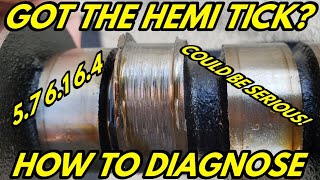
- On the 5.7L HEMI, listen carefully for a ticking sound. A P0300 code combined with an engine tick strongly suggests a serious camshaft/lifter issue.
- If you use a block heater, be aware of the software glitch that can cause a false P0300 code in mild cold weather; a dealer update may be needed.
- Check for vacuum leaks around the intake manifold, as this is a common and relatively inexpensive fix.
What's Unique About the 2011-2018 Ram 1500

For the 2011-2018 Ram 1500, particularly those with the 5.7L HEMI engine, a P0300 code can be more than just a simple tune-up issue. While spark plugs and coils are common culprits, this code is notoriously associated with valvetrain problems, specifically camshaft and lifter failure. This failure is often preceded by the infamous 'HEMI tick,' a tapping noise caused by a failing lifter roller which then damages the camshaft lobe. Additionally, several Technical Service Bulletins (TSBs) point to a unique software glitch where using a block heater in mild winter temperatures (above -29°C / -20°F) can falsely trigger a P0300 code. [Bulletin #18-072-16, #1810016, #18-012-14 REV. A] TSB #09-002-14 also notes that on some 3.6L engines, a P0300 could be caused by excessive cylinder leakage requiring cylinder head replacement.
Diagnostic Flowchart

Tap your situation to follow the diagnostic path that matches what you're seeing on this vehicle.
Symptoms You May Notice

- Check engine light is on solid or flashing
- Rough or shaky idle
- Hesitation or stumbling when accelerating
- Noticeable loss of engine power
- Difficulty starting the engine
- Engine may stall unexpectedly
- Reduced fuel economy
- Audible ticking or tapping noise from the engine bay ('HEMI tick')
- Engine shuddering at specific RPM ranges (e.g., 1400-1600 RPM)
- Replacing only one spark plug or coil when a full set is due.
- Replacing fuel injectors when the issue is actually a vacuum leak or failing O2 sensor.
- Assuming it's a simple tune-up issue when a mechanical 'HEMI tick' is present, indicating a deeper valvetrain problem.
- Replacing camshaft and lifters without checking for bent pushrods or ensuring correct timing, leading to a P0300 code immediately after the repair.
Most Likely Causes

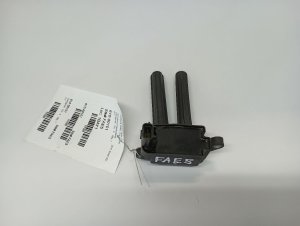
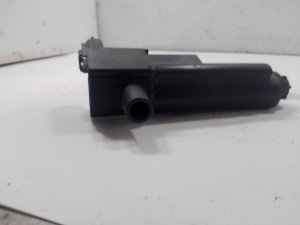
- Worn Spark Plugs or Faulty Ignition Coils 🔴 High Probability → Shop Ignition Coil The 5.7L HEMI engine uses two spark plugs per cylinder (16 total), increasing the chances of failure. Ignition coils are also a common wear item that can fail and cause misfires on one or more cylinders.
How to confirm: Inspect spark plugs for wear, fouling, or damage. Use a scan tool to monitor misfire counts on each cylinder, then swap the ignition coil from a misfiring cylinder with a known good one to see if the misfire follows the coil.
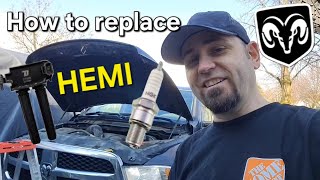
Typical fix: Replace all 16 spark plugs as a set. Replace the faulty ignition coil(s). 🎬 See how to replace all 16 spark plugs and coils.
Est. part cost: $50-$200 for spark plugs, $40-$80 per ignition coil. - Worn Camshaft and/or Failed Lifters (5.7L HEMI) 🟡 Medium Probability → Shop Engine Camshaft The Multi-Displacement System (MDS) lifters are a known failure point. The roller bearing on the lifter can fail, causing the lifter to seize and grind down the corresponding lobe on the camshaft, leading to a misfire. This is a widely documented issue on HEMI engines, often starting as a light tick and progressing to a P0300 code.
How to confirm: Listen for a persistent ticking noise ('HEMI tick') from the engine, which may be more pronounced on one side. A physical inspection is required, which involves removing the valve covers and potentially the cylinder heads to check the lifters and camshaft lobes for scoring, pitting, or wear.
Typical fix: This is an extensive repair requiring replacement of the camshaft, all 16 lifters (many owners opt for non-MDS lifters for improved durability), head gaskets, and related components. 🎬 Watch: Step-by-step HEMI camshaft and lifter replacement with MDS delete.
Est. part cost: $800-$1500 for a complete camshaft and lifter kit. - Vacuum Leak 🟡 Medium Probability Intake manifold gaskets and various vacuum hoses (like the PCV hose) can become brittle and crack over time, allowing unmetered air to enter the engine and disrupt the air-fuel ratio.
How to confirm: Perform a smoke test on the intake system to find the source of the leak. You can also listen for hissing sounds around the engine bay or carefully spray carburetor cleaner near suspected areas and listen for a change in engine idle.
Typical fix: Replace the leaking gasket or hose.
Est. part cost: $20-$100 - Faulty Oxygen (O2) Sensors ⚪ Low Probability → Shop Oxygen Sensor O2 sensors degrade over time and can provide incorrect readings to the PCM, causing improper fuel adjustments for an entire engine bank, which can lead to random misfires.
How to confirm: Use a scan tool to monitor the live data from the O2 sensors. A sensor that is slow to respond or has a fixed voltage is likely faulty.
Typical fix: Replace the faulty O2 sensor(s). It's often recommended to replace them in pairs (e.g., both upstream sensors).
Est. part cost: $50-$150 per sensor. - Software Glitch (Block Heater Use) ⚪ Low Probability A specific software issue noted in TSBs #18-072-16, #1810016, and #18-012-14 REV. A can cause a false P0300 when a block heater is used in ambient temperatures warmer than -29°C (-20°F).
How to confirm: This occurs specifically after using a block heater in the specified temperature range. The code may not return if the block heater is not used. The issue is resolved by a PCM software update.
Typical fix: The PCM needs to be reprogrammed by a Ram dealership with updated software as per the relevant TSB.
Est. part cost: $0 (if covered by dealer), otherwise dealer labor charge for flashing.
Rare But Worth Checking
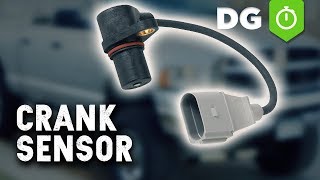
- Faulty Crankshaft Position Sensor: → Shop Engine Crankshaft Position Sensor A failing crankshaft position sensor can send erratic signals to the PCM, disrupting ignition timing and causing random misfires, sometimes without a specific sensor code. Owners on forums have reported this as the fix after replacing many other parts. The sensor is located on the passenger side of the engine, near the transmission bell housing.
- Clogged Catalytic Converter: → Shop Catalytic Converter If the catalytic converter is restricted, it creates excessive exhaust backpressure, which can lead to misfires. This is usually accompanied by a significant loss of power, a rotten egg smell, and potentially codes P0420 or P0430.
- Low Fuel Pressure / Dirty Injectors: A weak fuel pump, clogged filter, or dirty fuel injectors can starve the engine of fuel, leading to lean conditions and misfires across multiple cylinders.
- Faulty Cylinder Head (3.6L V6): → Shop Engine Cylinder Head Though this article focuses on the 5.7L, it's important to note that for the 3.6L Pentastar V6 available in these trucks, TSB 09-002-14 REV. B addresses P0300 caused by excessive cylinder leakage, which may require replacement of the left cylinder head.
- Corroded PCM Connectors: In some cases, corrosion or moisture in the main PCM electrical connectors can cause poor communication and lead to random misfire codes. A visual inspection and cleaning of these connectors has resolved the issue for some owners.
Diagnosis Steps
- Connect an OBD-II scanner to read the code and any other accompanying codes. Note the freeze frame data and check for live misfire counts on each cylinder. 🎬 Watch: A complete diagnostic walkthrough for fixing P0300 misfire codes.
- If specific cylinder misfire codes (P0301-P0308) are present, focus on those cylinders first.
- Listen for engine noises. A persistent ticking sound, especially on a 5.7L HEMI, is a major red flag for lifter/camshaft issues and warrants a deeper mechanical inspection.
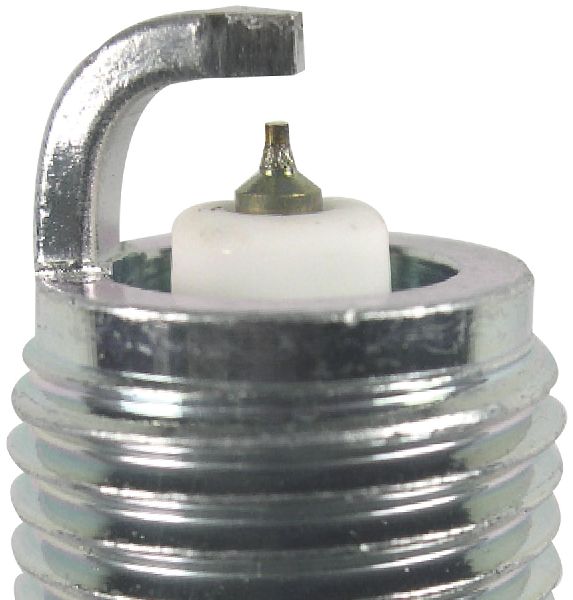
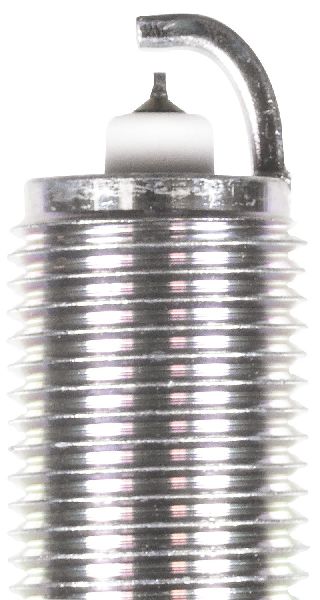
- Inspect the spark plugs for wear, damage, or incorrect gap. For the 5.7L HEMI, remember there are 16 plugs.
- Test the ignition coils. Swap a coil from a misfiring cylinder to a non-misfiring cylinder and clear the codes. If the misfire code follows the coil, the coil is bad.
- Test the fuel injectors. A similar swap can be performed with fuel injectors, though it is more labor-intensive. If the misfire follows the injector, the injector is faulty.
- Check for vacuum leaks. Perform a smoke test on the intake system or carefully inspect all vacuum lines and the intake manifold gasket for cracks or damage.
- Inspect the crankshaft position sensor and its wiring. Given its history, it's a worthwhile check. It's located on the passenger side of the block near the transmission.
- If a persistent engine tick is present (especially on the 5.7L HEMI), perform a compression test and cylinder le
Parts You'll Likely Need
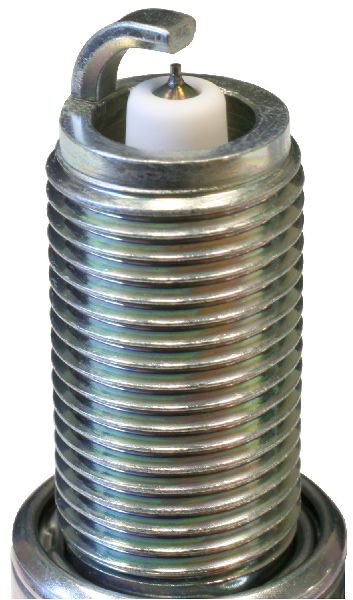
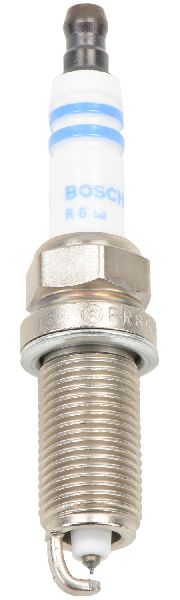
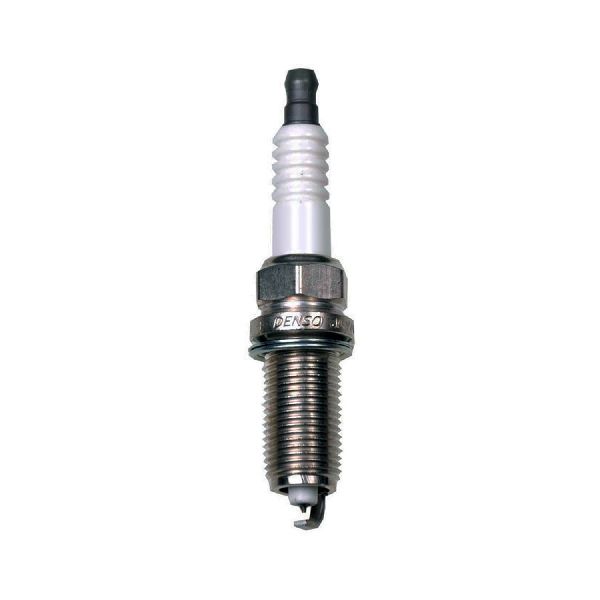
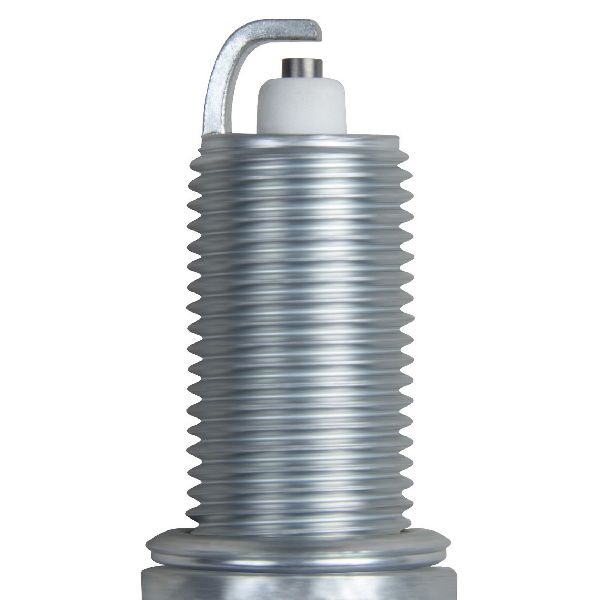
- Spark Plugs — This is the most frequent maintenance item that causes misfires when worn.
Trusted brands: NGK, Champion
OEM price range: $8-$15 per plug
Aftermarket price range: $5-$12 per plug - Ignition Coil
(OEM #68238603AA (supersedes 56029129AF))— Ignition coils are a primary cause of misfires and a common failure point.
Trusted brands: Mopar, Bosch, Denso
OEM price range: $60-$100
Aftermarket price range: $40-$80 - Camshaft and Lifter Kit (5.7L HEMI)
(OEM #Camshaft: 53022263AF, Lifters (Non-MDS): 5038784AD)— The definitive fix for the common 'HEMI tick' issue where failed lifters damage the camshaft. Many owners choose non-MDS lifters for added durability.
Trusted brands: Mopar, COMP Cams, Melling
OEM price range: $1000-$1800
Aftermarket price range: $700-$1500 - Crankshaft Position Sensor — A known, though less common, cause of random misfires that can be difficult to diagnose as it may not always set its own specific code.
Trusted brands: Mopar, NTK
OEM price range: $40-$70
Aftermarket price range: $20-$50
Related Codes That Often Appear With This One
- P0301-P0308 — These codes specify which cylinder is misfiring (e.g., P0301 for Cylinder 1). They often appear with P0300 when the misfire is frequent on certain cylinders but also occurs randomly on others. A specific cylinder code is a strong clue for diagnosing a bad coil, plug, or injector on that cylinder.
- P0171 / P0174 — These 'System Too Lean' codes indicate an excess of air or lack of fuel. They often point towards a vacuum leak or a fuel delivery problem as the root cause of the P0300.
- P2096 / P2097 — These codes relate to the downstream fuel trim system. Their presence alongside P0300 was noted in TSB #18-103-16 REV. B, suggesting a related software or engine management issue.
- P0339 — This code for 'Crankshaft Position Sensor 'A' Circuit Intermittent' can sometimes appear with P0300, strongly suggesting the crankshaft sensor is the root cause of the misfire.
Technical Service Bulletins (TSBs) & Recalls
- 18-072-16
- 1810016
- 18-012-14 REV. A
- 18-103-16 REV. B
- 09-002-14 REV. B
Platform-Specific Known Issues
- Camshaft/Lifter Failure (5.7L HEMI): The most serious issue linked to P0300 on these trucks. The failure of MDS lifters can wipe out camshaft lobes, requiring a major engine repair.
- Block Heater Software Issue: As documented in multiple TSBs, using the factory block heater in temperatures above -20°F (-29°C) can cause the PCM to incorrectly log a P0300 code. The fix is a software update from a dealer. [Bulletin #18-072-16, #1810016, #18-012-14 REV. A]
Mechanic-Grade Diagnostic Values
- Ignition Coil Primary Resistance — expected: 0.4 to 2.0 ohms. Failure: A reading outside this range indicates a faulty coil.
- Ignition Coil Secondary Resistance — expected: 6,000 to 10,000 ohms. Failure: A reading outside this range suggests the coil's secondary winding has failed.
- Fuel Pressure (5.7L HEMI, 2011+) — expected: Approximately 58 psi while running. Failure: Significantly lower pressure (e.g., 35 psi) indicates a problem with the fuel pump or regulator.
- Injector Pulse Width (5.7L HEMI) — expected: Typically 15,000 to 20,000 microseconds (15-20 ms) at full throttle.. Failure: Readings that are erratic or maxed out (approaching 100% duty cycle) can indicate a major fuel delivery issue or a sensor problem causing the PCM to overcompensate.
Hidden / Shadow Codes Worth Checking
- Mode $06 Misfire Counts: This function on advanced scan tools allows a technician to view raw misfire counts per cylinder for the current and last 10 driving cycles, even before the misfire is bad enough to set a specific P030x code. It is invaluable for pinpointing an intermittent or developing misfire. (see via An advanced OBD-II scan tool with Mode $06 functionality is required.)
Scan Tool Commands That Help
- wiTECH (or equivalent professional scanner): Cylinder Contribution Test / Power Balance Test — This function allows the technician to disable one cylinder at a time and observe the corresponding drop in RPM. If disabling a cylinder causes little or no change in RPM, that cylinder is not contributing power, confirming it as a source of the misfire. This is used to isolate the misfiring cylinder(s) when only a general P0300 code is present.
- wiTECH (or equivalent professional scanner): ASD (Auto Shutdown) Relay Actuation — This test allows a technician to manually command the ASD relay on. With the relay actuated, you can use a test light to confirm that voltage is reaching the ignition coils and fuel injectors, which helps diagnose a no-spark or no-fuel condition that could cause a P0300.
Wiring & Ground Locations
- PCM C1 Connector (96-way) — The Powertrain Control Module (PCM) is located in the engine bay. The C1 connector is one of the main engine harness connections to it.. This connector contains the individual control circuits for each ignition coil and fuel injector. For example, on a 2012 3.7L, Pin 10 is the control for Coil #1 and Pin 11 is for Coil #3. A corroded pin or damaged wire at this connector can cause a misfire on one or more cylinders.
- ASD Output Circuit — This circuit runs from the ASD relay (in the underhood fuse box/PDC) to all ignition coils and fuel injectors.. The Auto Shutdown (ASD) relay supplies power to the ignition coils and fuel injectors. A fault in this circuit or the relay itself will cut power to all cylinders, causing a stall or no-start, but an intermittent fault could cause random misfires and a P0300 code.
Real Owner Repair Stories
- RamForum.com user (2012 Ram 1500 5.7L HEMI with 210,000 miles) — Initially a P0306 (Cylinder 6 Misfire) code without a noticeable performance issue. Later, after hard acceleration, a very noticeable misfire developed, feeling like it was running on 7 cylinders.
❌ Tried (didn't work) Spark plug and ignition coil were tested and confirmed to be good.
✅ What actually fixed it The root cause was a weak, and eventually broken, exhaust valve spring on cylinder 6. The initial leak-down test showed a valve sealing issue, and the spring likely failed completely under high load. The recommended fix was to replace all valve springs on that cylinder bank. - RamForum.com user (2012 Ram 1500 5.7L) — P0300, P0304, P0306. Also had a P219a (A/F imbalance) code.
❌ Tried (didn't work) Changed spark plugs, Changed ignition coils, Replaced Camshaft Position Sensor, Replaced Crankshaft Position Sensor, Replaced intake gaskets, Visually inspected for broken valve springs (none found), Performed a compression test (results were within spec)
✅ What actually fixed it The user did not post a final resolution, but another experienced user suggested the camshaft was likely worn right to the point of failure, even with good compression numbers. This highlights a common scenario where the 'Hemi tick' and worn cam lobes are the true cause despite many other parts being replaced.
"I Checked Everything" — The Actual Cause
- In some cases, a P0300 is accompanied by lean codes (P0171/P0174), prompting a smoke test to find a vacuum leak. If the smoke test passes, the cause may not be unmetered air but rather a lack of fuel. A weak fuel pump or clogged injectors can create a lean condition and random misfires without any vacuum leaks being present.
OEM Part Supersession History
Various OEM Camshaft/Lifter PNs→Aftermarket Kits (e.g., from Comp Cams, American Trucks)— The OEM MDS (Multi-Displacement System) lifters are a known failure point. Many owners, when faced with a camshaft/lifter failure, opt for aftermarket kits that either use improved MDS lifters or offer a complete 'MDS delete' kit with non-MDS lifters and plugs for the oil passages in the block for increased durability.
Heads up: When performing an MDS delete, the PCM must be reprogrammed with a tuner to disable the MDS function. Failure to do so will result in error codes and improper engine operation.
Model Year Variations Within This Range
- 2013+: The 8-speed ZF automatic transmission became widely available in 2013 and standard on V6 models, replacing the older 5 and 6-speed automatics. While not a direct cause of P0300, PCM software logic is different for these transmissions, which is relevant for the block heater TSBs and any required software flashes.
- 2014+: For the 2014 model year, the 5.7L HEMI V8 received a slight torque increase to 410 lb-ft from 407 lb-ft. This reflects minor ongoing tuning and calibration changes in the PCM that could affect diagnostics.
Helpful Videos
Used OEM Parts in Stock
New Aftermarket Parts Available

The information in this article is provided for general reference and educational purposes only. Vehicle specifications, procedures, and part compatibility can vary by production date, trim level, and region. Always consult your vehicle's factory service manual and verify part numbers before purchasing or performing repairs. Safety-critical components such as airbags, seat belts, and braking systems should be installed by a qualified professional.
- Ram 1500:
- 🧭 Diagnostic Flowchart
- 🎬 Helpful Videos
- 🛍️ Shop This Part
- What's Unique About the 2011-2018 Ram 1500
- Symptoms You May Notice
- Most Likely Causes
- Rare But Worth Checking
- Diagnosis Steps
- Parts You'll Likely Need
- Related Codes That Often Appear With This One
- Technical Service Bulletins (TSBs) & Recalls
- Platform-Specific Known Issues
- Mechanic-Grade Diagnostic Values
- Hidden / Shadow Codes Worth Checking
- Scan Tool Commands That Help
- Wiring & Ground Locations
- Real Owner Repair Stories
- "I Checked Everything" — The Actual Cause
- OEM Part Supersession History
- Model Year Variations Within This Range
- 🎟️ Get 5% Off