

P0301 on 2015-2016 Dodge DART: Cylinder 1 Misfire Causes and Fixes
P0301 on a 2015-2016 Dodge Dart means cylinder 1 is misfiring. For the 2.0L and 2.4L engines, the most common causes are a bad ignition coil, a worn spark plug, or a leaking valve cover gasket that allows oil to foul the spark plug. For the 1.4L Turbo, a failing MultiAir actuator can also be a cause. Swapping the coil from cylinder 1 to another cylinder is the standard first diagnostic step.
- P0301 means your Dodge Dart has a misfire in cylinder 1.
- The easiest first step is to swap the ignition coil from cylinder 1 to cylinder 2 to see if the problem moves.
- Before replacing any parts, pull the ignition coil and check for oil in the spark plug tube; a leaking valve cover gasket is a common problem on this car.
- Do not drive for long with a flashing check engine light, as you risk damaging the expensive catalytic converter.
What's Unique About the 2015-2016 Dodge DART
For the Dodge Dart with the 2.0L and particularly the 2.4L Tigershark engine, a P0301 code is often linked to a well-documented platform-wide issue: a leaking valve cover gasket. The spark plug tube seals, which are integrated into the gasket, degrade and allow engine oil to seep into the spark plug wells. This oil soaks the ignition coil boot and spark plug, causing a misfire. While spark plugs and coils are usual suspects on any car, checking for oil in the spark plug well is a critical first step on a 2.4L Dart. 🎬 Watch: This video shows the first thing you should check. For the 1.4L MultiAir Turbo, the electro-hydraulic MultiAir 'brick' can fail, leading to misfires that may not be related to the typical spark or coil issues.
Diagnostic Flowchart
Tap your situation to follow the diagnostic path that matches what you're seeing on this vehicle.
Symptoms You May Notice
- Check Engine Light is on or flashing
- Rough or shaky idle
- Hesitation or stumbling during acceleration
- Reduced engine power
- Poor fuel economy
- Difficulty starting the engine
- Smell of gasoline from the exhaust
- Replacing only the spark plug or ignition coil without checking for oil in the spark plug well on a 2.4L engine. If the valve cover gasket is leaking, the new parts will quickly become contaminated with oil, and the misfire will return.
- On the 1.4L Turbo, repeatedly replacing ignition components when the underlying cause is a failing MultiAir actuator.
Most Likely Causes
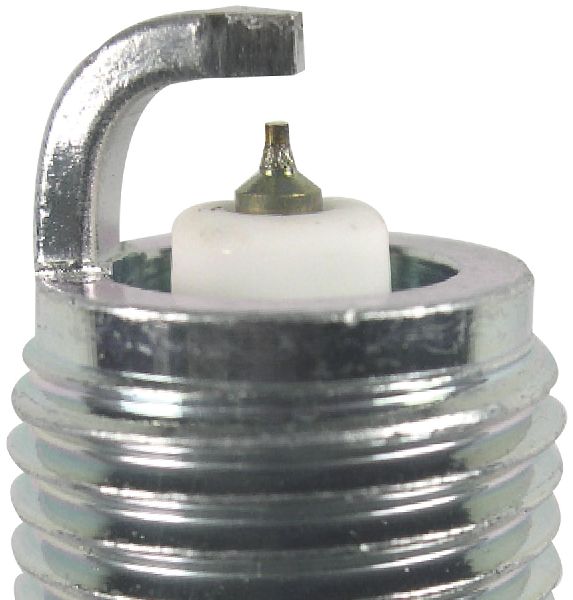
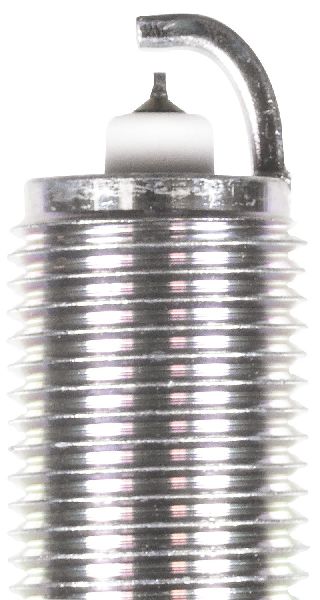
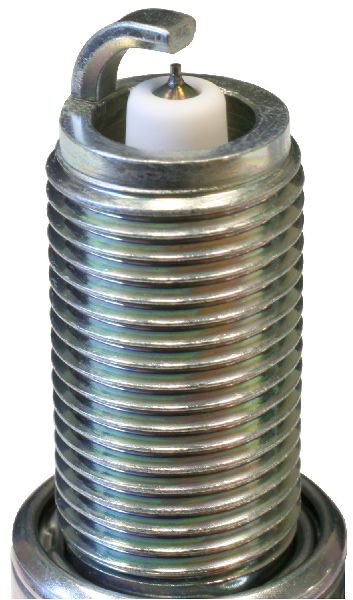
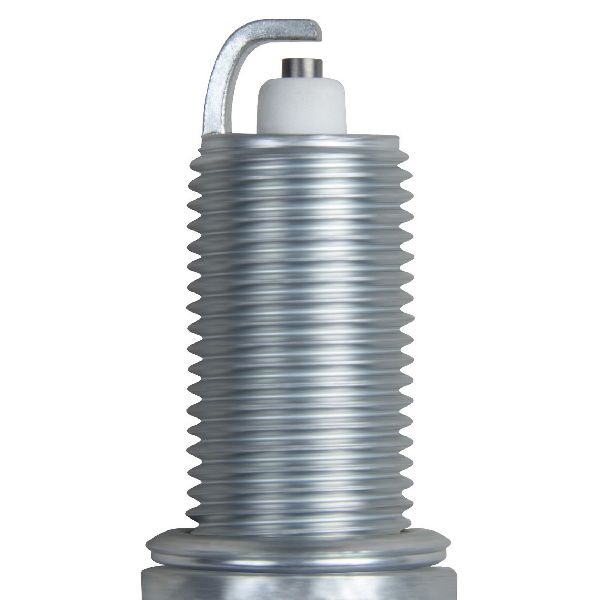
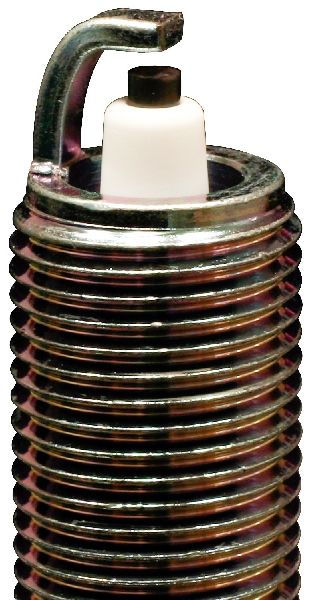
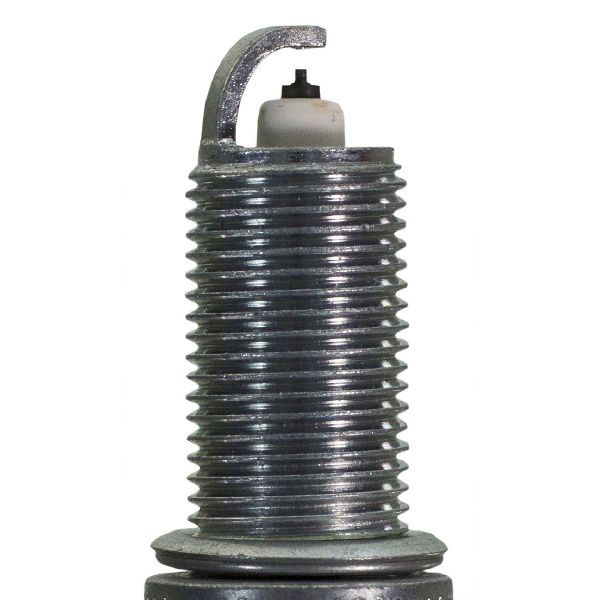
- Worn or Faulty Spark Plug 🔴 High Probability → Shop Spark Plug On the 2.4L engine, spark plugs are often fouled by oil from a leaking valve cover gasket, causing premature failure.
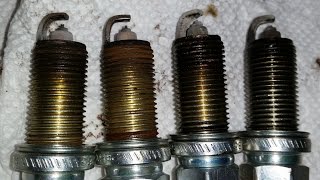
How to confirm: Remove the spark plug from cylinder 1 and inspect it for wear, carbon fouling, or oil saturation. A healthy plug should have a light tan color on the electrode. Compare it to the other plugs.
Typical fix: Replace the spark plug. It is recommended to replace all four spark plugs at the same time to maintain consistent performance. 🎬 Watch: How to properly change spark plugs on the 2.4L engine. If the plug was oil-fouled, the valve cover gasket must also be replaced to solve the root cause.
Est. part cost: $20-$50 for a set of four - Faulty Ignition Coil 🔴 High Probability → Shop Ignition Coil Coil-on-plug systems are common failure points due to constant heat exposure. On the 2.4L engine, oil saturation from a leaking valve cover gasket can damage the coil's insulating boot, leading to failure. TSB 08-027-20 was issued to address this by replacing the boots.
How to confirm: Swap the ignition coil from cylinder 1 with another cylinder (e.g., cylinder 2). Clear the codes and drive the car. If the code changes to P0302, the ignition coil is bad. Visual inspection may also show a swollen or oil-soaked boot.
Typical fix: Replace the faulty ignition coil. It is held on by a single bolt (typically 10mm). If the boot is oil-soaked, consider replacing the valve cover gasket at the same time.
Est. part cost: $40-$100 - Leaking Valve Cover Gasket (Oil in Spark Plug Well) 🟡 Medium Probability → Shop Engine Valve Cover This is a very common issue on the 2.4L Tigershark engine. The spark plug tube seals, which are part of the valve cover gasket assembly, can become hard and brittle over time, allowing oil to leak into the spark plug wells and cause a misfire. This issue is documented across all platform mates using this engine.
How to confirm: When you remove the ignition coil from cylinder 1, look for liquid engine oil in the spark plug tube and on the coil boot. The presence of oil is a definitive sign of a failed gasket seal.
Typical fix: Replace the valve cover gasket and the spark plug tube seals (usually included in a kit). Thoroughly clean all oil from the spark plug tube, ignition coil boot, and spark plug before reassembly.
Est. part cost: $30-$80 for the gasket set - Faulty Fuel Injector ⚪ Low Probability → Shop Fuel Injector
How to confirm: After ruling out spark plugs and coils, a fuel injector is a possibility. You can listen for a consistent ticking sound from the injector with a mechanic's stethoscope. Swapping injectors between cylinders is a definitive but more involved diagnostic test. A resistance test with a multimeter can also be performed.
Typical fix: Replace the faulty fuel injector. This requires depressurizing the fuel rail.
Est. part cost: $40-$90
Rare But Worth Checking
- Failing MultiAir Actuator (1.4L Turbo Only): On the 1.4L MultiAir engine, a failing solenoid within the MultiAir actuator (or 'brick') can prevent proper valve operation, leading to a misfire on a specific cylinder. This may be accompanied by other codes like P1046. Some owners on forums have pointed to this as the cause after coils and plugs didn't solve the issue.
- Poor Electrical Connection at Ignition Coil: → Shop Ignition Coil Some owners have reported that the plastic clips on the ignition coil electrical connectors can become brittle and break, leading to a loose connection and intermittent misfires. A simple fix can be to secure the connector with a zip tie.
- Low Cylinder Compression: If ignition and fuel components are confirmed to be good, a mechanical issue like a worn piston ring, a leaking valve, or a damaged head gasket could be the cause. A compression test is needed to diagnose this more serious problem.
- PCM Software Issue or Failure: While rare, a faulty PCM can cause misfire codes. More commonly, a software update may be available to improve engine diagnostics and performance. TSB 18-058-16 mentions a flash for 2.0L engines for general improvements, which could be beneficial. A definitive PCM failure often presents with code P0601.
Diagnosis Steps
- Read the code with an OBD-II scanner to confirm P0301 and check for any other codes.
- Locate cylinder 1 (closest to the belts on the passenger side of the engine).
- Remove the ignition coil from cylinder 1. Inspect the spark plug well and the coil boot for any signs of engine oil. If oil is present, the valve cover gasket is the confirmed cause and must be replaced.
- If no oil is present, swap the ignition coil from cylinder 1 with the coil from cylinder 2.
- Clear the codes, start the engine, and let it run or drive it briefly until the check engine light returns.
- Re-scan the codes. If the code is now P0302, the ignition coil from cylinder 1 is faulty and needs replacement.
- If the code remains P0301, the issue is not the coil. Proceed to inspect the spark plug. Remove it and check for wear, damage, or heavy fouling (carbon or oil).
- If the spark plug is worn or fouled, replace it (it is highly recommended to replace all four).
- If the coil and plug are good, inspect the ignition coil's electrical connector for damage or a loose fit. A broken clip can cause a poor connection.
- For 1.4L engines, if ignition parts are good, the next suspect is the MultiAir actuator, especially if codes like P1046 are present.
- If all else fails, consider a faulty fuel injector or perform a cylinder compression test to check for mechanical engine problems.
Parts You'll Likely Need
- Ignition Coil
(OEM #Mopar 68242286AB (for 2.4L), Mopar 68081914AC (for 1.4L))— This is one of the most common failure points for a single-cylinder misfire. It can be damaged by heat or by oil from a leaking valve cover gasket. Diagnosed by swapping coils between cylinders.
Trusted brands: Mopar, NGK, Delphi, Denso
OEM price range: $60-$100
Aftermarket price range: $40-$70 - Spark Plug
(OEM #Mopar SP148183AD (NGK LZFR5C-11 for 2.4L))— Spark plugs are a routine maintenance item and a worn or fouled plug is a primary cause of misfires. On the 2.4L, they are often fouled by oil.
Trusted brands: NGK, Champion, Bosch
OEM price range: $10-$20 per plug
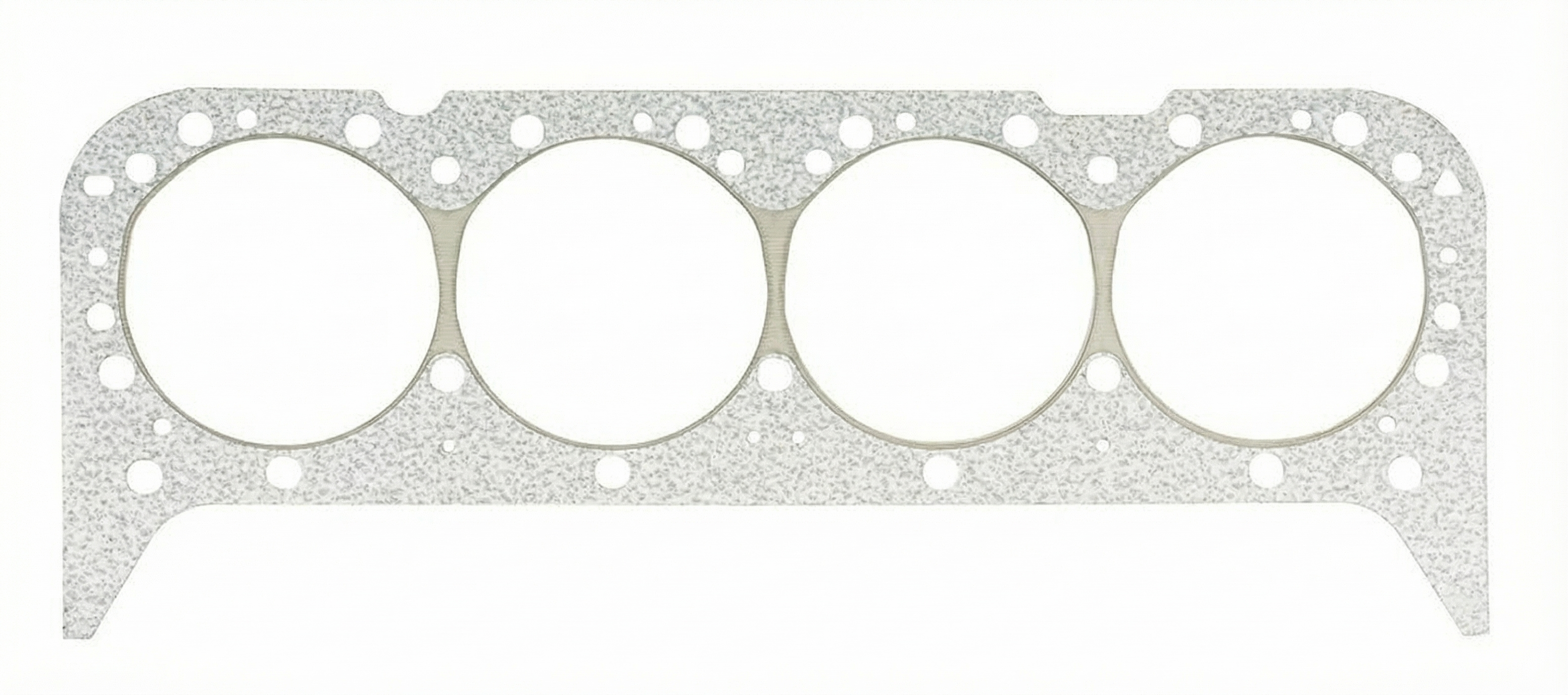
Aftermarket price range: $5-$15 per plug - Valve Cover Gasket Kit
(OEM #Mopar 5047440AD)— A very common failure on the 2.4L engine, the integrated spark plug tube seals leak oil into the wells, causing misfires. This is the root cause for many oil-fouled plugs and coils.
Trusted brands: Mopar, Fel-Pro, Mahle
OEM price range: $50-$80
Aftermarket price range: $30-$60
Related Codes That Often Appear With This One
- P0300 — If the misfire is intermittent or affects other cylinders, a P0300 (Random/Multiple Cylinder Misfire) code may appear alongside P0301. This can happen if the valve cover gasket is leaking into multiple wells.
- P0302, P0303, P0304 — If other cylinders are also misfiring, their corresponding codes will be stored. This could point to a systemic issue like a vacuum leak, bad fuel, or a valve cover gasket leaking into multiple tubes.
- P1046 (1.4L Engine) — This code for 'Cylinder 1 Oil Solenoid Overcurrent' on the 1.4L MultiAir engine points directly to an issue with the MultiAir actuator. It can appear alongside a P0301 misfire code, as the solenoid failure directly causes the misfire.
Technical Service Bulletins (TSBs) & Recalls
- 08-027-20: This TSB applies to 2015-2016 Darts with the 2.4L engine. It addresses codes P0300-P0304 by recommending the replacement of all four ignition coil insulating boots, which can fail due to oil contamination or heat.
- 18-058-16: A software flash for the PCM on 2.0L engines for general diagnostic and system improvements. While not a direct fix for P0301, ensuring the PCM software is current is a good practice.
Platform-Specific Known Issues
- A leaking valve cover gasket allowing oil to pool in the spark plug wells is a well-documented cause for misfires on the 2.4L Tigershark engine, confirmed by owner forums and TSBs across multiple FCA vehicles.
- TSB 08-027-20 specifically addresses misfire codes on the 2.4L engine by calling for the replacement of all four ignition coil insulating boots, which can become saturated with oil from the leaking gasket.
- On the 1.4L MultiAir Turbo engine, failure of the electro-hydraulic MultiAir actuator ('brick') is a known, albeit more complex and expensive, cause of cylinder-specific misfires.
Mechanic-Grade Diagnostic Values
- Fuel Injector Resistance (2.0L/2.4L Engines) — expected: Approximately 12 ohms. Failure: A reading significantly different from the other injectors, or an open/short circuit.
- Ignition Coil Resistance (General) — expected: Primary: 0.4-2 ohms. Secondary: 6,000-10,000 ohms.. Failure: Readings outside the expected range indicate a faulty coil winding.
Scan Tool Commands That Help
- wiTECH (Dealer Tool): MultiAir Lube Oil System Purge — This service procedure is used after replacing the MultiAir actuator ('brick') or after an engine oil level has run critically low on the 1.4L or 2.4L MultiAir engines. It purges air from the hydraulic valve actuation system to prevent misfires.
- AlfaOBD (Advanced Aftermarket): Active Diagnostics (Injector/Solenoid Test) — This allows a user to command specific components, like the cylinder 1 fuel injector, to operate. It can help confirm if the injector is working without having to physically swap it with another cylinder, saving significant diagnostic time.
Wiring & Ground Locations
- Engine/Chassis Ground — The main ground path runs from the battery negative terminal to a ground stud on the driver's side strut tower, then via a cable to the frame rail (visible in the driver's side wheel well), and finally to the engine block.. Corrosion at the connection point between the frame and the engine block is a known issue. A poor ground can cause a wide range of intermittent electrical problems, including weak spark or erratic sensor readings, which can lead to a P0301 misfire code. Cleaning this ground connection is a critical and often overlooked diagnostic step.
Real Owner Repair Stories
- Reddit user comment in r/dodgedart (2013 Dodge Dart 1.4L Turbo) — P0301 Cylinder 1 Misfire, stuttering upon startup.
❌ Tried (didn't work) Owner was incorrectly advised it was a stuck lifter., A dealership misdiagnosed the issue as a failing MultiAir 'brick'.
✅ What actually fixed it The plastic clip on the ignition coil electrical connector was broken, causing a loose connection. Securing the connector tightly with a zip tie resolved the misfire completely. - Reddit user in r/dodgedart, referenced in a Go-Parts article (Dodge Dart with 1.4L MultiAir Turbo) — Stumbling during driving, completely dead cylinder, rough running.
❌ Tried (didn't work) Initial diagnosis focused on common ignition and fuel issues like spark plugs and coils.
✅ What actually fixed it The actual code was P1067 (Cylinder actuator valve failure). The final fix was replacing the entire MultiAir actuator 'brick'. The owner sourced a used cylinder head with the actuator attached from a junkyard for approximately $300, avoiding a dealer quote of over $1700 for the part alone.
"I Checked Everything" — The Actual Cause
- A PCV valve that is stuck open can act as an internal vacuum leak, causing a lean condition and misfires similar to a leaking intake gasket. However, a smoke test may not always identify this fault, as the 'leak' is part of the designed crankcase ventilation system. Technicians may chase phantom vacuum leaks when the inexpensive PCV valve is the actual root cause.
When the Usual Fixes Don't Work
- In several owner-reported cases, particularly on the 1.4L Turbo engine, replacing the ignition coil and spark plug for cylinder 1 did not resolve the P0301 code. The actual cause was found to be a poor electrical connection at the ignition coil, where the plastic connector clip had failed. The fix was not a new part, but rather mechanically securing the existing connector with a zip tie, which solved the problem after a dealership had misdiagnosed it as a much more expensive MultiAir actuator failure. This highlights the importance of checking simple mechanical connections before replacing components.
OEM Part Supersession History
68080580AB→68242286AA, now 68242286AB— Standard part revisions for improved durability and performance.
Heads up: The newest part number, 68242286AB, is the correct and backward-compatible service replacement for the 2.4L engine.
Model Year Variations Within This Range
- 2015-2016: No significant variations affecting a P0301 diagnosis have been identified between the 2015 and 2016 model years for a given engine. The diagnostic approach differs significantly based on the installed engine (1.4L Turbo vs. 2.0L/2.4L Tigershark), not the model year.
Helpful Videos
Used OEM Parts in Stock
New Aftermarket Parts Available

The information in this article is provided for general reference and educational purposes only. Vehicle specifications, procedures, and part compatibility can vary by production date, trim level, and region. Always consult your vehicle's factory service manual and verify part numbers before purchasing or performing repairs. Safety-critical components such as airbags, seat belts, and braking systems should be installed by a qualified professional.
- Dodge DART:
- 🧭 Diagnostic Flowchart
- 🎬 Helpful Videos
- 🛍️ Shop This Part
- What's Unique About the 2015-2016 Dodge DART
- Symptoms You May Notice
- Most Likely Causes
- Rare But Worth Checking
- Diagnosis Steps
- Parts You'll Likely Need
- Related Codes That Often Appear With This One
- Technical Service Bulletins (TSBs) & Recalls
- Platform-Specific Known Issues
- Mechanic-Grade Diagnostic Values
- Scan Tool Commands That Help
- Wiring & Ground Locations
- Real Owner Repair Stories
- "I Checked Everything" — The Actual Cause
- When the Usual Fixes Don't Work
- OEM Part Supersession History
- Model Year Variations Within This Range
- 🎟️ Get 5% Off