

P0301 on 2017-2020 Genesis G80 5.0L V8: Cylinder 1 Misfire Causes and Fixes
P0301 on your G80 5.0L V8 is a misfire on cylinder 1. The most likely cause is a bad ignition coil or a worn spark plug. A DIY-friendly first step is to swap the ignition coil from cylinder 1 with another cylinder to see if the code follows the coil. Carbon buildup on intake valves is also a known issue on this GDI engine at higher mileage.
- P0301 means only cylinder 1 is misfiring. On your V8, this is the front-most cylinder on the passenger side.
- Before buying any parts, swap the ignition coil from cylinder 1 to another cylinder. This is a free and effective diagnostic test.
- The most common fixes are a new ignition coil or a new set of spark plugs.
- If the check engine light is flashing, stop driving immediately to avoid expensive damage to your catalytic converter.
- Because this is a GDI engine, if simple ignition parts don't fix the issue, the cause could be carbon buildup on the intake valves, which requires professional service.
What's Unique About the 2017-2020 Genesis G80
The Tau 5.0L V8 is a Gasoline Direct Injection (GDI) engine. Unlike traditional port-injected engines, GDI engines are known to be susceptible to carbon buildup on the intake valves over time, as fuel is injected directly into the cylinder and does not wash the valves clean. This buildup can restrict airflow and is a common cause of misfires on this platform, especially at higher mileage. While some newer Genesis models have software-related TSBs for misfires, the 2017-2020 G80 5.0L V8 does not, meaning diagnosis relies on traditional mechanical and electrical checks. The Tau V8 is generally considered a reliable engine.
Symptoms You May Notice
🎬 Watch: A quick overview of engine misfire symptoms and causes.- Rough or shaking idle
- Hesitation or stumbling during acceleration
- Noticeable loss of engine power
- Flashing Check Engine Light
- Fuel smell from the exhaust
- Reduced fuel economy
- Hard starting
- Replacing the O2 sensor. A misfire can cause erratic O2 sensor readings, but the sensor itself is rarely the cause of a single-cylinder misfire.
- Assuming it's a fuel pump issue. A failing fuel pump would typically cause random multiple misfires (P0300) or fuel pressure codes, not a consistent misfire on a single cylinder.
Most Likely Causes
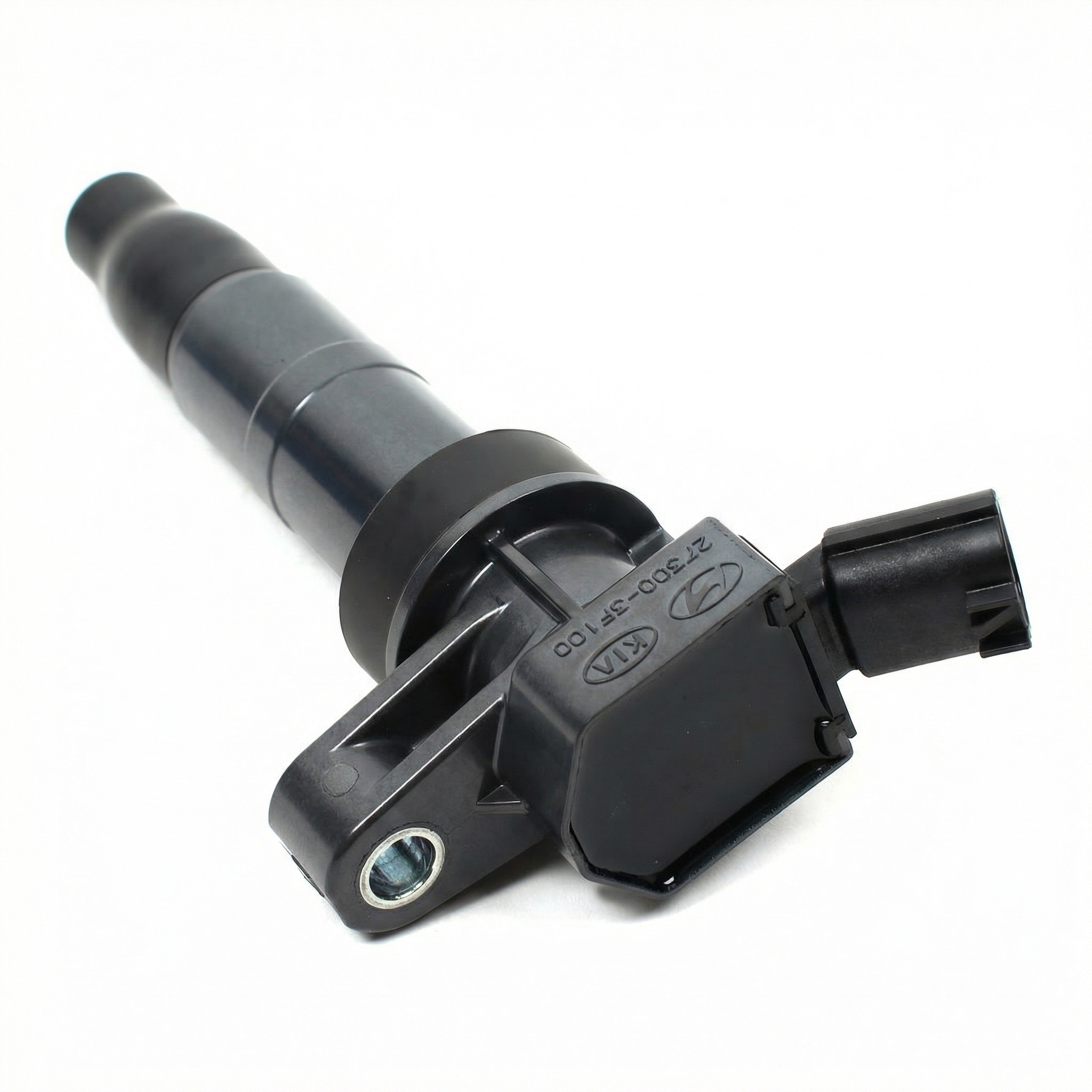
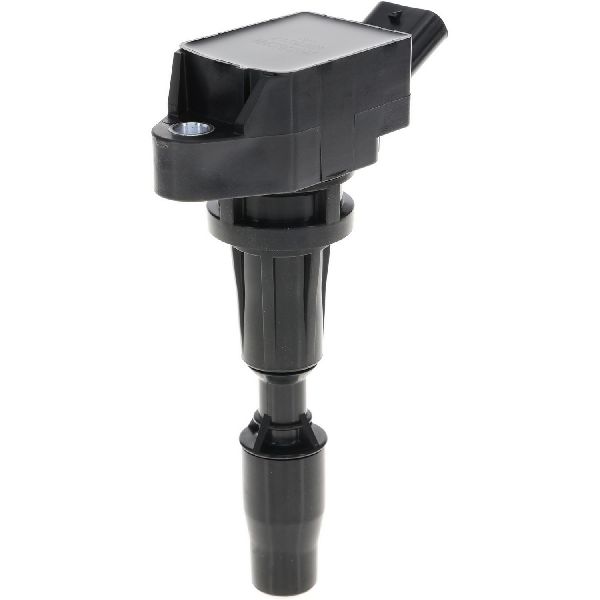
- Faulty Ignition Coil 🔴 High Probability → Shop Ignition Coil Coil-on-plug ignition systems are a common failure point on most modern engines as they age. A Hyundai master technician noted this is a common issue and an easy repair.
How to confirm: Swap the ignition coil from cylinder 1 (front, passenger side) with the coil from another cylinder (e.g., cylinder 3, second from front, passenger side). Clear the codes and drive. If the code changes to P0303, the coil is bad.
Typical fix: Replace the faulty ignition coil. It's wise to replace the corresponding spark plug at the same time.
Est. part cost: $45-$75 - Worn or Fouled Spark Plug 🔴 High Probability → Shop Spark Plug Spark plugs are a regular maintenance item with a finite lifespan. An old or oil-fouled plug can fail to produce a strong enough spark to ignite the air-fuel mixture.
How to confirm: After confirming the coil is good, remove the spark plug from cylinder 1. Inspect it for wear (rounded electrode), heavy carbon deposits, oil fouling, or a cracked insulator. Compare it to a new plug.
Typical fix: Replace the faulty spark plug. It is highly recommended to replace all 8 spark plugs as a set 🎬 See this walkthrough for changing spark plugs on a Genesis. to ensure balanced engine performance and avoid future misfires.
Est. part cost: $15-$40 per plug - Carbon Buildup on Intake Valves 🟡 Medium Probability This is a well-known long-term issue with GDI engines like the Tau V8. Since fuel doesn't wash over the intake valves, oil and combustion byproducts can bake onto them, restricting airflow and causing misfires, especially on cold starts or at higher mileage.
How to confirm: This is difficult to confirm without professional tools. A technician will use a borescope to visually inspect the intake valves, which requires removing the intake manifold.
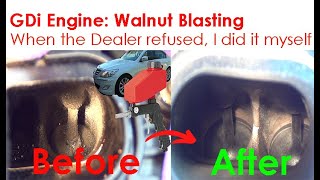
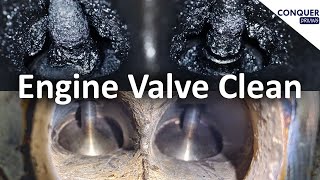
Typical fix: The intake valves need to be cleaned. This is typically done via walnut blasting, a process where crushed walnut shells are used to safely blast the carbon deposits off the valves. 🎬 Watch: How the walnut blasting method cleans intake valve carbon. This service can cost between $600 and $1,200.
Est. part cost: $0 (service cost is labor) - Clogged or Faulty Fuel Injector ⚪ Low Probability → Shop Fuel Injector GDI fuel injectors operate under extremely high pressure and can become clogged or fail electronically over time. Some owners of related Genesis models have reported injector failures at low mileage.
How to confirm: This is a difficult DIY diagnosis. A professional can perform a fuel injector balance test or use a scan tool to monitor fuel trims and injector performance. A strong smell of raw fuel in the oil can also indicate a leaking injector.
Typical fix: Replace the faulty fuel injector. Depending on the failure, some shops may recommend replacing all injectors on that bank.
Est. part cost: $100-$200
Rare But Worth Checking
- Vacuum Leak: A leak in the intake manifold gasket or a vacuum hose near cylinder 1 can introduce unmetered air, causing a lean misfire. Listen for a hissing sound at idle.
- Low Engine Compression: This indicates a more serious internal engine problem, such as a worn piston ring, a bad valve, or a head gasket issue. A compression test or leak-down test is required to diagnose this.
- Faulty Crankshaft Position Sensor: → Shop Engine Crankshaft Position Sensor A failing crankshaft position sensor can send incorrect data to the ECM, disrupting ignition timing and causing misfires. While less common for a single-cylinder misfire, it has been documented as a cause on related platforms.
Diagnosis Steps
- Confirm the P0301 code is present using an OBD-II scanner and check for any other codes. Do not clear the code if you plan to take it to a dealer for warranty work, as they may need to see the active code in the car's computer.
- Note the freeze frame data, which shows the engine conditions when the code was set.
- Identify cylinder 1. On the Tau 5.0L V8, this is the front-most cylinder on the passenger side of the vehicle.
- Swap the ignition coil from cylinder 1 with the coil from cylinder 3 (the next cylinder back on the same bank).
- Clear the codes and perform a test drive to see if the misfire returns.
- If the code changes to P0303, the ignition coil is faulty and must be replaced.
- If the code remains P0301, the coil is likely good. Move the spark plug from cylinder 1 to cylinder 3.
- Clear the codes and test drive again. If the code changes to P0303, the spark plug is faulty. Replace all 8 spark plugs as a set for best practice.
- If the code remains P0301, the issue is not the coil or plug. The next steps are to inspect the fuel injector wiring and connector for cylinder 1, check for vacuum leaks around the intake manifold for that cylinder, and consider professional diagnosis for carbon buildup or a faulty fuel injector.
- If all else fails, a mechanical compression test and/or leak-down test is needed to rule out internal engine problems.
Parts You'll Likely Need
- Ignition Coil
(OEM #27300-2GGA0)— This is one of the most common causes of a single-cylinder misfire. It's a wearable electronic component that provides spark to the spark plug.
Trusted brands: Hyundai (OEM), Denso, NGK, Delphi, Bosch
OEM price range: $60-$80
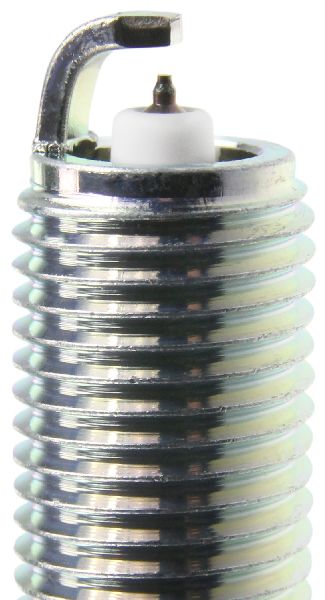
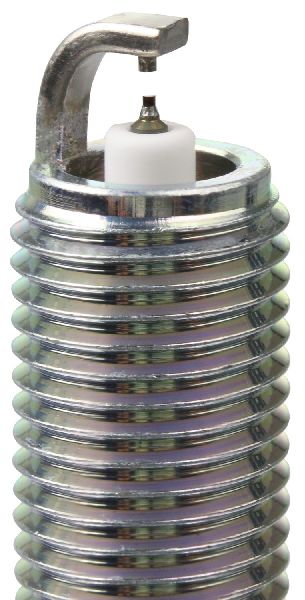
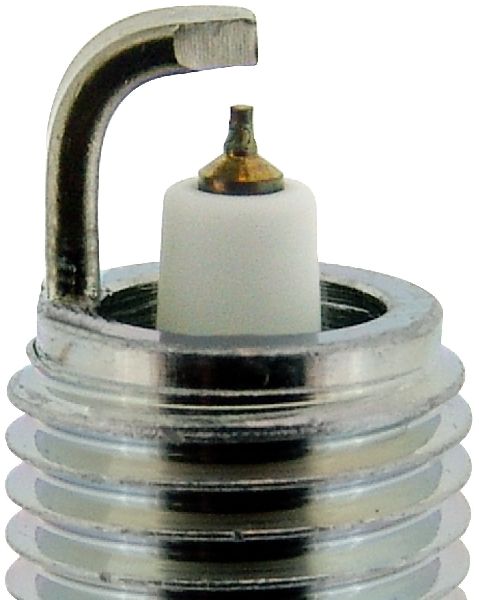
Aftermarket price range: $40-$65 - Spark Plug
(OEM #18870-11071)— Spark plugs are a routine maintenance item. A worn, fouled, or damaged plug cannot create the spark needed for proper combustion.
Trusted brands: NGK, Denso, Hyundai (OEM)
OEM price range: $25-$40
Aftermarket price range: $15-$25
Related Codes That Often Appear With This One
- P0300 — If the misfire is intermittent or begins to affect other cylinders, a P0300 (Random/Multiple Cylinder Misfire) may be stored as well.
- P0171 / P0174 — If the misfire is caused by a vacuum leak or fuel delivery issue that creates a lean condition (too much air, not enough fuel), you may also see 'System Too Lean' codes for Bank 1 or Bank 2.
- P0201 — This code for 'Injector Circuit/Open - Cylinder 1' strongly points to a problem with the fuel injector in cylinder 1 or its wiring when seen with P0301.
Platform-Specific Known Issues
- As a GDI engine, the Tau 5.0L V8 is prone to carbon buildup on the intake valves over its lifespan, which can lead to misfire codes that are not resolved by replacing ignition or fuel components. This service is often recommended every 30-40k miles on some GDI engines to prevent issues.
- While generally reliable, some owners of the 2015-2017 G80 (and its predecessor, the Hyundai Genesis) have reported transmission issues like hard shifting, though this was reportedly improved in 2018+ models. This is unrelated to a single-cylinder misfire but is a known platform concern.
Mechanic-Grade Diagnostic Values
- Low-Pressure Fuel Pump (in-tank) — expected: Above 40 psi. Failure: Pressure below the specified range can lead to fuel starvation for the high-pressure pump, causing misfires under load.
- High-Pressure Fuel Pump (engine-driven) — expected: 600 to over 2,000 psi, varying with engine load. Failure: Inability to build or maintain high pressure, especially under acceleration, will cause lean misfires. Monitored via a scan tool.
- Fuel Injector Resistance — expected: Approximately 1.9-2.2 ohms (Ω). Failure: A significantly higher reading, such as 9.8 kΩ, or an open circuit (infinite resistance) indicates a failed injector coil.
Hidden / Shadow Codes Worth Checking
- Mode $06 Misfire Counts: This is not a hidden code, but a function in advanced scan tools, including the dealer GDS. It shows live misfire counts per cylinder before they are high enough to trigger a P030x code. This is invaluable for catching intermittent misfires or confirming the specific cylinder at fault. (see via Genesis Diagnostic System (GDS) or professional-grade scan tool with Mode $06 capabilities.)
Scan Tool Commands That Help
- Hyundai GDS (Global Diagnostic System): Power Balance Test / Misfire Counter — This function allows a technician to view real-time misfire events for each cylinder. It's the primary tool for confirming which cylinder is misfiring and how frequently, which is essential before swapping parts.
- Hyundai GDS (Global Diagnostic System): Fuel Injector Activation Test — This bidirectional command allows the technician to manually fire a specific fuel injector with the engine off. Listening for an audible click can help confirm if the injector's solenoid is functioning electronically, helping to differentiate between a dead injector and a clogged one.
Wiring & Ground Locations
- Cylinder 1 Ignition Coil Connector — On top of the valve cover, connected to the ignition coil for the front-most cylinder on the passenger side.. Damage to the connector or its wiring (e.g., from rodents or heat) can interrupt the signal to the coil, causing a misfire. A visual inspection is critical.
- Cylinder 1 Fuel Injector Connector — On the fuel rail, connected to the fuel injector for the front-most cylinder on the passenger side. Access may require removing the upper intake manifold.. Similar to the coil, wiring damage here will prevent the injector from firing. The OEM part number for the right-side (passenger) injector harness connector is 35341-3F080. The left-side connector is part number 353413L250.
Real Owner Repair Stories
- YouTube channel of a professional technician (2018 Genesis G80 3.3T Sport (different engine, but same diagnostic principle)) — Check engine light on, hesitation while driving, rough running.
❌ Tried (didn't work) Initial scan showed a P0302 (Cylinder 2 Misfire).
✅ What actually fixed it A visual inspection revealed that wires for the cylinder 2 ignition coil had been chewed by a rodent. The technician also found damage to the oil control valve wiring. Repairing the damaged wires resolved the misfire. - Reddit user in r/Hyundai (2015 Hyundai Elantra (different vehicle, but demonstrates a complex P0301 diagnosis)) — Persistent P0301 misfire under specific load conditions (highway speed, ~2500 rpm), causing shuddering and a flashing check engine light.
❌ Tried (didn't work) Engine mount replacement (recommended by dealer)., Swapping spark plug from cylinder 1 to 2., Swapping ignition coil from cylinder 1 to 3., Swapping fuel injector from cylinder 1 to 4.
✅ What actually fixed it The user's post was a request for help and did not have a final resolution, but it serves as a valuable example of a P0301 that was not resolved by the three most common component swaps (plug, coil, injector), pointing towards a more complex underlying issue like wiring, compression, or an ECU problem.
OEM Part Supersession History
Not specified→27300-2GGA0— This is the current OEM part number for the ignition coil fitting a wide range of Hyundai/Genesis/Kia engines, including the 2017-2020 G80 5.0L.
Diagnostic Flowchart
Other Known Issues on This Vehicle
Issues unrelated to this code that are worth knowing about as an owner of this generation:
- ABS Module Electrical Short / Fire Risk 🔴 High — Subject of a major safety recall affecting nearly 95,000 vehicles including 2017-2020 G80 models. (Ref: NHTSA Recall)
- Transmission Hard Shifting 🟠 Medium — Primarily reported on 2015-2017 models. Owners describe rough or bucking shifts, particularly between 2nd and 3rd gear. A revised transmission was reportedly introduced for 2018 that improved performance.
- Starter Solenoid Water Intrusion 🔴 High — A recall was issued for 2015-2016 Genesis and 2017-2019 G80 models where water could enter the starter solenoid, causing an electrical short and potential engine compartment fire. (Ref: NHTSA Recall)
- Excessive Oil Consumption 🟠 Medium — While the Tau V8 is generally reliable, some owners across the Hyundai/Genesis lineup have reported issues with excessive oil consumption, which can lead to sludge buildup and premature engine wear if not monitored.
- Electrical System Malfunctions 🟡 Low — Some owners have reported various electrical gremlins, including issues with the battery, climate control, and infotainment system, sometimes requiring costly diagnostics and repairs.
Used vs. New Parts: Buying Guide for This Vehicle
When a used part is the smart pick: An ignition coil is a reasonable part to purchase used from a reputable auto recycler. It is a simple electronic component that either works or doesn't, and it's easy to test via the 'swap test' method. Given the low failure rate of other components, a used coil is a cost-effective diagnostic step.
Donor-vehicle mileage cap: roughly under 80000 miles for the part to have meaningful remaining life.
What to inspect on the donor part:
- Check for cracks in the plastic housing.
- Ensure the electrical connector pins are clean and not corroded.
- Inspect the rubber boot for tears, brittleness, or signs of oil contamination.
- Ask for the donor vehicle's mileage if possible; lower is always better.
OEM-only on this vehicle (don't cheap out):
- GDI Fuel Injector: Due to the extremely high pressures and fine tolerances, used GDI injectors are a significant gamble. They can be internally worn or partially clogged in ways that aren't visible, and their failure can have serious consequences. It is highly recommended to use new OEM or reputable remanufactured units.
- High-Pressure Fuel Pump (HPFP): This is another critical, high-wear component operating under extreme pressure. A used HPFP carries a high risk of premature failure. Always opt for a new OEM or a high-quality new aftermarket unit.
Aftermarket brands forum-validated for this vehicle:
- Ignition Coils: Denso, NGK, Delphi, and Bosch are all highly regarded OEM suppliers and provide quality equivalent to the genuine Hyundai part.
- Spark Plugs: NGK and Denso are the primary OEM suppliers and are the recommended choice.
Brands owners have reported issues with on this vehicle:
- Unbranded 'no-name' ignition coils and fuel injectors from online marketplaces should be avoided. While inexpensive, they have a very high failure rate and often do not perform to OEM specifications, which can cause persistent performance issues or even damage to the engine control module.
Real Owner Stories
Aggregated from forums and TSBs cited above. Mileages and costs reflect what owners reported in those sources.
2015 Hyundai Genesis Sedan 5.0L V8
Symptoms: Owner noted the engine is very reliable overall but experienced issues with the pre-2018 transmission performance.
What fixed it: The transmission issues were addressed by a revised transmission design introduced in 2018+ models.
Source hint: Reddit r/GenesisMotors - Genesis G80 years 2017-2020 reliability
Related OBD-II Codes
Frequently Asked Questions
Where is cylinder 1 located on the Tau 5.0L V8 engine in my G80?
Is there a recall for my 2017-2019 G80 that could involve engine compartment fires?
Should I clear the P0301 code before taking my G80 to the Genesis dealer for warranty work?
How often should I perform intake valve cleaning on my GDI engine to prevent misfires?
Can I test if the ignition coil is the cause of my P0301 at home?
Is the hard shifting I feel in my 2017 G80 related to the P0301 misfire code?
Helpful Videos

Used OEM Parts in Stock
New Aftermarket Parts Available


The information in this article is provided for general reference and educational purposes only. Vehicle specifications, procedures, and part compatibility can vary by production date, trim level, and region. Always consult your vehicle's factory service manual and verify part numbers before purchasing or performing repairs. Safety-critical components such as airbags, seat belts, and braking systems should be installed by a qualified professional.
- Genesis G80:
- 🧭 Diagnostic Flowchart
- 🎬 Helpful Videos
- 🛍️ Shop This Part
- What's Unique About the 2017-2020 Genesis G80
- Symptoms You May Notice
- Most Likely Causes
- Rare But Worth Checking
- Diagnosis Steps
- Parts You'll Likely Need
- Related Codes That Often Appear With This One
- Platform-Specific Known Issues
- Mechanic-Grade Diagnostic Values
- Hidden / Shadow Codes Worth Checking
- Scan Tool Commands That Help
- Wiring & Ground Locations
- Real Owner Repair Stories
- OEM Part Supersession History
- Other Known Issues on This Vehicle
- Used vs. New Parts: Buying Guide for This Vehicle
- Real Owner Stories
- 2015 Hyundai Genesis Sedan 5.0L V8
- Related OBD-II Codes
- Frequently Asked Questions
- 🎟️ Get 5% Off