

P0301 on 2015-2021 Jeep Renegade: Cylinder 1 Misfire Causes and Fixes
P0301 on a Jeep Renegade means cylinder 1 is misfiring. The most common causes are a bad spark plug or ignition coil, which are simple DIY fixes. On MultiAir engines (1.3L/1.4L/2.4L), this code can also point to issues with the oil-actuated valve system, as noted in several manufacturer bulletins. For the 2.4L Tigershark, a leaking valve cover gasket that fouls the spark plug is a very frequent culprit.
- P0301 means your Jeep Renegade's first cylinder is misfiring.
- Start your diagnosis with the easiest and most common fixes: the ignition coil and spark plug for cylinder 1.
- On the 2.4L engine, check for oil in the spark plug well; if found, you must replace the valve cover gasket set.
- Be aware that on all Renegade engines, this code can be linked to the unique MultiAir valvetrain system, as confirmed by manufacturer TSBs.
- Do not ignore a flashing Check Engine Light, as it can lead to costly catalytic converter damage.
What's Unique About the 2015-2021 Jeep RENEGADE

The Jeep Renegade's engines, particularly the 1.3L, 1.4L, and 2.4L, use Fiat Chrysler's MultiAir technology. This system uses engine oil pressure to control the intake valves, replacing the traditional intake camshaft. While innovative, it introduces unique failure points. Several Technical Service Bulletins (TSBs) for the Renegade link misfire codes like P0301 directly to problems with the oil supply solenoids that control the MultiAir system. This means a misfire might not just be a simple spark or fuel issue, but could originate from the valvetrain's unique hydraulic actuation system. Using the correct specification and level of engine oil is critical; low or dirty oil can cause the solenoids or the entire MultiAir 'brick' to malfunction, leading to misfires.
Diagnostic Flowchart

Tap your situation to follow the diagnostic path that matches what you're seeing on this vehicle.
Symptoms You May Notice
- Rough or shaky idle, sometimes described as feeling like driving on a bumpy road.
- Hesitation or stumbling during acceleration
- Flashing or solid Check Engine Light
- Reduced engine power and poor throttle response
- Poor fuel economy
- Difficulty starting the engine
- Smell of raw fuel from the exhaust
- Issues with the Stop/Start feature being deactivated [Bulletin #18-007-23].
- Replacing only the spark plug when the spark plug tube is full of oil on a 2.4L engine. The root cause is the leaking valve cover gasket, and the new plug will soon fail as well.
- Replacing ignition coils and spark plugs when the actual issue is a faulty MultiAir actuator or solenoid, which requires a more in-depth diagnosis.
Most Likely Causes

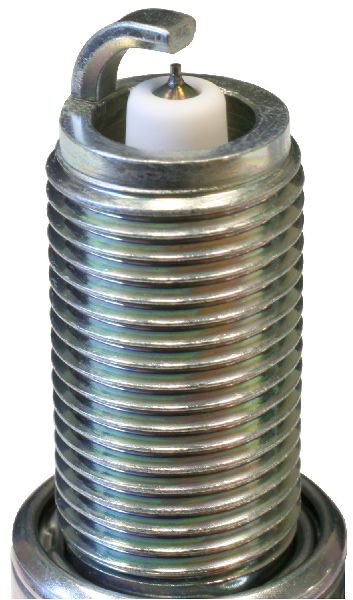
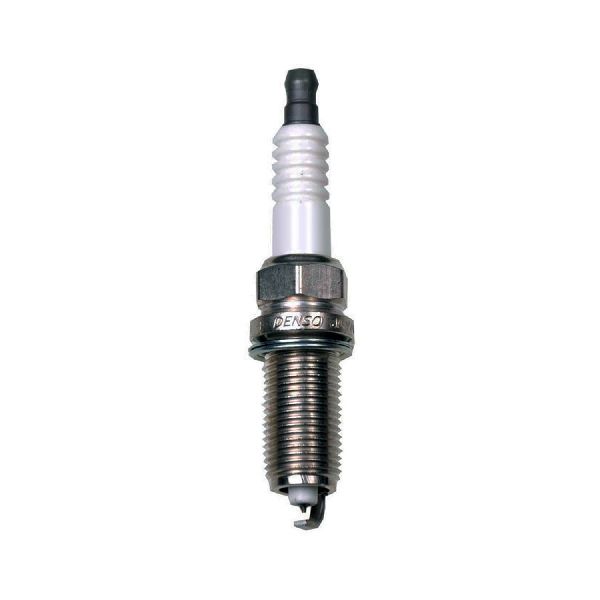
- Worn or Fouled Spark Plug 🔴 High Probability → Shop Spark Plug Spark plugs are a regular maintenance item with a 30,000-mile interval on the 1.4L Turbo. On the 2.4L engine, a very common leaking valve cover gasket causes oil to pool in the spark plug tubes, fouling the plug and ignition coil, which is a primary cause of P0301.
How to confirm: Remove the ignition coil and spark plug from cylinder 1. Inspect the plug for wear, carbon buildup, or oil contamination. If the spark plug tube is full of oil on a 2.4L, the valve cover gasket has failed. Compare the plug to one from another cylinder.
Typical fix: Replace the spark plug. If oil is present in the spark plug tube on a 2.4L engine, the valve cover gasket set must also be replaced to prevent a recurring issue. Ensure new plugs are gapped correctly (e.g., ~0.047 in / 1.2 mm for 2.4L).
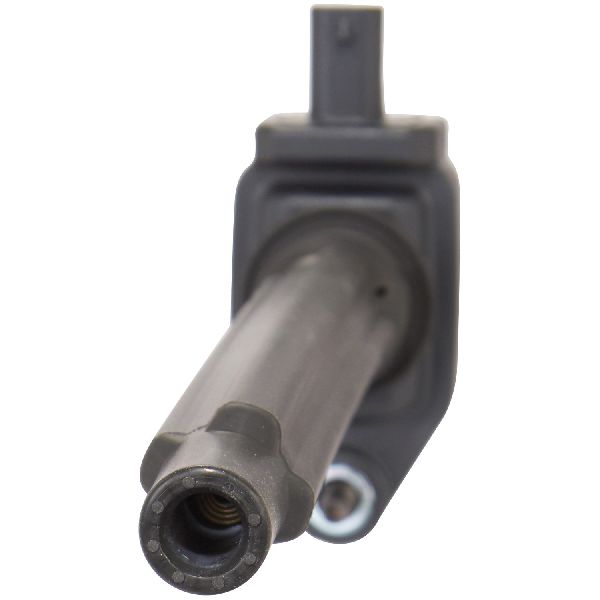
Est. part cost: $10-$30 per spark plug - Failed Ignition Coil 🔴 High Probability → Shop Ignition Coil
How to confirm: Swap the ignition coil from cylinder 1 with the coil from another cylinder (e.g., cylinder 2). Clear the codes and drive the vehicle. If the code changes to P0302, the ignition coil is faulty. This is a common diagnostic step recommended in owner forums.
Typical fix: Replace the failed ignition coil. It is often recommended to replace all coils if they are original and the vehicle has high mileage. If the coil boot was saturated in oil (on a 2.4L), it should be replaced even if it still works, as the oil will degrade the rubber.
Est. part cost: $40-$90 per coil - Faulty MultiAir System Component 🟡 Medium Probability The MultiAir system relies on clean oil and proper pressure. TSBs #18-057-23 and #18-007-23 specifically mention codes for "Oil Supply Solenoid Valve Stuck" alongside misfire codes, indicating this is a known issue. Low oil levels or infrequent oil changes can cause these components to fail.
How to confirm: Scan for additional manufacturer-specific codes (e.g., P1061) related to the valvetrain or oil supply solenoids. Diagnosis may require advanced tools to monitor solenoid function. An essential first step is to check that the engine oil is at the correct level and of the proper specification.
Typical fix: In some cases, a PCM software update as described in TSBs can resolve the issue. In others, it may require replacing the specific oil supply solenoid or the entire MultiAir actuator assembly (often called the 'brick').
Est. part cost: $100-$200 for a solenoid, $800-$1500 for a MultiAir actuator assembly - Clogged or Faulty Fuel Injector ⚪ Low Probability → Shop Fuel Injector While less common than ignition issues, fuel injectors can become clogged or fail. TSB J14 FSAR-TSB-5190 for the 1.3L Turbo engine notes that manufacturing issues with injectors can cause misfires and unstable idle.
How to confirm: Listen to the injector with a mechanic's stethoscope; it should make a consistent clicking sound. You can also swap the injector with another cylinder, but this is more labor-intensive. A diagnostic scan tool that can perform an injector balance test is the most accurate method.
Typical fix: Clean or replace the faulty fuel injector. Some owners have had success using fuel system cleaners as a first step.
Est. part cost: $50-$150 per injector
Rare But Worth Checking
- Vacuum Leak: A leak in a vacuum hose or intake manifold gasket near cylinder 1 can lean out the air-fuel mixture and cause a misfire. This can sometimes be detected by listening for a hissing sound or spraying brake cleaner near gasket surfaces while the engine is running (a change in idle indicates a leak).
- Low Engine Compression: This is a more serious mechanical issue, potentially caused by worn piston rings, a leaking head gasket, or valvetrain problems (e.g., a damaged valve or rocker arm). A compression test is needed to confirm.
Diagnosis Steps

- Read all codes using an OBD-II scanner to check for other related faults, especially MultiAir-specific codes (P1xxx).
- Crucial First Step: Check the engine oil level and condition. Low or dirty oil can cause MultiAir system faults and lead to misfires.
- For a 2.4L engine, inspect the cylinder 1 spark plug tube for oil. If oil is present, the valve cover gasket is the highly likely cause.
- Swap the ignition coil from cylinder 1 to cylinder 2. Clear the codes and run the engine. If the code changes to P0302, the coil is bad.
- If the misfire remains on cylinder 1, swap the spark plug from cylinder 1 to cylinder 3. If the code changes to P0303, the spark plug is bad.
- If the misfire still persists on cylinder 1, inspect the fuel injector wiring and listen for its operation. Consider it the next potential cause.
- Check for any applicable TSBs, as a PCM software update may be required to fix logic errors related to misfire detection and the MultiAir system.
- If no solution is found, investigate for vacuum leaks or perform an engine compression test to check for mechanical engine health.
Parts You'll Likely Need
- Ignition Coil
(OEM #Mopar 68242286AB (for 2.4L), Mopar 68440243AA (for 1.3L))— A common failure item that directly causes a misfire in a single cylinder. Easy to diagnose via the 'swap test'.
Trusted brands: Mopar, NGK, Bosch, Delphi
OEM price range: $60-$90
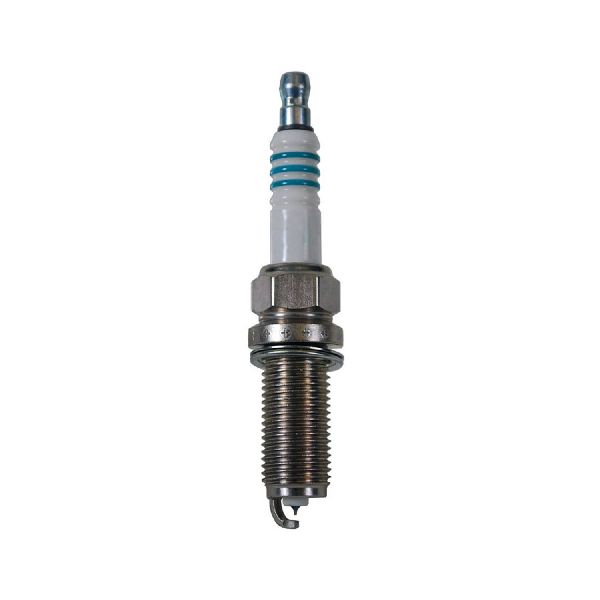
Aftermarket price range: $40-$70 - Spark Plug
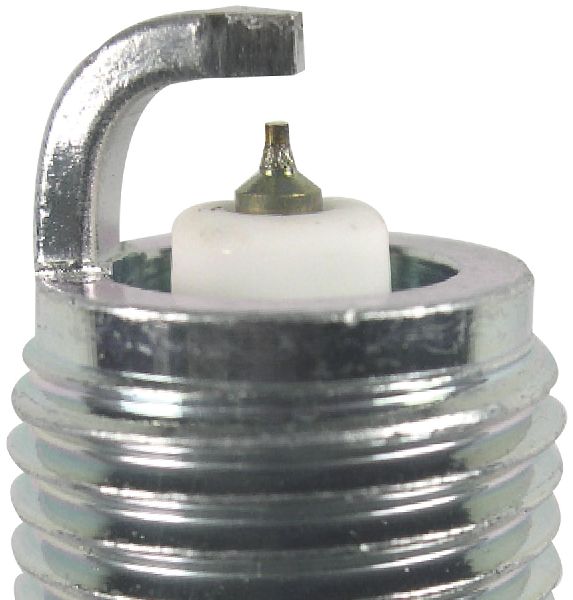
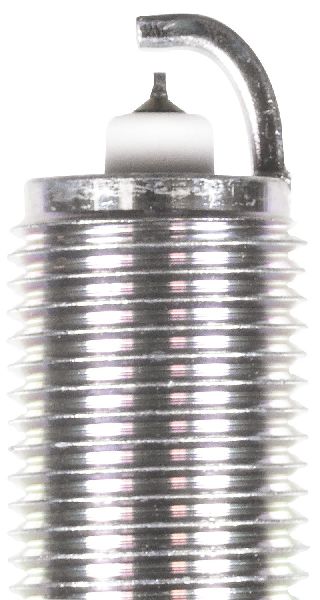
(OEM #Mopar SP070507AC / NGK SILZNAR8C7H (for 1.4L Turbo), Mopar 68440226AA (for 1.3L Turbo), Champion RER8ZWYCB4 (OEM for 2.4L))— A standard wear-and-tear part. The correct type (often Iridium or Platinum) and gap are crucial for proper engine function.
Trusted brands: NGK, Champion, Denso
OEM price range: $20-$30
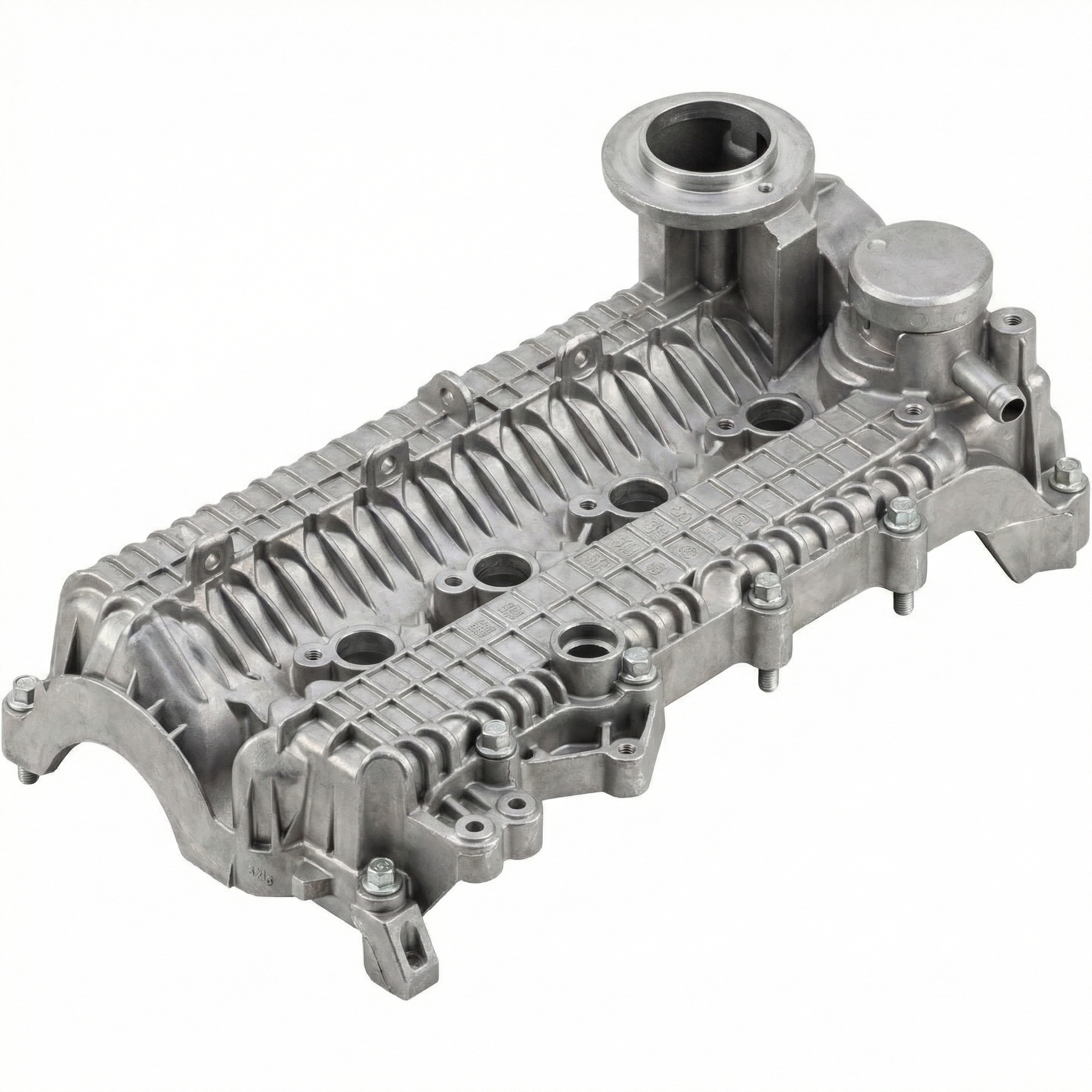
Aftermarket price range: $10-$20 - Valve Cover Gasket Set (2.4L)
(OEM #Mopar 05047440AC)— On the 2.4L Tigershark engine, the original gasket is prone to leaking oil into the spark plug tubes, fouling the plugs and coils. The set includes spark plug tube seals and grommets.
Trusted brands: Mopar, Fel-Pro, Mahle
OEM price range: $50-$80
Aftermarket price range: $30-$60
Related Codes That Often Appear With This One
- P0300 — If the misfire is intermittent or affects other cylinders, a general 'Random Misfire' code may appear alongside the specific cylinder code. This is noted in TSB #08-027-20.
- P0302, P0303, P0304 — These codes indicate misfires in other cylinders. Seeing them together can point to a systemic issue like a vacuum leak, low fuel pressure, or problems with the MultiAir system, as referenced in TSB #18-047-19 REV. A.
- P1061, P1065 — These manufacturer-specific codes point to a problem with the Cylinder 1 Oil Supply Solenoid Valve, a key component of the MultiAir system. Their presence strongly suggests the misfire is related to the valvetrain actuation, as detailed in TSB #18-057-23.
Technical Service Bulletins (TSBs) & Recalls

- 1805723: Mentions P0301 along with oil supply solenoid valve codes for the 1.3L engine.
- 08-027-20: Lists P0301 as a potential DTC for electrical system issues.
- 18-047-19 REV. A: Lists P0301 as a potential DTC related to powertrain issues.
- 18-007-23: Connects P0301 with potential Stop/Start function problems.
Platform-Specific Known Issues
- MultiAir System Faults: TSBs #18-057-23 and #18-007-23 confirm that misfire codes are often accompanied by faults in the oil supply solenoids for the MultiAir system. This can sometimes be fixed with a PCM software update, but may require hardware replacement.
- Oil in Spark Plug Wells (2.4L Engine): A very common problem on the 2.4L Tigershark engine is the failure of the valve cover and spark plug tube seals, causing oil to flood the ignition coil and spark plug, leading to a misfire. Multiple owner forums and repair videos document this specific failure.
- Software Updates for Misfire Logic: Several TSBs involve flashing the PCM with updated software to correct over-sensitive misfire detection or to improve the operation of the MultiAir system, which can resolve the code without replacing any parts.
Mechanic-Grade Diagnostic Values
- Ignition Coil Primary Winding Resistance — expected: 0.4 to 2.0 ohms. Failure: Reading of 0 (short) or OL (open circuit).
- Ignition Coil Secondary Winding Resistance — expected: 6,000 to 10,000 ohms (6k-10k Ω). Failure: A reading significantly outside this range, or an open circuit (OL).
- Ignition Coil Connector Voltage (KOEO) — expected: Battery Voltage (approx. 12V). Failure: Significantly lower voltage or no voltage indicates a wiring or fuse issue before the coil.
- Fuel Pump Pressure — expected: 40 to 60 psi. Failure: Pressure below this range can cause lean conditions and misfires, especially under load.
- Spark Plug Gap (2.4L Engine) — expected: 0.047 in (1.2 mm). Failure: An incorrect gap can lead to a weak or inconsistent spark.
Hidden / Shadow Codes Worth Checking
- Mode 6 Misfire Counters: Modern ECUs track misfires on each cylinder continuously. This data (Mode 6, Test ID $53) can show misfire events that haven't yet reached the threshold to set a P030x code. A high count on cylinder 1, even without a CEL, confirms the location of the issue. (see via Requires an advanced scan tool like wiTECH, AlfaOBD, or others with Mode 6 data display capabilities. Basic code readers typically do not show this information.)
Scan Tool Commands That Help
- wiTECH (Official FCA Tool): Clear Mis-fire TLC (Tooth Learning Correction) — After certain repairs, or if a software glitch is suspected, the crankshaft position sensor's learned values may need to be reset to accurately detect misfires. This function forces a relearn.
- AlfaOBD / Advanced Scan Tools: Ignition Coil / Fuel Injector Actuator Test — To actively test components without swapping them. The scan tool can command the coil to fire or the injector to pulse, allowing a technician to confirm functionality while the engine is off or running.
Wiring & Ground Locations
- Cylinder 1 Ignition Coil Connector — On top of the valve cover, connected to the ignition coil for the first cylinder (typically the furthest left when facing the engine).. A voltage test at this connector is a key diagnostic step. With the key on, engine off, the voltage between Pin 2 (Yellow wire) and a good chassis ground should be battery voltage. Lack of voltage points to a problem in the harness or fuse box, not the coil itself.
- PCM Connector Pin (Coil Control) — At the Powertrain Control Module (PCM).. In some wiring diagrams, the circuit for the cylinder 1 ignition coil control is a Dark Blue/Dark Green wire. If the coil and its local wiring are good, a fault in this wire or the PCM driver itself could be the cause. This is an advanced diagnostic step.
Real Owner Repair Stories
- Commonly reported on jeeprenegadeforum.com and Reddit (2015-2021 Jeep Renegade with 2.4L Tigershark engine) — Persistent P0301 misfire, sometimes with P0300. Rough idle and hesitation.
❌ Tried (didn't work) Replacing the spark plug for cylinder 1., Replacing the ignition coil for cylinder 1., Swapping coils and plugs with other cylinders, with the misfire always returning to cylinder 1.
✅ What actually fixed it Replacing the valve cover gasket set (Mopar P/N 05047440AC). The original gasket had failed, allowing engine oil to leak into the spark plug tube for cylinder 1, fouling the new spark plug and damaging the ignition coil boot over time. - YouTube diagnostic video (on a Jeep Wrangler, but illustrates a relevant failure mode for the platform) (Jeep with persistent cylinder misfire) — Check engine light with a cylinder-specific misfire code (e.g., P030x).
❌ Tried (didn't work) Replacing spark plugs., Replacing ignition coil., Replacing ignition wires.
✅ What actually fixed it Replacing the Powertrain Control Module (PCM). The internal driver circuit in the original PCM responsible for firing the ignition coil on the affected cylinder had failed. A new PCM was installed and programmed using the wiTECH dealer tool to resolve the issue.
"I Checked Everything" — The Actual Cause
- In cases where a smoke test for vacuum leaks comes back clean and ignition/fuel parts have been swapped without moving the misfire, the root cause can be electrical. A faulty ignition coil driver within the Powertrain Control Module (PCM) will not be found with a smoke test. The PCM fails to send the signal to fire the coil, causing a misfire on that cylinder, even though all external components and wiring appear intact.
When the Usual Fixes Don't Work
- While Pass 2 correctly identifies spark plugs, ignition coils, and the MultiAir system as primary causes for P0301, persistent cases that defy these common fixes have been documented. If swapping ignition components doesn't isolate the problem, don't assume it must be the expensive MultiAir 'brick'. For 2017-2018 2.4L Flex Fuel models, investigate the fuel pump recall (NHTSA 18V-731), as a loss of fuel pressure can mimic a misfire. In other cases, the ultimate culprit has been a failed ignition coil driver within the PCM itself, an electrical issue that requires replacing and programming the main engine computer.
OEM Part Supersession History
05047440AB→05047440AC— The original valve cover gasket for the 2.4L Tigershark engine was prone to premature failure, causing oil leaks into the spark plug tubes. The updated part is intended to have improved durability.
Model Year Variations Within This Range
- 2019-2021: For the 2019 model year, the optional 1.4L Turbo engine was replaced by a new 1.3L Turbo engine. Diagnostic procedures for MultiAir-related issues may differ between these two engines. The manual transmission was also discontinued.
- 2018-2021: Starting in the 2018 model year, FCA implemented a Security Gateway Module (SGW). This module prevents unauthorized scan tools from performing bidirectional commands. To perform advanced diagnostics like actuator tests or resets, a technician needs either the dealer wiTECH 2.0 tool or an aftermarket tool like AlfaOBD combined with a physical SGW bypass module.
Helpful Videos
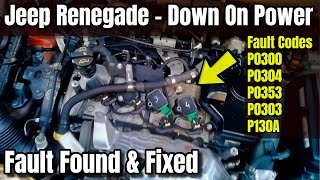
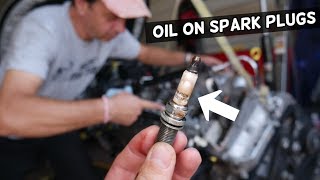
![How to Fix JEEP P0301 Engine Code in 3 Minutes [2 DIY Methods / Only $4.22]](https://img.youtube.com/vi/2Yu6asIF83c/mqdefault.jpg)
Used OEM Parts in Stock
New Aftermarket Parts Available

The information in this article is provided for general reference and educational purposes only. Vehicle specifications, procedures, and part compatibility can vary by production date, trim level, and region. Always consult your vehicle's factory service manual and verify part numbers before purchasing or performing repairs. Safety-critical components such as airbags, seat belts, and braking systems should be installed by a qualified professional.
- Jeep RENEGADE:
- 🧭 Diagnostic Flowchart
- 🎬 Helpful Videos
- 🛍️ Shop This Part
- What's Unique About the 2015-2021 Jeep RENEGADE
- Symptoms You May Notice
- Most Likely Causes
- Rare But Worth Checking
- Diagnosis Steps
- Parts You'll Likely Need
- Related Codes That Often Appear With This One
- Technical Service Bulletins (TSBs) & Recalls
- Platform-Specific Known Issues
- Mechanic-Grade Diagnostic Values
- Hidden / Shadow Codes Worth Checking
- Scan Tool Commands That Help
- Wiring & Ground Locations
- Real Owner Repair Stories
- "I Checked Everything" — The Actual Cause
- When the Usual Fixes Don't Work
- OEM Part Supersession History
- Model Year Variations Within This Range
- 🎟️ Get 5% Off