

P0301 on 2015-2019 Ram ProMaster City: Cylinder 1 Misfire Causes and Fixes
P0301 on a Ram ProMaster City indicates a misfire in cylinder 1. The most common causes are a worn spark plug or a failed ignition coil. A very frequent underlying issue is a leaking valve cover gasket that allows oil to foul the spark plug and coil boot, a known weakness of the 2.4L Tigershark engine.
- P0301 specifically points to a misfire in cylinder 1, which is the cylinder on the far passenger side of the engine.
- The most likely cause is a bad ignition coil or a worn spark plug.
- Before replacing parts, always check for oil in the spark plug tube. If oil is present, you MUST replace the valve cover gasket to permanently fix the problem.
- A flashing check engine light indicates a severe misfire; stop driving to prevent costly damage to the catalytic converter.
- For 2019 models, a PCM software update (TSB #18-068-19) may be required to resolve false misfire codes.
What's Unique About the 2015-2019 Ram PROMASTER CITY
The 2015-2019 Ram ProMaster City uses a 2.4L Tigershark MultiAir engine, also found in various other Fiat-Chrysler (FCA) vehicles like the Jeep Cherokee and Chrysler 200. A widely documented issue with this engine is the failure of the valve cover gasket, which allows oil to leak into the spark plug tubes. This oil saturation is a primary cause of ignition coil and spark plug failure, leading directly to misfire codes like P0301. Furthermore, the MultiAir II valve-lift system itself is operated by engine oil; using the wrong viscosity (requires 0W-20 synthetic) or having low/dirty oil can also lead to poor performance and misfires.
Diagnostic Flowchart
Tap your situation to follow the diagnostic path that matches what you're seeing on this vehicle.
Symptoms You May Notice
- Rough or shaking idle
- Hesitation or stumbling during acceleration
- Noticeable loss of engine power
- Solid or flashing Check Engine Light
- Smell of unburned fuel from the exhaust
- Decreased fuel economy
- Replacing only the spark plug or coil without addressing an oil leak from the valve cover gasket. The new parts will likely fail again in a short time.
- Replacing ignition parts when the root cause is a software issue that requires the PCM to be updated per TSB #18-068-19 (on 2019 models).
Most Likely Causes
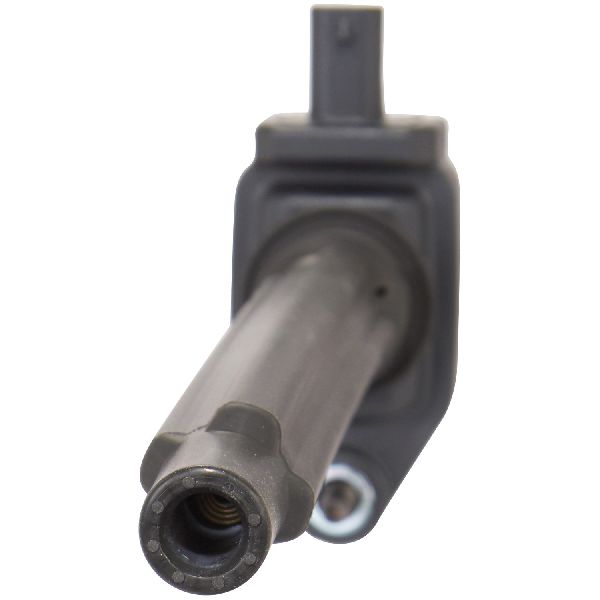
- Failed Ignition Coil 🔴 High Probability → Shop Ignition Coil Ignition coils can fail from heat and vibration, but are especially prone to failure on this engine when the valve cover gasket leaks oil into the spark plug well, soaking the coil boot and causing a poor connection or short. TSB #08-027-20 was issued for this engine to replace the coil boots due to damage or swelling, which contributes to misfires.
How to confirm: Swap the ignition coil from cylinder 1 with another cylinder (e.g., cylinder 2). Clear the codes, run the engine, and re-scan. If the code changes to P0302, the coil is bad. Cylinder 1 is the cylinder closest to the drive belts on the passenger side of the engine.
Typical fix: Replace the failed ignition coil. If oil is present in the spark plug tube, the valve cover gasket must also be replaced to prevent repeat failure. It is also wise to replace the ignition coil boot (or all four) per TSB #08-027-20.
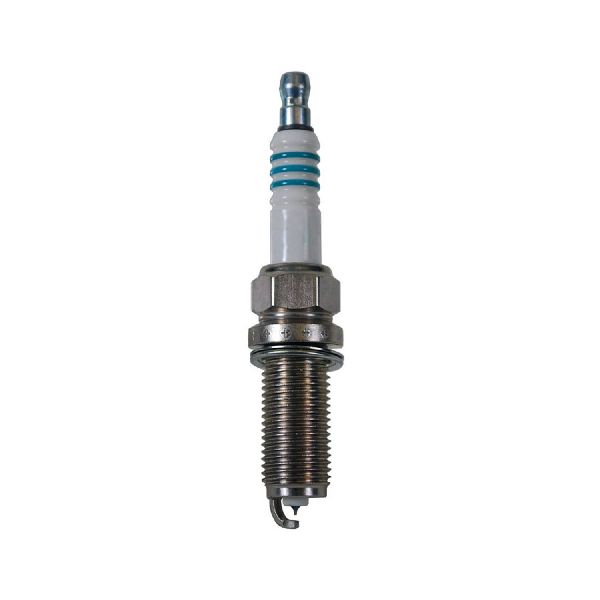
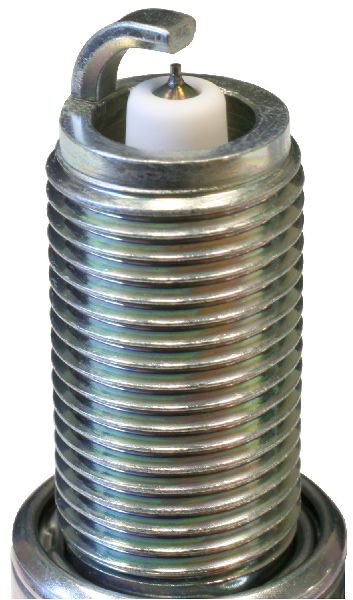
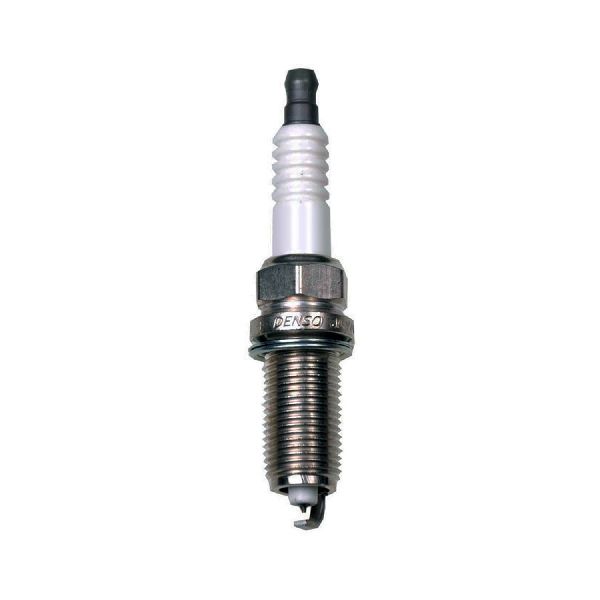
Est. part cost: $25-$85 - Worn or Fouled Spark Plug 🔴 High Probability → Shop Spark Plug Spark plugs are a normal wear item. They can also become fouled by oil leaking from a failed valve cover gasket, which is a common issue on the 2.4L Tigershark engine. Excessive oil consumption, another known issue with this engine, can also foul the plugs over time.
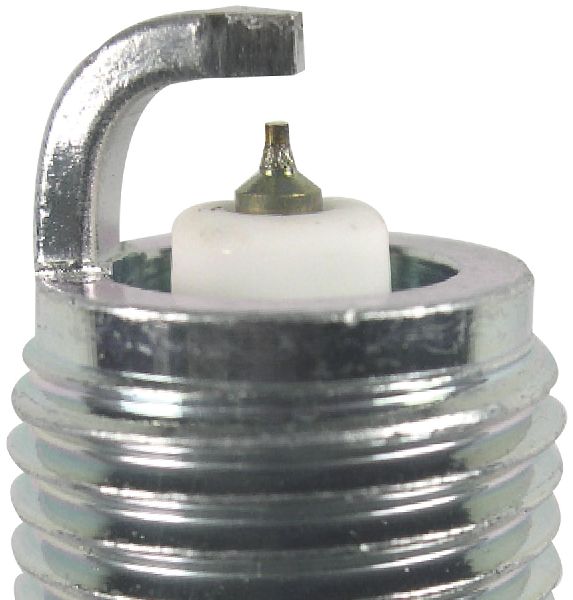
How to confirm: Remove the spark plug from cylinder 1 and inspect it. Look for a worn electrode, heavy carbon buildup, or oil contamination. Compare it to the other plugs. A Reddit user with a P0301 on their ProMaster City found a visibly worn-out plug in cylinder 1.
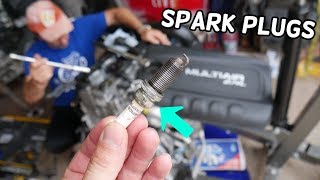
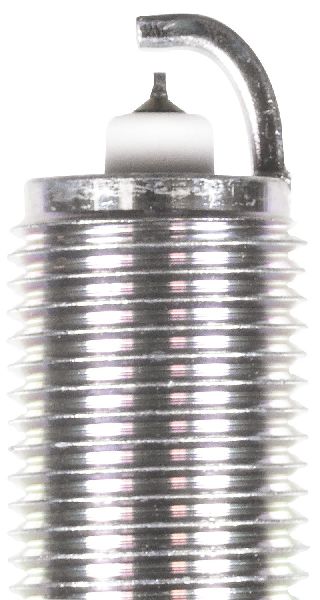
Typical fix: Replace the spark plug. It is best practice to replace all four spark plugs at the same time. Ensure the new plugs are gapped correctly to 0.047 inches (1.2mm).
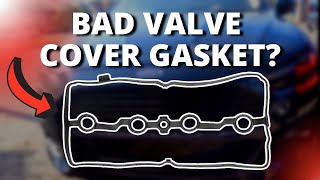
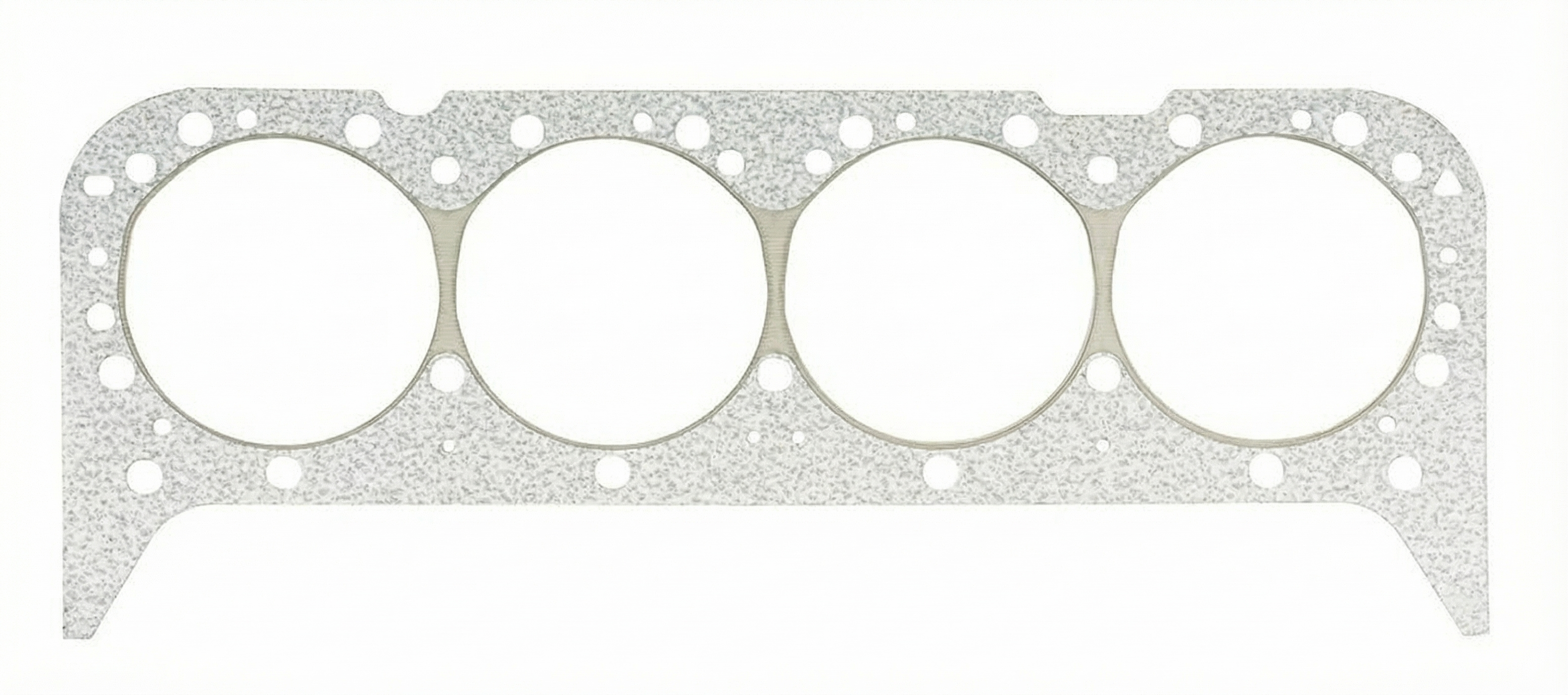
Est. part cost: $10-$25 per plug - Leaking Valve Cover Gasket / Spark Plug Tube Seals 🟡 Medium Probability → Shop Engine Valve Cover This is a very common failure point on the 2.4L Tigershark engine. The seals for the spark plug tubes are integrated into the valve cover gasket and degrade from engine heat, allowing oil to pool in the wells and saturate the ignition components.
How to confirm: When you remove the ignition coil from cylinder 1, visually inspect the inside of the tube and the coil boot for the presence of liquid engine oil.
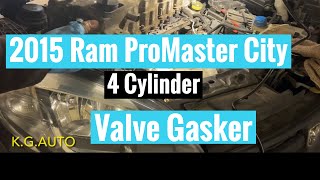
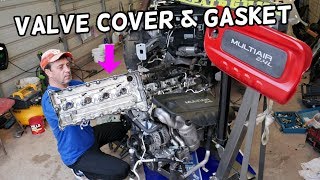
Typical fix: Replace the valve cover gasket, which includes the spark plug tube seals and bolt grommets. Clean all oil from the spark plug tubes and ignition coil boots before reassembly. The OEM part number for the gasket kit is often cited as 68195711AA.
Est. part cost: $40-$100 for a gasket kit - Faulty Fuel Injector ⚪ Low Probability → Shop Fuel Injector
How to confirm: After ruling out ignition issues, you can test the fuel injector. A professional can perform a flow test, or a DIY method is to listen for a consistent clicking sound from the injector using a mechanic's stethoscope. You can also swap the injector with another cylinder and see if the misfire code follows.
Typical fix: Replace the faulty fuel injector. It is often recommended to replace all injectors at the same time.
Est. part cost: $50-$150
Rare But Worth Checking
- Low Engine Compression: Although less common, internal engine problems like a worn piston ring, a leaking valve, or a blown head gasket can cause a persistent misfire that won't be fixed by replacing ignition or fuel parts. A compression test and cylinder leak-down test are needed to diagnose this.
- Vacuum Leak: A leak in a vacuum hose or intake manifold gasket can introduce unmetered air, disrupting the air-fuel ratio and causing a misfire. This would typically affect more than one cylinder and may be accompanied by other codes.
- PCM Software Issue: For 2019 models specifically, TSB #18-068-19 was issued to update the PCM software to prevent false misfire codes (P0300-P0304) from being set. If no mechanical fault is found on a 2019 vehicle, a dealer may need to perform this software flash.
Diagnosis Steps
- Read the code with an OBD-II scanner and confirm P0301 is present. Note any other codes.
- Locate cylinder 1. On the 2.4L Tigershark engine, it is the first cylinder on the passenger side (belt side) of the engine.
- Remove the plastic engine cover. Remove the 10mm bolt holding the ignition coil for cylinder 1.
- Pull the ignition coil out and inspect the spark plug tube and the coil boot for any signs of engine oil. If oil is present, a leaking valve cover gasket is the root cause and must be replaced.
- If no oil is present, swap the cylinder 1 ignition coil with the coil from cylinder 2.
- Clear the codes and drive the vehicle until the check engine light returns. Re-scan the codes.
- If the code is now P0302, the ignition coil you moved is faulty and needs to be replaced.
- If the code remains P0301, the problem is likely the spark plug or, less commonly, the fuel injector.
- Remove and inspect the spark plug from cylinder 1. Replace it if it is worn, fouled, or damaged. It's recommended to replace all four at once and ensure they are gapped to 0.047 inches.
- If the issue persists, further diagnosis of the fuel injector and a mechanical compression test may be necessary.
- For 2019 models, if no physical cause is found, consult a dealer about performing the software update outlined in TSB #18-068-19.
Parts You'll Likely Need
- Ignition Coil
(OEM #68242286AB)— This is one of the most common failure items for a single-cylinder misfire. Failure is often accelerated by oil leaks from the valve cover gasket.
Trusted brands: Mopar, NGK, Bosch, Standard Motor Products, Denso
OEM price range: $80-$120
Aftermarket price range: $25-$85 - Iridium Spark Plug
(OEM #SP142510AC (Mopar), NGK LZFR5CI-11 (also known as 92145))— Spark plugs are a routine maintenance item and a primary cause of misfires as they wear out. The correct gap is 0.047 in (1.2mm).
Trusted brands: NGK, Champion, Denso, Autolite
OEM price range: $20-$30
Aftermarket price range: $10-$25 - Valve Cover Gasket Kit
(OEM #68195711AA)— A leaking valve cover gasket is a very common root cause of P0301 on this engine, as it allows oil to foul the spark plug and ignition coil.
Trusted brands: Mopar, Fel-Pro, Mahle, Victor Reinz
OEM price range: $70-$120
Aftermarket price range: $40-$100
Related Codes That Often Appear With This One
- P0300 — This code means 'Random/Multiple Cylinder Misfire'. It often appears alongside P0301 if the misfire is intermittent or beginning to affect other cylinders.
- P0302, P0303, P0304 — These codes indicate misfires in cylinders 2, 3, and 4, respectively. Seeing multiple cylinder misfire codes could point to a more systemic problem like low fuel pressure, a large vacuum leak, or the software issue mentioned in TSB #18-068-19.
- P1061, P1065, P1069, P106D — These codes (P1061 for cylinder 1) point to a fault in the MultiAir electro-hydraulic valve actuator system for a specific cylinder. A P0301 accompanied by a P1061 strongly suggests the root cause is not a simple spark or fuel issue, but a failure within the 'MultiAir brick' itself, which is a known and expensive failure on the 2.4L engine.
Technical Service Bulletins (TSBs) & Recalls
- 18-068-19: Addresses a software update for the Powertrain Control Module (PCM) to correct false misfire DTCs (P0300, P0301, P0302, P0303, P0304) on 2019 models.
- 08-027-20: Pertains to replacing all four ignition coil insulating boots, which can degrade and cause misfire conditions. This applies to ProMaster City models from 2015-2018.
Platform-Specific Known Issues
- TSB #18-068-19: False Misfire DTCs (2019 Models): This TSB involves reprogramming the Powertrain Control Module (PCM) with updated software. It specifically addresses an issue on 2019 models where false misfire codes (P0300, P0301, P0302, P0303, P0304) could be triggered without a mechanical fault. If diagnostics on a 2019 model don't reveal a bad coil, plug, or leak, this software update is the likely solution.
- TSB #08-027-20: Ignition Coil Boot Replacement: → Shop Ignition Coil This bulletin involves replacing all four ignition coil insulating boots to resolve misfire codes (P0300-P0304) and rough running. The boots can swell or degrade, leading to a poor seal and connection at the spark plug. This is a targeted fix when the main coil body is still functional but the boot has failed, often due to oil exposure.
Mechanic-Grade Diagnostic Values
- Fuel Injector Resistance — expected: 10 to 16 Ohms. Failure: A reading significantly higher or lower than the expected range, or an open circuit (infinite resistance), indicates a failed injector. All injectors should have very similar resistance values.
- Ignition Coil Primary/Secondary Resistance — expected: While specific OEM values are not published for DIY testing, a functional test involves comparing the resistance readings between all four coils. They should be nearly identical.. Failure: A coil that shows a significantly different resistance value or an open/short circuit compared to the others is faulty.
Hidden / Shadow Codes Worth Checking
- P1061: Indicates the Cylinder 1 Oil Supply Solenoid Valve, which is part of the MultiAir actuator ('brick'), is stuck or has a performance issue. (see via A standard OBD-II scanner. When this code appears alongside P0301, it strongly points to a failure in the MultiAir system rather than a simple ignition or fuel problem.)
Scan Tool Commands That Help
- wiTECH (Chrysler/FCA Dealer Tool): OBDII Monitors > 'Which cylinder is misfiring' — This function provides a live count of misfire events per cylinder. It is invaluable for confirming which cylinder is actively misfiring and for verifying that a repair (like swapping a coil) has successfully moved the problem to another cylinder.
- wiTECH (Chrysler/FCA Dealer Tool): Misc. Functions > 'Clear Mis-fire TLC' — TLC stands for 'Tooth Learn Correction'. This function is used to clear learned crankshaft position sensor values related to misfire detection. It may be required as part of a larger diagnostic or reprogramming procedure, such as after a PCM flash.
Wiring & Ground Locations
- Engine Ground Strap — A primary ground strap typically connects from the engine block or a motor mount to the vehicle's chassis/frame near the strut tower.. A loose, corroded, or broken main engine ground can cause a voltage differential between the engine and the chassis. This can lead to erratic signals for all engine sensors, including the crankshaft position sensor, and can cause weak or inconsistent spark, resulting in misfires that are difficult to diagnose. Ensuring this ground is clean and tight is a crucial step in any electrical diagnosis for misfires.
- Ignition Coil Connector — On top of the valve cover, plugged into the top of each ignition coil.. The wiring and connector for the cylinder 1 ignition coil can become brittle from heat or damaged by oil from a leaking valve cover gasket. Check for broken locking tabs, corroded pins, or frayed wires at the connector itself.
OEM Part Supersession History
68080580AB, 68242286AA→68242286AB— Standard part revision and consolidation over the life of the platform.
Heads up: The newer part number 68242286AB is the correct service replacement for the earlier versions and is fully compatible.
Model Year Variations Within This Range
- 2019 only: A specific PCM software calibration issue could cause false P0301-P0304 misfire codes to be set without any mechanical fault. TSB #18-068-19 was released to correct this with a software update. This should be considered before replacing parts on 2019 models where no physical cause can be found.
Helpful Videos
Used OEM Parts in Stock
New Aftermarket Parts Available

The information in this article is provided for general reference and educational purposes only. Vehicle specifications, procedures, and part compatibility can vary by production date, trim level, and region. Always consult your vehicle's factory service manual and verify part numbers before purchasing or performing repairs. Safety-critical components such as airbags, seat belts, and braking systems should be installed by a qualified professional.
- Ram PROMASTER CITY:
- 🧭 Diagnostic Flowchart
- 🎬 Helpful Videos
- 🛍️ Shop This Part
- What's Unique About the 2015-2019 Ram PROMASTER CITY
- Symptoms You May Notice
- Most Likely Causes
- Rare But Worth Checking
- Diagnosis Steps
- Parts You'll Likely Need
- Related Codes That Often Appear With This One
- Technical Service Bulletins (TSBs) & Recalls
- Platform-Specific Known Issues
- Mechanic-Grade Diagnostic Values
- Hidden / Shadow Codes Worth Checking
- Scan Tool Commands That Help
- Wiring & Ground Locations
- OEM Part Supersession History
- Model Year Variations Within This Range
- 🎟️ Get 5% Off