

P0302 on 2015-2021 Jeep Renegade: Cylinder 2 Misfire Causes and Fixes
P0302 indicates a misfire in cylinder 2. On a Jeep Renegade, this is most often caused by a worn spark plug or a failed ignition coil. On the 2.4L engine, oil leaking into the spark plug tube from a bad valve cover gasket is a very common root cause. Expect to pay $10-$30 for a single spark plug or $60-$140 for an ignition coil. It's a straightforward DIY fix for many owners.
- P0302 is a misfire on cylinder 2, the second cylinder from the passenger side of the engine.
- The most likely culprits are a bad spark plug or ignition coil, which are simple to diagnose by swapping them with parts from another cylinder.
- If you have the 2.4L engine, check for oil in the spark plug tube. If found, you must replace the valve cover gasket set along with the plug and coil.
- Do not continue driving if the check engine light is flashing, as this can quickly destroy your catalytic converter, a very expensive repair.
- If basic ignition and fuel parts are not the cause, the problem could be specific to the Jeep's MultiAir system, as noted in manufacturer TSBs.
What's Unique About the 2015-2021 Jeep RENEGADE

The 2015-2021 Jeep Renegade was offered with several four-cylinder engines, most notably the 2.4L Tigershark and the 1.4L/1.3L turbo engines. While standard ignition issues are common across all engines, the 2.4L Tigershark engine is known for valve cover gasket leaks that can cause oil to pool in the spark plug tubes, fouling the plug and coil, leading to a misfire. This issue is frequently reported by owners in forums and is a common cause for P0302. Additionally, several Technical Service Bulletins (TSBs) link misfire codes on these engines to issues with the MultiAir valve train system, which can be a more complex and specific failure point than on engines with conventional valve trains. TSBs like 18-057-23 specifically mention P0302 alongside codes for the MultiAir oil supply solenoid valves, indicating a software update may be needed to correct misfire detection logic.
Diagnostic Flowchart

Tap your situation to follow the diagnostic path that matches what you're seeing on this vehicle.
Symptoms You May Notice

- Rough or shaky engine idle
- Hesitation or stumbling during acceleration
- Reduced engine power
- Check engine light is on and steady
- Flashing check engine light (indicates a severe misfire)
- Poor fuel economy
- "Stop/start function deactivated" message on the dashboard.
- Strange smell from the exhaust, like unburnt gasoline.
- Replacing only the spark plug when the spark plug tube is full of oil. The new plug will quickly become fouled, and the misfire will return. The root cause (leaking valve cover gasket) must be addressed.
- Replacing ignition coils and plugs when the actual issue is a clogged fuel injector or a MultiAir system fault requiring a software update.
Most Likely Causes

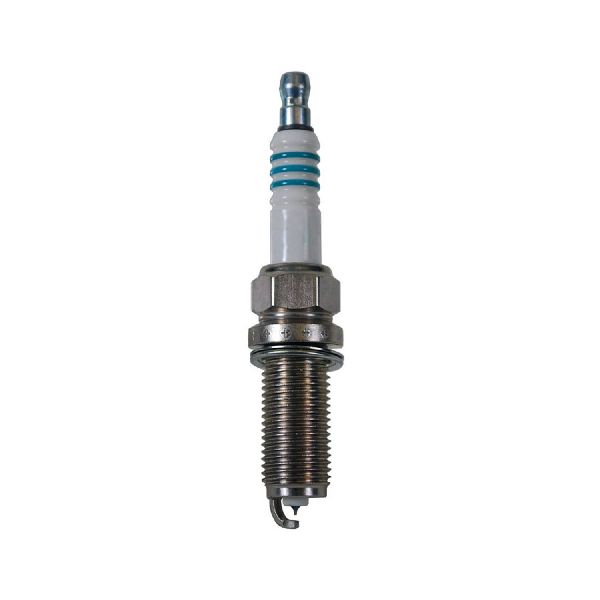
- Worn or Fouled Spark Plug 🔴 High Probability → Shop Spark Plug Spark plugs are a regular maintenance item. On the 2.4L engine, a leaking valve cover gasket can cause oil to foul the spark plug in cylinder 2, which is a frequent issue discussed by owners. For the direct-injected turbo engines (1.4L, 1.3L), carbon buildup can also foul plugs.
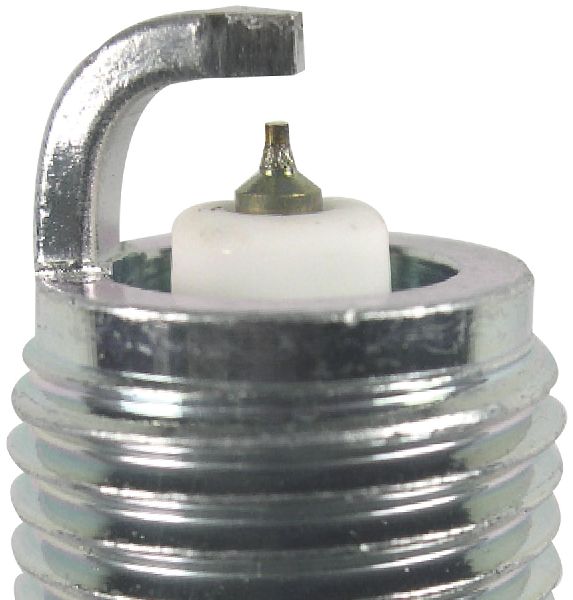
How to confirm: Remove the ignition coil and spark plug from cylinder 2. Inspect the plug for wear, carbon buildup, or oil contamination. The spark plug gap should be checked; for the 2.4L, it is typically 0.047 inches. Compare it to a plug from another cylinder.
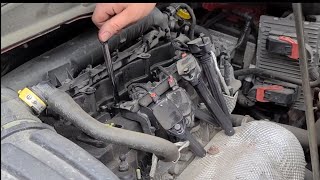
Typical fix: Replace the spark plug. If oil was present, the valve cover gasket and tube seals must also be replaced to prevent a recurrence. It is recommended to replace all four spark plugs 🎬 Watch: Step-by-step spark plug and coil pack replacement guide. at the same time for even performance.
Est. part cost: $10-$30 per spark plug - Failed Ignition Coil 🔴 High Probability → Shop Ignition Coil Ignition coils are a common failure point on many modern engines. Heat and vibration can cause the internal windings to fail over time. If oil has leaked into the spark plug tube on a 2.4L, it can also damage the coil boot.
How to confirm: Swap the ignition coil from cylinder 2 with another cylinder (e.g., cylinder 1). Clear the codes and drive the vehicle. If the code changes to P0301, the ignition coil is faulty. 🎬 See how to diagnose and clear these specific misfire codes.
Typical fix: Replace the failed ignition coil. If the boot was oil-soaked, it's wise to replace the entire coil.
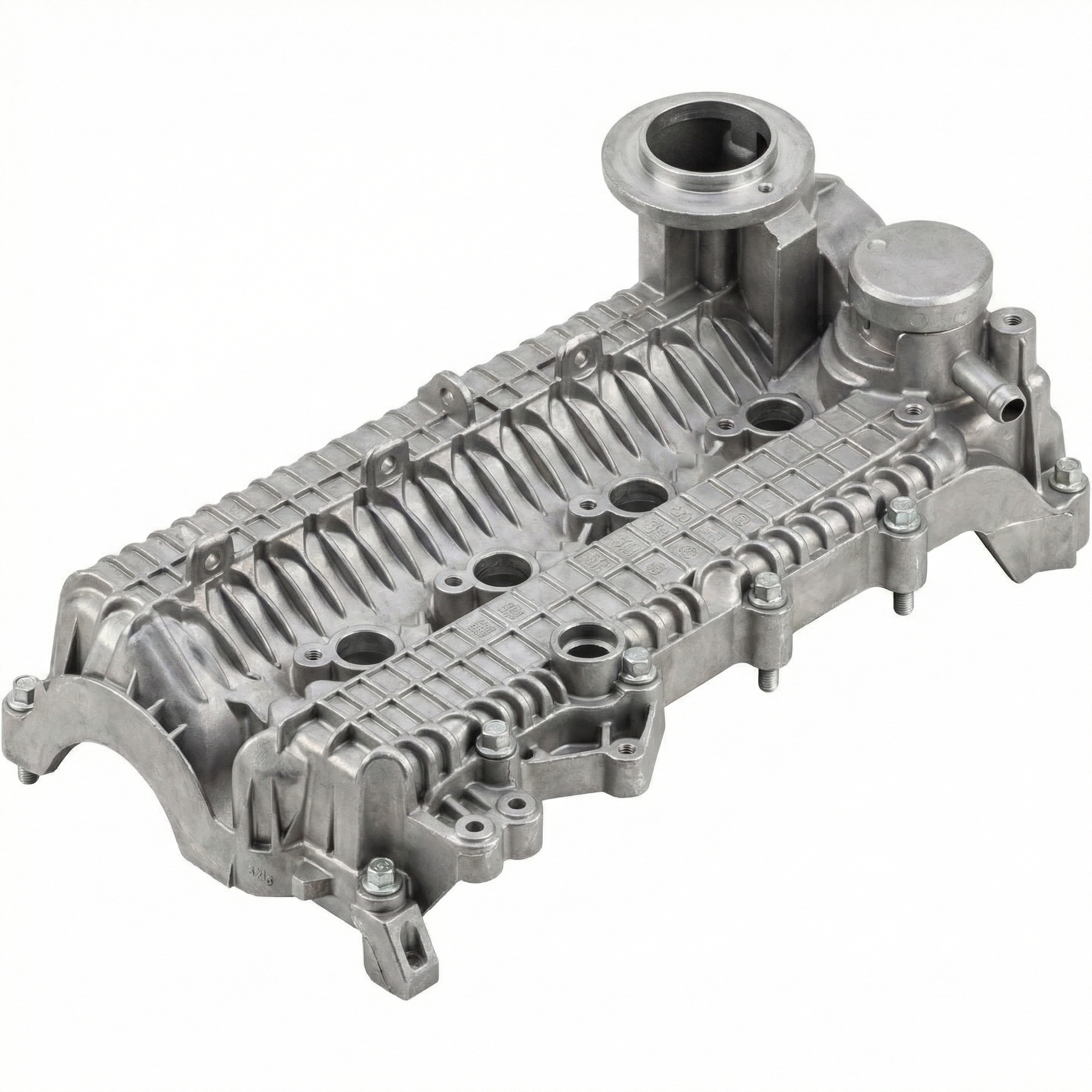
Est. part cost: $60-$140 - Leaking Valve Cover Gasket (2.4L Engine) 🔴 High Probability → Shop Engine Valve Cover This is a well-documented issue on the 2.4L Tigershark engine where the gasket and spark plug tube seals degrade, allowing oil into the spark plug wells. Some owners on Reddit have noted the misfire appears shortly after an oil change, possibly due to spillage or pressure changes affecting a weak gasket.
How to confirm: When you remove the ignition coil for cylinder 2, you will find liquid engine oil in the spark plug tube. The ignition coil boot will be wet with oil.
Typical fix: Replace the valve cover gasket and the spark plug tube seals. It is essential to also replace the oil-soaked spark plug and thoroughly clean or replace the ignition coil.
Est. part cost: $40-$80 for the gasket set - Faulty Fuel Injector 🟡 Medium Probability → Shop Fuel Injector
How to confirm: Listen to the injector with a mechanic's stethoscope to check for a consistent clicking sound. A more definitive test is to swap the injector with another cylinder, similar to the ignition coil test, though this is more labor-intensive. A resistance test can also be performed; injectors should have a resistance between 10 and 16 ohms.
Typical fix: Replace the faulty fuel injector. Sometimes, a professional fuel system cleaning can resolve a clogged injector.
Est. part cost: $50-$150
Rare But Worth Checking
- Low Engine Compression: This indicates a more serious internal engine problem, such as worn piston rings, a burnt valve, or a leaking head gasket. A compression test is needed to diagnose this. Some owners have had to pursue engine replacement for persistent misfires after all other causes were ruled out.
- MultiAir System Fault: TSBs for the Renegade link misfire codes to faults with the oil supply solenoid valves that control the MultiAir system. This can sometimes be resolved with a PCM software update as specified in TSBs like #18-057-23. In more severe cases, failure of the MultiAir 'brick' (actuator assembly) can cause a persistent misfire on one or more cylinders.
- Vacuum Leak: A leak in a vacuum hose or intake manifold gasket can lean out the air-fuel mixture and cause misfires. This would typically cause multiple or random misfire codes (P0300) but can sometimes isolate to one cylinder. A bad EVAP purge valve can also cause similar symptoms.
- Faulty Powertrain Control Module (PCM): → Shop Engine Control Module (ECM) In rare cases, the ECU itself can fail, causing false misfire codes. This is usually the last item to suspect after all other possibilities have been exhausted. Some specialist companies offer testing and repair services for these modules.
Diagnosis Steps
- Read the trouble codes with an OBD-II scanner and note any other codes present, especially P0300 or MultiAir-related codes (P106x).
- Identify cylinder 2. On the Renegade's inline four-cylinder engines, cylinders are numbered 1-2-3-4 from front to back (passenger side to driver side in a transverse layout). Cylinder 2 is the second from the passenger side.
- Visually inspect the spark plug well for cylinder 2. Pull the ignition coil and look for any signs of oil. If oil is present, the valve cover gasket is the primary suspect.
- If no oil is present, swap the ignition coil from cylinder 2 to cylinder 1. Clear the codes and run the engine. If the code changes to P0301, the ignition coil is bad.
- If the code remains P0302, move the spark plug from cylinder 2 to cylinder 3. Clear codes and run the engine. If the code changes to P0303, the spark plug is bad.
- If ignition components are good, test the fuel injector. Listen for a steady clicking sound. If possible, swap it with another cylinder's injector to see if the misfire follows.
- If the misfire persists, perform an engine compression test on all cylinders to check for mechanical issues like bad valves or piston rings.
- Check for relevant TSBs. A dealer may need to perform a PCM software update, particularly on the 1.3L Turbo engine, to resolve false misfire detection.
- If all else fails, the issue may be related to the MultiAir 'brick' or wiring, which may require professional diagnosis.
Parts You'll Likely Need
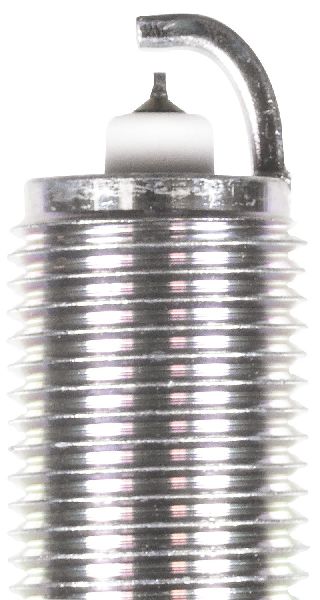
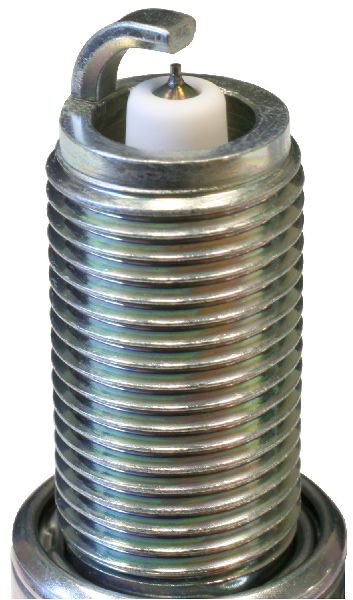
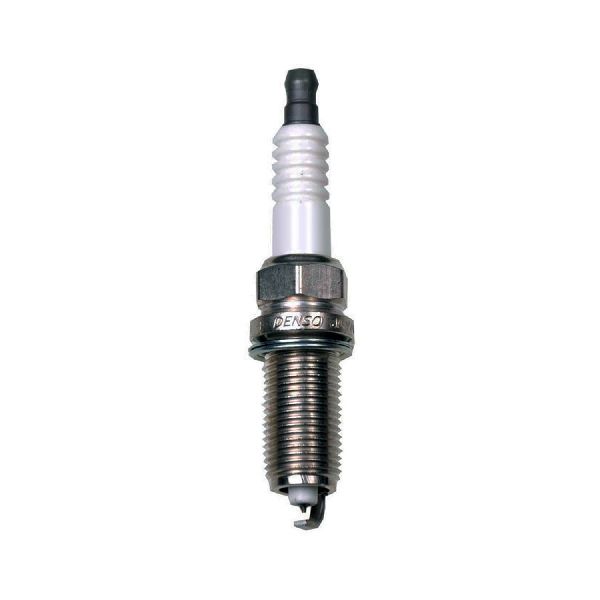
- Spark Plug
(OEM #SP148183AC (for 2.4L))— Spark plugs are a primary cause of misfires and are a routine maintenance item. The 2.4L engine is prone to oil fouling the plugs.
Trusted brands: Mopar, NGK, Champion
OEM price range: $20-$25
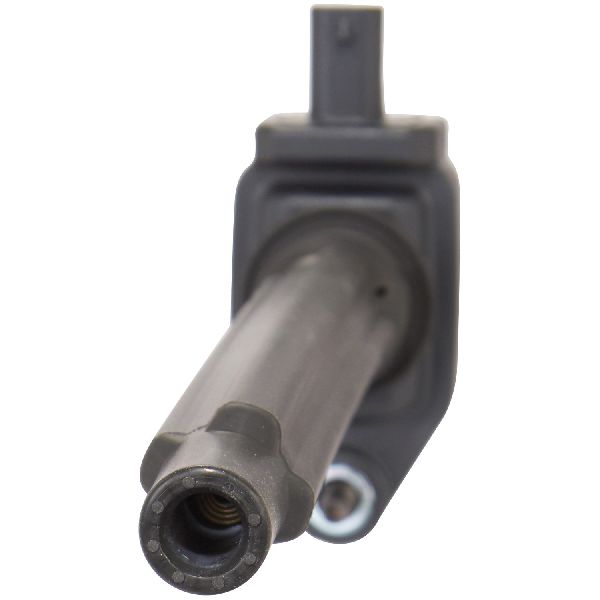
Aftermarket price range: $8-$18 - Ignition Coil
(OEM #68242286AB (for 2.4L), 68081914AC (for 1.4L))— Ignition coils are a very common failure point leading to a single-cylinder misfire.
Trusted brands: Mopar, Bosch, Denso, NGK, Duralast
OEM price range: $100-$140
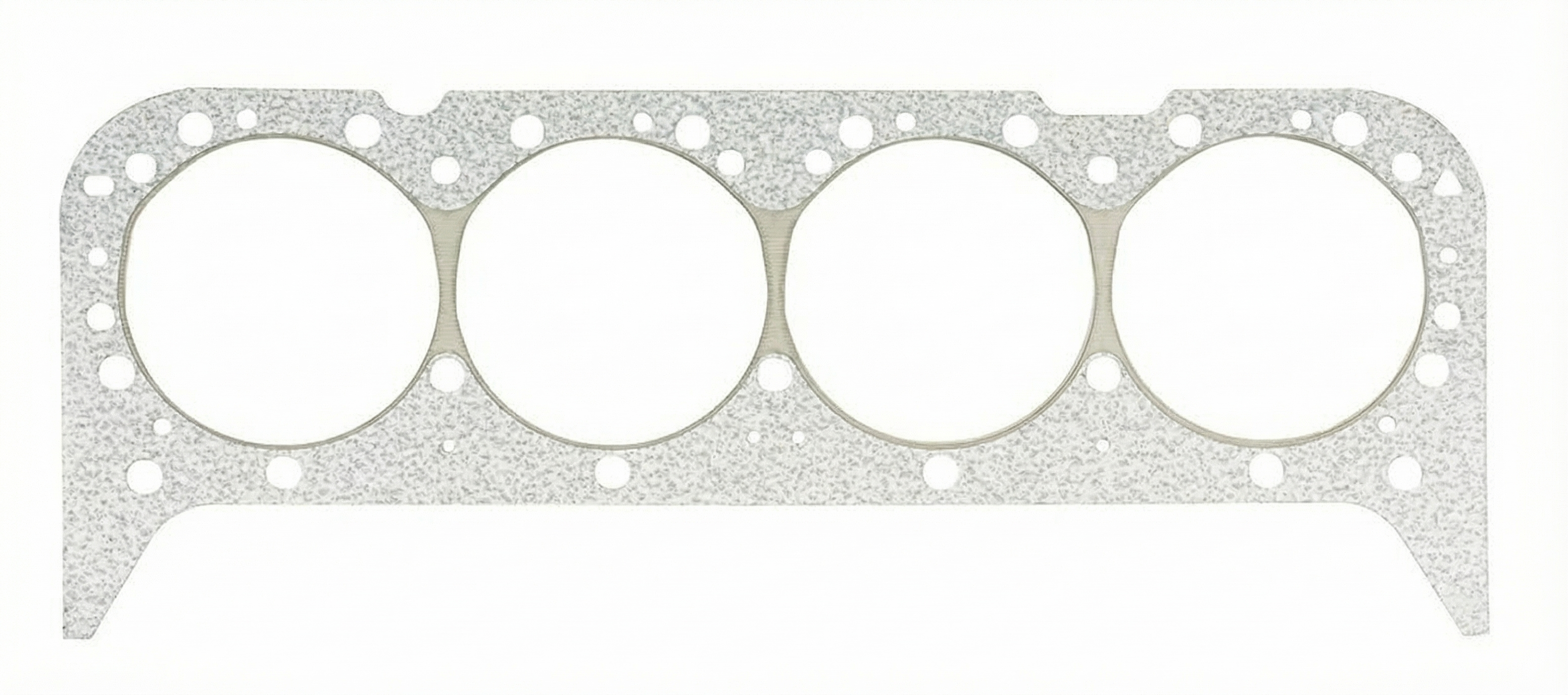
Aftermarket price range: $60-$90 - Valve Cover Gasket Kit
(OEM #05047440AC (Gasket only, for 2.4L))— Specifically for the 2.4L engine, this is the required fix if oil is found in the spark plug tube, which is a common cause of P0302 on this platform.
Trusted brands: Mopar, Fel-Pro, Mahle
OEM price range: $25-$40
Aftermarket price range: $20-$35
Related Codes That Often Appear With This One
- P0300 — If the misfire is intermittent or affects other cylinders, a P0300 (Random/Multiple Cylinder Misfire) code may be stored as well. This is common if the cause is fuel-related or a vacuum leak.
- P0301, P0303, P0304 — Misfire codes for other cylinders may appear if the underlying cause (e.g., bad fuel, vacuum leak, MultiAir issue) affects the entire engine.
- P1062, P1067 — These manufacturer-specific codes point to issues with the Cylinder 2 Oil Supply Solenoid Valve within the MultiAir system, which directly causes misfires on that cylinder. TSB #18-057-23 addresses this, and owner forums confirm these codes often lead to a MultiAir actuator replacement.
Technical Service Bulletins (TSBs) & Recalls
- 18-057-23: Addresses MIL illumination with multiple DTCs including P0302 and various P106x codes related to MultiAir oil supply solenoids on the 1.3L Turbo. The fix is a PCM software reprogram.
- 18-007-23: Also involves a PCM flash for MIL illumination and various codes, including misfires, on certain models. The provided summary is for a 1.0L engine but similar bulletins exist for other Renegade powerplants.
- 08-027-20: Mentions P0300, P0301, P0302, P0303, and P0304 in relation to rough running conditions, pointing to a PCM update for 2.4L engines in platform mates like the Dodge Dart.
Platform-Specific Known Issues
- On 2.4L Tigershark engines, a leaking valve cover gasket is a known issue that causes oil to fill the spark plug tubes, fouling the plugs and coils and leading to misfires.
- Multiple TSBs (e.g., #18-057-23, #18-007-23) have been issued for PCM software updates to address various conditions that can cause misfire codes, particularly on the 1.3L Turbo engine. These updates can fix issues with the MultiAir system's oil supply solenoids.
- A Reddit user with a 2019 Renegade Turbo reported an intermittent P0302 with shaking on acceleration and a 'Start/Stop unavailable' message, which persisted after changing plugs and coils, pointing towards a more complex issue like the MultiAir system or fuel delivery.
Mechanic-Grade Diagnostic Values
- Ignition Coil Primary Resistance (2.4L Engine) — expected: 0.56 - 0.68 Ohms. Failure: A reading outside this range, or an open circuit (infinite resistance), indicates a failed coil.
- Ignition Coil Secondary Resistance (2.4L Engine) — expected: 7.8 - 9.6 kOhms. Failure: A reading significantly outside this range suggests internal coil failure.
- Fuel Injector Resistance (2.4L Engine) — expected: 10 - 16 Ohms. Failure: An injector with resistance significantly higher or lower than others, or an open/shorted reading, is faulty. All injectors should have very similar readings.
- High Pressure Fuel System (1.3L Turbo Engine) — expected: Up to 200 bar (approx. 2900 PSI). Failure: Significantly low fuel pressure under load can cause misfires. This requires a scan tool capable of reading high-pressure fuel data.
Hidden / Shadow Codes Worth Checking
- P1062, P1067, P106B: These are manufacturer-specific codes indicating a fault with the MultiAir system's oil supply solenoid valve for a specific cylinder (e.g., P1062/P1067 for Cylinder 2). They are more specific than P0302 and point directly to a problem with the MultiAir actuator 'brick'. (see via Most standard OBD-II scanners can read these 'P1xxx' codes.)
- Live Misfire Counters: This is not a code, but live data showing the number of misfire events per cylinder in real-time. It helps confirm if the misfire is actively occurring and on which cylinder, even before a DTC is set. (see via Requires a professional-grade scan tool or dealer software like wiTECH 2.0.)
Scan Tool Commands That Help
- wiTECH (Dealer Tool): Power Balance Test — To identify which cylinder is contributing less power, confirming the location of the misfire without swapping parts. It graphically displays the contribution of each cylinder.
- wiTECH (Dealer Tool): Relative Injector Flow Test — To test and compare the performance of fuel injectors without removing them from the engine.
- wiTECH (Dealer Tool): Ignition System Control — Allows for bidirectional control of ignition components, which can help isolate a faulty coil or driver circuit.
- wiTECH (Dealer Tool): VVA (MultiAir) Solenoid Actuation Test — To directly command the oil supply solenoids on the MultiAir brick to see if they are responding, helping to diagnose a faulty actuator. This is a critical test if a P106x code is present.
Wiring & Ground Locations
- Main Engine/Transmission Ground Strap — Typically a braided metal strap connecting from the negative battery terminal or a nearby point on the chassis directly to the engine block or transmission case.. The ignition coils require a solid ground path back to the battery. A corroded, loose, or broken main ground strap can cause a weak spark across all cylinders, leading to intermittent misfires that can be difficult to diagnose. It can also cause a host of other seemingly unrelated electrical issues.
- Cylinder 2 Ignition Coil Connector — On top of the valve cover, plugged into the second ignition coil from the passenger side of the engine.. This is a 2-pin connector. Knowing the pin count is essential for testing. One pin receives a 12V+ signal from the ASD relay when the key is on, and the other pin is the trigger signal from the PCM. A damaged connector or wiring here will cause a P0302.
Real Owner Repair Stories
- Reddit user in r/dodgedart (Dodge Dart with 1.4L MultiAir Turbo (shares architecture with Renegade's MultiAir engines)) — Stumbling during driving, completely dead cylinder at times, rough running.
❌ Tried (didn't work) Initial diagnosis pointed towards common ignition/fuel issues.
✅ What actually fixed it The code was P1067 (Cylinder 2 actuator valve failure). The final fix was replacing the entire MultiAir actuator 'brick'. The user sourced a used cylinder head with the actuator attached from a junkyard for about $300, avoiding a dealer quote of over $1700 for the part alone.
OEM Part Supersession History
68080580AB, 68242286AA→68242286AB— Standard part revision and improvement by the manufacturer.
Heads up: The newest part number (68242286AB) is the correct replacement for the 2.4L engine and is backward compatible with the older numbers.
Model Year Variations Within This Range
- 2019-2021: For the 2019 model year, a new 1.3L direct-injection turbo engine (177 hp) was introduced, replacing the previous 1.4L turbo. This engine uses a high-pressure fuel system operating up to 200 bar (~2900 PSI), which introduces the high-pressure fuel pump and direct injectors as potential, distinct failure points for misfires compared to the port-injected 2.4L engine.
- 2015-2018: The primary engines were the 2.4L Tigershark MultiAir2 and the 1.4L MultiAir Turbo. The 2.4L is known for oil consumption and valve cover gasket leaks causing P0302, while the 1.4L is more prone to MultiAir brick issues reported in related Fiat/Dodge platforms.
Helpful Videos
Used OEM Parts in Stock
New Aftermarket Parts Available

The information in this article is provided for general reference and educational purposes only. Vehicle specifications, procedures, and part compatibility can vary by production date, trim level, and region. Always consult your vehicle's factory service manual and verify part numbers before purchasing or performing repairs. Safety-critical components such as airbags, seat belts, and braking systems should be installed by a qualified professional.
- Jeep RENEGADE:
- 🧭 Diagnostic Flowchart
- 🎬 Helpful Videos
- 🛍️ Shop This Part
- What's Unique About the 2015-2021 Jeep RENEGADE
- Symptoms You May Notice
- Most Likely Causes
- Rare But Worth Checking
- Diagnosis Steps
- Parts You'll Likely Need
- Related Codes That Often Appear With This One
- Technical Service Bulletins (TSBs) & Recalls
- Platform-Specific Known Issues
- Mechanic-Grade Diagnostic Values
- Hidden / Shadow Codes Worth Checking
- Scan Tool Commands That Help
- Wiring & Ground Locations
- Real Owner Repair Stories
- OEM Part Supersession History
- Model Year Variations Within This Range
- 🎟️ Get 5% Off