

P0303 on 2011-2024 Dodge Durango 5.7L: Cylinder 3 Misfire Causes and Fixes
P0303 on a 5.7L Hemi Durango indicates a misfire in cylinder 3. It's most often caused by a bad ignition coil or worn spark plug, which are simple DIY fixes. However, this code is also a primary symptom of a serious and common lifter/camshaft failure, especially if you hear a ticking noise from the engine. Immediate diagnosis is crucial.
- P0303 on a 5.7L Hemi Durango is a misfire on cylinder 3, located second from the front on the driver's side.
- Always start diagnosis by swapping the ignition coil from cylinder 3 with another cylinder. This is a free, fast, and effective test.
- Listen for a rhythmic ticking noise. If you hear one, the misfire is very likely caused by a failed lifter, a serious and common issue with this engine.
- Do not drive if the Check Engine Light is flashing. This indicates a severe misfire that can quickly damage your expensive catalytic converters.
- The 5.7L Hemi has two spark plugs per cylinder; it's best to replace all 16 at once for proper maintenance.
What's Unique About the 2011-2024 Dodge Durango
On the Durango's 5.7L Hemi V8 (known as the 'Eagle' generation from 2009+), a P0303 code must be taken very seriously. While the cause is often a simple ignition component like a coil or spark plug, these engines are widely known for a specific and severe valvetrain issue. A persistent misfire, especially when accompanied by an audible ticking sound (the 'Hemi Tick'), often points to a failed hydraulic lifter that is destroying the camshaft—a common and expensive failure on this platform. The failure often stems from the roller's needle bearings seizing, causing the lifter to stop rotating and grind a flat spot on the camshaft lobe. This issue is frequently linked to the Multi-Displacement System (MDS), which can affect oil flow and lubrication to the lifters.
Symptoms You May Notice
- Rough or shaky idle
- Hesitation or stumbling during acceleration.
- Noticeable loss of engine power
- Flashing Check Engine Light (in cases of a severe misfire).
- Engine makes a rhythmic ticking sound, often called the 'Hemi Tick', which may be more noticeable when the engine is warm.
- Reduced fuel economy.
- Blue/white smoke from the exhaust in severe cases where engine damage has occurred.
- Replacing only the spark plugs when the ignition coil is the actual cause.
- Replacing fuel injectors before properly diagnosing the ignition system.
- Ignoring an engine ticking noise and focusing only on simple tune-up parts, leading to further engine damage from a failing lifter.
- Replacing an entire engine due to scoring in cylinder 3, only to find the issue persists, suggesting the original problem may have been external to the long block (e.g., wiring, PCM).
Most Likely Causes
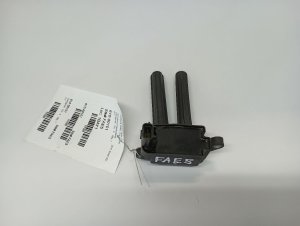
- Faulty Ignition Coil 🔴 High Probability → Shop Ignition Coil Ignition coils are subjected to high heat cycles and can fail electronically over time, which is a common issue on most modern engines. It is the most common cause of a single-cylinder misfire.
How to confirm: Swap the ignition coil from cylinder 3 with another cylinder (e.g., cylinder 1). Clear the codes and drive. If the misfire code changes to P0301, the ignition coil is faulty. This is the standard first diagnostic step.
Typical fix: Replace the failed ignition coil. It is often recommended to replace the corresponding spark plugs at the same time.
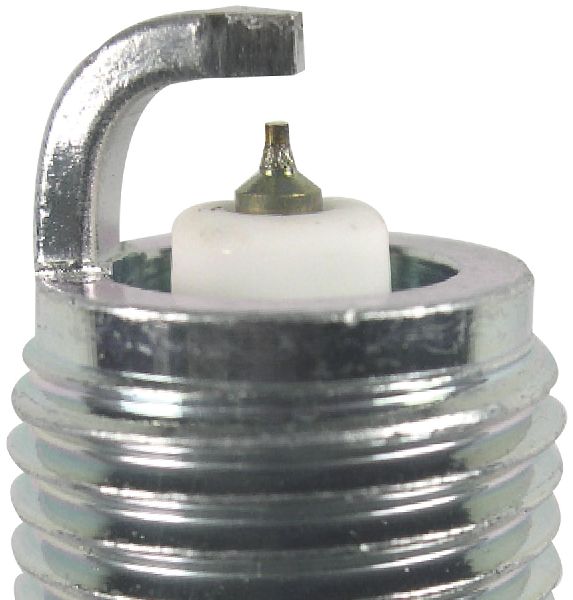
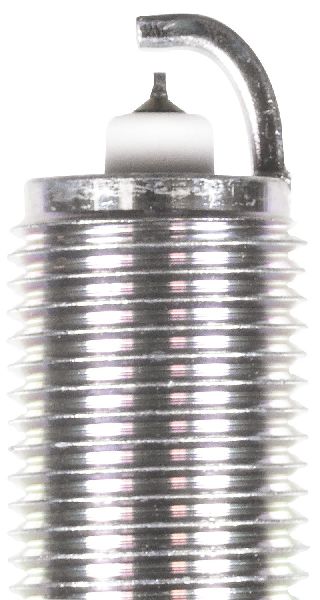
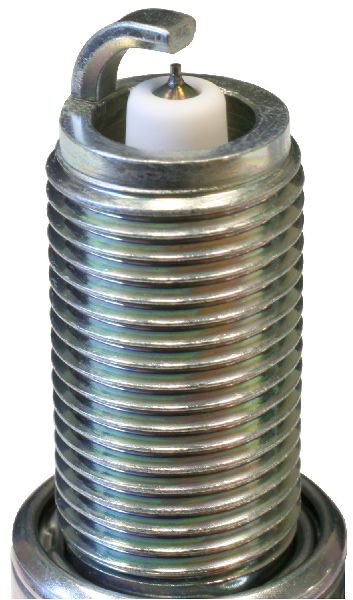
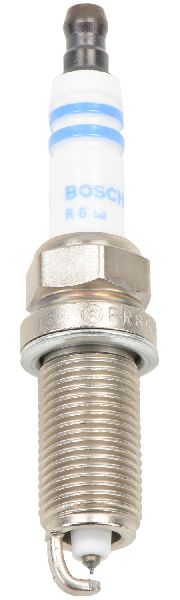
Est. part cost: $40-$100 - Worn or Defective Spark Plugs 🔴 High Probability → Shop Spark Plug The 5.7L Hemi uses two spark plugs per cylinder (16 total), increasing the chance of a single plug failing. They are a standard maintenance item that wears out, causing a weak or inconsistent spark. A worn plug can also overwork the ignition coil, leading to its failure.
How to confirm: After ruling out the coil, remove the two spark plugs from cylinder 3. Inspect them for wear (worn electrode), damage (cracked porcelain), or fouling from oil or fuel. Compare them to plugs from a different cylinder.
Typical fix: Replace the faulty spark plug(s). It is highly recommended to replace all 16 spark plugs at the same time for even performance and to prevent future misfires. The recommended service interval is typically every 30,000 miles for copper plugs or 100,000 miles for iridium.
Est. part cost: $15-$30 for two plugs, $90-$180 for a full set of 16. - Engine Mechanical Failure (Camshaft/Lifter) 🟡 Medium Probability The 5.7L Hemi is widely known for the 'Hemi Tick,' where a hydraulic lifter's roller bearing seizes and grinds down the camshaft lobe. This is the most significant and costly common problem for this engine and often presents first as a single-cylinder misfire code like P0303. The issue is particularly common on cylinders that are part of the MDS system.
How to confirm: Listen for a distinct, rhythmic ticking sound from the engine. If basic ignition and fuel system checks do not resolve the misfire, a compression test and/or a physical inspection by removing the valve cover is necessary. A mechanic can also use an oscilloscope to analyze valve operation, which can sometimes identify the issue without major disassembly. A standard compression test may show good pressure even with a failed lifter/cam lobe.
Typical fix: This is a major repair that requires replacing the camshaft, all 16 lifters (often upgrading to non-MDS or 'Hellcat' lifters), head gaskets, and other related components like timing chain and oil pump.
Est. part cost: $700-$2000+ - Faulty Fuel Injector ⚪ Low Probability → Shop Fuel Injector
How to confirm: After ruling out ignition issues, you can swap the fuel injector from cylinder 3 with another cylinder. This is more labor-intensive. If the misfire code moves with the injector, the injector is bad. You can also test the injector's resistance with a multimeter (should be around 12-14.5 ohms) or listen for a consistent clicking sound with a mechanic's stethoscope.
Typical fix: Replace the clogged or failed fuel injector.
Est. part cost: $50-$120
Rare But Worth Checking
- Low Engine Compression: Beyond the common lifter failure, low compression could be caused by a worn piston ring, damaged piston, or a leaking head gasket. A compression test is required to diagnose this. One owner reported a P0303 and overheating was ultimately a failed head gasket.
- Vacuum Leak: A leak in the intake manifold gasket near the port for cylinder 3 could cause a lean condition and trigger a misfire. This is less common than ignition or mechanical issues.
- Powertrain Control Module (PCM) Issue: → Shop Engine Control Module (ECM) In very rare cases, the driver circuit within the PCM that controls the ignition coil or fuel injector for cylinder 3 can fail. This should only be considered after all other possibilities have been exhausted.
Diagnosis Steps
- Read the trouble codes with an OBD-II scanner and confirm P0303 is present. Note any other codes and freeze-frame data.
- Listen carefully for a rhythmic ticking noise from the engine. If present, be highly suspicious of a lifter/camshaft issue.
- Swap the ignition coil from cylinder 3 (driver's side, second from front) with the coil from cylinder 1 (driver's side, first from front).
- Clear the codes, drive the vehicle until the check engine light returns, and re-scan. If the code is now P0301, the ignition coil is bad and needs replacement.
- If the code remains P0303, swap the two spark plugs from cylinder 3 with the plugs from cylinder 1. Clear codes and re-test. If the code moves to P0301, the spark plugs are faulty.
- If the code remains P0303, inspect the wiring and connector for the cylinder 3 ignition coil and fuel injector for any damage or corrosion.
- If no issues are found, the next steps involve testing the fuel injector (by swapping it or testing resistance) or performing a compression test on cylinder 3 to check for mechanical problems.
- If compression is low, this strongly points to a mechanical failure, most likely the common camshaft and lifter issue. Note that a standard compression gauge may still show good pressure; an oscilloscope may be needed to detect valve opening issues.
Parts You'll Likely Need
- Ignition Coil
(OEM #5149168AJ)— This is one of the most common failure points for a P0303 misfire and is the easiest part to diagnose via swapping.
Trusted brands: Mopar, NGK, Delphi
OEM price range: $60-$90
Aftermarket price range: $40-$70 - Spark Plugs
(OEM #SP143877AA (Copper), SPLZFR5C11 (Iridium))— As a routine maintenance item, worn spark plugs are a frequent cause of misfires. The 5.7L Hemi has 16 plugs, and it's best to replace them all at once.
Trusted brands: NGK, Champion
OEM price range: $8-$15 per plug
Aftermarket price range: $5-$12 per plug - Camshaft and Lifter Kit — For the well-documented 'Hemi Tick' issue, a P0303 code is often the first sign of a failed lifter and damaged camshaft. A complete kit is required for a permanent fix. Many owners opt for an MDS-delete kit at this time.
Trusted brands: Mopar, Melling, Enginetech
OEM price range: $1000-$1800
Aftermarket price range: $700-$1200
Related Codes That Often Appear With This One
- P0300 — A P0300 (Random/Multiple Cylinder Misfire) may appear with P0303, especially in the early stages of a lifter failure as debris circulates or if the misfire becomes more widespread.
- P219A — This code relates to an air-fuel ratio imbalance on Bank 1 (the driver's side). A misfire on cylinder 3 can disrupt the air-fuel mixture enough to trigger this code.
- P0353 — This code indicates a malfunction in the ignition coil's primary or secondary circuit for cylinder 3. If you see P0353 with P0303, the problem is almost certainly the ignition coil or its wiring.
Platform-Specific Known Issues
- Hemi Tick of Death: Lifter and Camshaft Failure: → Shop Engine Camshaft The 5.7L Hemi engine is notorious for a failure where the roller bearings on a hydraulic lifter seize. This prevents the lifter from rotating, causing it to be dragged across the camshaft lobe, which quickly grinds down the lobe. This failure often begins as an intermittent single-cylinder misfire (like P0303) accompanied by a rhythmic ticking sound. The issue is frequently associated with the Multi-Displacement System (MDS) lifters. If not addressed immediately, metal debris from the failed components can circulate through the engine, leading to catastrophic failure requiring a full engine replacement. The standard repair involves replacing the camshaft, all lifters (often with upgraded non-MDS parts), and thoroughly cleaning the engine oiling system.
Mechanic-Grade Diagnostic Values
- Fuel Injector Resistance — expected: 12 to 14.5 ohms. Failure: A reading of infinite resistance (Open Loop) or near zero ohms (short).
- Ignition Coil Primary Resistance (Aftermarket Example) — expected: ~0.403 to 0.7 ohms. Failure: Significant deviation from the expected resistance of a known-good coil.
- Fuel Pressure (Key on, Engine Off) — expected: 48-55 psi. Failure: Pressure below this range can indicate a weak fuel pump, clogged filter, or faulty regulator, potentially causing lean misfires.
Scan Tool Commands That Help
- wiTECH (or equivalent high-level scanner): OBD II Monitors -> 'Which cylinder is misfiring' — This function provides a live counter of misfire events per cylinder. It is invaluable for confirming the misfire is isolated to cylinder 3 and for verifying a repair's effectiveness after swapping components, even before a hard code is set.
- wiTECH (or equivalent high-level scanner): Fuel Injector Balance Test — This bidirectional test commands each injector to fire for a set duration while monitoring the corresponding fuel rail pressure drop. A smaller pressure drop for cylinder 3 compared to others indicates a clogged or failing injector.
Wiring & Ground Locations
- Engine Harness Ground (Right Side) — On the right side of the engine compartment, connected to the main engine wiring harness.. A poor ground connection for the engine harness can cause erratic signals for ignition coils and fuel injectors. While not specific to cylinder 3, it's a common source of difficult-to-diagnose electrical issues and misfires.
- Cylinder 3 Ignition Coil Connector — On the driver's side valve cover, second coil from the front of the engine.. This is the direct electrical connection for the cylinder 3 ignition coil. The connector and its wiring are subject to extreme heat and vibration, making them a potential point of failure. Check for brittle plastic, loose pins, or corrosion.
Real Owner Repair Stories
- RamForum.com user (2012 Ram 1500 5.7 Hemi, 210,000 miles) — P0306 (Cylinder 6 Misfire), initially not noticeable, then became a severe, constant misfire after hard acceleration.
❌ Tried (didn't work) Spark plug and coil were confirmed to be good.
✅ What actually fixed it The root cause was a broken exhaust valve spring on the affected cylinder. The initial diagnosis suggested a leaking valve, which progressed to a complete spring failure. The recommended fix was to replace all valve springs on that cylinder head. - RamForum.com user (2014 Ram 6.4 Hemi, 120,000 miles) — P0300, P0303, P0306. Cold start tick that goes away, shudder on acceleration.
❌ Tried (didn't work) Replaced all 16 spark plugs., Swapped two different used coils onto cylinder 3., Replaced the fuel injector on cylinder 3.
✅ What actually fixed it The user did not post a final fix, but noted the symptoms were classic for the lifter/camshaft failure and was taking it to a dealer under warranty, anticipating that major repair. This story highlights how ignition and fuel part swaps often fail to resolve the underlying mechanical Hemi tick issue.
OEM Part Supersession History
5149168AH, 5149168AI→5149168AJ— Standard part evolution for improved reliability or manufacturing process changes.
Heads up: The parts are interchangeable; the latest 'AJ' revision is the current service part.Various MDS lifters→5038784AD (Non-MDS Lifter)— Many owners performing a camshaft/lifter replacement due to failure choose to delete the MDS system for improved reliability. This part number is for a set of 4 non-MDS lifters and is used to replace the failure-prone MDS lifters.
Heads up: Using these non-MDS lifters requires the MDS system to be electronically disabled in the PCM using a tuner to prevent fault codes.
Model Year Variations Within This Range
- 2021-2024: These models received a significant interior refresh, including a new Uconnect 5 infotainment system with larger screens (8.4-inch or 10.1-inch). While this doesn't directly affect the P0303 code's cause, it's a key differentiator in the vehicle's generation that impacts value and user experience.
- 2011-2024: The 5.7L Hemi engine itself has remained largely consistent ('Eagle' VVT version) throughout this generation. The primary causes and diagnostic procedures for a P0303 misfire are applicable across the entire 2011-2024 range.
Diagnostic Flowchart
Other Known Issues on This Vehicle
Issues unrelated to this code that are worth knowing about as an owner of this generation:
- Exhaust Manifold Bolt Failure 🟠 Medium → Shop Exhaust Manifold — Common, typically between 60,000 and 120,000 miles. Causes a ticking noise on cold starts that may disappear as the engine warms up.
- Water Pump Failure 🟠 Medium — Failures are common, sometimes at relatively low mileage (e.g., under 40,000 miles). Symptoms include coolant leaks from the front of the engine, overheating, or a whining noise.
- Totally Integrated Power Module (TIPM) Failure 🔴 High — Very common on 2011-2013 models. Causes a wide range of bizarre electrical problems, including no-start conditions, fuel pump staying on and draining the battery, or other components activating randomly. (Ref: Subject of a class-action lawsuit, but no official recall covering all aspects.)
Used vs. New Parts: Buying Guide for This Vehicle
When a used part is the smart pick: Used parts like ignition coils and fuel injectors from a low-mileage donor vehicle can be a cost-effective option, as they are relatively easy to access and replace if they fail prematurely. Exterior and interior trim pieces are also excellent candidates for used parts.
Donor-vehicle mileage cap: roughly under 75000 miles for the part to have meaningful remaining life.
What to inspect on the donor part:
- For ignition coils, check for cracks in the plastic housing or corrosion on the electrical connector.
- For fuel injectors, ensure the O-rings are intact and the plastic connector isn't brittle or cracked.
- Always check the donor vehicle's VIN to confirm it didn't have a history of major engine failure or fire.
- Prefer parts from vehicles in dry climates to minimize the risk of corrosion.
OEM-only on this vehicle (don't cheap out):
- Camshaft and Lifters: This is the most critical failure on this engine. Due to the high labor cost and the severity of the failure, using new, upgraded (often non-MDS) components from a reputable manufacturer like Mopar or Melling is the only recommended path. Never use used lifters.
- Powertrain Control Module (PCM): A used PCM will be programmed to the donor vehicle's VIN and security system, making it incompatible without expensive dealer-level reprogramming. Always buy new or use a specialized reprogramming service for your original unit.
Aftermarket brands forum-validated for this vehicle:
- Ignition Coils: NGK, Delphi
- Spark Plugs: NGK, Champion (often the OEM supplier)
- Cam/Lifter Kits: Melling, Enginetech, Mopar
Brands owners have reported issues with on this vehicle:
- Avoid unbranded, 'no-name' ignition coils and fuel injectors from online marketplaces. While cheap, they have a very high failure rate and can cause persistent diagnostic headaches.
Real Owner Stories
Aggregated from forums and TSBs cited above. Mileages and costs reflect what owners reported in those sources.
5.7L Hemi V8
Symptoms: The owner documented a P0303 diagnosis, performing simple checks but continuing to experience issues.
What fixed it: Discovery of a failed lifter despite the engine passing a compression test.
Source hint: RamForum.com: 'P0303 - Need suggestions and directions!'
5.7L Hemi V8
Symptoms: P0303 code and engine scoring led to a full engine replacement, but the problem persisted.
What fixed it: The story serves as a cautionary tale for thorough diagnosis of external components before replacing the entire engine.
Source hint: Reddit r/MechanicAdvice: '5.7L Hemi PO303 cylinder 3 misfire code'
2011-2024 Dodge Durango 5.7L Hemi
Symptoms: Rhythmic ticking noise from the engine area.
What fixed it: Repairing broken exhaust manifold bolts, which were causing a noise easily confused with valvetrain failure.
Source hint: DodgeForum.com: '5.7 Exhaust Manifold Bolts'
Related OBD-II Codes
Frequently Asked Questions
I hear a rhythmic ticking sound from my 5.7L Hemi when it's warm; is this related to my P0303 code?
Can I just swap parts to see if the P0303 code moves to another cylinder on my Durango?
How many spark plugs do I need to buy for my 2011-2024 Durango 5.7L Hemi?
Is it possible the ticking sound is just a loose bolt and not a lifter failure?
If my compression test is good, does that mean my camshaft and lifters are fine?
Why is cylinder 3 specifically prone to this misfire on the Durango?
Helpful Videos
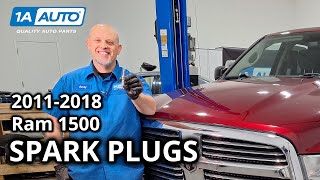
Used OEM Parts in Stock
New Aftermarket Parts Available


The information in this article is provided for general reference and educational purposes only. Vehicle specifications, procedures, and part compatibility can vary by production date, trim level, and region. Always consult your vehicle's factory service manual and verify part numbers before purchasing or performing repairs. Safety-critical components such as airbags, seat belts, and braking systems should be installed by a qualified professional.
- Dodge Durango:
- 🧭 Diagnostic Flowchart
- 🎬 Helpful Videos
- 🛍️ Shop This Part
- What's Unique About the 2011-2024 Dodge Durango
- Symptoms You May Notice
- Most Likely Causes
- Rare But Worth Checking
- Diagnosis Steps
- Parts You'll Likely Need
- Related Codes That Often Appear With This One
- Platform-Specific Known Issues
- Mechanic-Grade Diagnostic Values
- Scan Tool Commands That Help
- Wiring & Ground Locations
- Real Owner Repair Stories
- OEM Part Supersession History
- Model Year Variations Within This Range
- Other Known Issues on This Vehicle
- Used vs. New Parts: Buying Guide for This Vehicle
- Real Owner Stories
- 5.7L Hemi V8
- 5.7L Hemi V8
- 2011-2024 Dodge Durango 5.7L Hemi
- Related OBD-II Codes
- Frequently Asked Questions
- 🎟️ Get 5% Off