

P0304 on 2014-2019 Toyota Highlander: Cylinder 4 Misfire Causes and Fixes
On a 2014-2019 Highlander, P0304 is almost always a bad ignition coil or a worn spark plug in cylinder 4. Since cylinder 4 is on the easy-to-access front bank (middle cylinder, near radiator), a 15-minute ignition coil swap to another front cylinder is the best first diagnostic step. A single OEM Denso coil costs about $95-$150.
- P0304 on this Highlander is a misfire on cylinder 4, which is easily accessible on the front of the engine.
- The most likely cause is a bad ignition coil. Test this first by swapping it with a neighboring coil (like from cylinder 2 or 6).
- If the coil is good, the next most likely cause is a worn spark plug.
- If you have a Highlander Hybrid, be aware of a TSB that points to a corroded ECM connector as a possible cause.
- Do not drive for an extended period if the check engine light is flashing, as this can cause expensive damage to your catalytic converter.
What's Unique About the 2014-2019 Toyota Highlander
For the Highlander's transverse V6 engine, the cylinders are numbered 1-3-5 on the rear bank (near the firewall) and 2-4-6 on the front bank (near the radiator), from passenger to driver side. Cylinder 4 is the middle cylinder on the front bank, making it significantly easier to access for diagnosis and repair compared to the rear cylinders. The 2014-2016 models use the 2GR-FE engine with port injection, while 2017-2019 models use the 2GR-FKS engine with D-4S (both port and direct injection), which can introduce more complex fuel system diagnostics if the issue isn't a simple coil or plug.
Generation note: The 2014-2019 Highlander is the third generation (XU50), but it spans two engine versions. The 2014-2016 models have the 2GR-FE V6, and the 2017-2019 models have the updated 2GR-FKS V6 with a more complex 🎬 Watch: Diagnosing a misfire on the newer 2GR-FKS engine. D-4S direct and port fuel injection system. This can affect fuel-related causes for the misfire, though ignition components remain the primary suspect.
Symptoms You May Notice
- Rough or vibrating idle
- Hesitation or stumbling during acceleration
- Flashing or solid Check Engine Light
- Reduced engine power
- Decreased fuel economy
- Smell of raw gasoline from the exhaust.
- Replacing the oxygen sensor. A bad O2 sensor typically causes random misfires (P0300) or fuel trim codes (P0171/P0174), not a single-cylinder misfire.
- Replacing the mass airflow (MAF) sensor. Like the O2 sensor, a faulty MAF sensor would affect all cylinders and is unlikely to cause an isolated P0304 code.
Most Likely Causes
- Faulty Ignition Coil 🔴 High Probability → Shop Ignition Coil Coil-on-plug ignition systems are highly effective, but individual coils are a common wear item on most modern engines, including the 2GR series. Denso is the OEM supplier for Toyota, and their coils are known for quality but will eventually fail with age and heat cycles.
How to confirm: Swap the ignition coil from cylinder 4 with another easily accessible cylinder on the same bank (e.g., cylinder 2 or 6). Clear the codes and drive. If the code changes to P0302 or P0306, the ignition coil is faulty. This is a definitive and free diagnostic step.
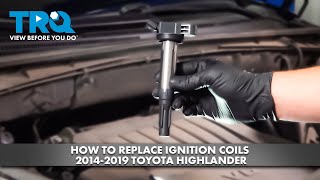
Typical fix: Replace the faulty ignition coil. It is held in place by a single 10mm bolt. 🎬 Watch: How to replace the ignition coils on this engine. Apply a small amount of dielectric grease to the inside of the new coil boot before installation.
Est. part cost: $95-$150 for OEM Denso - Worn Spark Plug 🔴 High Probability → Shop Spark Plug Spark plugs are a routine maintenance item with a service life of around 100,000-120,000 miles. An old, fouled, or improperly gapped plug will cause a weak or inconsistent spark, leading to a misfire.
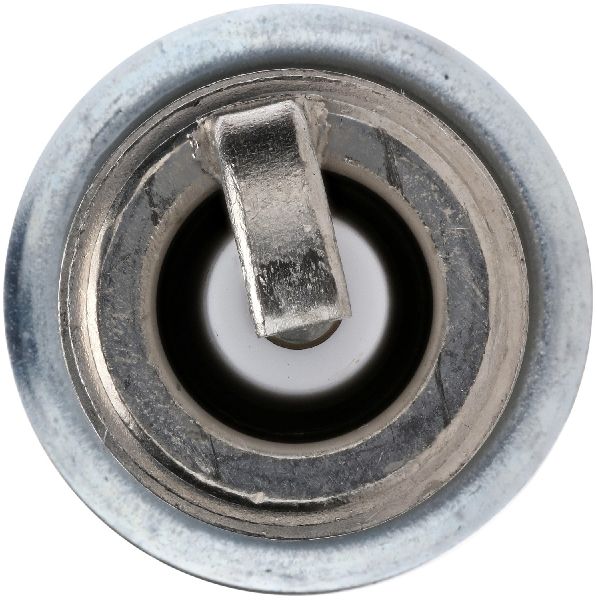
How to confirm: After ruling out the coil, remove the spark plug from cylinder 4 using a 14mm thin-wall magnetic spark plug socket. Inspect it for wear, carbon buildup, oil fouling, or damage to the iridium tip. Compare it to a new plug.
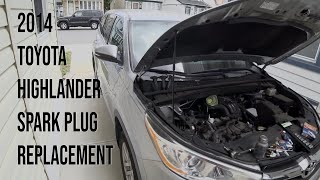
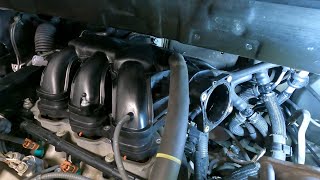
Typical fix: Replace the spark plug in cylinder 4. It is highly recommended to replace all six spark plugs at the same time for even performance. Torque new plugs to 13 ft-lbs (18 Nm). 🎬 See this DIY walkthrough for replacing all six spark plugs. Note that replacing the rear three plugs requires removing the intake manifold.
Est. part cost: $15-$25 per OEM-equivalent plug - Clogged or Faulty Fuel Injector 🟡 Medium Probability → Shop Fuel Injector Injectors can become clogged with deposits over time. This is a more probable cause on the 2017+ 2GR-FKS engine, which has both port and direct injectors, adding complexity. However, it's less common than a coil or plug failure for a single-cylinder misfire.
How to confirm: This is more complex. A mechanic can perform a fuel injector balance test. A DIY method involves listening for a consistent clicking sound from the injector with a mechanic's stethoscope. You can also check the injector's resistance with a multimeter (specs vary by engine and injector type).
Typical fix: Replace the faulty fuel injector. Sometimes professional fuel system cleaning using a product like Techron or a multi-step professional service can resolve minor clogs.
Est. part cost: $100-$250
Rare But Worth Checking
- Corroded ECM Connector (Hybrid Models Only): A Toyota TSB (T-SB-0072-19) specifically notes that on 2014-2018 Highlander Hybrids, water intrusion from a leaking A/C evaporator drain can cause corrosion in the A43 ECM connector, leading to various DTCs including P0304. This is a critical check if you own a Hybrid model and have ruled out ignition issues. TSB Bulletin #T-TT-0462-17 further notes that technicians commonly find low fuel pressure and DTC P0304 due to this specific corrosion in the A43 ECM connector.
- Low Engine Compression: This indicates a more serious internal engine problem, such as a worn piston ring, a bad valve, or a leaking head gasket. A compression test is required to diagnose this. While rare on the 2GR engine, it's not impossible.
- Vacuum Leak: A vacuum leak from a failed intake manifold gasket near cylinder 4's runner could lean out the mixture enough to cause a misfire. This is less common for a single-cylinder misfire code but is possible.
- Rodent Damage: Mice and other rodents are known to chew through wiring harnesses on top of engines. Toyota, like many manufacturers, has used soy-based wire insulation which can attract pests. A chewed wire to the ignition coil or fuel injector for cylinder 4 will cause an immediate and consistent misfire. A visual inspection of the harness is crucial.
Diagnosis Steps
- Read the code with an OBD-II scanner. Note if the Check Engine Light is solid or flashing. A flashing light means stop driving to prevent catalytic converter damage.
- Confirm the cylinder location. On the Highlander 3.5L V6, the front bank (near the radiator) has cylinders 2, 4, and 6 (passenger to driver). Cylinder 4 is the middle one.
- Perform an ignition coil swap. Swap the ignition coil from cylinder 4 with the coil from cylinder 2 (passenger-side cylinder on the same bank). This requires a 10mm socket. Clear the codes, drive the vehicle, and re-scan. If the code has moved to P0302, the ignition coil is the problem.
- If the code remains P0304, inspect the spark plug. Remove the plug using a 14mm thin-wall spark plug socket and extension. Check for excessive wear, fouling, or damage. If it's in poor condition or old, replace it (preferably all six).
- If the coil and plug are good, inspect the wiring. Carefully check the electrical connector and wiring harness for the ignition coil and fuel injector on cylinder 4 for any signs of rodent damage (chewing), corrosion, or loose connections.
- If no external issues are found, the problem may be the fuel injector or, less likely, a mechanical issue. At this point, testing fuel injector resistance or performing a compression test may be necessary.
Parts You'll Likely Need
- Ignition Coil
(OEM #2GR-FE: 90919-A2007 (replaces 90919-02255); 2GR-FKS: 90919-A2005 or 90919-02250. Denso aftermarket is 673-1309.)— This is the most frequent cause of a single-cylinder misfire on modern engines. The coil provides the high voltage needed to create a spark.
Trusted brands: Denso (OEM), NGK
OEM price range: $95-$150
Aftermarket price range: $65-$110 - Iridium Spark Plug
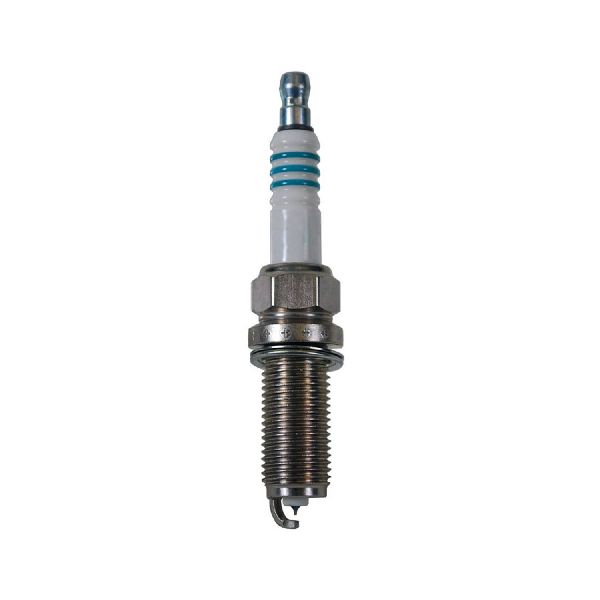
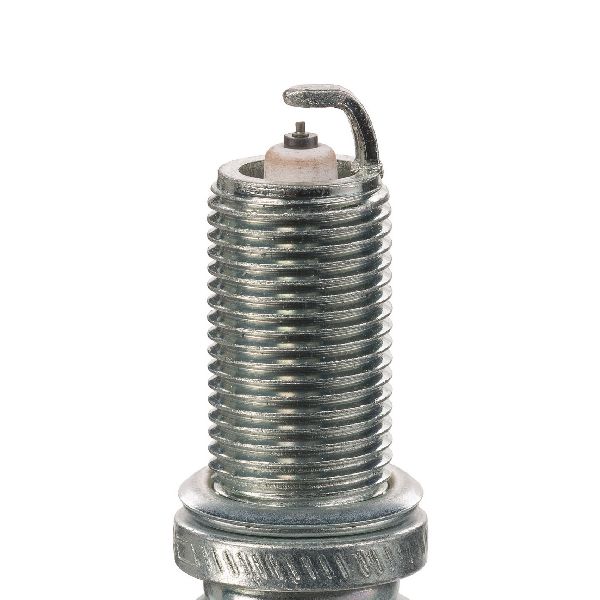
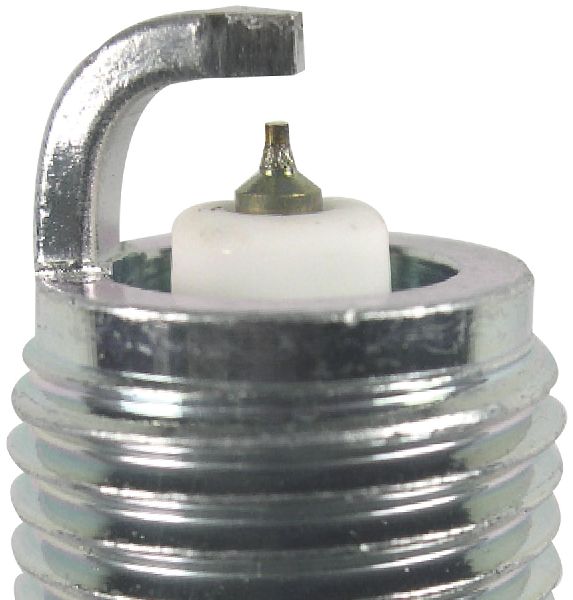
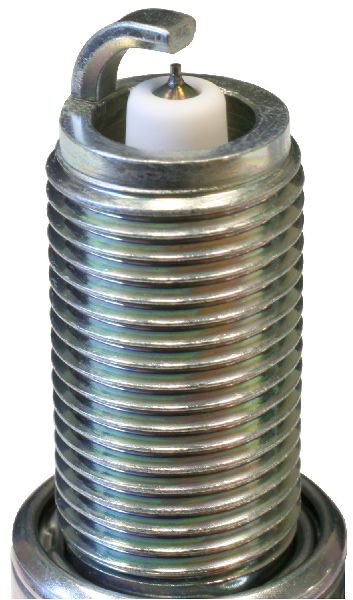
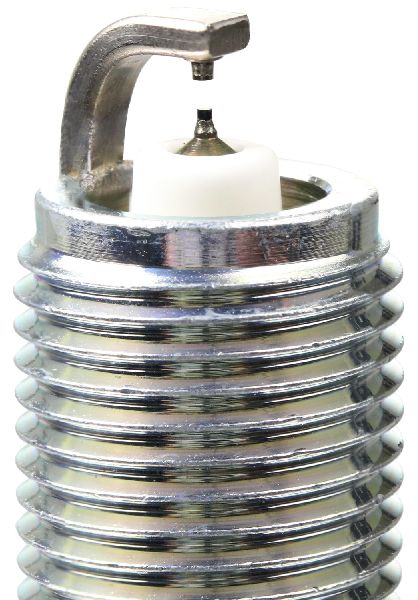
(OEM #2GR-FE: Denso FK20HR11 (90919-01247); 2GR-FKS: Denso FK20HBR8. NGK equivalents are LFR6AIX-11 and LKAR7AIX-11 respectively.)— Spark plugs are a maintenance item that wear out over time, causing a weak or inconsistent spark. A fouled or worn plug is a very common cause of misfires.
Trusted brands: Denso (OEM), NGK (OEM)
OEM price range: $18-$25
Aftermarket price range: $12-$20
Related Codes That Often Appear With This One
- P0300 — If the misfire condition is severe or begins to affect other cylinders, a P0300 (Random/Multiple Cylinder Misfire) may appear alongside P0304.
- P0302, P0306 — These codes for other front-bank cylinders might appear if the root cause is something shared, like a fuel pressure issue or a vacuum leak on the front bank, though this is less common than an isolated P0304.
Technical Service Bulletins (TSBs) & Recalls
- T-SB-0148-19: Addresses MIL ON with misfire DTCs on 2017-2019 Highlander Hybrids, involving an ECM reprogram. This bulletin specifically lists P0304 as a potential detected misfire code.
- T-SB-0072-19: Links P0304 on 2014-2018 Highlander Hybrids to potential corrosion in the A43 ECM connector due to water leaks from the A/C system.
- T-TT-0462-17: A technical tip noting that technicians often find low fuel pressure and DTC P0304 caused by corrosion and water in the A43 ECM connector.
Platform-Specific Known Issues
- On 2014-2018 Highlander Hybrid models, TSB T-SB-0072-19 identifies that water intrusion and corrosion in the A43 ECM connector can cause P0304 and other drivability DTCs.
- Some 2017-2019 Highlander Hybrids may be covered by TSB T-SB-0148-19, which addresses misfire DTCs (P0301-P0306) with an ECM reprogram and potential ignition coil replacement under the federal emissions warranty.
Mechanic-Grade Diagnostic Values
- Port Fuel Injector Resistance (2GR-FE Engine) — expected: 11.6 to 12.4 Ω at 20°C (68°F). Failure: A reading outside this range indicates a faulty injector.
- Misfire Count (Live Data) — expected: Zero at idle and under normal load.. Failure: Using a scan tool like Techstream, a 'Misfire Rate' counter for cylinder 4 that increments indicates an active misfire, even if a CEL is not yet triggered. The 'EWMA' value shows a historical misfire average over the last 10 trips.
Hidden / Shadow Codes Worth Checking
- Mode $06 Misfire Data: Toyota vehicles don't typically use proprietary 'shadow codes' for misfires. Instead, the ECU tracks misfire events for each cylinder before they are frequent enough to set a P030x code. This data can be viewed using a capable scan tool's Mode $06 function or within the Toyota Techstream software's 'Misfire Monitor' utility. (see via A professional scan tool or Toyota Techstream software is required. Look for 'Misfire Count Cyl 4' or a similar parameter in the engine data list or specific monitor utility.)
Scan Tool Commands That Help
- Toyota Techstream: Active Test: Control the Injection Mode — For 2017-2019 models with the 2GR-FKS engine, this test allows a technician to force the engine to run on only the port injectors or only the direct injectors. This is extremely useful for isolating whether a fuel-related misfire is caused by the port or direct injection system for cylinder 4.
- Toyota Techstream: Active Test: Check the Cylinder Compression — This function performs a relative compression test by cranking the engine with fuel and spark disabled. The software analyzes crankshaft speed variations to detect a cylinder with lower-than-normal compression. It's a quick, non-invasive way to check for mechanical engine problems before using a manual compression gauge.
- Toyota Techstream: Misfire Monitor (Data List) — To diagnose intermittent misfires. The monitor screen provides a more accurate snapshot of misfire counts under load than the standard live data list, which can be unreliable while driving. It shows a 'Misfire Rate' for current events and an 'EWMA' for historical trends.
Wiring & Ground Locations
- Cylinder 4 Fuel Injector Wiring (2GR-FKS) — The fuel injector for cylinder 4 is located on the front bank fuel rail, in the middle position. The wiring runs from the injector connector into the main engine harness, which routes to the ECM.. According to wiring diagrams, the two pins on the No. 4 injector connector (port injector) route to specific pins on the ECM connector (e.g., pin 2 and pin 5 on connector Cw1 on some diagrams). Damage to these specific wires can cause an isolated P0304 without affecting other cylinders.
Real Owner Repair Stories
- Tacoma World Forum User (Toyota Tacoma with 2GR-FKS engine (shared with 2017-2019 Highlander)) — Persistent misfire on a single cylinder (P0303 in this case) that only occurred above 4,000 RPM. The truck would go into limp mode.
❌ Tried (didn't work) Swapping ignition coils
✅ What actually fixed it The ACIS (Acoustic Control Induction System) flap inside the plastic intake manifold had broken off and was physically blocking the intake runner for that specific cylinder at high engine speeds. Replacing the entire upper intake manifold assembly resolved the issue. - YouTube Channel 'vikings garage' (2017 Toyota Tacoma with 2GR-FKS engine, ~30,000 miles) — A persistent misfire on cylinder 1 (P0301) that could not be resolved with common fixes.
❌ Tried (didn't work) Standard ignition and fuel system checks.
✅ What actually fixed it A compression test showed low pressure (100 PSI) in the affected cylinder. A subsequent leak-down test revealed a leak through the exhaust side. The root cause was a failed valve seal, which required removing the cylinder head and replacing the valves for that cylinder.
"I Checked Everything" — The Actual Cause
- A known, though rare, cause for a high-RPM single-cylinder misfire on the 2GR-FKS engine is a broken ACIS (Acoustic Control Induction System) flap inside the intake manifold. A smoke test for vacuum leaks would come back clean, and compression tests may be normal. The broken plastic flap can be intermittently sucked into the intake runner for one cylinder, blocking airflow only at high engine speeds and causing a misfire that seems to have no cause during idle or low-speed diagnosis.
OEM Part Supersession History
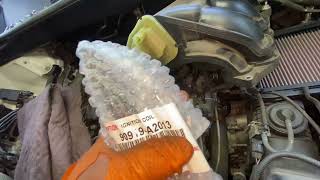
90919-02255, 90919-A2002, 90919-A2004→90919-A2007— Standard part revision and consolidation by the manufacturer.90919-A2007→90919-A2013— Latest part revision for the 2GR-FE ignition coil.
Heads up: 90919-A2013 is the current OEM replacement for many 2GR-FE applications that originally used 90919-A2007.
Model Year Variations Within This Range
- 2014-2016: These models use the 2GR-FE engine with traditional port fuel injection only. Misfire diagnosis is simpler, focusing on spark, fuel pressure, and a single injector per cylinder.
- 2017-2019: These models use the 2GR-FKS engine with D-4S, which combines port and direct injection. A misfire could be caused by the port injector, the high-pressure direct injector, or the associated wiring and driver circuits for either. This adds significant diagnostic complexity and requires tools like Techstream to perform active tests isolating the injection modes.
Diagnostic Flowchart
Other Known Issues on This Vehicle
Issues unrelated to this code that are worth knowing about as an owner of this generation:
- Hesitation/Shudder in 8-Speed Transmission (UA80E/UA80F) 🟠 Medium — Common complaint on 2017+ models with the 8-speed automatic. Multiple class-action lawsuits have been filed. (Ref: T-SB-0160-18, T-SB-0008-21, Customer Support Program (CSP) ZJC for limited VINs.)
- Low-Pressure Fuel Pump Failure 🔴 High → Shop Fuel Pump — Widespread issue leading to a major safety recall. Can cause engine to stall while driving. Affects 2018-2019 models. (Ref: NHTSA 20V-012 (and expansions like 20TA02). Recall provides free replacement.)
- Infotainment System Glitches (Entune) 🟡 Low — Owners report issues like the screen freezing, going black, or Bluetooth connectivity problems across the generation. (Ref: Software updates from the dealer can sometimes resolve these issues. T-TT-0578-19 addresses Bluetooth concerns.)
- Moldy or Musty Smell from A/C Vents 🟡 Low — A design issue in the evaporator case can cause water to pool and grow bacteria, leading to unpleasant odors.
- Power Tailgate Malfunction 🟡 Low — The power liftgate struts can lose calibration, causing the tailgate to not open or close properly. Manually assisting the door can cause this. A reset procedure often fixes it.
Used vs. New Parts: Buying Guide for This Vehicle
When a used part is the smart pick: A used ignition coil can be a cost-effective option if it is a genuine OEM Denso part sourced from a low-mileage, reputable salvage vehicle. This is often considered a safer bet than a new, non-branded, low-cost aftermarket coil.
Donor-vehicle mileage cap: roughly under 80000 miles for the part to have meaningful remaining life.
What to inspect on the donor part:
- Verify the part is a genuine Denso or Toyota-stamped coil.
- Inspect the plastic housing for cracks or heat damage.
- Check the boot for tears, brittleness, or white residue indicating electrical arcing.
- If possible, get the VIN of the donor car to verify its mileage and lack of major accidents.
OEM-only on this vehicle (don't cheap out):
- Fuel Injectors (Direct Injection): Due to the high pressures and fine tolerances of the D-4S system, using new OEM injectors is highly recommended for the 2GR-FKS to ensure proper function and avoid leaks.
- Engine Control Module (ECM): Used ECMs can be problematic due to immobilizer systems and software incompatibilities.
Aftermarket brands forum-validated for this vehicle:
- Denso (Ignition Coils, Spark Plugs, Injectors) - OEM supplier.
- NGK (Ignition Coils, Spark Plugs) - OEM supplier.
Brands owners have reported issues with on this vehicle:
- Unbranded or 'white-box' ignition coil sets sold at a deep discount on marketplace websites are frequently cited in forums as having high failure rates.
Real Owner Stories
Aggregated from forums and TSBs cited above. Mileages and costs reflect what owners reported in those sources.
2015 Toyota Highlander 3.5L V6
Symptoms: The owner experienced a P0304 misfire code and performed a DIY diagnosis.
What fixed it: The owner swapped the ignition coil from cylinder 4 to cylinder 2. When the code moved to P0302, they confirmed the coil was faulty and replaced it with a new Denso unit.
Source hint: ToyoNation Forums - 'P0304 Misfire on 2015 Highlander' by user 'Highlander15'
Related OBD-II Codes
Frequently Asked Questions
I have a 2017 Highlander Hybrid with a P0304 code; is there a specific TSB for this?
Could a water leak in my 2015 Highlander Hybrid cause a cylinder 4 misfire?
Where is cylinder 4 located on my Highlander 3.5L V6 engine?
What brand of ignition coil should I use for my 2014-2019 Highlander?
Do I need to remove the intake manifold to change the spark plug for P0304?
Is there a specific torque spec for the spark plugs on the 2GR engine?
Helpful Videos
Used OEM Parts in Stock
New Aftermarket Parts Available

The information in this article is provided for general reference and educational purposes only. Vehicle specifications, procedures, and part compatibility can vary by production date, trim level, and region. Always consult your vehicle's factory service manual and verify part numbers before purchasing or performing repairs. Safety-critical components such as airbags, seat belts, and braking systems should be installed by a qualified professional.
- Toyota Highlander:
- 🧭 Diagnostic Flowchart
- 🎬 Helpful Videos
- 🛍️ Shop This Part
- What's Unique About the 2014-2019 Toyota Highlander
- Symptoms You May Notice
- Most Likely Causes
- Rare But Worth Checking
- Diagnosis Steps
- Parts You'll Likely Need
- Related Codes That Often Appear With This One
- Technical Service Bulletins (TSBs) & Recalls
- Platform-Specific Known Issues
- Mechanic-Grade Diagnostic Values
- Hidden / Shadow Codes Worth Checking
- Scan Tool Commands That Help
- Wiring & Ground Locations
- Real Owner Repair Stories
- "I Checked Everything" — The Actual Cause
- OEM Part Supersession History
- Model Year Variations Within This Range
- Other Known Issues on This Vehicle
- Used vs. New Parts: Buying Guide for This Vehicle
- Real Owner Stories
- 2015 Toyota Highlander 3.5L V6
- Related OBD-II Codes
- Frequently Asked Questions
- 🎟️ Get 5% Off