

P0305 on 2011-2024 Dodge Durango 5.7L Hemi: Cylinder 5 Misfire Causes and Fixes
P0305 means cylinder 5 is misfiring. On a 5.7L Hemi Durango, this is often a bad spark plug or ignition coil ($30-$100 DIY fix). However, if that doesn't solve it, this code is a very common early symptom of a failed lifter and damaged camshaft, a significant and expensive engine repair known as the 'Hemi Tick'.
- P0305 on a 5.7L Hemi Durango indicates a misfire on cylinder 5 (driver's side, third from front).
- Always start diagnosis by swapping the ignition coil and then the spark plugs from cylinder 5 to another cylinder to rule out these common, inexpensive parts.
- Listen carefully for a persistent engine tick. A tick combined with P0305 is a very strong sign of the infamous 'Hemi Tick,' a serious mechanical failure of the lifters and camshaft.
- Do not drive for an extended time with a flashing check engine light, as you risk destroying your catalytic converters, which is a very costly repair.
- If plugs and coils don't fix the misfire, the next most probable cause on this specific engine is a major mechanical issue requiring professional diagnosis and repair.
What's Unique About the 2011-2024 Dodge Durango
For the 5.7L Hemi V8, a P0305 code is more than just a routine tune-up alert. While simple ignition or fuel issues are possible, this engine has a well-documented, widespread history of hydraulic lifter failure. A persistent ticking noise from the engine, famously known as the 'Hemi tick,' combined with a P0305 code, is a strong indicator that a lifter's roller has seized, grinding against and destroying the camshaft lobe. This mechanical failure is a common, serious, and expensive repair that often begins as a single-cylinder misfire code. The failure is often linked to the Multi-Displacement System (MDS) lifters, but can affect non-MDS lifters as well. The issue is often attributed to insufficient lubrication of the cam and lifters at low RPMs or extended idle periods.
Generation note: The 2011-2024 Dodge Durango is all part of the third generation (WD). While it is a single generation, the notorious lifter/camshaft failure issue that can cause a P0305 code is a known problem across all model years in this range for the 5.7L Hemi engine. All engines in this range are the updated 'Eagle' Hemi, which introduced Variable Cam Timing (VCT) in 2009.
Symptoms You May Notice
- Check Engine Light is on or flashing
- Rough or shaking idle
- Noticeable loss of power and poor acceleration
- Engine hesitation or stumbling
- Reduced fuel economy
- A distinct ticking or tapping noise from the engine, often from the driver's side
- Replacing only spark plugs and ignition coils when a mechanical ticking noise is present. Many owners chase the P0305 code with simple tune-up parts only to find the root cause was a failing lifter and camshaft, which is a much more involved repair.
- Mistaking the ticking sound of a broken exhaust manifold bolt for the 'Hemi Tick' of a failing lifter. An exhaust leak tick is typically loudest on a cold start and may quiet down as the engine warms up, while a lifter tick is more persistent and often increases with RPM.
Most Likely Causes
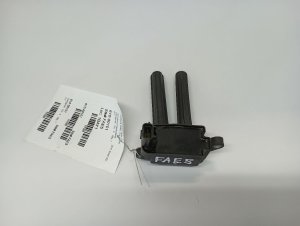
- Faulty Ignition Coil 🔴 High Probability → Shop Ignition Coil Coil-on-plug systems are a common failure point on all modern engines due to constant exposure to heat and vibration. It's a frequent and simple fix.
How to confirm: Swap the ignition coil from cylinder 5 with another cylinder (e.g., cylinder 1). Clear the codes and run the engine. If the code changes to P0301, the ignition coil is faulty. This is the most effective initial diagnostic step.
Typical fix: Replace the faulty ignition coil. It's often recommended to replace the spark plugs at the same time.
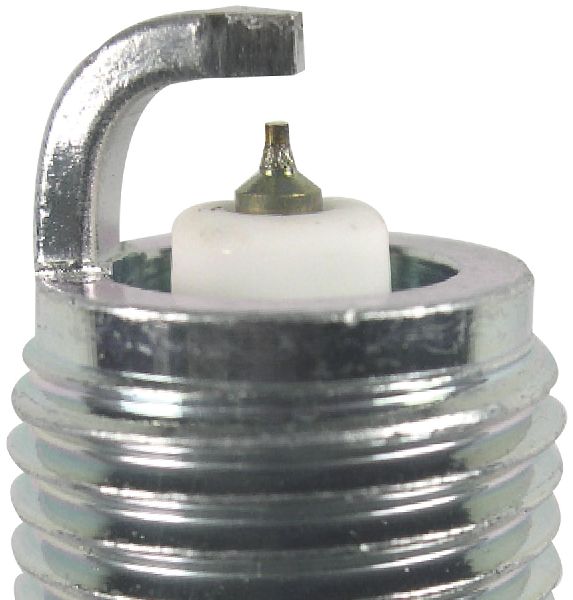
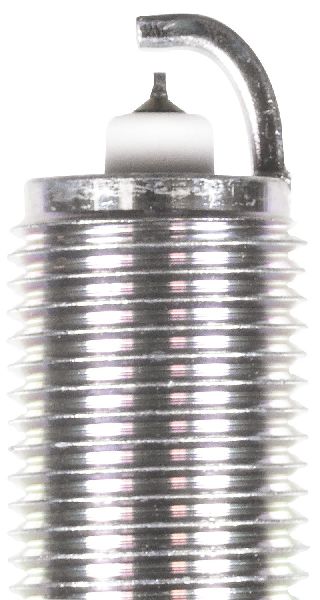
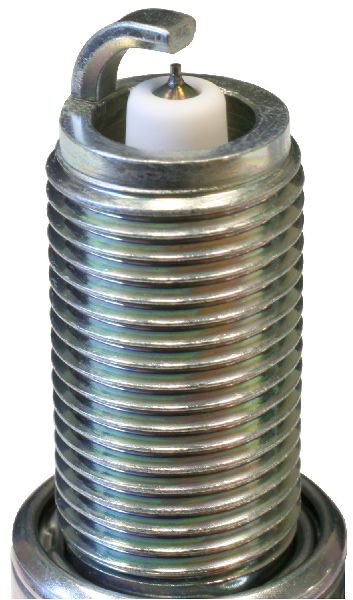
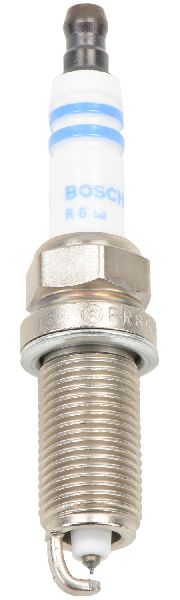
Est. part cost: $30-$70 - Worn or Fouled Spark Plugs 🔴 High Probability → Shop Spark Plug The 5.7L Hemi uses two spark plugs per cylinder (16 total), increasing the statistical chance of a single plug failing. They are a routine maintenance item and a very common cause of misfires.
How to confirm: After ruling out the coil, remove the two spark plugs from cylinder 5. Inspect them for wear, carbon fouling, oil, or damage. Compare them to a new plug or one from a healthy cylinder.
Typical fix: Replace the spark plugs. It is best practice to replace all 16 spark plugs at the same time for consistent performance.
Est. part cost: $8-$15 per plug - Failed Hydraulic Lifter and/or Damaged Camshaft 🟡 Medium Probability → Shop Engine Camshaft This is a significant and well-documented issue on 5.7L Hemi engines. The roller on a hydraulic lifter can seize, causing it to drag on the camshaft lobe instead of rolling. This grinds down the lobe, preventing the valve from opening properly and causing a misfire. This issue is often linked to the MDS system but can happen to any lifter.
How to confirm: A persistent ticking noise is a strong clue. A mechanic can confirm by removing the valve cover and observing valve movement. A compression test may show lower-than-normal readings. Final confirmation requires removing the cylinder head and inspecting the lifters and camshaft lobes, often with a borescope first.
Typical fix: This is a major repair that requires replacing the camshaft, all 16 lifters (both MDS and non-MDS types), head gaskets, and other related components like the timing chain and water pump. Many owners opt for aftermarket kits that claim to be more durable than OEM.
Est. part cost: $500-$1500 for an aftermarket kit, $800-$2000+ for OEM parts - Clogged or Faulty Fuel Injector ⚪ Low Probability → Shop Fuel Injector
How to confirm: Listen to the injector with a mechanic's stethoscope; it should have a steady clicking sound. You can also check for an electrical pulse with a 'noid' light. Swapping the injector with another cylinder is a definitive test but is more labor-intensive than a coil swap.
Typical fix: Replace the fuel injector for cylinder 5. This requires de-pressurizing and removing the fuel rail.
Est. part cost: $50-$120
Rare But Worth Checking
- Deteriorated Intake Valve Seat: In some cases, the valve seat in the cylinder head can delaminate or break apart, causing a major compression leak and a persistent misfire. This was documented on a 2016 Ram with a P0305 code and requires cylinder head removal to fix. A leak-down test confirmed a 60% leak through the intake side.
- Broken Valve Spring: While less common than lifter failure, a cracked valve spring can also cause a misfire by failing to close the valve properly. This can sometimes be diagnosed by a fluctuating reading on a vacuum gauge or by removing the valve cover to inspect the springs.
- PCM Software Issue: TSB 18-033-26 suggests that on some vehicles, a misfire code can be set during a specific cold-start catalyst heating strategy and may be resolved with a PCM software update at a dealership.
Diagnosis Steps
- Read the code with an OBD-II scanner and note if the check engine light is solid or flashing.
- Listen for a persistent ticking noise from the engine bay, which is a key symptom of lifter failure on this engine.
- Locate cylinder 5, which is the third cylinder from the front on the driver's side.
- Swap the ignition coil from cylinder 5 with the coil from cylinder 1 (front driver's side). Clear the codes and drive. If the code changes to P0301, the ignition coil is bad.
- If the code remains P0305, inspect the two spark plugs for cylinder 5. If they are worn, fouled, or damaged, replace them. It's best to replace all 16.
- If plugs and coils are good, investigate the fuel injector. Use a 'noid' light to check for an electrical signal or listen for its clicking with a stethoscope.
- If the above steps do not resolve the issue, especially if a ticking noise is present, a mechanical failure is likely. Perform a compression test and a cylinder leak-down test on cylinder 5 and compare it to others.
- If compression is low, the next step is to have a professional inspect the valvetrain (lifters, camshaft) for the common Hemi failure, potentially using a borescope through the lifter bores after removing the cylinder head.
Parts You'll Likely Need
- Ignition Coil
(OEM #68238603AA)— This is one of the most common failure points for a single-cylinder misfire and is easy to diagnose and replace.
Trusted brands: Mopar, NGK, Delphi
OEM price range: $60-$100
Aftermarket price range: $30-$70 - Spark Plug
(OEM #SP149125AE)— Spark plugs are a routine maintenance item and a frequent cause of misfires. The Hemi V8 uses two per cylinder.
Trusted brands: Mopar, NGK, Champion
OEM price range: $15-$25
Aftermarket price range: $8-$15 - Camshaft and Lifter Kit
(OEM #53022372AA)— For the common and serious 'Hemi Tick' issue where a failed lifter destroys the camshaft, this complete kit is required to properly repair the engine's top end. This part number fits a wide range of 5.7L Hemi applications from 2009-2021+.
Trusted brands: Mopar, COMP Cams, Melling, AMS Racing
OEM price range: $800-$2000+
Aftermarket price range: $500-$1500
Related Codes That Often Appear With This One
- P0300 — If a failing camshaft from the 'Hemi Tick' issue creates metal debris that circulates in the oil, it can cause damage to other lifters, leading the single-cylinder misfire (P0305) to escalate into a random/multiple cylinder misfire (P0300).
- P0205 — This code for 'Injector Circuit/Open - Cylinder 5' points directly to an electrical problem with the fuel injector or its wiring. Seeing it with P0305 helps confirm the issue is fuel-related, not spark or mechanical.
- P219A — This code indicates an Air-Fuel Ratio Imbalance. It can appear with P0305 if a mechanical failure like a bad cam/lifter causes low compression, leading to unburnt oxygen in the exhaust that the PCM interprets as an imbalance.
Technical Service Bulletins (TSBs) & Recalls
- TSB 18-049-17: Addresses a PCM reprogram on some vehicles to resolve misfire codes that can occur under specific high-RPM conditions.
- TSB 09-011-22: While not a direct cause, this TSB addresses broken exhaust manifold bolts that create a ticking noise easily confused with the lifter failure tick associated with a mechanical P0305 cause.
Platform-Specific Known Issues
- A P0305 code, especially when paired with a ticking sound, is a very strong indicator of a failed hydraulic roller lifter and subsequent camshaft lobe damage. This is a widely documented problem on the 5.7L Hemi engine.
- Owner experience from RamForum.com on a 2011 Ram 1500 with P0305: After replacing spark plugs and coil packs did not fix the issue, forum members advised checking for a broken valve spring or performing compression/leakdown tests to confirm a mechanical failure before suspecting the PCM.
- A YouTube video by 'VServiceInformation' on a 2016 Ram 1500 with P0305 documented a 60% leakdown on cylinder 5. Using a borescope, they found a deteriorated intake valve seat, which required cylinder head removal. The technician also noted that with the head off, it was a perfect opportunity to inspect for the common lifter/cam failure.
Mechanic-Grade Diagnostic Values
- Ignition Coil Primary Resistance — expected: 0.558 - 0.682 Ohms at 70-80°F (21-27°C).. Failure: A reading outside this range indicates a faulty coil.
- Fuel Injector Resistance — expected: Approximately 12-12.5 Ohms.. Failure: A reading significantly different from other injectors or outside a 10% tolerance suggests a faulty injector.
- Fuel Pressure (at rail) — expected: 55-60 PSI.. Failure: Pressure dropping significantly under load can indicate a failing fuel pump.
- Fuel Injector Pulse Width (Scan Tool) — expected: A fluctuating value in milliseconds (ms) at idle, consistent across all cylinders.. Failure: A value of '0' ms for cylinder 5 indicates the PCM has shut down the injector to protect the catalytic converter due to a severe misfire.
- Ignition Coil Control Circuit Resistance (Harness) — expected: Below 5.0 Ohms between the coil harness connector and the PCM harness connector.. Failure: High resistance points to a wiring issue, not a faulty coil.
Hidden / Shadow Codes Worth Checking
- Misfire Counters (Live Data): This is not a stored code but a live data PID showing a real-time count of misfire events for each cylinder. It is crucial for confirming the misfire is isolated to cylinder 5 and observing if it happens under specific conditions (e.g., idle, load, cold/hot). (see via Access the PCM live data stream with a capable OBD-II scanner (like Chrysler's wiTECH or high-end aftermarket tools) and look for PIDs related to 'Misfire Count Cyl 5' or similar.)
Scan Tool Commands That Help
- wiTECH or equivalent bidirectional scanner: Injector Kill / Cylinder Cutout Test — Use this while the engine is running to manually disable the fuel injector for cylinder 5. If there is no change in the engine's idle quality, it confirms cylinder 5 is not contributing, pointing definitively to a spark, fuel, or compression issue on that cylinder.
- wiTECH or equivalent bidirectional scanner: ASD Fuel System Test — This command actuates the Auto Shutdown (ASD) relay, which powers the fuel pump and ignition coils. It can be used to verify the integrity of the power supply circuit to the coils and injectors when diagnosing a no-spark or no-fuel condition.
Wiring & Ground Locations
- Cylinder 5 Ignition Coil Connector — On the driver's side of the engine, it's the third coil from the front.. This is the connection point for testing the coil itself and for checking the control signal from the PCM. The control circuit wire (often Dark Blue/Dark Green) is where you would check for a pulse signal.
- Cylinder 5 Fuel Injector Connector — On the driver's side fuel rail, third injector from the front.. This is where you test injector resistance and use a 'noid' light to check for the pulsing ground signal from the PCM.
- PCM Connector C2 — The Powertrain Control Module is typically located in the engine bay near the firewall. Connector C2 is one of the main harness connections.. For deep electrical diagnosis, you may need to test continuity from the component to the PCM. For example, on a similar Hemi vehicle, the cylinder 1 coil control was found at Pin 1 on connector C2. The exact pin for cylinder 5 on a Durango must be verified with a model-year specific wiring diagram.
Real Owner Repair Stories
- RamForum.com user (2010 Ram 1500 5.7L Hemi) — Flashing check engine light (P0305) under medium acceleration (2k-3.5k rpm), hesitation, slight RPM surge, and a noticeable higher-pitch tick at idle from the cylinder 5 area.
❌ Tried (didn't work) Replaced spark plugs, Swapped ignition coil with another cylinder, Swapped fuel injector with another cylinder, Cleaned MAP sensor, camshaft sensor, and IAT sensor
✅ What actually fixed it The user was advised by other forum members that given the ticking noise and the failure of all common ignition/fuel part swaps, the next step was to inspect for mechanical failure. The recommended diagnostic was to remove the valve cover and observe the rocker arms for inconsistent movement, which would point to a collapsed lifter and/or wiped camshaft lobe, a common Hemi issue.
OEM Part Supersession History
Not specified→53022372AA— This is the current Mopar OEM part number for the camshaft fitting 2009+ 5.7L Hemi engines with VVT.
Heads up: This camshaft is for the 'Eagle' 5.7L Hemi (2009+) and is not compatible with the pre-Eagle engines (2003-2008) due to differences in VVT, block oiling, and the front cam journal.
Model Year Variations Within This Range
- 2011-2024: All Durangos in this range use the 'Eagle' 5.7L Hemi, which was introduced in 2009. This version features Variable Cam Timing (VCT/VVT), higher compression (10.5:1), and better-flowing cylinder heads compared to the pre-2009 'pre-Eagle' engine. While the lifter/cam failure can occur on both, it is a widely reported issue on the Eagle engines. The fundamental causes of a P0305 misfire remain the same across these years.
Diagnostic Flowchart
Other Known Issues on This Vehicle
Issues unrelated to this code that are worth knowing about as an owner of this generation:
- Hemi Tick: Lifter/Camshaft Failure 🔴 High → Shop Engine Camshaft — Very common, especially on models from 2009 onward. Can occur from 80,000 miles, often starting as a light tick.
- Broken Exhaust Manifold Bolts 🟠 Medium — Extremely common, typically between 60,000 and 120,000 miles. The rearmost bolts on the manifolds are prone to snapping due to thermal stress, causing a ticking noise when cold. (Ref: TSB 09-011-22)
- TIPM (Totally Integrated Power Module) Failure 🔴 High — Common across 2011-2013 models. Can cause a wide range of erratic electrical issues, including no-start conditions, fuel pump failure, or random activation of lights and horns. (Ref: Recalls issued for some 2011-2013 models for fuel pump relay issues within the TIPM.)
- Water Pump Failure 🟠 Medium — A frequent failure point, often occurring around 100,000 miles, but can happen earlier. Symptoms include coolant leaks from the front of the engine near the pulley. Some owners report multiple failures.
- Faulty Oil Pressure Sensor 🟡 Low — Common failure item that can cause incorrect oil pressure readings on the dash and trigger codes like P0521. It's recommended to use OEM Mopar sensors as aftermarket versions are known to fail prematurely.
Used vs. New Parts: Buying Guide for This Vehicle
When a used part is the smart pick: Used parts like ignition coils, fuel injectors, or an entire engine wiring harness can be a cost-effective choice, especially for diagnosis (e.g., swapping a used coil to confirm a failure). These parts are generally reliable and not high-wear items.
Donor-vehicle mileage cap: roughly under 80000 miles for the part to have meaningful remaining life.
What to inspect on the donor part:
- For ignition coils, check for cracks in the plastic housing or corrosion on the electrical connector pins.
- For fuel injectors, ensure the O-rings are intact and the nozzle is clean.
- Ask for the VIN of the donor vehicle to verify it had the same 5.7L 'Eagle' Hemi engine.
- Avoid parts from vehicles that show signs of a major internal engine failure (e.g., metal in the oil), as this could mean related components were stressed or contaminated.
OEM-only on this vehicle (don't cheap out):
- Camshaft and Lifters
Aftermarket brands forum-validated for this vehicle:
- Ignition Coils: NGK, Delphi, Mopar
- Spark Plugs: NGK, Champion (often OEM)
- Cam/Lifter Kits: Mopar, COMP Cams, Melling, Brian Tooley Racing (BTR)
Brands owners have reported issues with on this vehicle:
- Unbranded or 'white box' camshaft and lifter kits from online marketplaces are extremely risky due to the high-stress nature of the valvetrain and the known failure patterns of this engine.
Real Owner Stories
Aggregated from forums and TSBs cited above. Mileages and costs reflect what owners reported in those sources.
2011 Ram 1500 5.7L Hemi
Symptoms: Cylinder 5 misfire code (P0305) that persisted after replacing spark plugs and ignition coil packs.
What fixed it: The owner was advised to perform compression and leakdown tests to confirm mechanical failure, specifically checking for a broken valve spring or camshaft issues, rather than replacing the PCM.
Source hint: RamForum.com thread titled 'Cylinder 5 Misfire P0305'
2016 Ram 1500 5.7L Hemi
Symptoms: P0305 code present. A leakdown test revealed a 60% loss on cylinder 5.
What fixed it: A borescope inspection confirmed a deteriorated intake valve seat. The repair required removing the cylinder head, which also allowed for inspection of the lifters and camshaft.
Source hint: YouTube video by 'VServiceInformation' on a 2016 Ram 1500 with P0305
Related OBD-II Codes
Frequently Asked Questions
I hear a ticking noise on my 5.7L Durango; is this related to the P0305 code?
Does TSB 18-049-17 apply to my Durango's misfire issue?
Could the ticking noise be something less expensive than a camshaft failure?
How many spark plugs do I need to buy for my 2011-2024 Durango 5.7L V8?
Where is cylinder 5 located on the Durango 5.7L engine?
My 2012 Durango has erratic electrical issues and won't start; could this be related to the misfire?
Helpful Videos
Used OEM Parts in Stock
New Aftermarket Parts Available


The information in this article is provided for general reference and educational purposes only. Vehicle specifications, procedures, and part compatibility can vary by production date, trim level, and region. Always consult your vehicle's factory service manual and verify part numbers before purchasing or performing repairs. Safety-critical components such as airbags, seat belts, and braking systems should be installed by a qualified professional.
- Dodge Durango:
- 🧭 Diagnostic Flowchart
- 🎬 Helpful Videos
- 🛍️ Shop This Part
- What's Unique About the 2011-2024 Dodge Durango
- Symptoms You May Notice
- Most Likely Causes
- Rare But Worth Checking
- Diagnosis Steps
- Parts You'll Likely Need
- Related Codes That Often Appear With This One
- Technical Service Bulletins (TSBs) & Recalls
- Platform-Specific Known Issues
- Mechanic-Grade Diagnostic Values
- Hidden / Shadow Codes Worth Checking
- Scan Tool Commands That Help
- Wiring & Ground Locations
- Real Owner Repair Stories
- OEM Part Supersession History
- Model Year Variations Within This Range
- Other Known Issues on This Vehicle
- Used vs. New Parts: Buying Guide for This Vehicle
- Real Owner Stories
- 2011 Ram 1500 5.7L Hemi
- 2016 Ram 1500 5.7L Hemi
- Related OBD-II Codes
- Frequently Asked Questions
- 🎟️ Get 5% Off