

P0305 on 2006-2017 Hyundai Azera: Cylinder 5 Misfire Causes and Fixes
The P0305 code on a Hyundai Azera indicates a misfire in cylinder 5. The most common cause is a failed ignition coil or a worn-out spark plug. Cylinder 5 is on the rear bank against the firewall, making access difficult and requiring the removal of the upper intake manifold. Swapping the coil from cylinder 5 with another is the fastest way to diagnose the problem.
- P0305 means cylinder 5, located on the difficult-to-access rear bank, is misfiring.
- The most likely cause is a bad ignition coil, followed by a worn spark plug.
- The easiest diagnostic step is to swap the cylinder 5 ignition coil with another cylinder's coil to see if the misfire code follows it.
- Due to the labor needed to remove the intake manifold, it's wise to replace all three rear spark plugs and coils at once.
- Do not ignore a flashing check engine light, as it signals a severe misfire that can quickly damage the catalytic converter.
What's Unique About the 2006-2017 Hyundai Azera
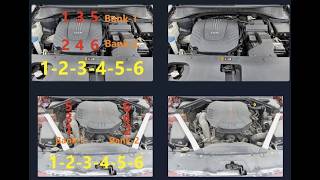
On the transverse (sideways) mounted Lambda V6 in the Azera, cylinder 5 is located on the rear bank of cylinders, against the firewall. This makes access significantly more difficult than for the front cylinders (2, 4, 6), as the upper intake manifold often needs to be removed to service the ignition coil and spark plug. Because of the labor involved, many owners and technicians recommend replacing all three rear spark plugs and ignition coils (for cylinders 1, 3, and 5) at the same time, along with the intake manifold gaskets, to prevent future repairs.
Generation note: This guide covers two generations of the Hyundai Azera: the first generation (TG, 2006-2011) and the second generation (HG, 2012-2017). Both generations used versions of the Lambda 3.3L and 3.8L V6 engines. The later HG generation featured Gasoline Direct Injection (GDI), which can be prone to carbon buildup on intake valves, adding another potential cause for misfires. However, the fundamental causes and diagnostic procedures for a P0305 code are largely the same across this year range.
Symptoms You May Notice
- Rough or shaky idle
- Hesitation or stumbling during acceleration
- Noticeable loss of engine power
- Check Engine Light is on and may be flashing
- Decreased fuel economy
- Possible fuel smell from the exhaust
- Engine vibration felt in the cabin
- Replacing the fuel injector before confirming the ignition coil and spark plug are good.
- Assuming a major mechanical failure before performing basic diagnostic steps like swapping coils.
- Replacing only the single failed coil or plug on the rear bank, leading to another failure on a different rear cylinder shortly after, requiring the same labor-intensive job to be repeated.
Most Likely Causes
- Faulty Ignition Coil 🔴 High Probability → Shop Ignition Coil Ignition coils are a common failure point on many modern engines due to constant exposure to heat and vibration. The coil-on-plug design is effective but individual coils can fail with age. Heat soak on the rear bank of cylinders can contribute to a shorter lifespan for these components.
How to confirm: Swap the ignition coil from cylinder 5 with another cylinder on the same bank (e.g., cylinder 3) to avoid removing the intake twice. Clear the codes and drive the vehicle. If the code changes to P0303, the ignition coil is faulty.
Typical fix: Replace the failed ignition coil. It is often recommended to replace the corresponding spark plug at the same time. Given the labor to access the rear bank, replacing all three rear coils is a common preventative measure.
Est. part cost: $40-$90 - Worn or Fouled Spark Plug 🔴 High Probability → Shop Spark Plug Spark plugs are a regular maintenance item with a finite lifespan (typically 60,000-100,000 miles). Plugs that are past their service life or fouled by oil or carbon deposits cannot produce a strong enough spark for proper combustion.
How to confirm: After ruling out the ignition coil, remove the spark plug from cylinder 5. Inspect it for wear (worn or rounded electrode), carbon fouling (black, sooty), or oil fouling (wet, black). Compare it to a new plug.
Typical fix: Replace the spark plug in cylinder 5. It is best practice to replace all six spark plugs at the same time, but especially the three on the rear bank due to difficult access.
Est. part cost: $10-$25 per plug - Clogged or Faulty Fuel Injector 🟡 Medium Probability → Shop Fuel Injector
How to confirm: If ignition components are good, the fuel injector is the next likely cause. A professional can perform a fuel injector balance test. A DIY method is to listen to the injector with a mechanic's stethoscope to ensure it's clicking. A more involved test is to swap the cylinder 5 injector with another cylinder's injector and see if the misfire code follows the injector.
Typical fix: Replace the faulty fuel injector. The fuel rail may need to be removed for access, which is also labor-intensive for the rear bank.
Est. part cost: $70-$150 - Intake Manifold Gasket Leak ⚪ Low Probability → Shop Engine Intake Manifold The plastic and rubber components of the intake manifold gaskets can become brittle and crack over time from constant heat cycles, creating a vacuum leak near a specific cylinder runner. This is more common on higher-mileage vehicles.
How to confirm: With the engine running, spray a small, controlled amount of brake cleaner or starting fluid near the intake manifold runner for cylinder 5. If the engine RPM changes or stumbles, a vacuum leak is present. A smoke test is a more definitive and safer method.
Typical fix: Replace the upper and lower intake manifold gaskets. This is almost always done preventatively when accessing the rear bank of cylinders for any other repair.
Est. part cost: $30-$80 for a gasket set
Rare But Worth Checking
- Carbon Buildup on Intake Valves: This is more prevalent on the GDI engines (2012-2017 Azera). Since fuel is injected directly into the cylinder, it no longer washes over and cleans the intake valves. Oil vapor from the PCV system can bake onto the hot valves, restricting airflow and causing misfires, especially on a cold start. A borescope inspection can confirm this. The fix is typically walnut shell blasting or manual cleaning.
- Low Engine Compression: This indicates a more serious internal engine problem, such as a burnt valve, worn piston rings, or a head gasket issue. A compression test on cylinder 5 will confirm this. If compression is low, a cylinder leak-down test can pinpoint the source of the leak.
- Faulty Engine Control Module (ECM): This is extremely rare. The ECM should only be considered after all other possibilities, including wiring issues (like a pulled pin on an injector or coil connector), have been exhaustively ruled out.
- Loose or Damaged Connector/Wiring: A loose pin or damaged wire on the ignition coil or fuel injector connector can cause an intermittent misfire. One owner found a wire had pulled out slightly from the injector connector, causing P0305. A visual inspection and a 'wiggle test' of the harness with the engine running can sometimes identify the issue.
Diagnosis Steps
- Read the trouble codes with an OBD-II scanner to confirm P0305 and check for any other codes.
- Identify cylinder 5. On the Azera's transverse V6, the cylinders are 2-4-6 in the front (by the radiator) and 1-3-5 in the rear (by the firewall). Cylinder 5 is the middle cylinder on the rear bank.
- Gain access to the rear ignition coils. This will require removing the engine cover and the upper intake manifold/plenum.
- Swap the ignition coil from cylinder 5 with the coil from cylinder 3. Reassemble enough to run the engine safely. Clear the codes and run the engine. If the code changes to P0303, the ignition coil is bad and needs replacement.
- If the P0305 code returns, the issue is not the coil. Since you already have access, it is highly advisable to replace all three rear spark plugs. Inspect the old plug from cylinder 5 for signs of fouling or wear.
- While the intake manifold is off, inspect the intake ports for heavy carbon buildup, especially on GDI models (2012+). Also inspect the intake gaskets for any cracks or damage.
- If the misfire remains on cylinder 5 after replacing plugs and confirming the coil is good, inspect the wiring and connector for the ignition coil and fuel injector for any visible damage, corrosion, or loose connections.
- Test the fuel injector. This may require a professional diagnostic tool or swapping the injector with another cylinder, which is a more involved job.
- As a final step for persistent issues, perform a compression test on cylinder 5 to check for mechanical engine problems like bad rings or valves.
Parts You'll Likely Need
- Ignition Coil
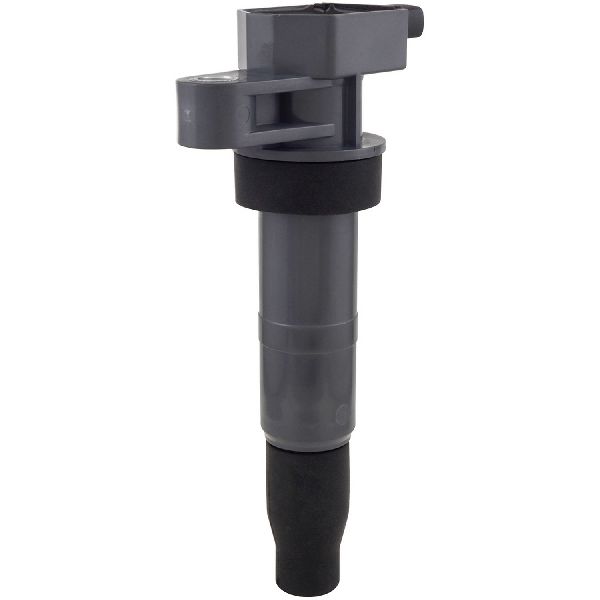
(OEM #27301-3C000, 27301-3C010)— This is the most frequent cause of a single-cylinder misfire on this engine. Part number 27301-3C010 replaces 27301-3C000.
Trusted brands: Hyundai (OEM), Denso, NGK, Delphi
OEM price range: $70-$110
Aftermarket price range: $40-$90 - Spark Plug — A worn or fouled spark plug is the second most common cause. Accessing the rear bank is labor-intensive, so replacing all three rear plugs is recommended even if only one has failed.
Trusted brands: NGK, Denso
OEM price range: $15-$30 per plug
Aftermarket price range: $10-$25 per plug - Upper Intake Manifold Gasket Set
(OEM #28411-3C200, 29215-3C300)— These gaskets must be replaced anytime the upper intake manifold is removed to access the rear cylinders. Reusing old gaskets will almost certainly cause a vacuum leak.
Trusted brands: Hyundai (OEM), Fel-Pro, Mahle
OEM price range: $40-$60
Aftermarket price range: $20-$40
Related Codes That Often Appear With This One
- P0300 — If multiple cylinders are misfiring randomly, P0300 (Random/Multiple Cylinder Misfire Detected) may appear alongside P0305. This could point to a systemic issue like a large vacuum leak, low fuel pressure, or severe carbon buildup affecting all cylinders.
- P0301, P0303 — If other rear-bank cylinders (1 and 3) also have misfire codes, it could suggest a common problem affecting that bank, such as a leaking intake manifold gasket or multiple aged ignition components failing around the same time.
- P0430 — If the misfire on cylinder 5 has been ignored for too long, unburnt fuel can damage the catalytic converter for bank 2 (the rear bank), triggering P0430 (Catalyst System Efficiency Below Threshold Bank 2).
Technical Service Bulletins (TSBs) & Recalls
- TSB 10-EM-006: This TSB for the 3.8L engine addresses timing chain noise but contains useful diagrams and procedures for removing the timing cover, which involves supporting the engine and removing a motor mount to create clearance—a similar procedure may be needed for extensive work.
- NHTSA Preliminary Information Document on Carbon Buildup: While not a formal TSB for this specific model, a GM document (PIP5199F) describes the exact issue of cold-start misfires (P0300-P0306) caused by heavy carbon buildup on intake valves, which is a known issue on GDI engines like the later model Azera.
- Hyundai Service Campaign T3W (TSB 20-01-008H): For other Hyundai models, ECM software updates have been issued to improve the logic for detecting misfires and prevent false codes. It's worth checking if any similar campaigns apply to the Azera.
Platform-Specific Known Issues
- source — A Hyundai Sonata owner with a similar Lambda engine experienced a P0305 code along with a P0274 (Injector Circuit High). After replacing plugs and wires with no success, they discovered a wire had partially backed out of the cylinder 5 fuel injector connector. Pushing the wire back in and securing the connection resolved the misfire completely. This highlights the importance of checking electrical connectors carefully.
- source — A 2014 Azera owner experienced an oil leak in the engine valley after performing a spark plug change. The dealer diagnosed a leaking oil pressure switch, which is located under the lower intake manifold. The owner performed the repair themselves, noting the tight space and the need to remove both upper and lower intake plenums and the fuel rail for access. This is a relevant 'while you're in there' inspection if you are already removing the intake for a P0305.
Mechanic-Grade Diagnostic Values
- Ignition Coil Primary Resistance — expected: 0.45 - 0.57 ohms. Failure: A reading outside this range, especially an open (infinite) or shorted (near zero) circuit, indicates a faulty coil.
- Ignition Coil Secondary Resistance — expected: 9.5 - 11.1 kOhms. Failure: A reading significantly outside this range points to a breakdown in the secondary windings.
- Fuel Injector Resistance (MPI Engines) — expected: 13 - 16 ohms (varies slightly by year). Failure: A reading far outside the specification, or one that is significantly different from the other injectors, suggests a faulty injector coil.
- Engine/Body Ground Voltage Drop — expected: Less than 0.2 volts. Failure: A voltage drop greater than 0.2 volts indicates excessive resistance in the ground circuit, which can cause weak spark and other electrical issues.
Hidden / Shadow Codes Worth Checking
- Mode 6 Misfire Counts: While not a hidden code, Mode $06 data on an advanced scanner can show misfire counts per cylinder before they are high enough to trigger a P0305 code. This is useful for diagnosing intermittent misfires. (see via An OBD-II scanner with Mode $06 functionality. The data will show misfire counts for specific test IDs corresponding to each cylinder.)
Scan Tool Commands That Help
- Hyundai GDS (Global Diagnostic System): Live Data & Graphing — To monitor real-time data like individual cylinder misfire counters, fuel trims, and sensor readings to see what is happening when the misfire occurs.
- Hyundai GDS (Global Diagnostic System): Actuator Tests — To command specific components like the fuel injector for cylinder 5 to operate. This can help confirm if the injector is responding to commands from the ECM without having to physically remove it.
- Hyundai GDS (Global Diagnostic System): Flight Recorder — For intermittent misfires that are hard to reproduce. This function captures high-frequency data snapshots during a fault event, allowing for detailed analysis of sensor and actuator behavior at the exact moment of the misfire.
Wiring & Ground Locations
- Engine Ground Strap (91860-3K710) — Typically connects the engine block to the chassis/frame rail in the engine compartment.. A corroded or loose main engine ground can cause insufficient voltage to the ignition coils, leading to a weak spark and misfires. A voltage drop test across this strap is recommended.
- Transmission Ground Strap (91860-3L310 / 91860-3K220) — Connects the transmission case to the vehicle's chassis.. Similar to the main engine ground, this provides a critical ground path for various sensors and electrical components. Poor grounding here can cause erratic behavior and misfires.
- Ignition Coil Connector — Directly on top of each ignition coil.. The pins for power, ground, and the trigger signal from the ECM are located here. A loose pin or corrosion in the connector for cylinder 5 can directly cause a P0305 code. Pinout diagrams are needed for accurate voltage testing.
OEM Part Supersession History
27301-3C000→27301-3C010— Improved design or change in manufacturer for the ignition coil.
Model Year Variations Within This Range
- 2006-2011: These models primarily used the Lambda 3.3L (G6DB) and 3.8L (G6DA) MPI (Multi-Point Injection) engines. Misfire causes are almost always related to spark, fuel delivery, or vacuum leaks.
- 2012-2017: These models used the updated Lambda II 3.3L GDI (Gasoline Direct Injection) engine (G6DH). While still susceptible to all the same failures as the MPI engine, GDI adds a significant new potential cause: carbon buildup on the intake valves, which can restrict airflow to cylinder 5 and cause misfires, especially on cold starts.
Diagnostic Flowchart
Other Known Issues on This Vehicle
Issues unrelated to this code that are worth knowing about as an owner of this generation:
- Timing Chain Tensioner Noise / Failure 🔴 High — More common on earlier (pre-2012) models, often presents as a startup rattle that can progress to constant noise. Can lead to catastrophic engine failure if ignored. (Ref: Improved tensioners are available, as noted by RepairPal. TSB 10-EM-006 also relates to timing system service.)
- Leaking Timing Cover Gasket 🟠 Medium — A common source of oil leaks as the vehicle ages. The leak often drips down the front of the engine and can be significant. Repair is labor-intensive due to tight clearance to the frame rail.
- Leaking Oil Pressure Switch/Sensor 🟠 Medium — The sensor, located in the 'V' of the engine under the intake manifold, is known to fail and leak oil into the valley, which then drips down the back of the engine near the transmission.
- No Sound from Speakers 🟡 Low — A widely reported issue where the factory amplifier fails, causing a complete loss of audio from the stereo system. It is one of the most common non-engine complaints for the platform.
- Carbon Buildup on Intake Valves (GDI Models) 🟠 Medium — Affects 2012-2017 models with the 3.3L GDI engine. Occurs over 50,000+ miles and can cause cold start misfires, rough idle, and reduced performance.
- ABS Module Internal Short 🔴 High — Subject of a recall (NHTSA #16V630000). Water can enter the ABS module, causing an electrical short which can occur even when the car is off, posing a fire risk. (Ref: Recall 16V630000)
Used vs. New Parts: Buying Guide for This Vehicle
When a used part is the smart pick: Used parts are generally not recommended for the primary causes of a P0305 code (ignition coils, spark plugs) due to their nature as wear items with a finite lifespan. The significant labor required to access the rear bank makes it unwise to install a used part with an unknown history.
Donor-vehicle mileage cap: roughly under 40000 miles for the part to have meaningful remaining life.
What to inspect on the donor part:
- For a used ignition coil, check for cracks in the plastic housing or corrosion on the electrical connector.
- Avoid any parts from a vehicle that shows signs of overheating or engine fire.
- Verify the part number on the used component matches the required OEM number or its successor.
OEM-only on this vehicle (don't cheap out):
- Fuel Injectors (especially for GDI models)
- Engine Control Module (ECM)
Aftermarket brands forum-validated for this vehicle:
- NGK (for ignition coils and spark plugs)
- Denso (for ignition coils and spark plugs)
- Delphi (for ignition coils)
Brands owners have reported issues with on this vehicle:
- Generic, unbranded ignition coils sold in multi-packs at extremely low prices (e.g., '4 for $40') are frequently reported to fail prematurely.
Real Owner Stories
Aggregated from forums and TSBs cited above. Mileages and costs reflect what owners reported in those sources.
Hyundai Sonata Lambda Engine
Symptoms: P0305 code along with a P0274 (Injector Circuit High). The owner replaced plugs and wires with no success.
What fixed it: Discovered a wire had partially backed out of the cylinder 5 fuel injector connector; pushing the wire back in and securing the connection resolved the misfire.
Source hint: https://www.hyundai-forums.com/threads/p0274-p0305-feedback.53818/
2014 Hyundai Azera
Symptoms: Oil leak in the engine valley discovered during a spark plug change related to misfire maintenance.
What fixed it: Replacement of the oil pressure switch located under the lower intake manifold and fuel rail.
Source hint: https://www.youtube.com/watch?v=3-5_xQ_28aQ
Hyundai Azera
Symptoms: Initial misfire code that was not addressed, which eventually led to a cascade of issues.
What fixed it: The owner noted the misfire eventually caused a P0430 catalyst code, illustrating the need for early repair.
Source hint: https://www.reddit.com/r/MechanicAdvice/comments/w8524w/hyundai_azera_problems/
Documented NHTSA Reports
Hyundai Engine Performance Loss
Symptoms: An owner reported that the vehicle would quickly slow down from 70 MPH to 35 MPH without warning, accompanied by the Check Engine Light and code P0305.
Details: NHTSA ODI #10520742 describes this as a continuing problem with no immediate fix that resulted in several near misses on the road.
Multi-Cylinder Misfire Event
Symptoms: A service writer advised an owner of misfires across multiple cylinders, specifically citing codes P0302, P0303, P0304, P0305, and P0306.
Details: This broad failure across both cylinder banks is documented in NHTSA ODI #10508566.
Related OBD-II Codes
Frequently Asked Questions
Where is cylinder 5 located on the 2006-2017 Hyundai Azera V6?
Is there a TSB for misfires caused by carbon buildup on the Azera's GDI engine?
Can I swap coils to test for a P0305 without removing the intake manifold twice?
Does Hyundai have a software update to address false misfire codes?
What other maintenance should I perform while accessing the rear bank for a P0305?
Helpful Videos

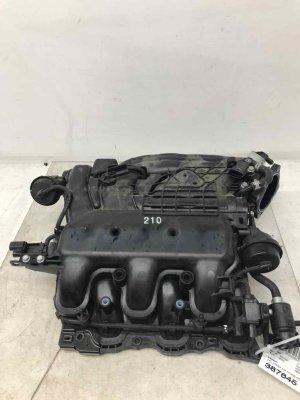
Used OEM Parts in Stock
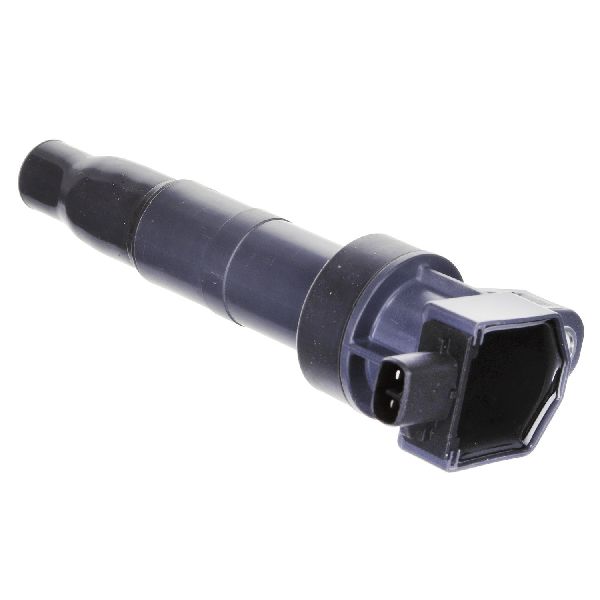
New Aftermarket Parts Available

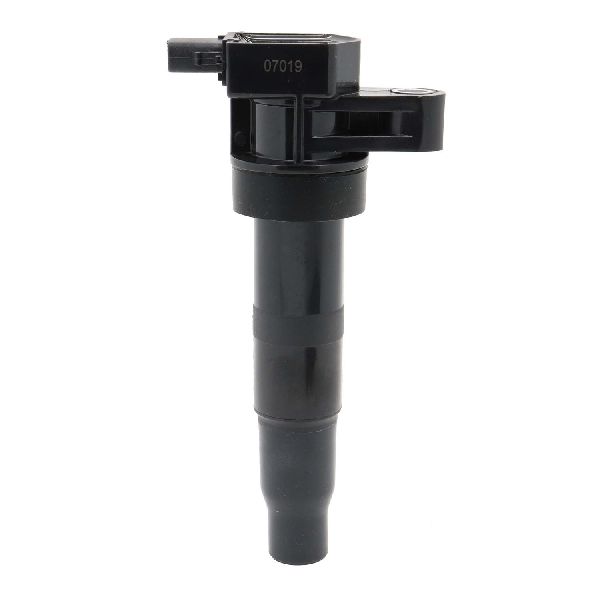

The information in this article is provided for general reference and educational purposes only. Vehicle specifications, procedures, and part compatibility can vary by production date, trim level, and region. Always consult your vehicle's factory service manual and verify part numbers before purchasing or performing repairs. Safety-critical components such as airbags, seat belts, and braking systems should be installed by a qualified professional.
- Hyundai Azera:
- 🧭 Diagnostic Flowchart
- 🎬 Helpful Videos
- 🛍️ Shop This Part
- What's Unique About the 2006-2017 Hyundai Azera
- Symptoms You May Notice
- Most Likely Causes
- Rare But Worth Checking
- Diagnosis Steps
- Parts You'll Likely Need
- Related Codes That Often Appear With This One
- Technical Service Bulletins (TSBs) & Recalls
- Platform-Specific Known Issues
- Mechanic-Grade Diagnostic Values
- Hidden / Shadow Codes Worth Checking
- Scan Tool Commands That Help
- Wiring & Ground Locations
- OEM Part Supersession History
- Model Year Variations Within This Range
- Other Known Issues on This Vehicle
- Used vs. New Parts: Buying Guide for This Vehicle
- Real Owner Stories
- Hyundai Sonata Lambda Engine
- 2014 Hyundai Azera
- Hyundai Azera
- Documented NHTSA Reports
- Hyundai Engine Performance Loss
- Multi-Cylinder Misfire Event
- Related OBD-II Codes
- Frequently Asked Questions
- 🎟️ Get 5% Off