

P0305 on 2005-2018 Toyota Avalon: Cylinder 5 Misfire Causes and Fixes
P0305 on a Toyota Avalon with the 3.5L V6 engine most often indicates a failed ignition coil or a worn-out spark plug on cylinder 5. This cylinder is on the rear bank against the firewall, making access difficult and labor-intensive. Expect to pay $300-$600 for a professional repair due to the labor involved in removing the upper intake manifold to gain access.
- P0305 means cylinder 5 is misfiring, which is located on the difficult-to-access rear bank of the engine.
- The most likely cause is a bad ignition coil or a worn spark plug.
- Due to the labor involved in removing the intake manifold, it is highly recommended to replace all three rear coils and all six spark plugs at the same time.
- Do not drive the vehicle if the Check Engine Light is flashing, as this can quickly destroy the catalytic converter, leading to a much more expensive repair.
- A basic diagnostic step is to swap the ignition coil with another cylinder, but this is a labor-intensive job for cylinder 5 on this engine.
What's Unique About the 2005-2018 Toyota Avalon
On the 2GR-FE V6 engine, the cylinders are numbered with the rear bank (against the firewall) being cylinders 1, 3, and 5, and the front bank (near the radiator) being 2, 4, and 6. This places cylinder 5 in the most difficult-to-access position on the rear bank. Consequently, what would be a simple ignition coil or spark plug replacement on a front cylinder becomes a much more involved job, often requiring the removal of the upper intake manifold and throttle body. This significantly increases labor time and cost compared to a misfire on the easily accessible front cylinders (2, 4, 6).
Generation note: The 2005-2018 year range covers two Avalon generations: the third (2005-2012) and the fourth (2013-2018). Both generations use the 2GR-FE 3.5L V6 engine, and the causes and diagnostic procedures for a P0305 code are largely identical. The primary difference is a power output of 280 hp in early models, later revised to 268 hp.
Symptoms You May Notice
- Rough or shaky idle
- Flashing or solid Check Engine Light
- Hesitation or stumbling during acceleration
- Reduced engine power
- Poor fuel economy
- Noticeable engine vibration
- Fuel smell from the exhaust
- Replacing only the spark plug when the ignition coil is the actual point of failure.
- Replacing a fuel injector without first confirming the ignition system is working properly.
- Assuming the issue is resolved after clearing the code, without performing a proper drive cycle to confirm the fix.
- Mistaking a faulty purge valve for an ignition or fuel issue, as it can cause intermittent misfires after refueling.
Most Likely Causes
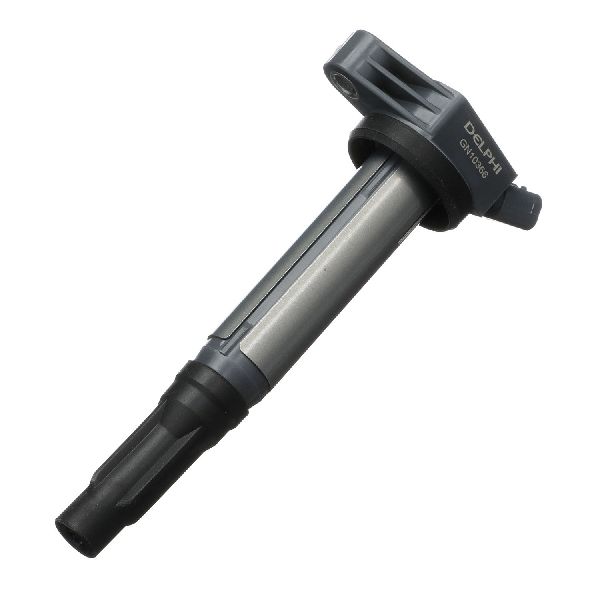
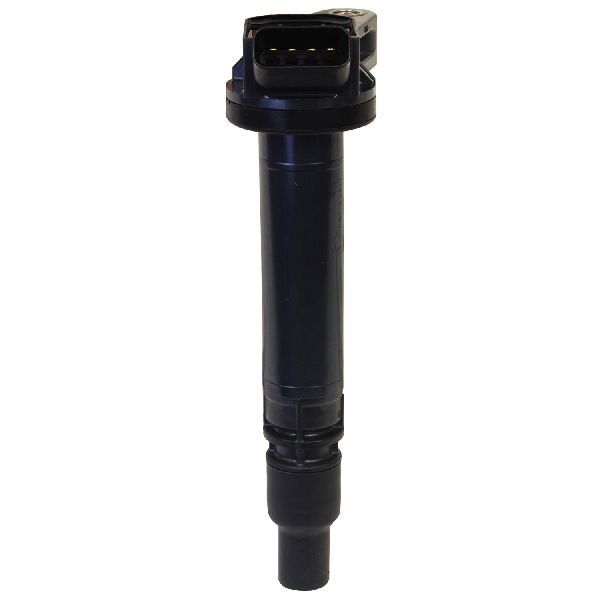
- Failed Ignition Coil 🔴 High Probability → Shop Ignition Coil Ignition coils are a common wear item. Due to the high heat and vibration in the engine bay, the coil-on-plug units can degrade over time, leading to a weak or absent spark. The plastic clips on the electrical connectors can also become brittle and break, leading to a poor connection.
How to confirm: Swap the ignition coil from cylinder 5 with another cylinder (e.g., cylinder 4 on the front bank). Clear the codes and drive. If the code changes to P0304, the ignition coil is faulty. This is the definitive DIY test but requires significant labor to access cylinder 5.
Typical fix: Replace the failed ignition coil. Due to the high labor cost to access the rear bank, many owners and mechanics recommend replacing all three rear ignition coils (cylinders 1, 3, 5) and all six spark plugs at the same time to avoid future repairs.
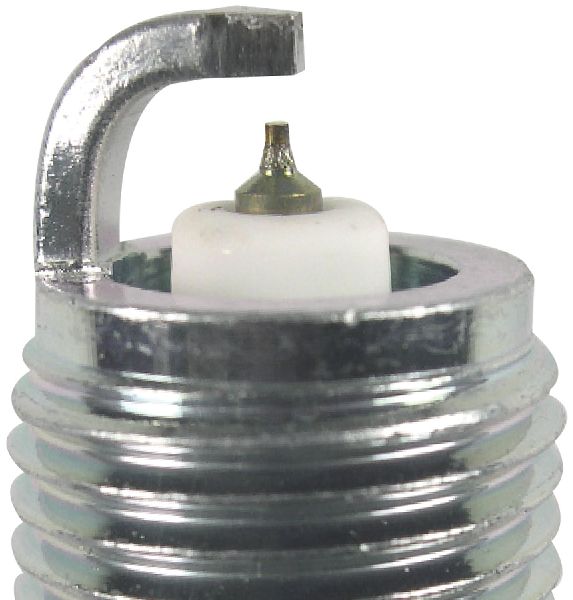
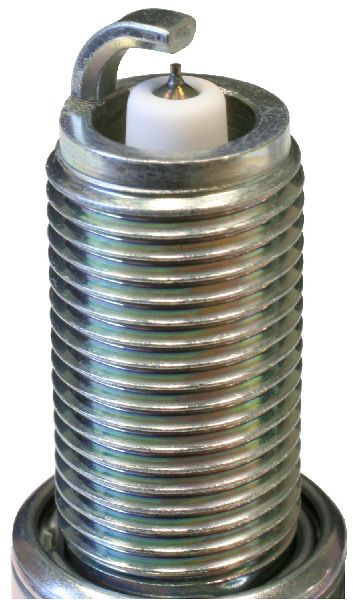
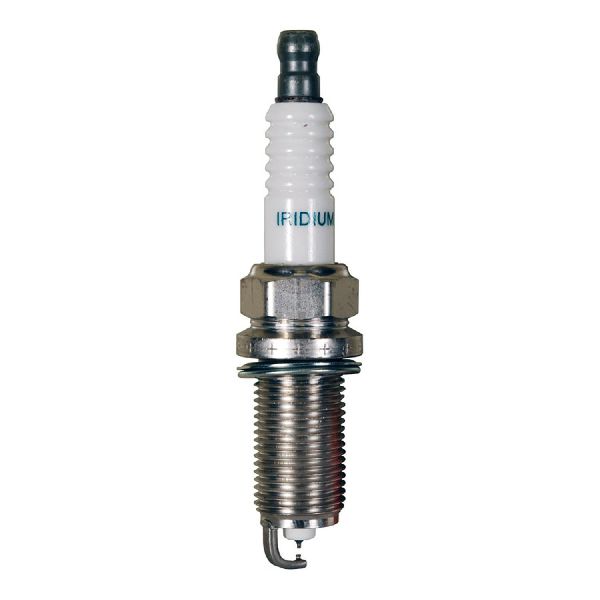
Est. part cost: $40-$90 per coil - Worn or Fouled Spark Plug 🔴 High Probability → Shop Spark Plug Spark plugs have a finite service life. The original equipment iridium plugs used in the Avalon are rated for 100,000-120,000 miles but can fail sooner. An incorrect gap or fouling from oil (indicating a valve cover gasket leak) or carbon can prevent a strong spark.
How to confirm: After accessing the cylinder, remove the spark plug and inspect it for wear (worn electrode), damage (cracked porcelain), or deposits (black carbon, white ash, or wet oil). A plug soaked in oil indicates a leaking spark plug tube seal, which is part of the valve cover gasket.
Typical fix: Replace the spark plug. It is highly recommended to replace all six spark plugs at once, especially if their service history is unknown. Use a 5/8" spark plug socket.
Est. part cost: $10-$25 per plug - Clogged or Faulty Fuel Injector 🟡 Medium Probability → Shop Fuel Injector
How to confirm: This is more difficult to confirm. A professional can perform a fuel injector balance test. A DIY method involves swapping injectors between cylinders, but this is extremely labor-intensive for cylinder 5 as it also requires intake manifold removal.
Typical fix: Replace the faulty fuel injector. Like the ignition coils, it is wise to replace other rear-bank injectors at the same time if access is already gained.
Est. part cost: $70-$200 per injector
Rare But Worth Checking
- Vacuum Leak: A leak in the upper intake manifold gasket near the runner for cylinder 5 could lean out the air/fuel mixture and cause a misfire. This gasket must be replaced during a coil or plug job on the rear bank, so careful inspection of the old gasket and mating surfaces is crucial.
- Low Engine Compression: This is a serious internal engine issue (e.g., burnt valve, worn piston rings, bad head gasket). If ignition and fuel system checks don't resolve the misfire, a compression test is the next step to diagnose mechanical engine health. This is an unlikely cause on the famously reliable 2GR-FE engine unless it has been severely overheated or neglected.
- Rodent Damage to Wiring: Mice and other rodents can chew on the wiring for the ignition coil or fuel injector, causing an intermittent or constant misfire. The 2GR-FE's engine cover can provide shelter for rodents, so it's important to visually inspect the wiring harness for any signs of damage, especially around the rear bank.
- Carbon Buildup on Intake Valves: While not as common as on direct-injection engines, carbon can accumulate on the intake valves over many miles, restricting airflow to cylinder 5 and causing a misfire. This is more likely on higher-mileage vehicles (150k+ miles).
Diagnosis Steps
- Use an OBD-II scanner to confirm the P0305 code and check for any other pending or stored codes.
- Note if the Check Engine Light is solid or flashing. A flashing light indicates a severe misfire that could damage the catalytic converter and means you should not drive the vehicle.
- The most effective first step is to swap the ignition coil from cylinder 5 with one from the front bank (e.g., cylinder 4 or 6). This is difficult due to the location of cylinder 5 and requires removal of the upper intake manifold.
- Once you gain access to the rear bank, clear the codes, run the engine, and see if the misfire code has moved to the cylinder where you placed the suspect coil (e.g., P0304 or P0306). If it has, the coil is bad.
- If the code remains P0305, the coil is likely not the issue. The next step is to inspect and replace the spark plug for cylinder 5. Given the labor involved, it is best practice to replace all 3 rear coils and all 6 spark plugs at this time.
- While the intake manifold is off, inspect for vacuum leaks, rodent damage to wiring, and oil in the spark plug tubes (which would indicate a leaking valve cover gasket).
- If the coil and plug are good, the problem may be a faulty fuel injector. This is less common but should be considered.
- If ignition and fuel components check out, the final step is a mechanical compression test to rule out internal engine problems like a burnt valve or bad piston rings.
Parts You'll Likely Need
- Ignition Coil
(OEM #90919-A2007 (supersedes 90919-02255, 90919-A2002))— This is the most frequent cause of a single-cylinder misfire on modern engines.
Trusted brands: Denso (OEM), NGK, Delphi
OEM price range: $90-$120
Aftermarket price range: $40-$90 - Spark Plug
(OEM #90919-01247 (Denso FK20HR11))— Spark plugs are a routine maintenance item and a common cause of misfires when they wear out.
Trusted brands: Denso (OEM), NGK
OEM price range: $15-$25
Aftermarket price range: $10-$20 - Upper Intake Manifold Gasket Set
(OEM #17176-0P021)— This must be replaced anytime the intake manifold is removed to access the rear cylinders. It is a one-time use gasket.
Trusted brands: Fel-Pro, Mahle, Toyota (OEM)
OEM price range: $30-$50
Aftermarket price range: $15-$30
Related Codes That Often Appear With This One
- P0300 — If multiple cylinders are misfiring randomly, P0300 (Random/Multiple Cylinder Misfire Detected) may appear alongside P0305. This could point to a systemic issue like a large vacuum leak or low fuel pressure.
- P0301, P0303 — If the cause is common to the rear bank of cylinders (like a vacuum leak from the intake gasket or a rodent chewing wires on that bank), you may see misfire codes for the other rear cylinders as well.
- P0171, P0174 — If a vacuum leak is the root cause, a lean condition may be detected, triggering System Too Lean codes for Bank 1 (P0171) and/or Bank 2 (P0174).
Technical Service Bulletins (TSBs) & Recalls
- T-SB-0094-09 Rev2: Addresses a ticking noise from the VVT-i gear area and potential misfire-related DTCs (P0014, P0015, etc.) on 2005-2009 2GR-FE engines. While not directly for P0305, it relates to engine mechanical issues that could cause misfires.
- T-SB-0071-18: Pertains to 2018 models with the newer 2GR-FKS engine exhibiting random misfire codes (P0300) under load. The fix is an ECM logic update.
- Bulletin #T-SB-0148-19: While issued for the Highlander with the same engine family, this bulletin provides a specific repair procedure for addressing misfire codes P0301 through P0306.
Platform-Specific Known Issues
- A fuel delivery pipe recall was issued for some 2014 model year Toyota Avalons. While not a direct cause of a single cylinder misfire, it's worth checking if your vehicle is affected as it relates to the fuel system.
Mechanic-Grade Diagnostic Values
- Fuel Injector Resistance — expected: 11.6 to 12.4 Ω at 20°C (68°F). Failure: Resistance outside of this range indicates a faulty injector.
- Fuel Pressure — expected: 304 to 343 kPa (44 to 50 psi). Failure: Pressure below this range may indicate a weak fuel pump or clogged filter. Pressure above may indicate a faulty regulator.
- Ignition Coil Secondary Resistance — expected: ~12 kΩ. Failure: A significant deviation from this value suggests an internal coil failure.
- Engine Compression (Standard) — expected: 1.4 MPa (199 psi). Failure: Pressure below the minimum of 0.98 MPa (142 psi) or a difference greater than 0.1 MPa (15 psi) between cylinders indicates a mechanical engine problem.
Hidden / Shadow Codes Worth Checking
- Mode 6, Test ID $0A-$0C, Component ID $01-$06: These are not DTCs but live data counters within the ECU that track misfire events per cylinder for the current and previous 10 drive cycles. A high count for cylinder 5 (Component ID $05) can confirm an intermittent misfire even if the P0305 code is not currently active. (see via An advanced OBD-II scanner or professional software like Toyota Techstream that can access Mode $06 data.)
Scan Tool Commands That Help
- Toyota Techstream: Active Test: Control the Fuel Injector — This function allows a technician to individually disable the fuel injector for cylinder 5. If the engine's idle does not change when injector 5 is disabled, it confirms that cylinder was not contributing, pointing to a fuel or spark issue on that specific cylinder.
- Toyota Techstream: Data List: Misfire Count (Cylinder 1-6) — To monitor real-time misfire counts on all cylinders while driving or performing a power balance test. This is crucial for diagnosing intermittent misfires that don't immediately set a code.
Real Owner Repair Stories
- r/ToyotaAvalon on Reddit (2017 Toyota Avalon V6) — Intermittent P0305 check engine light that appears after refueling, during a cold start without letting the car idle, or on a warm restart. Car drives perfectly fine otherwise.
❌ Tried (didn't work) Swapped ignition coil, Swapped fuel injector, Spark plug was already new
✅ What actually fixed it The user suspected a faulty evaporative emissions (EVAP) purge valve, which can tick loudly and cause intermittent misfires under specific conditions like after refueling. The thread did not have a final confirmation, but this is a strong diagnostic lead when primary ignition/fuel parts check out. - NHTSA ODI #10448450 — An owner of a similar Toyota V6 platform reported feeling the car misfire while driving; a dealer inspection found multiple codes including P0304, P0305, and P0306, ultimately identifying a malfunctioning #6 coil pack as the primary culprit.
OEM Part Supersession History
90919-02255, 90919-A2002→90919-A2007— Standard part evolution for improved reliability and performance.
Model Year Variations Within This Range
- 2005-2012 (Third Generation): These models were initially equipped with a 5-speed automatic transmission, which was later updated to a 6-speed automatic around the 2008 model year. This does not directly affect the P0305 code but is a key driveline difference.
- 2013-2018 (Fourth Generation): These models feature a 6-speed automatic transmission with ECO, NORMAL, and SPORT modes, which alter throttle response and shift logic. A misfire might be more noticeable in one mode versus another depending on engine load and RPM. The body and interior were completely redesigned.
Diagnostic Flowchart
Other Known Issues on This Vehicle
Issues unrelated to this code that are worth knowing about as an owner of this generation:
- Rupturing VVT-i Oil Line (Rubber Section) 🔴 High — Common on early models (approx. 2005-2009) that have not had the updated part installed. Failure can be sudden and lead to catastrophic engine failure from oil starvation. (Ref: Limited Service Campaign (LSC) issued by Toyota to replace the rubber hose with an all-metal line (Part No. 15772-31030).)
- Melting / Sticky Dashboard 🟡 Low — Very common on 2005-2010 models, especially in hot, humid climates. The dashboard surface degrades, becomes sticky, and creates a dangerous glare on the windshield. (Ref: Warranty Enhancement Program (ZE6) was issued by Toyota to cover replacement.)
- Faulty VVT-i Cam Gears 🟠 Medium — Affects some earlier 2GR-FE engines (approx. 2005-2009), causing a brief rattle or ticking noise on cold startups. Can eventually lead to timing-related trouble codes. (Ref: T-SB-0094-09 Rev2)
- Water Pump Failure 🟠 Medium — Water pumps on the 2GR-FE are a known wear item, often failing between 80,000 and 120,000 miles. Leaks are typically slow at first but can lead to overheating if ignored.
- Long Crank / Slow Start 🟡 Low — Some higher-mileage Avalons can develop a long crank time before the engine starts. This is often traced to a weakening fuel pump that is slow to build adequate pressure.
Used vs. New Parts: Buying Guide for This Vehicle
When a used part is the smart pick: For this repair, obtaining a used ignition coil or fuel injector from a low-mileage donor vehicle can be a cost-effective diagnostic step, especially to confirm a failure before buying a new part. Major components like the intake manifold are also generally safe to source used if damaged.
Donor-vehicle mileage cap: roughly under 80000 miles for the part to have meaningful remaining life.
What to inspect on the donor part:
- For ignition coils, check for cracks in the plastic housing and ensure the electrical connector clip isn't broken.
- For fuel injectors, look for intact O-rings and no signs of heavy corrosion or rust on the body.
- Verify the donor vehicle's VIN to ensure it has the same 2GR-FE engine, as parts from other Toyota V6 engines are not compatible.
OEM-only on this vehicle (don't cheap out):
- Intake Manifold Gaskets
- Spark Plugs
Aftermarket brands forum-validated for this vehicle:
- Denso (OEM for coils, plugs, and injectors)
- NGK (Coils and Spark Plugs)
- Fel-Pro (Gaskets)
Brands owners have reported issues with on this vehicle:
- Unbranded, 'white-box' ignition coils and fuel injectors from online marketplaces often have high failure rates and may not meet OEM resistance or flow specifications.
Real Owner Stories
Aggregated from forums and TSBs cited above. Mileages and costs reflect what owners reported in those sources.
2017 Toyota Avalon 3.5L V6
Symptoms: Intermittent P0305 misfire that occurs after filling with gas and starting the car, or starting in cold weather without letting it idle. The code does not pop up while driving.
What fixed it: The owner reported the issue persisted even after replacing the ignition coil, fuel injector, and spark plug.
Source hint: r/ToyotaAvalon on Reddit
Toyota V6 Platform Owner
Symptoms: The driver felt the vehicle misfiring while in a parking lot and on the way to the dealership.
What fixed it: Diagnostic scans revealed multiple codes including P0304, P0305, P0306, and P0356. The technician determined the #6 coil was malfunctioning and recommended its replacement to resolve the misfire condition.
Source hint: NHTSA ODI #10448450
Related OBD-II Codes
Frequently Asked Questions
Is there a specific TSB for the ticking noise and misfire codes on my 2005-2009 Avalon?
My 2018 Avalon has a random misfire under load; is there a known software fix?
Why is the labor so high to fix a P0305 code on the 2GR-FE engine?
Should I replace all the coils when fixing a P0305 misfire?
Is there a recall related to the fuel system for the 2014 Avalon?
What is the 'Limited Service Campaign' mentioned for early 2GR-FE models?
Helpful Videos
We Have This Part in Stock


The information in this article is provided for general reference and educational purposes only. Vehicle specifications, procedures, and part compatibility can vary by production date, trim level, and region. Always consult your vehicle's factory service manual and verify part numbers before purchasing or performing repairs. Safety-critical components such as airbags, seat belts, and braking systems should be installed by a qualified professional.
- Toyota Avalon:
- 🧭 Diagnostic Flowchart
- 🎬 Helpful Videos
- 🛍️ Shop This Part
- What's Unique About the 2005-2018 Toyota Avalon
- Symptoms You May Notice
- Most Likely Causes
- Rare But Worth Checking
- Diagnosis Steps
- Parts You'll Likely Need
- Related Codes That Often Appear With This One
- Technical Service Bulletins (TSBs) & Recalls
- Platform-Specific Known Issues
- Mechanic-Grade Diagnostic Values
- Hidden / Shadow Codes Worth Checking
- Scan Tool Commands That Help
- Real Owner Repair Stories
- OEM Part Supersession History
- Model Year Variations Within This Range
- Other Known Issues on This Vehicle
- Used vs. New Parts: Buying Guide for This Vehicle
- Real Owner Stories
- 2017 Toyota Avalon 3.5L V6
- Toyota V6 Platform Owner
- Related OBD-II Codes
- Frequently Asked Questions
- 🎟️ Get 5% Off