

P0306 on 2011-2018 Dodge Durango 3.6L: Cylinder 6 Misfire Causes and Fixes
P0306 means cylinder 6 is misfiring. For 2011-2013 models, this is very likely a failed left cylinder head, a known issue covered by a 10yr/150k mile warranty extension (X56). For all years, check the ignition coil and spark plug first. A coil swap is a quick DIY diagnostic test. On 2014+ models, a ticking noise with the code points towards a failed rocker arm.
- For a 2011-2013 Durango with a 3.6L engine, P0306 is a very strong indicator of the known left cylinder head failure. Check for warranty coverage (X56) before paying for repairs.
- For all model years, the first diagnostic step should be to swap the ignition coil from cylinder 6 to another cylinder to see if the misfire follows.
- Accessing cylinder 6 requires removing the upper intake manifold. If you are performing this labor, it is wise to replace all three spark plugs and gaskets on that side.
- Do not ignore a flashing check engine light. It signals a severe misfire that can quickly destroy your catalytic converter, leading to a much more expensive repair.
What's Unique About the 2011-2018 Dodge Durango
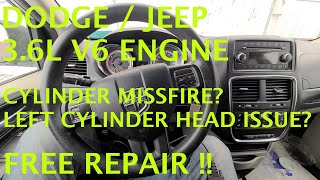
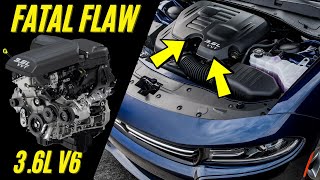
For the 2011-2013 Dodge Durango with the 3.6L Pentastar V6, code P0306 is a major red flag for a well-documented manufacturing defect in the left-side cylinder head. This issue, caused by premature valve guide and seat wear, was so common that Chrysler issued a 10-year/150,000-mile warranty extension (X56) under bulletin D-14-12 to cover its replacement. 🎬 Watch: How to get a free cylinder head replacement under warranty. While a simple coil or plug can be the cause on later models, the high probability of this serious internal engine issue on early models makes diagnosing P0306 on this platform unique. Later models (2014+) are more prone to rocker arm bearing failure causing a similar misfire.
Symptoms You May Notice
- Flashing or solid Check Engine Light
- Rough idle or engine vibration
- Engine hesitation or stumbling during acceleration
- Noticeable loss of power
- Fuel smell from the exhaust
- Audible ticking sound from the top of the engine (indicative of rocker arm failure).
- Orange or rusty residue on the cylinder 6 spark plug threads/electrode (can indicate a coolant leak from the head gasket associated with head failure).
- Replacing only the spark plug and ignition coil on a 2011-2013 model without performing a cylinder leak-down test, potentially ignoring the underlying cylinder head issue.
- Replacing coils and plugs to fix a misfire when a distinct ticking noise is present, ignoring the high probability of a failed rocker arm and damaged camshaft.
Most Likely Causes
- Defective Left Cylinder Head (2011-2013 models) 🔴 High Probability → Shop Engine Cylinder Head A known manufacturing defect in early 3.6L Pentastar engines (built before July 25, 2012) caused premature wear of valve guides and seats on the left cylinder head, which includes cylinders 2, 4, and 6. This was addressed by TSB 09-002-14 Rev. B and warranty extension X56.
How to confirm: The definitive diagnostic step is a cylinder leak-down test on cylinders 2, 4, and 6. Per Chrysler's TSB, leakage of 25% or more confirms the head is faulty. A compression test will also show a significant loss of pressure in cylinder 6 compared to others.
Typical fix: Replace the left cylinder head with the updated part (part number RL141353AC or newer). Check with a Dodge dealer for potential coverage under the 10-year/150,000-mile warranty extension (X56) by providing your VIN.
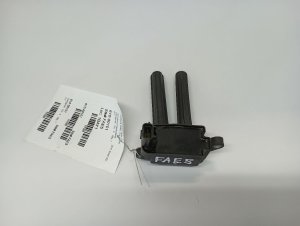
Est. part cost: $600-$1500 - Faulty Ignition Coil 🔴 High Probability → Shop Ignition Coil Coil-on-plug ignition coils are a common failure item on most modern engines due to constant exposure to high heat and vibration.
How to confirm: Swap the ignition coil from cylinder 6 with another cylinder on the same bank (e.g., cylinder 4). Clear the codes and drive the vehicle. If the misfire code moves to P0304, the coil is bad. This is the most common first diagnostic step.
Typical fix: Replace the faulty ignition coil. It's good practice to replace the spark plug at the same time. Apply dielectric grease to the inside of the new coil boot to seal it from moisture.
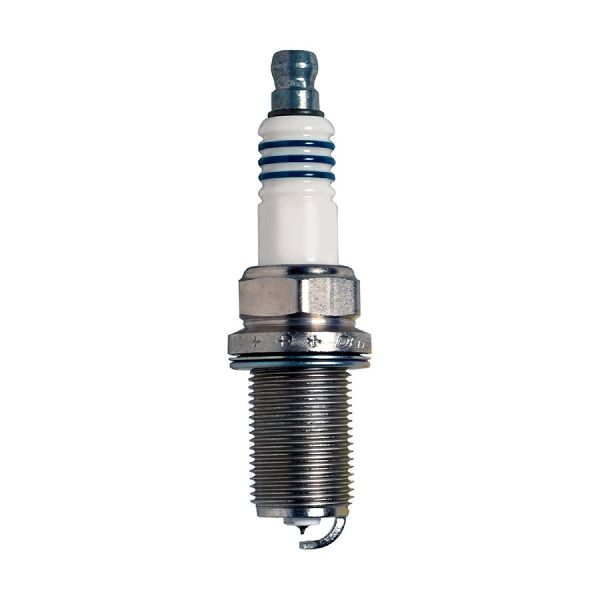
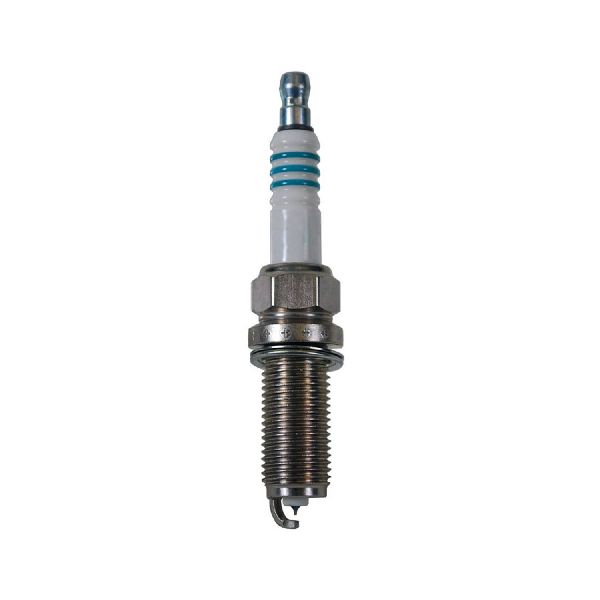
Est. part cost: $30-$75 - Worn or Fouled Spark Plug 🟡 Medium Probability → Shop Spark Plug Spark plugs are a regular maintenance item with a 100,000-mile service interval. Accessing the plugs on the driver's side bank (cylinders 2, 4, 6) requires removing the upper intake manifold, so they are often neglected.
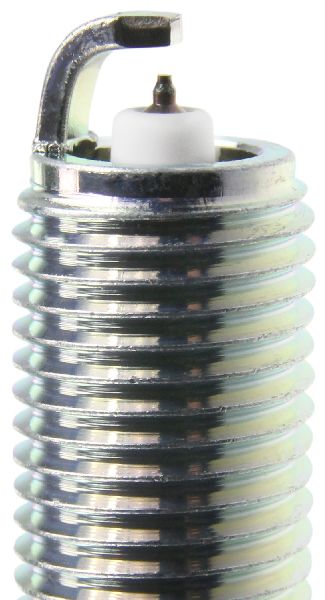
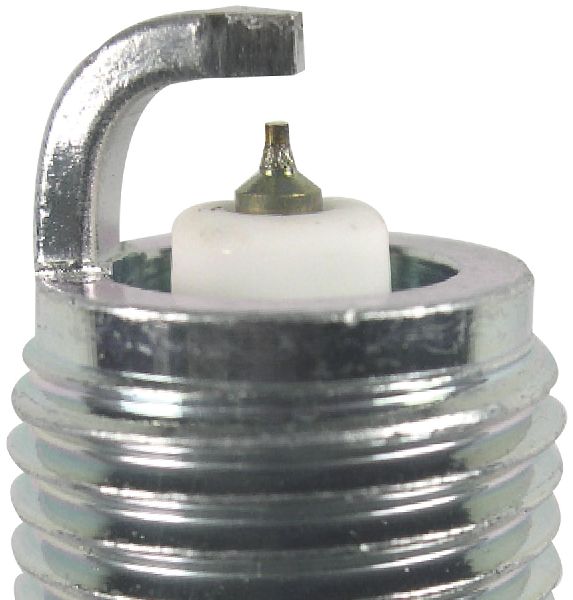
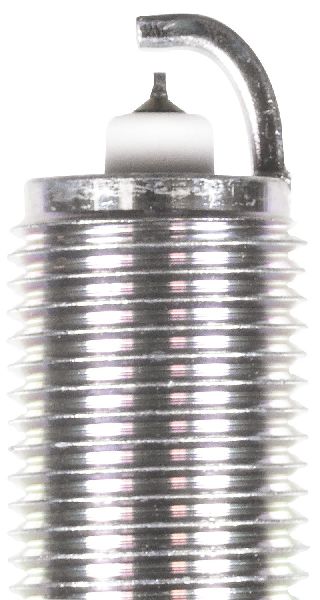
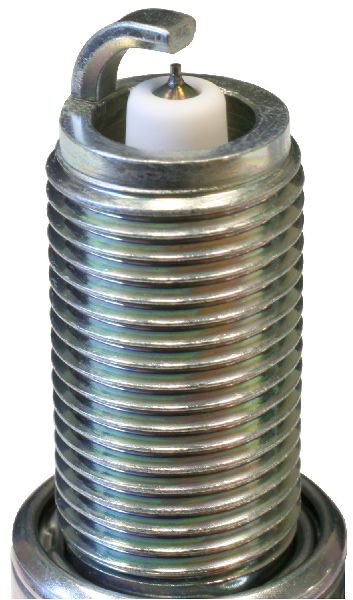
How to confirm: After ruling out the coil, remove the spark plug from cylinder 6. Inspect it for wear (eroded electrode), carbon fouling, oil, or coolant contamination. The OEM plugs are Iridium; ensure any replacement is of similar quality.
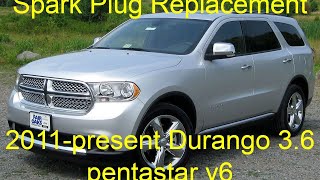
Typical fix: Replace the spark plug. It is highly recommended to replace all three plugs on the driver's side bank (2, 4, and 6) at the same time due to the labor involved in accessing them. 🎬 Watch this step-by-step guide to replacing your Durango's spark plugs.
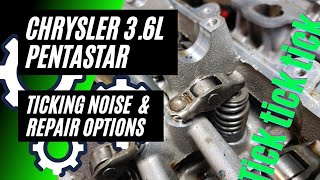
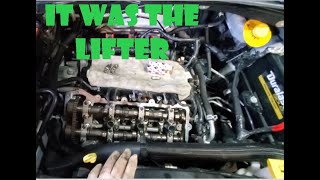
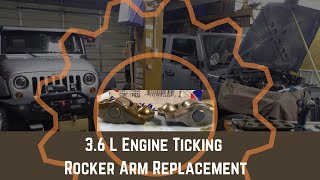
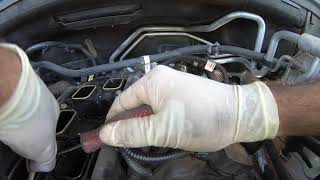
Est. part cost: $10-$25 - Failed Rocker Arm / Worn Camshaft Lobe 🟡 Medium Probability → Shop Engine Rocker Arm Later model Pentastar engines are known for rocker arm bearing failure, where the roller seizes and the camshaft lobe grinds it down. This creates a distinct 🎬 See how to identify and fix that engine ticking sound. ticking noise and can eventually cause a persistent misfire. Manufacturer TSB #09-011-25 notes that customers may comment on valvetrain noise in conjunction with misfire codes like P0306.
How to confirm: Listen for a distinct ticking sound from the top of the engine, especially at idle. Diagnosis requires removing the driver's side valve cover to inspect the rocker arms and camshaft lobes for visible scoring or a seized roller.
Typical fix: Replace all rocker arms and lifters on the affected bank. If the camshaft lobe is damaged, the camshaft must also be replaced. This is a labor-intensive repair.
Est. part cost: $10-$15 per rocker arm, $200-$400 for a camshaft - Faulty Fuel Injector ⚪ Low Probability → Shop Fuel Injector
How to confirm: Listen to the injector with a mechanic's stethoscope to confirm it is clicking. You can also swap the injector with another cylinder to see if the misfire code moves, though this is labor-intensive. A P0206 code (Injector Circuit Malfunction) may also be present, which strongly points to the injector or its wiring.
Typical fix: Replace the faulty fuel injector.
Est. part cost: $50-$120
Rare But Worth Checking
- Water Intrusion from Cowl: A warped or poorly sealed windshield cowl panel can allow rainwater to drip directly onto the engine, potentially pooling in the spark plug well for cylinder 6 and shorting out the ignition coil. Owners have documented this with videos, showing water trails leading to the rearmost driver's side cylinder. The fix involves drying the well, applying dielectric grease, and sealing the cowl with automotive-grade silicone or replacing the panel.
- Intake Manifold Gasket Leak: → Shop Engine Intake Manifold A vacuum leak from a failed or improperly seated intake manifold gasket near cylinder 6 can lean out the air-fuel mixture enough to cause a misfire. This is more common after the manifold has been removed for other service, like a spark plug change. A smoke test is the best way to confirm a leak.
Diagnosis Steps
- Read the code with an OBD-II scanner and check for any other stored trouble codes. Note the freeze-frame data to see the conditions when the misfire occurred. Bulletin #18-055-16 REV. A indicates that P0306 may sometimes appear alongside P0513 (Invalid SKIM Key).
- Listen for a 'ticking' noise from the driver's side of the engine. If present, suspect a rocker arm/camshaft issue.
- Swap the ignition coil from cylinder 6 with cylinder 4. Clear the codes and drive. If the code changes to P0304, the ignition coil is faulty.
- If the misfire does not move, inspect the spark plug from cylinder 6. Look for wear, fouling, or signs of coolant/oil. Replace if questionable.
- Inspect the wiring and connector for the cylinder 6 ignition coil and fuel injector for any signs of damage, corrosion, or moisture. Check the spark plug well for pooled water, indicating a cowl leak.
- Listen to the cylinder 6 fuel injector with a mechanic's stethoscope. It should have a consistent clicking sound, similar to the other injectors.
- For 2011-2013 models especially, perform a cylinder leak-down test on cylinder 6. Per TSB 09-002-14, if leakage is 25% or greater, the cylinder head is the cause.
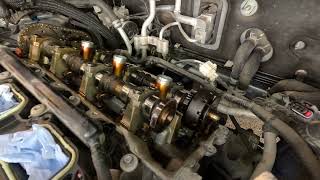
- If all else fails, inspect the valvetrain by removing the driver's side valve cover. Check for failed rocker arms (seized rollers) or damaged camshaft lobes.
Parts You'll Likely Need
- Ignition Coil
(OEM #5149168AJ (supersedes 5149168AI, 5149168AH))— This is one of the most common causes for a single-cylinder misfire and is the easiest to diagnose via a 'coil swap'.
Trusted brands: Mopar, NGK, Denso
OEM price range: $45-$75
Aftermarket price range: $30-$50 - Spark Plug
(OEM #SP142582AC (Champion))— Spark plugs are a maintenance item. Due to the labor to access the driver's side bank, they are often neglected and can be the source of a misfire.
Trusted brands: Champion, NGK
OEM price range: $10-$20
Aftermarket price range: $8-$15 - Rocker Arm
(OEM #05184296AH)— A common failure point, especially on 2014+ models, where the roller bearing seizes, causing a ticking noise and misfire as it damages the camshaft.
Trusted brands: Mopar, Melling
OEM price range: $10-$20
Aftermarket price range: $8-$15 - Left Cylinder Head
(OEM #RL141353AC (or newer))— The primary cause of P0306 on 2011-2013 models due to a manufacturing defect. Replacement is the only fix.
Trusted brands: Mopar (remanufactured)
OEM price range: $600-$1500
Aftermarket price range: N/A
Related Codes That Often Appear With This One
- P0300 — If the misfire is severe or multiple cylinders on the left bank are affected by the cylinder head issue, a P0300 (Random/Multiple Cylinder Misfire) code will often be set.
- P0302, P0304 — Seeing P0306 along with P0302 and/or P0304 on a 2011-2013 model strongly points to the common left cylinder head failure, as all three cylinders are on that bank and are specifically mentioned in TSB 09-002-14.
- P0206 — This code for 'Cylinder 6 Injector Circuit Malfunction' will appear if the issue is with the fuel injector or its wiring, rather than spark or compression.
Technical Service Bulletins (TSBs) & Recalls
- 09-002-14 REV. B: Outlines the diagnosis (cylinder leak-down test of 25% or more) and repair (left cylinder head replacement) for misfire codes P0300, P0302, P0304, and P0306 on 2011-2013 models.
- D-14-12: The warranty bulletin that officially announced the 10-year/150,000-mile extended warranty (X56) for the left cylinder head issue.
- Bulletin #0900214: Confirms MIL illumination for P0300, P0302, P0304, or P0306 is associated with the X56 Warranty Extension.
- Bulletin #0900214REVB: Involves checking for excessive cylinder leakage and replacing the cylinder head if necessary for vehicles exhibiting P0306.
- Bulletin #18-055-16: Lists P0306 as a potential misfire code that may trigger the Check Engine Light.
- Bulletin #09-011-25: Notes that customers may report a rough idle or valvetrain noise in conjunction with a P0306 code.
Platform-Specific Known Issues
- Left Cylinder Head Failure (2011-2013): A manufacturing defect led to premature valve guide and seat wear on the left cylinder head, causing compression loss and misfires on cylinders 2, 4, and 6. Chrysler issued TSB 09-002-14 and warranty extension X56 (10 years/150,000 miles) to address this.
- Rocker Arm Bearing Failure (All Years): The needle bearings in the rocker arm rollers can fail, causing the roller to seize. This creates a 'Pentastar tick' and will eventually wear down the camshaft lobe, leading to a persistent misfire. This is a very common issue across the entire Pentastar engine family.
Mechanic-Grade Diagnostic Values
- Fuel Injector Resistance — expected: 12.0 - 14.5 Ohms when cool. Resistance may increase by ~1 Ohm when the engine is warm.. Failure: A reading significantly higher (e.g., over 25-60 Ohms) or an open circuit (infinite resistance) indicates a failed injector winding.
- Ignition Coil Primary Resistance (2-wire coils, pre-2016) — expected: 0.46 - 0.7 Ohms.. Failure: A reading outside this range indicates a fault in the primary winding.
- Ignition Coil Secondary Resistance (2-wire coils, pre-2016) — expected: 8.5 - 15.7 kOhms.. Failure: A reading outside this range indicates a fault in the secondary winding.
- Fuel Pressure (at fuel rail) — expected: 58 - 65 PSI.. Failure: Pressure significantly below this range indicates a weak fuel pump or clogged filter, which could cause misfires, though it would typically affect multiple cylinders.
- Engine Oil Pressure (Varies with Temp/RPM) — expected: At warm idle: ~30 PSI. Under load: ~60-70 PSI. A general rule is 10 PSI for every 1000 RPM.. Failure: Consistently low oil pressure can cause issues with valvetrain components like lifters and rocker arms, leading to mechanical misfires.
Hidden / Shadow Codes Worth Checking
- Mode $06 Data: While not a 'hidden code,' dealer-level scan tools and some advanced consumer scanners can access Mode $06 data. This allows a technician to view the raw misfire count for each specific cylinder, including cylinder 6, before the count is high enough to set a formal P0306 code. This is invaluable for diagnosing intermittent misfires. (see via Advanced OBD-II scanner with Mode $06 functionality (e.g., wiTECH, Autel, BlueDriver).)
Scan Tool Commands That Help
- wiTECH (OEM) or equivalent professional scanner: Cylinder Misfire Counter — Use this live data PID to watch for misfire increments on cylinder 6 in real-time while performing tests (e.g., revving the engine, driving under load) to see what conditions trigger the misfire.
- wiTECH (OEM) or equivalent professional scanner: Fuel Injector Kill — This bidirectional command allows you to manually disable the fuel injector for cylinder 6. If the engine's idle quality does not change when cylinder 6 injector is killed, it confirms that cylinder is not contributing, narrowing the problem down to that cylinder's spark, fuel, or compression.
Wiring & Ground Locations
- G903 / G903A — Located on the right side of the engine compartment, near the front, typically bolted to the chassis frame rail.. This is a primary ground point for the Powertrain Control Module (PCM) and multiple engine sensors. A loose or corroded connection here can cause erratic signals, intermittent misfires on any cylinder, and other hard-to-trace electrical faults.
Real Owner Repair Stories
- Reddit user 'redgus78' in r/MechanicAdvice (2014 Chrysler Town & Country with 3.6L Pentastar) — P0306 code and rough idle.
❌ Tried (didn't work) Swapping ignition coils (misfire stayed on cylinder 6), Swapping fuel injectors (misfire stayed on cylinder 6), Replacing all spark plugs, Performing a compression test (all cylinders were good and consistent), Performing a cylinder leak-down test (passed), Visually inspecting camshafts after removing valve cover (no *visible* signs of wear were initially noted)
✅ What actually fixed it The problem was ultimately a worn exhaust rocker arm and a worn camshaft lobe on cylinder 6, which was confirmed after a more thorough mechanical inspection.
"I Checked Everything" — The Actual Cause
- In cases where a P0306 persists after ignition and fuel parts are swapped, and even compression/leak-down tests pass, the root cause is often mechanical wear in the valvetrain. A prime example is a failing rocker arm roller bearing, which may not cause a significant compression loss initially but will prevent the valve from opening correctly, causing a misfire. This requires physical inspection by removing the valve cover to diagnose, as it won't be found by smoke tests or basic electrical checks.
OEM Part Supersession History
5149168AH, 5149168AI→5149168AJ— Standard part revision and update by the manufacturer.05184296AE, 05184296AF, 05184296AG→05184296AH— The updated rocker arm was designed to improve the durability of the internal needle bearings in the roller, which was a common failure point leading to ticking and camshaft damage.
Model Year Variations Within This Range
- 2011-2013: These models are highly susceptible to left cylinder head failure due to a manufacturing defect in valve guides and seats. They also use a different oil filter and oil cooler/filter adapter housing design than later models.
- 2016-2018: These models feature the 'Pentastar Upgrade' engine. Changes include a two-stage variable valve lift (VVL) system, a higher compression ratio (11.3:1 vs 10.2:1), cooled EGR, and different ignition coils and fuel injectors. These parts are not always interchangeable with earlier engines.
Diagnostic Flowchart
Real Owner Stories
Aggregated from forums and TSBs cited above. Mileages and costs reflect what owners reported in those sources.
2011-2013 Dodge Durango 3.6L
Symptoms: Triggered a P0306 code.
What fixed it: Dealer diagnosed a bad cylinder head and replaced it under the extended warranty.
Source hint: dodgedurango.net forum threads
2014 Dodge Durango 3.6L
Symptoms: P0306 code accompanied by a distinct ticking noise from the top of the engine.
What fixed it: Dealership diagnosed and replaced a failed rocker arm and a damaged camshaft lobe.
Source hint: Forum citation referenced in 'Failed Rocker Arm / Worn Camshaft Lobe' section
2014 Jeep Grand Cherokee 3.6L
Symptoms: P0306 misfire code.
What fixed it: Diagnosis moved from checking the coil and plug to performing a leak-down test for suspected head or cam issues.
Source hint: Reddit r/GrandCherokee thread '2014 Grand Cherokee P0306'
2014 Chrysler Town & Country 3.6L
Symptoms: Audible ticking noise from the camshaft and rocker arms.
What fixed it: Diagnosed and replaced failed rocker arms and a damaged camshaft.
Source hint: YouTube - Pine Hollow Auto Diagnostics video '2014 Chrysler Town & Country 3.6L Camshaft & Rocker Arm Ticking...'
2004 Dodge Durango 4.7L
Symptoms: Cylinder 6 misfire (P0306).
What fixed it: Identified and resolved water leaking from the windshield cowl into the engine bay (an issue applicable to the 3rd gen Durango design).
Source hint: YouTube - Tony Collum video '2004 Dodge Durango, 4 7, P0306 Cylinder 6 Misfire caused by water from windshield'
Related OBD-II Codes
Frequently Asked Questions
Does the extended warranty for the left cylinder head apply to my 2014-2018 Durango?
I hear a ticking sound from the top of my 3.6L engine along with the P0306 code. What does this mean?
How do I know if my P0306 code is caused by the known cylinder head defect?
Why is it recommended to replace all three spark plugs on the driver's side if only cylinder 6 is misfiring?
Can a water leak cause a P0306 code on my Durango?
What part number do I need if the dealer replaces my defective cylinder head?
Helpful Videos
Used OEM Parts in Stock
New Aftermarket Parts Available

The information in this article is provided for general reference and educational purposes only. Vehicle specifications, procedures, and part compatibility can vary by production date, trim level, and region. Always consult your vehicle's factory service manual and verify part numbers before purchasing or performing repairs. Safety-critical components such as airbags, seat belts, and braking systems should be installed by a qualified professional.
- Dodge Durango:
- 🧭 Diagnostic Flowchart
- 🎬 Helpful Videos
- 🛍️ Shop This Part
- What's Unique About the 2011-2018 Dodge Durango
- Symptoms You May Notice
- Most Likely Causes
- Rare But Worth Checking
- Diagnosis Steps
- Parts You'll Likely Need
- Related Codes That Often Appear With This One
- Technical Service Bulletins (TSBs) & Recalls
- Platform-Specific Known Issues
- Mechanic-Grade Diagnostic Values
- Hidden / Shadow Codes Worth Checking
- Scan Tool Commands That Help
- Wiring & Ground Locations
- Real Owner Repair Stories
- "I Checked Everything" — The Actual Cause
- OEM Part Supersession History
- Model Year Variations Within This Range
- Real Owner Stories
- 2011-2013 Dodge Durango 3.6L
- 2014 Dodge Durango 3.6L
- 2014 Jeep Grand Cherokee 3.6L
- 2014 Chrysler Town & Country 3.6L
- 2004 Dodge Durango 4.7L
- Related OBD-II Codes
- Frequently Asked Questions
- 🎟️ Get 5% Off