

P0306 on 2010-2012 GMC Canyon 5.3L V8: Cylinder 6 Misfire Causes and Fixes
P0306 on a 2010-2012 Canyon 5.3L V8 indicates a misfire on cylinder 6. The most likely causes are simple ignition parts like a loose spark plug wire (per a GM TSB), a bad ignition coil, or a worn spark plug. A DIY fix for these parts typically costs between $20 and $100. If ignition parts are good, a mechanical issue like a worn lifter or bent pushrod is possible, though this engine does not have the common AFM lifter issue.
- P0306 on a 2010-2012 Canyon 5.3L V8 is a misfire on cylinder 6, the third cylinder from the front on the passenger side.
- Start diagnosis with the simple, high-probability causes: check for a loose spark plug wire (per TSB PIP4819A), swap the ignition coil with another cylinder, and inspect the spark plug.
- This specific truck's 5.3L V8 (LH9) does NOT have Active Fuel Management (AFM), so do not misdiagnose the problem as a failed AFM lifter.
- If ignition and fuel system checks do not resolve the issue, a mechanical problem like a standard failed lifter, worn camshaft, or bent pushrod is the next possibility, often indicated by a persistent ticking noise.
What's Unique About the 2010-2012 GMC Canyon
The key detail for the V8-equipped Canyon is what it *lacks*. Unlike the 5.3L V8 in most Silverados and Tahoes of the same era, the LH9 engine in the 2010-2012 Canyon does NOT have Active Fuel Management (AFM). This means the common AFM-related lifter failure is not a cause for this code on your truck. However, GM did issue a service bulletin (PIP4819A) specifically for loose spark plug wires causing misfires on this platform, making it a primary and unique first check.
Symptoms You May Notice
- Flashing or solid Check Engine Light
- Rough or vibrating idle
- Hesitation or stumbling during acceleration
- Noticeable loss of engine power
- Engine sounds like it's popping or sputtering
- Reduced fuel efficiency
- Unusual odor from the exhaust
- Assuming an Active Fuel Management (AFM) lifter has failed. The 5.3L V8 (LH9) in the 2010-2012 Canyon does not have AFM, so this common issue on other GM trucks does not apply here.
- Replacing oxygen sensors. A misfire will cause erratic O2 sensor readings, often leading to lean or rich codes, but the sensors themselves are rarely the cause of a single-cylinder misfire.
Most Likely Causes
- Loose or Damaged Spark Plug Wire 🔴 High Probability → Shop Spark Plug A GM Technical Service Bulletin (TSB #PIP4819A) specifically calls out loose-fitting spark plug wires as a known cause for misfire codes (P0300-P0308) on 2010 models. This should be the first check.
How to confirm: Visually inspect the spark plug wire for cylinder 6. Ensure it is firmly seated and 'clicks' onto both the ignition coil and the spark plug. Check for any burns, cracks, or damage.
Typical fix: Reseat the wire firmly. If the connection is loose or the wire is damaged, replace the spark plug wire set.
Est. part cost: $50-$80 - Failed Ignition Coil 🔴 High Probability → Shop Ignition Coil Ignition coils on GM V8 engines are a common failure item due to constant exposure to high engine temperatures and vibration. Cylinder 6 is located midway down the passenger side bank.
How to confirm: Swap the ignition coil from cylinder 6 with another cylinder (e.g., cylinder 4 on the same passenger side bank). Clear the codes and run the engine. If the misfire code changes to P0304, the coil is confirmed to be bad.
Typical fix: Replace the faulty ignition coil. It is held on by a single bolt on the valve cover bracket.
Est. part cost: $25-$60 - Worn or Fouled Spark Plug 🔴 High Probability → Shop Spark Plug
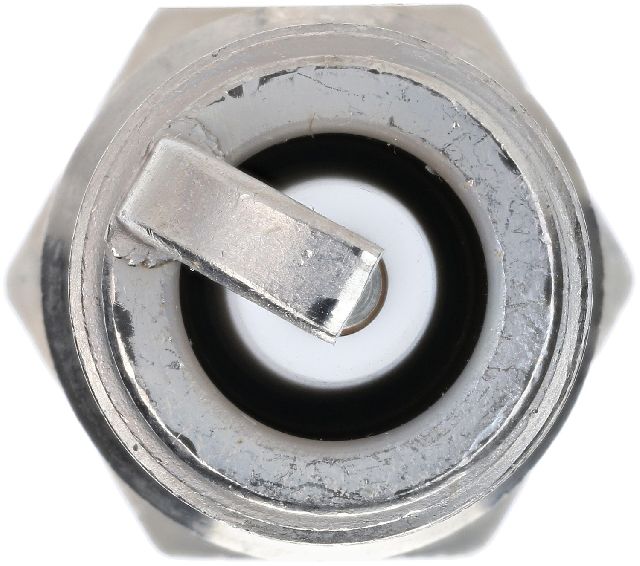
How to confirm: Remove the spark plug from cylinder 6. Inspect it for excessive wear on the electrode, carbon buildup, oil fouling, or cracks in the ceramic insulator. Compare it to a plug from a different cylinder.
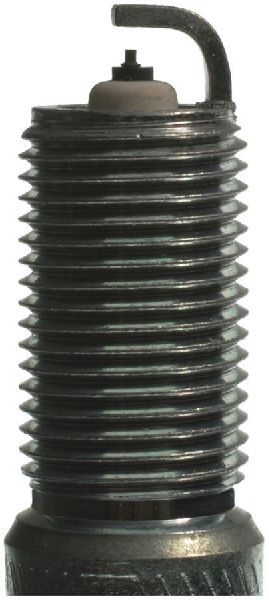
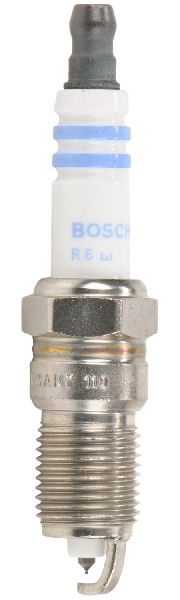
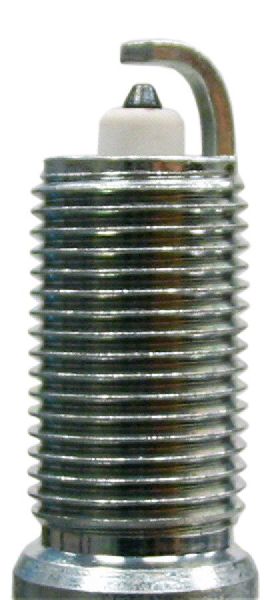
Typical fix: Replace the spark plug. It is best practice to replace all 8 spark plugs at the same time for even performance and to prevent future misfires. Many owners prefer the older ACDelco 41-110 plug over the newer 41-162, citing better manufacturing quality, though both will work.
Est. part cost: $10-$20 per plug - Clogged or Faulty Fuel Injector ⚪ Low Probability → Shop Fuel Injector
How to confirm: Listen to the injector with a mechanic's stethoscope or a long screwdriver; you should hear a consistent clicking sound. A more definitive test involves swapping the injector with another cylinder, but this is labor-intensive. A professional can perform an injector balance test with a scan tool to measure pressure drop for each cylinder.
Typical fix: Replace the faulty fuel injector. This can sometimes be caused by debris in the fuel rail.
Est. part cost: $50-$100
Rare But Worth Checking
- Worn Camshaft Lobe or Failed Lifter: → Shop Engine Camshaft While this engine does not have the problematic AFM lifters, standard mechanical wear can still occur. A YouTube video by 'Craig's Car Care' documented a P0306 on a similar 5.3L where a failed plastic lifter retainer allowed a non-AFM lifter to rotate in its bore, destroying the lifter and the camshaft lobe for cylinder 6. This is a worst-case scenario usually accompanied by a persistent ticking or clacking noise and low compression on the affected cylinder.
- Bent Pushrod: → Shop Engine Push Rod A bent pushrod can cause symptoms identical to a failed lifter, including a ticking noise and a misfire code. This can happen due to valvetrain harmonics or interference. Diagnosis requires removing the valve cover to inspect the pushrods for visible bends.
- Intake Manifold Gasket Leak: → Shop Engine Intake Manifold A vacuum leak from a deteriorated intake manifold gasket near the port for cylinder #6 can lean out the air/fuel mixture enough to cause a misfire. This may be accompanied by a hissing sound at idle or other lean codes like P219B.
Diagnosis Steps
- Use an OBD-II scanner to confirm P0306 is the primary code. Note any other codes, such as P0300 or P219B.
- Locate cylinder 6: it is the third cylinder back from the front on the passenger side of the engine.
- Per TSB #PIP4819A, carefully inspect the spark plug wire for cylinder 6. Ensure it is firmly connected at both the ignition coil and the spark plug. Check for any signs of damage or looseness.
- If the wire is secure, swap the ignition coil from cylinder 6 with the coil from cylinder 4 (the next cylinder forward on the same bank). Clear the codes, run the engine, and rescan. If the code changes to P0304, the ignition coil is faulty.
- If the misfire remains on cylinder 6, remove and inspect the spark plug. Look for wear, fouling, or damage. Replace if necessary. Consider replacing all 8 for preventative maintenance.
- If ignition components are good, check the fuel injector for cylinder 6. Listen for a steady clicking sound with a stethoscope. A noid light can verify the injector is receiving an electrical signal.
- If all ignition and fuel checks pass, a mechanical issue is possible. Listen for a persistent ticking noise. Perform a compression test on cylinder 6 to check for internal engine problems. Low compression points towards issues like a bad valve, worn piston rings, or a camshaft/lifter issue.
Parts You'll Likely Need
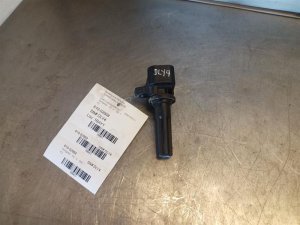
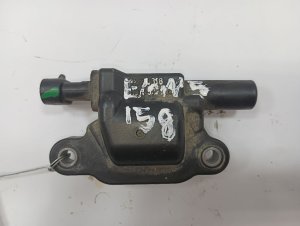
- Ignition Coil
(OEM #12629037)— A very common failure point for single-cylinder misfires on GM V8 engines due to heat and vibration. The original part number may have been 12570616, but 12629037 is the common service replacement.
Trusted brands: ACDelco, Bosch, Delphi
OEM price range: $40-$60
Aftermarket price range: $25-$45 - Spark Plug Wire Set
(OEM #9748RR)— A loose connection is a known issue for this specific vehicle per TSB #PIP4819A. Wires also fail from age and heat.
Trusted brands: ACDelco, NGK
OEM price range: $80-$100
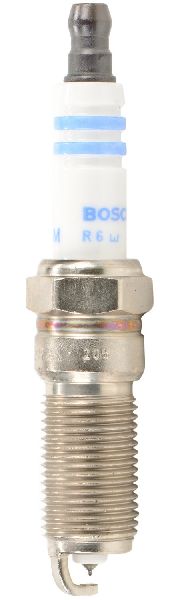
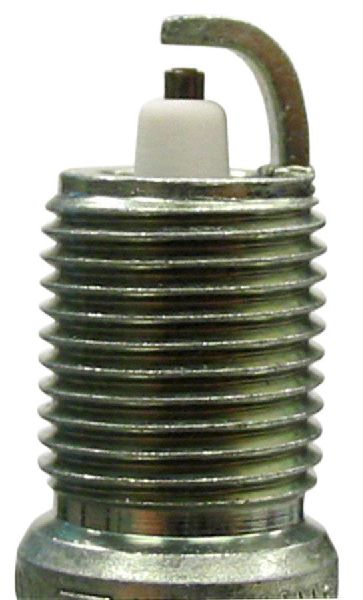
Aftermarket price range: $50-$80 - Iridium Spark Plug
(OEM #41-110 or 41-162)— Spark plugs are a routine maintenance item and a primary cause of misfires. The original spec was 41-110, which was superseded by 41-162. Many enthusiasts prefer the build quality of the 41-110 if it can be found.
Trusted brands: ACDelco, NGK
OEM price range: $15-$20
Aftermarket price range: $10-$15
Related Codes That Often Appear With This One
- P0300 — If the misfire is intermittent or begins to affect other cylinders, a P0300 (Random/Multiple Cylinder Misfire) code may appear alongside P0306.
- P219B — Bank 2 (which includes cylinder 6) Air-Fuel Ratio Imbalance. A persistent misfire on cylinder 6 can cause this code, as the unburned oxygen entering the exhaust fools the O2 sensor into reporting a lean condition for that entire bank.
Technical Service Bulletins (TSBs) & Recalls
- PIP4819A: Notes that misfire codes (P0300-P0308) can be caused by loose spark plug wires and instructs technicians to inspect and replace them if necessary.
- PIP4138P & 19-NA-219: Broader bulletins for engine noise and misfires that list worn camshaft lobes and lifters as a potential cause, confirming that a P0306 code can stem from these mechanical failures even on non-AFM engines.
Platform-Specific Known Issues
- Real-World Repair: Bent Pushrod on 5.3L: → Shop Engine Push Rod A user on the 355nation.net forum (a popular forum for Canyon/Colorado owners) described chasing a P0306 misfire. After replacing the plug, wire, and coil with no success, they discovered a bent pushrod on cylinder 6. This confirms that valvetrain issues beyond lifters can be a root cause.
Mechanic-Grade Diagnostic Values
- Ignition Coil Primary Resistance — expected: 0.4 - 2.0 ohms. Failure: A reading significantly outside this range indicates a faulty primary coil winding.
- Ignition Coil Secondary Resistance — expected: 6,000 - 10,000 ohms (6k - 10k Ω). Failure: A reading outside this range points to a failure in the secondary windings.
- Fuel Injector Resistance — expected: 11 - 14 ohms. Failure: A reading outside this range, or an open circuit (OL), indicates a failed injector coil.
- Fuel Pressure (Key ON, Engine OFF) — expected: 345-414 kPa (50-60 psi). Failure: Pressure below 50 psi, or pressure that bleeds off more than 5 psi in one minute, can indicate a weak fuel pump or a leaking injector.
- Total Fuel Trim (STFT + LTFT) at Idle — expected: -10% to +10%. Failure: Consistently high positive trims (>10%) suggest a vacuum leak, while high negative trims (<-10%) can indicate a leaking fuel injector.
- Engine Compression (Cranking) — expected: 100 - 150 PSI and consistent across cylinders. Failure: Significantly lower pressure in cylinder 6 compared to others indicates a mechanical engine problem like worn rings, a bad valve, or a camshaft/lifter issue.
Hidden / Shadow Codes Worth Checking
- Misfire History Counters: This is not a specific code, but a data parameter accessible with a dealer-level scan tool. It shows a historical count of misfires for each cylinder, which can reveal if cylinder 6 has a long-standing intermittent issue even if the code was recently triggered. (see via GM Tech2 or GDS2 scan tool, or other professional scanners with GM-specific software.)
Scan Tool Commands That Help
- GM Tech2 / GDS2: Cylinder Power Balance Test — Use this test to definitively confirm cylinder 6 is not contributing power. The tool deactivates each cylinder one by one and measures the RPM drop. If deactivating cylinder 6 causes little or no change in RPM compared to other cylinders, the misfire is confirmed on that cylinder.
- GM Tech2 / GDS2: Fuel Injector Balance Test — This is a precise way to identify a clogged or weak injector without swapping parts. The tool pulses each injector and measures the corresponding drop in fuel rail pressure. If the pressure drop for cylinder 6 is significantly less than the others, the injector is likely faulty.
- GM Tech2 / GDS2: Crankshaft Position System Variation Learn (Crank Relearn) — This procedure MUST be performed after replacing the crankshaft position sensor, PCM, or flexplate. Failure to do so can cause the PCM to inaccurately detect minor crankshaft speed variations as misfires, leading to a false P0306 code when no true misfire exists.
Wiring & Ground Locations
- G101, G102, G103 — Lower left side of the engine block.. These are primary engine grounds. A loose or corroded connection at any of these points can cause erratic behavior in sensors and actuators, including the ignition coils and fuel injectors, potentially leading to misfires.
- G106 — Right side of the engine compartment, behind the air cleaner assembly.. This ground serves components on the passenger side of the engine bay. Since cylinder 6 is on the passenger side, ensuring this ground is clean and tight is crucial for proper ignition coil and fuel injector operation for that bank.
- Cylinder 6 Injector Control Wire — Pin on the Engine Control Module (ECM) connector. The wire color is typically Black/Red for the control signal on GM V8s of this era.. If a noid light shows no signal at the injector, a technician would test for continuity on this wire between the injector connector and the ECM to rule out a wiring break.
- Ignition Coil Ground — The ignition coils are grounded through the wiring harness back to the main engine grounds on the cylinder head/block.. A common failure point on similar GM trucks is the ground strap from the body to the cylinder head. While the coils ground through the harness, a poor engine-to-body ground can create electrical noise and voltage drops that affect the entire ignition system.
Real Owner Repair Stories
- 355nation.net forum user (2010 GMC Canyon 5.3L V8) — P0306 misfire code, rough running.
❌ Tried (didn't work) Replaced spark plug on cylinder 6, Swapped ignition coil from cylinder 6 to another cylinder (misfire did not move), Replaced spark plug wire for cylinder 6
✅ What actually fixed it Discovered a bent pushrod on cylinder 6 after removing the valve cover. Replacing the bent pushrod resolved the misfire.
Model Year Variations Within This Range
- 2010-2012: For the 2010 model year, the 5.3L V8 engine (LH9) was updated to be Flex Fuel (E85) compatible, and Variable Valve Timing (VVT) was added. While this doesn't fundamentally change the P0306 diagnosis, it's a notable difference from the 2009 LH8 V8. The fuel injectors and potentially the fuel pump may have different part numbers to accommodate E85 fuel.
Diagnostic Flowchart
Real Owner Stories
Aggregated from forums and TSBs cited above. Mileages and costs reflect what owners reported in those sources.
2010 GMC Canyon 5.3L V8
Symptoms: Experienced a persistent P0306 misfire. Replaced the spark plug, spark plug wire, and ignition coil, but the misfire continued with no success.
What fixed it: Discovered and replaced a bent pushrod on cylinder 6.
Source hint: 355nation.net - Thread titled 'Another P0306 Misfire Question 5.3L'
Related OBD-II Codes
Frequently Asked Questions
Does TSB #PIP4819A apply to my 2010 GMC Canyon 5.3L V8?
Which spark plugs are recommended for the 5.3L V8 in the Canyon?
Where exactly is cylinder 6 located on this engine?
I replaced the spark plug, wire, and ignition coil on cylinder 6, but the P0306 code is still there. What is next?
How can I test if the ignition coil is causing the P0306 code?
Are other GM trucks prone to this exact same P0306 issue?
Used OEM Parts in Stock
New Aftermarket Parts Available

The information in this article is provided for general reference and educational purposes only. Vehicle specifications, procedures, and part compatibility can vary by production date, trim level, and region. Always consult your vehicle's factory service manual and verify part numbers before purchasing or performing repairs. Safety-critical components such as airbags, seat belts, and braking systems should be installed by a qualified professional.
- GMC Canyon:
- 🧭 Diagnostic Flowchart
- 🛍️ Shop This Part
- What's Unique About the 2010-2012 GMC Canyon
- Symptoms You May Notice
- Most Likely Causes
- Rare But Worth Checking
- Diagnosis Steps
- Parts You'll Likely Need
- Related Codes That Often Appear With This One
- Technical Service Bulletins (TSBs) & Recalls
- Platform-Specific Known Issues
- Mechanic-Grade Diagnostic Values
- Hidden / Shadow Codes Worth Checking
- Scan Tool Commands That Help
- Wiring & Ground Locations
- Real Owner Repair Stories
- Model Year Variations Within This Range
- Real Owner Stories
- 2010 GMC Canyon 5.3L V8
- Related OBD-II Codes
- Frequently Asked Questions
- 🎟️ Get 5% Off