

P0307 on 2009-2015 Cadillac CTS-V: Cylinder 7 Misfire Causes and Fixes
On a 2009-2015 CTS-V, code P0307 is most often caused by a loose or faulty spark plug wire on cylinder 7, located at the rear of the driver's side. A GM Technical Service Bulletin (PIP4819A) highlights this specific issue. Check the wire connection before replacing any parts. Heat degradation of the wire and boot is also extremely common in this location.
- P0307 on a CTS-V is a misfire on the rearmost driver-side cylinder.
- Before buying parts, physically check that the spark plug wire for cylinder 7 is securely attached to the ignition coil, as this is a known issue per a GM TSB.
- The most likely causes are simple ignition system components: the spark plug wire, the spark plug, or the ignition coil.
- If the Check Engine Light is flashing, stop driving immediately to prevent expensive damage to the catalytic converters.
- This engine does NOT have AFM, so do not misdiagnose the problem as a failed AFM lifter.
What's Unique About the 2009-2015 Cadillac CTS-V
The 6.2L LSA supercharged V8 in the second-generation CTS-V generates significant heat, particularly at the back of the engine bay where cylinder 7 is located. This heat can degrade ignition components over time, especially the spark plug wire and boot. Unlike other GM 6.2L V8s from the same era, the LSA engine does not have Active Fuel Management (AFM), so the common AFM lifter failure seen on Escalades and Silverados is not a cause for this code on a CTS-V. General Motors issued a specific Technical Service Bulletin (TSB #PIP4819A) noting that a loose spark plug wire connection at the ignition coil is a frequent cause for misfires on this engine family. A worn supercharger isolator, a known weak point, can also create engine vibrations that may contribute to or be misinterpreted as a misfire.
Symptoms You May Notice
- Rough or shaking idle
- Hesitation, stumbling, or jerking during acceleration
- Noticeable loss of engine power
- Flashing or solid Check Engine Light
- Smell of unburnt fuel from the exhaust
- A ticking or popping sound from the engine bay
- Replacing the fuel pump when only a single cylinder is misfiring.
- Assuming an AFM lifter failure, which does not apply to the LSA engine in the CTS-V.
Most Likely Causes
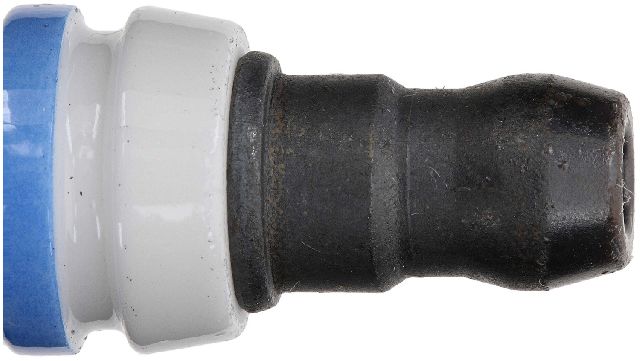
- Loose or Faulty Spark Plug Wire 🔴 High Probability → Shop Spark Plug GM TSB #PIP4819A directly identifies loose or faulty spark plug wires as a primary cause for misfires on the LSA engine. Cylinder 7's location at the hot, rear driver's side of the engine bay makes its wire especially vulnerable to heat damage, causing the boot to crack, melt, or fail to seal properly.
How to confirm: Visually inspect the wire for burns, cracks, or melting, especially the boot. Ensure the wire is securely clicked onto both the ignition coil and the spark plug. A firm tug should not dislodge it. Test the wire's resistance with a multimeter; a stock ACDelco wire should have a resistance of around 1337 Ohms. A loose connector on the injector or coil can also produce the same code.
Typical fix: Secure the connection if loose. If the wire is damaged or the connection remains poor, replace the spark plug wire set. Using dielectric grease inside the boots is recommended to aid in sealing and future removal. Many owners opt for aftermarket wires with better heat shielding.
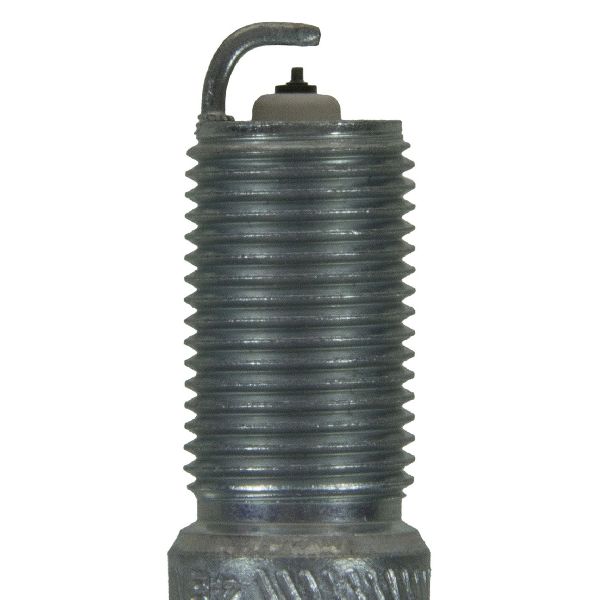
Est. part cost: $60-$120 - Worn or Fouled Spark Plug 🔴 High Probability → Shop Spark Plug Spark plugs are a regular maintenance item. The high cylinder pressures and heat of a supercharged engine can shorten their effective lifespan compared to a naturally aspirated engine.
How to confirm: Remove the spark plug from cylinder 7 and inspect it. Look for a worn electrode, heavy carbon deposits, oil fouling, or a cracked porcelain insulator. To be certain, you can swap this plug with one from another cylinder (e.g., cylinder 1) and see if the misfire code changes to P0301.
Typical fix: Replace the faulty spark plug. It is best practice to replace all eight spark plugs 🎬 See this walkthrough on changing plugs on the LSA engine. at the same time to ensure consistent performance. The OEM-recommended plug is an ACDelco Iridium plug, part number 41-162.
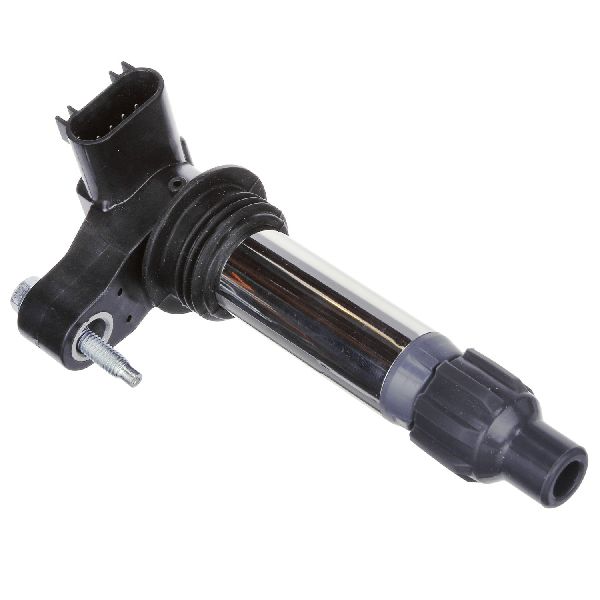
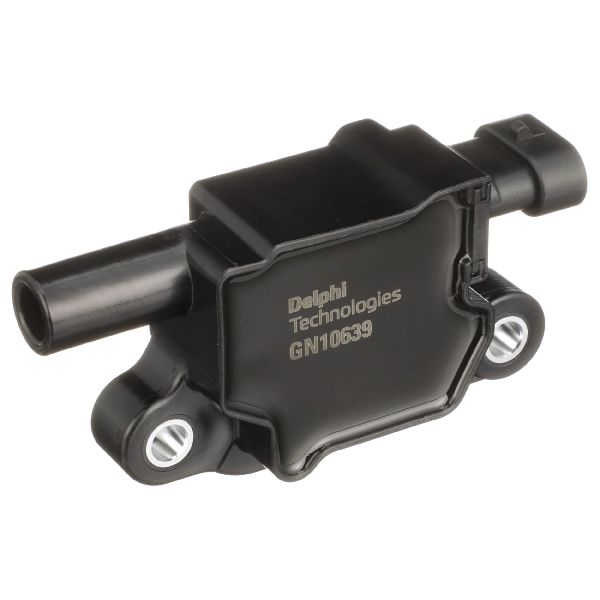
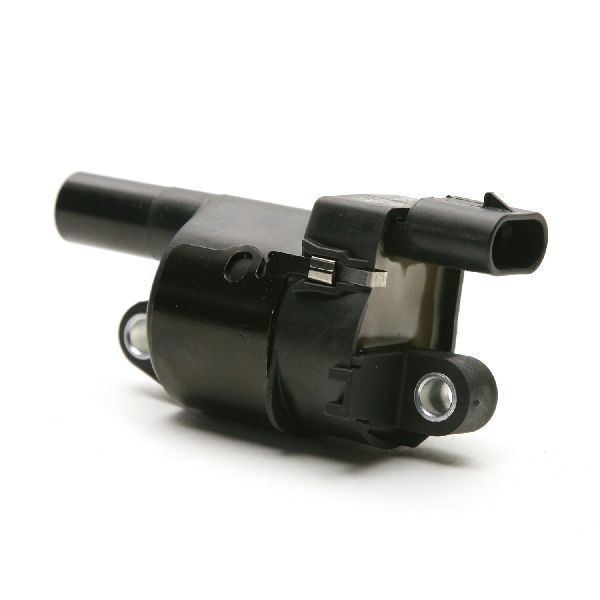
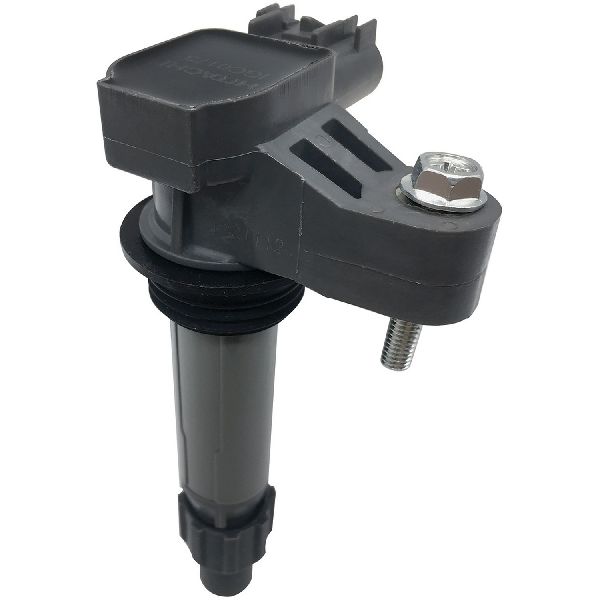
Est. part cost: $12-$25 per plug - Faulty Ignition Coil 🟡 Medium Probability → Shop Ignition Coil Constant heat cycles and engine vibration can cause the electronics within an ignition coil to fail over time.
How to confirm: Swap the ignition coil from cylinder 7 with a coil from another cylinder (e.g., cylinder 1). Clear the codes and run the engine. If the trouble code changes to P0301, the ignition coil is the culprit. 🎬 Watch: A simple way to diagnose a misfiring LS engine.
Typical fix: Replace the faulty ignition coil. It is generally not necessary to replace all coils at once, only the one that has failed.
Est. part cost: $40-$90 - Clogged or Faulty Fuel Injector ⚪ Low Probability → Shop Fuel Injector While less common than ignition issues for a single-cylinder misfire, fuel injectors can become clogged with deposits over time or fail electronically.
How to confirm: Listen to the injector with a mechanic's stethoscope; it should have a consistent, audible clicking sound. A more definitive test is to swap the injector with another cylinder, but this is significantly more labor-intensive than swapping a coil or plug. A noid light can also be used to confirm the injector is receiving a signal.
Typical fix: Replace the faulty fuel injector. It's also recommended to replace the injector seals at the same time.
Est. part cost: $70-$150
Rare But Worth Checking
- Internal Engine Mechanical Failure: Though rare, a persistent P0307 not resolved by ignition or fuel part swaps could indicate a more serious issue like a bent pushrod, broken valve spring, or a failed lifter (non-AFM type). A compression test is required to diagnose this.
- Intake Manifold Gasket Leak: → Shop Engine Intake Manifold A vacuum leak isolated to the intake runner for cylinder 7 could lean out the mixture enough to cause a misfire. This is usually diagnosed with a smoke machine.
Diagnosis Steps
- Read the code with an OBD-II scanner and confirm P0307 is present. Note any other codes.
- Check if the Check Engine Light is flashing. If so, avoid driving the vehicle to prevent catalytic converter damage.
- Locate cylinder 7 (rear cylinder on the driver's side).
- Following GM TSB #PIP4819A, firmly check the spark plug wire connection at the ignition coil. A loose connection is a very common cause.
- Carefully inspect the entire length of the spark plug wire for any signs of arcing (white marks), melting, or physical damage, paying close attention to the boot.
- Swap the ignition coil from cylinder 7 with the coil from cylinder 1. Clear the codes and drive the vehicle. If the code returns as P0301, the coil has failed.
- If the code remains P0307, swap the spark plug from cylinder 7 with the plug from cylinder 1. Clear codes and drive. If the code returns as P0301, the spark plug has failed.
- If the code still remains P0307, test the spark plug wire's resistance with a multimeter. An OEM wire should be around 1337 Ohms. If it's significantly higher or open, replace the wire set.
- If all ignition components test good, the next likely culprit is the fuel injector for cylinder 7. Listen for its operation or consider having it professionally tested or swapping it with another cylinder.
- If the misfire persists, perform a compression test on cylinder 7 to rule out mechanical engine problems like a bad valve or lifter.
Parts You'll Likely Need
- Spark Plug Wire Set
(OEM #9748RR)— A loose or heat-damaged wire is a highly probable cause for a P0307 on this specific engine, as noted in a GM TSB. The OEM ACDelco set is part number 9748RR.
Trusted brands: ACDelco, MSD, Granatelli
OEM price range: $80-$120
Aftermarket price range: $60-$150 - Iridium Spark Plug
(OEM #41-162)— Spark plugs are a common wear item and a frequent cause of single-cylinder misfires. The OEM part is specified for this high-performance engine.
Trusted brands: ACDelco, NGK
OEM price range: $15-$25
Aftermarket price range: $10-$20 - Ignition Coil
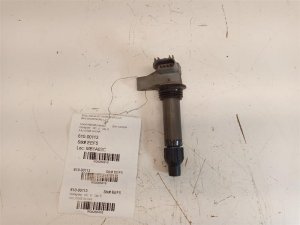
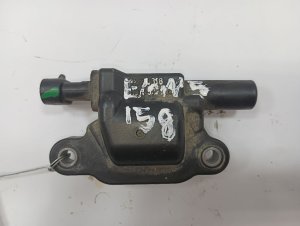
(OEM #12619161)— Ignition coils are a common failure point due to heat and vibration and are a primary cause of misfires after plugs and wires.
Trusted brands: ACDelco, Delphi
OEM price range: $60-$90
Aftermarket price range: $40-$70
Related Codes That Often Appear With This One
- P0300 — If the misfire becomes more frequent or other cylinders begin to misfire, a P0300 (Random/Multiple Cylinder Misfire) may be set alongside P0307.
Technical Service Bulletins (TSBs) & Recalls
- PIP4819A: SES Light due to P0300-P0308 and Engine Misfires - Inspect Plug Wire. This bulletin directly points to a loose spark plug wire at the ignition coil as a potential cause for this code on this engine.
- 15-06-01-003A: This TSB addresses a rattling noise from the supercharger, which can be caused by a faulty bearing or supercharger isolator. While not a direct cause of P0307, it's a related known issue for the LSA engine.
Mechanic-Grade Diagnostic Values
- Low-Side Fuel Pressure (Key On, Engine Off) — expected: 58-60 PSI. Failure: Pressure below 55 PSI may indicate a weak in-tank fuel pump.
- Live Misfire Data Counter (Cylinder 7) — expected: 0 or very few counts at idle and under load.. Failure: A rapidly incrementing counter for cylinder 7 confirms a real-time misfire.
Scan Tool Commands That Help
- GDS2 (GM Tech Tool): Injector Balance Test — Used to confirm a faulty fuel injector after spark and compression have been ruled out. The tool commands each injector to fire individually and measures the corresponding drop in fuel pressure, which should be consistent across all cylinders.
- GDS2 (GM Tech Tool): Cylinder Power Balance — This function allows the technician to disable one cylinder at a time to see the effect on engine RPM. A smaller RPM drop when cylinder 7 is disabled compared to other cylinders indicates it was not contributing as much power, confirming the misfire location.
Wiring & Ground Locations
- G102 — Located at the left rear of the engine, on the cylinder head.. This is the primary ground for all 8 ignition coils. A loose or corroded G102 ground can cause weak or intermittent spark on multiple cylinders, including cylinder 7.
- G104 — Located on the rear of the left (driver's side) cylinder head.. This is a major engine ground strap point. While not exclusive to the ignition system, a poor connection here can contribute to various electrical issues, including those that might affect the ECM's ability to properly command spark or fuel for cylinder 7.
- ECM Connector C1 (Blue), Pin 71 — At the Engine Control Module (ECM).. This is the specific pin for the Ignition Control (IC) signal for Ignition Coil 7. A technician can probe this pin to verify the ECM is sending the command to fire the coil.
- ECM Connector C1 (Blue), Pin 72 — At the Engine Control Module (ECM).. This is the specific pin that controls Fuel Injector 7. A technician can use a noid light or scope at this pin to verify the ECM is sending the signal to open the injector.
Real Owner Repair Stories
- LS1Tech forum user (Cadillac CTS-V (Gen 2, LSA engine)) — Persistent P0307 misfire, especially at higher RPM. Engine would run fine up to about 4,000 RPM and then start to misfire and lose power.
❌ Tried (didn't work) Replaced spark plug on cylinder 7, Swapped ignition coil from cylinder 7 to another cylinder, Replaced spark plug wire on cylinder 7, Checked fuel injector signal and operation
✅ What actually fixed it The final cause was a weak valve spring on cylinder 7. It was not broken, but had lost enough tension that it couldn't keep the valve seated properly at higher engine speeds (valve float), causing a loss of compression and a misfire. Replacing the valve springs on the affected cylinder resolved the issue.
OEM Part Supersession History
12619161→12723610— Standard part lifecycle update by GM. The new part is a direct replacement.
Heads up: The original coil is often described as square-shaped, while the superseding 'Melco' style may have a slightly different appearance but is functionally identical.41-110→41-162— GM changed suppliers and updated the part number. The 41-162 is the current recommended OEM Iridium plug for this application.
Heads up: While 41-162 is the official replacement, some owners have reported perceived quality control issues with the newer plug and prefer to seek out new-old-stock 41-110 plugs. Both are functionally correct for the engine. The 41-162 is pre-gapped and should not be adjusted.
Model Year Variations Within This Range
- 2009-2015: There were no significant changes to the LSA engine's ignition system, fuel system, or core mechanical components within the 2009-2015 generation that would alter the diagnosis of a P0307 code. A 2009 model and a 2015 model would follow the exact same diagnostic path.
Diagnostic Flowchart
Other Known Issues on This Vehicle
Issues unrelated to this code that are worth knowing about as an owner of this generation:
- Supercharger Isolator Failure 🟠 Medium — Common. Often presents as a rattling or 'marbles in a can' sound at idle that goes away with increased RPM. Can occur at low mileage. (Ref: TSB #15-06-01-003A)
- Rear Differential Whine/Noise 🟠 Medium — Common complaint. Owners report a whining or groaning noise from the rear end, often under light load at highway speeds (40-65 mph). Sometimes resolved with a fluid change.
- Magnetic Ride Control (MagneRide) Shock Leaks 🔴 High — Fairly common, especially on higher mileage vehicles (60k+ miles). The rear shocks are often the first to fail, showing visible oil leakage down the shock body.
- Rear Suspension Toe Link Loosening 🔴 High — Affects 2009-2010 models. A wax coating could allow jam nuts to loosen, potentially causing a loss of control. (Ref: NHTSA Recall #10V074000)
- Erratic or Failed Oil Pressure Sensor 🟡 Low — A common failure where the oil pressure gauge on the dash will drop to zero. The sensor is located in a difficult-to-reach spot at the back of the engine.
Used vs. New Parts: Buying Guide for This Vehicle
When a used part is the smart pick: For this repair, used parts are generally not recommended for the primary failure items. However, a used ignition coil from a low-mileage donor vehicle can be a cost-effective diagnostic tool (to confirm a failure by swapping) or a temporary fix. Structural components like a coil bracket could be sourced used without issue.
Donor-vehicle mileage cap: roughly under 50000 miles for the part to have meaningful remaining life.
What to inspect on the donor part:
- For an ignition coil, check for any cracks in the plastic housing or corrosion on the electrical connector pins.
- Ensure the donor vehicle was not involved in a front-end collision that could have damaged engine components.
- Ask for the VIN of the donor car to verify its year and mileage.
OEM-only on this vehicle (don't cheap out):
- Spark Plugs: Given the demands of the supercharged engine, using the specified ACDelco Iridium plug (41-162) is highly recommended to ensure proper performance and longevity.
- Sensors: If any sensors (like Crankshaft or Camshaft position sensors) are suspected, using OEM/ACDelco is the safest bet to avoid compatibility issues.
Aftermarket brands forum-validated for this vehicle:
- Spark Plug Wires: MSD and Granatelli are popular aftermarket brands that often feature enhanced heat shielding, which is beneficial for the cylinder 7 location.
- Supercharger Isolator: Aftermarket solid isolators (e.g., from Lingenfelter, Hawks Motorsports) are considered an upgrade over the failure-prone OEM spring-loaded design.
Brands owners have reported issues with on this vehicle:
- Unnamed/white-box ignition coils and spark plugs from online marketplaces. Misfires on high-performance engines are often traced back to low-quality ignition components that cannot handle the heat and cylinder pressures.
Real Owner Stories
Aggregated from forums and TSBs cited above. Mileages and costs reflect what owners reported in those sources.
2004 Cadillac CTS-V LS6
Symptoms: Cylinder 7 misfire (P0307).
What fixed it: The owner found an oil-fouled spark plug after performing diagnostics including swapping coils and plugs.
Source hint: https://ls1tech.com/forums/general-maintenance-repairs/1844238-04-cts-v-cylinder-7-misfire.html
2011 Cadillac CTS-V 6.2L LSA
Symptoms: Persistent engine misfire code (P0305).
What fixed it: The owner performed extensive diagnostics including swapping injectors, coils, and plugs, as well as checking wiring and performing a compression test to isolate the fault.
Source hint: https://ls1tech.com/forums/generation-iv-internal-engine/1410189-cts-v-p0305-engine-misfire-code-can-t-find-problem.html
Related OBD-II Codes
Frequently Asked Questions
Does GM TSB #PIP4819A apply to my 2009-2015 Cadillac CTS-V with a P0307 code?
Why is cylinder 7 specifically prone to misfires on the LSA engine?
What is the correct replacement spark plug for my supercharged 6.2L LSA?
What should the resistance be for a stock CTS-V spark plug wire?
I hear a rattling sound like 'marbles in a can' along with my misfire; is this related?
Can I drive my CTS-V if the Check Engine Light is flashing?
Helpful Videos
![How to Fix P0307 Engine Code in 3 Minutes [2 DIY Methods / Only $4.12]](https://img.youtube.com/vi/t7x0HN1YOxQ/mqdefault.jpg)
Used OEM Parts in Stock
New Aftermarket Parts Available

The information in this article is provided for general reference and educational purposes only. Vehicle specifications, procedures, and part compatibility can vary by production date, trim level, and region. Always consult your vehicle's factory service manual and verify part numbers before purchasing or performing repairs. Safety-critical components such as airbags, seat belts, and braking systems should be installed by a qualified professional.
- Cadillac CTS-V:
- 🧭 Diagnostic Flowchart
- 🎬 Helpful Videos
- 🛍️ Shop This Part
- What's Unique About the 2009-2015 Cadillac CTS-V
- Symptoms You May Notice
- Most Likely Causes
- Rare But Worth Checking
- Diagnosis Steps
- Parts You'll Likely Need
- Related Codes That Often Appear With This One
- Technical Service Bulletins (TSBs) & Recalls
- Mechanic-Grade Diagnostic Values
- Scan Tool Commands That Help
- Wiring & Ground Locations
- Real Owner Repair Stories
- OEM Part Supersession History
- Model Year Variations Within This Range
- Other Known Issues on This Vehicle
- Used vs. New Parts: Buying Guide for This Vehicle
- Real Owner Stories
- 2004 Cadillac CTS-V LS6
- 2011 Cadillac CTS-V 6.2L LSA
- Related OBD-II Codes
- Frequently Asked Questions
- 🎟️ Get 5% Off