

P0307 on 1997-2004 Chevrolet Corvette: Cylinder 7 Misfire Causes and Fixes
P0307 indicates a misfire on cylinder 7. For the LS1/LS6 engine, the most common causes are a bad spark plug, a faulty spark plug wire, or a weak ignition coil. Cylinder 7's location at the rear driver's side makes its components susceptible to heat degradation. Start by swapping ignition components from cylinder 7 to another cylinder (like #5) to see if the misfire follows. This is a DIY-friendly diagnosis, with parts costing between $15 and $100.
- P0307 is a misfire on cylinder 7, located at the rear of the driver's side engine bank.
- The most likely culprits are a bad spark plug, spark plug wire, or ignition coil.
- Use the 'swap test' method to diagnose the faulty component quickly and cheaply before buying parts.
- If the check engine light is flashing, stop driving immediately to prevent expensive damage to your catalytic converters.
- This is a common and highly DIY-friendly repair for owners with basic tools and mechanical knowledge.
What's Unique About the 1997-2004 Chevrolet Corvette
The 1997-2004 C5 Corvette's LS1 and LS6 engines use a reliable coil-near-plug ignition system, where each cylinder has its own ignition coil. While robust, the high-heat environment of the engine bay, particularly near the firewall where cylinder 7 is located, can degrade spark plug wires over time. Owners on CorvetteForum frequently discuss the #7 wire being prone to failure due to heat. Unlike later GM V8s, these engines do not have the Active Fuel Management (AFM) system, so the common AFM lifter failure seen on newer models is not a cause for this code on the C5 Corvette.
Symptoms You May Notice
- Rough idle or engine shaking
- Hesitation or stumbling during acceleration
- Noticeable loss of power
- Flashing or solid Check Engine Light
- Smell of unburned fuel from the exhaust
- Ticking sound, which could indicate an ignition arc
- In some cases, a faint exhaust smell may be noticeable inside the cabin with the A/C on. 🎬 Watch: A quick breakdown of the P0307 code and fixes.
- Replacing the fuel filter, as it rarely causes a single-cylinder misfire.
- Replacing the crankshaft position sensor, which typically causes multiple or random misfires (P0300) rather than a single-cylinder code.
- Assuming bad gas, which usually affects multiple cylinders and would more likely throw a P0300 code.
Most Likely Causes
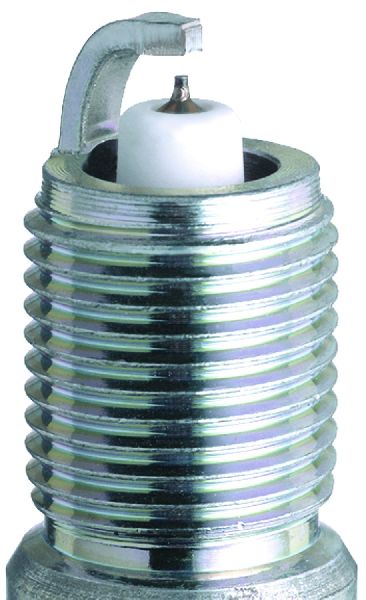
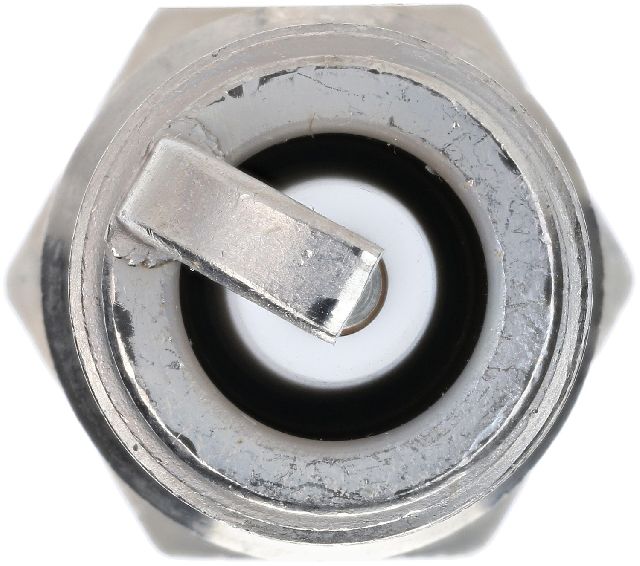
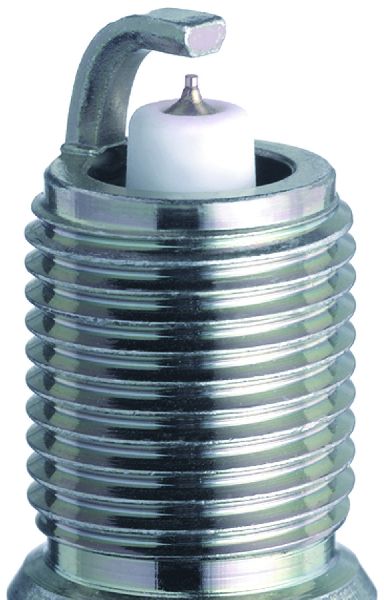
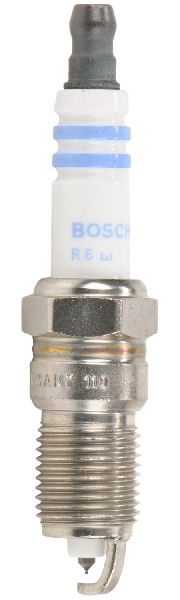
- Worn or Fouled Spark Plug 🔴 High Probability → Shop Spark Plug Spark plugs are a regular maintenance item. Heat and mileage cause the electrodes to wear, increasing the gap and leading to a weak spark. Oil or fuel fouling can also prevent a proper spark. Accessing the #7 plug is notoriously difficult due to its location. 🎬 See this walkthrough for changing Corvette plugs and wires.
How to confirm: Remove the spark plug from cylinder 7 and inspect it for wear, damage, or fouling. A white-looking plug could indicate a lean condition or a past issue with coolant burning. The easiest test is to swap the #7 spark plug with another cylinder (e.g., #5). If the code changes to P0305, the spark plug is the confirmed cause.
Typical fix: Replace the spark plug. It is best practice to replace all 8 spark plugs at the same time to ensure consistent performance. Popular replacements include ACDelco Iridium or NGK TR55.
Est. part cost: $5-$15 per plug - Faulty Spark Plug Wire 🔴 High Probability → Shop Spark Plug The #7 cylinder is at the rear of the engine bay, where heat can be more intense, causing the wire's insulation to break down over time. A loose connection at the coil or plug is also very common. A damaged wire can arc to the cylinder head or exhaust manifold, preventing spark at the plug. Many owners on CorvetteForum recommend installing high-temperature heat shield sleeves on the new wires, especially for cylinder 7. 🎬 Watch: Step-by-step guide to replacing C5 spark plug wires.
How to confirm: With the engine off, ensure the wire is securely clicked onto the ignition coil and spark plug. Inspect the wire for any signs of burns, cracking, or arcing (white or black marks). In a dark garage, start the engine and look for any visible blue sparks arcing from the wire to a metal surface. Swap the #7 wire with another cylinder's wire (of similar length) and see if the misfire code follows.
Typical fix: Replace the spark plug wire. It is recommended to replace wires as a complete set.
Est. part cost: $50-$100 for a set - Bad Ignition Coil 🟡 Medium Probability → Shop Ignition Coil
How to confirm: After confirming the plug and wire are good, swap the ignition coil from cylinder 7 with another cylinder (e.g., #5). The coils are mounted on a bracket for each bank; you can swap the entire coil rail or just a single coil. Clear the codes and drive the vehicle. If the code returns as P0305, the ignition coil is faulty.
Typical fix: Replace the failed ignition coil. It is generally not necessary to replace all coils at once, but it is an option for preventative maintenance.
Est. part cost: $40-$80 - Clogged or Failed Fuel Injector ⚪ Low Probability → Shop Fuel Injector
How to confirm: If ignition components are ruled out, the fuel injector is the next suspect. This may be accompanied by a P0200 code (Injector Circuit Malfunction). Use a mechanic's stethoscope to listen to the injector; it should make a consistent clicking sound. A more definitive test is to swap the #7 fuel injector with another cylinder and see if the misfire follows. This is more labor-intensive as it requires removing the fuel rail.
Typical fix: Replace the faulty fuel injector. It's also a good time to replace the O-rings on the surrounding injectors.
Est. part cost: $50-$120
Rare But Worth Checking
- Intake Manifold Gasket Leak: → Shop Engine Intake Manifold A vacuum leak near the cylinder 7 intake runner can lean out the air/fuel mixture enough to cause a misfire. This would often be accompanied by a P0171 or P0174 lean code.
- Mechanical Engine Damage: Though uncommon, a bent pushrod, broken valve spring, or poor valve seating can cause a loss of compression, resulting in a persistent misfire. A compression test and/or a leak-down test is needed to diagnose this. Notably, 2002-2003 Z06 models with the LS6 engine were known to have faulty valve springs that could break.
- Weak or Clogged PCV System: The LS1's PCV system was known to suck oil into the intake manifold at high RPMs, which can foul spark plugs over time, particularly on cylinders near the PCV inlet, including cylinder 7. An updated PCV valve was released to help with this issue.
Technical Service Bulletins (TSBs) & Recalls
- TSB Bulletin #PIP4819A: This manufacturer bulletin notes that the Malfunction Indicator Lamp may illuminate with engine misfires and codes P0300 through P0308. It specifies that technicians should inspect for and replace any loose spark plug wires.
Diagnosis Steps
- Read the code with an OBD-II scanner and note any other codes present. C5 Corvettes also allow you to read codes through the Driver Information Center (DIC). Check the freeze frame data to see the conditions under which the code was set.
- If the Check Engine Light is flashing, do not drive the vehicle to avoid catalytic converter damage.
- Locate cylinder 7 (rearmost cylinder on the driver's side).
- Visually inspect the spark plug wire for a secure connection, burns, or damage. Start the engine in a dark area and look for any visible arcing around the wire or coil.
- Perform a 'swap test'. Swap the ignition coil from cylinder 7 with cylinder 5. Clear the codes and drive. If the code changes to P0305, the coil is bad.
- If the code remains P0307, swap the spark plug wire from cylinder 7 with cylinder 5. If the code changes to P0305, the wire is bad.
- If the code remains P0307, swap the spark plug from cylinder 7 with cylinder 5. If the code changes to P0305, the plug is bad.
- If ignition components are ruled out, test the fuel injector. Listen for a steady clicking with a stethoscope. Consider swapping the injector with another cylinder if you have the tools and experience.
- If the misfire persists, perform a compression test on cylinder 7 to check for mechanical engine problems like a bad valve or worn piston rings. A reading below 100 psi or a variation of more than 25-30% from other cylinders indicates a problem.
Parts You'll Likely Need
- Spark Plug
(OEM #12621258 (ACDelco 41-110 Iridium))— Spark plugs are the most common failure point for a single-cylinder misfire due to normal wear and tear. The NGK TR55 is also a highly recommended aftermarket alternative.
Trusted brands: ACDelco, NGK
OEM price range: $10-$15
Aftermarket price range: $5-$12 - Ignition Coil
(OEM #19421259 (ACDelco D585))— The ignition coil provides the high voltage for the spark. While reliable, they can fail from age and heat, causing a weak or no-spark condition.
Trusted brands: ACDelco, Delphi
OEM price range: $60-$90
Aftermarket price range: $40-$70 - Spark Plug Wire Set
(OEM #19351599 (ACDelco 9748RR))— The insulation on spark plug wires, especially for cylinder 7 near the hot firewall, can degrade and cause the spark to arc to ground instead of firing the plug.
Trusted brands: ACDelco, MSD, Taylor
OEM price range: $70-$90
Aftermarket price range: $50-$100
Related Codes That Often Appear With This One
- P0300 — If the misfire is intermittent or starting to affect other cylinders, a P0300 (Random/Multiple Cylinder Misfire) may be stored alongside P0307.
- P0171 — If a vacuum leak on Bank 1 (which includes cylinder 7) is the cause of the misfire, a P0171 (System Too Lean Bank 1) code may also be present.
- P0200 — This code for 'Injector Circuit Malfunction' can appear with P0307 if the root cause is a faulty fuel injector or a problem in its wiring.
Mechanic-Grade Diagnostic Values
- Ignition Coil Primary Resistance — expected: 0.4 - 0.6 Ohms. Failure: A reading outside this range, or significantly different from other coils, indicates a faulty coil.
- Ignition Coil Secondary Resistance — expected: 5,000 - 7,200 Ohms. Failure: A reading outside this range suggests the coil's secondary winding is failing.
- Fuel Injector Resistance (High Impedance) — expected: 12.7 - 13.3 Ohms (for stock injectors). Failure: An injector reading significantly different from the others, or showing an open/short circuit, is likely bad. An ohm test is not always conclusive for clogs.
- Fuel Pressure (at fuel rail) — expected: ~58 PSI (Key on, engine off). Failure: Pressure below 52-53 PSI under load can indicate a weak fuel pump, but is unlikely to cause a single cylinder misfire.
- Long Term Fuel Trims (LTFT) at idle/cruise — expected: Ideally between -5% and +5%.. Failure: High positive trims (e.g., > +10%) on one bank can indicate a vacuum leak affecting that side, while high negative trims indicate a rich condition.
- Injector Pulse Width (at idle) — expected: Typically 1.5ms - 2.5ms on a stock engine.. Failure: Unusually high or low pulse width on one cylinder (if viewable) or minimum pulse widths that won't go lower despite tuning can indicate an injector or tuning issue.
Hidden / Shadow Codes Worth Checking
- Mode $06 Misfire Counters: This is not a 'code' but a data stream accessible via advanced scan tools, including the GM Tech 2. It provides raw misfire counts for each cylinder, even for misfires not severe enough to set a P030x code. This is invaluable for confirming which cylinder is the problem when only a P0300 is present or the misfire is intermittent. (see via GM Tech 2, Autel, or other professional-grade scan tools with Mode $06 functionality.)
Scan Tool Commands That Help
- GM Tech 2: Cylinder Power Balance Test — Use this to confirm a misfire without swapping parts. The tool deactivates each cylinder one by one and measures the RPM drop. If cylinder 7 shows a significantly smaller RPM drop than the others, it confirms it is not contributing power correctly.
- GM Tech 2: Fuel Injector Balance Test — This test, used with a fuel pressure gauge, can identify a clogged or failing injector. The Tech 2 fires the injector for a set period, and the user measures the corresponding drop in fuel pressure. A smaller pressure drop for cylinder 7 indicates it's flowing less fuel than the others.
- GM Tech 2: Crankshaft Variation Relearn — If the crankshaft position sensor has been replaced or if the scan tool is showing phantom misfire counts on a perfectly running engine (especially after modifications like a camshaft), performing this relearn procedure can recalibrate the ECM's misfire detection sensitivity.
Wiring & Ground Locations
- G107 — On the rear of the driver's side cylinder head (Bank 1).. This is the primary ground point for the Bank 1 (driver's side) ignition coils. A loose or corroded G107 can cause weak or intermittent spark for all four cylinders on that bank, including cylinder 7.
- G105 — On the driver's side of the engine block, between cylinders 5 and 7.. This is a main engine-to-chassis ground. While less likely to cause a single-cylinder misfire, a poor connection here can introduce electrical noise and intermittent issues across multiple systems, including ignition.
- Ignition Coil Connector (Cylinder 7) — 4-pin connector on the #7 ignition coil.. Pin D (Pink) is the 12V+ ignition feed. Pin A (varies by year, e.g., Red/Black) is the trigger signal from the PCM. Pin B is the ground reference. A voltage drop test on the pink wire or a scope test on the trigger wire can diagnose wiring issues between the PCM and the coil.
- Fuel Injector Connector (Cylinder 7) — 2-pin connector on the #7 fuel injector.. One pin is a switched 12V+ feed (Pink), and the other is the ground pulse from the PCM (Red/Black for cylinder 7). Checking for 12V at the pink wire and using a noid light can quickly verify if the injector is receiving power and a signal from the PCM.
Real Owner Repair Stories
- CorvetteForum Member (2002 Corvette Z06 (LS6), 38,000 miles) — Serious misfire on one cylinder (P0302 in this case, but applicable to P0307), flashing check engine light under load.
❌ Tried (didn't work) Replaced spark plug and wire, Swapped ignition coils, Swapped fuel injectors, Verified fuel pressure (53 psi) and compression (165 psi)
✅ What actually fixed it A broken valve spring was the ultimate cause. This is a known issue on 2002-2003 Z06 models but can happen on any LS engine. - YouTube video by 'lastofthebreed_ws6' (Pontiac Trans Am (LS1)) — High positive long-term fuel trims (+10% or higher), indicating a lean condition or vacuum leak, which can lead to misfire codes.
❌ Tried (didn't work) Inspecting vacuum hoses
✅ What actually fixed it Loose intake manifold bolts. Over many heat cycles, the bolts had backed off slightly, creating a vacuum leak at the intake gasket. Re-torquing the bolts to the proper spec (44 lb-in first pass, 89 lb-in final pass) resolved the lean condition and potential for misfires.
OEM Part Supersession History
Early LS1 'ball-type' PCV Valve→12572717 (Fixed Orifice PCV Valve)— The original PCV system on 1998-2002 LS1s was prone to high oil consumption. GM issued a service bulletin and replaced the ball-type valve with a more effective fixed orifice design used in truck engines.LS1 PCV System (hoses on valve covers)→12577927 (LS6 Valley Cover)— The LS6 valley cover features an integrated PCV system with improved baffling that significantly reduces oil consumption compared to the original LS1 setup. This is a very popular and effective upgrade for LS1 owners.
Heads up: Upgrading a 1997-2000 LS1 to the LS6 valley cover requires minor grinding of a boss in the engine valley. 2001+ engines are a direct bolt-on. The upgrade also requires the 2001+ style coolant/steam crossover pipes.
Model Year Variations Within This Range
- 2001-2004: LS1 engines received the superior LS6 intake manifold, which increased horsepower from 345 to 350 and provided better airflow.
- 1997-1998: These early C5s had perimeter-bolt valve covers. 1999 and later models switched to center-bolt valve covers and a different coil mounting bracket style. The ignition coils themselves are functionally similar but the mounting differs.
- 2002-2004: These later LS1 engines reportedly received stronger rod bolts, allowing them to handle higher RPMs more safely than earlier models.
- 2001-2004 (Z06): The LS6 engine in Z06 models had different cylinder heads, a more aggressive camshaft, and higher compression. 2001 models produced 385 hp, while 2002-2004 models were upgraded to 405 hp.
Diagnostic Flowchart
Other Known Issues on This Vehicle
Issues unrelated to this code that are worth knowing about as an owner of this generation:
- Steering Column Lock Failure 🔴 High — Very common across all C5s, especially 1997-2000 models. Can happen at any mileage and may be triggered by a low battery. (Ref: GM Recall #04006C was issued, but many owners opt for an aftermarket Column Lock Bypass (CLB) device for a more permanent solution.)
- Leaking Battery Acid Damage 🔴 High — Common issue where standard lead-acid batteries leak, dripping corrosive acid onto the PCM/TAC module and main wiring harness located directly below the battery tray. (Ref: No TSB, but a widely known community issue. The common fix is to replace the factory battery with a sealed AGM (Absorbed Glass Mat) battery.)
- Electronic Brake Control Module (EBCM) Failure 🟠 Medium — A frequent failure, particularly on 2001-2004 models, causing 'ABS' and 'Traction Control' lights. The module is no longer produced by GM. (Ref: No recall. Repair involves sending the original unit to a specialist service like ABS Fixer for repair of internal solder joints.)
- Excessive Oil Consumption 🟠 Medium — Particularly noted on pre-2002 LS1 engines due to piston ring design. Some consumption is considered normal by GM (up to 1 qt per 1000 miles), but can be alarming. (Ref: A TSB was issued in the early 2000s addressing the piston ring issue for cars under warranty.)
- Pop-up Headlight Motor/Gear Failure 🟡 Low — Extremely common. The plastic internal gears in the headlight motors wear out or strip, causing the headlights to get stuck, make a grinding noise, or not open/close properly. (Ref: No TSB. The standard fix is to replace the plastic gears with more durable brass or bronze aftermarket gears.)
- Inaccurate Fuel Gauge Reading 🟡 Low — Common problem where sulfur deposits build up on the fuel tank sending units, causing the gauge to read empty when the tank is full. (Ref: No TSB. Often temporarily fixed by adding a fuel system cleaner with Techron to the gas tank. The permanent fix is replacing the sending units inside the fuel tanks.)
Used vs. New Parts: Buying Guide for This Vehicle
When a used part is the smart pick: For this repair, used ignition coils are a very sensible option. They are robust, and a single coil failure does not usually indicate the others are about to fail. Buying a used coil from a reputable salvage yard can save 50-70% over a new OEM part. Used fuel rails are also a good option if a swap is needed.
Donor-vehicle mileage cap: roughly under 120000 miles for the part to have meaningful remaining life.
What to inspect on the donor part:
- For ignition coils, check the plastic housing for cracks or any signs of melting.
- Ensure the metal contact point for the spark plug wire is clean and free of corrosion.
- Ask the seller if the donor vehicle was running before being dismantled. Avoid parts from flood or fire-damaged vehicles.
OEM-only on this vehicle (don't cheap out):
- While not a common cause, if the Crankshaft Position Sensor is suspected for a P0300 accompanying the P0307, it is highly recommended to use an OEM ACDelco part. Aftermarket sensors have a notoriously high failure rate on the LS platform.
Aftermarket brands forum-validated for this vehicle:
- Spark Plugs: NGK (TR55 is a staple), ACDelco (Iridium)
- Spark Plug Wires: MSD, Taylor, ACDelco
- Ignition Coils: Delphi (often the OEM supplier), ACDelco
- Fuel Injectors: Bosch (often the OEM supplier)
Brands owners have reported issues with on this vehicle:
- Unnamed, no-brand 'white box' ignition coils and sensors from online marketplaces. While cheap, they have a very high rate of premature failure and can cause diagnostic headaches.
Real Owner Stories
Aggregated from forums and TSBs cited above. Mileages and costs reflect what owners reported in those sources.
C5 Corvette LS1
Symptoms: Ticking sound indicating an ignition arc and a faint exhaust smell inside the cabin with the A/C on.
What fixed it: Replaced the spark plug wire for cylinder 7 and added high-temperature heat shield sleeves to prevent future heat soak damage.
Source hint: CorvetteForum.com thread
C5 Corvette LS1
Symptoms: Flashing Check Engine Light and engine shaking.
What fixed it: Identified a faulty spark plug on cylinder 7; replaced all 8 plugs with ACDelco Iridium units.
Source hint: CorvetteForum.com thread
Related OBD-II Codes
Frequently Asked Questions
Why is cylinder 7 specifically mentioned as being prone to wire failure on the C5 Corvette?
Is there a recall for the steering column lock issue on my 1997-2004 Corvette?
What spark plugs are recommended for the LS1 or LS6 engine to fix a P0307?
Can I check for a P0307 code without an external OBD-II scanner on my C5?
I smell exhaust inside the cabin of my Corvette while the A/C is on; is this related to the misfire?
Is there a TSB for the high oil consumption I'm seeing alongside my engine codes?
Helpful Videos
We Have This Part in Stock

The information in this article is provided for general reference and educational purposes only. Vehicle specifications, procedures, and part compatibility can vary by production date, trim level, and region. Always consult your vehicle's factory service manual and verify part numbers before purchasing or performing repairs. Safety-critical components such as airbags, seat belts, and braking systems should be installed by a qualified professional.
- Chevrolet Corvette:
- 🧭 Diagnostic Flowchart
- 🎬 Helpful Videos
- 🛍️ Shop This Part
- What's Unique About the 1997-2004 Chevrolet Corvette
- Symptoms You May Notice
- Most Likely Causes
- Rare But Worth Checking
- Technical Service Bulletins (TSBs) & Recalls
- Diagnosis Steps
- Parts You'll Likely Need
- Related Codes That Often Appear With This One
- Mechanic-Grade Diagnostic Values
- Hidden / Shadow Codes Worth Checking
- Scan Tool Commands That Help
- Wiring & Ground Locations
- Real Owner Repair Stories
- OEM Part Supersession History
- Model Year Variations Within This Range
- Other Known Issues on This Vehicle
- Used vs. New Parts: Buying Guide for This Vehicle
- Real Owner Stories
- C5 Corvette LS1
- C5 Corvette LS1
- Related OBD-II Codes
- Frequently Asked Questions
- 🎟️ Get 5% Off