

P0307 on 2008-2010 Dodge Viper: Cylinder 7 Misfire Causes and Fixes
P0307 on a 2008-2010 Dodge Viper indicates a misfire in cylinder 7. The most common causes are a worn-out spark plug, a failed ignition coil, or a bad spark plug wire. Due to the engine's high heat output, ignition components are primary suspects. Start by swapping the coil and wire from cylinder 7 to another cylinder to see if the misfire follows.
- P0307 specifically points to a misfire on cylinder 7, the fourth cylinder back on the driver's side.
- The most effective first diagnostic step is to swap the ignition coil and wire from cylinder 7 to another cylinder to see if the misfire code follows.
- The most common fixes are simple and affordable: a new spark plug, ignition coil, or spark plug wire.
- Unlike some other Dodge engines, the Viper 8.4L V10 does not have a widely documented pattern failure (like 'Hemi tick') that causes this specific code.
- Driving with a flashing check engine light can cause rapid and expensive damage to your catalytic converters.
What's Unique About the 2008-2010 Dodge Viper
The 8.4L V10 in the 2008-2010 Viper (ZB II generation) is a relatively robust, naturally aspirated pushrod engine. Unlike other Dodge V8s, it is not widely known for specific mechanical issues like lifter failure that commonly cause misfires. A P0307 code on this platform is most often a straightforward ignition system problem. The ignition system uses a coil-on-plug design, but with a short spark plug wire connecting the coil to the spark plug, meaning both components should be inspected for degradation due to the significant under-hood heat generated by the V10.
Symptoms You May Notice
- Rough or shaking idle
- Hesitation or stumbling during acceleration
- Noticeable loss of engine power
- Flashing or solid Check Engine Light
- Increased fuel consumption
- A smell of raw fuel from the exhaust
- Replacing oxygen sensors. A misfire will often cause the oxygen sensors to report unusual readings, but they are typically not the root cause of a single-cylinder misfire.
Most Likely Causes
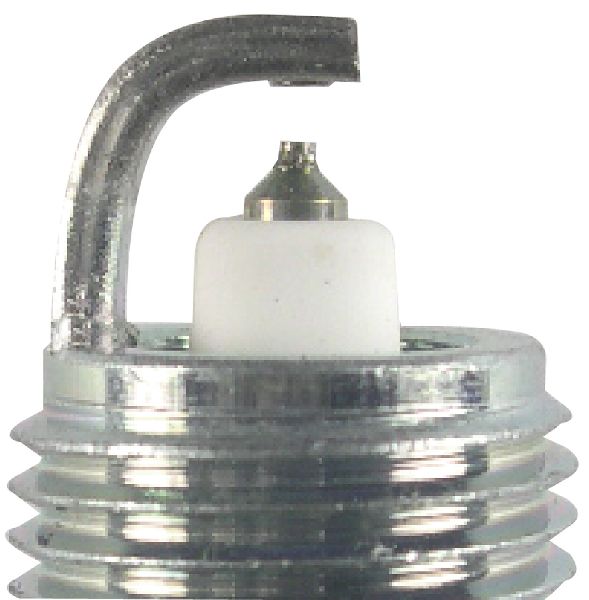
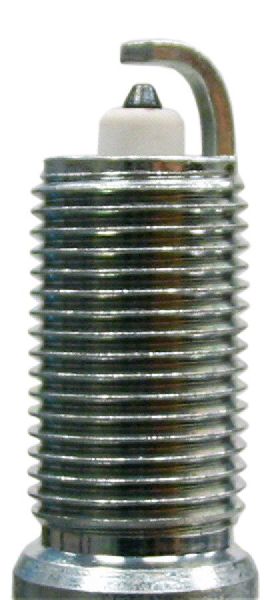
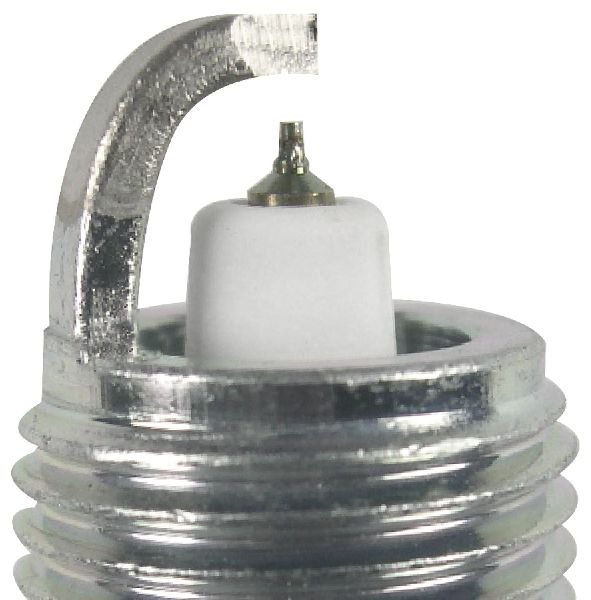
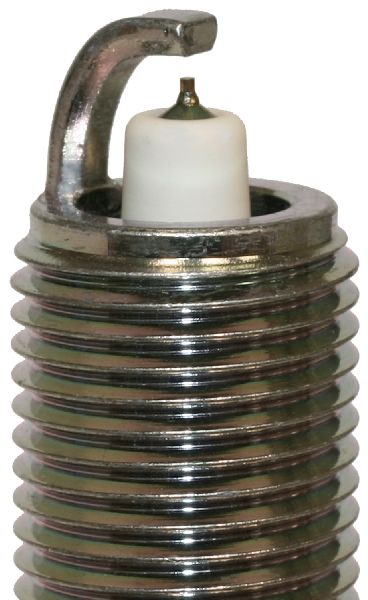
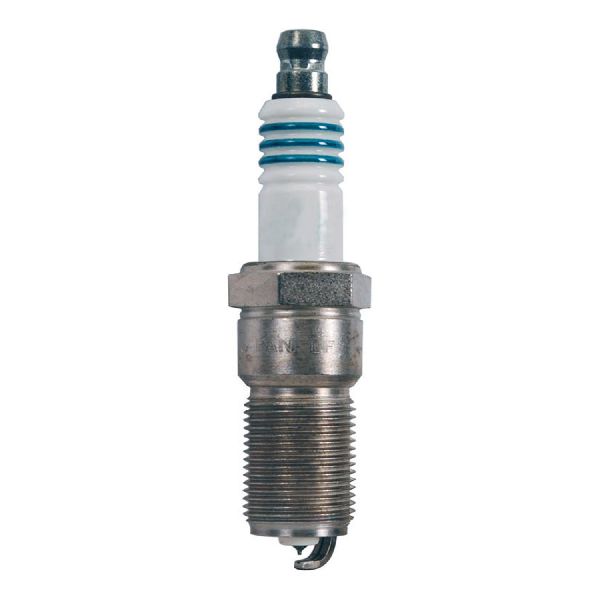
- Worn or Fouled Spark Plug 🔴 High Probability → Shop Spark Plug Spark plugs are regular maintenance items and are the most common failure point for any single-cylinder misfire. The high-performance nature of the Viper engine means plugs can wear more quickly.
How to confirm: Remove the spark plug from cylinder 7 and inspect it for wear, carbon buildup, oil fouling, or damage to the electrode or ceramic insulator. Compare it to a plug from a known good cylinder. The OEM-recommended replacement interval is relatively short for a performance car.
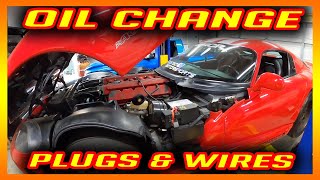
Typical fix: Replace the spark plug for cylinder 7. It is best practice to replace all 10 spark plugs 🎬 Watch: Step-by-step guide for a full Viper spark plug service. at the same time for consistent performance. Many owners recommend NGK Iridium plugs for this application.
Est. part cost: $8-$20 per plug - Failed Ignition Coil 🟡 Medium Probability → Shop Ignition Coil Engine bay heat is a major factor in the failure of electronic components like ignition coils on Vipers. The coil for cylinder 7 is located deep in the hot engine bay.
How to confirm: Swap the ignition coil from cylinder 7 with another cylinder (e.g., cylinder 1). Clear the codes and drive the vehicle. If the code changes to P0301, the coil is faulty.
Typical fix: Replace the failed ignition coil. The OEM part number is 5037127AB.
Est. part cost: $40-$90 - Bad Spark Plug Wire 🟡 Medium Probability → Shop Spark Plug The 8.4L V10 uses short wires to connect the coils to the plugs. These wires are highly susceptible to degradation from the extreme heat of the engine and exhaust manifolds, which can lead to increased resistance or arcing.
How to confirm: Visually inspect the wire for cylinder 7 for any cracks, burns, or corrosion on the terminals. You can also test its resistance with a multimeter. While swapping the coil, you can also swap the wire to see if the misfire follows it.
Typical fix: Replace the spark plug wire for cylinder 7. It is often sold in a complete set for all 10 cylinders. Upgraded, higher-temperature wire sets are a popular modification.
Est. part cost: $10-$20 for one, $100-$160 for a set - Faulty Fuel Injector ⚪ Low Probability → Shop Fuel Injector
How to confirm: If spark components are confirmed good, the fuel injector is the next suspect. A 'noid' light can be used to confirm the injector is receiving an electrical signal from the PCM. For a more definitive test, you can swap the cylinder 7 injector with another cylinder's injector to see if the misfire code follows. This is more labor-intensive.
Typical fix: Replace the faulty fuel injector. It's advisable to replace the O-rings and seals at the same time.
Est. part cost: $90-$150
Rare But Worth Checking
- Low Compression / Mechanical Engine Failure: While not common on this engine, a persistent misfire that isn't resolved by fuel or spark components could indicate a mechanical problem like a burnt valve, worn piston rings, or a valvetrain issue. Some sources mention that 2008-2010 engines can be prone to lifter bore wear, but this is not widely corroborated on owner forums for causing a single cylinder misfire. A compression test and cylinder leak-down test on cylinder 7 would be required to diagnose this.
- Vacuum Leak: A leak in the intake manifold gasket near the runner for cylinder 7 could lean out the air/fuel mixture and cause a misfire. This would typically be accompanied by a hissing sound and possibly other lean-related codes or a rough idle.
- PCM/Wiring Issue: In very rare cases, a fault in the Powertrain Control Module (PCM) driver for the coil or injector, or a damaged wire in the harness leading to cylinder 7, could cause the misfire. This should be considered a last resort after all other possibilities are exhausted.
Diagnosis Steps
- Read the code with an OBD-II scanner and confirm P0307 is present. Note any other codes and check for freeze frame data.
- Locate cylinder 7, which is the fourth cylinder from the front on the driver's side (Bank 1).
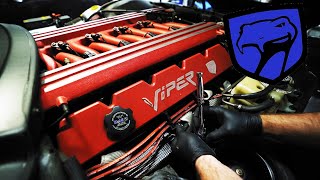
- To easily access the coils and plugs, remove the decorative coil pack cover 🎬 Watch: How to access and change plugs on the V10. from the valve cover (typically 10mm bolts).
- Perform the easiest diagnostic step first: Swap the ignition coil and spark plug wire from cylinder 7 to an easily accessible cylinder, like cylinder 1 (front driver's side).
- Clear the codes with the scanner, start the engine, and let it run or drive it briefly to see if a new code appears.
- If the code changes to P0301, the ignition coil and/or wire you moved is faulty. Replace the defective part(s).
- If the code remains P0307, the issue is not the coil or wire. Proceed to inspect the spark plug. Remove the plug from cylinder 7 and check its condition. If it is old, fouled, or damaged, replace it. It is highly recommended to replace all 10 plugs as a set for balanced performance.
- If the spark plug is new and the misfire persists on cylinder 7, the next step is to check the fuel system.
- Use a 'noid' light to test the injector circuit for cylinder 7. This confirms the PCM is sending a pulse to the injector.
- If the electrical signal is present, the injector itself may be clogged or faulty. Consider having a professional perform a fuel injector balance test or, if you have the mechanical skill, swap the injector with another cylinder to see if the misfire moves.
- If all fuel and spark components are verified to be working correctly, the issue may be mechanical. Perform a compression test and a cylinder leak-down test on cylinder 7 to check the engine's physical health. Low readings would indicate an internal engine problem requiring professional repair.
Parts You'll Likely Need
- Iridium Spark Plug — Spark plugs are the most frequent cause of a single-cylinder misfire due to normal wear.
Trusted brands: NGK, Champion, Bosch
OEM price range: $15-$25 per plug
Aftermarket price range: $8-$20 per plug - Ignition Coil
(OEM #5037127AB)— The ignition coil provides the high voltage needed to create a spark. It is the second most likely component to fail after the spark plug, often due to engine heat.
Trusted brands: Mopar, Standard Motor Products, NGK
OEM price range: $70-$110
Aftermarket price range: $40-$90 - Spark Plug Wire Set
(OEM #68027788AC)— The short wire between the coil and plug can fail from engine heat, causing a weak or intermittent spark.
Trusted brands: Mopar, Denso, Standard Motor Products
OEM price range: $150-$200 (set of 10)
Aftermarket price range: $100-$160 (set of 10)
Related Codes That Often Appear With This One
- P0300 — If the misfire is intermittent or starting to affect other cylinders, a P0300 (Random/Multiple Cylinder Misfire) code may appear alongside P0307.
Platform-Specific Known Issues
- The high under-hood temperatures of the 8.4L V10 can accelerate the degradation of ignition components like spark plug wires and coils, especially for the cylinders located further back in the engine bay.
Technical Service Bulletins (TSBs) & Recalls
- Bulletin #18-035-26: While issued for other models in the manufacturer's lineup, this bulletin explicitly lists P0307 (Cylinder 7 Misfire) as a diagnostic code that may be present alongside catalyst efficiency codes like P0420 and P0430.
- Bulletin #1400322REVA: This manufacturer service bulletin notes that a customer may describe a rough idle or misfire while driving when codes such as P0307 are stored.
- Bulletin #18-073-20: This record highlights that P0307 can occur in conjunction with air-fuel ratio imbalances (P219A/P219B) or downstream fuel trim lean conditions (P2096).
- Bulletin #1809416 / #18-094-16: These bulletins associate P0307 with potential electrical circuit issues, including the Crankshaft Position Sensor (P0335) and Throttle Position Sensor (P0122).
Mechanic-Grade Diagnostic Values
- Fuel Pressure (Key-On, Engine-Off or at idle) — expected: 58 psi +/- 5 psi (379 kPa +/- 34 kPa). Failure: Pressure below this range suggests a weak fuel pump or clogged filter. Pressure that drops significantly after shutdown can indicate a leaking injector.
- Fuel Injector Resistance — expected: ~12 Ohms. Failure: A significantly higher (open circuit) or lower (shorted) resistance reading indicates a faulty injector coil.
Hidden / Shadow Codes Worth Checking
- Mode 6, Test ID $53 (or similar): Provides raw, non-DTC misfire counts for each individual cylinder for the current and last 10 driving cycles. This data is invaluable for confirming the misfire is isolated to cylinder 7 and for verifying a fix is effective before the PCM has completed a full drive cycle to clear the code itself. (see via A professional scan tool or an advanced consumer OBD-II app that can access OBD-II Mode $06 data.)
Scan Tool Commands That Help
- wiTECH (or other professional Dodge/Chrysler scan tool): Cylinder Contribution Test / Power Balance Test — This test is used when the cause of the misfire is not an obvious ignition or fuel component. The tool monitors the crankshaft speed variation as it sequentially disables each cylinder. A healthy cylinder will show a significant drop in RPM when disabled. If disabling cylinder 7 causes little or no change in engine speed, it confirms that cylinder was not contributing power, pointing the diagnosis toward a mechanical issue, a completely dead injector, or a wiring fault.
Wiring & Ground Locations
- Main Engine Ground — On the passenger side of the engine block, connected to one of the engine mount bolts and attached to a stud on the inside of the frame rail near the engine mount.. A poor engine ground can cause a host of erratic electrical issues, including weak spark or inconsistent injector signals that can lead to misfires. While it would likely affect more than one cylinder, it's a critical check point for any electrical diagnosis.
- Cylinder 7 Ignition Coil Control Circuit — This is a specific wire running from the Powertrain Control Module (PCM) connector to the ignition coil connector for cylinder 7. A wiring diagram is required for the exact PCM pin number.. In rare cases, this wire can be damaged from heat or chafing, causing an intermittent or total loss of signal to the coil, resulting in a P0307. A technician would probe this wire to check for signal from the PCM.
Real Owner Repair Stories
- ViperAlley forum user experience (2008 Dodge Viper) — Persistent P0307 misfire at idle and under light load, even after replacing the spark plug.
❌ Tried (didn't work) Swapping ignition coil, Swapping spark plug wire
✅ What actually fixed it The owner removed the 'new' spark plug for a third inspection and found a hairline crack in the ceramic insulator that was not visible on initial installation. The crack was allowing spark to arc to the cylinder head instead of jumping the electrode gap. Replacing the spark plug a second time with a carefully inspected new plug resolved the issue permanently.
OEM Part Supersession History
5037127AB→No supersession found. 5037127AB remains the current OEM part number for the ignition coil.— N/A
Model Year Variations Within This Range
- 2008-2010: The 2008 model year marked the introduction of the 8.4L V10 (up from 8.3L), a significant power increase to 600hp, and the first use of Variable Valve Timing (VVT) on the exhaust camshaft in a Viper. While this doesn't change the fundamental P0307 diagnosis, the presence of VVT adds a (very rare) potential cause for misfires if a phaser or solenoid issue were to affect only one bank, though this would typically set other codes.
Diagnostic Flowchart
Other Known Issues on This Vehicle
Issues unrelated to this code that are worth knowing about as an owner of this generation:
- Oil Cooler Line and Oil Pan Gasket Leaks 🟠 Medium — A common issue where the factory oil cooler lines or the oil pan gasket develop leaks over time, evidenced by oil drips under the front of the engine.
- Rear Differential Pinion Seal/Cover Leaks 🟠 Medium — Leaks from the rear differential are frequently reported, either from the pinion seal or the cover gasket. This can cause a whining noise or, if fluid runs low, severe damage.
- Overheating in Traffic 🟠 Medium — Due to the massive heat from the V10 and tight packaging, the cooling system can be stressed, leading to overheating at idle or in stop-and-go traffic if the cooling fans or other components are not in perfect condition.
- Power Steering Pump/Pulley Failure (More common on earlier gens) 🔴 High — While most notorious on Gen 1/2 Vipers with plastic pulleys, power steering system issues like noisy pumps or leaks can still occur on later generations under high heat and stress.
- Excessive Oil Consumption (More documented on Gen V) 🟠 Medium — Some Viper engines, particularly the later Gen V, have been known to consume oil. While less documented for Gen IV, owners should monitor oil levels closely, especially after hard driving. (Ref: CSN R28/R29 for 2013-2014 models addresses oil consumption.)
Used vs. New Parts: Buying Guide for This Vehicle
When a used part is the smart pick: For this repair, used parts are generally not recommended. The primary causes are wear-and-tear ignition components that are inexpensive to buy new. A used ignition coil or wire carries a high risk of having been subjected to the same heat that caused the original part to fail.
Donor-vehicle mileage cap: roughly under 20000 miles for the part to have meaningful remaining life.
What to inspect on the donor part:
- For an ignition coil, look for no signs of melting, cracking, or discoloration on the housing.
- For a spark plug wire, ensure the boots are pliable with no cracks and the terminals are clean and free of corrosion.
OEM-only on this vehicle (don't cheap out):
- No parts in this repair are strictly OEM-only, but Mopar parts offer guaranteed fit and performance.
Aftermarket brands forum-validated for this vehicle:
- NGK (Iridium IX or Platinum spark plugs and ignition coils)
- Champion (Spark plugs)
- Bosch (Spark plugs)
- Moroso (Upgraded high-temperature spark plug wires)
Brands owners have reported issues with on this vehicle:
- Unnamed, no-brand 'white box' ignition coils and spark plugs from online marketplaces should be avoided due to high failure rates and inconsistent quality.
Real Owner Stories
Aggregated from forums and TSBs cited above. Mileages and costs reflect what owners reported in those sources.
2008-2010 Dodge Viper 8.4L V10
Symptoms: The car experienced a rough or shaking idle and a noticeable loss of engine power. The owner also noted a smell of raw fuel coming from the exhaust.
What fixed it: The owner performed a diagnostic swap, moving the ignition coil and wire from cylinder 7 to cylinder 1. When the code followed the move, the ignition coil (OEM part 5037127AB) was confirmed faulty and replaced.
Source hint: ViperAlley Forums technical discussions on DIY guides for replacing coils and wires
2008-2010 Dodge Viper 8.4L V10
Symptoms: Hesitation and stumbling during acceleration accompanied by a flashing Check Engine Light.
What fixed it: Inspection of the cylinder 7 spark plug revealed carbon buildup and wear on the electrode. The owner replaced all 10 spark plugs with NGK Iridium plugs to ensure balanced performance.
Source hint: Viper Club of America (VCA) Forums discussions on 'misfire' and 'P0307'
Related OBD-II Codes
Frequently Asked Questions
Which specific spark plugs are recommended for the 8.4L V10 to resolve a P0307 misfire?
Is there a specific OEM part number for the ignition coil if I need to replace the one on cylinder 7?
Why is cylinder 7 specifically prone to misfires on the Viper engine?
Does the oil consumption TSB (CSN R28/R29) apply to my 2008-2010 Viper?
Can I just replace the single spark plug wire for cylinder 7?
Where exactly is cylinder 7 located on the 8.4L engine?
Helpful Videos
We Have This Part in Stock


The information in this article is provided for general reference and educational purposes only. Vehicle specifications, procedures, and part compatibility can vary by production date, trim level, and region. Always consult your vehicle's factory service manual and verify part numbers before purchasing or performing repairs. Safety-critical components such as airbags, seat belts, and braking systems should be installed by a qualified professional.
- Dodge Viper:
- 🧭 Diagnostic Flowchart
- 🎬 Helpful Videos
- 🛍️ Shop This Part
- What's Unique About the 2008-2010 Dodge Viper
- Symptoms You May Notice
- Most Likely Causes
- Rare But Worth Checking
- Diagnosis Steps
- Parts You'll Likely Need
- Related Codes That Often Appear With This One
- Platform-Specific Known Issues
- Technical Service Bulletins (TSBs) & Recalls
- Mechanic-Grade Diagnostic Values
- Hidden / Shadow Codes Worth Checking
- Scan Tool Commands That Help
- Wiring & Ground Locations
- Real Owner Repair Stories
- OEM Part Supersession History
- Model Year Variations Within This Range
- Other Known Issues on This Vehicle
- Used vs. New Parts: Buying Guide for This Vehicle
- Real Owner Stories
- 2008-2010 Dodge Viper 8.4L V10
- 2008-2010 Dodge Viper 8.4L V10
- Related OBD-II Codes
- Frequently Asked Questions
- 🎟️ Get 5% Off