

P0307 on 2006-2010 Ford Explorer 4.6L V8: Cylinder 7 Misfire Causes and Fixes
P0307 on a 4.6L V8 Explorer almost always means a bad ignition coil on cylinder 7. A quick coil swap to another cylinder is the best diagnostic test. If it's not the coil, it's likely the spark plug. Be extremely cautious with spark plug removal, as they are known to break in the cylinder head on this engine, a problem so common Ford issued TSB 08-7-6 with a special removal procedure.
- P0307 is a misfire on cylinder 7, located on the driver's side, third from the front.
- The most likely cause is a bad ignition coil. Use the 'swap test' to confirm before buying parts.
- The second most likely cause is a bad spark plug. This is a high-risk repair on this engine due to the potential for the plug to break in the head.
- Always work on a completely cold engine when dealing with the spark plugs to minimize breakage risk.
- If the Check Engine Light is flashing, avoid driving to prevent catastrophic damage to the catalytic converter.
What's Unique About the 2006-2010 Ford Explorer
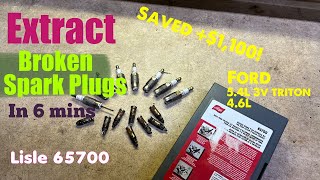
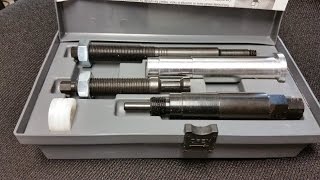
The 4.6L 3V engine in the fourth-generation Explorer has a well-documented, critical issue with its original-equipment two-piece spark plugs (Motorcraft SP-515 and its predecessor SP-507). Carbon builds up on the extended ground electrode shield, causing it to seize in the cylinder head. During removal, the plug can separate, leaving the lower portion stuck fast. This turns a simple spark plug change into a complex repair requiring a special extraction tool like the Lisle 65600. 🎬 See how to use the Lisle tool to remove broken plugs. Ford's TSB 08-7-6 outlines a specific, careful procedure using a soaking agent to minimize this significant risk.
Symptoms You May Notice
- Rough or shaking idle
- Engine hesitation or stumbling during acceleration
- Noticeable loss of power
- Flashing Check Engine Light
- Reduced fuel economy
- A ticking noise from the engine bay, which could also indicate an exhaust manifold leak.
- Replacing all fuel injectors when only one is bad.
- Replacing the catalytic converter due to a flashing CEL, when the misfire is the root cause.
- Replacing the PCM when the issue is a simple ignition component or wiring fault.
Most Likely Causes
- Failed Ignition Coil (Coil-on-Plug) 🔴 High Probability → Shop Ignition Coil Coil-on-plug units are a common failure item on many vehicles due to constant exposure to high heat and vibration. Age and mileage are the primary factors for the 4.6L V8.
How to confirm: Swap the ignition coil from cylinder 7 with an adjacent cylinder (like #8 or #6). Cylinder 7 is the third from the front on the driver's side. Clear the codes and drive. If the code changes to P0308 or P0306, the coil is faulty.
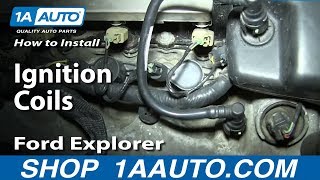
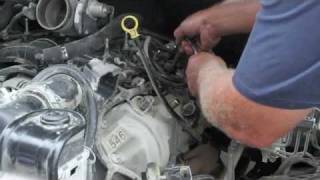
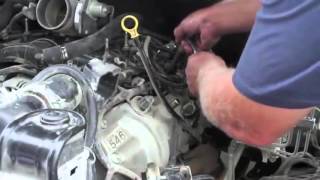
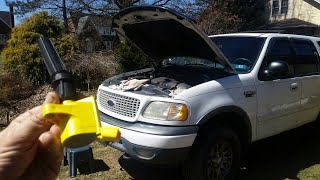
Typical fix: Replace the faulty ignition coil. It is held on by a single 7mm or 8mm bolt. The OEM Motorcraft part number is DG-511. 🎬 Watch: Step-by-step guide to replacing your ignition coils.
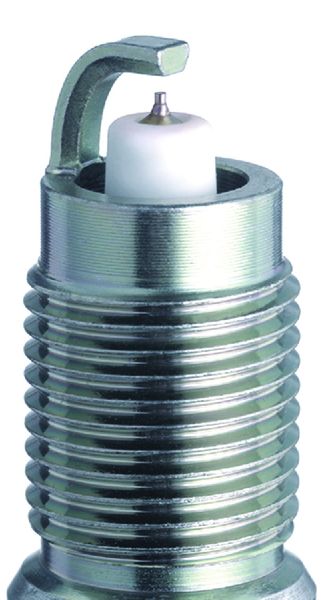
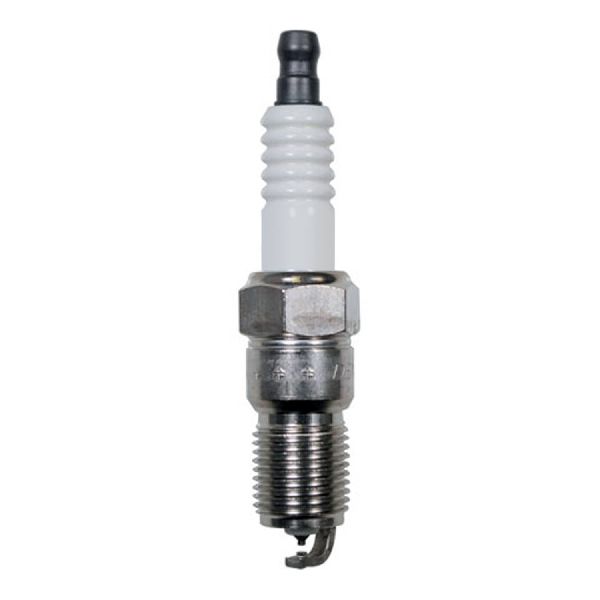
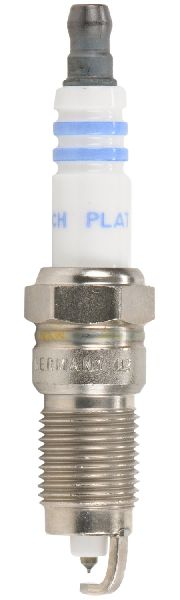
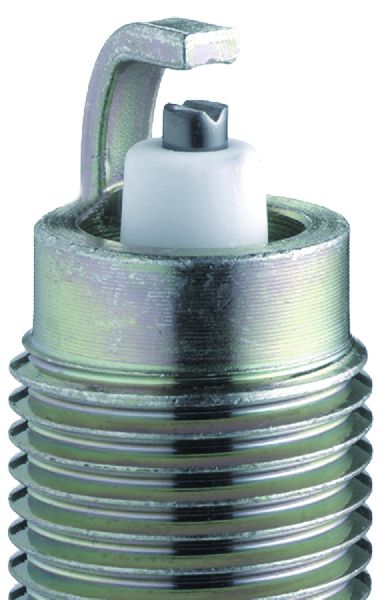
Est. part cost: $35-$70 for a single Motorcraft coil - Worn or Fouled Spark Plug 🟡 Medium Probability → Shop Spark Plug The original two-piece spark plugs (Motorcraft SP-515) are a known weak point. Besides the infamous risk of breaking during removal, they can also wear out or become fouled, leading to a weak spark and misfires.
How to confirm: After ruling out the coil, inspect the spark plug for wear, carbon fouling, or oil contamination. WARNING: Follow Ford TSB 08-7-6 for removal on a completely cold engine to minimize the risk of breakage. This involves a 15+ minute soak with a carbon dissolving agent like Motorcraft Carburetor Tune-Up Cleaner.
Typical fix: Replace the spark plug. It is highly recommended to replace all 8 plugs at the same time with the updated one-piece design (Motorcraft SP-546) to prevent future issues. Apply a nickel anti-seize to the ground shield of the new plug, not the threads.
Est. part cost: $10-$20 per plug - Faulty Fuel Injector ⚪ Low Probability → Shop Fuel Injector Injectors can become clogged with deposits over time or fail electrically, preventing the correct amount of fuel from reaching the cylinder. While less common than ignition issues, it's a known failure point.
How to confirm: Listen to the injector with a mechanic's stethoscope; it should have a consistent, rapid clicking sound. You can also use a 'noid light' to verify the electrical pulse from the PCM. Swapping injectors between cylinders is also possible but is more labor-intensive than a coil swap.
Typical fix: Replace the fuel injector for cylinder 7. The Motorcraft part number is CM-5157.
Est. part cost: $50-$100
Rare But Worth Checking
- Failed Camshaft Roller Follower: → Shop Engine Camshaft The 4.6L 3V engine can suffer from failed or seized roller followers. This prevents the valve from opening correctly, causing a mechanical misfire that can be more pronounced on a cold start. This issue will not be resolved by replacing ignition or fuel parts and often produces a ticking or tapping noise from the valve cover area.
- Low Compression: A mechanical engine problem like a burnt valve, worn piston rings, or a leaking head gasket can cause a persistent misfire. Head gasket failures are a known, though not frequent, issue on the 2006-2010 4.6L V8. A compression test on cylinder 7 is required to diagnose this.
- Water Intrusion into Spark Plug Well: → Shop Spark Plug On related Ford trucks with this engine family, water leaks from the cowl or hood seals have been known to drip onto the ignition coils, shorting them out. While less documented on the Explorer specifically, it's worth checking the spark plug well for any signs of water, rust, or corrosion.
- Intake Manifold Gasket Leak: → Shop Engine Intake Manifold A vacuum leak from a failed intake manifold gasket near the runner for cylinder 7 can lean out the air/fuel mixture enough to cause a misfire. This may be accompanied by a hissing sound or a fluctuating idle.
Diagnosis Steps
- Read the code with an OBD-II scanner and confirm P0307 is present. 🎬 Watch this before you start buying replacement parts. Note any other codes, especially P0300 or P0316.
- Locate cylinder 7 (driver's side, third cylinder from the front).
- Swap the ignition coil from cylinder 7 with the coil from cylinder 8 (directly behind it). The coil is held by one 7mm or 8mm bolt.
- Clear the codes and start the engine. Let it run or drive it until the Check Engine Light returns.
- If the code is now P0308, the ignition coil is bad and must be replaced. The recommended OEM part is Motorcraft DG-511.
- If the code remains P0307, the problem is not the coil. Proceed to check the spark plug.
- CRITICAL: Allow the engine to cool down completely (overnight is best) before attempting to remove the spark plug. Removing plugs from a warm engine dramatically increases the breakage risk.
- Following TSB 08-7-6, blow out the spark plug well with compressed air, loosen the plug 1/8-1/4 turn, and soak the plug base with ~1/2 tsp of Motorcraft Carburetor Tune-Up Cleaner for at least 15 minutes to dissolve carbon.
- Carefully work the spark plug back and forth, then remove it. Inspect for damage or fouling. If in doubt, replace it with a one-piece design like the Motorcraft SP-546.
- If you have a broken plug, use a specialized extraction tool like the Lisle 65600 to remove the separated shield from the head.
- If a new plug and good coil do not resolve P0307, check the fuel injector. Listen for a steady clicking sound with a stethoscope. Use a 'noid light' to confirm the injector is receiving an electrical signal from the PCM.
- If spark and fuel injector pulse are confirmed good, perform a compression test on cylinder 7 to rule out mechanical engine problems like a bad valve or worn rings.
- If compression is good, inspect for vacuum leaks around the intake manifold gasket near cylinder 7.
Parts You'll Likely Need
- Ignition Coil
(OEM #DG-511)— This is the most common failure point for a single-cylinder misfire on this engine.
Trusted brands: Motorcraft, Denso, NGK
OEM price range: $45-$70
Aftermarket price range: $25-$50 - Spark Plug
(OEM #SP-546 (updated one-piece design))— The second most likely cause. The original two-piece plugs (SP-515) are prone to breaking and should be replaced with the improved one-piece design.
Trusted brands: Motorcraft, Autolite
OEM price range: $15-$20
Aftermarket price range: $8-$15 - Fuel Injector
(OEM #CM-5157)— A less common but possible cause if the ignition system checks out.
Trusted brands: Motorcraft, Bosch
OEM price range: $70-$120
Aftermarket price range: $40-$80 - Spark Plug Extractor Tool
(OEM #Lisle 65600)— A 'must-have' if you are attempting to change the original spark plugs, as breakage is very common. Not having one on hand can turn a weekend job into a multi-day ordeal.
Trusted brands: Lisle, OEMTools
OEM price range: $60-$100
Aftermarket price range: $40-$80
Related Codes That Often Appear With This One
- P0300 — If the underlying cause, such as a vacuum leak or low fuel pressure, begins to affect other cylinders, a P0300 (Random/Multiple Misfire) may appear alongside P0307.
- P0316 — This code indicates a misfire was detected within the first 1000 engine revolutions on startup. It frequently accompanies a specific cylinder misfire code like P0307 if the problem is most apparent when the engine is cold.
Technical Service Bulletins (TSBs) & Recalls
- TSB 08-7-6: Supersedes TSB 08-1-9. Details a specific procedure for removing the original two-piece spark plugs from 4.6L/5.4L/6.8L 3V engines built before late 2007 to reduce the chance of breakage. It mandates using a chemical soak (Motorcraft Carburetor Tune-Up Cleaner) and specific hand-tool techniques.
- TSB 22-2464: Notes that vehicles may exhibit an illuminated MIL with P0307 due to various strategies within the PCM software.
- TSB 21-2158: Describes a hesitation and/or lack of power condition with an illuminated MIL and P0307 stored in the PCM, which may be due to software parameters.
- TSB 18-2058: Indicates an illuminated MIL with DTCs P0316 and/or P0307 stored in the PCM, even when the vehicle exhibits no drivability concerns.
- Bulletin #16-0039: Reports that the engine may exhibit an illuminated MIL with P0307 present in the PCM memory with no other drivability symptom.
Platform-Specific Known Issues
- Spark Plug Breakage: The 4.6L 3V engine is infamous for its two-piece spark plugs (Motorcraft SP-507, SP-515) seizing in the cylinder head and breaking upon removal. Following Ford's TSB 08-7-6, which involves using a carbon-dissolving agent (Motorcraft Carburetor Tune-Up Cleaner) and working on a completely cold engine, is
Mechanic-Grade Diagnostic Values
- Ignition Coil Primary Resistance (Motorcraft DG-511) — expected: Approx. 0.55 Ohms. Failure: A significantly higher reading or an open circuit (infinite resistance) indicates a bad primary winding.
- Ignition Coil Secondary Resistance (Motorcraft DG-511) — expected: Approx. 5,500 Ohms (5.5 kOhms). Failure: Readings significantly outside this range suggest a faulty secondary winding.
- Fuel Injector Resistance — expected: 11 - 18 Ohms. Failure: A reading outside this range indicates an electrical fault within the injector's coil.
- Fuel Pressure (Key On, Engine Off) — expected: 35 - 45 PSI. Failure: Low pressure suggests a weak fuel pump, clogged filter, or faulty fuel pump driver module. Note: This is an electronic returnless system (ERFS), so pressure is PCM-controlled.
- Mode $06 Misfire Count (Cylinder 7) — expected: Value should be 0 or a very low number.. Failure: A high count, even without a CEL, indicates misfire events are occurring. The code is set when the count exceeds a preset maximum threshold.
Hidden / Shadow Codes Worth Checking
- Mode $06, Test ID $A8: This is not a formal trouble code but a diagnostic test result for cylinder 7 misfire counts within the PCM. On Ford vehicles, Test IDs $A2 through $A9 often correspond to misfire data for cylinders 1 through 8, respectively. Test ID $A8 would be for cylinder 7. (see via A scan tool capable of reading Mode $06 data. This allows a technician to see if misfires are being recorded on a specific cylinder before they are frequent enough to trigger the Check Engine Light.)
Scan Tool Commands That Help
- Ford IDS (or equivalent high-end scan tool): Power Balance Test — This is a powerful bidirectional test to confirm a misfire on a specific cylinder. The tool sequentially disables the fuel injector for each cylinder and graphs the resulting drop in engine RPM. If disabling cylinder 7 causes little or no change in RPM compared to other cylinders, it confirms cylinder 7 is not contributing power, pinpointing the location of the misfire.
Wiring & Ground Locations
- PCM (Powertrain Control Module) — Located in the passenger-side cabin, behind the kick panel near the floor.. The PCM sends the command signals to both the ignition coil and the fuel injector for cylinder 7. A faulty driver circuit within the PCM can cause a persistent P0307 that is otherwise impossible to diagnose by swapping external parts.
- G101 — Left front corner of the engine compartment, on the fender apron near the battery.. This is a primary power ground. A poor connection here can cause a variety of electrical issues, including weak spark or erratic sensor readings that could contribute to a misfire.
- G102 (4.6L) — Located on the rear of the engine compartment.. An engine-to-chassis ground. A loose or corroded connection can affect the electrical potential between the engine block (where coils and injectors are grounded) and the rest of the vehicle, potentially causing ignition problems.
- Cylinder 7 Coil Connector — Driver's side of the engine, third coil from the front. The connector has two pins.. The signal from the PCM triggers the coil via this connector. Check for a Dark Green/Light Blue wire (DG/LB) which is the control signal from the PCM, and a Red/Light Green wire (RD/LG) which is the 12V+ power feed.
Real Owner Repair Stories
- S197 Mustang Forum user (Ford Mustang with 4.6L 3V engine (same engine family)) — Persistent P0307 misfire that would not clear.
❌ Tried (didn't work) Swapping spark plug, Swapping ignition coil, Swapping fuel injector
✅ What actually fixed it The injector driver for cylinder 7 inside the Powertrain Control Module (PCM) was faulty. Replacing the PCM with a used unit and reprogramming the PATS anti-theft system resolved the misfire. - Reddit user r/f150 (2008 Ford F-150 with 5.4L 3V engine (similar head/coil design)) — Misfire codes (P0303, P0304) and stalling at low RPM.
❌ Tried (didn't work) Initial diagnosis focused on plugs and coils.
✅ What actually fixed it The valve cover had a crack where the ignition coil for the misfiring cylinder bolted down. Under idle, it was fine, but while driving, vibration would cause the coil to lift slightly, breaking its connection to the spark plug and causing a misfire. Replacing the cracked valve cover was the final fix.
Documented NHTSA Reports
- NHTSA ODI #11267686: An owner reported a P0307 code where the engine was clattering, missing, stalling, and backfiring. The failure was diagnosed as a broken #7 intake valve spring which caused the keepers to be lost and the valve to drop and be hit by the piston, requiring a full engine replacement.
"I Checked Everything" — The Actual Cause
- A common issue on the 4.6L/5.4L 3V engine family is a coolant leak from the thermostat housing or a heater hose connection at the front of the engine. The coolant then runs along the top of the driver's side cylinder head and pools in the spark plug wells for cylinders #7 and #8. This shorts out the ignition coil and causes a P0307 or P0308. A technician might replace the coil, see the misfire is gone, and declare it fixed, only for the new coil to fail weeks later. The actual root cause is the coolant leak, which must be repaired to prevent repeat failures.
OEM Part Supersession History
Motorcraft DG-511 (Black Boot)→Motorcraft DG-521 (Brown Boot) for later models— In mid-2008, Ford redesigned the 3V cylinder heads to use a new, one-piece spark plug design, which resolved the breakage issue. These new heads require a slightly longer ignition coil boot.
Heads up: The DG-511 (black boot) is for the early-style heads (2006-early 2008) with the two-piece plugs. The DG-521 (brown boot) is for the updated heads (late 2008-2010). Using the wrong coil will result in a poor seal at the spark plug well or an improper connection to the plug, causing a misfire.
Model Year Variations Within This Range
- 2006 - early 2008: These models use the original cylinder head design with the infamous two-piece Motorcraft SP-515 spark plugs. They require the Motorcraft DG-511 (black boot) ignition coils. Spark plug removal carries a high risk of breakage.
- late 2008 - 2010: These models feature a redesigned cylinder head that accepts a more conventional one-piece spark plug, eliminating the breakage issue. They require the slightly different Motorcraft DG-521 (brown boot) ignition coils to accommodate the change in plug and head design.
Diagnostic Flowchart
Other Known Issues on This Vehicle
Issues unrelated to this code that are worth knowing about as an owner of this generation:
- 6R60 Automatic Transmission Failures 🔴 High — Common, especially in 2006-2007 models. Issues include harsh 2-1 downshifts ('bump stop'), torque converter shudder, and mechatronic (valve body) failure. (Ref: Software reflashes were issued to address some shift quality concerns.)
- Leaking Plastic Thermostat Housing 🟠 Medium — Very common across all 4th gen Explorers. The plastic housing can crack or the seal can fail, leading to coolant leaks and potential overheating.
- Rear Wheel Bearing Failure 🟠 Medium — A frequently reported problem, causing a loud humming or grinding noise from the rear of the vehicle that changes with speed.
- Radiator Leaks/Failure 🔴 High — Commonly reported, especially on the 2006 model year. The plastic end tanks can crack and leak, leading to coolant loss and overheating.
- Cracked Exhaust Manifolds 🟡 Low — Can occur over time, causing a ticking noise, especially when the engine is cold, that may quiet down as the metal expands.
- Head Gasket Failure 🔴 High — Less common than other issues, but a known potential failure on the 4.6L V8 in this platform, leading to coolant loss and overheating.
Used vs. New Parts: Buying Guide for This Vehicle
When a used part is the smart pick: Ignition coils and fuel injectors from a low-mileage (<100k miles) wrecked vehicle can be a cost-effective alternative. A used PCM is also a viable option if a faulty driver is confirmed, but it will require PATS key reprogramming by a dealer or a well-equipped locksmith.
Donor-vehicle mileage cap: roughly under 100000 miles for the part to have meaningful remaining life.
What to inspect on the donor part:
- For coils, check for cracks in the housing or corrosion on the electrical pins.
- For injectors, ensure the plastic connectors aren't brittle or cracked.
- For a PCM, match the part number and strategy code exactly. Check for any signs of water damage or corrosion on the case or pins.
OEM-only on this vehicle (don't cheap out):
- Ignition Coils (Motorcraft)
- Spark Plugs (Motorcraft)
- VCT Solenoids
Aftermarket brands forum-validated for this vehicle:
- Denso (for ignition coils, if Motorcraft is unavailable)
- NGK (for ignition coils, if Motorcraft is unavailable)
- Lisle (for the 65600 spark plug extractor tool)
Brands owners have reported issues with on this vehicle:
- Unbranded, generic ignition coil sets sold on online marketplaces are a frequent source of complaints on forums for causing new misfires or failing prematurely.
Real Owner Stories
Aggregated from forums and TSBs cited above. Mileages and costs reflect what owners reported in those sources.
2006 Ford Explorer 4.6L V8
Symptoms: Owner reported high-mileage issues including a harsh 2-1 downshift described as a 'bump stop' and concerns regarding the 6R60 transmission.
What fixed it: The owner was evaluating whether to repair or replace the 6R60 transmission due to shift quality concerns.
Source hint: https://www.ford-trucks.com/forums/1454559-repair-or-replace-6r60-tranny-on-2006-explorer-v8.html
2009-2010 Ford F-150 4.6L 3V V8
Symptoms: Discussion regarding the reliability of the SP-515 two-piece spark plugs versus the newer design.
What fixed it: Switching to the SP-546 one-piece plug design to resolve misfire issues and prevent future breakage.
Source hint: https://www.f150online.com/forums/v8-engines/522197-sp515-vs-sp546.html
Related OBD-II Codes
Frequently Asked Questions
Which spark plug should I use to replace the original two-piece design in my 2006-2010 Explorer 4.6L?
Does TSB 08-7-6 apply to my 4.6L 3V V8 engine?
Where is cylinder 7 located on the Ford 4.6L Modular V8?
Can I use any anti-seize when installing new spark plugs in this engine?
What is the recommended ignition coil for the 2006-2010 Explorer 4.6L?
Is there a specific tool I need if a spark plug breaks during removal?
Helpful Videos
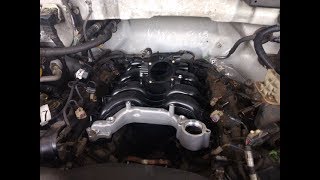
![How to Fix P0307 Engine Code in 3 Minutes [2 DIY Methods / Only $4.12]](https://img.youtube.com/vi/t7x0HN1YOxQ/mqdefault.jpg)
We Have This Part in Stock

The information in this article is provided for general reference and educational purposes only. Vehicle specifications, procedures, and part compatibility can vary by production date, trim level, and region. Always consult your vehicle's factory service manual and verify part numbers before purchasing or performing repairs. Safety-critical components such as airbags, seat belts, and braking systems should be installed by a qualified professional.
- Ford Explorer:
- 🧭 Diagnostic Flowchart
- 🎬 Helpful Videos
- 🛍️ Shop This Part
- What's Unique About the 2006-2010 Ford Explorer
- Symptoms You May Notice
- Most Likely Causes
- Rare But Worth Checking
- Diagnosis Steps
- Parts You'll Likely Need
- Related Codes That Often Appear With This One
- Technical Service Bulletins (TSBs) & Recalls
- Platform-Specific Known Issues
- Mechanic-Grade Diagnostic Values
- Hidden / Shadow Codes Worth Checking
- Scan Tool Commands That Help
- Wiring & Ground Locations
- Real Owner Repair Stories
- Documented NHTSA Reports
- "I Checked Everything" — The Actual Cause
- OEM Part Supersession History
- Model Year Variations Within This Range
- Other Known Issues on This Vehicle
- Used vs. New Parts: Buying Guide for This Vehicle
- Real Owner Stories
- 2006 Ford Explorer 4.6L V8
- 2009-2010 Ford F-150 4.6L 3V V8
- Related OBD-II Codes
- Frequently Asked Questions
- 🎟️ Get 5% Off