

P0307 on 2016-2020 Lexus GS F: Cylinder 7 Misfire Causes and Fixes
On a 2016-2020 Lexus GS F, code P0307 is almost always caused by a failed ignition coil or a worn spark plug for cylinder 7. A DIY swap of the ignition coil is the fastest way to confirm the problem. Expect to pay ~$85-$120 for a single OEM Denso coil.
- P0307 on a Lexus GS F means cylinder 7 (rear-most on passenger side) is misfiring.
- The most likely cause is a bad ignition coil (OEM P/N 90919-02260), followed by a worn spark plug.
- The easiest diagnostic step is to swap the cylinder 7 ignition coil with another cylinder's coil to see if the misfire code follows.
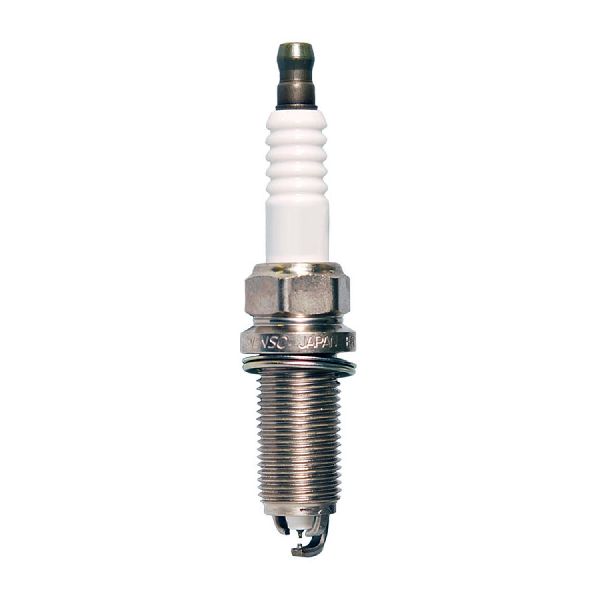
- Use only the specified Denso FK20HBR-J8 (Lexus P/N 90919-01279) spark plugs and buy from a reputable source to avoid counterfeits.
- While driving is possible, a flashing check engine light means you should stop immediately to prevent expensive catalytic converter damage.
- Be aware of the common but unrelated 'valley plate coolant leak' on this engine, a significant potential repair cost for any owner.
What's Unique About the 2016-2020 Lexus GS F
The Lexus 2UR-GSE, co-developed with Yamaha, is a highly reliable, naturally aspirated performance engine, and widespread systemic issues causing misfires are uncommon. Unlike many other modern performance engines, its D-4S fuel system, which combines both port and direct injection, is very effective at preventing carbon buildup on the intake valves—a common source of misfires on direct-injection-only engines. Therefore, when a single-cylinder misfire like P0307 occurs, the cause is overwhelmingly likely to be a simple ignition component failure rather than a deeper mechanical issue. The engine is known for its durability, with major problems being rare.
Symptoms You May Notice
- Rough or vibrating idle
- Hesitation or stumbling during acceleration
- Noticeable loss of engine power
- Flashing or solid Check Engine Light
- Reduced fuel economy
- A more raw or uneven exhaust note
- Engine may be difficult to start
- Replacing all eight ignition coils and spark plugs when only one has failed. While replacing all plugs is good practice if they are due, only the single faulty coil needs replacement.
- Assuming the issue is carbon buildup on intake valves, which is a much less common problem on this specific engine due to its D-4S port and direct injection system.
- Mistaking the normal ticking sound of the high-pressure direct fuel injectors for a valvetrain problem or a misfire-related noise.
Most Likely Causes
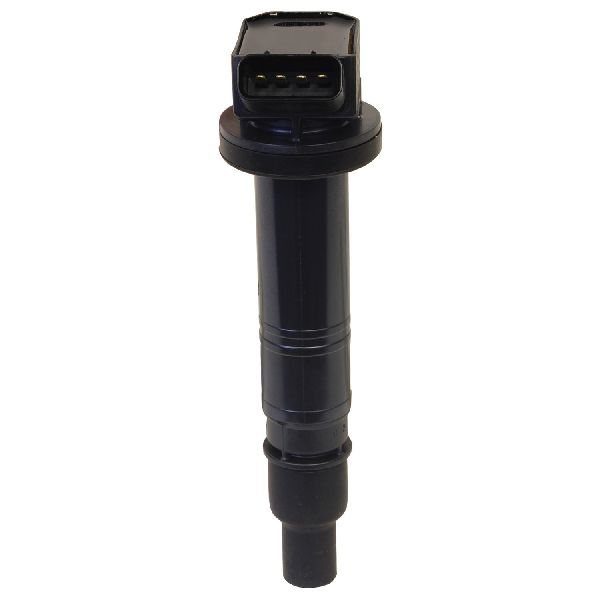
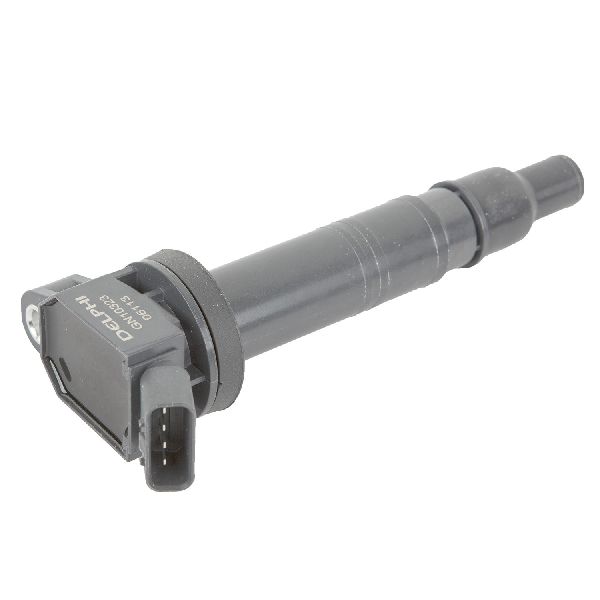
- Ignition Coil Failure 🔴 High Probability → Shop Ignition Coil Coil-on-plug ignition coils are a common failure point on most modern engines due to constant exposure to high heat and voltage stress. It is the most likely cause for a single-cylinder misfire on the 2UR-GSE.
How to confirm: Swap the ignition coil from cylinder 7 with an adjacent, easily accessible cylinder (e.g., cylinder 5 on the same bank). Clear the codes and drive the vehicle. If the code changes to P0305, the ignition coil is faulty. This is the standard DIY diagnostic procedure. 🎬 See how to quickly diagnose and fix a P0307 code.
Typical fix: Replace the faulty ignition coil. It is not necessary to replace all eight coils if only one has failed, despite what some shops may recommend.
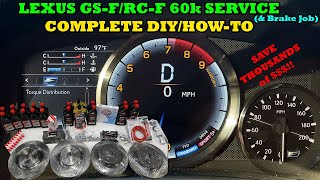
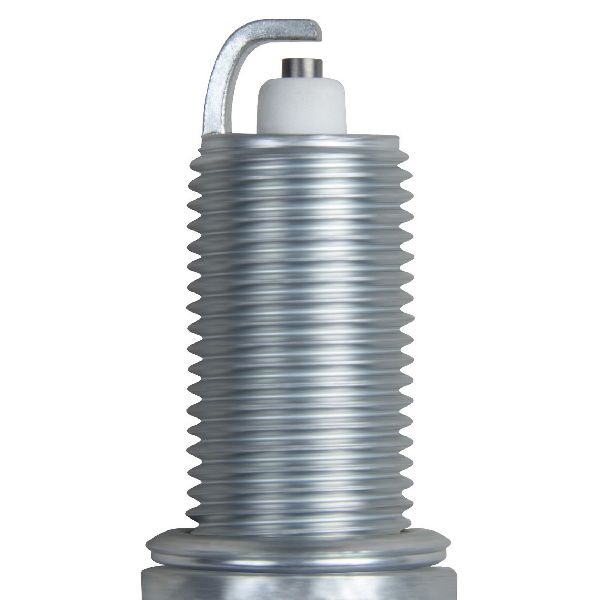
Est. part cost: $85-$120 - Worn or Fouled Spark Plug 🔴 High Probability → Shop Spark Plug Spark plugs are a maintenance item with a finite lifespan. The recommended service interval for the 2UR-GSE is 60,000 miles. 🎬 Watch this DIY guide to perform your own 60k service. An old, fouled, or damaged plug can fail to produce a strong enough spark for complete combustion.
How to confirm: After ruling out the ignition coil, remove the spark plug from cylinder 7. Inspect it for wear, carbon tracking, oil fouling, or damage to the electrode. Compare it to a new plug. Using counterfeit plugs is a known cause of misfires on these platforms.
Typical fix: Replace the spark plug. It is best practice to replace all 8 spark plugs at the same time if they are near or past their 60,000-mile service life.
Est. part cost: $15-$25 per plug - Faulty Fuel Injector ⚪ Low Probability → Shop Fuel Injector While less common than ignition issues, a clogged or electronically failed direct injector can cause a misfire. The 2UR-GSE's dual-injection D-4S system is generally robust, but individual injector failures can still happen.
How to confirm: After confirming the ignition system is working, a technician can check the injector's resistance and use a scan tool (like Toyota's Techstream) to perform an active test or monitor misfire counts per cylinder. Listening for a consistent 'clicking' sound from the injector with a mechanic's stethoscope is a basic check.
Typical fix: Replace the faulty fuel injector. This is a more involved repair than a coil or plug.
Est. part cost: $150-$300
Rare But Worth Checking
- Vacuum Leak: A vacuum leak is a possible cause, but it typically introduces unmetered air that affects multiple cylinders, likely presenting with a P0300 (random misfire) code or lean codes (P0171/P0174) as well.
- Low Cylinder Compression: This indicates a serious internal engine problem, such as a bad valve, worn piston rings, or a failed head gasket. This is extremely rare on the well-built 2UR-GSE engine but can be confirmed with a compression and leak-down test if all other causes are ruled out.
Diagnosis Steps
- Retrieve the code P0307 with an OBD-II scanner to confirm the misfire is isolated to cylinder 7.
- Check freeze frame data to see the engine conditions (RPM, load, temperature) when the misfire occurred.
- Locate cylinder 7. It is the rearmost cylinder on the passenger side (right bank, Bank 1).
- Swap the ignition coil from cylinder 7 with the coil from cylinder 5 (the next cylinder forward on the same bank). Use a 10mm socket to remove the coil bolt.
- Clear the codes and drive the vehicle to replicate the misfire condition. If the code returns as P0305, the ignition coil is the confirmed problem. Replace the faulty coil.
- If the code returns as P0307, the coil is likely good. Proceed to swap the spark plug from cylinder 7 with cylinder 5.
- Clear the codes and drive. If the code returns as P0305, the spark plug is the problem. It is recommended to replace all 8 plugs if they are near their 60,000-mile service interval.
- If the code remains P0307 after swapping both the coil and plug, the issue lies elsewhere. Carefully inspect the wiring and connector for the ignition coil and fuel injector at cylinder 7 for any damage or corrosion.
- If wiring is intact, the next most likely cause is a faulty fuel injector. This is more complex to diagnose and may require professional tools like a fuel injector balance tester or a scan tool with active test capabilities.
- As a final step if all else fails, perform a cylinder compression test and a leak-down test to rule out rare mechanical engine damage.
Parts You'll Likely Need
- Ignition Coil
(OEM #90919-02260)— This is the most common cause of a single-cylinder misfire on the GS F. It is a high-wear electrical component that fails from heat and age. This part number supersedes 90919-02248, 90919-A2001, and 90919-A2006.
Trusted brands: Denso (OEM supplier, P/N 673-1308), NGK
OEM price range: $85-$120
Aftermarket price range: $60-$100 - Iridium Spark Plug
(OEM #90919-01279)— Spark plugs are a maintenance item that wear out over a 60,000-mile interval. Using the correct OEM-specified plug is critical for performance and avoiding misfires.
Trusted brands: Denso (FK20HBR-J8)
OEM price range: $17-$25
Aftermarket price range: $12-$20
Technical Service Bulletins (TSBs) & Recalls
- Safety Recall JLB: Certain 2015-2018 RC F, 2016-2018 GS F, 2018 LC 500 High Pressure Fuel Pumps
- L-SB-0002-20 Rev: General bulletin regarding diagnosis of fluid leaks vs. seeps, relevant for diagnosing the common valley plate leak.
- ZLZ / POL18: Customer Support Program for sticky or cracked dashboards and interior panels on certain models.
- EG-0031L-0516: TSB for a potential clacking noise from the left-side timing chain tensioner on some UR-series engines.
Platform-Specific Known Issues
- Safety Recall JLB: Affects 2016-2018 GS F models for a faulty high-pressure fuel pump. A failure here is more likely to cause random misfires (P0300) or fuel pressure codes rather than an isolated P0307, but owners should ensure the recall has been performed.
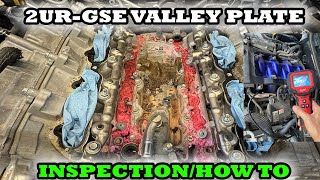
- Valley Plate Coolant Leak: While this will not directly cause a P0307 code, it is the most notorious and expensive common repair on the 2UR-GSE engine. Owners seeing any signs of coolant loss should inspect the engine valley with a borescope for pink, crusty residue before it leads to overheating. 🎬 Learn how to inspect your engine for valley plate leaks.
Mechanic-Grade Diagnostic Values
- Fuel Injector Resistance (Port and Direct) — expected: 11.6 to 12.4 Ω at 20°C (68°F). Failure: Resistance outside of this range indicates a faulty injector coil.
- Ignition Coil Primary Resistance — expected: ~0.5 to 0.7 Ω. Failure: A reading significantly higher or an open circuit (infinite resistance) indicates a failed primary winding.
- Ignition Coil Secondary Resistance — expected: ~9.5 to 12.0 kΩ. Failure: A reading outside this range suggests a failure in the secondary winding.
- Low-Pressure Fuel System — expected: ~58 psi (400 kPa). Failure: Significantly lower pressure can indicate a weak in-tank fuel pump.
- High-Pressure Fuel System (Direct Injection) — expected: 580 - 1,885 psi (4 - 13 MPa), varies with engine load. Failure: Pressure that does not respond to engine load or stays consistently low can indicate a failing high-pressure fuel pump (HPFP).
- Spark Plug Electrode Gap — expected: 1.0 to 1.1 mm (0.039 to 0.043 in.). Failure: These iridium plugs should not be re-gapped; if the gap is out of spec or the electrode is worn, the plug must be replaced.
Hidden / Shadow Codes Worth Checking
- Misfire Monitor Data (EWMA / Rate): Techstream provides a detailed Misfire Monitor that shows more than just the active code. It displays 'EWMA' (Exponentially Weighted Moving Average), which is a history of misfires over the last 10 drive cycles, and 'Rate', which is the current misfire count. This can reveal intermittent misfires or a history on a cylinder that isn't currently setting a hard code. (see via Toyota Techstream software under the 'Monitor' menu, then 'Details' for Misfire.)
Scan Tool Commands That Help
- Toyota Techstream: Misfire Monitor — Use this to confirm if a misfire is truly isolated to cylinder 7. It can show historical or current misfire counts on other cylinders that haven't been severe enough to trigger their own codes, which might suggest a broader issue (like a vacuum leak or fuel delivery problem) rather than a single bad coil.
- Toyota Techstream: Active Test: Power Balance — This function allows a technician to sequentially disable the fuel injector to each cylinder. When cylinder 7 is disabled, if there is no change in engine RPM or smoothness, it confirms that cylinder was not contributing, pinpointing the fault. If disabling another cylinder causes a significant drop in RPM, it confirms that cylinder was working correctly.
Wiring & Ground Locations
- Battery Ground Point — The main negative battery cable grounds to a painted metal bracket on the right inner fender in the engine bay. This bracket is then bolted to the chassis.. The paint on the bracket can create a poor ground connection over time, leading to various intermittent electrical issues, including weak spark or erratic sensor readings that could contribute to a misfire. Sanding the paint off the bracket's contact points is a known preventative fix.
- Ignition Coil Connector Pigtail — The 4-pin electrical connector that plugs into the ignition coil on cylinder 7.. The wires within the pigtail can break internally from heat and vibration, even if the outer insulation looks intact. This can cause an intermittent connection to the coil that won't be found with a simple visual inspection and may even pass a basic continuity test if the wire makes temporary contact.
- Engine Block Grounds — There are multiple ground straps from the chassis/firewall to the engine block, typically on the back of the cylinder heads.. A loose or corroded main engine ground can cause a host of ignition problems, as the spark plugs rely on a solid engine ground to complete their circuit.
Real Owner Repair Stories
- ClubLexus user 'willsern' (2005 Lexus LS430 (Different engine, but identical diagnostic principle for P0307)) — Check engine light and VSC light on, code P0307.
❌ Tried (didn't work) Swapped spark plug between cylinder 5 and 7., Swapped ignition coil between cylinder 5 and 7., Performed a continuity test on the coil connector wiring, which passed.
✅ What actually fixed it The suggested fix, which multiple users have experienced, was to replace the ignition coil connector pigtail. A wire was broken *internally* inside the insulation, causing an intermittent connection that standard tests missed.
OEM Part Supersession History
90919-02248, 90919-A2001, 90919-A2006→90919-02260— Standard part revision and consolidation by the manufacturer.
Model Year Variations Within This Range
- 2016-2020: The 2UR-GSE in the GS F (and RC F) has a higher compression ratio (12.3:1) compared to the engine's original version in the 2008-2014 IS F (11.8:1), allowing for slightly more power. This does not materially change the diagnosis for P0307 but is a key engine difference.
Diagnostic Flowchart
Other Known Issues on This Vehicle
Issues unrelated to this code that are worth knowing about as an owner of this generation:
- Valley Plate Coolant Leak 🔴 High — Very common issue as the engine ages (typically over 60,000-80,000 miles). Caused by the breakdown of the factory Form-in-Place Gasket (FIPG) sealant between the engine block and the valley plate. Considered a matter of 'when, not if' by many owners. (Ref: L-SB-0002-20 Rev (general fluid leak/seep bulletin may apply))
- Sticky/Cracked Dashboard & Interior Panels 🟡 Low — Affects some vehicles, particularly those in high heat and humidity climates. Lexus issued a Customer Support Program (ZLZ) to address the issue for certain models and years. (Ref: Warranty Enhancement Program ZLZ / POL18)
- Noisy Timing Chain Tensioner 🟠 Medium — A clacking or rattling noise may develop from the left-side timing chain tensioner on some UR-series engines. While not a catastrophic failure, it can be mistaken for a more severe valvetrain problem. (Ref: TSB EG-0031L-0516)
Used vs. New Parts: Buying Guide for This Vehicle
When a used part is the smart pick: A used OEM ignition coil from a reputable salvage yard with a known low-mileage donor vehicle is a reasonable cost-saving measure. It is a simple electrical component that either works or doesn't, and an OEM used part is often more reliable than a cheap new aftermarket part.
Donor-vehicle mileage cap: roughly under 80000 miles for the part to have meaningful remaining life.
What to inspect on the donor part:
- Check for a clean, low-mileage donor vehicle without front-end damage.
- Inspect the part for any cracks in the plastic housing or corrosion on the electrical connector pins.
- Ask for a warranty or return period from the salvage yard.
OEM-only on this vehicle (don't cheap out):
- Spark Plugs: Due to the prevalence of counterfeit plugs online, it is highly recommended to buy OEM Denso iridium plugs from a reputable dealer or parts supplier.
- Fuel Injectors: Unless professionally cleaned, flow-tested, and warrantied, buying used fuel injectors is risky as they can be clogged or have degraded seals.
Aftermarket brands forum-validated for this vehicle:
- Denso (OEM supplier for ignition coils and spark plugs)
- NGK (A reputable alternative for ignition coils and spark plugs)
Brands owners have reported issues with on this vehicle:
- Unnamed or generic 'white-box' brands from online marketplaces are frequently reported on forums as being a common cause of misfires due to poor quality control and incorrect resistance specifications.
Real Owner Stories
Aggregated from forums and TSBs cited above. Mileages and costs reflect what owners reported in those sources.
2016 Lexus GS F 2UR-GSE
Symptoms: A shop recommended replacing all 8 ignition coils after the vehicle threw a single cylinder misfire code.
What fixed it: The owner identified this as an unnecessary upsell tactic, as replacing only the specific faulty coil is the standard fix for a single-cylinder misfire.
Source hint: LexusOwnersClub - P0307 Code (https://us.lexusownersclub.com/forums/topic/98379-p0307-code/)
2008-2014 Lexus IS F 2UR-GSE — ~70000 miles
Symptoms: Coolant loss and pink, crusty residue found in the engine valley.
What fixed it: Repair of the valley plate leak by replacing the Form-in-Place Gasket (FIPG) sealant. A skilled technician can perform this in under 3 hours.
Source hint: ClubLexus - DIY: 08-14 ISF Valley Plate/Heat Exchanger (https://www.clublexus.com/forums/is-f-2008-2014/894049-diy-08-14-isf-valley-plate-heat-exchanger.html)
Related OBD-II Codes
Frequently Asked Questions
My 2017 GS F is misfiring; does Safety Recall JLB apply to my vehicle?
The dealer says I need to replace all 8 ignition coils for my P0307 code. Is this necessary for the 2UR-GSE?
What is the correct spark plug service interval for my GS F to prevent misfires?
I'm seeing a P0307 but also noticed pink crusty residue in the engine valley. Are these related?
Can I use any aftermarket spark plug to fix my P0307 misfire?
Is there a TSB for the clacking noise I hear along with my engine issues?
Helpful Videos
![How to Fix P0307 Engine Code in 3 Minutes [2 DIY Methods / Only $4.12]](https://img.youtube.com/vi/t7x0HN1YOxQ/mqdefault.jpg)
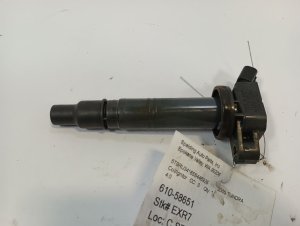
Used OEM Parts in Stock
New Aftermarket Parts Available


The information in this article is provided for general reference and educational purposes only. Vehicle specifications, procedures, and part compatibility can vary by production date, trim level, and region. Always consult your vehicle's factory service manual and verify part numbers before purchasing or performing repairs. Safety-critical components such as airbags, seat belts, and braking systems should be installed by a qualified professional.
- Lexus GS F:
- 🧭 Diagnostic Flowchart
- 🎬 Helpful Videos
- 🛍️ Shop This Part
- What's Unique About the 2016-2020 Lexus GS F
- Symptoms You May Notice
- Most Likely Causes
- Rare But Worth Checking
- Diagnosis Steps
- Parts You'll Likely Need
- Technical Service Bulletins (TSBs) & Recalls
- Platform-Specific Known Issues
- Mechanic-Grade Diagnostic Values
- Hidden / Shadow Codes Worth Checking
- Scan Tool Commands That Help
- Wiring & Ground Locations
- Real Owner Repair Stories
- OEM Part Supersession History
- Model Year Variations Within This Range
- Other Known Issues on This Vehicle
- Used vs. New Parts: Buying Guide for This Vehicle
- Real Owner Stories
- 2016 Lexus GS F 2UR-GSE
- 2008-2014 Lexus IS F 2UR-GSE — ~70000 miles
- Related OBD-II Codes
- Frequently Asked Questions
- 🎟️ Get 5% Off