

P0316 on 2011-2023 Dodge Durango 5.7L HEMI: Startup Misfire Causes and Fixes
P0316 on a 5.7L HEMI Durango indicates a misfire on startup. The most common causes are worn spark plugs or a bad ignition coil. However, a more serious and well-known issue for this engine is a failed lifter and worn camshaft, often called the 'HEMI tick', which is a primary concern whenever a misfire code appears on this platform.
- P0316 on your Durango means it's misfiring right after you start it.
- Start your diagnosis with the cheapest and easiest parts: check the spark plugs and swap the ignition coil of the misfiring cylinder.
- Be aware of the 'HEMI tick'. If you hear a persistent ticking sound from the engine, the misfire is likely caused by a more serious internal engine problem with the camshaft and lifters.
- Do not ignore a flashing Check Engine Light, as this indicates a severe misfire that can quickly damage your catalytic converters.
What's Unique About the 2011-2023 Dodge Durango
While any vehicle can have a startup misfire from a bad spark plug, the 5.7L HEMI V8 in the Durango has a well-documented history of valvetrain issues. A common cause for misfires, especially ones that start subtly, is the failure of a lifter (particularly on cylinders with the Multi-Displacement System, or MDS). This can cause the roller on the lifter to seize due to needle bearing failure, which then grinds down the camshaft lobe. This condition is often preceded by a distinct ticking sound known as the 'HEMI tick'. It's crucial to distinguish this mechanical tick from a lighter ticking sound caused by a broken exhaust manifold bolt, which is also common but less severe.
Symptoms You May Notice
- Rough or shaky engine idle immediately after starting
- Noticeable engine vibration on startup that may smooth out later
- Hesitation or stumbling when accelerating from a stop
- Check Engine Light is on or flashing
- Reduced overall engine power
- A rhythmic ticking or tapping noise from the engine ('HEMI tick') that is distinct from a cold-start exhaust leak tick.
- Popping or sputtering sounds from the exhaust.
- Replacing only the spark plugs when the underlying issue is a failing lifter. The misfire may seem to improve temporarily but will return as the mechanical problem worsens.
- Confusing the 'Hemi Tick' from a failed lifter with the tick from a broken exhaust manifold bolt. An exhaust leak is typically louder on a cold start and may quiet down as the metal expands, while a lifter tick is more consistent with engine RPM.
Most Likely Causes
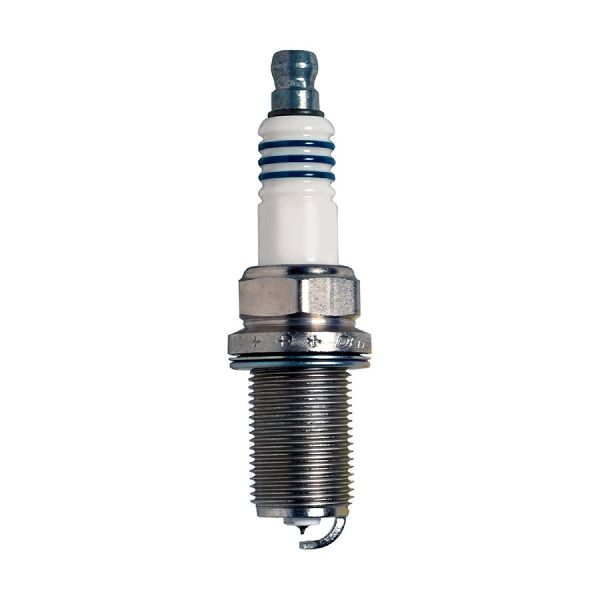
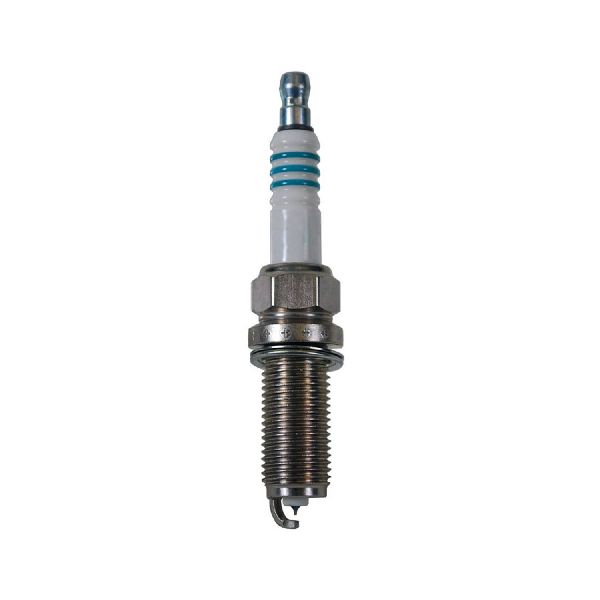
- Worn Spark Plugs or Faulty Ignition Coil 🔴 High Probability → Shop Ignition Coil The 5.7L HEMI uses two spark plugs per cylinder (16 total), increasing the chances of a failure over time. Ignition coils are a common wear item on most modern engines. Early models sometimes used copper plugs with a short 30,000-mile service interval, making frequent changes necessary. 🎬 See this step-by-step guide to changing 5.7 HEMI spark plugs
How to confirm: Inspect the spark plugs for wear or fouling. To test a coil, swap the ignition coil from the misfiring cylinder (identified by a P030X code) with a coil from a known good cylinder. If the misfire code changes to the new cylinder (e.g., P0301 becomes P0303), the coil is bad.
Typical fix: Replace the spark plugs and/or the faulty ignition coil. It's best practice to replace all 16 spark plugs at the same time using OEM-specified plugs (typically Champion or NGK). Coils can be replaced individually.
Est. part cost: $80-$200 for a full set of 16 spark plugs, $40-$80 per ignition coil - Failed Camshaft Lobe and/or Lifter 🟡 Medium Probability This is a widely known issue on the 5.7L HEMI, often called the 'HEMI tick'. The roller bearing on an MDS lifter can fail due to lubrication issues or design, causing it to seize and grind down the corresponding lobe on the camshaft. Theories for the failure point to insufficient oiling to the lifter's needle bearings, especially at idle, and the stress of the MDS system activating and deactivating.
How to confirm: After ruling out ignition and fuel issues, a persistent ticking noise is a strong indicator. A technician will perform a compression test. The definitive diagnosis requires removing the valve cover(s) to visually inspect the movement of the rocker arms and pushrods as the engine is turned over. Limited movement on one valve is a strong indicator of a collapsed lifter and wiped cam lobe.
Typical fix: This is a significant repair that involves replacing the camshaft, all lifters (both MDS and standard), head gaskets, and other related components. Many owners opt to install a non-MDS camshaft and lifters and use a tuner to disable the MDS system to prevent future failures.
Est. part cost: $800-$1500 for a camshaft and lifter kit - Clogged or Defective Fuel Injector ⚪ Low Probability → Shop Fuel Injector
How to confirm: Similar to testing an ignition coil, you can swap the fuel injector from the misfiring cylinder with one from another cylinder. If the misfire follows the injector, the injector is the problem. A leaking injector might also cause a rich misfire specifically on startup.
Typical fix: Replace the faulty fuel injector.
Est. part cost: $50-$120 per injector
Rare But Worth Checking
- Faulty Crankshaft Position Sensor: While not as common as ignition or mechanical issues, a failing crankshaft position sensor can send erratic signals to the PCM on startup, causing it to incorrectly report a misfire.
- Vacuum Leak: A significant leak from a vacuum hose or intake manifold gasket can lean out the air-fuel mixture enough to cause a misfire, which is often more pronounced on a cold start before the engine warms up.
- Low Fuel Pressure: A weak fuel pump or clogged filter can cause insufficient fuel pressure, leading to a lean condition and misfires, especially during the high-demand startup phase.
Diagnosis Steps
- Read the trouble codes with an OBD-II scanner to confirm P0316 and check for any other codes (like P0301-P0308) that pinpoint the misfiring cylinder.
- Listen carefully for any engine noises. A rhythmic ticking sound that increases with RPM is a strong clue for lifter/camshaft failure and warrants immediate, serious attention.
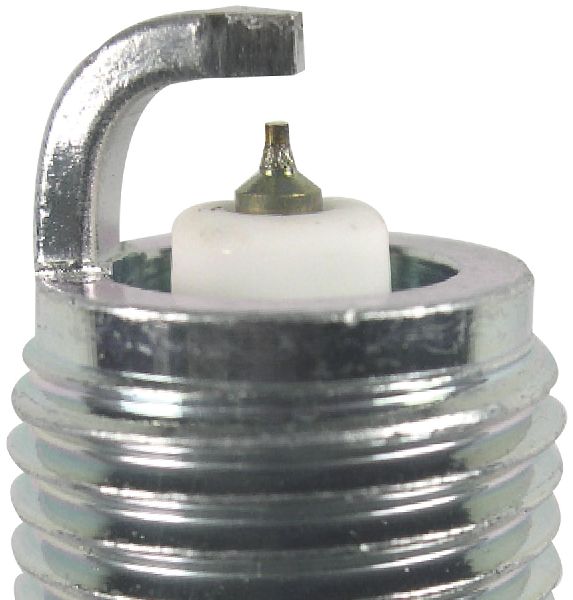
- Inspect the spark plugs in the affected cylinder for wear, damage, or oil fouling.
- Swap the ignition coil from the misfiring cylinder with one from a non-misfiring cylinder. Clear the codes and run the engine to see if the misfire code moves to the new cylinder.
- If the misfire does not move, perform the same swap test with the fuel injector.
- Check fuel pressure with a gauge to ensure the fuel pump is delivering adequate pressure according to specifications.
- Perform a cylinder compression test to check for mechanical engine issues. A cylinder with a wiped cam lobe will often have lower compression.
- For a definitive mechanical diagnosis, remove the valve cover on the bank with the misfire and observe the valve train action while manually cranking the engine. Look for a rocker arm that isn't moving as much as the others.
Parts You'll Likely Need
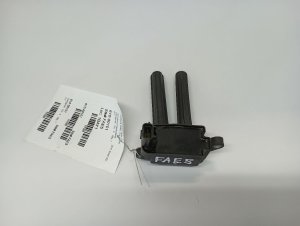
- Ignition Coil
(OEM #5149168AI (or successor 5149168AJ))— Ignition coils are a frequent failure point and a primary cause of misfires.
Trusted brands: Mopar, NGK, Delphi
OEM price range: $50-$70
Aftermarket price range: $30-$60 - Spark Plugs
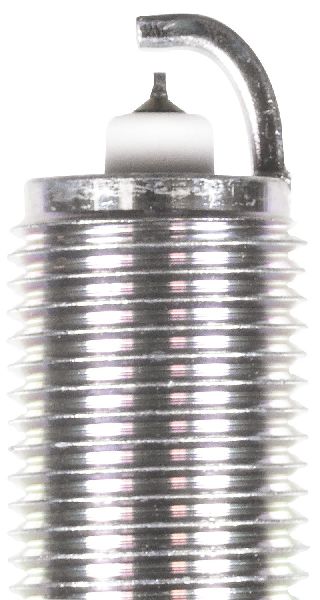
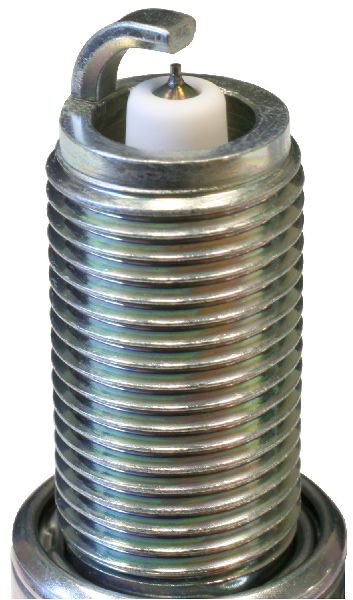
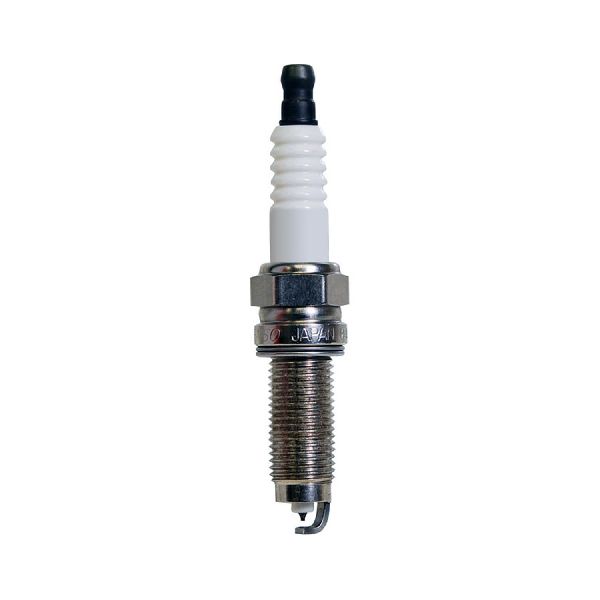
(OEM #SP143877AA)— As a routine maintenance item, worn spark plugs are a very common cause of misfires. The 5.7L HEMI requires 16 plugs.
Trusted brands: Mopar, NGK, Champion
OEM price range: $8-$12 per plug
Aftermarket price range: $4-$9 per plug - Camshaft and Lifter Kit
(OEM #Camshaft: 53022263AF, Lifters (non-MDS): 5038784AD)— For the common 'HEMI tick' issue, a complete kit is required to replace the damaged camshaft and all lifters to ensure a lasting repair. The non-MDS lifter part number is often used for durability upgrades.
Trusted brands: Mopar, Melling, Sealed Power
OEM price range: $1200-$1800
Aftermarket price range: $700-$1200
Related Codes That Often Appear With This One
- P0300 — This code for a 'Random/Multiple Cylinder Misfire' often appears with P0316 if more than one cylinder is misfiring.
- P0301-P0308 — These codes specify which cylinder is misfiring (e.g., P0301 for Cylinder 1). P0316 tells you the misfire happened at startup, and the P030X code tells you where.
Platform-Specific Known Issues
- The 5.7L HEMI engine is known for potential camshaft and lifter failure, often starting as a ticking noise and leading to misfire codes like P0316. This is the most severe and costly common repair for this code on this vehicle. One owner of a related 5.7L platform reported a $6,900 repair bill for this issue.
- The Multi-Displacement System (MDS) is often cited as a contributing factor to the lifter failure. The complexity of the MDS lifters makes them more susceptible to problems from oil quality and flow restrictions.
Mechanic-Grade Diagnostic Values
- Ignition Coil Primary Resistance — expected: 0.4 to 2.0 ohms. Failure: A reading outside of this range, especially 0 (short) or infinite (open).
- Ignition Coil Secondary Resistance — expected: 6,000 to 10,000 ohms. Failure: A reading significantly outside this range indicates a faulty coil.
- Crankshaft Position Sensor Supply Voltage — expected: 5 Volts (on 3-wire sensor). Failure: No voltage or significantly lower voltage indicates a wiring or PCM issue.
- Scan Tool Engine RPM while Cranking — expected: 100 to 500 RPM. Failure: A reading of zero RPM while the engine is physically cranking strongly suggests a failed crankshaft position sensor.
Scan Tool Commands That Help
- wiTECH Diagnostic Application: Clear Mis-fire TLC (Throttle Learned Closed) — After performing repairs related to misfires, such as replacing a camshaft or other major components, this function in the PCM miscellaneous functions tab should be used to reset the adaptive memory related to misfire detection.
Wiring & Ground Locations
- 68349162AA — Engine Ground Jumper/Strap. A corroded or loose engine ground strap can cause erratic behavior in the ignition system and sensors, leading to misfire codes. This specific part number is listed for the 5.7L HEMI in the Durango.
- 68606643AA — Engine Ground Strap. This is a superseding part number for an engine ground strap. Ensuring proper engine grounding is a crucial step in diagnosing electrical faults, including misfires that could be caused by a weak or inconsistent spark.
OEM Part Supersession History
5149168AH, 5149168AI→5149168AJ— Standard part revision and update by the manufacturer.
Heads up: These part numbers are generally interchangeable for the specified applications.53022263AE→53022263AF— Standard part revision for the 5.7L HEMI VVT camshaft.
Heads up: 53022263AF is the direct replacement. A further supersession, 53022372AA, is noted for Ram 1500s and features improved material hardness and updated lobe profiles, but compatibility for the Durango should be verified by VIN.
Model Year Variations Within This Range
- 2011-2014 vs 2015-2023: While the core 5.7L HEMI architecture is similar, 2015+ models received the 8-speed automatic transmission, which can alter engine load characteristics. Additionally, 2015+ PCMs are locked from the factory and require a special unlocking service or a pre-unlocked PCM from a third party (like DiabloSport) before custom tuning (e.g., to disable MDS) can be performed.
Diagnostic Flowchart
Other Known Issues on This Vehicle
Issues unrelated to this code that are worth knowing about as an owner of this generation:
- TIPM (Totally Integrated Power Module) Failure 🔴 High — Most common on 2011-2013 models. Can cause a wide range of electrical problems, including no-start conditions, fuel pump failure, or erratic behavior of lights, horn, and wipers.
- Water Pump Failure 🟠 Medium — A very common failure item, often occurring between 60,000 and 130,000 miles. Symptoms include coolant leaks from the front of the engine and a grinding noise from the bearing.
- Broken Exhaust Manifold Bolts 🟠 Medium — The steel bolts and cast iron manifold expand and contract at different rates, causing the bolts (especially on rear cylinders) to break. This results in an exhaust leak that sounds like a ticking noise, particularly when the engine is cold.
- Rear Spoiler Delamination/Flying Off 🟠 Medium — Widespread reports of the rear spoiler separating from the vehicle, even at highway speeds. A recall was issued for this problem. (Ref: Recall may be available)
- Leaking Tail Light Assembly 🟡 Low — The large, single-piece 'racetrack' tail light assembly is prone to bad seals from the factory, allowing water to collect inside the housing.
Used vs. New Parts: Buying Guide for This Vehicle
When a used part is the smart pick: Used parts like ignition coils or a complete engine wiring harness can be a cost-effective choice, especially if sourced from a low-mileage, documented donor vehicle. These parts are generally not high-wear items unless damaged.
Donor-vehicle mileage cap: roughly under 75000 miles for the part to have meaningful remaining life.
What to inspect on the donor part:
- Check for absence of corrosion on electrical connectors.
- Inspect wiring harnesses for any signs of brittleness, cracking, or previous repairs (splices, tape).
- For mechanical parts like engine heads, look for any signs of overheating (discoloration) or sludge buildup under the oil cap of the donor vehicle.
OEM-only on this vehicle (don't cheap out):
- Crankshaft Position Sensor: Aftermarket sensors for this critical function have a high failure rate; sticking with Mopar is highly recommended by forum veterans.
- Lifters and Camshaft: Given the catastrophic nature of the common 'HEMI tick' failure, using high-quality OEM or reputable performance aftermarket kits (e.g., Melling, Sealed Power) is critical. Avoid no-name, low-cost kits.
Aftermarket brands forum-validated for this vehicle:
- Ignition Coils: NGK, Delphi
- Spark Plugs: NGK, Champion (often the OEM supplier)
- Cam/Lifter Kits (MDS Delete): Melling, Texas Speed & Performance, Modern Muscle Xtreme (MMX).
Brands owners have reported issues with on this vehicle:
- Unbranded or 'white-box' camshaft and lifter kits from online marketplaces are a significant gamble and a common source of repeat failures.
Real Owner Stories
Aggregated from forums and TSBs cited above. Mileages and costs reflect what owners reported in those sources.
2011-2023 Dodge Durango 5.7L HEMI V8
Symptoms: The owner experienced a severe mechanical failure involving the camshaft and lifters, which often starts as a ticking noise and leads to misfire codes.
What fixed it: Replacement of the camshaft and lifters.
Cost: $6,900-$6,900
Source hint: vehicle_specific_issues
Related OBD-II Codes
Frequently Asked Questions
What is the 'HEMI tick' I'm hearing on my 2011-2023 Dodge Durango, and is it related to P0316?
Does TSB 18-034-14 apply to my Durango's engine issues?
I have a P0316 code; should I replace all 16 spark plugs in my 5.7L HEMI?
Can I disable the MDS system to prevent the camshaft and lifter failures associated with P0316?
Is the ticking noise on startup always a camshaft failure, or could it be the exhaust manifold bolts?
What parts are typically needed to fix a P0316 caused by a mechanical valvetrain failure?
Helpful Videos
Used OEM Parts in Stock
New Aftermarket Parts Available

The information in this article is provided for general reference and educational purposes only. Vehicle specifications, procedures, and part compatibility can vary by production date, trim level, and region. Always consult your vehicle's factory service manual and verify part numbers before purchasing or performing repairs. Safety-critical components such as airbags, seat belts, and braking systems should be installed by a qualified professional.
- Dodge Durango:
- 🧭 Diagnostic Flowchart
- 🎬 Helpful Videos
- 🛍️ Shop This Part
- What's Unique About the 2011-2023 Dodge Durango
- Symptoms You May Notice
- Most Likely Causes
- Rare But Worth Checking
- Diagnosis Steps
- Parts You'll Likely Need
- Related Codes That Often Appear With This One
- Platform-Specific Known Issues
- Mechanic-Grade Diagnostic Values
- Scan Tool Commands That Help
- Wiring & Ground Locations
- OEM Part Supersession History
- Model Year Variations Within This Range
- Other Known Issues on This Vehicle
- Used vs. New Parts: Buying Guide for This Vehicle
- Real Owner Stories
- 2011-2023 Dodge Durango 5.7L HEMI V8
- Related OBD-II Codes
- Frequently Asked Questions
- 🎟️ Get 5% Off