

P0316 on 2006-2010 Ford Explorer 4.6L V8: Startup Misfire Causes and Fixes
P0316 means your Explorer's computer detected a misfire right after you started the engine. This is most often caused by a failing ignition coil or a worn spark plug, frequently triggered by a water leak from the wiper cowl onto cylinder #8. Expect to pay $40-$70 for a quality Motorcraft coil and tackle this as a 2/5 difficulty DIY job.
- P0316 means a misfire occurred right after starting your Explorer.
- The most likely cause is a bad ignition coil or a worn spark plug on one of the cylinders.
- Always check for an accompanying P0301-P0308 code to know which cylinder to inspect first.
- Be extremely cautious when changing spark plugs on this engine; use the correct procedure (TSB 08-7-6) to avoid breaking them.
- Check the rear spark plug wells for water, as a leak from the wiper cowl is a very common problem.
What's Unique About the 2006-2010 Ford Explorer
The 4.6L 3V engine in this generation of Explorer has a notorious reputation for spark plug and ignition system issues. The original two-piece spark plugs (Motorcraft SP-507) are infamous for breaking during removal, turning a simple tune-up into a major headache requiring a special extraction tool. Additionally, the ignition coils are sensitive to moisture, and a common water leak from a degraded wiper cowl seal allows rain to drip directly onto the rear cylinders, especially #8 (driver's side, rearmost), causing persistent misfires that set codes like P0308 and P0316.
Symptoms You May Notice
- Rough or shaky idle, especially right after starting
- Check Engine Light is on or flashing
- Hesitation or stumbling during acceleration
- Engine stalls shortly after starting
- Noticeable ticking or tapping sound from the engine bay, which could indicate a mechanical valvetrain issue.
- Replacing only the spark plugs without testing the ignition coils. A bad coil can quickly foul a new spark plug.
- Replacing ignition components when the actual cause is a mechanical issue like a failed roller follower or low compression.
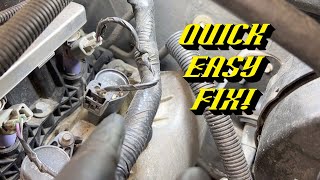
- Assuming a misfire on cylinder #8 is a bad coil without first checking for and repairing the common water leak from the wiper cowl. 🎬 Watch: How to diagnose a cylinder 8 misfire before visiting a mechanic
Most Likely Causes
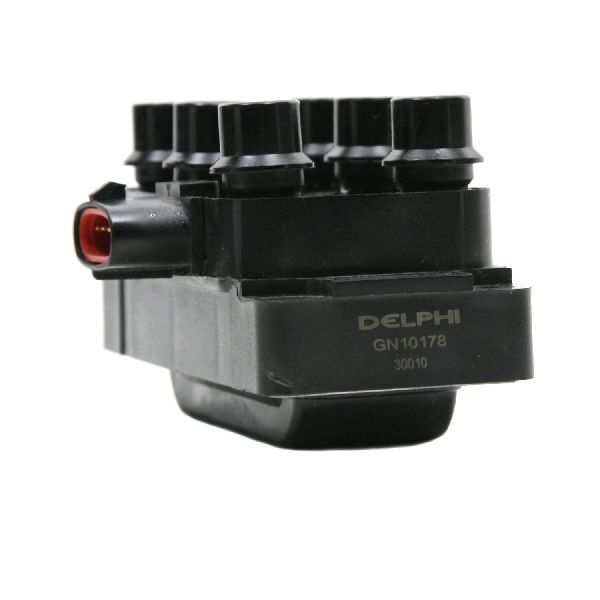
- Failing Ignition Coil (Coil-On-Plug) 🔴 High Probability → Shop Ignition Coil Coil-on-plug units on Ford's modular engines are a common failure point due to constant high heat and vibration. They are especially vulnerable to moisture from the known cowl leak issue, which often shorts out the coil for cylinder #8.
How to confirm: Use a scan tool to identify the misfiring cylinder (e.g., a P030X code). Swap the ignition coil from the misfiring cylinder with a coil from a known good cylinder (e.g., swap #8 with #7). Clear the codes and run the engine. If the misfire code follows the coil to the new cylinder (e.g., changes from P0308 to P0307), the coil is bad.
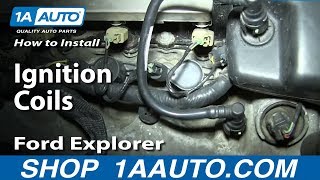
Typical fix: Replace the faulty ignition coil. It is recommended to use high-quality OEM parts like Motorcraft to avoid premature failure. Apply a small amount of dielectric grease to the inside of the new coil boot. 🎬 See this step-by-step guide to replacing the ignition coils
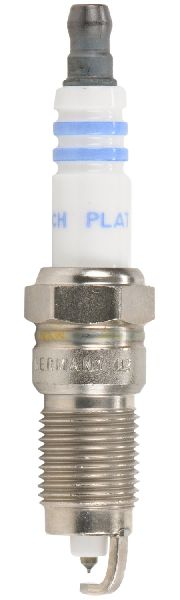
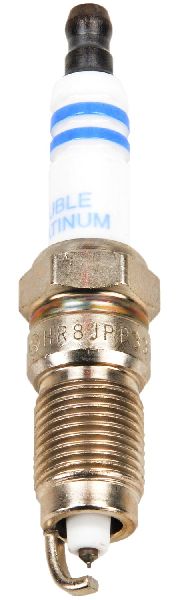
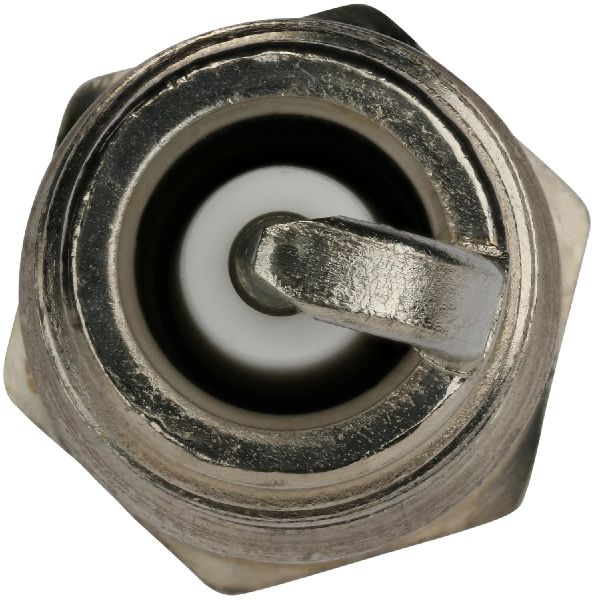
Est. part cost: $40-$70 - Worn or Fouled Spark Plugs 🔴 High Probability → Shop Spark Plug The original equipment two-piece spark plugs (Motorcraft SP-507/PZT14F) are known for carbon buildup that causes the ground electrode shield to seize in the cylinder head and break upon removal. A worn plug with a large gap or one fouled by oil or coolant can easily cause a startup misfire.
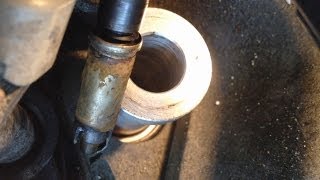
How to confirm: After identifying the misfiring cylinder, remove the spark plug and inspect it. Look for excessive wear on the electrode, oil or coolant fouling, or cracks in the ceramic insulator. The original plugs have a long, smooth shield below the threads.
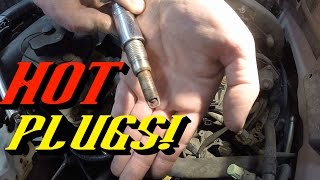
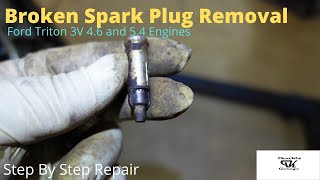
Typical fix: Replace the spark plugs. It is highly recommended to replace all 8 plugs at once. Use a one-piece plug design (e.g., Motorcraft SP-546) to prevent future breakage issues. Strictly follow Ford TSB 08-7-6 for the proper removal procedure to minimize the risk of breaking the old plugs. 🎬 Watch: The correct way to remove these fragile spark plugs
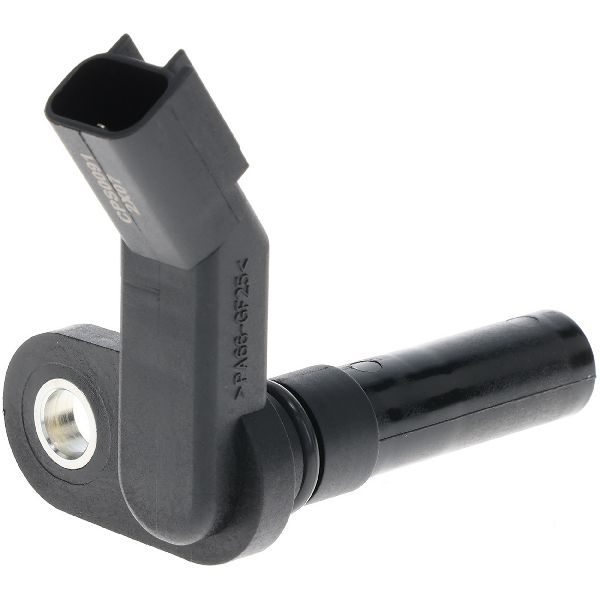
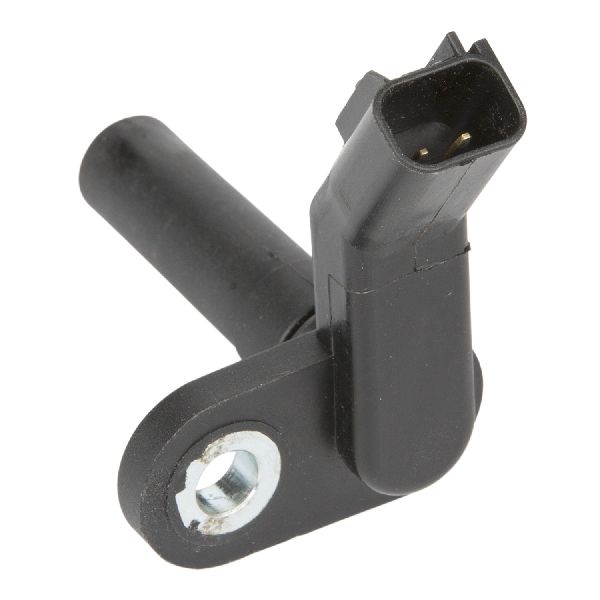
Est. part cost: $80-$150 for a set of 8 - Faulty Crankshaft Position (CKP) Sensor 🟡 Medium Probability The CKP sensor is what the PCM uses to detect misfires by monitoring crankshaft speed. A failing sensor can send erratic signals, especially during cranking, leading the PCM to incorrectly believe a misfire is occurring, sometimes without a specific P030x code.
How to confirm: This is harder to confirm without an oscilloscope. A diagnostic scan tool may show erratic RPM readings during cranking. Visually inspect the sensor and its wiring for damage or corrosion. The sensor is located on the front of the engine block, near the crankshaft pulley.
Typical fix: Replace the crankshaft position sensor. The OEM part number is typically 5L2Z-6C315-A or Motorcraft part number DY-922.
Est. part cost: $30-$60 - Clogged or Leaking Fuel Injector ⚪ Low Probability → Shop Fuel Injector While less common than ignition issues, a fuel injector can become clogged with deposits or leak, causing an improper air/fuel mixture in one cylinder at startup. This can be exacerbated by using fuel with high ethanol content.
How to confirm: After confirming the ignition system is good, swap the fuel injector from the misfiring cylinder with one from another cylinder. This is more labor-intensive than swapping a coil. If the misfire code moves, the injector is the problem.
Typical fix: Replace the faulty fuel injector. It's good practice to replace the O-rings on surrounding injectors if you remove the fuel rail.
Est. part cost: $50-$100 per injector
Rare But Worth Checking
- Failed Roller Follower: The 4.6L 3V engine can suffer from failed roller followers (a type of valve lifter). A bad follower, particularly on an intake valve, can cause a misfire that is most prominent on a cold start, perfectly mimicking a P0316 scenario. The bearing on the follower can seize, destroying the camshaft lobe if not addressed. This is often accompanied by a loud ticking noise.
- Low Fuel Pressure: A weak fuel pump or a failing Fuel Pump Driver Module (FPDM), often located on the frame near the spare tire, can cause low fuel pressure. This can cause a lean condition across all cylinders during startup, which might be detected as a misfire, often with a P0300.
- Seasonal Fuel Blend Change: In the fall, as refineries switch from summer-blend to winter-blend gasoline, the remaining summer-blend fuel in a vehicle's tank may be less volatile in colder temperatures. This can occasionally cause a brief, benign startup misfire that sets a P0316 code without any actual mechanical fault.
Diagnosis Steps
- Connect an OBD-II scanner to check for any accompanying codes (like P0301-P0308) to identify the specific misfiring cylinder.
- If a specific cylinder is identified (e.g., P0308), inspect the spark plug well for any signs of moisture or oil. Water intrusion from a leaking cowl is a known issue, especially for cylinder #8.
- If the well is dry, swap the ignition coil with an adjacent cylinder. Clear the codes and restart the engine. If the misfire code changes to the new cylinder (e.g., P0307), the ignition coil is faulty.
- If the misfire does not move with the coil, inspect the spark plug in the original misfiring cylinder. Look for wear, fouling, or damage. Replace if necessary, being mindful of the TSB for two-piece plug removal.
- If ignition components are good, check the wiring and connector for the ignition coil and fuel injector on the affected cylinder for any damage.
- If the issue persists, consider testing the fuel injector by swapping it with another cylinder, though this is more involved.
- If no specific cylinder is identified (only P0316 or P0300), investigate causes that affect the whole engine, such as a faulty crankshaft position sensor, vacuum leaks, or low fuel pressure.
- Listen for any engine ticking noises. A cold start misfire that is accompanied by a ticking sound could indicate a failed roller follower, which requires removing the valve cover to inspect.
Parts You'll Likely Need
- Ignition Coil (Coil-On-Plug)
(OEM #DG511)— This is the most frequent cause of single-cylinder misfires on the 4.6L 3V engine.
Trusted brands: Motorcraft
OEM price range: $40-$70
Aftermarket price range: $25-$50 - Spark Plugs
(OEM #SP-546 (one-piece replacement))— Worn plugs are a primary cause of misfires. The original two-piece plugs are prone to breaking, so upgrading to a one-piece design is highly recommended during replacement.
Trusted brands: Motorcraft
OEM price range: $10-$15 per plug
Aftermarket price range: $5-$10 per plug - Crankshaft Position Sensor
(OEM #5L2Z-6C315-A (Motorcraft DY-922))— Can cause a P0316 code without a specific cylinder misfire if it sends faulty signals to the PCM at startup.
Trusted brands: Motorcraft, Bosch, Delphi
OEM price range: $40-$60
Aftermarket price range: $20-$40
Related Codes That Often Appear With This One
- P0300 — If the misfire is random or affects multiple cylinders, P0300 (Random/Multiple Cylinder Misfire Detected) will often accompany P0316.
- P0301-P0308 — These codes pinpoint the specific cylinder that is misfiring (e.g., P0308 is Cylinder 8). P0316 tells you the misfire happened at startup, and the P030x code tells you where.
Technical Service Bulletins (TSBs) & Recalls
- TSB 08-7-6: Describes the updated procedure for removing the original two-piece spark plugs from 4.6L/5.4L/6.8L 3V engines to minimize breakage. It requires a cold engine, soaking the plugs with Motorcraft Carburetor Tune-Up Cleaner, and using only hand tools to slowly work the plugs back and forth.
Platform-Specific Known Issues
- Broken Spark Plugs during Removal: → Shop Spark Plug The original two-piece Motorcraft spark plugs (SP-507/PZT14F) are notorious for the lower shield separating and getting stuck in the cylinder head. Following Ford's TSB 08-7-6 is crucial: the engine must be cold, and a small amo
Mechanic-Grade Diagnostic Values
- Ignition Coil Primary Resistance (Motorcraft DG511) — expected: 0.55 Ohms. Failure: A significantly higher or lower reading, or an open circuit (infinite resistance).
- Ignition Coil Secondary Resistance (Motorcraft DG511) — expected: 5,500 Ohms (5.5 kOhms). Failure: Readings significantly outside this range indicate a faulty internal winding.
- Fuel Injector Resistance — expected: 11 - 18 Ohms. Failure: A reading outside this range indicates an electrical fault in the injector's coil.
- Fuel Pressure (Key On, Engine Off) — expected: 35-45 PSI. Failure: Pressure that is significantly lower may indicate a weak fuel pump or failing FPDM. Pressure that drops quickly after the pump primes can indicate a leaking injector or faulty check valve.
Hidden / Shadow Codes Worth Checking
- Mode $06, TID $A2-$AB, CID $01-$08: This is not a DTC, but raw data from the onboard misfire monitor. Test IDs (TID) $A2 through $AB correspond to misfire data for each cylinder in the last 10 drive cycles. The Component ID (CID) specifies the cylinder number (e.g., $01 for cylinder 1, $08 for cylinder 8). A high count value for a specific cylinder, even without a P030x code, confirms which cylinder is the source of the startup misfire. (see via A professional scan tool like Ford's IDS or a capable consumer-level tool/software like FORScan that can display Mode $06 data.)
Scan Tool Commands That Help
- Ford IDS (Integrated Diagnostic System): Power Balance Test — This bidirectional test allows a technician to view a real-time graph of the power contribution from each cylinder. It can visually confirm a misfire and its severity by showing a deep drop in the graph for the offending cylinder. It's used to verify a misfire is currently active before swapping parts.
- Ford IDS or equivalent: Misfire Monitor Neutral Profile Correction — This is a relearn procedure for the crankshaft position sensor profile. It should be performed after replacing a CKP sensor or if false misfires are suspected due to manufacturing tolerances. A TSB for other Ford models notes this can resolve errant P0316 codes when no mechanical fault is present.
Wiring & Ground Locations
- G104 — Located at the right front corner of the engine compartment, on the fender apron.. This is a primary engine bay ground point. A corroded or loose connection here can cause unstable voltage and weak spark, potentially leading to intermittent misfires that are hard to trace.
- G100 / G101 — Located at the left front corner of the engine compartment, often near the battery.. These are the main battery and chassis grounds for the engine compartment. A poor connection here can affect the entire ignition and fuel system's electrical stability.
- PCM Connector C175B — This is one of the main multi-pin connectors at the Powertrain Control Module (PCM), which is typically located in the engine bay near the firewall.. The control signal wires for the ignition coils run from this connector to each coil. For example, on a similar Ford V8, the signal for coil #8 is Pin 6. Checking for a clean, secure connection and testing signal continuity from this connector is a key step in diagnosing a persistent misfire when the coil and plug are known to be good.
Real Owner Repair Stories
- Ford Truck Enthusiasts Forum User (2002 Ford E-150 4.6L V8) — Slight miss at idle, codes P0305 and P0316 present. Good acceleration and no hesitation.
❌ Tried (didn't work) The user was seeking advice before taking it to a shop.
✅ What actually fixed it The consensus from experienced members was that the P0316 code often points to a failing Coil-On-Plug (COP) unit on the indicated cylinder (Cylinder 5 in this case), even if the misfire seems minor. The fix is to replace the ignition coil on the affected cylinder. - YouTube video by 'FordTechMakuloco' (Ford 4.6L 3V (Explorer application shown)) — Misfire only on cold start, sometimes with a deceleration misfire. Code for a specific cylinder misfire present.
❌ Tried (didn't work) Replacing the spark plug and ignition coil on the misfiring cylinder did not resolve the issue. A compression test also showed good results.
✅ What actually fixed it The root cause was a failed (dislodged) roller follower on an intake valve for the misfiring cylinder. This prevented one of the two intake valves from opening, causing a rich misfire on cold starts that would often clear up as the engine warmed. The fix required removing the valve cover and replacing the failed roller follower.
OEM Part Supersession History
3L3Z-12029-BA→Motorcraft DG511— This is the standard service replacement part number for the original coil.
Heads up: The DG511 coil with a black boot is correct for the 2006-2010 Explorer 4.6L 3V. Earlier 3V engines (pre-2008 in some platforms like Mustang) used a different coil (often with a brown boot, like DG521) for the 'high thread' spark plug heads. Using the wrong coil can result in a poor fit and weak spark.
Diagnostic Flowchart
Other Known Issues on This Vehicle
Issues unrelated to this code that are worth knowing about as an owner of this generation:
- Timing Chain Cassette/Tensioner Failure 🔴 High — Common over 100,000 miles. A startup rattle is the primary symptom. Caused by plastic tensioner guides breaking or tensioners losing oil pressure. (Ref: No specific TSB for the Explorer, but a well-documented issue across the 3V engine family.)
- Variable Camshaft Timing (VCT) Phaser Failure 🟠 Medium — Common, especially on higher-mileage engines or those with infrequent oil changes. Causes a diesel-like ticking/knocking sound at idle. (Ref: Well-documented issue, often repaired alongside timing chain components.)
- 6R60 Transmission Failures 🔴 High — Early production (2006-2007) models are more prone. Symptoms include harsh shifting, bucking, or failure of the internal mechatronic unit (valve body). (Ref: Some issues could be addressed with a PCM reflash, but mechanical failure often requires a rebuild or replacement.)
- Cracked Plastic Thermostat Housing 🟠 Medium — Very common failure item, leading to coolant leaks at the front of the engine.
- Intake Manifold Gasket Leaks 🟠 Medium — The gaskets can degrade, causing vacuum leaks (rough idle) or, in some cases, coolant leaks into the spark plug wells, causing misfires.
Used vs. New Parts: Buying Guide for This Vehicle
When a used part is the smart pick: For this specific repair, using used parts is generally not recommended for the primary failure components. The only exception might be a major mechanical component like a cylinder head if sourced from a verified low-mileage, well-maintained donor vehicle.
Donor-vehicle mileage cap: roughly under 75000 miles for the part to have meaningful remaining life.
What to inspect on the donor part:
- For a cylinder head, look for no signs of overheating (warping), no visible corrosion in coolant passages, and intact camshaft lobes.
- Check for service records if possible to verify maintenance history.
- Avoid parts from vehicles that show signs of sitting for long periods or have heavy underbody corrosion.
OEM-only on this vehicle (don't cheap out):
- Fuel Pump Driver Module (FPDM) - Aftermarket FPDMs are notoriously unreliable and fail quickly. Always use a genuine Motorcraft part.
- Crankshaft Position Sensor (CKP) - Critical sensors like the CKP are best sourced from OEM (Motorcraft) to avoid erratic signals and compatibility issues.
- VCT Solenoids - While some aftermarket brands exist, OEM Motorcraft VCT solenoids are recommended for reliability and correct operation.
Aftermarket brands forum-validated for this vehicle:
- Ignition Coils: While Motorcraft is preferred, brands like MSD and Accel are considered performance upgrades by some owners.
- Spark Plugs: Autolite is a commonly accepted alternative to Motorcraft.
Brands owners have reported issues with on this vehicle:
- Unbranded 'Set of 8' Ignition Coils: Cheap ignition coil sets from online marketplaces are a frequent cause of repeat misfires and premature failure. They often have incorrect resistance values and poor durability.
Real Owner Stories
Aggregated from forums and TSBs cited above. Mileages and costs reflect what owners reported in those sources.
2006 Ford Explorer 4.6L 3V V8
Symptoms: Misfires on cylinders 4 and 6 with a P0316 code occurring after changing the spark plugs.
What fixed it: The owner was in the process of diagnostic challenges after already swapping coils and injectors to resolve the persistent 4 and 6 misfire.
Source hint: https://www.ford-trucks.com/forums/1570776-misfire-in-cylinder-4-and-6-a.html
2006-2010 Ford Explorer 4.6L 3V V8
Symptoms: P0316 with misfires specifically on cylinders 4 and 6; owner had already attempted swapping coils and injectors without resolution.
What fixed it: The source illustrates a diagnostic challenge where standard component swaps (coils/injectors) did not immediately resolve the P0316 and cylinder-specific misfires.
Source hint: https://www.explorerforum.com/forums/showthread.php?t=478933
2006-2010 Ford Explorer 4.6L 3V V8 — ~110000 miles
Symptoms: Startup rattle and misfire symptoms.
What fixed it: Repair of the timing chain cassette/tensioner; the failure was caused by plastic tensioner guides breaking or tensioners losing oil pressure.
Source hint: known_issues section regarding Timing Chain Cassette/Tensioner Failure
Related OBD-II Codes
Frequently Asked Questions
I have a 2006 Ford Explorer 4.6L with a P0316 code. Is there a specific procedure I should follow to change my spark plugs?
Why is my cylinder #8 ignition coil failing repeatedly on my 2008 Explorer?
What spark plugs should I use to avoid the breakage issue in my 4.6L 3V V8?
My Explorer has a P0316 and a ticking sound at startup. Is this just a spark plug issue?
Can a bad sensor cause a P0316 without a specific cylinder misfire code?
Does the Mercury Mountaineer suffer from these same P0316 startup misfire issues?
Helpful Videos
We Have This Part in Stock

The information in this article is provided for general reference and educational purposes only. Vehicle specifications, procedures, and part compatibility can vary by production date, trim level, and region. Always consult your vehicle's factory service manual and verify part numbers before purchasing or performing repairs. Safety-critical components such as airbags, seat belts, and braking systems should be installed by a qualified professional.
- Ford Explorer:
- 🧭 Diagnostic Flowchart
- 🎬 Helpful Videos
- 🛍️ Shop This Part
- What's Unique About the 2006-2010 Ford Explorer
- Symptoms You May Notice
- Most Likely Causes
- Rare But Worth Checking
- Diagnosis Steps
- Parts You'll Likely Need
- Related Codes That Often Appear With This One
- Technical Service Bulletins (TSBs) & Recalls
- Platform-Specific Known Issues
- Mechanic-Grade Diagnostic Values
- Hidden / Shadow Codes Worth Checking
- Scan Tool Commands That Help
- Wiring & Ground Locations
- Real Owner Repair Stories
- OEM Part Supersession History
- Other Known Issues on This Vehicle
- Used vs. New Parts: Buying Guide for This Vehicle
- Real Owner Stories
- 2006 Ford Explorer 4.6L 3V V8
- 2006-2010 Ford Explorer 4.6L 3V V8
- 2006-2010 Ford Explorer 4.6L 3V V8 — ~110000 miles
- Related OBD-II Codes
- Frequently Asked Questions
- 🎟️ Get 5% Off