

P0316 on 2010-2012 Ford Fusion 2.5L: Startup Misfire Causes and Fixes
P0316 means your Fusion's computer detected a misfire in the first 1,000 engine revolutions after starting. The most common causes are worn spark plugs or failing ignition coils. Less common, but possible, are issues with the crankshaft position sensor, a weak battery, or a dirty EGR valve.
- P0316 means a misfire was detected right after starting the engine.
- Start your diagnosis with the basics: inspect and replace spark plugs if they are old or worn.
- If the misfire continues, test the ignition coils, which are the next most likely culprit.
- Unlike later EcoBoost models, this code on the 2.5L engine is very unlikely to be a sign of major internal engine damage.
- Always check for other codes, as they can help you pinpoint the exact location and nature of the misfire.
What's Unique About the 2010-2012 Ford Fusion
For the 2010-2012 Fusion with the 2.5L Duratec engine, the P0316 code is typically straightforward and not indicative of the major internal engine failures seen on later EcoBoost models. While some Ford engines have TSBs for coolant intrusion causing this code, that is not a common documented issue for this specific naturally-aspirated 2.5L engine. Diagnosis for this platform usually centers on standard ignition system maintenance, fuel delivery, or occasionally, a faulty sensor.
Symptoms You May Notice
- Check Engine Light is on (solid or flashing)
- Rough or shaky idle, especially right after starting
- Engine hesitates or stumbles on acceleration
- Reduced engine power
- Poor fuel economy
- Engine may stall at idle, particularly shortly after starting
- White smoke from the exhaust on startup (reported in some coolant-related misfire cases)
- Replacing the catalytic converter. A misfire can damage a converter, but the converter itself rarely causes a startup-specific misfire code.
- Replacing the Powertrain Control Module (PCM). While technically possible, PCM failure is extremely rare and should only be considered after all other possibilities have been exhaustively ruled out.
Most Likely Causes
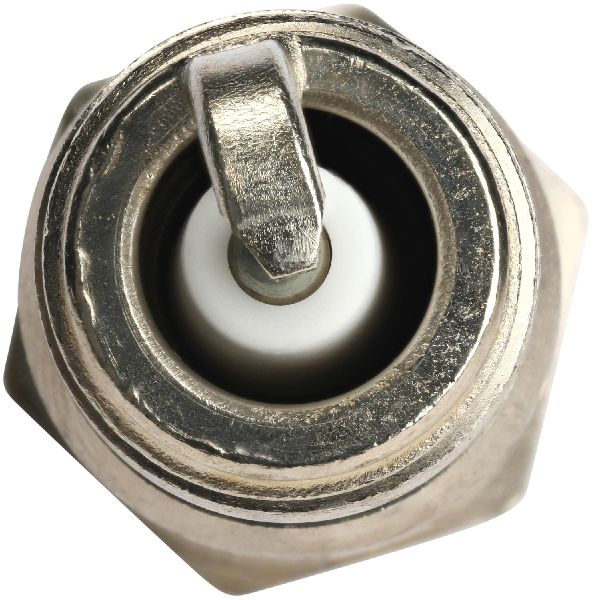
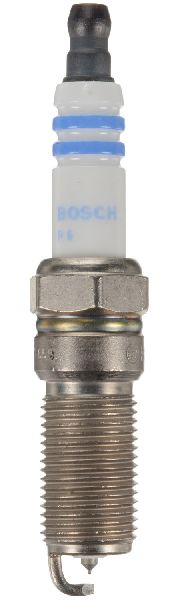
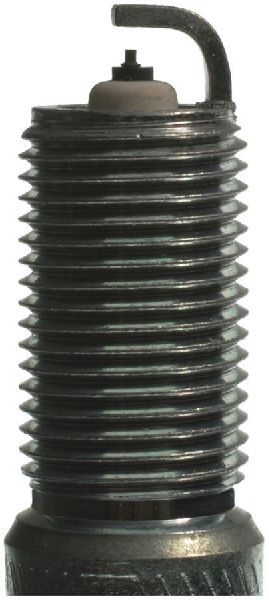
- Worn or Fouled Spark Plugs 🔴 High Probability → Shop Spark Plug Spark plugs are a standard wear item. As the electrode wears down or becomes fouled with carbon or oil, the spark weakens, leading to incomplete combustion, especially on a cold start when the fuel mixture is rich.
How to confirm: Remove the spark plugs and inspect them for wear (rounded electrodes), carbon buildup, oil fouling, or cracks in the porcelain. The service interval for spark plugs on this engine is typically around 100,000 miles, but they can fail sooner.
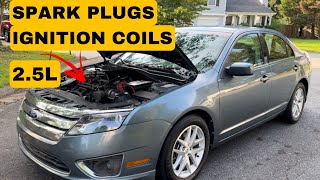
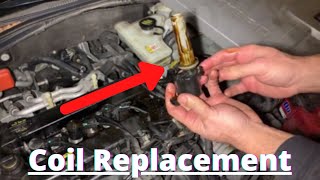
Typical fix: Replace all four spark plugs. 🎬 Watch: Step-by-step spark plug and coil replacement guide It's highly recommended to use OEM-spec (Motorcraft) or equivalent quality plugs from brands like NGK or Denso. Ensure they are gapped correctly before installation.
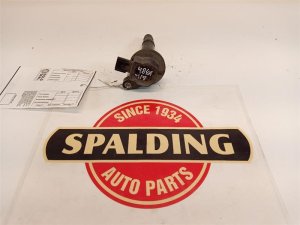
Est. part cost: $20-$50 - Failing Ignition Coil(s) 🟡 Medium Probability → Shop Ignition Coil Ignition coils (also called coil-on-plugs) are subjected to high heat and voltage. Over time, the internal windings can break down or the boot can degrade, leading to a weak or intermittent spark that is most noticeable under high load or during a cold start.
How to confirm: If a cylinder-specific code (like P0301, P0302, etc.) is present, swap the ignition coil from the misfiring cylinder with one from a known good cylinder. Clear the codes and drive the vehicle. If the misfire code follows the coil to the new cylinder (e.g., P0302 becomes P0303 after swapping coils from cylinders 2 and 3), the coil is bad.
Typical fix: Replace the faulty ignition coil. Many mechanics recommend replacing all four coils at the same time if they are original and high-mileage, as the others may fail soon.
Est. part cost: $30-$70 per coil - Faulty Crankshaft Position (CKP) Sensor ⚪ Low Probability The CKP sensor is what the PCM uses to detect misfires by measuring crankshaft speed. If the sensor itself is failing or its wiring is damaged, it can send erratic signals on startup, causing the PCM to incorrectly flag a misfire or contribute to a real one.
How to confirm: Visually inspect the sensor and its wiring for damage. A professional scan tool can monitor the CKP sensor's live data stream for dropouts or erratic readings during cranking. Resistance tests can also be performed on the sensor with a multimeter.
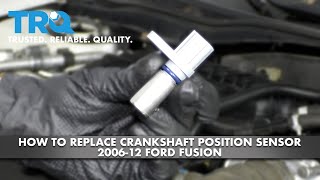
Typical fix: Replace the crankshaft position sensor. Crucially, after replacing the CKP sensor on many Ford vehicles, a 'Misfire Monitor Neutral Profile Correction' or 'CKP relearn' procedure must be performed with a capable scan tool. Failure to do this can result in a persistent P0316 code even with a new sensor. 🎬 Watch: How to replace the crankshaft position sensor
Est. part cost: $25-$60 - Sticking or Clogged EGR Valve ⚪ Low Probability The Exhaust Gas Recirculation (EGR) valve can become clogged with carbon deposits, causing it to stick open. If it's stuck open on startup, it allows exhaust gas into the intake manifold at the wrong time, disrupting the air/fuel mixture and causing a rough idle and misfires.
How to confirm: This is often accompanied by EGR-specific codes like P0400 or P0401. The valve can be removed and inspected for carbon buildup. If the pintle doesn't move freely or is stuck open, it's faulty.
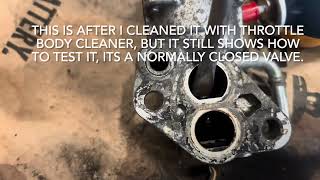
Typical fix: Remove and clean the EGR valve and its passages. If cleaning doesn't resolve the issue, replace the EGR valve. 🎬 See how to diagnose surging and EGR issues
Est. part cost: $70-$150
Rare But Worth Checking
- Low Fuel Pressure: A weak fuel pump or clogged fuel filter can cause insufficient fuel pressure, leading to a lean condition and misfires on startup. This would typically affect all cylinders and may be accompanied by a P0300 (random misfire) code.
- Dirty or Faulty Fuel Injectors: → Shop Fuel Injector A clogged or leaking fuel injector can cause a misfire in a specific cylinder. This is less common than ignition problems but worth considering if new plugs and coils don't solve a cylinder-specific misfire.
- Seasonal Fuel Blend Changeover: In some regions, a P0316 code can appear temporarily during the switch from summer-blend to winter-blend gasoline, especially during a sudden cold snap. The less volatile summer fuel can be harder to ignite in cold temperatures, causing a brief startup misfire that the sensitive monitor detects. If no other symptoms are present, it may resolve on its own after a few tanks of the new seasonal fuel. A Ford technician video specifically highlights this as a common reason for an isolated P0316 code in the fall.
- Weak Battery / Low Starting Voltage: A battery that is nearing the end of its life can cause a voltage drop during cranking. This low voltage can affect the performance of the ignition coils and sensors, potentially inducing a misfire that is only present during startup. One owner of an Energi model with P0316 also had low voltage codes.
- Vacuum Leak: A significant vacuum leak from a cracked hose or bad intake manifold gasket can lean out the air/fuel mixture, causing a rough idle and misfires. This would typically be present at all times but might be most noticeable on a cold start before the system enters closed loop.
- Internal Engine Cracking / Coolant Intrusion: While more common on EcoBoost variants, some owners have reported P0316 alongside cylinder-specific codes (like P0302 or P0304) where inspection revealed coolant entering the combustion chamber. NHTSA ODI #11481699 describes an engine that ran rough on cold idle with P0316 and P0302 due to cracking that allowed coolant intrusion. Similarly, NHTSA ODI #11653487 notes a case where P0304 and P0316 led to a diagnosis of coolant intrusion in cylinder 4.
Diagnosis Steps
- Scan for Codes: Use an OBD-II scanner to confirm P0316 and check for any other accompanying codes (like P0301-P0304) that can pinpoint the misfiring cylinder. Note if the check engine light is flashing, which indicates a severe misfire.
- Inspect Spark Plugs: Remove and inspect all four spark plugs. Look for signs of wear, fouling (black soot, white ash, or oil), or damage. Replace if they are worn or if their condition is questionable. Ensure new plugs are gapped correctly. In some instances, such as NHTSA ODI #11624031, owners found coolant on the spark plugs during replacement, which indicated a deeper issue.
- Test Ignition Coils: If a specific cylinder is identified, swap its ignition coil with a known good one. Clear codes and see if the misfire follows the coil. If so, replace the bad coil.
- Check Battery and Charging System: Test the battery voltage before the first start of the day. A reading below 12.4V may indicate a weak battery. Have a load test performed at an auto parts store to confirm its health.
- Check Fuel System: Listen for the fuel pump priming for a few seconds when the key is turned to the 'on' position. If a fuel pressure gauge is available, verify that the pressure is within specification.
- Inspect EGR System: If EGR codes are present, inspect the EGR valve for carbon buildup and ensure it is not stuck open.
- Inspect Crankshaft Position Sensor: Visually check the CKP sensor and its wiring harness for any obvious damage, corrosion, or loose connections. If replaced, remember the CKP relearn procedure is necessary.
- Check for Vacuum Leaks: With the engine running, listen for hissing sounds around the intake manifold and vacuum hoses. Spraying short bursts of brake cleaner or starter fluid near suspected leak areas can help; a change in engine RPM indicates a leak.
- Perform Compression or Leak-Down Test: If misfires persist and coolant loss is suspected, a relative compression test can be useful. NHTSA ODI #11655969 describes a case where a scan tool verified P0302 and P0316, and a relative compression test found a 25% deficit in cylinder #2.
Parts You'll Likely Need
- Spark Plugs
(OEM #AGSF32YPC (Superseded by SP-541-AX))— These are the most common wear-and-tear items that cause misfires. They are relatively inexpensive and part of routine maintenance.
Trusted brands: Motorcraft, NGK, Denso
OEM price range: $25-$40 (set of 4)
Aftermarket price range: $20-$35 (set of 4) - Ignition Coil
(OEM #DG520)— Ignition coils are the second most likely cause of
Related Codes That Often Appear With This One
- P0300 — This indicates a random/multiple cylinder misfire. If P0316 is present with P0300, it suggests the startup misfire isn't isolated to a single cylinder, pointing towards a potential fuel delivery, vacuum leak, or CHT sensor issue.
- P0301, P0302, P0303, P0304 — These codes specify which cylinder is misfiring (1, 2, 3, or 4). They are extremely helpful, as P0316 tells you *when* the misfire happened (startup), and these codes tell you *where* it happened, pointing you directly to the spark plug, coil, and injector to inspect.
Technical Service Bulletins (TSBs) & Recalls
- TSB 11-10-10: Some 2010-2012 Transit Connect vehicles may exhibit rough running, lack of power, and misfire codes (P0300, P0301-P0304, P0316) due to issues with the Cylinder Head Temperature (CHT) sensor or its wiring.
Platform-Specific Known Issues
- A TSB was issued for some 2010-2012 Fusions with the 2.5L engine that exhibited overheating conditions and misfire codes (including P0316) due to a faulty Cylinder Head Temperature (CHT) sensor or corroded connector. This is worth investigating if you are also experiencing erratic temperature gauge readings.
Mechanic-Grade Diagnostic Values
- Ignition Coil Secondary Resistance — expected: 6,000 - 10,000 Ohms (general spec). Failure: A reading significantly outside this range, or an open circuit (infinite resistance), indicates a bad coil.
- Ignition Coil Primary Resistance — expected: 0.4 - 2.0 Ohms (general spec). Failure: A reading outside this range suggests a fault in the primary windings of the coil.
- Crankshaft Position (CKP) Sensor Resistance — expected: 200 - 1,000 Ohms. Failure: An open circuit (infinite resistance) or a reading far outside the expected range indicates a failed sensor.
- Mode 6 Misfire Counts (TID $A2-$A7) — expected: Counts should be zero or very close to zero for all cylinders.. Failure: A high count on a specific cylinder points to the source of the misfire, even if a specific P030x code has not yet been set.
Hidden / Shadow Codes Worth Checking
- Mode 6, Test IDs $A2-$A7: This is not a traditional trouble code but a data stream that shows raw misfire counts for each cylinder. It allows a technician to see which cylinder is misfiring before the count is high enough to trigger a specific P0301-P0304 code. (see via A professional scan tool or an advanced consumer OBD-II scanner with Mode 6 capabilities.)
Scan Tool Commands That Help
- Ford IDS (or equivalent professional scanner like FORScan): Misfire Monitor Neutral Profile Correction — This procedure is mandatory after replacing the Crankshaft Position (CKP) sensor, PCM, or performing major engine/transmission repairs. It relearns the subtle variations in the crankshaft reluctor wheel, which is essential for accurate misfire detection. Failure to perform this can cause a persistent P0316 or P0300 code even with new parts.
- Ford IDS (or equivalent professional scanner): Power Balance Test — This active test helps pinpoint a misfiring cylinder when a specific P030x code is not present. The tool sequentially disables the fuel injector for each cylinder and measures the RPM drop. A cylinder that shows little to no RPM drop when disabled is the one that is not contributing power.
Wiring & Ground Locations
- G100, G101, G102, G103, G104, G105, G106 — Various points in the left front, right side, and rear of the engine compartment.. These are the primary engine and chassis ground points. A loose or corroded ground at any of these locations can cause unstable voltage and erratic signals for the entire engine management system, including the ignition coils, fuel injectors, and the crankshaft position sensor, leading to misfire codes.
- Engine Harness Chafe Point — Where the main engine harness crosses over the top of the camshaft/valve cover.. Engine vibrations can cause the wiring harness to rub against the valve cover or mounting studs. If wires for the ignition coils or fuel injectors are damaged here, it can cause an intermittent short or open circuit, leading to a misfire that is hard to diagnose.
Real Owner Repair Stories
- mechanicRHP on YouTube (2014 Ford Fusion 2.5L (same engine and similar systems as 2010-2012)) — Engine would die when cold, rough idle (RPMs surging up and down), hard time staying on.
❌ Tried (didn't work) Inspecting spark plugs, Inspecting the throttle body
✅ What actually fixed it The EGR valve was stuck open due to heavy carbon buildup. Cleaning the carbon out of the EGR valve resolved the stalling, rough idle, and cleared the P0300, P0316, and P0400 codes. - NHTSA ODI #11559329 — An owner reported a rough start with error P0316 and occasional misfires starting around 77,000 miles. They noted coolant loss with no visible signs in the engine bay and white smoke coming from the exhaust on start.
When the Usual Fixes Don't Work
- While spark plugs and ignition coils are the most frequent culprits, a notable number of cases, especially when accompanied by a P0400 or P0401 code, are ultimately resolved by addressing a carbon-clogged EGR valve. In one documented case, a 2014 Fusion with the same 2.5L engine exhibited P0316 and P0300, and after checking the ignition system, the actual fix was cleaning the stuck EGR valve. This suggests that if ignition components do not resolve the issue, the EGR system should be the next primary suspect before moving to more complex diagnostics.
OEM Part Supersession History
AGSF32YPC→SP-541-AX, SP-541, AGSF32FM, SP-432— Standard part number consolidation and minor design updates by the manufacturer over time.
Heads up: SP-541-AX is the current primary replacement part number for this application. While other numbers may be cross-referenced, using the latest Motorcraft part ensures the correct heat range and design.
Model Year Variations Within This Range
- 2010-2012: There are no significant mechanical or system differences for the 2.5L I4 engine within this 2010-2012 facelift generation that would alter the diagnosis or common causes of a P0316 code. The engine and management system remained consistent.
Diagnostic Flowchart
Other Known Issues on This Vehicle
Issues unrelated to this code that are worth knowing about as an owner of this generation:
- Electronic Throttle Body (ETB) Failure 🔴 High — Common issue for this generation, can occur at various mileages. Often causes sudden loss of power ('limp mode') and a wrench warning light. (Ref: Ford issued TSB 10-21-6 for related codes (P2111, P2112) and extended the warranty for this part on some models.)
- Electric Power Steering (EPAS) Failure 🔴 High — A prevalent and dangerous issue where power steering assistance can suddenly fail, making the vehicle very difficult to steer. Particularly noted in 2010-2012 models. (Ref: Subject of numerous complaints and investigations, but no universal recall was issued for all affected vehicles.)
- Transmission Shift Flare / Harsh Shifting 🟠 Medium — Some owners report harsh shifts or a 'flare' in RPMs between gears, particularly the 1-2 and 2-3 shifts in the 6F35 transmission. (Ref: TSB 11-11-23 was issued to address this with a PCM reprogram.)
- Swelling/Delaminating Lug Nuts 🟡 Low — The original two-piece lug nuts have a chrome cap that swells and deforms over time, making it impossible to use the standard lug wrench. A very common annoyance.
- Leaking Valve Cover Gasket 🟡 Low → Shop Engine Valve Cover — A common oil leak point as the vehicle ages. The gasket dries out and allows oil to seep, particularly near the timing cover.
Used vs. New Parts: Buying Guide for This Vehicle
When a used part is the smart pick: For this specific repair, used parts are generally not recommended for the most common failure items. However, a used EGR valve from a low-mileage donor vehicle could be a cost-effective option if it is inspected to be clean and the pintle moves freely.
Donor-vehicle mileage cap: roughly under 75000 miles for the part to have meaningful remaining life.
What to inspect on the donor part:
- For an EGR valve, ensure there is no heavy carbon buildup and the valve mechanism is not seized.
- For a Crankshaft Position Sensor, check that the plastic housing is not cracked and the wiring pigtail is intact with no corrosion on the pins.
- Verify the donor vehicle was not in a front-end collision that could have damaged engine components.
OEM-only on this vehicle (don't cheap out):
- Crankshaft Position Sensor - Aftermarket sensors can have incorrect resistance values or magnetic properties, leading to persistent codes or inaccurate misfire detection even after a successful relearn procedure.
Aftermarket brands forum-validated for this vehicle:
- NGK, Denso (for Spark Plugs)
- Delphi, NGK (for Ignition Coils)
Brands owners have reported issues with on this vehicle:
- Unbranded, 'white-box' ignition coils and sensors from online marketplaces are frequently cited as having high failure rates and causing persistent issues.
Real Owner Stories
Aggregated from forums and TSBs cited above. Mileages and costs reflect what owners reported in those sources.
2010 Ford Fusion 2.5L I4
Symptoms: Owner discussed long-term reliability issues and the need to replace the throttle body.
What fixed it: Replacing the electronic throttle body.
Source hint: BobIsTheOilGuy.com - '2010 Ford Fusion common issues?'
2011 Ford Fusion 2.5L I4
Symptoms: Rough running, lack of power, and misfire codes including P0316.
What fixed it: Repairing the Cylinder Head Temperature (CHT) sensor or its wiring harness.
Source hint: TSB 11-10-10
2010 Ford Escape 2.5L I4
Symptoms: Owner reported being 'zapped with codes' including P0316 after dealing with a loose muffler gasket and bolt.
What fixed it: Addressing exhaust/muffler components and related sensor codes.
Source hint: Ford Truck Enthusiasts Forums - 'Loose muffler gasket/bolt and now I'm zapped with codes'
Related OBD-II Codes
Frequently Asked Questions
Does TSB 11-10-10 apply to my 2010-2012 Ford Fusion 2.5L?
I replaced my Crankshaft Position (CKP) sensor but the P0316 code is still there. What did I miss?
Could a failing throttle body be causing my startup misfires and rough idle?
What brand of spark plugs should I use for my 2.5L Duratec I4 to avoid misfires?
Is there a specific sensor I should check if my temperature gauge is acting erratic along with the P0316 code?
How can I tell if my P0316 code is caused by the EGR valve?
Helpful Videos
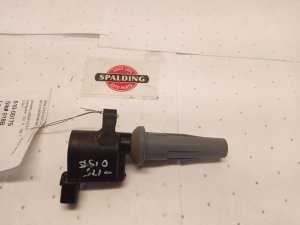
Used OEM Parts in Stock
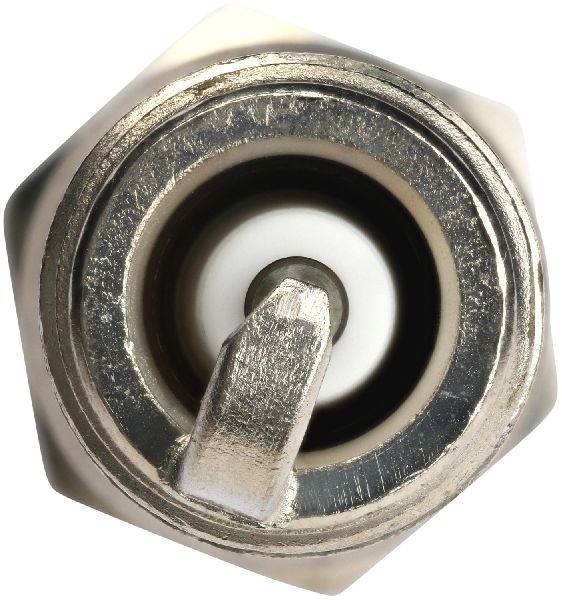
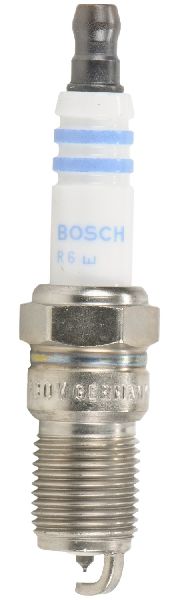
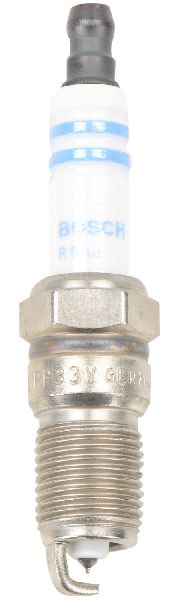
New Aftermarket Parts Available

The information in this article is provided for general reference and educational purposes only. Vehicle specifications, procedures, and part compatibility can vary by production date, trim level, and region. Always consult your vehicle's factory service manual and verify part numbers before purchasing or performing repairs. Safety-critical components such as airbags, seat belts, and braking systems should be installed by a qualified professional.
- Ford Fusion:
- 🧭 Diagnostic Flowchart
- 🎬 Helpful Videos
- 🛍️ Shop This Part
- What's Unique About the 2010-2012 Ford Fusion
- Symptoms You May Notice
- Most Likely Causes
- Rare But Worth Checking
- Diagnosis Steps
- Parts You'll Likely Need
- Related Codes That Often Appear With This One
- Technical Service Bulletins (TSBs) & Recalls
- Platform-Specific Known Issues
- Mechanic-Grade Diagnostic Values
- Hidden / Shadow Codes Worth Checking
- Scan Tool Commands That Help
- Wiring & Ground Locations
- Real Owner Repair Stories
- When the Usual Fixes Don't Work
- OEM Part Supersession History
- Model Year Variations Within This Range
- Other Known Issues on This Vehicle
- Used vs. New Parts: Buying Guide for This Vehicle
- Real Owner Stories
- 2010 Ford Fusion 2.5L I4
- 2011 Ford Fusion 2.5L I4
- 2010 Ford Escape 2.5L I4
- Related OBD-II Codes
- Frequently Asked Questions
- 🎟️ Get 5% Off