

P0341 on 2013-2017 BMW X3: N20 Timing Chain and Cam Sensor Guide
On the BMW X3 with the N20 engine, P0341 is most often a sign of a stretched timing chain or failing plastic guides, a well-known issue with this engine. While it could be a simple bad sensor, a full timing chain job is a common and expensive repair, costing $2,500-$4,000+. The issue was so widespread that BMW issued a warranty extension (SIB 11 03 17) for affected vehicles.
- For a 2013-2017 BMW X3 with the N20 engine, P0341 is a serious code that strongly points to a failing timing chain system.
- A distinct 'whining' noise from the engine that changes with RPM is the most telling symptom of the underlying issue.
- Do not simply replace the camshaft sensor and assume the problem is fixed. The sensor is often just indicating a deeper mechanical problem.
- Due to the risk of catastrophic engine failure, immediate inspection by a qualified technician is highly recommended.
- Repair is expensive, often costing several thousand dollars for a full timing chain service.
What's Unique About the 2013-2017 BMW X3
The BMW N20 engine, used in the 2013-2017 X3 (specifically models built before March 2015), is notorious for premature timing chain system failures. The original timing chain guides were made from a defective polycarbonate plastic that becomes brittle and breaks apart over time. This causes the timing chain to lose tension, which directly leads to the camshaft and crankshaft signals falling out of sync, triggering the P0341 code. While the code points to a sensor, the root cause on this specific engine is very often the entire timing assembly, including the oil pump drive chain which uses similar guides.
Symptoms You May Notice
- Check Engine Light is on
- Drivetrain Malfunction warning on iDrive screen
- Engine is hard to start or has a long crank time
- Rough or unstable idle
- Engine hesitation or stalling
- Reduced engine power and performance, sometimes referred to as 'limp mode'
- A distinct high-pitched whining or whirring noise from the front of the engine that increases with RPM, often most noticeable between 1,500-2,500 RPM.
- Replacing only the camshaft position sensor without checking the timing chain. Given the N20's history, the sensor is often just the messenger, not the root cause. The problem will likely return if the underlying timing issue isn't addressed.
Most Likely Causes
- Stretched Timing Chain / Failed Guides 🔴 High Probability → Shop Engine Timing Chain The N20 engine used in models with a production date before March 2015 had defective polycarbonate timing chain guides that become brittle and fail. This is a widely documented class-action lawsuit-level issue. Broken guide pieces can also clog the oil pump pickup, leading to oil starvation.
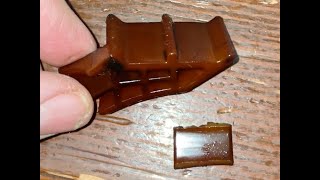
How to confirm: A high-pitched whining noise from the front of the engine is the key auditory symptom. 🎬 Watch: Hear the specific whining noise of a failing chain. A technician can also remove the oil filler cap and attempt to wiggle the timing chain with a pick; significant slack indicates a problem. The definitive check requires dropping the oil pan to look for plastic guide debris and physically inspecting the timing components, which is labor-intensive.
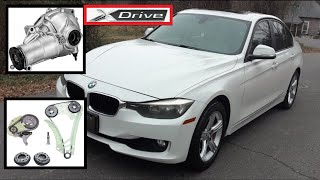
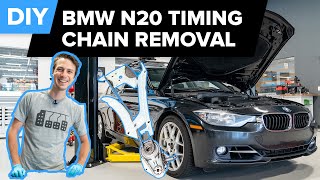
Typical fix: Replacement of the entire timing chain kit, including the main chain, all guides, the tensioner, and sprockets with updated parts. The oil pump chain and its guides are almost always replaced at the same time as they are made of the same material.
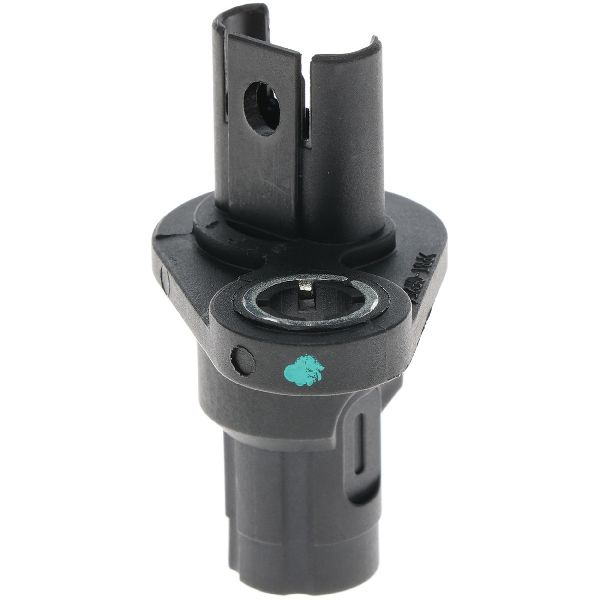
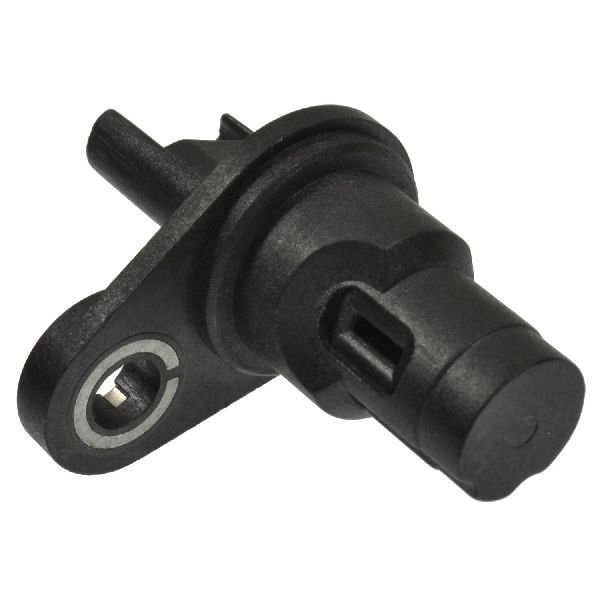
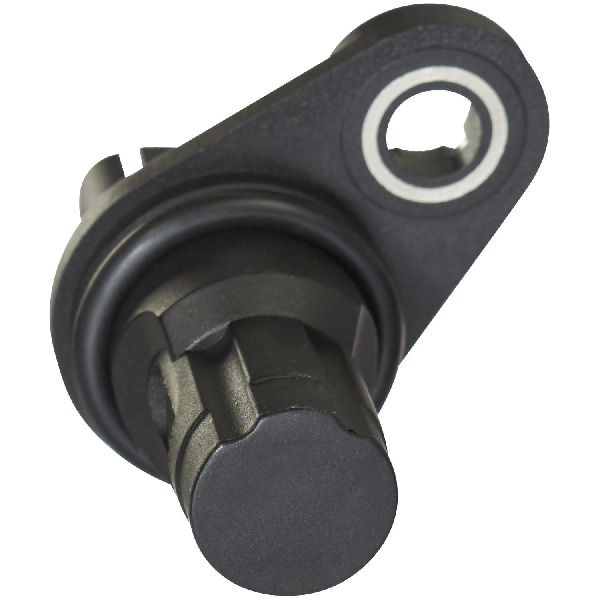
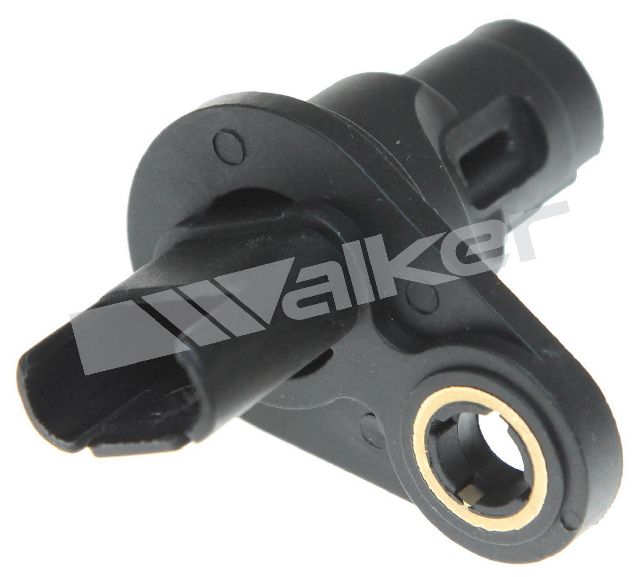
Est. part cost: $400-$850 - Faulty Camshaft Position Sensor 🟡 Medium Probability → Shop Engine Camshaft Position Sensor
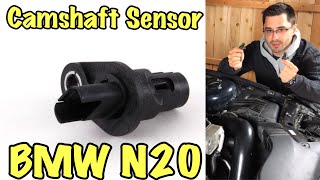
How to confirm: Swap the intake and exhaust camshaft position sensors, as they are identical parts on the N20 engine. 🎬 See how to quickly swap or replace your camshaft sensors. Clear the codes and run the engine. If the fault code changes to P0366 (Exhaust Camshaft Sensor), the sensor is confirmed to be bad. Alternatively, test the sensor's signal with an oscilloscope.
Typical fix: Replace the faulty camshaft position sensor and its O-ring.
Est. part cost: $40-$120 - Failing VANOS Solenoid ⚪ Low Probability Oil sludge or debris from infrequent oil changes can clog the fine mesh screens on the solenoids, causing them to stick and affecting their ability to adjust cam timing.
How to confirm: Swap the intake and exhaust VANOS solenoids. If the code changes to an exhaust-side VANOS code, the solenoid is likely faulty. Many owners attempt to clean them with brake cleaner and compressed air, but replacement is often the only long-term solution if cleaning doesn't resolve the issue.
Typical fix: Replace the faulty VANOS solenoid. Cleaning is a temporary fix at best.
Est. part cost: $100-$200 - Wiring or Connector Issue ⚪ Low Probability Oil from other common leaks (like the valve cover or oil filter housing) can contaminate the sensor connector, leading to a poor signal.
How to confirm: Visually inspect the wiring harness and connector for the camshaft position sensor for any signs of damage, corrosion, or oil saturation. Check for continuity and proper voltage at the connector with a multimeter.
Typical fix: Repair the damaged wiring or clean/replace the connector. A repair kit with a new plastic connector and pins is available from BMW if the original is damaged.
Est. part cost: $10-$50
Rare But Worth Checking
- Failing DME (Engine Computer): This is extremely rare. All other possibilities, especially the timing chain system and sensor circuit, should be exhaustively ruled out before considering the DME as the cause.
Diagnosis Steps
- Read the fault codes with a BMW-capable OBD-II scanner. Note all codes, including manufacturer-specific ones.
- Listen carefully to the engine, especially during a cold start and while holding RPMs between 1,500-2,500, for a distinct high-pitched whine from the front of the engine.
- Inspect the wiring and connector for the intake camshaft position sensor (Bank 1, the more accessible sensor on the top of the valve cover) for damage or oil contamination.
- Swap the intake and exhaust camshaft position sensors. They are identical parts (P/N 13627588095 for earlier models). Clear codes. If the fault changes to P0366 or an exhaust cam fault, the sensor is bad.
- If the code returns, inspect and swap the VANOS solenoids. If the code changes to a VANOS-specific fault, the solenoid is the issue.
- If the code remains P0341, a mechanical timing issue is highly probable. Remove the oil pan and inspect for black plastic debris from the timing chain guides. This is a definitive sign of failure.
- If debris is found, the entire timing chain and oil pump chain assemblies must be replaced with the updated parts kit. This is a major repair.
- If the timing components are visually intact and no debris is found, more advanced circuit testing with an oscilloscope may be needed to rule out an intermittent wiring problem or a faulty DME driver, though this is rare.
Parts You'll Likely Need
- Timing Chain Kit (Updated)
(OEM #11318648732)— This is the most common root cause of P0341 on pre-2015 N20 engines. The original guides fail, requiring replacement with the redesigned parts included in this comprehensive kit.
Trusted brands: BMW (OEM), INA, FCP Euro (Kit), IWIS
OEM price range: $500-$850
Aftermarket price range: $300-$600 - Intake Camshaft Position Sensor
(OEM #13627588095)— If the sensor itself has failed, it will need to be replaced. This is a common wear item but less likely to be the root cause than the timing chain. Note: Part number may vary on late production models.
Trusted brands: Bosch, VDO, Delphi
OEM price range: $90-$150
Aftermarket price range: $40-$80
Related Codes That Often Appear With This One
- P0016 — Crankshaft/Camshaft Position Correlation. This code often appears with P0341 when a stretched timing chain causes a significant mismatch between the two sensors' readings.
- P052B — Cold Start 'A' Camshaft Position Timing Over-Retarded. This is another strong indicator that the camshaft timing is not where the DME expects it to be, often due to chain slack on startup before the oil-pressurized tensioner can compensate.
- 130108 — VANOS intake: Control fault, camshaft stuck. This is a BMW-specific code that points more directly to a mechanical jam or timing issue rather than just a sensor signal problem.
- 130104 — VANOS intake: Control fault, camshaft stuck. This is another common BMW-specific fault code that can appear alongside P0341, indicating the DME has commanded a change in cam timing via the VANOS solenoid, but the sensor feedback shows the camshaft is not moving as expected.
- 130E20 — Intake camshaft: Angle offset with respect to crankshaft outside tolerance. This fault directly states that the physical position of the intake cam is outside the acceptable window relative to the crankshaft, a classic symptom of a stretched timing chain.
Technical Service Bulletins (TSBs) & Recalls
- SIB 11 03 17: N20 AND N26 ENGINE TIMING CHAIN AND OIL PUMP DRIVE CHAIN: LIMITED WARRANTY EXTENSION
Platform-Specific Known Issues
- BMW extended the warranty on the timing chain and oil pump drive for N20/N26 engines to 7 years or 70,000 miles. This was covered under BMW Service Information Bulletin (SIB) 11 03 17. The SIB applies to the F25 X3 xDrive28i for production dates from February 15, 2012, to February 28, 2015. While most vehicles are now outside this extended warranty period, its existence is an official acknowledgment of the widespread defect.
Mechanic-Grade Diagnostic Values
- Camshaft Position Sensor Signal Voltage — expected: A healthy sensor typically produces a steady AC voltage of 0.5–1.0 V at idle, which should rise proportionally with engine RPM.. Failure: Voltage that is flat, erratic, or does not increase with RPM when back-probed with a multimeter or viewed on an oscilloscope.
- ISTA Live Data - Camshaft Position — expected: When viewing live data, the intake and exhaust camshaft 'spread' or angle should be around 120 and 115 degrees respectively at idle. These values should change smoothly as the engine is revved and the VANOS system adjusts timing.. Failure: A camshaft angle that is stuck at a high value (e.g., 137.9 degrees) and does not change, or jumps erratically, points to a mechanical issue like a stuck VANOS unit or a timing chain problem.
Hidden / Shadow Codes Worth Checking
- 130104 / 130108: VANOS, intake: Control fault, camshaft jammed/stuck. This BMW-specific code is a strong indicator that the issue is mechanical, not electrical. The DME is commanding the VANOS solenoid to adjust the cam timing, but the camshaft position sensor reports that the camshaft is not moving to the target position. This is often a direct result of a stretched timing chain or a failing VANOS gear. (see via BMW-specific scan tools like ISTA, or advanced aftermarket scanners with BMW software (e.g., BimmerLink, Foxwell).)
- 130E20: Intake camshaft: Angle offset with respect to crankshaft outside tolerance. This code explicitly states the timing correlation between the cam and crank is wrong, which is a primary symptom of a stretched timing chain. (see via BMW-specific scan tools like ISTA or advanced aftermarket scanners.)
- 120408: Charging pressure control, deactivation: pressure build-up blocked. This is often a follow-up code. When the DME detects a critical timing fault like a stuck camshaft, it may disable the turbocharger as a precaution to prevent further damage, resulting in this boost-related code. (see via BMW-specific scan tools like ISTA or advanced aftermarket scanners.)
Scan Tool Commands That Help
- ISTA (BMW Dealer Software): Perform VANOS System Test — This function commands the DME to cycle the VANOS solenoids and measure the camshafts' response time and range of motion. It can confirm if a VANOS unit is mechanically stuck or slow to respond, helping to differentiate between a solenoid, a VANOS gear, or a timing chain issue. The test is run with the engine at idle and at operating temperature.
- ISTA (BMW Dealer Software): Delete Engine Adaptation Values — After replacing timing components, VANOS units, or sensors, it is critical to reset the engine's learned adaptations. This forces the DME to re-learn the new components' positions and response characteristics. Failing to do this can cause persistent codes and rough running even after the mechanical repair is complete.
Wiring & Ground Locations
- Intake Camshaft Position Sensor Connector — Located on the top front of the valve cover, on the right side (passenger side in US) of the engine. It is an oval-shaped 3-pin connector.. This is the primary connector to inspect for oil contamination, corrosion, or damage. Oil from a leaking valve cover gasket can seep into this connector and disrupt the signal, causing a P0341 code.
- Exhaust Camshaft Position Sensor Connector — Located on the front of the cylinder head, below the intake sensor, on the underside of the head. It is more difficult to access and often requires removing the air intake snorkel.. Since the intake and exhaust sensors are identical, swapping their positions is a key diagnostic step. Knowing the location of both is essential for this test.
- DME Ground Strap — The main engine-to-chassis ground strap is typically located on the driver's side of the engine block, connecting to the frame rail. The DME itself has multiple ground points integrated into its wiring harness.. A poor engine ground can introduce electrical noise and voltage drops, potentially affecting the sensitive signals from the camshaft and crankshaft sensors, leading to intermittent and hard-to-diagnose range/performance codes.
Real Owner Repair Stories
- Reddit user in r/BmwTech (2013 BMW 328i xDrive (F30) with N20 engine) — Drivetrain malfunction warning, no CEL. Codes 130104 (VANOS inlet jammed) and 130E20 (Intake camshaft angle offset). Car would work fine after a restart but the fault would return more frequently, especially in local driving.
❌ Tried (didn't work) The timing chain, guides, and tensioner had been replaced previously to fix a different exhaust camshaft code (130F20), which was successful at the time.
✅ What actually fixed it The user suspected the original VANOS cam gears were not replaced during the timing chain job. The final conclusion was that the VANOS cam gears and central valves needed to be replaced to resolve the new intake-side codes. The user also noted that clearing and re-learning the VANOS adaptations with a scanner was a necessary step after the repair.
OEM Part Supersession History
13627588095→13627633958 (for models produced 12/2015 and later)— Model year update and potential design revision. The earlier sensor (ending in 095) is used on most N20 engines in the 2013-2015 range.
Heads up: While they may look similar, using the wrong sensor for the vehicle's production date could lead to signal issues. Always verify the correct part number by VIN. The earlier sensor is also cross-referenced with PNs 13627566052 and 13627570191.Unknown (Pre-2015 timing chain guides)→Components within the 11318648732 kit— The original polycarbonate guides were defective and prone to becoming brittle and breaking. The updated parts are made from a more durable material.
Heads up: It is critical to use the updated guides. Installing old-stock or pre-revision parts will lead to a repeat failure.
Model Year Variations Within This Range
- 2013 - Early 2015: Vehicles produced before March 2015 were equipped with the defective timing chain guides made of brittle polycarbonate. These are the primary candidates for timing-chain-induced P0341 faults.
- Late 2015 - 2017: Vehicles produced from March 2015 onward received updated timing chain guides from the factory, making the timing chain a less likely, though not impossible, cause of P0341. For these later models, a faulty sensor or VANOS solenoid should be given higher initial suspicion. Additionally, the camshaft position sensor part number changed for vehicles produced from December 2015 onward to 13627633958.
Diagnostic Flowchart
Other Known Issues on This Vehicle
Issues unrelated to this code that are worth knowing about as an owner of this generation:
- Oil Filter Housing Gasket Leak 🟠 Medium — Very common, often occurs between 60,000 and 100,000 miles. If left unfixed, the leaking oil can drip onto the serpentine belt, causing it to slip or degrade.
- Electric Water Pump Failure 🔴 High — Common failure item, typically between 60,000 and 80,000 miles. Failure can cause rapid overheating, risking severe engine damage.
- Valve Cover and Gasket Oil Leaks 🟠 Medium — The PCV valve is integrated into the valve cover, and the gasket becomes brittle over time. Leaks are common after 70,000 miles and can cause a burning oil smell as oil drips onto the exhaust.
- Turbocharger Wastegate Rattle 🟡 Low — The wastegate actuator arm can develop play, causing a metallic rattle, especially during deceleration or at low RPMs. It is often more of an annoyance than a critical failure but can affect boost control.
Used vs. New Parts: Buying Guide for This Vehicle
When a used part is the smart pick: A used camshaft position sensor or VANOS solenoid from a reputable dismantler can be a cost-effective option, especially for diagnosis (e.g., swapping parts to see if the fault follows). Given the electronic nature, they either work or they don't. A used valve cover can also be considered if the original is cracked, provided its PCV system is intact.
Donor-vehicle mileage cap: roughly under 80000 miles for the part to have meaningful remaining life.
What to inspect on the donor part:
- For sensors/solenoids, inspect the connector pins for corrosion or damage.
- Ask the seller for the donor vehicle's VIN to verify it wasn't from a flood or fire-damaged car.
- For any part, prefer sellers who offer a short warranty (e.g., 30-90 days) to protect against receiving a dead-on-arrival component.
OEM-only on this vehicle (don't cheap out):
- Timing Chain Kit: NEVER buy used. The entire point of the repair is to install new, updated guides and a fresh chain/tensioner. Aftermarket kits are available, but OEM (or OEM supplier like IWIS/INA) is strongly recommended for reliability.
- VANOS Cam Gears: These are precision-machined wear items. Installing used VANOS gears is risky as they may be worn, leading to rattling or timing faults.
Aftermarket brands forum-validated for this vehicle:
- Timing Chain Kits: INA (often the OEM supplier), FCP Euro (kitted with quality parts).
- Camshaft Sensors: VDO (OEM supplier), Bosch, Delphi.
- VANOS Solenoids: Genuine BMW or VDO/Continental are the most reliable choices.
Brands owners have reported issues with on this vehicle:
- Unnamed/white-box eBay timing chain kits: Many forum users report issues with cheap, unbranded timing kits having manufacturing defects in the tools or components, leading to incorrect timing or premature failure.
Real Owner Stories
Aggregated from forums and TSBs cited above. Mileages and costs reflect what owners reported in those sources.
2013 BMW X3 xDrive28i N20
Symptoms: The owner noticed a sudden failure and sought advice on how to assess the damage, specifically looking for guide fragments.
What fixed it: Dropping the oil pan to find guide fragments and checking for engine damage.
Source hint: Bimmerpost (f30post.com): Thread 'Timing Chain guide failure- How do I assess the Damage?'
2014 BMW 328i (F30) N20 — ~85000 miles
Symptoms: Owner was seeking quotes for preventative replacement of the timing chain and oil pump chain.
What fixed it: Full timing chain and oil pump chain job.
Cost: $2,000-$2,700
Source hint: Bimmerpost (f30post.com): In 'N20 Timing chain repair - how much does it cost?'
Related OBD-II Codes
Frequently Asked Questions
Does SIB 11 03 17 apply to my 2013 BMW X3 xDrive28i?
Is there a way to check for timing chain slack on the N20 engine without taking the engine apart?
Can I just clean the VANOS solenoids to fix the P0341 code?
Why is my X3 making a high-pitched whining noise between 1,500 and 2,500 RPM?
Are the intake and exhaust camshaft position sensors the same part on the 2014 X3 N20?
What is the extended warranty period for the timing chain on the N20 engine?
Helpful Videos

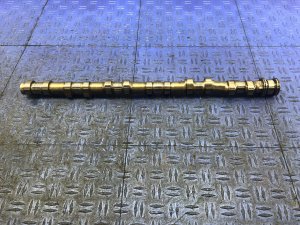
Used OEM Parts in Stock
New Aftermarket Parts Available


The information in this article is provided for general reference and educational purposes only. Vehicle specifications, procedures, and part compatibility can vary by production date, trim level, and region. Always consult your vehicle's factory service manual and verify part numbers before purchasing or performing repairs. Safety-critical components such as airbags, seat belts, and braking systems should be installed by a qualified professional.
- BMW X3:
- 🧭 Diagnostic Flowchart
- 🎬 Helpful Videos
- 🛍️ Shop This Part
- What's Unique About the 2013-2017 BMW X3
- Symptoms You May Notice
- Most Likely Causes
- Rare But Worth Checking
- Diagnosis Steps
- Parts You'll Likely Need
- Related Codes That Often Appear With This One
- Technical Service Bulletins (TSBs) & Recalls
- Platform-Specific Known Issues
- Mechanic-Grade Diagnostic Values
- Hidden / Shadow Codes Worth Checking
- Scan Tool Commands That Help
- Wiring & Ground Locations
- Real Owner Repair Stories
- OEM Part Supersession History
- Model Year Variations Within This Range
- Other Known Issues on This Vehicle
- Used vs. New Parts: Buying Guide for This Vehicle
- Real Owner Stories
- 2013 BMW X3 xDrive28i N20
- 2014 BMW 328i (F30) N20 — ~85000 miles
- Related OBD-II Codes
- Frequently Asked Questions
- 🎟️ Get 5% Off