

P0353 on 2007-2012 Hyundai Santa Fe 3.3L: Ignition Coil 'C' Circuit Causes and Fixes
P0353 means the ignition coil for cylinder #3 has an electrical fault. On the 3.3L V6 Santa Fe, this cylinder is on the rear bank against the firewall, requiring intake manifold removal to access. The most common fix is replacing the ignition coil, but due to the high labor involved, it's strongly recommended to replace all three rear coils, all six spark plugs, and the intake gaskets at the same time using OEM or high-quality aftermarket parts. Expect a shop repair to cost between $550 and $950
- P0353 on this Santa Fe points to a bad ignition coil on cylinder #3.
- Cylinder #3 is on the rear bank against the firewall, requiring removal of the intake manifold for access.
- Due to the high labor cost, you should replace all three rear ignition coils (1, 3, 5), all six spark plugs, and the intake gaskets at the same time.
- Do not drive with a flashing check engine light, as you risk destroying your catalytic converter.
- This can be a difficult DIY job (4/5 difficulty) due to the intake manifold removal; a shop repair will likely cost between $550 and $950.
What's Unique About the 2007-2012 Hyundai Santa Fe
The defining challenge for a P0353 code on this specific Santa Fe is the physical location of cylinder #3. The 3.3L V6 engine is mounted transversely (sideways), placing cylinders 1, 3, and 5 in the rear bank against the firewall, tucked underneath the upper intake manifold. The front bank, near the radiator, houses cylinders 2, 4, and 6. Unlike a simple coil replacement on the easily accessible front cylinders, fixing a P0353 code requires a mechanic to first remove the entire upper intake plenum, a process that adds significant labor, complexity, and cost to the repair.
Symptoms You May Notice
- Check Engine Light is on (may be flashing)
- Rough or shaky engine idle
- Noticeable loss of engine power and sluggish acceleration
- Engine hesitation or misfiring, especially under load
- Potential for the engine to stall
- Decrease in fuel economy
- Smell of unburnt gasoline from the exhaust
- Replacing only the cylinder #3 ignition coil. While this fixes the immediate code, the high labor cost makes it a poor value. If another rear coil fails soon after, you will have to pay for the same labor all over again.
- Forgetting to replace the intake plenum gaskets. These are single-use items and reusing them will almost certainly cause a vacuum leak, leading to a rough idle, lean codes (P0171/P0174), and poor performance.
Most Likely Causes
- Failed Ignition Coil (Cylinder #3) 🔴 High Probability → Shop Ignition Coil Ignition coils are a common wear item that fail from constant exposure to high engine heat and vibration. The rear bank coils may be more prone to failure due to reduced airflow and higher ambient temperatures near the firewall. They are the most frequent point of failure for this code.
How to confirm: The standard test is to swap the suspected bad coil with a known good one from another cylinder and see if the code follows (e.g., P0353 changes to P0352 after swapping coils from cylinder 3 and 2). However, this is impractical for initial diagnosis here, as cylinder #3 is under the intake manifold. Confirmation typically occurs after the manifold is removed for the repair, at which point replacement is the most logical step.
Typical fix: Replace the ignition coil for cylinder #3. It is highly recommended to replace all three rear coils (cylinders 1, 3, 5) and all six spark plugs at the same time due to the labor involved.
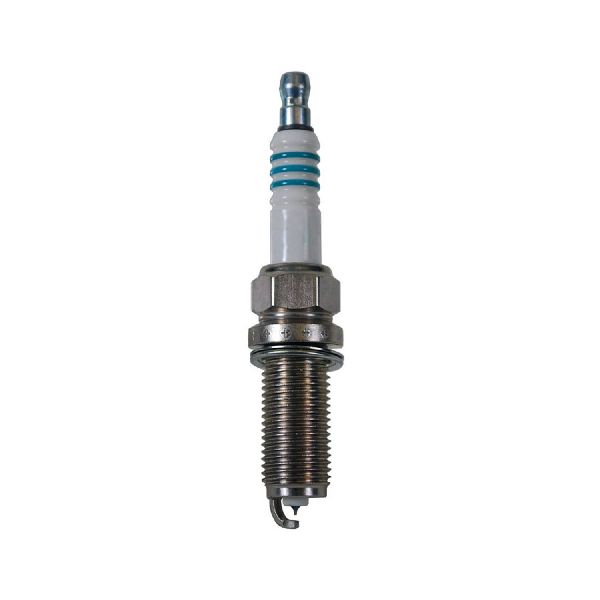
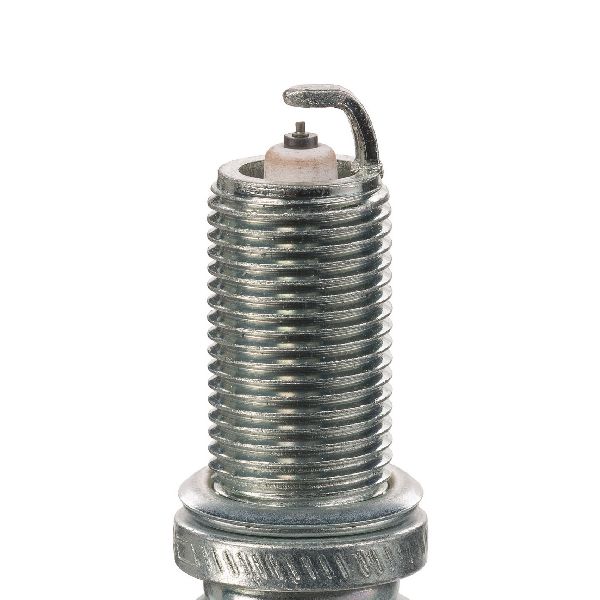
Est. part cost: $40-$80 for one aftermarket coil, $100-$160 for one OEM coil. - Worn or Fouled Spark Plugs 🟡 Medium Probability → Shop Spark Plug Spark plugs are a maintenance item with a finite lifespan. An old plug with a large electrode gap requires higher voltage to create a spark, which puts extra strain on the ignition coil, causing it to overheat and fail. This can lead to a circuit code like P0353.
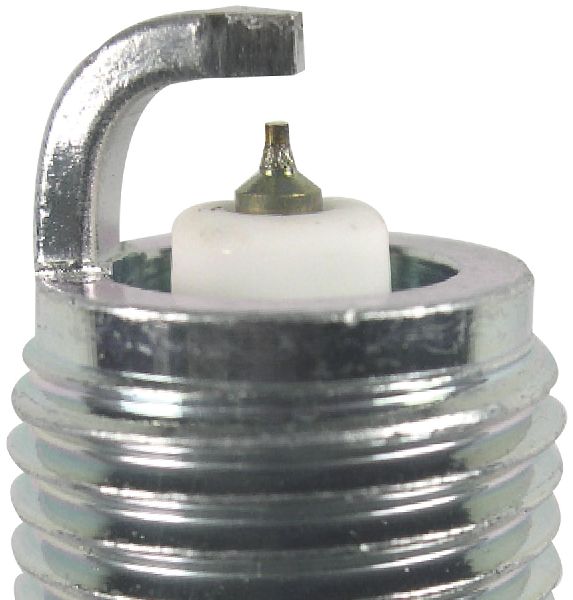
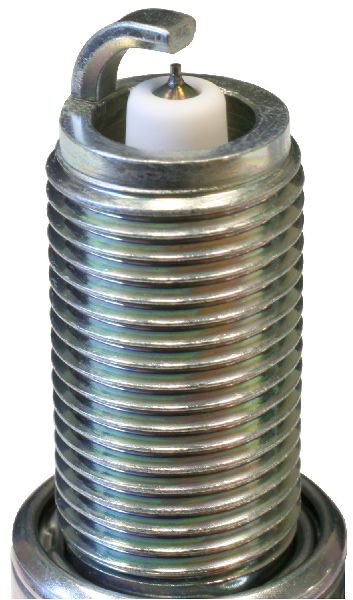
How to confirm: After removing the intake manifold and ignition coil, remove the spark plug from cylinder #3 and inspect it. Look for a cracked insulator, heavy carbon deposits, oil fouling, or a severely worn electrode.
Typical fix: Replace all six spark plugs. This should always be done when replacing the rear ignition coils as a preventative measure to protect the new coils.
Est. part cost: $8-$15 per aftermarket iridium plug, $15-$25 per OEM plug. - Damaged Wiring or Connector ⚪ Low Probability The plastic connector for the ignition coil can become brittle from years of heat cycles and crack during removal or handling. The wiring itself can also be damaged by rodents or chafing, leading to a poor connection.
How to confirm: Visually inspect the ignition coil connector and its wiring for any signs of cracking, corrosion, burnt marks, or breaks after removing the intake manifold. Gently tug on the wires at the back of the connector to ensure they are secure.
Typical fix: If the connector is broken, it can be replaced with a new pigtail connector (e.g., Dorman, Standard Motor Products S-1461). Damaged wires would need to be repaired with solder and heat-shrink tubing.
Est. part cost: $15-$40 for a connector pigtail.
Rare But Worth Checking
- Leaking Valve Cover Gasket: → Shop Engine Valve Cover While very common on this engine, it's a more indirect cause. If oil is found pooled in the spark plug tube when removing the coil, the valve cover gasket and spark plug tube seals are leaking. This oil can saturate the coil boot and cause a misfire, and in some cases, damage the coil itself, leading to the P0353 code. The gasket set (OEM P/N example: 22441-3C110) must be replaced to prevent the new coil from failing prematurely.
- Faulty Powertrain Control Module (PCM): → Shop Engine Control Module (ECM) This is extremely rare. The internal driver circuit in the PCM that controls the ignition coil can fail. This should only be considered after all other possibilities (coil, plug, wiring) have been definitively ruled out by a professional. A P0605 code may accompany the P0353 if the PCM has a critical internal fault.
Diagnosis Steps
- Confirm the presence of code P0353 (and likely P0303) with an OBD-II scanner.
- Identify the cylinder layout: The rear bank, against the firewall, contains cylinders 1, 3, and 5 (from passenger to driver side). The front bank, near the radiator, contains 2, 4, and 6.
- Because cylinder #3 is inaccessible, you must proceed with removing the upper intake manifold plenum. This involves disconnecting the air intake, throttle body, various vacuum hoses, and electrical connectors. Label everything carefully.
- Once the manifold is removed, you have access to the three rear ignition coils.
- Remove the 10mm bolt holding the cylinder #3 ignition coil and pull the coil out.
- Inspect the spark plug tube for any oil. If oil is present, the valve cover gasket is leaking and must also be replaced before installing the new parts.
- Given the labor required, it is not cost-effective to test the old coil. The best practice is to replace all three rear ignition coils (1, 3, 5) and all six spark plugs (both front and rear banks).
- Replace the upper intake plenum gaskets with new ones. Ensure the mating surfaces are clean.
- Reassemble all components in the reverse order of removal. Torque the intake manifold bolts to specification in the correct sequence (typically starting from the middle and working outwards) to prevent leaks. Intake manifold bolt torque is a two-stage process: first to 3-4 lb-ft, then to 14-17 lb-ft.
- Clear the trouble codes with the OBD-II scanner and start the vehicle to confirm the fix.
Parts You'll Likely Need
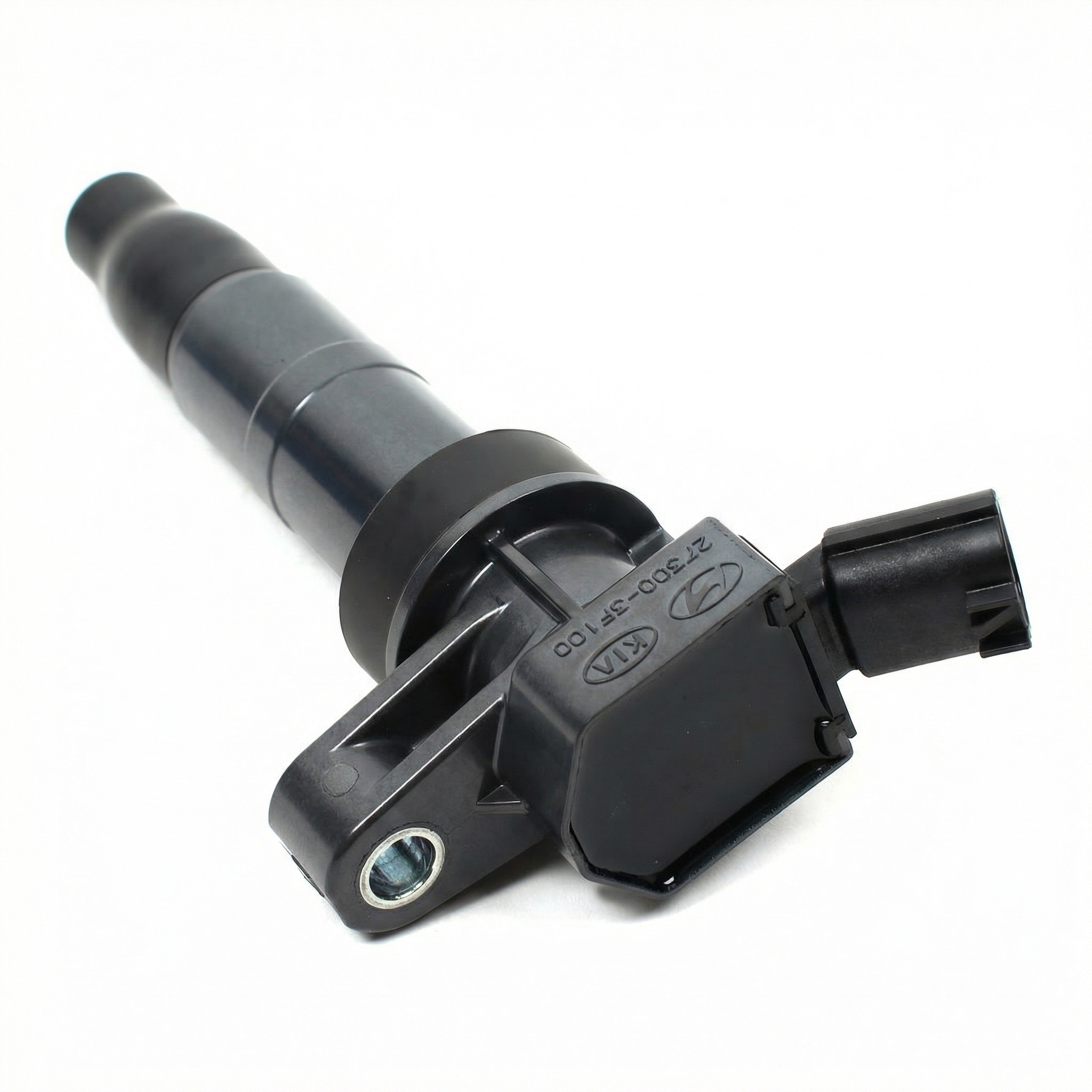
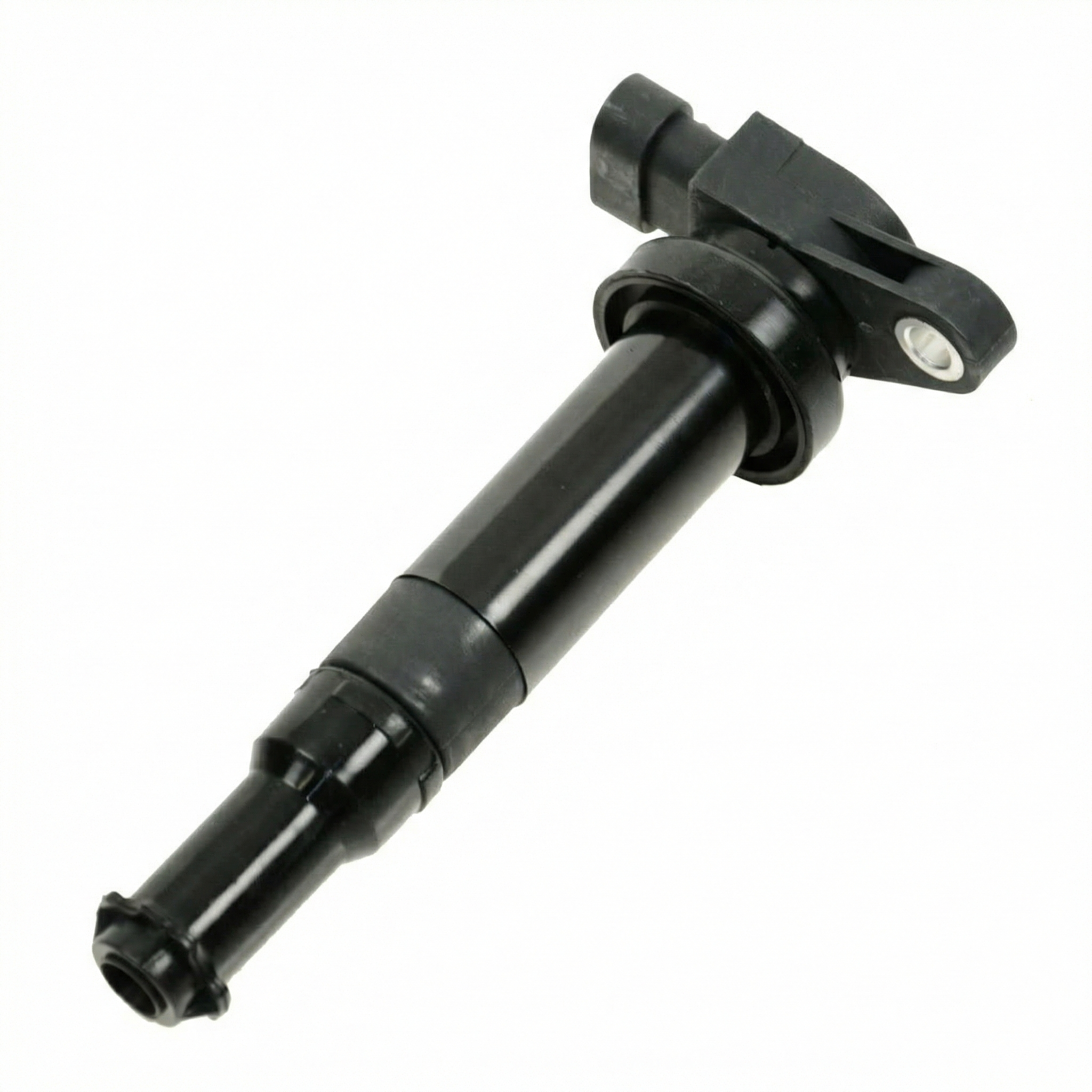
- Ignition Coil
(OEM #27301-3C000 (or superseded by 27301-3C010))— This is the component that fails most often, directly causing the P0353 code. It is highly recommended to replace all three rear coils (cylinders 1, 3, 5) at once.
Trusted brands: Hyundai/Kia (OEM), NGK, Delphi, Denso
OEM price range: $100-$160
Aftermarket price range: $40-$80 - Iridium Spark Plugs (Set of 6)
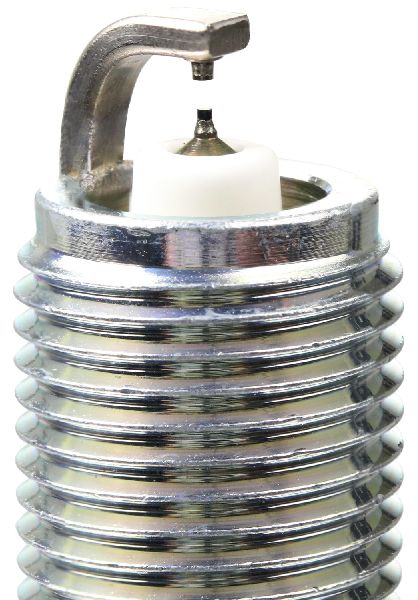
(OEM #NGK IFR5G-11 or Denso SK16PR-A11)— Since accessing the rear bank requires so much labor, it is essential to replace all spark plugs as a set. A worn plug can cause the new coil to fail prematurely.
Trusted brands: NGK, Denso
OEM price range: $15-$25 each
Aftermarket price range: $8-$15 each - Intake Plenum Gasket Set
(OEM #Fel-Pro MS 96464 (Aftermarket example))— The upper intake manifold must be removed to access the rear coils. The gaskets are single-use and must be replaced to prevent vacuum leaks upon reassembly.
Trusted brands: Fel-Pro, Mahle, Hyundai (OEM)
OEM price range: $30-$50
Aftermarket price range: $15-$30 - Throttle Body Gasket — The throttle body is removed from the intake plenum during the job. It is best practice to replace this gasket to ensure a proper seal and prevent vacuum leaks.
Trusted brands: Fel-Pro, Hyundai (OEM)
OEM price range: $5-$15
Aftermarket price range: $3-$10
Related Codes That Often Appear With This One
- P0303 — P0303 means 'Cylinder 3 Misfire Detected.' A P0353 fault directly prevents the spark plug from firing, which causes a misfire on that cylinder. It is almost always present with P0353.
- P0300 — This indicates a 'Random/Multiple Cylinder Misfire.' It may appear if the issue is intermittent or if other cylinders are also beginning to have ignition problems.
- P0351, P0355 — These are circuit codes for cylinders 1 and 5, the other coils on the rear bank. Seeing them together with P0353 suggests a widespread failure of the rear ignition coils, reinforcing the recommendation to replace all three at once.
Technical Service Bulletins (TSBs) & Recalls
- TSB 09-FL-003-2: While not directly for P0353, this TSB involves an ECM update for some 2007-2009 models to improve management of other electronic throttle control related codes, indicating Hyundai was refining software for this system during this period.
Mechanic-Grade Diagnostic Values
- Ignition Coil Primary Winding Resistance — expected: 0.62 Ω ± 10% at 68°F (20°C). Failure: A reading outside this range indicates an internal coil fault.
- Ignition Coil Secondary Winding Resistance — expected: 7.0 kΩ ± 15% at 68°F (20°C). Failure: A reading outside this range indicates an internal coil fault.
- Ignition Coil Power Supply Voltage — expected: Battery voltage (11V-16V) with key on, engine off.. Failure: Low or no voltage at the power terminal of the coil connector points to a problem with the fuse or main relay, not the coil itself.
Scan Tool Commands That Help
- Hyundai GDS (Global Diagnostic System): Actuation Test: Ignition Coils — This bidirectional command allows a technician to force a specific ignition coil to fire on command. It can be used after the intake manifold is removed to definitively confirm if the coil itself is dead or if the problem lies in the wiring or PCM driver, though part replacement is more common at this stage.
- Hyundai GDS (Global Diagnostic System): Flight Record Function — For intermittent P0353 faults, this function records vehicle data during a drive cycle. It can capture the exact sensor and actuator states at the moment the fault occurs, which is invaluable for diagnosing problems that don't appear in the workshop.
Wiring & Ground Locations
- Engine Compartment Fuse/Relay Box — Located on the left (driver's) side of the engine bay.. This box contains the main 'Engine Control Relay' and fuses that supply power to all ignition coils. While a failure here would likely cause multiple coil codes (not just P0353), it's a critical point to verify power supply for the entire ignition system.
- Main Engine Ground Strap — Typically located between the engine block or transmission and the chassis frame rail on the driver's side.. A corroded or loose main engine ground can create a voltage drop across the entire ignition system. This can lead to weak spark, misfires, and various ignition circuit codes like P0353 as the PCM detects incorrect voltage levels.
- Ignition Coil Connector — Directly on top of the ignition coil for cylinder #3, under the intake manifold.. The connector itself is a common failure point. The plastic can become brittle from heat and crack, or the locking tab can break, leading to a poor connection that vibrates loose and causes an intermittent P0353 code.
OEM Part Supersession History
27301-3C010→27301-3C000— This is a standard part number update. The two parts are interchangeable.
Heads up: Part number 27301-3C010 is replaced by 27301-3C000. When ordering, you will receive the newer part number.
Model Year Variations Within This Range
- 2010-2012: For the 2010 model year, Hyundai replaced the 3.3L V6 engine with a new 3.5L V6 (Lambda II) that produced 276 horsepower. While the fundamental diagnosis for a P0353 code remains the same (rear bank coil under the intake), technicians should verify the engine displacement before ordering parts, as some related components may differ.
Diagnostic Flowchart
Other Known Issues on This Vehicle
Issues unrelated to this code that are worth knowing about as an owner of this generation:
- Front Valve Cover Gasket Leak onto Alternator 🔴 High → Shop Engine Valve Cover — Very common. Oil leaks from the front valve cover gasket directly onto the alternator below, causing premature alternator failure. (Ref: TSB 15-01-031 / TSB SCI-936)
- Leaking Oil Pressure Switch 🟠 Medium — Common. The switch, located in the engine valley under the intake manifold, leaks oil. A weep hole directs the oil to the back of the engine, where it is frequently misdiagnosed as a much more expensive rear main seal leak.
- Faulty Fuel Level Sensor 🟡 Low — Frequently reported. The fuel gauge becomes erratic or reads empty despite having fuel in the tank. Often requires replacement of the fuel sending unit inside the fuel tank.
- Stop Lamp Switch Failure 🟠 Medium — Widespread, subject to recall. A faulty switch can prevent brake lights from illuminating, prevent shifting out of Park, and cause the ESC light to come on. (Ref: Hyundai Recall 110 (NHTSA 13V-113))
- Timing Chain Tensioner Wear 🟠 Medium — Less common, but notable. The timing chain tensioners can wear, leading to a rattling noise on startup. If ignored, it can lead to timing chain failure. (Ref: TSB 10-EM-006)
Used vs. New Parts: Buying Guide for This Vehicle
When a used part is the smart pick: For this repair, using used parts is generally not recommended due to the high labor cost. However, if the plastic upper intake manifold was cracked or damaged during removal, a used manifold from a reputable salvage yard is a viable and cost-effective replacement.
Donor-vehicle mileage cap: roughly under 100000 miles for the part to have meaningful remaining life.
What to inspect on the donor part:
- For a used intake manifold, inspect for any cracks, especially around bolt holes and seams.
- Ensure all threaded inserts for bolts are intact and not stripped.
- Verify the mating surfaces are flat and not warped.
OEM-only on this vehicle (don't cheap out):
- Ignition Coils: Due to the high labor involved in accessing the rear bank, using new OEM or top-tier aftermarket coils (Denso, NGK) is critical to avoid repeat failures.
- Gaskets: Intake plenum gaskets, throttle body gaskets, and valve cover gaskets should always be purchased new to ensure a proper seal and prevent leaks.
Aftermarket brands forum-validated for this vehicle:
- Ignition Coils: Denso, NGK, Delphi
- Gaskets: Fel-Pro, Mahle
Brands owners have reported issues with on this vehicle:
- Unbranded, 'white-box' ignition coils from online marketplaces are a significant gamble. A premature failure will require repeating the entire expensive labor process.
Real Owner Stories
Aggregated from forums and TSBs cited above. Mileages and costs reflect what owners reported in those sources.
2007 Hyundai Santa Fe 3.3L V6
Symptoms: Engine misfire and P0351/P0353/P0355 codes appearing.
What fixed it: Removal of the intake manifold and replacement of all three rear coils and all six spark plugs.
Source hint: hyundai-forums.com thread titled '2007-santa-fe-3-3-misfire-help-please.124905/'
Hyundai Owner Report
Symptoms: Vehicle threw codes P0353 and P0354, indicating ignition coil primary control circuit open, shortly after receiving the vehicle back from spark plug service.
What fixed it: The vehicle required a return to the dealership to address the ignition coil circuit faults and an associated P0420 catalyst system code.
Source hint: NHTSA ODI #11464602
Related OBD-II Codes
Frequently Asked Questions
Can I just swap the ignition coils to test if cylinder #3 is the problem on my 3.3L Santa Fe?
Does TSB 09-FL-003-2 apply to my 2008 Santa Fe with a P0353 code?
Why is it recommended to replace all three rear coils at once on the Lambda 3.3L engine?
Is there a specific torque specification for the intake manifold bolts on the 2007-2012 Santa Fe?
Could an oil leak be causing my P0353 code?
Are there any recalls for the 2007-2012 Santa Fe that I should check while fixing this?
Helpful Videos

Used OEM Parts in Stock
New Aftermarket Parts Available


The information in this article is provided for general reference and educational purposes only. Vehicle specifications, procedures, and part compatibility can vary by production date, trim level, and region. Always consult your vehicle's factory service manual and verify part numbers before purchasing or performing repairs. Safety-critical components such as airbags, seat belts, and braking systems should be installed by a qualified professional.
- Hyundai Santa Fe:
- 🧭 Diagnostic Flowchart
- 🎬 Helpful Videos
- 🛍️ Shop This Part
- What's Unique About the 2007-2012 Hyundai Santa Fe
- Symptoms You May Notice
- Most Likely Causes
- Rare But Worth Checking
- Diagnosis Steps
- Parts You'll Likely Need
- Related Codes That Often Appear With This One
- Technical Service Bulletins (TSBs) & Recalls
- Mechanic-Grade Diagnostic Values
- Scan Tool Commands That Help
- Wiring & Ground Locations
- OEM Part Supersession History
- Model Year Variations Within This Range
- Other Known Issues on This Vehicle
- Used vs. New Parts: Buying Guide for This Vehicle
- Real Owner Stories
- 2007 Hyundai Santa Fe 3.3L V6
- Hyundai Owner Report
- Related OBD-II Codes
- Frequently Asked Questions
- 🎟️ Get 5% Off