

P0363 on 2003-2005 Dodge Neon SRT-4: Misfire Fueling Disabled Causes and Fixes
On a 2003-2005 Dodge Neon SRT-4, code P0363 indicates a severe engine misfire that has caused the computer to shut off fuel to a cylinder. The most common cause is a failed spark plug or ignition coil. Expect to spend $20-$80 on new spark plugs and wires, or around $75-$150 for a new ignition coil pack. This is a critical code that requires an immediate fix.
- P0363 is a critical code indicating a severe misfire. Stop driving immediately to avoid damaging your catalytic converter.
- The problem is almost always in the ignition system. Start by inspecting the spark plugs and wires for the specific cylinder indicated by the P030x code.
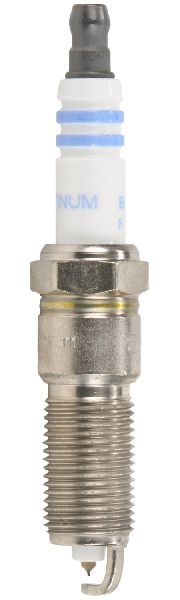
- Use high-quality NGK Iridium spark plugs (gapped correctly) for this engine. They are a well-documented fix for many misfire issues on the SRT-4.
- If plugs and wires are good, the ignition coil pack is the next most likely part to have failed.
- This code is highly diagnosable for a DIY mechanic with basic tools. Swapping components between cylinders is a key diagnostic step.
What's Unique About the 2003-2005 Dodge Neon
The 2003-2005 Dodge Neon with the 2.4L Turbo is the SRT-4 model, a high-performance, turbocharged vehicle. Its ignition system is more sensitive than a standard Neon's. While the root causes are common (spark, fuel), the SRT-4 community has found that these engines are particular about spark plugs, strongly favoring NGK Iridium plugs over the factory-installed Champion brand for better performance and longevity, especially if the vehicle is modified. Because the engine is turbocharged, ensuring a strong, consistent spark is critical to prevent misfires under boost. A weak spark that might be unnoticeable on a naturally aspirated engine can be 'blown out' by the increased cylinder pressure under boost, leading to a misfire.
Symptoms You May Notice
- Flashing Check Engine Light
- Severe loss of engine power and acceleration.
- Engine shaking, vibrating, or running very rough, especially at idle.
- Engine stalling or difficulty staying running.
- Poor acceleration or hesitation.
- Loud popping or backfiring from the exhaust.
- Replacing oxygen (O2) sensors. While a misfire will cause strange O2 sensor readings, the sensors are reporting the problem, not causing it.
- Replacing the catalytic converter. The P0363 code is designed to PROTECT the converter. A failing converter typically causes a P0420 code, not a misfire code.
Most Likely Causes
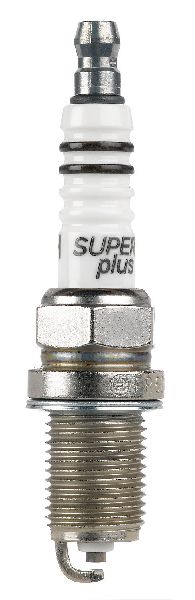
- Worn or Incorrectly Gapped Spark Plugs 🔴 High Probability → Shop Spark Plug The stock Champion spark plugs are often cited as less reliable than aftermarket alternatives. The turbocharged nature of the engine requires a strong, consistent spark, and worn plugs are a frequent point of failure. The SRT-4 community strongly recommends NGK Iridium or Copper plugs. Incorrect gapping is also a major issue; a gap that is too wide can cause the spark to be 'blown out' under boost.
How to confirm: Visually inspect the spark plugs for wear, fouling, or damage (e.g., cracked porcelain). Check the spark plug gap with a feeler gauge. P0363 is almost always accompanied by a P030x code (e.g., P0301, P0302) that identifies the specific misfiring cylinder. Inspect the plug from that cylinder first.
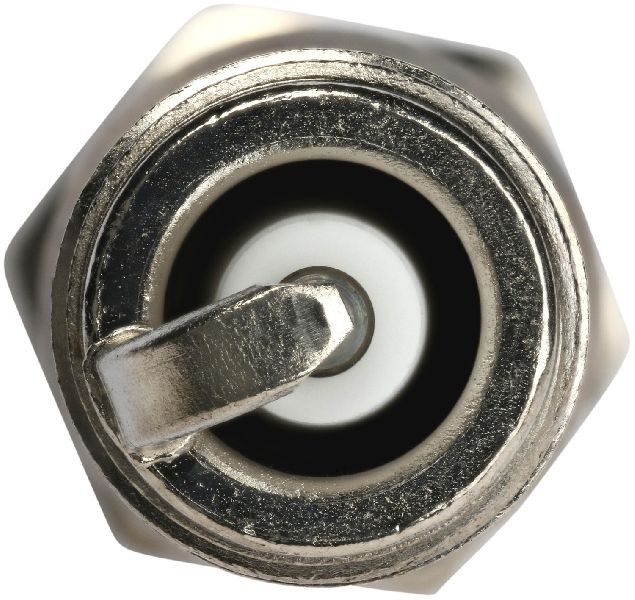
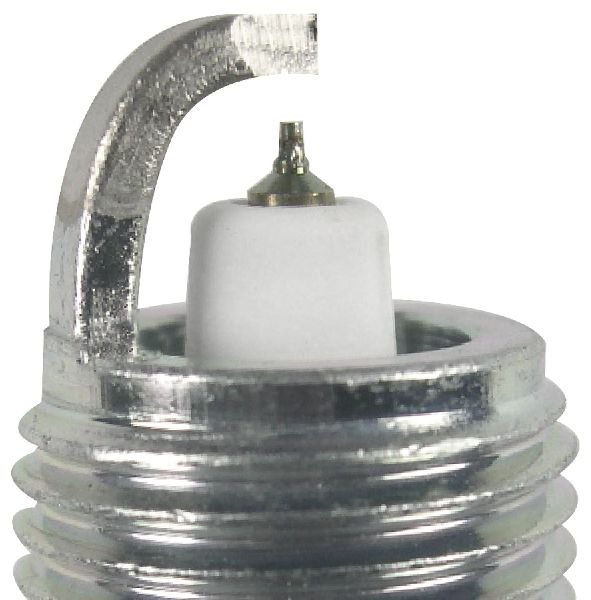
Typical fix: Replace all four spark plugs. The SRT-4 community strongly recommends using NGK Iridium plugs (LZTR5AIX-13) or NGK V-Power copper plugs for modified cars. Ensure they are gapped correctly. A common starting point for stock boost is around 0.040"-0.050", while higher boost applications may require a tighter gap, such as 0.032"-0.040".
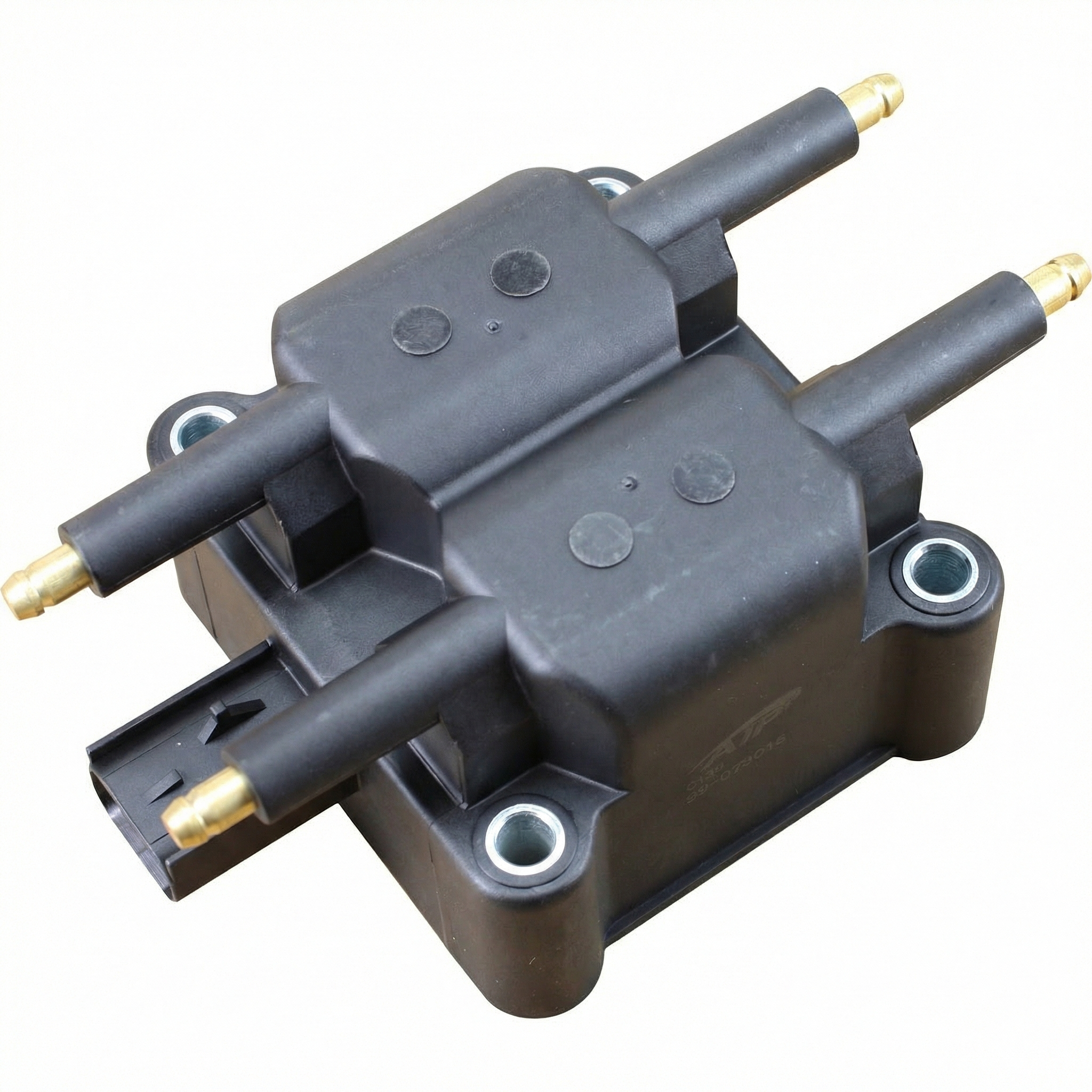
Est. part cost: $30-$60 - Faulty Ignition Coil Pack 🟡 Medium Probability → Shop Ignition Coil The Neon SRT-4 uses a single waste-spark coil pack for all four cylinders. Over time, heat and vibration can cause one of the internal coils to fail, resulting in no spark to its paired cylinders (1 and 4, or 2 and 3). This is a very common failure point on Chrysler vehicles of this era.
How to confirm: After ruling out spark plugs and wires, the coil pack is the next logical suspect. You can test the coil's primary and secondary resistance with a multimeter. A simpler method is to replace it, as testing is not always conclusive and a coil can fail under load but test fine when cold. Symptoms include a misfire that affects two cylinders simultaneously.
Typical fix: Replace the ignition coil pack. Mopar part number 4609103AC is the OEM replacement. 🎬 Watch this step-by-step ignition coil replacement guide.
Est. part cost: $75-$150 - Bad Spark Plug Wires 🟡 Medium Probability → Shop Spark Plug
How to confirm: Inspect the wires for any signs of cracking, brittleness, or arcing (visible as white marks or burns on the boots or wire sheath). With the engine running in the dark, you may be able to see the spark arcing from the wire to a metal part of the engine. Check resistance with a multimeter; it should be within spec per foot of length.
Typical fix: Replace the set of spark plug wires. Quality aftermarket sets from brands like NGK or Mopar are recommended.
Est. part cost: $30-$70 - Clogged or Defective Fuel Injector ⚪ Low Probability → Shop Fuel Injector
How to confirm: If the ignition system components (plugs, wires, coil) have been replaced and the misfire persists on the same cylinder, the injector is a likely cause. You can test this by swapping the injector from the misfiring cylinder with one from a working cylinder. If the misfire code (P030x) follows the injector, the injector is bad. A mechanic's stethoscope can also be used to listen for the injector's 'clicking' sound.
Typical fix: Replace the faulty fuel injector. It is often recommended to replace them as a set if they are original and high-mileage, especially on a performance vehicle.
Est. part cost: $50-$100 per injector
Rare But Worth Checking
- Low Fuel Pressure: A weak fuel pump or clogged fuel filter can cause a lean condition and misfires across all cylinders, potentially triggering a P0363 if one cylinder is affected more than others. Check fuel pressure at the rail to confirm.
- Engine Mechanical Failure: A loss of compression in one cylinder due to a burnt valve, damaged piston, or head gasket failure will cause a constant misfire that the PCM will respond to by setting P0363. This is a worst-case scenario and requires a compression test to diagnose. A YouTube video by user 'TLP' showed a P0304 misfire that turned out to be a burnt exhaust valve requiring a cylinder head replacement. 🎬 Watch this video showing a real-world cylinder 4 misfire diagnosis.
- Faulty Powertrain Control Module (PCM): → Shop Engine Control Module (ECM) In very rare instances, the PCM itself can fail, specifically the driver circuit that controls the ignition coil or fuel injector. This should only be considered after all other possibilities have been exhaustively ruled out.
- Vacuum Leak: A significant vacuum leak from a cracked hose or failed intake manifold gasket can lean out the air/fuel mixture enough to cause a misfire. This would typically be accompanied by a high, erratic idle and possibly other lean codes.
Diagnosis Steps
- Use an OBD-II scanner to read the codes. Confirm P0363 and identify the specific misfiring cylinder from the accompanying P030x code. Note any other codes.
- Move to the identified cylinder. Remove and inspect the spark plug for wear, damage, or incorrect gap. Also inspect the spark plug wire for cracks or damage.
- If the spark plug is old or looks fouled, replace all four plugs with new, correctly gapped ones. NGK Iridium plugs (LZTR5AIX-13) are highly recommended for this engine.
- If plugs are new, swap the spark plug and wire from the misfiring cylinder to a known good cylinder. Clear the codes and run the engine. If the misfire code moves to the new cylinder, the plug or wire is bad.
- If the misfire remains on the original cylinder, the ignition coil pack is the next most likely culprit. Inspect its terminals for corrosion or damage. Replacing the coil pack is the most common next step.
- If the ignition system is confirmed to be good, investigate the fuel injector on the affected cylinder. Check for a clear 'clicking' sound from the injector using a mechanic's stethoscope. Consider swapping the injector with another cylinder to see if the misfire follows.
- If all else fails, perform a compression test to rule out a serious mechanical engine problem like a burnt valve or bad piston rings. A healthy SRT-4 engine should show approximately 140-150 PSI per cylinder. 🎬 See how to perform a compression test on an SRT-4.
- Check for vacuum leaks by inspecting all vacuum lines and intake gaskets. A smoke test is the most effective way to find elusive leaks.
Parts You'll Likely Need
- Iridium Spark Plugs
(OEM #NGK LZTR5AIX-13 (Stock #2314))— This is the most common failure item causing misfires on the SRT-4. The community strongly prefers NGK Iridium over stock Champion plugs for reliability and performance.
Trusted brands: NGK
OEM price range: N/A
Aftermarket price range: $30-$50 for a set of 4 - Ignition Coil Pack
(OEM #4609103AC)— The single coil pack is a common point of failure that will disable spark to two cylinders, causing a severe misfire.
Trusted brands: Mopar, Delphi, Standard Motor Products (SMP)
OEM price range: $120-$180
Aftermarket price range: $75-$120 - Spark Plug Wires
(OEM #Mopar 5037223AB)— Wires can degrade over time from engine heat, causing the spark to arc to ground instead of reaching the plug.
Trusted brands: Mopar, NGK
OEM price range: $50-$80
Aftermarket price range: $30-$70
Related Codes That Often Appear With This One
- P0300 — This code means 'Random/Multiple Cylinder Misfire'. The PCM may set this first before it isolates the misfire to a specific cylinder and sets P0363.
- P0301, P0302, P0303, P0304 — These codes specify which cylinder is misfiring (Cylinder 1, 2, 3, or 4). P0363 will almost always appear with one of these codes, which is crucial for telling you where to start your diagnosis.
- P0234 — This code means 'Engine Overboost Condition'. If the turbo is creating excessive boost, it can overwhelm the ignition system's ability to create a spark, leading to misfires under load.
Platform-Specific Known Issues
- Owner Experience: Misfire Persists After Plugs/Wires: A user on DodgeForum.com reported a persistent P0300 misfire at idle even after replacing plugs, wires, and the coil pack. The community advised them to ditch the Champion plugs they installed for NGK Iridiums gapped tighter (0.032"-0.040") and to investigate the fuel injectors as the next likely cause.
- Owner Experience: Bucking Under Boost: A thread on DodgeForum.com describes a common scenario where the car idles and cruises fine but stutters and bucks violently when boosting over 10 PSI. This is a classic symptom of a weak ignition system (plugs, wires, or coil) where the spark is being 'blown out' by the increased cylinder pressure.
- Owner Experience: Mechanical Failure: A YouTube video from the channel 'Team Lo-Profile' documented a 2004 SRT-4 with a cylinder 4 misfire (P0304) and zero compression. Upon disassembly, they found a burnt exhaust valve, which required replacing the entire cylinder head. This highlights the importance of a compression test if ignition and fuel components don't solve the misfire.
Mechanic-Grade Diagnostic Values
- Ignition Coil Primary Resistance — expected: 0.49 - 0.57 Ohms. Failure: A reading outside this range indicates a faulty coil.
- Ignition Coil Secondary Resistance — expected: 9.5 - 11.1 kOhms. Failure: A reading outside this range indicates a faulty coil.
- Fuel Injector Resistance — expected: Approx. 12-16 Ohms (High Impedance) or 2-3 Ohms (Low Impedance). All injectors should have similar readings.. Failure: An injector with a significantly different resistance reading, or one that reads open (infinite resistance), is faulty.
- Fuel Pressure (Key On, Engine Off) — expected: 58 ± 5 PSI. Failure: Significantly lower pressure indicates a weak fuel pump, clogged filter, or faulty regulator.
Scan Tool Commands That Help
- Chrysler DRB III: Injector Kill / Actuator Test — To electronically disable one fuel injector at a time to confirm which cylinder is misfiring without physically swapping parts. If disabling an injector causes no change in engine idle, that cylinder was the one misfiring.
- Chrysler DRB III: Ignition Coil Test / Actuator Test — To command the ignition coil to fire, allowing a technician to verify spark output using a spark tester. This helps isolate a no-spark condition to the coil itself or the wiring/PCM signal.
Wiring & Ground Locations
- PCM Location — In the front driver's side of the engine bay, mounted to the frame rail underneath the factory airbox.. The PCM controls both ignition and fuel injection. Its connectors and grounds are critical. Corrosion or damage here can directly cause misfires or P0363.
- PCM Ground — A primary ground point is secured by a 10mm nut on the PCM's own mounting bracket, attached to the frame rail.. A poor PCM ground can cause erratic behavior, including false misfire detection or failure of injector/coil driver circuits.
- G102 (Ignition Ground) — Located at the left rear of the engine.. This is a specific ground point for the ignition coils. Corrosion or a loose connection here can cause a weak spark and misfires.
- Engine to Chassis Ground Strap — A braided strap located on the rear passenger side of the engine, connecting the engine block to the chassis.. This is a main engine ground. Forum users have reported it being incorrectly reattached to the exhaust manifold after repairs, leading to various electrical issues, including starting and running problems.
Real Owner Repair Stories
- Common narrative from srtforums.com and YouTube (2003-2005 Dodge Neon SRT-4, typically with over 80,000 miles) — Flashing check engine light with codes P0363 and a specific cylinder misfire (e.g., P0304). Engine runs extremely rough, shakes violently, and has a severe lack of power.
❌ Tried (didn't work) Replaced all four spark plugs with new, correctly gapped NGK plugs., Replaced the spark plug wires., Replaced the ignition coil pack with a new Mopar unit., Swapped the fuel injector from the misfiring cylinder with a known good one.
✅ What actually fixed it After all ignition and fuel components for the specific cylinder were replaced and the misfire persisted, a compression test was performed. The test revealed very low or zero compression in the affected cylinder (e.g., 30 PSI vs. 150 PSI in others). A subsequent cylinder leak-down test confirmed air was escaping through the exhaust, indicating a burnt exhaust valve. The final repair required removing the cylinder head and having a machine shop replace the valve.
OEM Part Supersession History
5269670, 56032520, 56032521→4609103AC (current Mopar PN)— Standard part number consolidation and supplier changes over time.
Heads up: The SRT-4 uses a flat-pin style ignition coil connector. Very early base model Neons (1995-1996.5) used a round-pin connector. While the coils look similar, the connectors are not compatible without changing the wiring harness plug.
Model Year Variations Within This Range
- 2004-2005: For the 2004 model year, the SRT-4 received larger fuel injectors, a new engine control module (NGC3) with different calibration, and a standard limited-slip differential. The power rating was increased from 215 hp to 230 hp. These changes mean that injectors and potentially PCM software are not directly interchangeable with the 2003 model.
Diagnostic Flowchart
Other Known Issues on This Vehicle
Issues unrelated to this code that are worth knowing about as an owner of this generation:
- T-850 Transmission 3rd Gear Synchro Failure 🔴 High — Very common, especially on cars that are driven hard or have improper clutch adjustment. Often manifests as grinding when shifting into 3rd or the gear popping out under load.
- Clutch Pivot Fork Wear 🟠 Medium — Extremely common. The stock cast iron pivot fork wears down where it contacts the throw-out bearing, leading to a progressively lower clutch engagement point and eventually an inability to disengage the clutch fully. Aftermarket forged steel replacements are a popular and necessary upgrade during a clutch job.
- Cracked Turbo Manifold/Housing 🟠 Medium — Common due to the integrated design of the exhaust manifold and turbine housing, which can struggle to dissipate heat effectively. This can lead to exhaust leaks and reduced turbo performance.
- Wheel Bearing Failure 🟠 Medium — Front wheel bearings tend to wear out prematurely, likely due to the combination of high torque output through the front wheels and spirited driving. Symptoms include a humming or grinding noise that changes with vehicle speed.
- Paint and Clear Coat Failure 🟡 Low — Common on many Chrysler products of this era, but frequently noted by SRT-4 owners. The clear coat can peel and the paint can fade, especially on horizontal surfaces like the roof, hood, and trunk.
Used vs. New Parts: Buying Guide for This Vehicle
When a used part is the smart pick: Used parts are generally not recommended for fixing a P0363 code, as the common causes are wear-and-tear items. However, a used OEM Mopar ignition coil from a verified low-mileage donor vehicle could be a budget-conscious option if a new one is unavailable.
Donor-vehicle mileage cap: roughly under 60000 miles for the part to have meaningful remaining life.
What to inspect on the donor part:
- For an ignition coil, check for cracks in the plastic housing or corrosion on the terminals.
- For fuel injectors, ensure the plastic connectors are not brittle or cracked and the O-rings are pliable.
- Verify the part number on the component matches the required part for your model year (especially for injectors and PCM).
OEM-only on this vehicle (don't cheap out):
- Ignition Coil Pack: Forum and Reddit consensus is overwhelmingly against aftermarket brands, citing extremely high and rapid failure rates. Stick with OEM Mopar.
- Powertrain Control Module (PCM): Due to VIN programming and software complexity, a new or professionally remanufactured OEM unit is the only reliable choice.
Aftermarket brands forum-validated for this vehicle:
- NGK: The universally recommended brand for spark plugs and often for spark plug wires.
- Walbro: The go-to brand for aftermarket fuel pump upgrades (e.g., 255lph pump) if more fuel is needed for modifications.
- MSD: A known performance brand for ignition coils, though some users have reported past quality issues. Generally considered a step up from parts-store brands but a step below OEM Mopar for reliability.
Brands owners have reported issues with on this vehicle:
- Generic 'white box' or store brands (e.g., Duralast) for ignition coils are frequently reported to fail within weeks or months.
Real Owner Stories
Aggregated from forums and TSBs cited above. Mileages and costs reflect what owners reported in those sources.
2003 Dodge Neon SRT-4 2.4L Turbo
Symptoms: Persistent P0300 misfire at idle even after replacing plugs, wires, and the coil pack.
What fixed it: Switching from Champion plugs to NGK Iridiums with a tighter gap (0.032"-0.040").
Source hint: DodgeForum.com - Thread '03 Srt-4 MISFIRE PROBLEM!!!!'
2004 Dodge Neon SRT-4 2.4L Turbo
Symptoms: Cylinder 4 misfire (P0304) and zero compression.
What fixed it: Replacing the entire cylinder head due to a burnt exhaust valve.
Source hint: YouTube video from the channel 'Team Lo-Profile'
2003-2005 Dodge Neon SRT-4 2.4L Turbo
Symptoms: The car idles and cruises fine but stutters and bucks violently when boosting over 10 PSI.
What fixed it: Addressing a weak ignition system (plugs, wires, or coil) where the spark was being 'blown out'.
Source hint: DodgeForum.com thread described in 'Owner Experience: Bucking Under Boost'
Related OBD-II Codes
Frequently Asked Questions
Why does my SRT-4 buck and stutter only when I hit over 10 PSI of boost?
Which spark plugs should I use for my 2.4L Turbo engine to avoid misfire codes?
My Neon is misfiring on two cylinders at once; could it be the coil pack?
What is the correct spark plug gap for a stock 2003-2005 Dodge Neon SRT-4?
If I replace my plugs and wires but the P0363 persists, what should I check next?
Does the Chrysler PT Cruiser GT suffer from the same P0363 issues as the Neon SRT-4?
Helpful Videos

Used OEM Parts in Stock
New Aftermarket Parts Available


The information in this article is provided for general reference and educational purposes only. Vehicle specifications, procedures, and part compatibility can vary by production date, trim level, and region. Always consult your vehicle's factory service manual and verify part numbers before purchasing or performing repairs. Safety-critical components such as airbags, seat belts, and braking systems should be installed by a qualified professional.
- Dodge Neon:
- 🧭 Diagnostic Flowchart
- 🎬 Helpful Videos
- 🛍️ Shop This Part
- What's Unique About the 2003-2005 Dodge Neon
- Symptoms You May Notice
- Most Likely Causes
- Rare But Worth Checking
- Diagnosis Steps
- Parts You'll Likely Need
- Related Codes That Often Appear With This One
- Platform-Specific Known Issues
- Mechanic-Grade Diagnostic Values
- Scan Tool Commands That Help
- Wiring & Ground Locations
- Real Owner Repair Stories
- OEM Part Supersession History
- Model Year Variations Within This Range
- Other Known Issues on This Vehicle
- Used vs. New Parts: Buying Guide for This Vehicle
- Real Owner Stories
- 2003 Dodge Neon SRT-4 2.4L Turbo
- 2004 Dodge Neon SRT-4 2.4L Turbo
- 2003-2005 Dodge Neon SRT-4 2.4L Turbo
- Related OBD-II Codes
- Frequently Asked Questions
- 🎟️ Get 5% Off