

P0401 on 2000-2005 Dodge Neon 2.0L: EGR Insufficient Flow Causes and Fixes
On a 2000-2005 Dodge Neon, code P0401 almost always means the EGR system is clogged with carbon or the EGR valve itself has failed. The most common and cost-effective first step is to remove and clean the EGR valve and its passages. A replacement EGR valve costs approximately $100-$200.
- P0401 on your Neon means the EGR system isn't flowing enough exhaust gas.
- The most likely cause is carbon buildup clogging the EGR valve or, more importantly, the passages in the intake manifold.
- Always start by removing and cleaning the EGR system thoroughly before spending money on a new valve.
- Check for simple problems like cracked or disconnected vacuum hoses first.
- This is a manageable DIY repair that can save you significant money over a shop visit.
What's Unique About the 2000-2005 Dodge Neon
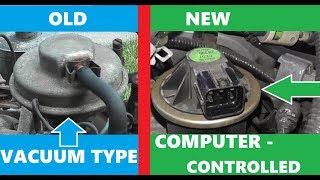
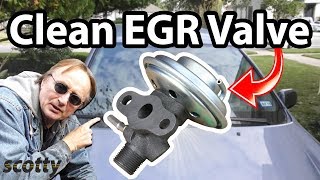
The 2.0L engine in the second-generation Dodge Neon uses a straightforward vacuum-operated EGR system, which was common for its time. Like many engines from this era, it is prone to heavy carbon buildup in the EGR valve and the associated passages in the intake manifold. This buildup can restrict or completely block the flow of exhaust gas, making it the most frequent cause of a P0401 code. Owners often find that a thorough cleaning restores function without the need to immediately 🎬 Watch: How to clean an EGR valve and how it works replace expensive components.
Symptoms You May Notice
- Check Engine Light is illuminated
- Engine knocking or pinging, especially under acceleration or load
- Rough idle or stalling
- Noticeable decrease in fuel economy
- Failure to pass an emissions inspection
- Slower than usual acceleration or loss of power
- In some cases, no noticeable symptoms other than the Check Engine Light
- Replacing the EGR valve without first inspecting and thoroughly cleaning the EGR passages in the intake manifold. If the passages are blocked, a new valve will not solve the insufficient flow problem and the code will return.
Most Likely Causes
- Clogged EGR Passages or EGR Tube 🔴 High Probability The EGR system routes carbon-heavy exhaust gas, which naturally leads to soot and carbon deposits building up over time, creating a bottleneck in the intake manifold ports and EGR tube.
How to confirm: After removing the EGR valve, inspect the port on the intake manifold and the EGR tube for heavy, hard carbon buildup. The passage may be completely blocked. A small wire brush or pick should be used 🎬 Watch: A cool trick to clean your EGR valve passages to gauge the extent of the blockage.
Typical fix: Remove the EGR valve and/or throttle body to gain access to the passages. Use brushes, picks, and carburetor cleaner to scrape and dissolve the carbon deposits until the passage is clear. Ensure the metal tube from the exhaust manifold to the EGR valve is also clear.
Est. part cost: $5-$15 for cleaner and gaskets. - Faulty or Stuck EGR Valve 🔴 High Probability → Shop Exhaust Gas Recirculation (EGR) Valve Constant exposure to heat and carbon can cause the valve's internal pintle to stick closed, or the vacuum diaphragm to rupture, preventing it from opening.
How to confirm: With the engine idling, apply vacuum to the EGR valve's vacuum port with a hand pump. The engine should stumble, run rough, or stall. If the engine's RPM does not change, the valve is not opening or the passage is blocked. The valve can also be removed and inspected for a pintle that is stuck.
Typical fix: If the valve is stuck due to carbon, it can sometimes be cleaned thoroughly with carburetor cleaner and restored. If it's mechanically failed (e.g., bad diaphragm), it must be replaced.
Est. part cost: $100-$220 for a new EGR valve. - Leaking or Disconnected Vacuum Lines 🟡 Medium Probability Rubber vacuum hoses become brittle, crack, and swell over time due to age and engine heat, a common issue on this platform.
How to confirm: Visually inspect all vacuum hoses running to the EGR valve and the EGR control solenoid. Listen for a hissing sound at idle. Test hoses with a vacuum gauge to see if they hold vacuum. Spraying brake cleaner near suspected hoses will cause a change in engine idle if a leak is present.
Typical fix: Replace any cracked, brittle, or broken vacuum hoses. This is a simple and inexpensive fix.
Est. part cost: $5-$20 for vacuum hose. - Faulty EGR Control Solenoid ⚪ Low Probability The electronic solenoid (transducer) that modulates vacuum to the EGR valve can fail electrically or no longer hold vacuum.
How to confirm: Test the solenoid to see if it holds vacuum and if it opens/closes when voltage is applied. This requires a multimeter and a vacuum pump.
Typical fix: Replace the EGR control solenoid/transducer.
Est. part cost: $30-$70.
Rare But Worth Checking
- Clogged Catalytic Converter: A clogged converter can create excessive backpressure in the exhaust system, which may affect EGR flow and trigger a P0401 code, though you would likely have other codes like P0420 as well.
- Faulty PCM: In very rare cases, the Powertrain Control Module may fail to correctly command the EGR solenoid or interpret sensor data, but all other possibilities should be exhausted first.
Diagnosis Steps
- Read the code with an OBD-II scanner to confirm P0401 is present and check for any other related codes.
- Perform a visual inspection of the EGR system. Look for obvious issues like disconnected or cracked vacuum hoses, and check electrical connectors on the EGR solenoid.
- Test the EGR valve directly. With the engine at a warm idle, use a hand-held vacuum pump to apply 5-10 in. Hg of vacuum to the EGR valve's top port. The engine should stumble, run rough, or stall. If nothing happens, the EGR passages are likely clogged or the valve is stuck closed.
- If the engine stumbles in the previous step, the valve and passages are likely clear. The problem is likely on the control side (vacuum supply or solenoid). Check for vacuum in the line from the solenoid to the valve while an assistant revs the engine to ~2500 RPM.
- If the engine did not stumble, remove the EGR valve (typically two nuts). Inspect the valve's inlet/outlet ports and the mounting port on the intake manifold for heavy, hard carbon buildup.
- Thoroughly clean the EGR valve and all accessible passages with a wire brush, picks, and carburetor cleaner. Pay special attention to the small ports inside the intake manifold.
- Reinstall the EGR valve with a new gasket. Clear the code with the OBD-II scanner and perform a test drive, including some steady cruising and acceleration, to see if the code returns.
- If cleaning does not resolve the issue and the valve was confirmed to be faulty (e.g., ruptured diaphragm), replace the EGR valve.
Parts You'll Likely Need
- EGR Valve
(OEM #4287602AC)— This valve is the primary moving part of the system and can fail by sticking shut or having its diaphragm rupture.
Trusted brands: Standard Motor Products (EGV602), Dorman, Mopar
OEM price range: $130-$200
Aftermarket price range: $50-$180 - EGR Valve Gasket
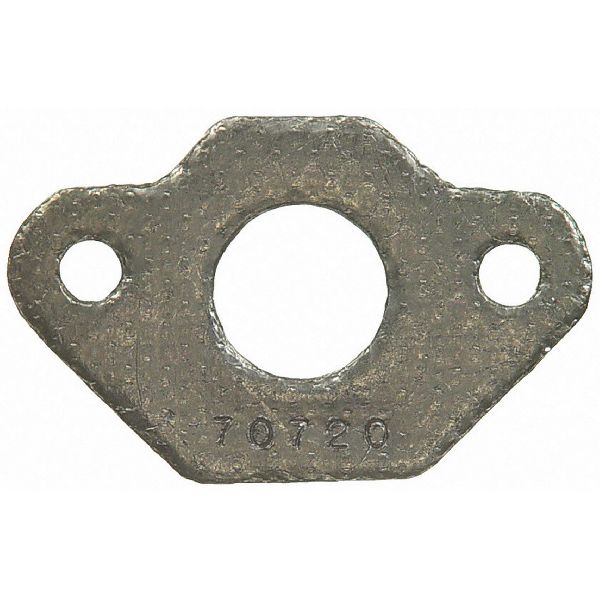
(OEM #4663247AB)— A new gasket is required to prevent vacuum or exhaust leaks whenever the EGR valve is removed for cleaning or replacement.
Trusted brands: Fel-Pro (70720), Mopar, Victor Reinz
OEM price range: $5-$15
Aftermarket price range: $2-$8
Technical Service Bulletins (TSBs) & Recalls
- While no specific Dodge TSB for P0401 on this model was found, the failure pattern is generic. For example, GM TSB 17-NA-378 for a different vehicle describes the identical issue of P0401 being caused by a plugged EGR cooler/passages on high-mileage vehicles, recommending replacement of the clogged component, which mirrors the common fix for the Neon.
- Manufacturer TSB Bulletin #18-092-16, although written for the Dodge Nitro, notes that P0401 (EGR System Performance) may be accompanied by conditions such as being hard to start, long crank times, or even a no-start.
- Manufacturer TSB Bulletin #68142905A for other Dodge models advises technicians to contact engineering before replacing components for P0401, highlighting the complexity of diagnosing insufficient flow codes across the manufacturer's lineup.
Platform-Specific Known Issues
- Intake Manifold Port Clogging: → Shop Engine Intake Manifold The design of the intake manifold on the 2.0L engine makes the EGR ports particularly susceptible to clogging with hard carbon deposits. Cleaning just the valve is often not enough; the ports in the manifold itself must be scraped clean for the repair to be effective.
Mechanic-Grade Diagnostic Values
- EGR Control Solenoid/Transducer Coil Resistance — expected: 20 to 60 Ohms is a common range for this type of solenoid. A new part may read closer to 32-35 Ohms.. Failure: A reading of 0 Ohms indicates a short circuit, while an infinite (O.L.) reading indicates an open circuit. Either requires replacement of the solenoid.
- EGR Control Solenoid Power Supply Voltage — expected: Approximately 12 Volts (battery voltage) should be present at the power supply wire of the solenoid connector with the key on, engine off.. Failure: No voltage indicates a problem with the power supply circuit, such as a blown fuse or broken wire, not the solenoid itself.
Scan Tool Commands That Help
- Chrysler DRB III or equivalent professional scanner: EGR System Test / Actuate EGR Solenoid — This bidirectional command allows the technician to manually command the EGR solenoid to open and close while monitoring engine RPM. If the engine stumbles when the solenoid is commanded open, it confirms the solenoid, valve, and passages are all functional, pointing the diagnosis towards a control or sensor issue. If nothing happens, it confirms a blockage or failed component.
Wiring & Ground Locations
- PCM Connector C1, Pin 17 — On the Powertrain Control Module (PCM), which is located on the firewall in the engine compartment.. This is the EGR Solenoid Control pin. The PCM grounds this pin to energize the solenoid and allow vacuum to flow to the EGR valve. A continuity check from this pin to the solenoid connector can verify the integrity of the control wire.
- G102 — At the left front of the engine compartment, often near the battery or below the air cleaner housing.. This is a primary engine and PCM ground. A loose or corroded G102 can cause a wide range of erratic issues with sensors and actuators, including the EGR control solenoid, leading to intermittent or false codes.
Real Owner Repair Stories
- neons.org forum user (2003 Dodge Neon SXT, mileage not specified) — Check Engine Light with code P0401.
❌ Tried (didn't work) Replaced the EGR valve itself.
✅ What actually fixed it The user found that the vacuum line running from the EGR solenoid to the EGR valve was brittle and had a crack near the valve. Replacing the small section of vacuum hose resolved the code.
OEM Part Supersession History
4287602AB→4287602AC— Standard part revision and improvement by the manufacturer.
Diagnostic Flowchart
Other Known Issues on This Vehicle
Issues unrelated to this code that are worth knowing about as an owner of this generation:
- Head Gasket Failure 🔴 High — A widely documented problem for the 2.0L engine, often occurring between 100,000 and 150,000 miles. Can manifest as oil/coolant mixing, overheating, or white smoke from the exhaust.
- Motor Mount Failure 🟠 Medium — The rubber in the engine and transmission mounts is known to wear out prematurely, causing excessive engine vibration at idle and clunking noises. This is a very common complaint among owners.
- Oil Leaks (Valve Cover/Spark Plug Tubes) 🟡 Low — Oil leaking from the valve cover gasket into the spark plug tubes is a frequent issue, which can cause misfires. Some owners have reported this being a persistent problem.
- Faulty Camshaft/Crankshaft Position Sensors 🟠 Medium — Failure of these sensors is common and can lead to stalling, misfires, and no-start conditions.
- High Oil Consumption 🟠 Medium — Many owners report higher-than-average oil consumption, which Chrysler sometimes deemed 'normal' (e.g., 1 quart per 750 miles on engines over 50k miles). It can be exacerbated by PCV system issues or internal wear.
Used vs. New Parts: Buying Guide for This Vehicle
When a used part is the smart pick: A used EGR valve from a junkyard can be a cost-effective option, but only if the passages are confirmed to be clear and the diaphragm holds vacuum. Vacuum lines and the EGR control solenoid are also good candidates for used parts as they are easy to test.
Donor-vehicle mileage cap: roughly under 80000 miles for the part to have meaningful remaining life.
What to inspect on the donor part:
- For an EGR valve, inspect the pintle for free movement and ensure the ports are not excessively caked with hard carbon.
- Use a hand vacuum pump to test the EGR valve diaphragm on the spot; it must hold vacuum without leaking down.
- For vacuum lines, bend and squeeze them to check for brittleness or hidden cracks.
- For an EGR solenoid, check for physical cracks on the housing and ensure the vacuum ports are not broken.
Aftermarket brands forum-validated for this vehicle:
- Standard Motor Products (SMP)
- Dorman (often provides improved designs over OEM)
- Fel-Pro (for gaskets)
Brands owners have reported issues with on this vehicle:
- Unbranded, 'white-box' parts from online marketplaces should be avoided, as their internal diaphragms and solenoid coils may not meet OEM specifications and can fail prematurely.
Real Owner Stories
Aggregated from forums and TSBs cited above. Mileages and costs reflect what owners reported in those sources.
2005 Dodge Neon 2.0L I4
Symptoms: Loud vibration through the frame.
What fixed it: Traced to a failed front engine mount after replacing others.
Source hint: 2CarPros.com question titled '2005-dodge-neon-engine-mount-loud-vibration-through-frame'
2003 Dodge Neon 2.0L I4 — ~125000 miles
Symptoms: Oil and coolant loss, white smoke on startup.
What fixed it: Diagnosis of head gasket failure, a known weakness for the 2.0L engine typically occurring between 100,000 and 150,000 miles.
Source hint: Reddit r/cars thread titled 'dodge_neon_head_gasket_issues'
Related OBD-II Codes
Frequently Asked Questions
Is there a specific Dodge TSB for the P0401 code on my 2000-2005 Neon?
Why is my 2.0L I4 engine specifically prone to P0401?
Can I just clean the EGR valve to fix the P0401 code on my Neon?
How much will it cost to fix the clogged EGR passages on my 2000-2005 Dodge Neon?
My Neon is vibrating badly at idle; is this related to the P0401 code?
Will a faulty vacuum hose cause a P0401 on this vehicle?
Helpful Videos

We Have This Part in Stock


The information in this article is provided for general reference and educational purposes only. Vehicle specifications, procedures, and part compatibility can vary by production date, trim level, and region. Always consult your vehicle's factory service manual and verify part numbers before purchasing or performing repairs. Safety-critical components such as airbags, seat belts, and braking systems should be installed by a qualified professional.
- Dodge Neon:
- 🧭 Diagnostic Flowchart
- 🎬 Helpful Videos
- 🛍️ Shop This Part
- What's Unique About the 2000-2005 Dodge Neon
- Symptoms You May Notice
- Most Likely Causes
- Rare But Worth Checking
- Diagnosis Steps
- Parts You'll Likely Need
- Technical Service Bulletins (TSBs) & Recalls
- Platform-Specific Known Issues
- Mechanic-Grade Diagnostic Values
- Scan Tool Commands That Help
- Wiring & Ground Locations
- Real Owner Repair Stories
- OEM Part Supersession History
- Other Known Issues on This Vehicle
- Used vs. New Parts: Buying Guide for This Vehicle
- Real Owner Stories
- 2005 Dodge Neon 2.0L I4
- 2003 Dodge Neon 2.0L I4 — ~125000 miles
- Related OBD-II Codes
- Frequently Asked Questions
- 🎟️ Get 5% Off