

P0401 on 2003-2005 Honda Pilot: EGR Insufficient Flow Causes and Fixes
On a 2003-2005 Honda Pilot, code P0401 is almost always caused by clogged EGR passages inside the intake manifold, not a bad EGR valve. The fix requires removing the upper intake manifold to clean out hard carbon buildup. This is a labor-intensive but low-cost parts repair, and simply replacing the EGR valve will not solve the problem.
- For a P0401 code on a 2003-2005 Honda Pilot, the cause is almost certainly clogged EGR passages in the intake manifold, not a faulty EGR valve.
- The correct repair involves removing the upper intake manifold and thoroughly cleaning the carbon buildup from the main EGR port.
- Replacing the EGR valve without cleaning the passages will not solve the problem.
- New gaskets for the intake plenum and throttle body are required for reassembly to prevent vacuum leaks.
- This is a common, well-documented issue across many Honda and Acura vehicles equipped with the J-series V6 engine.
What's Unique About the 2003-2005 Honda Pilot
The first-generation Honda Pilot, along with other Honda and Acura models using the J-series V6 engine of this era, is famously prone to this specific problem. The design of the intake manifold's EGR distribution plate features small passages that are highly susceptible to clogging with hard, baked-on carbon deposits over time. Honda recognized this issue and released Technical Service Bulletin (TSB) 05-026, which outlines the diagnosis and repair for this exact condition on the 2003 Pilot. Owners and technicians universally report that simply replacing the EGR valve does not solve the problem; cleaning the internal passages is the critical step.
Symptoms You May Notice
- Check Engine Light is on
- Hesitation or surging during light, steady acceleration
- Engine pinging or knocking, especially when going up hills or under load.
- Failure to pass an emissions/smog test.
- Rough or unstable idle
- Replacing the EGR valve without cleaning the intake manifold passages. This is the most common mistake and will not fix the code if the passages are the root cause. The code will typically return within a few miles of driving.
Most Likely Causes
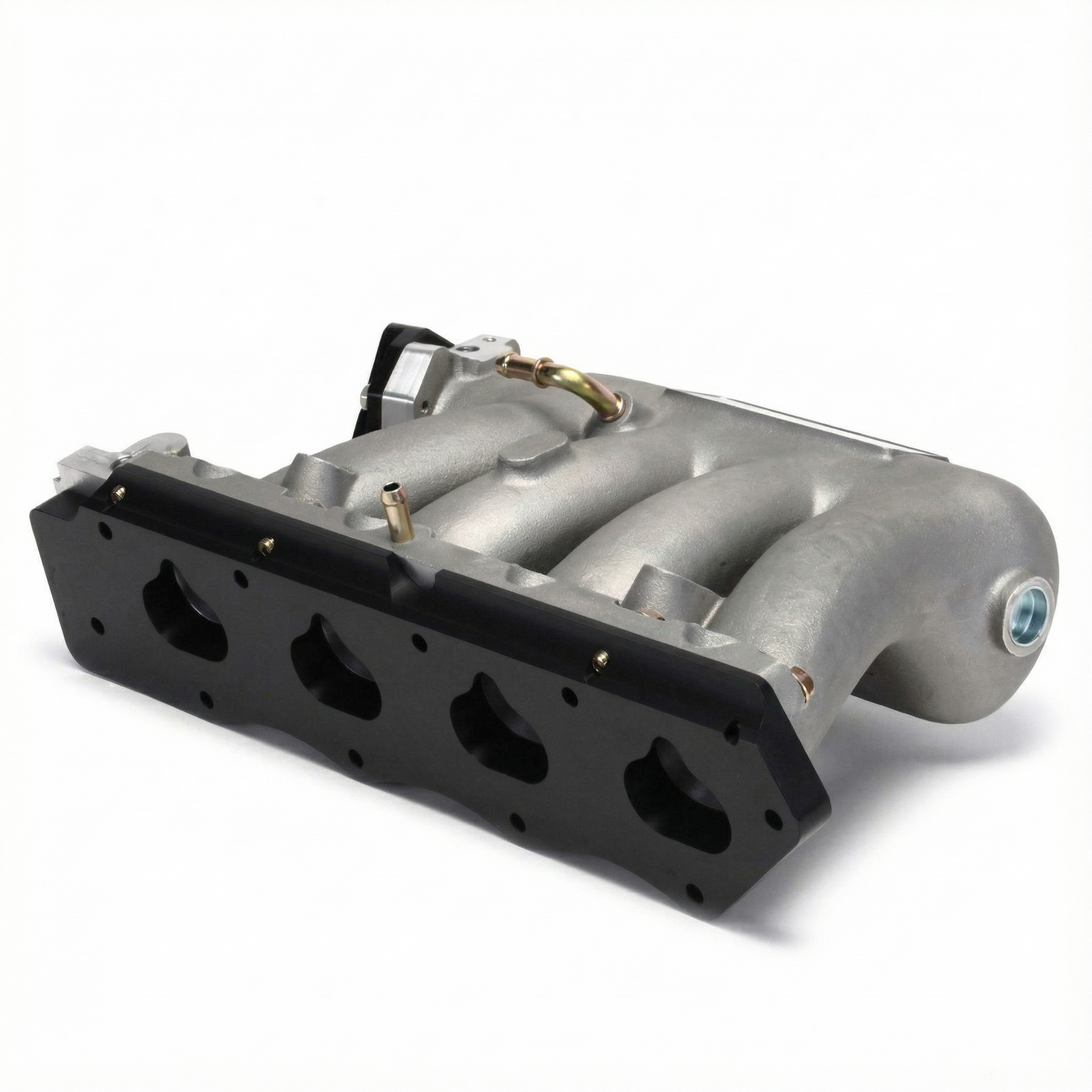
- Clogged EGR Passages in Intake Manifold 🔴 High Probability → Shop Engine Intake Manifold The design of the J35 V6 intake manifold's EGR distribution plate has a small port that makes a sharp turn, creating a choke point where carbon deposits accumulate and harden. This is a well-documented design flaw covered by Honda TSB 05-026.
How to confirm: With the engine warm and at idle, manually command the EGR valve to open using a scan tool. If the engine idle does not become very rough or stall completely, the passages are blocked, preventing exhaust gas from entering the cylinders. Visually, after removing the intake plenum, the port will be visibly caked with hard carbon.
Typical fix: Remove the upper intake manifold (plenum). The main EGR port is located on the manifold surface. This port must be thoroughly cleaned out. Technicians use a combination of picks, old speedometer cables chucked into a drill, small brushes, and strong solvents like carburetor or brake cleaner to break up and remove the rock-hard carbon. A shop vacuum should be used to prevent debris from falling into the intake ports.
Est. part cost: $25-$75 - Faulty or Sticking EGR Valve ⚪ Low Probability → Shop Exhaust Gas Recirculation (EGR) Valve While less common than clogged passages, the EGR valve itself can fail. It can get stuck closed due to carbon buildup or have an internal electrical failure. However, it is most often replaced unnecessarily.
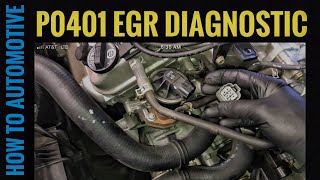
How to confirm: Remove the EGR valve (typically two 12mm nuts). Inspect the pintle for free movement and for heavy carbon deposits that could cause it to stick. You can test the electrical circuit by applying 12V power and ground to the appropriate pins on the valve; 🎬 Watch: How to diagnose and test the EGR solenoid circuit you should hear a distinct click as the solenoid actuates.
Typical fix: Replace the EGR valve and the corresponding gasket. Cleaning the valve with solvent can sometimes work if it's merely dirty and not electrically failed.
Est. part cost: $100-$220
Diagnosis Steps
- Confirm the P0401 code is present using an OBD-II scanner.
- With the engine fully warmed up and at idle, use a scan tool to command the EGR valve to open. Alternatively, carefully back-probe the EGR valve connector and apply 12V power and ground to the two solenoid pins.
- Listen for a change in engine idle. If the engine stumbles badly or stalls, the EGR passages are clear, and the problem may be the valve itself or its sensor. If the engine idle does not change, the passages are confirmed to be clogged.
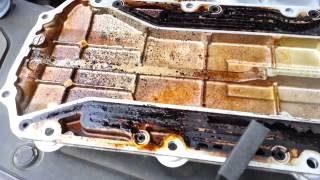
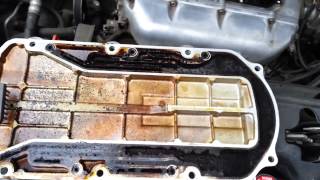
- If passages are confirmed to be clogged, proceed with removing the intake plenum for cleaning. 🎬 See this step-by-step guide to cleaning your Pilot's EGR ports This involves removing the engine cover, air intake ducting, and throttle body (which can be unbolted and set aside without disconnecting coolant lines).
- Once the plenum is off, locate the main EGR port. Use picks, brushes, and a solvent like brake/carb cleaner to aggressively scrape and clean out the hardened carbon. An old speedometer cable spun with a drill is a common and effective tool for this. Use a vacuum to remove all loose debris.
- While the plenum is off, it is good practice to clean the throttle body and the individual intake runners of any carbon buildup.
- Reassemble using a new intake plenum gasket and throttle body gasket to prevent vacuum leaks. Torque bolts to factory specifications (plenum bolts are typically around 16 ft-lbs).
- Clear the code with the scanner and perform a test drive to ensure it does not return. The code would often reappear within 2-6 miles if the cleaning 🎬 Watch: A complete walkthrough for fixing the P0401 flow code was not successful.
Parts You'll Likely Need
- Intake Manifold Plenum Gasket
(OEM #17146-P8E-A21)— This gasket is required to re-seal the upper intake manifold after removing it to access and clean the clogged EGR passages. It is a one-time use part and critical for preventing vacuum leaks.
Trusted brands: Honda (OEM), Fel-Pro (MS 96473), Beck/Arnley
OEM price range: $20-$30
Aftermarket price range: $10-$20 - Throttle Body Gasket
(OEM #16176-RCA-A02)— The throttle body must be removed from the intake plenum to perform the cleaning. This gasket should be replaced to prevent vacuum leaks.
Trusted brands: Honda (OEM), Fel-Pro
OEM price range: $3-$8
Aftermarket price range: $2-$5 - EGR Valve
(OEM #18011-PGK-A03)— Only needed if the valve itself is confirmed to be faulty. It is often replaced unnecessarily when the actual problem is clogged passages.
Trusted brands: Honda (OEM), Standard Motor Products (SMP), Dorman
OEM price range: $200-$320
Aftermarket price range: $90-$180
Related Codes That Often Appear With This One
- P1491 — P1491 stands for 'EGR Valve Insufficient Lift Detected'. This code often appears with P0401 because a clogged system can prevent the valve from opening fully, or the sensor that measures lift may be faulty. TSB 05-026 also lists this code as a possible result of clogged passages or a contaminated valve.
Technical Service Bulletins (TSBs) & Recalls
- 05-026: 'Warranty Extension: EGR Valve Contamination or EGR Port Clogging May Cause DTC P0401, DTC P1491, or Engine Hesitation/Surge'. This TSB applies to 2003 Pilots within a specific VIN range and confirms the diagnosis and repair procedure.
- NHTSA ODI #10162293 notes that for similar Honda models, the manufacturer recognized this P0401 "insufficient airflow" condition as a known problem and issued a warranty extension.
- NHTSA ODI #10146426 describes a situation where a consumer contacted the manufacturer regarding a P0401 code and the lack of a received notice for the recognized service issue.
Platform-Specific Known Issues
- Honda issued Technical Service Bulletin (TSB) 05-026, which included a warranty extension for affected 2003 Pilots (up to 8 years or 80,000 miles) covering the repair of clogged EGR ports and/or a contaminated EGR valve.
- Owner Experience: A user on Piloteers.org describes getting the P0401 code at 105k miles on their 2005 Pilot. After confirming the EGR valve was functional, they removed the intake manifold and found the port completely blocked. Using a drill bit, carb cleaner, and a vacuum, they cleaned the passage and reassembled with new gaskets, which permanently resolved the code.
- Repair Story: A video shows a 2006 Acura MDX (with a similar J35 engine) that repeatedly threw a pending P0401 code within 2 miles of driving after an initial cleaning. The fix was only successful after removing the thermostat housing to gain better access to the lower part of the EGR passage, demonstrating how thorough the cleaning must be.
Mechanic-Grade Diagnostic Values
- EGR Valve Solenoid Actuation Test — expected: Audible click from the valve and the engine should stumble badly or stall if passages are clear.. Failure: No click indicates a bad solenoid. A click with no change in idle indicates clogged passages.
- Intake Manifold Plenum & Throttle Body Bolt Torque — expected: 16 ft-lbs (22 N-m). Failure: Under-torquing can cause vacuum leaks; over-torquing can damage the manifold or bolts.
- EGR Port Cover Bolt Torque — expected: ~12 ft-lbs (16 N-m). Failure: Incorrect torque can lead to leaks or damaged threads.
Scan Tool Commands That Help
- Honda HDS or equivalent professional scanner: EGR System Test / Actuation Test — This is the primary diagnostic step. With the engine warm and at idle, commanding the EGR valve open should cause a severe drop in RPM or a stall. If it does not, the EGR passages are confirmed to be blocked, and no further electrical diagnosis is needed to condemn the passages.
Wiring & Ground Locations
- EGR Valve Connector — On the EGR valve itself, located at the front, right side of the engine.. This 6-pin connector provides power, ground, and signal lines to control and monitor the EGR valve. For manual testing, apply 12V power to terminal 6 and ground to terminal 4 to actuate the solenoid.
- G101 — Main engine and ECU ground point, located on the thermostat housing at the left rear of the engine.. A poor connection at G101 can cause a wide range of erratic engine management issues, including incorrect sensor readings or faulty actuator commands from the ECU. While not a primary cause of P0401, ensuring this ground is clean and tight is a critical step in any complex electrical diagnosis.
Real Owner Repair Stories
- YouTube channel 'How to Automotive' (Honda with 3.0L V6 (similar design to J35)) — P0401 Check Engine Light.
❌ Tried (didn't work) The video immediately suspects clogged passages based on experience, bypassing unnecessary parts replacement.
✅ What actually fixed it The EGR passages in the upper and lower intake were completely blocked with carbon. The fix involved removing the upper intake plenum, removing the EGR valve to access the lower passage, and using an old speedometer cable spun by a drill to bore out the rock-hard carbon buildup. New plenum and throttle body gaskets were used on reassembly. - YouTube channel 'sixten land' (2002 Honda Accord V6 (similar design)) — P0401 Insufficient EGR Flow.
❌ Tried (didn't work) An initial attempt at cleaning the main EGR port on the manifold did not fully resolve the issue.
✅ What actually fixed it A massive carbon blockage was discovered deep inside the manifold. The key to accessing and removing it was to remove the Intake Air Temperature (IAT) sensor from the manifold, which exposed another angle into the passage. A long rod was pushed through this opening, dislodging a huge chunk of carbon and finally clearing the path. - NHTSA ODI #11361702 — An owner reported that after experiencing a lack of movement during acceleration, they found a P0401 code and performed a cleaning of the EGR valve to address the issue.
- NHTSA ODI #10078623 — One owner noted receiving the P0401 "insufficient EGR flow detected" code multiple times, describing it as a very common problem for this manufacturer's engine platforms.
Documented NHTSA Reports
- NHTSA ODI #10376625 describes a vehicle with a check engine light for a P0401 code due to a clogged EGR system, occurring alongside transmission issues.
OEM Part Supersession History
18011-P8F-A00, 18011-PGK-A00, 18011-PGK-A01, 18011-PGK-A02→18011-PGK-A03— Standard part revision and consolidation by the manufacturer.
Model Year Variations Within This Range
- 2003-2004 vs 2005: The 2003-2004 Pilot used the J35A4 engine with a cable-actuated throttle body. The 2005 model year introduced the J35A6 engine, which featured an electronic 'drive-by-wire' throttle body and a revised exhaust. While the throttle control is different, the fundamental design of the intake manifold and EGR system that leads to the P0401 clogging issue remained the same.
Diagnostic Flowchart
Other Known Issues on This Vehicle
Issues unrelated to this code that are worth knowing about as an owner of this generation:
- Automatic Transmission Failure 🔴 High — Very common, especially on 2003-2005 models, often occurring between 90,000 and 150,000 miles. Symptoms include gear slipping, shuddering, and sudden failure. (Ref: NHTSA Recall #04V176000 was issued for some 2003-2004 models for an issue that could cause transmission lockup, but problems are widespread beyond the recall's scope.)
- Takata Airbag Inflator Rupture 🔴 High — Affects nearly all vehicles from this era. The recall is critical for safety. (Ref: Multiple NHTSA recalls (e.g., 19V182000, 19V499000) were issued to replace dangerous Takata airbag inflators that could explode and cause injury or death.)
- Rear Subframe Mount Rust/Corrosion 🔴 High — A design flaw allows water to pool in a recessed area of the body frame where the rear subframe mounts, causing severe rust-through even on non-salt-belt vehicles. This can cause the subframe to pull away from the body.
- Faulty Ignition Switch / Fuel Pump Relay 🟠 Medium — Commonly reported issue where a faulty ignition switch or main fuel pump relay causes intermittent no-start conditions or stalling while driving. (Ref: Recalls were issued for related components, like the fuel pump relay fuse box on some models.)
- Leaking Power Steering Pump/Hose 🟡 Low — The power steering pump and high-pressure hose are common leak points, leading to whining noises and loss of power steering assist if fluid runs low.
- Sagging Rear Coil Springs 🟡 Low — The original rear coil springs tend to weaken and sag over time, especially if the vehicle was used for towing or carrying heavy loads, resulting in a 'saggy rear end' appearance.
Used vs. New Parts: Buying Guide for This Vehicle
When a used part is the smart pick: A used intake manifold from a junkyard is a smart choice. It allows you to thoroughly clean the EGR passages on a workbench without disabling your vehicle for an extended period. Once clean, you can perform the swap in a single session.
Donor-vehicle mileage cap: roughly under 120000 miles for the part to have meaningful remaining life.
What to inspect on the donor part:
- Check for any visible cracks on the casting, especially around bolt holes.
- Ensure all threaded holes for the throttle body, EGR valve, and mounting bolts are clean and not stripped.
- Verify it is the correct manifold for your year (cable vs. electronic throttle body), although the core clogging issue is the same.
- Ignore internal carbon buildup, as you will be cleaning it completely anyway.
OEM-only on this vehicle (don't cheap out):
- Intake Manifold Gasket (Fel-Pro is a trusted alternative)
- Throttle Body Gasket (Fel-Pro is a trusted alternative)
Aftermarket brands forum-validated for this vehicle:
- Gaskets: Fel-Pro
- EGR Valve: Standard Motor Products (SMP), Dorman (though OEM is often preferred for electronics)
Brands owners have reported issues with on this vehicle:
- Unnamed, deeply discounted electronic parts like EGR valves from online marketplaces, as they have a higher reported rate of premature failure.
Real Owner Stories
Aggregated from forums and TSBs cited above. Mileages and costs reflect what owners reported in those sources.
2005 Honda Pilot J35 — 105000 miles
Symptoms: Check engine light with P0401 code; confirmed the EGR valve itself was still functional.
What fixed it: Removed the intake manifold and found the port completely blocked. Cleaned the passage using a drill bit, carb cleaner, and a vacuum, then reassembled with new gaskets.
Source hint: Piloteers.org thread 'P0401 - EGR insufficient flow'
2006 Acura MDX J35 — ~120000 miles
Symptoms: The P0401 code would return as a pending code within just 2 miles of driving after an initial cleaning attempt.
What fixed it: A more thorough cleaning that required removing the thermostat housing to gain better access to the lower part of the EGR passage.
Source hint: YouTube video by 'Wrenches in Motion'
2003 Honda Pilot J35A4 — ~75000 miles
Symptoms: Engine hesitation and surging during light acceleration; Check Engine Light on.
What fixed it: Repair of clogged EGR ports and/or contaminated EGR valve as outlined in the warranty extension procedure.
Source hint: TSB 05-026
Related OBD-II Codes
Frequently Asked Questions
Does Honda TSB 05-026 apply to my 2003 Honda Pilot?
If I have a P0401 code, should I just replace the EGR valve on my J35A4 engine?
How can I tell if the intake manifold passages are actually blocked without taking it apart?
What tools are recommended for cleaning the hardened carbon out of the Pilot's EGR port?
Will the P0401 code clear itself immediately after I clean the manifold?
Are there other gaskets I need to replace when performing the EGR port cleaning?
Helpful Videos
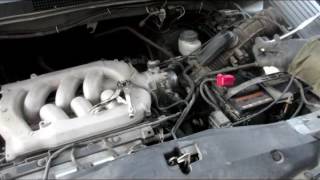
We Have This Part in Stock
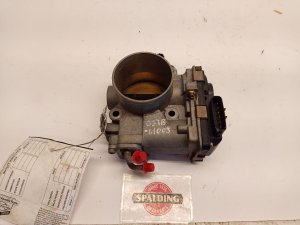
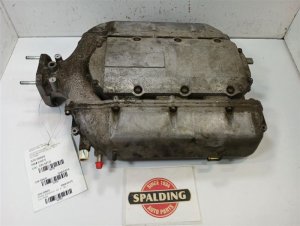
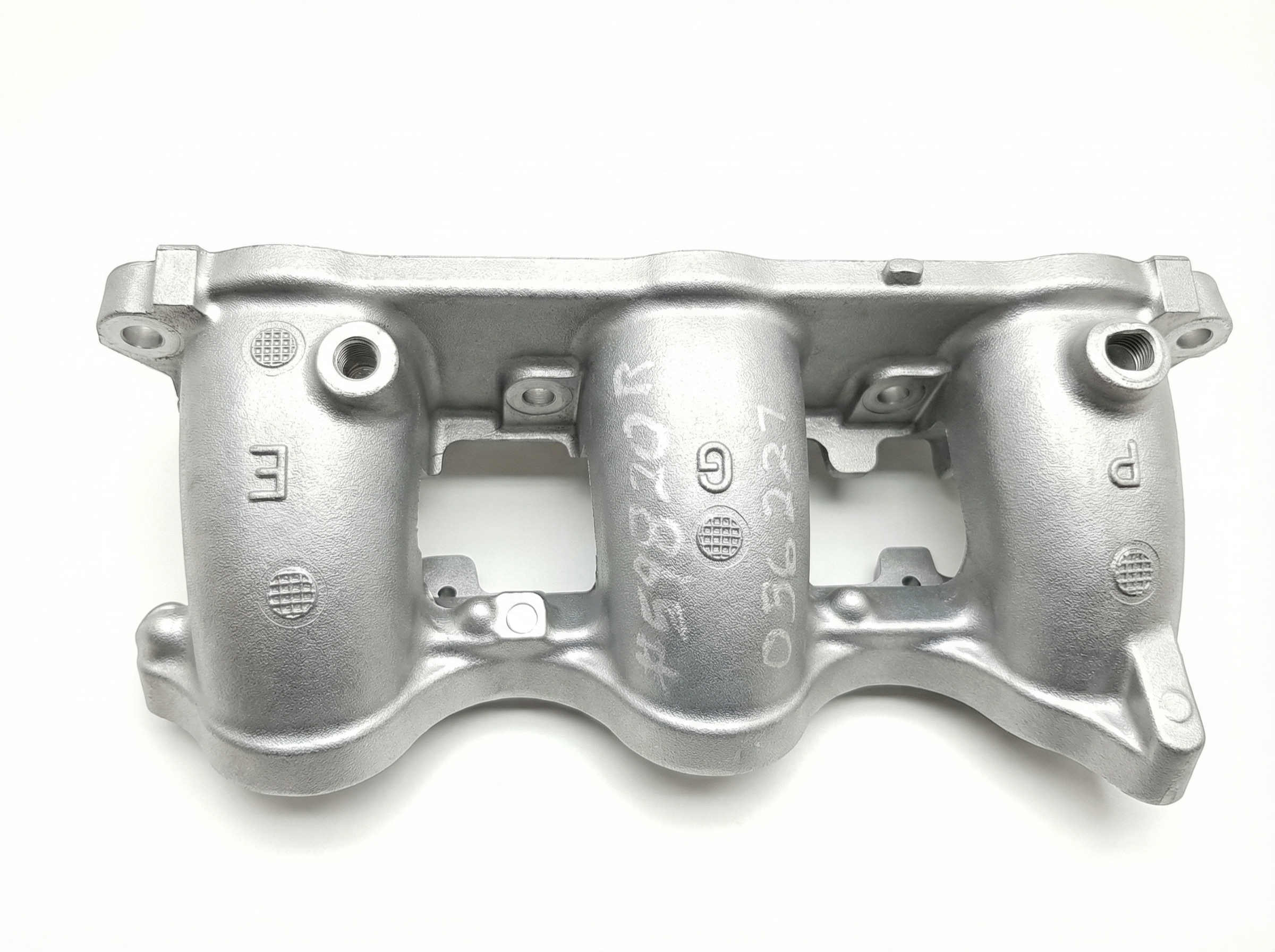

The information in this article is provided for general reference and educational purposes only. Vehicle specifications, procedures, and part compatibility can vary by production date, trim level, and region. Always consult your vehicle's factory service manual and verify part numbers before purchasing or performing repairs. Safety-critical components such as airbags, seat belts, and braking systems should be installed by a qualified professional.
- Honda Pilot:
- 🧭 Diagnostic Flowchart
- 🎬 Helpful Videos
- 🛍️ Shop This Part
- What's Unique About the 2003-2005 Honda Pilot
- Symptoms You May Notice
- Most Likely Causes
- Diagnosis Steps
- Parts You'll Likely Need
- Related Codes That Often Appear With This One
- Technical Service Bulletins (TSBs) & Recalls
- Platform-Specific Known Issues
- Mechanic-Grade Diagnostic Values
- Scan Tool Commands That Help
- Wiring & Ground Locations
- Real Owner Repair Stories
- Documented NHTSA Reports
- OEM Part Supersession History
- Model Year Variations Within This Range
- Other Known Issues on This Vehicle
- Used vs. New Parts: Buying Guide for This Vehicle
- Real Owner Stories
- 2005 Honda Pilot J35 — 105000 miles
- 2006 Acura MDX J35 — ~120000 miles
- 2003 Honda Pilot J35A4 — ~75000 miles
- Related OBD-II Codes
- Frequently Asked Questions
- 🎟️ Get 5% Off